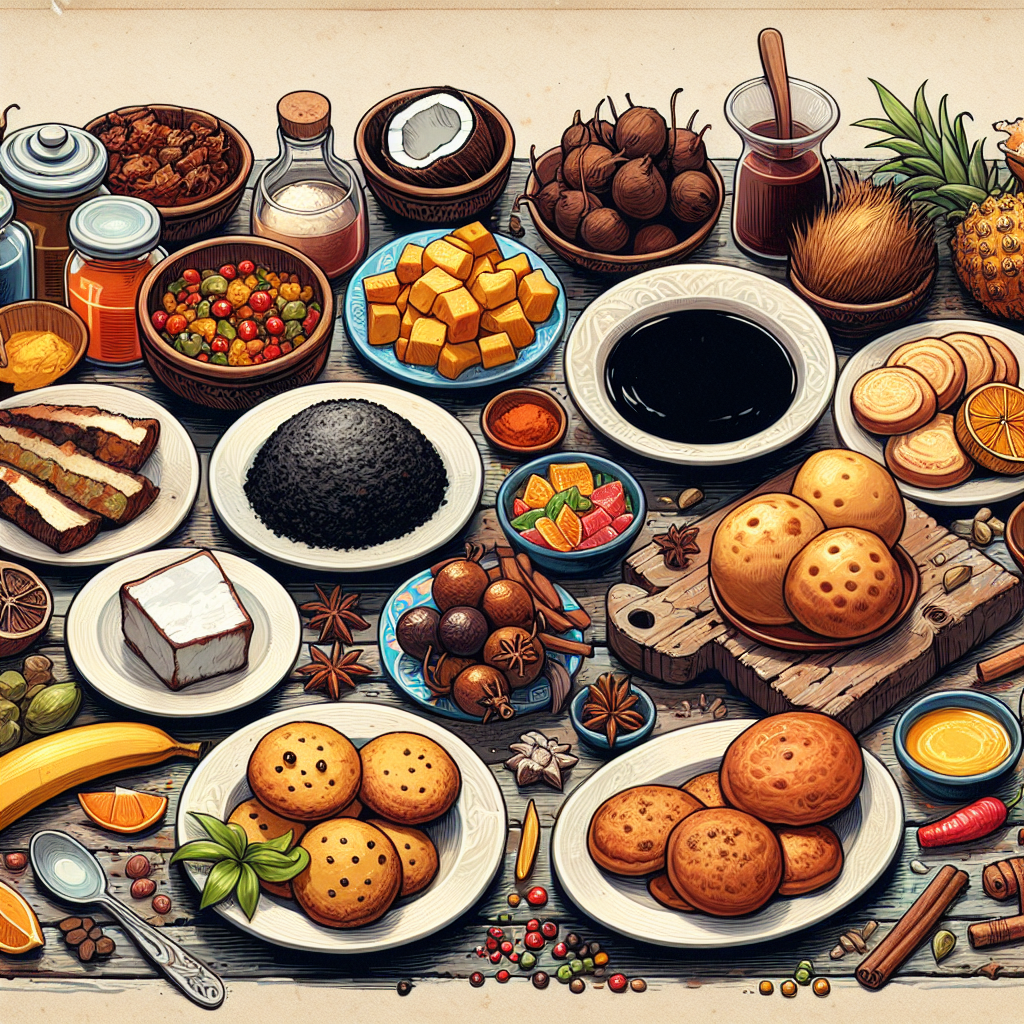
Nestled in the Caribbean, the island of Nevis exudes a charm that’s not only captivatingly beautiful but also bursting with a rich cultural tapestry. From its history-soaked landmarks to its vibrant festivities, Nevis offers travelers a feast for the senses. Among these treasures, however, the island’s culinary scene stands out. Nevis offers a remarkable farm-to-fork dining experience, a practice which combines the allure of fresh local produce with the age-old traditions of Caribbean cooking, rendering each meal an authentically Nevisian affair. But what exactly is farm-to-fork dining, and why is it noteworthy in Nevis? This article delves into the aspects that make Nevis’ farm-to-fork restaurants special, the local produce you can expect, must-visit venues, and the impact this approach has on both diners and the community. Step into the lush, vibrant world of Nevisian dining and discover why farm-to-fork is not merely a trend but a tradition and a celebrated way of life on this enchanting island.
Understanding the Farm-to-Fork Concept
Before immersing ourselves in the Nevisian spin on farm-to-fork dining, it is important to understand what the concept entails. The farm-to-fork movement emphasizes minimizing the distance between food production and consumption. This translates to sourcing ingredients directly from local farms, fishermen, and artisans, thereby ensuring that food is fresh, seasonal, and sustainable. Dishes are crafted with ingredients that are abundant, which helps maintain their nutritional value and robust flavor profiles. Beyond the gastronomic advantages, farm-to-fork supports local economies and reduces ecological footprints by cutting down on the need for long-distance transportation. In Nevis, this mode of dining harmoniously blends with the island’s agrarian heritage. Farmers, chefs, and diners alike participate in a cycle that promotes environmental stewardship and fosters a deeper connection to the land and sea.
Local Produce: The Heart of Nevisian Cuisine
The uniqueness of Nevisian farm-to-fork dining lies in the island’s fertile land and bountiful sea, which provide an array of local produce. Tropical fruits such as mangoes, papayas, and guavas burst with flavor and vitamins, while local vegetables like yams, sweet potatoes, and okra are staple components in many traditional dishes. The fishing waters surrounding Nevis are teeming with fresh catches such as lobster, snapper, and mahi-mahi, adding a protein-rich bounty to the menu. Moreover, the island’s small-scale farms produce herbs, spices, and greens that find their way into the kitchens of local restaurants. Free-range livestock, particularly goats and chickens, offer fresh meat and dairy products that supplement the island’s culinary repertoire. Combined, these ingredients form the bedrock of Nevisian cuisine, presenting flavors that are unmistakably fresh and deeply rooted in the local terroir.

Must-Visit Farm-to-Fork Restaurants in Nevis
When it comes to experiencing farm-to-fork dining in Nevis, there are a few standout restaurants that truly encapsulate the essence of this culinary approach. Bananas Bistro in Hamilton Estate is a favorite for its eclectic menu that capitalizes on seasonal produce and catches of the day. The setting is both upscale and inviting, making it perfect for a romantic dinner or a special occasion. Oualie Beach Resort, set amid the serene surroundings of Oualie Bay, offers farm-to-table dishes with an emphasis on sustainability and local ingredients. Their seafood dishes, in particular, are renowned for their freshness and preparation style. For a blend of tradition and innovation, Golden Rock Inn offers a unique dining experience where each dish is intricately crafted to highlight the island’s produce. Lastly, Indian Summer brings a Nevisian twist to classic Indian cuisine, sourcing local ingredients to create fusion dishes that delight the palate. Each of these restaurants not only offers an exceptional dining experience but also underscores the importance and benefits of farm-to-fork dining.
The Impact of Farm-to-Fork on the Community and Environment
The farm-to-fork movement in Nevis does more than just improve culinary experiences; it has far-reaching impacts on both the community and the environment. By partnering with local farmers and fishermen, restaurants are able to provide them with a stable income stream, fostering economic stability and growth within the community. This economic boost promotes the development of local agriculture and fishing industries, encouraging sustainable practices and reducing reliance on imported goods. From an environmental standpoint, sourcing locally minimizes the carbon footprint associated with food transportation, thereby helping to protect the island’s pristine ecosystems. Additionally, farm-to-fork dining encourages the use of organic farming practices, which entails less reliance on chemical fertilizers and pesticides, leading to healthier soil and waterways. For diners, the farm-to-fork experience offers a tangible connection to Nevis’ abundant natural resources, enhancing their appreciation for where their food comes from and the local efforts that go into its production.
Experiencing Nevisian Culture Through Food
One of the most profound ways to experience a culture is through its food, and Nevisian farm-to-fork dining provides just that. Each meal crafted using local ingredients tells a story of the island’s rich heritage, its community, and the environment. Traditional recipes passed down through generations often get a contemporary twist in these farm-to-fork restaurants, allowing diners to savor the past while enjoying modern culinary innovations. For visitors, participating in farm-to-fork dining offers a way to engage meaningfully with Nevisian culture. Beyond just dining, many restaurants offer farm tours and cooking classes, providing deeper insights into the island’s agricultural practices and culinary traditions. Whether it’s enjoying a hearty goat water stew made from free-range goats or delighting in a fresh mango salad, each bite is a celebration of Nevis’ land and people.
Conclusion
As we conclude our journey through Nevis’ farm-to-fork dining landscape, it becomes clear that this is more than just a culinary trend—it’s a harmonious way of living that benefits everyone involved. From the lush farms and abundant seas to the talented chefs and appreciative diners, the farm-to-fork approach weaves a connection between the land, the people, and the food. The next time you find yourself on the serene island of Nevis, make sure to partake in a farm-to-fork dining experience. You’ll not only indulge in some of the freshest and most flavorful dishes the Caribbean has to offer but also contribute to a sustainable cycle that celebrates and respects the island’s natural bounty. In exploring this vibrant culinary tradition, you’ll find that Nevisian farm-to-fork dining offers a window into the very soul of the island, enriching your travel experience beyond measure.