Nevis rewards hungry travelers with a dining scene that is far more varied than its small size suggests, and knowing where to eat in Nevis can turn a pleasant Caribbean holiday into a memorable one. The island, part of Saint Kitts and Nevis, blends West Indian home cooking, beach-shack grilling, hotel fine dining, and produce-driven café fare in a way that feels distinctly local rather than manufactured for visitors. When local food critics talk about the best restaurants in Nevis, they usually judge more than atmosphere. They look for freshness, seasoning, consistency, service, value, and a sense of place. In practice, that means asking simple questions: Is the fish landed nearby? Does the kitchen respect traditional dishes such as goat water and saltfish? Is the menu designed around imported luxury ingredients, or does it reflect the island’s farms, fisheries, and culinary history?
This hub article answers those questions directly and helps you navigate the island’s miscellaneous dining options, from landmark restaurants to casual lunch stops and rum-bar discoveries. I have planned meals across Nevis for travelers with very different expectations: couples wanting a celebratory dinner, families needing easy beach access, cruise visitors trying to fit one standout lunch into a short day, and repeat Caribbean guests searching for food that locals genuinely endorse. The result is a practical guide to top picks from local food critics, framed around what each place does best. You will find recommended spots, what to order, how to match a restaurant to your budget and mood, and which dining experiences connect most strongly to the island’s culinary identity. If you want one page that makes sense of Nevis dining before you branch into deeper guides on seafood, beach bars, breakfast, and fine dining, this is the right starting point.
What Makes a Restaurant Stand Out in Nevis
The best restaurants in Nevis succeed because they balance flavor with context. On an island where supply chains can be unpredictable and imported ingredients are expensive, quality kitchens earn respect by adapting intelligently. A chef may build a menu around wahoo, mahi-mahi, lobster in season, local vegetables, coconut, mango, breadfruit, and plantain rather than trying to imitate a city steakhouse. That approach usually produces fresher plates and a more memorable meal. Local critics also value kitchens that understand texture and restraint. Conch can become rubbery if overcooked. Tuna can dry out quickly. Curry can be flattened by too much cream or not enough spice bloom. The strongest venues avoid those mistakes consistently.
Service matters just as much. Nevis operates on island time, but there is a difference between relaxed pacing and poor coordination. A top dining room can deliver an unhurried atmosphere while still handling drink refills, allergen questions, and check timing professionally. Critics also notice whether staff can explain the difference between pepper pot and goat water, recommend a local rum pairing, or tell diners where the catch came from. Those details signal a restaurant that takes hospitality seriously. Finally, setting is not superficial here. Many visitors specifically want sea views, breezy verandas, or plantation-era architecture. In Nevis, ambience is part of the product, but it only counts when the food justifies the location.
Top Picks from Local Food Critics for Memorable Meals
For a polished dinner with strong island identity, Mango at Montpelier is frequently one of the safest recommendations. Set in the hills, it offers a refined menu that draws on Caribbean ingredients without reducing them to garnish. Dishes often feature local seafood, herbs, fruit accents, and well-built sauces rather than overly fussy plating. Critics tend to praise Mango because it feels special without becoming stiff. It suits travelers who want a romantic dinner or a first-night overview of how Nevis ingredients can be handled at a high level.
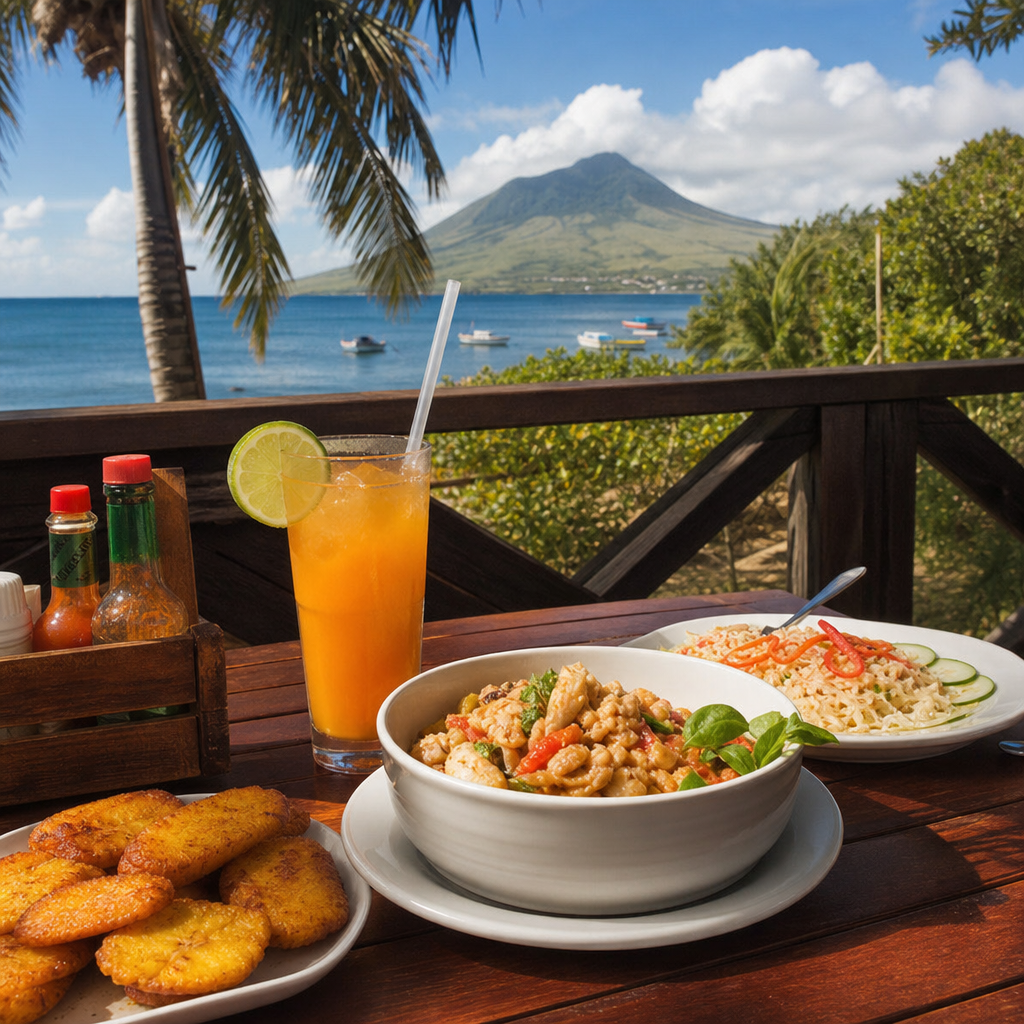
For beachfront dining that still delivers culinary credibility, Sunshine’s on Pinney’s Beach remains essential. It is famous for the Killer Bee cocktail, but dismissing it as just a bar would be a mistake. The grilled lobster, jerk chicken, snapper, and ribs have made it a fixture for years. Local reviewers usually note that Sunshine’s works best when you embrace its personality: lively, sandy, social, and unmistakably Caribbean. It is less about white-tablecloth precision and more about the pleasure of eating well by the sea.
Yachtsman Grill earns praise for reliable seafood and one of the strongest sunset settings on the island. Positioned at Hamilton Estate, it is known for fresh fish, lobster when available, and an approachable menu that appeals to both committed food travelers and guests who simply want a dependable dinner. The seasoning is generally clean and direct, letting the fish speak for itself. That consistency is why critics often include it among the best restaurants in Nevis.
For a more intimate plantation-house feel, Bananas has long been a favorite. The hillside setting, candlelit energy, and broad menu make it popular, but local food watchers return because the kitchen usually handles staples with care. Curries, seafood entrées, and Caribbean-accented comfort dishes often perform well here. Bananas is a strong option for diners who want atmosphere and variety in equal measure.
| Restaurant | Best For | What to Order | Price Level |
|---|---|---|---|
| Mango at Montpelier | Refined dinner | Seasonal seafood, elegant Caribbean plates | High |
| Sunshine’s | Beach lunch and cocktails | Grilled lobster, jerk chicken, Killer Bee | Moderate |
| Yachtsman Grill | Sunset seafood meal | Fresh catch, lobster, grilled fish | Moderate to high |
| Bananas | Romantic hillside dining | Curry dishes, seafood entrées, local specials | Moderate to high |
Best Casual Places for Local Flavor
Some of the most satisfying food in Nevis comes without formal service or elaborate décor. Local critics regularly steer visitors toward smaller spots where the menu is short, the portions are generous, and the cooking reflects everyday island tastes. On days when I have been comparing lunch options for travelers, the places that leave the strongest impression are often the simplest: roadside grills, modest cafés, and beachside kitchens using tried methods instead of trends.
Indian Summer is a strong example of casual dining with substance. Known for Indo-Caribbean flavors and a warm, straightforward atmosphere, it offers dishes that broaden the typical tourist meal rotation. Rotis, curries, and spiced meats provide a useful reminder that Caribbean food history includes Indian influence as well as African, European, and indigenous threads. When critics recommend a restaurant like this, they are highlighting the island’s wider culinary map, not just its postcard seafood image.
For breakfast or lunch, the Gin Trap area and smaller cafés around Charlestown can also reward curious diners. Fresh bakes, saltfish, chicken dishes, rice and peas, and locally made juices are often better indicators of everyday Nevis eating than a resort buffet. If you see goat water soup on a menu, order it. Despite the name, it is a rich, slow-cooked stew traditionally made with goat, spices, and bread for dipping. On Nevis, it is more than a novelty dish; it is cultural shorthand for home-style flavor and communal eating.
Visitors who only chase famous names can miss these grounded meals. Critics do not. They know that consistency in a modest kitchen is often harder to achieve than in a luxury hotel operation with larger purchasing power. A well-seasoned plate of fish, plantain, and callaloo from a casual spot can reveal more about the island than an expensive tasting menu ever could.
Beach Bars, Rum Shops, and Social Dining Spots
Nevis dining is inseparable from its social spaces. Beach bars and rum-forward hangouts function as restaurants, community hubs, and informal cultural stages. They matter because they show how people actually gather on the island. Pinney’s Beach is the obvious center of this scene, with places that move easily from lunch service to sunset drinks to evening music. Local critics usually evaluate these venues on two tracks: whether the food is worth the stop even without the view, and whether the atmosphere feels authentic rather than staged.
Sunshine’s leads this category, but it is not alone. Double Deuce and other beachside operations can be worthwhile depending on the day’s catch and the energy you want. The strongest orders tend to be straightforward: grilled fish, lobster in season, conch, chicken, ribs, fries, and slaws. Simpler menus usually work best because beach kitchens succeed when they focus on heat, smoke, freshness, and fast turnover. Frozen, overcomplicated items are where weaker operations get exposed.
Rum also plays a practical role in the dining experience. Local critics appreciate bars that pour regional rums knowledgeably rather than using them as anonymous mixers. A bartender who can discuss differences between light column-still blends and fuller pot-still influenced expressions adds real value. Even if you are not a spirits enthusiast, that kind of competence improves pairings with grilled seafood and spicy food. If your ideal evening involves sand underfoot, live music nearby, and a plate arriving with little ceremony but plenty of flavor, this is where to eat in Nevis with confidence.
Fine Dining, Resorts, and Special-Occasion Restaurants
Nevis has a reputation for understated luxury, and its higher-end restaurants reflect that mood. Unlike larger Caribbean islands where fine dining can become generic international hotel food, the best upscale venues in Nevis preserve some local character. Restaurants at properties such as Montpelier Plantation, the Four Seasons Resort Nevis, and Golden Rock Inn tend to invest in stronger wine programs, trained service staff, and more ambitious menu engineering. That matters for travelers celebrating anniversaries, hosting clients, or simply wanting a carefully paced meal.
What should you expect from a top-tier restaurant in Nevis? First, better sourcing discipline. Kitchens often work around the daily catch and seasonal produce, which means menu flexibility is a strength, not a flaw. Second, better technical execution. Fish should arrive with crisp skin or delicate flake, not steam-table softness. Purées should taste of the underlying vegetable. Desserts should balance sweetness with acid or spice, often using tamarind, passion fruit, or rum. Third, a stronger beverage match. Good resorts train staff to pair white wine, Champagne, or aged rum with seafood and Caribbean spice profiles intelligently.
Golden Rock, for example, is often praised for its garden setting and produce-conscious cooking. It appeals to diners who value design, quiet, and ingredient-led plates. Four Seasons restaurants, meanwhile, can be useful when you want polished service, broad menu coverage, and dependable standards for groups with mixed preferences. Local critics can be tougher on resort dining because prices are higher and expectations rise accordingly, but when these kitchens are performing well, they earn their place on any serious Nevis food itinerary.
How to Choose the Right Restaurant for Your Trip
The smartest way to plan where to eat in Nevis is to match restaurants to the structure of your trip instead of chasing every well-known name. For a short stay, prioritize one beach lunch, one refined dinner, and one casual local meal. That combination gives you the widest view of the island’s dining culture. For longer stays, spread your choices geographically: Charlestown for practical daytime eating, Pinney’s for social beachfront meals, and the inland plantation or hillside restaurants for atmosphere and evening dining.
Budget matters, but value matters more. A moderate lunch of grilled fish and local sides can be more satisfying than an expensive but generic hotel entrée. Timing matters too. Lobster availability is seasonal, catch quality can change with weather, and some independent restaurants keep limited opening days. Calling ahead is not old-fashioned on Nevis; it is common sense. I also advise travelers to ask one direct question when booking: “What local dishes or local fish are best tonight?” The answer often reveals how engaged the kitchen really is.
If you have dietary needs, communicate clearly and early. The best restaurants on the island are usually accommodating, but small kitchens may have limited substitutions. Finally, leave room for spontaneity. One of Nevis’s strengths is that a casual recommendation from a hotel driver, shopkeeper, or bartender can still lead to an excellent meal. Use this page as your hub, then branch into more focused guides on seafood, breakfast, beach bars, and fine dining to build an itinerary that fits your taste.
Nevis is small enough to explore easily yet diverse enough to reward careful restaurant choices. The island’s best dining combines local ingredients, confident technique, and settings that feel rooted in place rather than copied from elsewhere. Local food critics consistently favor restaurants that respect Nevis identity, whether that means a plantation-house dinner built around seasonal seafood, a beach bar grilling lobster over open heat, or a modest café serving goat water, saltfish, and fresh juice with no unnecessary show. That is the central lesson for anyone researching where to eat in Nevis: the strongest meals are not defined only by price or prestige, but by freshness, consistency, and cultural authenticity.
If you want the simplest shortlist, start with Mango at Montpelier for a refined meal, Sunshine’s for iconic beachfront energy, Yachtsman Grill for reliable seafood, Bananas for hillside atmosphere, and at least one casual local stop for traditional island flavor. Build from there based on your schedule, budget, and appetite for discovery. As the hub for miscellaneous dining within Nevis local cuisine, this guide gives you the framework to make smart choices quickly and avoid forgettable meals. Save it while planning, ask about daily specials when you arrive, and use it as your launch point for exploring the rest of Nevis one plate at a time.
Frequently Asked Questions
What kind of food scene should travelers expect when deciding where to eat in Nevis?
Travelers should expect a surprisingly diverse and character-rich dining scene that goes well beyond the usual idea of “resort island food.” Nevis may be small, but its restaurants reflect a wide range of influences, from traditional West Indian cooking and Creole-style seasoning to fresh seafood grilling, casual roadside lunches, and refined hotel dining. One of the reasons local food critics speak so highly of eating in Nevis is that the island does not feel overly commercialized. Even many of the more polished restaurants still maintain a strong connection to local ingredients, local recipes, and local hospitality.
You will find everything from beach bars serving lobster, snapper, and rum punch to cafés focused on fresh juices, island-grown produce, and lighter breakfast or lunch plates. At the same time, there are upscale dining rooms where chefs build menus around Caribbean ingredients with more contemporary techniques. That mix is what makes the island memorable. A visitor can spend one day eating saltfish, Johnny cakes, plantains, and goat water in a relaxed local setting, then enjoy expertly prepared seafood or a multi-course dinner in an elegant inn the next evening. For anyone researching where to eat in Nevis, the key thing to know is that the best meals are often spread across several styles of dining rather than concentrated in one category.
What dishes should first-time visitors try when exploring the best restaurants in Nevis?
First-time visitors should make a point of trying both signature local dishes and the fresh seafood that defines so much of the island’s appeal. A good place to start is with classic West Indian fare such as goat water, a deeply seasoned stew that is one of the most well-known traditional dishes associated with Nevis. It offers a real sense of local culinary identity and is often recommended by residents and food-focused travelers alike. Saltfish, often served with provisions or alongside breakfast staples, is another excellent introduction to island flavor.
Seafood is equally important. Depending on the season and the restaurant, look for grilled lobster, mahi-mahi, snapper, conch, shrimp, and fish prepared with peppery marinades, creole sauces, or simple charcoal grilling that lets the freshness stand out. Sides matter too: rice and peas, fried plantains, breadfruit, festivals, and callaloo can transform a meal from good to distinctly local. If you are dining at cafés or produce-forward spots, fresh tropical fruit, smoothies, coconut-based dishes, and salads built around local ingredients are also worth ordering. Local food critics generally advise travelers not to focus only on one “must-eat” item but to sample across the spectrum. The most rewarding way to eat in Nevis is to balance rustic island specialties with seafood and seasonal dishes that showcase what the island is growing and catching right now.
Are the best places to eat in Nevis mostly casual beach spots or upscale restaurants?
The short answer is both, and that balance is one of Nevis’s greatest strengths as a food destination. Some of the most satisfying meals on the island come from relaxed beachside restaurants, roadside kitchens, and informal lunch spots where the atmosphere is easygoing and the food is direct, flavorful, and rooted in local cooking traditions. These are often the places travelers remember for grilled fish, rum drinks, barbecue, and long lunches with a sea view. Critics frequently point out that casual does not mean mediocre in Nevis. In fact, some modest-looking places deliver the most memorable flavors on the island.
At the same time, Nevis also has a reputation for polished dining in plantation inns, boutique hotels, and resort restaurants where the service is more formal and the menus may blend Caribbean and international influences. These establishments are often ideal for a special evening, a romantic dinner, or anyone who wants a more curated culinary experience. The advantage for visitors is that there is no need to choose one over the other. A smart dining plan in Nevis usually includes a mix: casual local lunches, one or two destination dinners, and at least one beachside seafood meal. Local food critics tend to judge Nevis dining by authenticity, ingredient quality, and consistency rather than by formality alone, so the “best” place may just as easily be a breezy shack as a white-tablecloth restaurant.
How can travelers find authentic local food in Nevis instead of tourist-oriented meals?
The most reliable way to find authentic local food in Nevis is to look for places that are popular with residents, ask hotel staff or drivers where they personally eat, and stay open to dining outside the most obvious resort settings. Local food critics often emphasize that authenticity on the island is less about chasing hidden spots for the sake of novelty and more about paying attention to where the food feels connected to daily life. Menus featuring goat water, local fish, conch, saltfish, provisions, plantains, rice and peas, and homemade sauces are usually good signs. So is a restaurant that changes offerings based on the day’s catch or what is freshest.
Timing also matters. Lunch can be an especially good moment to discover true local cooking, since many casual spots and small eateries serve hearty daily specials that reflect home-style island food. Talking to people helps as well. In Nevis, recommendations from residents often lead to stronger meals than generic “top 10” lists, because locals know which kitchens are consistent and which dishes a place does best. Travelers should also avoid assuming that authenticity and comfort are opposites. Some of the island’s most genuinely local restaurants are welcoming, polished, and fully prepared for visitors, while still serving food with real Nevisian character. If your goal is to experience the island rather than just eat near it, prioritize freshness, local specialties, and places with a clear neighborhood following.
Is it worth planning meals in advance in Nevis, or can visitors decide where to eat day by day?
For most travelers, the best approach is a combination of advance planning and flexibility. Nevis is not a place where every meal needs to be booked far ahead, but it is wise to identify a handful of priority restaurants before you arrive, especially if you want to dine at well-known hotel restaurants, popular fine-dining venues, or sought-after beachfront spots at sunset. Because the island is small, opening days and service hours can vary more than visitors expect, and some restaurants may close on certain evenings or operate with seasonal schedules. Planning ahead helps avoid disappointment and allows you to build your trip around the meals that matter most to you.
That said, leaving room for spontaneous choices is part of the pleasure of eating in Nevis. A café you pass in the morning, a beach restaurant recommended by a taxi driver, or a local lunch spot suggested by staff may end up being one of the highlights of your trip. The smartest strategy is to reserve one or two destination dinners, keep a short list of recommended casual places for lunch, and stay flexible enough to follow local advice once you are on the island. Local food critics often approach Nevis this way themselves: they know the anchor restaurants worth planning around, but they also recognize that some of the island’s best food experiences happen when you are willing to slow down, ask questions, and eat where the day naturally takes you.