Nevis’ rainforest treks reveal the island at its most intimate, where volcanic slopes, cloud-fed streams, and dense tropical canopy show a side of the Caribbean that beach-focused itineraries often miss. A rainforest trek on Nevis usually means a guided hike through the island’s interior, especially the upper elevations around Nevis Peak, where moisture supports thick vegetation, old plantation paths, and habitats for monkeys, birds, insects, and native plants. For travelers exploring Adventure and Activities on Nevis, this subject matters because the rainforest is not a side attraction; it is the ecological core of the island and one of the strongest reasons to look beyond the coast. I have planned and assessed Caribbean hiking content for years, and Nevis stands out because the trek experience combines geology, ecology, heritage, and practical adventure in a compact, accessible landscape. Unlike larger destinations where trail systems can feel remote from local life, Nevis’ interior is tightly connected to village roads, former estates, and the island’s water history. That makes rainforest trekking relevant not only for hikers but also for families, photographers, birders, cruise-day visitors, and repeat guests who want a deeper encounter with place. Understanding the island’s treks helps visitors choose the right level of difficulty, hire reputable guides, pack sensibly for wet and muddy conditions, and appreciate what they are seeing under the canopy rather than simply pushing for a summit photo.
What Makes Nevis’ Rainforest Distinct
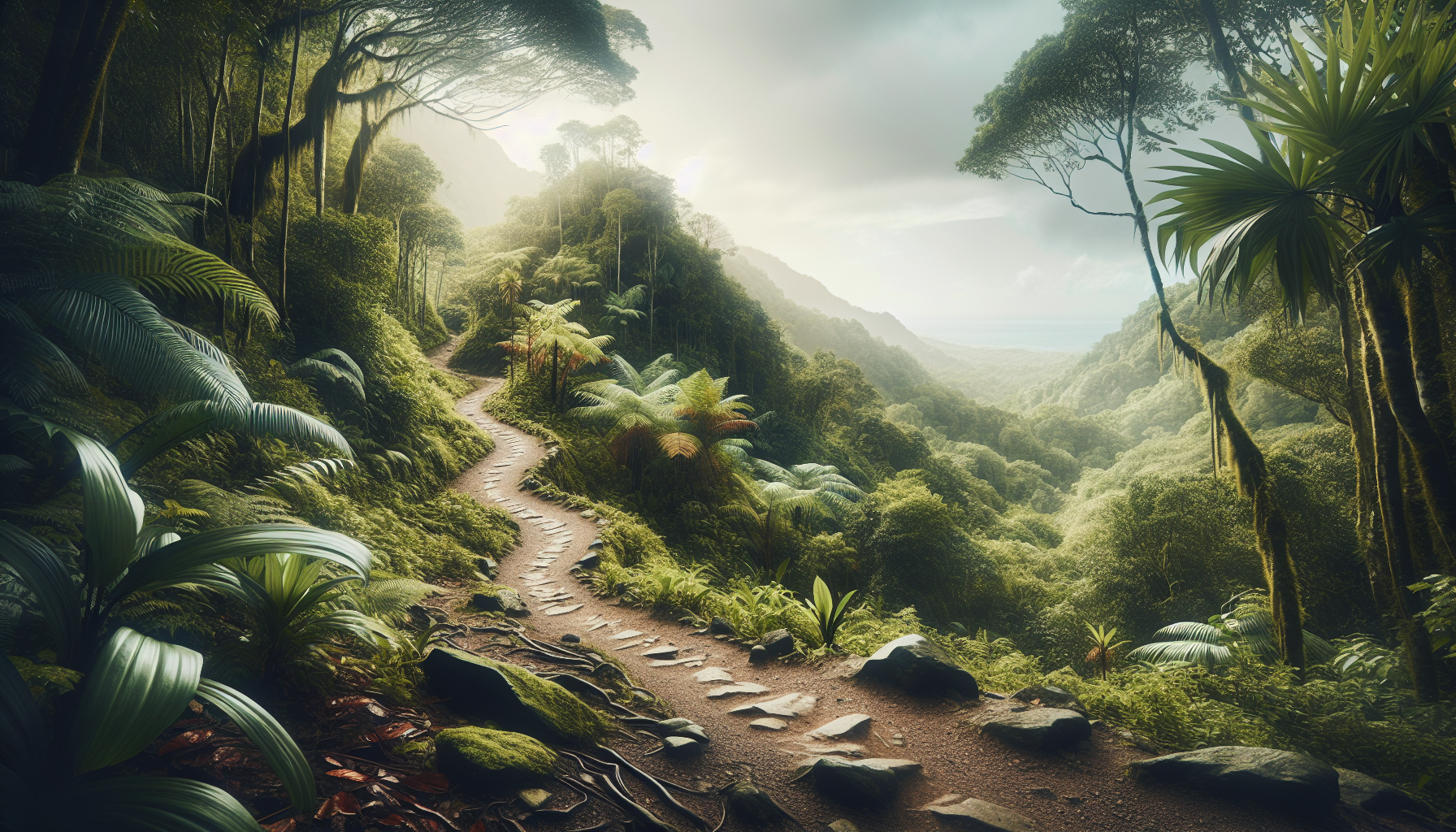
Nevis is a volcanic island dominated by Nevis Peak, which rises to about 3,232 feet, and that elevation creates the rainfall patterns that sustain the rainforest. Moist air moving in from the Atlantic and Caribbean is forced upward, cools, and condenses, feeding a lush montane environment with ferns, vines, mosses, heliconia, towering trees, and slippery root networks. In plain terms, the mountain makes its own weather, and hikers feel that quickly: a warm morning in Charlestown can become a cool, misty climb within an hour. The result is a trek environment defined by humidity, mud, dense green cover, and constant sensory detail, from tree frogs and bird calls to the smell of wet earth and leaf litter.
What sets the island apart from other Caribbean hiking destinations is the concentration of terrain diversity in a relatively small area. You can move from historic plantation grounds to shaded ghauts, then into steep rainforest sections with rope-assisted scrambles, all within a half-day or full-day outing. Because Nevis is compact, guided operators can also tailor excursions precisely. Some visitors want a moderate nature walk with interpretation about medicinal plants and colonial-era estate lands. Others want the demanding ascent toward Nevis Peak, where fixed ropes and slick inclines require real effort. Both experiences fit under the umbrella of rainforest treks, but they serve different travelers and should not be confused.
The island’s wildlife adds another layer of interest. Green vervet monkeys are commonly seen near forest edges and old estates, though sightings are never guaranteed. Birdlife includes hummingbirds, doves, and species adapted to woodland and wetter upland zones. The rainforest also plays a practical role in watershed protection and erosion control. That matters for residents and visitors alike, because healthy upland ecosystems support the broader landscape that tourism depends on. When travelers understand that a trek is also an encounter with the island’s living infrastructure, the experience becomes more meaningful and more respectful.
Popular Trek Types and Who They Suit
The most frequently discussed rainforest adventure on Nevis is the Nevis Peak hike. This is the island’s signature strenuous trek and should be described honestly: it is demanding, muddy, steep, and not ideal for anyone with poor balance, limited mobility, or a casual interest in walking. In sections, hikers rely on ropes to navigate sharp gradients and slick footing. Weather can reduce visibility, and summit conditions are not always clear. Yet for fit travelers who want a challenge, it is one of the most rewarding adventures on the island because it delivers immersion, exertion, and a strong sense of achievement rather than a manicured trail experience.
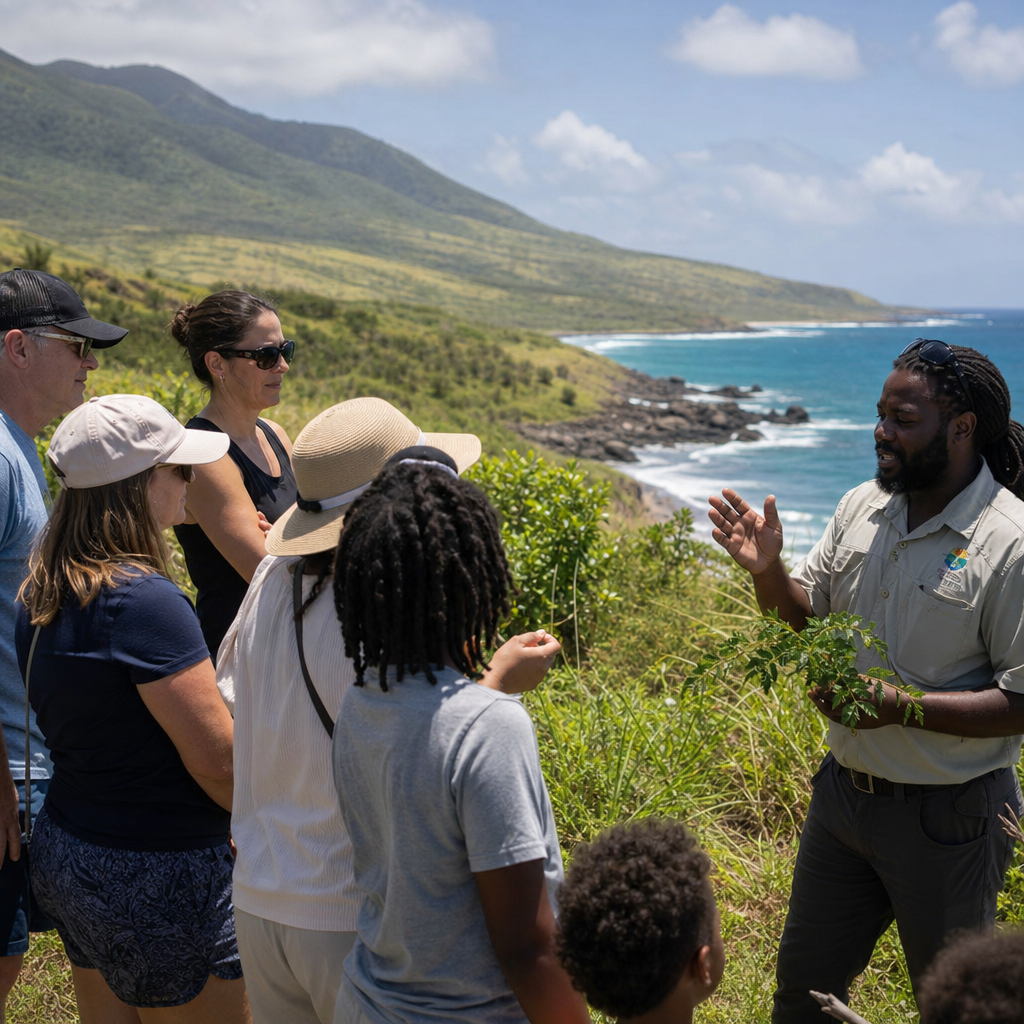
Moderate rainforest walks offer a very different value. These outings often use lower-elevation estate trails, village access points, and forest margins, making them suitable for travelers who want nature without committing to a summit attempt. Families with older children, active couples, and travelers mixing hiking with beach time often prefer these routes. Guides can focus on botany, fruit trees, local folklore, and plantation history, which broadens the appeal beyond pure fitness. In practice, these are often the smartest choice for first-time visitors because they leave room in the day for other activities and reduce the risk of fatigue or weather disruption.
Special-interest treks are another important part of the Miscellaneous hub because not every rainforest outing fits a standard hiking label. Birdwatching walks start earlier and move slower. Photography-focused treks prioritize light, viewpoints, and texture rather than distance. Heritage-nature hybrids connect estate ruins, old roads, and upland forest, helping visitors understand how agriculture, water, and settlement shaped Nevis over centuries. Wellness-oriented walks may incorporate slower pacing, forest bathing, or reflective stops. These formats matter because they show that rainforest trekking on Nevis is not one product but a flexible category within the wider Adventure and Activities landscape.
| Trek type | Typical duration | Difficulty | Best for | Main considerations |
|---|---|---|---|---|
| Nevis Peak ascent | 4 to 6 hours | Strenuous | Fit hikers seeking challenge | Ropes, mud, steep gradients, weather changes |
| Moderate rainforest walk | 2 to 4 hours | Easy to moderate | First-time visitors, active families | Good footwear still essential; routes vary by guide |
| Birding or photography trek | 2 to 3 hours | Easy to moderate | Nature enthusiasts | Early starts improve wildlife and light conditions |
| Heritage and forest hybrid | 3 to 5 hours | Moderate | Travelers wanting history plus nature | Often includes uneven estate paths and interpretive stops |
Trail Conditions, Safety, and Guide Selection
The most common question travelers ask is whether they need a guide for Nevis’ rainforest treks. For serious interior hikes, the answer is yes. Trailheads are not always obvious, weather can alter conditions rapidly, and the difference between a manageable route and a risky one often comes down to local judgment. On Nevis Peak in particular, a guide is the standard, not a luxury. Experienced guides know the current state of rope sections, mud depth, stream crossings, and turnaround points. They also pace groups properly, which reduces accidents caused by fatigue and rushed descents.
Proper footwear matters more than almost any other piece of gear. Lightweight beach sneakers are a mistake. Hikers need trail shoes or boots with aggressive grip because wet roots and volcanic mud are consistently slippery. I advise visitors to expect their shoes to get dirty and often soaked. Quick-drying clothing is better than heavy cotton, and a small daypack should carry water, insect repellent, sunscreen for exposed starts, and a rain layer. Trekking poles can help on moderate routes, but on steeper sections they may be less useful than a free hand. Gloves are sometimes helpful where ropes are used.
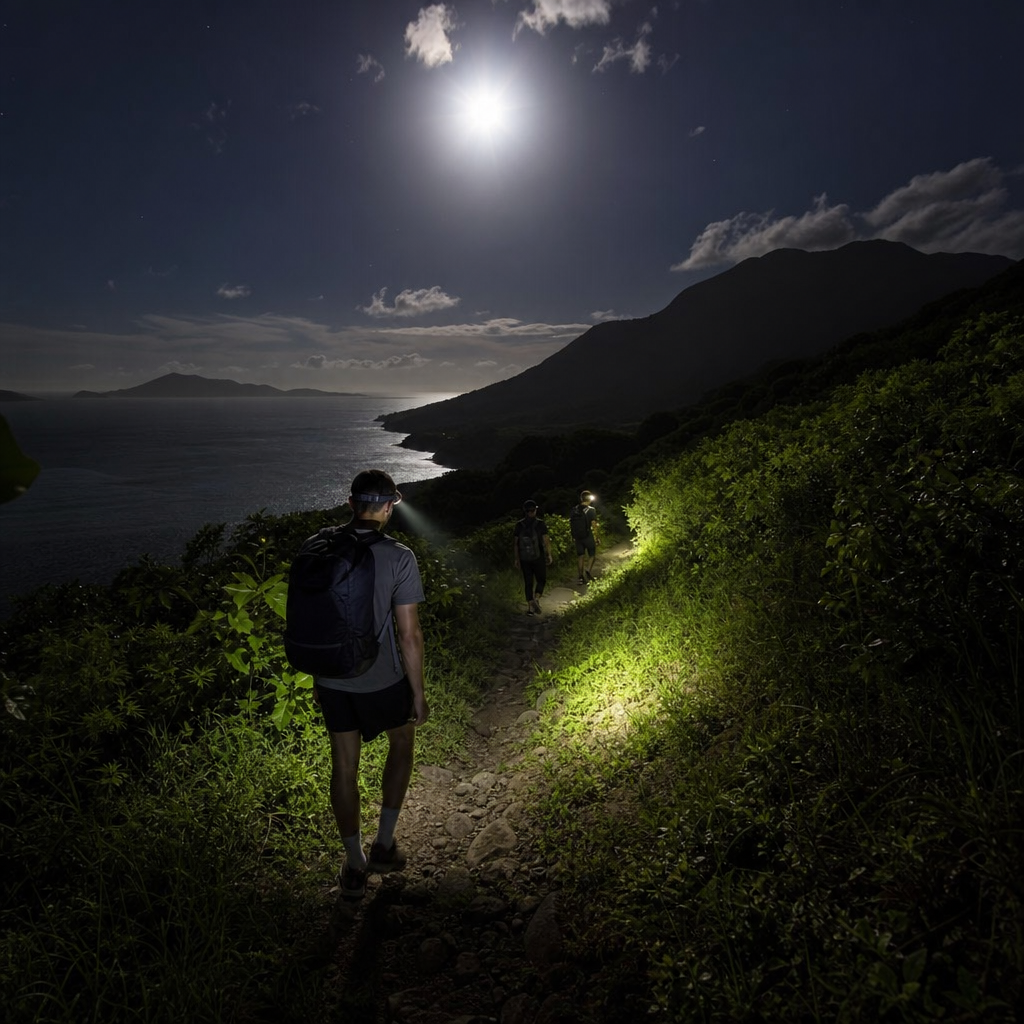
Timing is another safety factor. Morning departures are usually preferable because temperatures are lower and afternoon showers are more likely to complicate footing. During wetter periods, guides may modify the route or cancel a trek altogether, and that is a sign of professionalism, not inconvenience. Travelers should also be realistic about pace. A hike listed as four hours may feel much longer in humid conditions. Anyone with knee issues, vertigo, or low heat tolerance should discuss that upfront. The rainforest is rewarding, but it is not forgiving of poor preparation or bravado.
What You See Along the Way: Ecology, Heritage, and Local Context
One reason Nevis’ rainforest treks deserve hub-level attention is that they connect multiple themes that travelers often research separately. The forest itself is layered with giant tree roots, lianas, broadleaf vegetation, fungi, bromeliad-like growth, and moisture-loving plants that thrive in shade. Guides frequently point out edible or medicinal species and explain how local knowledge has long intersected with the natural environment. This kind of interpretation turns a wet walk into a cultural landscape experience. Visitors leave understanding not just what grows there, but how island communities have used and respected these resources.
Heritage is equally present. Many lower routes pass near former sugar estates, stone ruins, or old tracks that once linked plantations and upland resources. Nevis was deeply shaped by plantation agriculture, and the rainforest margins preserve traces of that system. A trek can therefore complement visits to Charlestown, museums, or heritage inns by showing the geography behind the history. Water is a recurring theme as well. Mountain rainfall feeds ghauts and springs that historically mattered for cultivation and settlement. When guides explain where water moved and why roads or estates developed where they did, the island becomes easier to read.
Wildlife sightings are often modest rather than dramatic, but that is part of the appeal. Vervet monkeys may appear briefly in trees or at edges of cultivated land. Hummingbirds flash between flowering plants. Insects, crabs in wetter channels, and the constant activity of the understory reward patient observers. Photographers should remember that rainforest light is low and contrast shifts quickly, so fast lenses or good phone night-mode style processing help. The point is not to chase spectacle but to notice interconnection: volcanic mountain, rain capture, forest growth, wildlife habitat, and human history all meet on the trail.
How to Plan the Right Rainforest Experience on Nevis
Planning starts with an honest assessment of goals. If the priority is a strenuous badge-of-honor adventure, book the Nevis Peak ascent with a reputable local guide and keep the rest of the day light. If the goal is to understand the island while staying comfortable, choose a moderate rainforest or heritage walk. Cruise visitors or short-stay guests should be especially careful about overcommitting. A shorter guided trek often delivers a better experience than attempting the hardest route on limited time, inadequate sleep, and tropical heat. Matching the trek to the trip is the difference between memorable and miserable.
Season and weather influence the experience more than many visitors expect. Nevis is warm year-round, but rainfall patterns affect trail slipperiness, cloud cover, and visibility. Travelers hoping for expansive views from higher elevations should know that cloud is common even on otherwise pleasant days. Flexibility is useful. If your schedule allows, place the trek earlier in the trip so there is room to shift for weather. It also helps to ask operators what is included: transport, water, snacks, walking sticks, and post-hike refreshment policies vary. Clear expectations prevent disappointment.
This Miscellaneous hub also serves travelers building a broader Adventure and Activities itinerary. Rainforest trekking pairs well with hot springs visits, plantation tours, snorkeling, sailing, mountain biking, or wellness days, but not always on the same day. The smartest itineraries balance effort and recovery. After a muddy forest climb, many visitors appreciate a relaxed beach afternoon or spa treatment rather than another high-output excursion. If you are comparing island experiences, remember that Nevis excels in low-key, high-substance adventure. Its rainforest treks are not about scale or infrastructure; they are about access to an authentic interior landscape guided by local knowledge.
Nevis’ rainforest treks offer one of the clearest ways to understand the island beyond its shoreline, pairing physical adventure with ecology, history, and local perspective. The essential takeaway is simple: not every trek on Nevis is a summit push, and choosing the right route matters as much as choosing the right resort or beach. Travelers who prepare for mud, humidity, and fast-changing weather are rewarded with a richer view of the island’s volcanic heart, from estate paths and monkey sightings to cloud forest slopes and watershed terrain. Guided hikes remain the best option because local expertise improves safety, interpretation, and overall enjoyment, especially on demanding routes such as Nevis Peak. For a Miscellaneous hub within Adventure and Activities, this topic deserves broad coverage because it links naturally to heritage outings, wildlife interests, wellness travel, and active day planning. If you are building your Nevis itinerary, start by deciding how challenging you want the experience to be, then book a reputable guide and make the rainforest part of your island story.
Frequently Asked Questions
What can travelers expect from a rainforest trek on Nevis?
A rainforest trek on Nevis offers a very different experience from the island’s coastal scene. Instead of beaches, beach bars, and waterfront views, hikers move into a cooler, greener interior shaped by the slopes of Nevis Peak. Trails often pass through thick tropical vegetation, shaded ravines, old stone paths, and areas fed by regular cloud moisture and rainfall. The result is a landscape that feels immersive and alive, with towering trees, climbing vines, broad-leafed plants, mossy rocks, and the constant sounds of birds, insects, and moving water.
Many treks explore the upper elevations where the environment becomes denser and more dramatic. Depending on the route, travelers may encounter old plantation-era footpaths, natural springs, and panoramic openings in the canopy that reveal glimpses of the island and sea below. Wildlife sightings can include vervet monkeys, tropical birds, butterflies, and a wide range of plant life that thrives in the island’s humid mountain conditions. The terrain can be uneven, muddy, and root-covered, which adds to the sense of adventure but also means hikers should come prepared.
Just as important, rainforest trekking on Nevis tends to feel personal and grounded in place. It is not only about scenery; it is also about understanding the island beyond its resort image. Guides often share insight into local ecology, medicinal plants, history, and the relationship between the mountain and the communities below. For travelers looking for an authentic outdoor experience, a rainforest trek reveals the quieter, more intimate heart of Nevis.
Do you need a guide for hiking in Nevis’ rainforest?
In most cases, yes, hiring a guide is strongly recommended and often considered the best way to experience Nevis’ rainforest safely and meaningfully. Trails in the island’s interior can be slippery, steep, and difficult to follow, especially after rain. The rainforest around Nevis Peak is lush and fast-growing, and paths may include tangled roots, dense vegetation, stream crossings, and sections where route-finding is not obvious to first-time visitors. A knowledgeable guide helps reduce the risk of getting lost and makes the hike more efficient and enjoyable.
Guides also add tremendous value beyond navigation. They can identify native and introduced plants, explain how the volcanic terrain shapes the ecosystem, and point out wildlife that many hikers would otherwise miss. Because Nevis’ rainforest is layered and subtle, having someone interpret what you are seeing can transform the trek from a simple walk into a richer environmental and cultural experience. Some guides also know the histories tied to old plantation lands, estate ruins, and mountain routes, giving hikers a broader understanding of how landscape and heritage intersect on the island.
From a practical standpoint, local guides are also familiar with changing trail conditions. They know which routes are best for beginners, which are more strenuous, and how weather may affect footing and visibility at higher elevations. For travelers interested in adventure without unnecessary risk, guided rainforest treks are usually the smartest choice. They support local expertise, improve safety, and provide a much deeper connection to Nevis itself.
How difficult are the rainforest hikes on Nevis?
The difficulty of rainforest hikes on Nevis varies by route, elevation, and recent weather, but most treks are best approached with the expectation of moderate physical effort at minimum. Even trails that are not especially long can feel demanding because of humidity, inclines, muddy ground, and uneven surfaces. Hikers may need to step over exposed roots, navigate wet rocks, and handle short but steep sections where balance and careful footing matter more than speed. If rain has fallen recently, the challenge increases considerably.
Treks closer to the lower forest or on gentler historic paths may suit active travelers with general fitness and an interest in nature rather than intense climbing. More ambitious routes, especially those that move higher toward Nevis Peak, can be strenuous and are better suited to hikers who are comfortable with sustained uphill walking and variable trail conditions. Heat and moisture can make a route feel harder than it appears on paper, so visitors should not judge the hike solely by distance. In tropical environments, a relatively short trek can still be physically taxing.
The best approach is to choose a hike that matches your fitness level and ask local operators for honest guidance. Wear shoes with solid traction, bring water, and expect to move at a measured pace. Many travelers find that the challenge is part of the reward, because reaching deeper forest zones or higher viewpoints creates a strong sense of accomplishment. With good preparation and realistic expectations, most visitors in reasonable condition can enjoy a rainforest trek on Nevis, especially with a guide who can tailor the outing to the group.
What should you wear and bring for a trek through Nevis’ rainforest?
The most important items for a rainforest trek on Nevis are sturdy footwear, light breathable clothing, and enough water. Hiking shoes or trail shoes with reliable grip are ideal because trails can be muddy, slick, and uneven. Lightweight clothing that dries quickly is usually more comfortable than heavy cotton, especially in humid conditions. Many hikers prefer long pants or at least longer shorts to protect against scratches, insects, and brush along narrower sections of trail.
It is also wise to bring rain protection, even if the forecast looks favorable. Conditions in mountainous rainforest areas can shift quickly, and cloud cover or passing showers are common. A light rain jacket, small backpack, sun protection, insect repellent, and a hat can all improve comfort. Even under thick canopy, sun exposure can still be an issue on open sections or before and after the hike. A fully charged phone, small towel, and any personal medications are sensible additions as well.
If you are joining a guided trek, ask in advance whether snacks, walking sticks, or transportation are included. Some hikers like to carry a camera or binoculars for wildlife spotting, but gear should be kept compact and protected from moisture. Above all, pack for traction, hydration, and changing weather rather than for style. Nevis’ rainforest is beautiful, but it is also an active natural environment, and being properly equipped will make the experience safer and far more enjoyable.
When is the best time to go trekking in Nevis’ rainforest?
Rainforest trekking on Nevis is possible throughout much of the year, but the best time often depends on what kind of experience you want and how comfortable you are with tropical conditions. Morning hikes are generally preferred because temperatures are cooler, humidity is more manageable, and weather is often more stable earlier in the day. Starting early also improves the chances of clearer views and a more comfortable pace before midday heat builds.
Seasonally, drier stretches can make trails easier to navigate, but Nevis’ rainforest remains a moist environment by nature, especially at elevation. Even outside the wetter months, hikers should expect mud, slick roots, and occasional rain. During wetter periods, the forest can feel especially lush and vibrant, with fuller streams and intense greenery, but footing may be more difficult and some routes may require extra caution. This is another reason guided treks are valuable, since local operators can recommend the most suitable trail based on recent rainfall.
For many travelers, the ideal plan is to schedule a trek early in their stay, leaving flexibility to adjust for weather if needed. If conditions are good, you will experience the rainforest at its most inviting: cool mountain air, active birdlife, and a dense canopy that highlights the volcanic beauty of Nevis’ interior. In short, there is no single perfect month, but there is a smart strategy: go early in the day, check conditions locally, and choose a route appropriate for the weather and your ability level.