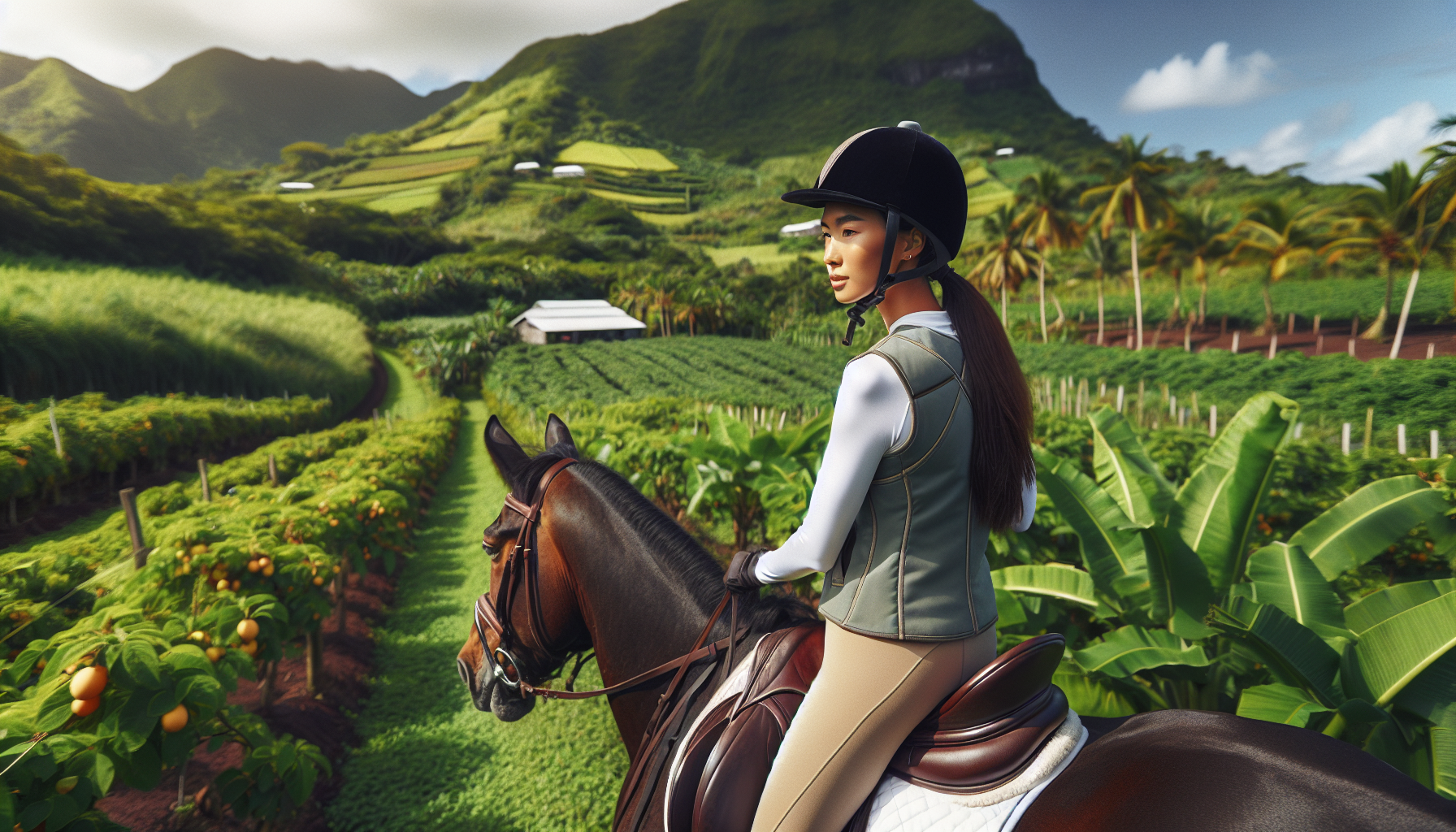
Exploring Saint Kitts’ plantations on horseback offers one of the clearest ways to understand the island’s landscape, history, and slower rhythm of travel. A horseback plantation tour in Saint Kitts usually combines guided riding, coastal or inland trails, and access to former sugar estates that shaped the island for centuries. For travelers planning adventure activities in Saint Kitts, this experience matters because it blends outdoor recreation with cultural context in a format that suits beginners, families, and experienced riders alike. I have worked with Caribbean activity planning long enough to know that not all horse rides are equal: some are little more than short beach loops, while the best Saint Kitts horseback experiences interpret estate ruins, explain how plantations functioned, and match horses carefully to rider ability. On this island, plantations are not abstract heritage sites. They are visible anchors in the countryside, often marked by stone chimneys, greathouses, mills, and road networks left from the sugar era. Riding through or near them lets visitors cover more ground than a walking tour while still noticing terrain, vegetation, and architecture in detail. That combination makes plantation horseback riding in Saint Kitts a standout option within the broader adventure and activities category, especially for visitors who want a meaningful excursion rather than a generic resort add-on.
Saint Kitts, formally Saint Christopher, is a volcanic island in the eastern Caribbean known for green hills, old cane fields, rainforest slopes, and a high concentration of historic estates. Plantations here were agricultural and residential complexes tied largely to sugar production from the seventeenth through twentieth centuries. Today many have been restored as inns, museums, event venues, or interpreted ruins, while others remain private lands visible from surrounding trails. Horseback exploration typically takes place on managed routes that cross pasture, estate roads, and open countryside, sometimes extending to dramatic sea views. Key terms matter for trip planning. A “trail ride” is the riding portion itself. An “estate” may refer to the broader landholding, while a “plantation house” or “greathouse” describes the main residence. “Beginner-friendly” usually means a controlled pace with basic instruction, not independent riding. Understanding those distinctions helps travelers book the right experience and set realistic expectations. As a hub page for miscellaneous adventure coverage, this guide also points toward related subtopics such as plantation history tours, countryside eco-excursions, family activities, shore excursions from Basseterre, and photography-focused outings. Horseback riding sits at the intersection of all of them, which is why it works so well as a central starting point.
Why Horseback Riding Fits Saint Kitts So Well
Saint Kitts is unusually well suited to horseback touring because its interior and lower slopes preserve broad tracts of rural land, estate roads, and scenic elevation changes without requiring extreme technical riding. The island’s geography creates variety within a compact area. In one excursion, riders may move from shaded tracks lined with acacia and tropical shrubs to open viewpoints facing the Caribbean Sea or the Atlantic side. That compactness is valuable for cruise visitors and short-stay travelers because transfer times are manageable and rides can still feel immersive. In practice, operators use terrain that is interesting but controlled: gentle hills, packed dirt, grassy clearings, and old carriage routes. For most visitors, that is ideal. You get the sensation of real exploration without the demands of a backcountry expedition.
There is also a historical fit. Sugar plantations were designed around movement of people, cane, livestock, and materials, so they created enduring pathways across the landscape. Horses are a natural way to engage those routes because they connect modern visitors to the scale of the estates. From the saddle, distances make sense. A mill no longer appears as an isolated ruin; it becomes part of a working network that included fields, labor quarters, storage buildings, roads, and shipping links. This is the kind of detail that turns an activity into interpretation. Travelers often remember the scenery first, but the strongest tours leave them understanding why the scenery looks the way it does.
What You Actually See on a Plantation Horseback Tour
A plantation horseback tour in Saint Kitts generally includes three visual layers: natural landscape, estate remains, and living rural culture. The natural layer features volcanic ridges, grazing land, seasonal wildflowers, and broad ocean outlooks. Depending on the route, riders may encounter monkeys in the distance, cattle, goats, and abundant birdlife common to open countryside. The estate layer is what distinguishes this activity from an ordinary trail ride. Visitors may pass stone walls, cisterns, sugar mill remains, old chimneys, and plantation houses in various stages of restoration. Even when access to a building itself is limited, guides often stop at viewpoints where they can explain ownership history, sugar processing, and how emancipation changed estate life.
The third layer is contemporary rural Saint Kitts. Working farms, village edges, churches, roadside fruit stands, and everyday land use remind visitors that the island is not a museum. That matters because plantation heritage in the Caribbean is complex. A good guide does not romanticize it. Instead, they explain the wealth generated by sugar, the labor systems that sustained it, and the later transition away from the sugar industry, which officially ended on Saint Kitts in 2005. That closure is a useful reference point because it shows how recently sugar shaped the island’s economy. When riders understand that timeline, ruined mills stop feeling remote and start feeling relevant.
Choosing the Right Ride: Duration, Skill Level, and Tour Style
The best horseback plantation tour depends on time, confidence level, and what kind of experience you want most. I advise travelers to decide first whether they care more about riding time, historical commentary, scenery, or convenience from port and hotel zones. A short ride of sixty to ninety minutes usually works for beginners, families with older children, and cruise passengers on a fixed schedule. Longer excursions, often two to three hours including briefing and transfers, suit travelers who want a fuller countryside experience and more interpretation. Private rides are worth the premium for nervous riders, photographers, or couples who want a quieter pace.
| Tour Type | Best For | Typical Length | Main Advantage |
|---|---|---|---|
| Introductory group ride | Beginners and cruise visitors | 60–90 minutes | Simple pace and efficient scheduling |
| Scenic plantation ride | General travelers | 90–150 minutes | Balanced mix of views and estate context |
| Private heritage ride | Couples, photographers, experienced riders | 2–3 hours | Flexible stops and deeper guiding |
| Family-focused ride | Parents with older children | 60–120 minutes | Closer supervision and gentler routing |
Ask direct questions before booking. Is the pace mostly walk, or are trot segments possible? What is the rider weight limit? Are helmets included and required? Does the route enter an actual historic estate, pass nearby ruins, or simply use countryside trails with plantation views? Reputable operators answer these clearly. They also ask about your height, weight, riding background, and any physical limitations. That screening is a positive sign, not an inconvenience. Matching horse temperament to rider skill is the foundation of a safe and enjoyable excursion.
Safety, Comfort, and What to Wear
Horseback riding in tropical conditions is comfortable when visitors prepare properly and unpleasant when they assume it will feel like a resort shuttle. Wear long pants or leggings to reduce rubbing on the saddle, and choose closed-toe shoes with a small heel if possible. Avoid sandals. Sunscreen is essential, but apply it well before the ride so your hands are not slippery during mounting. A refillable water bottle is useful if the operator allows one, though many keep water available before and after the excursion. In rainy periods, trails can become slick, so listen carefully during the safety briefing about posture, rein handling, and spacing between horses.
Most Saint Kitts rides are designed for novices, yet “beginner-friendly” still requires basic physical control. You need to mount with assistance, sit balanced, follow instructions, and tolerate heat. Riders with back problems, recent surgeries, or significant mobility limitations should discuss suitability in advance. Children are often welcome above a minimum age, but age alone is not the key measure; maturity and confidence matter more. Professional operations use helmets, mounting blocks, calm horses, and lead or closely supervised formations when needed. If an operator dismisses safety questions or cannot explain their horse welfare practices, choose another company. In my experience, the best tours are never the ones promising the fastest ride; they are the ones that feel organized from the moment you arrive.
History Without Gloss: Understanding the Plantation Landscape
No article about plantations in Saint Kitts should treat them as simply picturesque backdrops. They were centers of colonial wealth built through exploitation and forced labor, later evolving under changed legal and economic systems. Travelers do not need a university lecture before riding, but they do need honest framing. Good guides explain that Saint Kitts became one of Britain’s earliest and most important Caribbean colonies, and sugar dominated land use for generations. Estate architecture reflected that power: greathouses sat prominently, mills processed cane harvested from surrounding fields, and roads linked estates to ports. Enslaved Africans and their descendants provided the labor that made the system profitable.
Why does that matter on horseback? Because context changes what visitors see. A windmill tower or stone chimney is not just photogenic masonry. It is industrial infrastructure tied to land control, labor extraction, and global trade. At the same time, the post-sugar story matters too. Many former estates have been repurposed into heritage properties or hospitality businesses, while others remain partial ruins reclaimed by vegetation. That layered afterlife is one of Saint Kitts’ defining features. Riding through it allows travelers to grasp continuity and change in a way few short excursions can deliver.
How This Activity Connects to Other Saint Kitts Adventures
As a miscellaneous hub within adventure and activities, plantation horseback riding connects naturally with several other Saint Kitts experiences. Travelers interested in heritage often pair it with visits to Romney Manor, Fairview Great House, or the UNESCO-listed Brimstone Hill Fortress National Park, which provides broader colonial context. Nature-focused visitors may combine horseback riding with rainforest hikes, scenic railway tours, or catamaran trips that reveal the island from sea level. Families frequently place a horseback excursion between easier sightseeing days because it is active without being exhausting. Cruise passengers use it as a shore excursion that feels more personal than large-bus touring.
It also works well as a gateway activity. Someone who begins with a plantation ride often becomes curious about local food history, former sugar production, village life, or photography tours centered on estate architecture. That is why this topic serves as an effective hub. It touches history, ecology, soft adventure, family travel, and island orientation all at once. If you are building a fuller Saint Kitts itinerary, horseback exploration helps you decide what to pursue next because it introduces the physical geography of the island in an immediate way.
Best Timing, Weather, and Booking Advice
The driest period in Saint Kitts typically runs from roughly December through April, which makes trail conditions more predictable and daytime heat easier to manage. That said, rides operate year-round, and the greener months can be especially beautiful if you are comfortable with humidity and the chance of showers. Morning departures are usually best. Horses are fresher, temperatures are lower, and visibility for photography tends to be clearer before afternoon haze builds. If you are visiting by cruise ship, book only with operators who understand port timing and provide conservative return buffers. A missed all-aboard time is not an acceptable tradeoff for a scenic ride.
Reserve in advance during peak season, but confirm again a day or two before the excursion, especially if weather has been unsettled. Ask whether transportation is included from Basseterre, Frigate Bay, or the Southeast Peninsula. Review cancellation terms, maximum group size, and whether the route is on private estate land or public-access trails. Small details shape quality. A group of six riders with one attentive guide feels very different from a loosely managed line of fifteen. The same is true of interpretation: some tours deliver rich commentary; others rely on scenery alone. Read reviews for clues about guide knowledge, horse condition, and professionalism rather than star ratings alone.
For travelers who want an activity that is scenic, historically grounded, and accessible to a wide range of skill levels, exploring Saint Kitts’ plantations on horseback is one of the island’s smartest choices. It turns the countryside into a readable landscape, linking sea views, estate ruins, old roads, and present-day rural life in a single outing. The strongest tours do more than provide a pleasant ride. They explain why plantations mattered, how the sugar economy shaped Saint Kitts, and what remains visible today. They also prioritize safety, horse welfare, and honest communication about pace and difficulty.
As a hub topic within Saint Kitts adventure and activities, this experience connects naturally to heritage sites, eco-tours, family excursions, shore trips, and photography-focused travel. That versatility is its main advantage. One well-chosen ride can introduce the island’s history, terrain, and character better than several disconnected attractions. If you are comparing things to do in Saint Kitts and want an excursion with both substance and atmosphere, start here. Book with a reputable operator, ask specific questions, dress for the trail, and treat the plantation landscape with the seriousness it deserves. Then enjoy the rare perspective that only horseback travel provides.
Frequently Asked Questions
What can I expect on a horseback plantation tour in Saint Kitts?
A horseback plantation tour in Saint Kitts typically combines scenic riding with a strong sense of place. Most tours begin with a safety briefing and a horse-rider match based on experience level, so beginners are usually accommodated just as comfortably as more confident riders. Once on the trail, the pace is often relaxed, allowing riders to take in the island’s rolling countryside, views of the Caribbean coast, and the remains of old sugar estates that once defined Saint Kitts’ economy and land use. Depending on the route, you may pass through inland paths, open pasture, shaded tracks, stone ruins, and former plantation grounds where guides explain how these estates operated and why they remain so important to the island’s history.
What makes the experience especially memorable is the combination of physical activity and storytelling. Rather than simply riding for recreation, visitors gain context about colonial-era agriculture, the sugar industry, and how plantation life shaped settlement patterns across the island. Guides often point out historic buildings, estate features, and natural landmarks that you might otherwise miss. The result is a tour that feels immersive rather than rushed, making it a strong option for travelers who want an activity that is both scenic and meaningful. It is also one of the better ways to experience Saint Kitts at a slower rhythm, with enough time to appreciate the landscape beyond the usual beach setting.
Are horseback plantation tours in Saint Kitts suitable for beginners?
Yes, many horseback plantation tours in Saint Kitts are designed with beginners in mind. Tour operators generally understand that a large share of visitors may be riding for the first time or may only have limited experience. For that reason, horses used for guided plantation rides are often selected for calm temperament, and the instruction before departure usually covers the basics clearly, including mounting, holding the reins, posture, stopping, and following the guide safely along the trail. In most cases, the route and pace are intentionally managed to keep the experience comfortable and accessible rather than technical or intimidating.
That said, suitability still depends on the specific operator, your comfort level, and any health or mobility considerations you may have. Some tours have age, weight, or fitness guidelines for the welfare of both riders and horses, and these should always be reviewed in advance. If you are a beginner, it helps to ask whether the tour includes a practice area before setting out and whether the terrain is mostly flat or includes steeper sections. Wearing closed-toe shoes, listening carefully during the briefing, and being honest about your riding experience will go a long way toward making the tour enjoyable. For most travelers, this is less about advanced riding skill and more about being comfortable outdoors and open to following instructions.
Why are Saint Kitts’ plantations such an important part of the horseback tour experience?
The plantations of Saint Kitts are central to understanding the island’s history. For centuries, sugar estates influenced the economy, labor systems, land ownership, and the overall layout of the island. Exploring these former plantation areas on horseback adds a layer of perspective that is difficult to get from a standard sightseeing stop. Riding through or around estate lands allows travelers to see how the terrain, fields, great houses, stone structures, and transport routes were connected. It becomes easier to understand why plantations were established where they were and how the surrounding landscape supported agricultural production.
Equally important, these tours often create space for a more thoughtful engagement with the past. A good guide will not present plantation history as simply picturesque ruins, but as part of a broader story involving colonization, sugar production, and the people whose labor sustained the system. This cultural context gives the ride much more depth than a purely scenic excursion. For visitors interested in Saint Kitts beyond its beaches and cruise stops, plantation tours on horseback offer a balanced way to experience natural beauty while also learning about the island’s historical foundations. That combination is exactly what makes the activity stand out among adventure options in Saint Kitts.
What should I wear and bring for a plantation horseback ride in Saint Kitts?
Comfort, safety, and sun protection should guide your choices. Lightweight clothing is usually best because Saint Kitts can be warm and humid, but it is still smart to wear long pants if possible, since they can help prevent rubbing against the saddle. Closed-toe shoes are strongly recommended, and many operators prefer shoes with a firm sole rather than sandals or loose footwear. A helmet may be provided by the tour company, and if so, it should always be worn. Sunglasses, sunscreen, and insect repellent are also useful, especially on inland routes where exposure and vegetation can vary throughout the ride.
It is wise to bring only a few essentials. A bottle of water is important, and a phone or camera can be worthwhile if you want photos, but anything valuable should be secured properly because trail rides can involve movement over uneven ground. A small bag that stays close to the body may be helpful if the operator allows it, though many travelers prefer to leave nonessential items behind. If rain is possible, a light waterproof layer can be useful, but avoid bulky gear that could interfere with riding comfortably. Checking with the tour operator in advance is the best approach, since they can tell you exactly what is provided and whether there are any restrictions based on the length or terrain of the ride.
How do I choose the best horseback plantation tour in Saint Kitts?
The best tour is usually the one that balances horse care, guide quality, scenic access, and historical interpretation. Start by looking for operators with strong reputations for safety and animal welfare. Well-cared-for horses, properly fitted tack, clear rider briefings, and small or manageable group sizes are all positive signs. Beyond the riding itself, consider how much of the experience focuses on Saint Kitts’ plantation history. Some tours lean more heavily into scenic riding, while others do a better job of explaining the island’s sugar-era legacy, architecture, and landscape. If the article’s theme is understanding the island through its plantations, then a tour with knowledgeable local guides is especially valuable.
You should also compare practical details such as ride duration, transfer options, terrain, group size, and whether the route includes coastal viewpoints, inland tracks, or direct access to estate grounds. Reviews can help reveal whether a tour feels rushed or genuinely immersive. If you are traveling with family or are a first-time rider, ask how beginner-friendly the experience is and whether children are accepted. If you are arriving by cruise ship, confirm timing carefully so the tour fits your schedule. A well-chosen horseback plantation tour in Saint Kitts should leave you with more than photographs; it should give you a clearer sense of the island’s geography, history, and character.