Saint Kitts’ cultural tours open the island far beyond its beaches, revealing a layered Caribbean identity shaped by African heritage, British colonial history, village customs, music, food, faith, and everyday community life. For travelers interested in local traditions, a cultural tour in Saint Kitts is not simply sightseeing. It is a structured way to understand how Kittitians live, celebrate, remember, cook, farm, worship, and create. I have found that the most rewarding tours are the ones that move slowly: a morning in Basseterre’s historic core, an afternoon at a family-run garden or kitchen, an evening listening to steelpan or string band music, and time spent asking residents why a custom matters. That pace turns attractions into context.
In practical terms, Saint Kitts cultural tours include guided heritage walks, plantation and estate visits, culinary experiences, festival-centered excursions, craft demonstrations, village encounters, church visits, and nature-linked outings that explain traditional land use. Saint Kitts, officially part of the Federation of Saint Kitts and Nevis, has a small footprint but remarkable cultural density. The island’s story includes Indigenous presence before European arrival, French and British rivalry, the expansion of sugar plantations, emancipation, labor migration, and eventual independence in 1983. Those forces still shape architecture, language rhythms, cuisine, and social rituals. Understanding them helps visitors interpret what they see instead of treating customs as isolated performances.
This matters because cultural tourism can either flatten a place into clichés or deepen respect for it. On Saint Kitts, the difference usually comes down to quality guiding and traveler intent. The best local traditions tours explain why Romney Manor is more than a pretty stop, why Brimstone Hill Fortress National Park is central to historical memory, why carnival traditions carry both joy and social commentary, and why dishes such as goat water, saltfish, coconut dumplings, and breadfruit remain important. For anyone planning adventures and activities on the island, this hub gives the essential overview of the miscellaneous cultural experiences that connect history, heritage, and daily life.
Historic Foundations: Basseterre, Brimstone Hill, and the Plantation Landscape
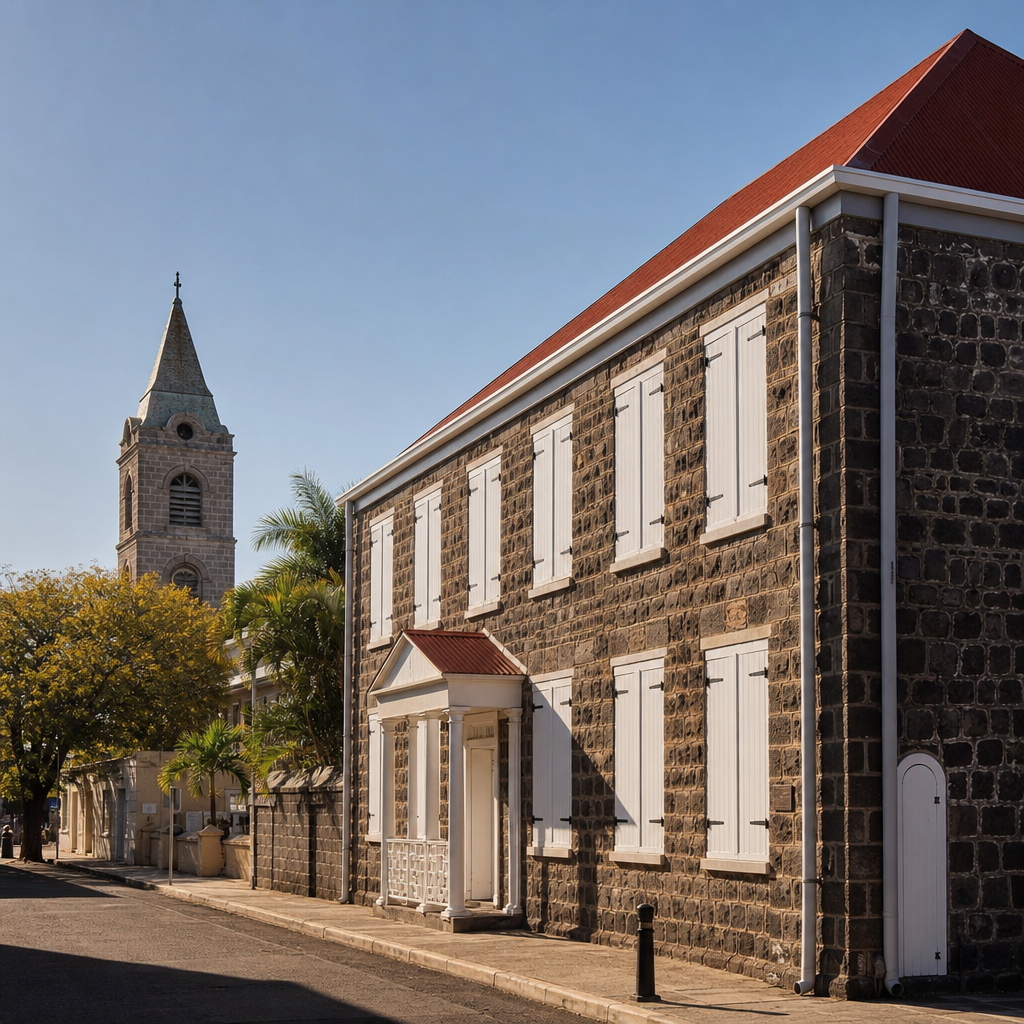
Most Saint Kitts cultural itineraries begin with history because the island’s traditions are inseparable from its built environment. Basseterre, the capital, offers a concentrated introduction. Independence Square, once tied to the colonial marketplace and the buying and selling of enslaved Africans, anchors many walking tours because it captures the shift from imperial control to national identity. Nearby churches, civic buildings, and Georgian-style structures reveal British urban planning adapted to tropical conditions. Good guides point out practical details visitors often miss: arcades for shade, thick masonry for cooling, and street layouts shaped by trade, defense, and administration.
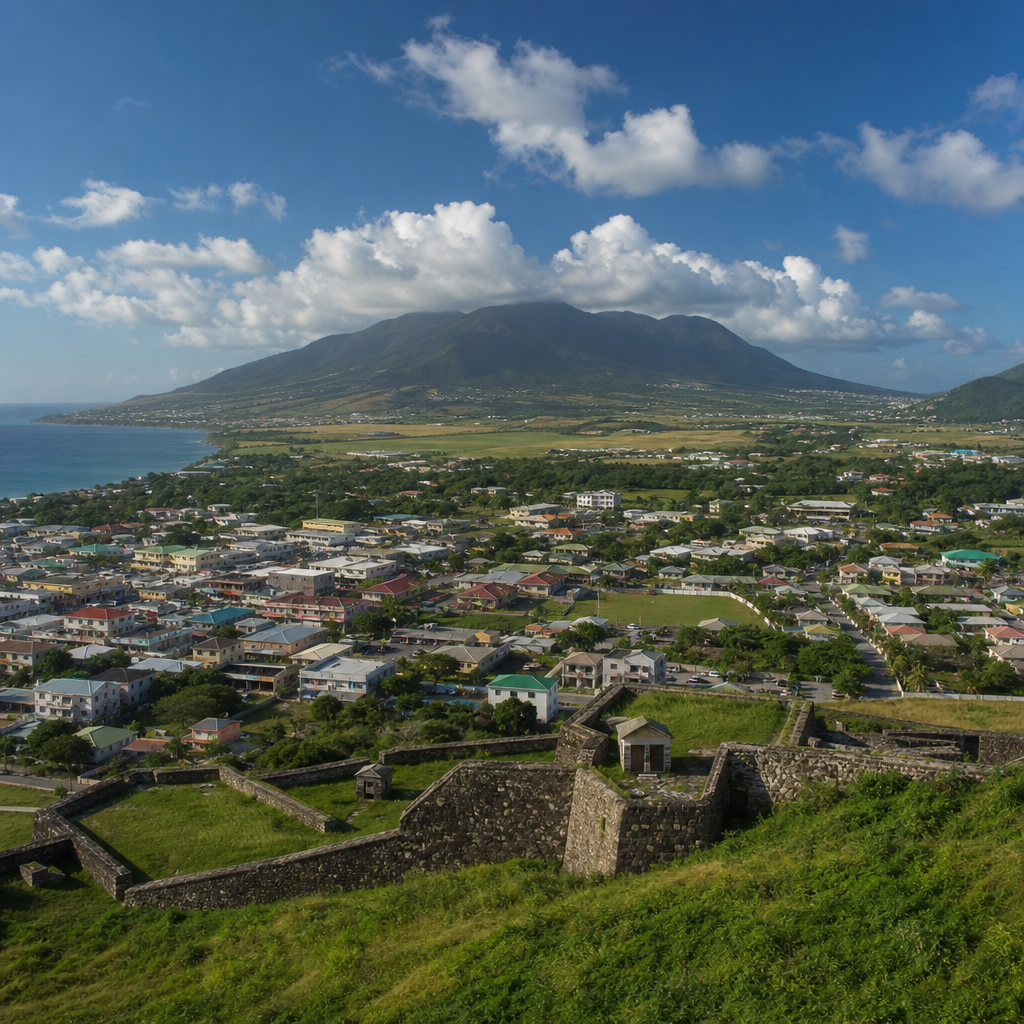
Brimstone Hill Fortress National Park is one of the most important cultural tour sites on Saint Kitts and a UNESCO World Heritage Site. Built largely by enslaved African labor in the seventeenth and eighteenth centuries, it is both an engineering achievement and a powerful site of interpretation. I recommend visiting with a guide rather than independently because the walls, cisterns, artillery placements, and elevated views make more sense when tied to regional conflict, especially Anglo-French competition in the Caribbean. The fortress explains why Saint Kitts was once called the Gibraltar of the West Indies, but the most responsible tours also emphasize the human cost behind that defensive prestige.
Plantation tours add another dimension. Former sugar estates such as Romney Manor and Fairview Great House are often marketed for scenery, gardens, and architecture, but their real value lies in showing how plantation society organized labor, class, and land ownership for centuries. At Romney Manor, visitors can connect estate history with batik production at Caribelle Batik, where artisans use wax-resist techniques on fabric. That pairing matters because it links a colonial landscape to contemporary craft. Travelers see that heritage on Saint Kitts is not frozen. It is continuously reworked into present-day livelihoods and artistic expression.
Food Traditions and Culinary Tours in Saint Kitts
If a traveler asks what quickly reveals local traditions in Saint Kitts, the clearest answer is food. Culinary tours succeed on the island because Kittitian cooking is deeply historical and intensely local. Many dishes developed from plantation-era constraints, small-scale farming, fishing access, and the ingenuity of households using what was available. Goat water, widely regarded as the national dish, is not water at all but a rich stew made with goat meat, bread, herbs, and spices. It is often served at gatherings and community events, and when a guide explains its social role, the dish becomes a window into hospitality and memory rather than just a menu item.
Other staples deserve equal attention. Saltfish with coconut dumplings reflects preserved ingredients meeting tropical produce. Breadfruit, green fig, cassava, sweet potato, and plantain appear across home cooking because they are filling, versatile, and tied to Caribbean subsistence traditions. Fresh seafood, including lobster in season, also features in coastal communities. On a strong food-focused cultural tour, visitors do more than sample plates. They visit a market, identify seasoning peppers and local herbs, discuss rum and cane history, and learn how Sunday lunch, roadside grills, and festival cooking differ. Those details explain how cuisine functions across everyday life and celebration.
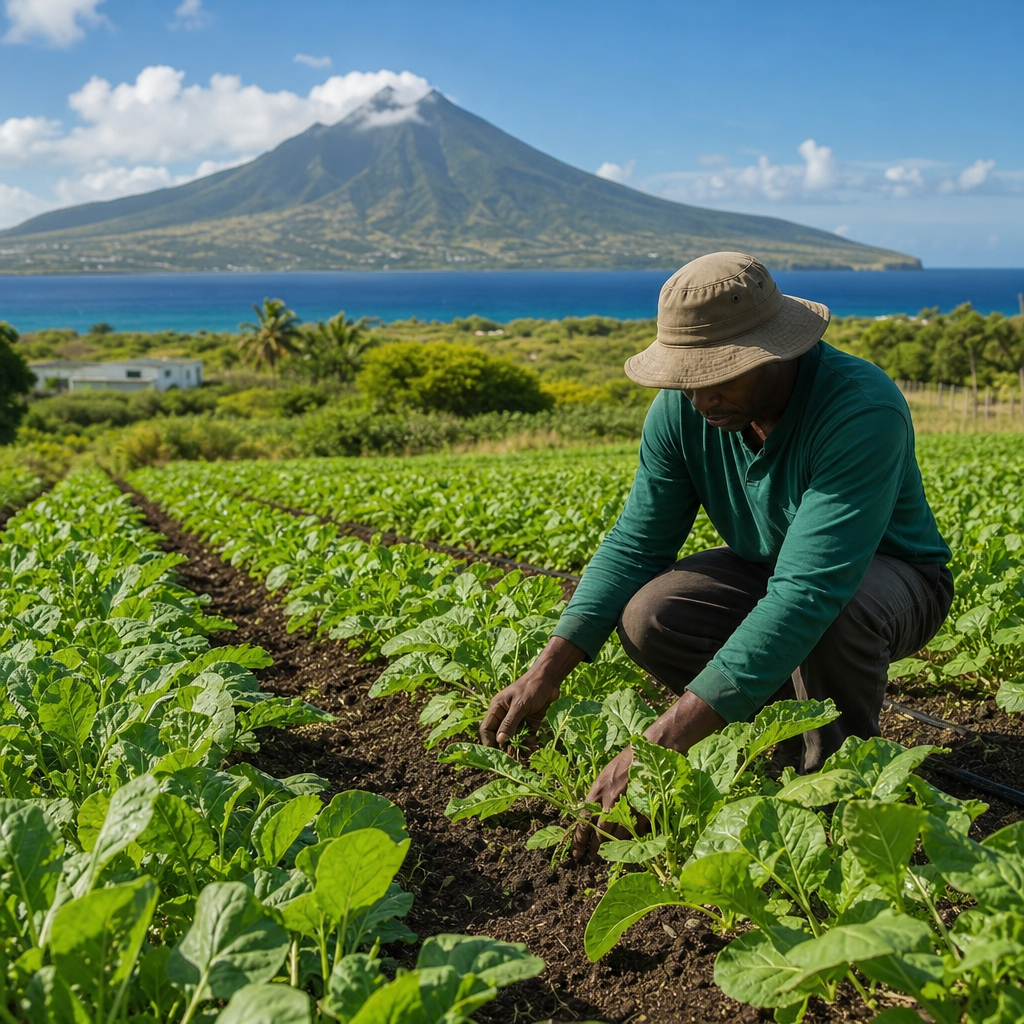
Several food experiences on Saint Kitts work especially well for travelers who want authenticity without intruding. Community cooking classes, farm-to-table excursions, and market walks in Basseterre can be excellent when led by residents with culinary knowledge. I have seen the best guides explain not only ingredients but also etiquette: when to ask before photographing food preparation, how to receive homemade items graciously, and why family recipes may be shared selectively. That context builds trust. Food tourism on Saint Kitts is strongest when it respects kitchens and farms as living spaces, not stages.
Music, Carnival, and Performing Traditions
Saint Kitts cultural tours become more vivid when they include music and festival traditions because performance is one of the island’s clearest expressions of identity. Carnival, locally known as Sugar Mas, is the best-known seasonal celebration, usually running from late year into the new year. It combines parade culture, calypso, soca, steelpan, masquerade, folklore characters, pageantry, and community rivalry. Visitors often notice the spectacle first, but local guides can unpack the deeper layers: calypso’s role in political commentary, costume design as neighborhood pride, and masquerade as a preservation of Afro-Caribbean expressive traditions.
Outside the carnival season, cultural tours may include live string band performances, drumming, dance demonstrations, or visits timed with public events. These experiences matter because they show that Kittitian performance culture is not limited to a single festival window. In village settings and heritage programs, music often carries oral history, humor, and coded references that outsiders miss without explanation. A capable guide translates context without stripping away the performance’s energy. That is the ideal balance. Visitors should feel welcomed into the experience while understanding that some expressions are rooted in community memory, not designed solely for tourism.
For travelers comparing cultural experiences, the following overview helps match interests with likely tour types and outcomes.
| Tour focus | What you experience | Best for | Typical takeaway |
|---|---|---|---|
| Historic walking tour | Basseterre landmarks, churches, civic spaces, colonial streets | First-time visitors | Context for the island’s past and present |
| Fortress and estate tour | Brimstone Hill, plantation houses, gardens, craft sites | History-focused travelers | Understanding labor, defense, and architecture |
| Culinary tour | Markets, tastings, cooking demos, local eateries | Food lovers | Insight into daily life through dishes and ingredients |
| Festival or music tour | Steelpan, calypso, masquerade, village performances | Culture seekers | A direct feel for living traditions and social identity |
| Craft and community tour | Batik, storytelling, artisan workshops, local encounters | Slow travelers | Connection to contemporary cultural practice |
Craft, Faith, Village Life, and Everyday Customs
Not every meaningful cultural experience on Saint Kitts is monumental or highly produced. Some of the most revealing tours focus on ordinary customs: churchgoing, storytelling, yard gardening, village social life, and handmade craft. This is where visitors often gain the strongest sense of local tradition because they see how culture is maintained between major festivals and landmarks. Caribelle Batik remains a standout stop because it demonstrates a specific artisanal process with clear educational value. Visitors can watch wax application and dye work, understand pattern layering, and buy directly from a workshop connected to the island’s creative economy.
Faith traditions also shape cultural life in visible ways. Anglican, Methodist, Catholic, Moravian, and other Christian congregations have long influenced education, music, charity, and public ceremony on Saint Kitts. Church architecture and cemetery tours can therefore be more informative than many travelers expect. They reveal naming patterns, family histories, and the role of religious institutions in village cohesion. Respect is essential. Appropriate dress, quiet behavior, and asking before taking photographs are basic but important practices, especially during active worship rather than heritage visits.
Village-based experiences often provide the most grounded cultural exchange. In places outside the main cruise circuit, visitors may encounter community centers, small shops, fishing areas, school events, or local roadside food spots that show daily rhythms more honestly than curated attractions. The best guides know how to facilitate this without turning residents into exhibits. They introduce people when appropriate, explain local etiquette, and keep groups small. From experience, that approach changes the tone completely. Travelers listen more, spend more thoughtfully, and leave with a clearer sense that Saint Kitts’ traditions live in relationships as much as in sites.
How to Choose the Best Saint Kitts Cultural Tour
Choosing the best Saint Kitts cultural tour depends on what kind of understanding a traveler wants. If the goal is historical grounding, prioritize guides who cover slavery, emancipation, labor, and independence alongside architecture and scenery. If food is the priority, look for tours that include markets, ingredient explanations, and neighborhood eateries rather than only resort dining. If your interest is music or carnival, ask whether the operator works with local performers year-round or simply stages a brief demonstration for visitors. Those distinctions matter because depth usually comes from relationships within the community, not from transportation or itinerary length.
There are also practical evaluation points. Strong operators identify licensed guides, state what is included, keep group sizes manageable, and avoid vague promises of an authentic experience without specifics. Reviews can help, but read them critically. The most useful comments mention what was learned, which sites were visited, how questions were handled, and whether local voices were centered. Cruise passengers should check port timing carefully, while overnight travelers have more flexibility to book half-day or full-day experiences with rural components. In both cases, morning departures often work best because heat and traffic are lower, and heritage sites are less crowded.
Travelers should also understand the limits of cultural touring. No single excursion can explain all of Saint Kitts, and not every tradition is accessible on demand. Some events are seasonal, some communities prefer privacy, and some stories require careful interpretation. That is not a drawback. It is a sign that the culture is real. The smartest approach is to use one well-designed cultural tour as a foundation, then build on it through museums, local dining, independent exploration in Basseterre, and conversation with residents. Done well, these experiences turn a beach holiday into a far more complete understanding of the island.
Saint Kitts’ cultural tours are valuable because they connect visitors to the island’s real texture: historic struggle, creative adaptation, community pride, and everyday traditions that continue to shape modern life. A strong tour explains Basseterre’s streets, Brimstone Hill’s strategic importance, plantation legacies, Kittitian foodways, festival performance, religious influence, and village customs as parts of one connected story. That integrated view is what makes cultural travel on Saint Kitts memorable. Instead of collecting isolated photo stops, travelers gain a framework for understanding why places, dishes, songs, and ceremonies matter.
For anyone exploring adventure and activities on the island, this miscellaneous cultural hub is the starting point because it maps the broad range of experiences available. Some travelers will move next into culinary deep dives, others into heritage landmarks, community craft, festival traditions, or nature-linked history. All of those paths begin with the same principle: choose tours led by knowledgeable local guides, ask good questions, and approach each encounter with respect. That is how cultural tourism supports communities while giving visitors something far more valuable than entertainment.
Plan at least one dedicated cultural tour during your Saint Kitts trip, and let it shape the rest of your itinerary. When you understand the traditions behind the scenery, every village, meal, melody, and historic site becomes richer.
Frequently Asked Questions
What can travelers expect from a cultural tour in Saint Kitts beyond the usual beach experience?
A cultural tour in Saint Kitts offers a much deeper introduction to the island than a standard sightseeing outing focused on coastal views or resort areas. These tours are designed to bring visitors into the social, historical, and creative life of the island, showing how local identity has been shaped over centuries by African ancestry, British colonial influence, plantation history, religion, village traditions, and strong community ties. Rather than simply moving from landmark to landmark, a well-planned cultural experience helps travelers understand how Kittitians live and how the past continues to shape daily life in the present.
Visitors can often expect a mix of heritage sites, storytelling, food traditions, music, and community interaction. One part of the tour may focus on colonial-era architecture, churches, former sugar estates, or historic streets in Basseterre, while another may highlight living traditions such as local cooking, folk beliefs, market culture, drumming, seasonal festivals, or village-based celebrations. Some tours also include conversations with artisans, farmers, cooks, or guides who share personal perspectives that go beyond what a guidebook can offer.
What makes these tours especially rewarding is their ability to connect history with lived experience. A traveler may learn about the island’s plantation economy and then see how that legacy influenced family recipes, land use, work patterns, and community memory. They may hear about emancipation and resistance in a formal historical setting, then recognize those same themes in music, storytelling, and national pride. This layered approach gives visitors a more complete and respectful understanding of Saint Kitts as a place with depth, resilience, and a distinctive cultural voice.
Which local traditions are most commonly highlighted on Saint Kitts cultural tours?
Many cultural tours in Saint Kitts highlight traditions that reflect both continuity and adaptation across generations. Food is one of the most common entry points. Travelers may be introduced to traditional dishes, local ingredients, and cooking methods that reflect the island’s agricultural roots and African-Caribbean culinary heritage. Breadfruit, ground provisions, saltfish, stewed meats, fresh produce, and local seasonings often appear in discussions of everyday eating as well as celebratory meals. Food is not usually presented as just something to taste, but as a record of history, resourcefulness, and family life.
Music and performance are also central. Saint Kitts has rich expressive traditions tied to rhythm, festival culture, church life, and public celebration. Depending on the tour, visitors may learn about drumming, masquerade traditions, carnival-related customs, string band influences, or the role of music in storytelling and communal identity. These traditions often reveal how performance in Saint Kitts is more than entertainment. It can be a way of preserving memory, expressing freedom, and strengthening local belonging.
Faith and community customs are another major focus. Churches, religious observances, village gatherings, and rites of passage all help explain how social life is organized and sustained. Guides may discuss the importance of Sunday worship, funeral traditions, holiday observances, family networks, and neighborly support systems that remain central in many communities. Tours may also explore craft traditions, oral history, market culture, farming practices, and the meanings behind local sayings or forms of speech. Together, these elements help travelers see that tradition in Saint Kitts is not frozen in the past. It is active, practical, and woven into contemporary life.
How do cultural tours in Saint Kitts help visitors understand the island’s history and identity?
Cultural tours are one of the most effective ways to understand Saint Kitts because they place historical facts within a human and geographic context. The island’s identity cannot be explained by one story alone. It has been shaped by Indigenous presence, European colonization, the transatlantic slave trade, plantation agriculture, emancipation, migration, religion, and postcolonial nation-building. A strong cultural tour helps visitors move through these layers in a way that is accessible, grounded, and emotionally meaningful.
For example, a guide may explain how the sugar plantation system influenced settlement patterns, labor systems, architecture, and class structures across the island. That same discussion may then connect to modern village life, land use, or family history. Instead of presenting history as a sequence of isolated dates, cultural tours show how the past is remembered in landscapes, buildings, foodways, and community traditions. This makes the learning experience more vivid and allows travelers to understand why certain sites matter so deeply to local people.
These tours also help clarify the balance between hardship and cultural strength. Saint Kitts’ history includes exploitation and inequality, but it also includes survival, creativity, adaptation, and pride. Visitors come away with a fuller appreciation of how Kittitian identity has been formed through struggle as well as celebration. When a guide links historical events to music, language, religion, or family customs, travelers begin to see national identity not as an abstract concept, but as something lived every day. That insight is often what makes a cultural tour one of the most memorable parts of visiting Saint Kitts.
Are Saint Kitts cultural tours suitable for travelers who want authentic local interaction?
Yes, cultural tours in Saint Kitts can be an excellent choice for travelers seeking authentic local interaction, especially when the tour is led by knowledgeable local guides or community-based hosts. The best experiences are not built around staged performances or superficial photo stops. Instead, they create respectful opportunities to hear personal stories, ask questions, visit meaningful spaces, and observe how traditions function in real life. This kind of interaction often gives travelers a stronger sense of connection than more conventional island excursions.
Authenticity usually comes from context and conversation. A visitor may walk through a village and learn how generations of families have shaped that community, or visit a historic site where a guide explains not only what happened there, but how local people remember it. A market stop may become a lesson in seasonal produce, food preferences, and social rhythms. A meal may open a conversation about family traditions, holiday customs, or the practical wisdom behind local recipes. These moments often feel natural rather than scripted when the tour is thoughtfully designed.
That said, travelers also play an important role in shaping authentic encounters. Respectful curiosity matters. Asking informed questions, listening carefully, supporting local businesses, and being open to the pace and perspective of community life all help create more meaningful exchanges. Authenticity is not about intruding into private life. It is about participating in a shared learning experience with humility and interest. In Saint Kitts, where community identity remains strong, this approach often leads to richer conversations and a more memorable understanding of local traditions.
What should travelers look for when choosing the best cultural tour in Saint Kitts?
When choosing a cultural tour in Saint Kitts, travelers should look for depth, local expertise, and a well-balanced itinerary. The strongest tours do more than list attractions. They explain why those places matter and how they connect to broader themes such as heritage, memory, family life, food traditions, faith, and community identity. A good sign is an itinerary that combines historical interpretation with living culture, such as heritage landmarks paired with local neighborhoods, artisan visits, culinary experiences, or conversations with residents.
It is also important to consider who is leading the tour. Local guides with strong historical knowledge and personal familiarity with the island’s customs often provide the most rewarding experiences. They can interpret subtle details that outsiders might miss, including the meaning of certain foods, the social role of village spaces, the significance of festival practices, or the way colonial history continues to influence the present. Reviews that mention storytelling, educational value, and genuine local insight are often more useful than reviews focused only on transportation or scenery.
Travelers should also think about what kind of cultural experience they want. Some tours are more historically oriented, with emphasis on plantations, churches, architecture, and political development. Others focus more on cuisine, music, everyday life, or festival traditions. The best choice depends on personal interests, but the ideal tour usually includes both historical background and contemporary perspective. If possible, look for small-group or private options that allow more discussion and flexibility. In a place like Saint Kitts, where so much cultural meaning is found in stories, relationships, and local interpretation, a tour that allows time for conversation is often far more valuable than one that simply moves quickly between sites.