Nevis’ real estate market has become one of the Caribbean’s most closely watched property stories because it combines scarce beachfront land, a stable legal environment, and steady demand from investors seeking lifestyle assets with long-term capital preservation. In practical terms, the market includes freehold villas, condominium units, development parcels, hillside homes, and commercial hospitality properties across areas such as Pinney’s Beach, Oualie, Gingerland, and Charlestown. When buyers ask what makes Nevis different from larger regional markets, the answer is usually a mix of limited supply, relatively low-density development, and demand driven by second-home ownership, tourism, and citizenship-linked investment structures in the wider federation. I have worked with Caribbean property buyers comparing Nevis with Antigua, Barbados, and St. Kitts, and Nevis stands out for its restrained pace. That restraint matters. In a region where overbuilding can dilute value, Nevis has generally protected its appeal by keeping inventory limited and preserving the island’s residential character.
Understanding current trends in Nevis real estate requires looking beyond listing prices. Serious investors examine transaction velocity, land scarcity, tourism recovery, infrastructure quality, title clarity, construction costs, and the profile of international purchasers. They also ask whether rising global interest rates, climate risk, and insurance costs will slow momentum. Those are the right questions. Property markets on small islands do not move exactly like urban mainland markets; they are shaped by a narrower inventory base and by external demand from North America, Europe, and the wider Caribbean. This makes pricing less liquid but often more resilient in prime segments. For anyone exploring business and investment opportunities, Nevis is not simply a vacation-home destination. It is a niche market where wealth preservation, rental potential, boutique hospitality, and land banking all intersect. This hub article explains the forces shaping today’s market and offers grounded predictions about where values, buyer behavior, and development are likely to head next.
Current market conditions across key property segments
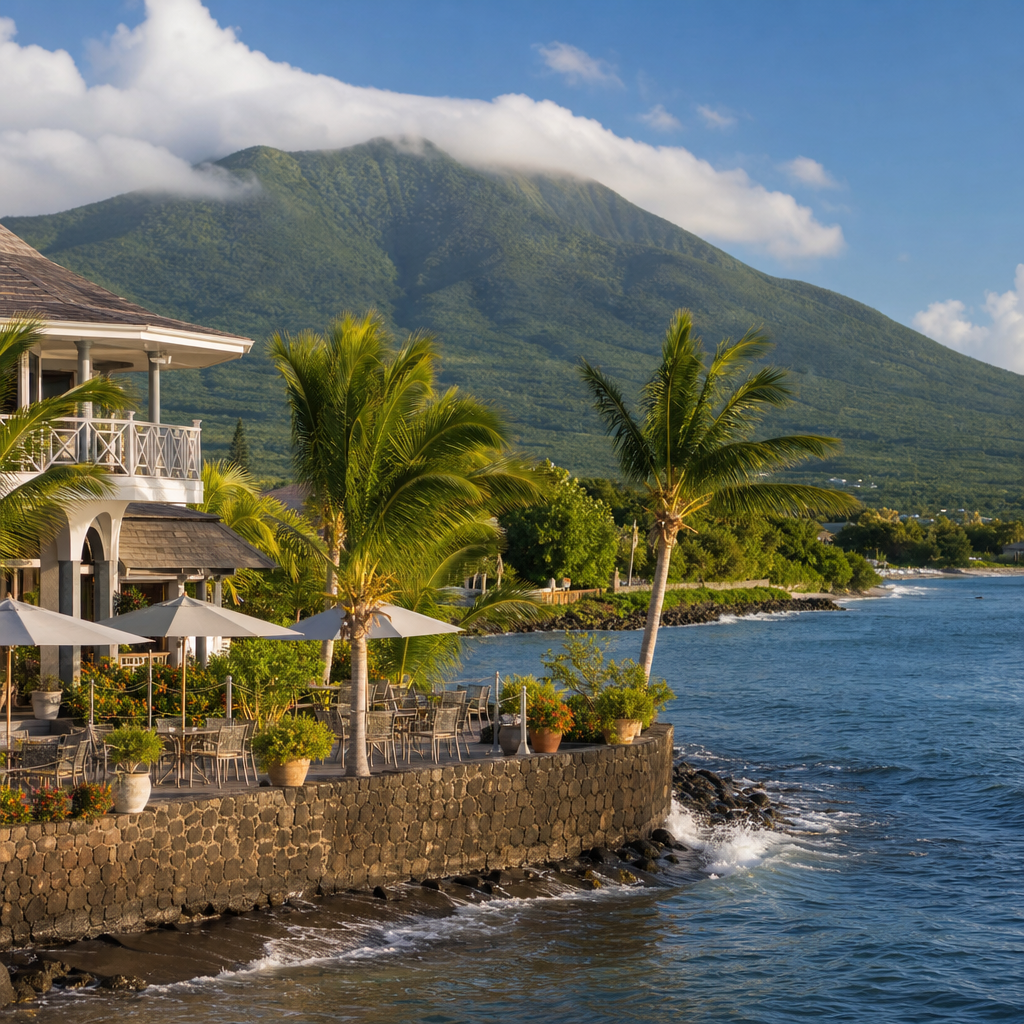
The clearest current trend in Nevis is continued demand for quality property with ocean views, beach proximity, or established resort adjacency. Premium villas and well-positioned land parcels have generally held value better than secondary inventory because affluent buyers prioritize privacy, scenery, and build quality over bargain pricing. In my experience reviewing Caribbean listings, the strongest interest clusters around homes that require little remediation and have clear title, modern utilities, and proven rental histories. Buyers are willing to pay a premium for certainty. By contrast, properties needing significant upgrades can sit on the market longer because renovation on an island is expensive, labor can be specialized, and imported materials add cost and delay.
Land remains a major part of the Nevis market story. Many investors prefer undeveloped parcels because they want custom homes or future boutique hospitality projects. The challenge is that not all land is equally useful. A two-acre parcel with road access, utilities nearby, favorable topography, and strong sea views may command much stronger pricing than a larger but steeper inland lot. This is why average price-per-acre figures can mislead. Condominium inventory is smaller than in more built-out islands, but turnkey units appeal to buyers who want lower maintenance. Commercial opportunities exist too, especially in hospitality-linked assets, villas converted to short-term rental operations, and mixed-use properties near Charlestown. The market is best understood as segmented rather than uniform: prime coastal stock, resort-adjacent residences, inland family homes, and raw development land all move on different timelines.
What is driving demand in Nevis real estate
Demand in Nevis is being supported by four durable drivers: international lifestyle migration, tourism-linked rental income, limited developable coastal inventory, and regional investor diversification. Since the pandemic, more buyers have prioritized space, privacy, and warm-weather living. That shift benefited smaller island markets that offer exclusivity without the congestion of heavily urbanized destinations. Nevis appeals especially to retirees, remote business owners, and high-net-worth families who want a second home that can also generate income when unused. For these buyers, ownership is not only emotional; it is strategic. They are comparing carrying costs, occupancy assumptions, resale potential, and jurisdictional stability.
Another important driver is the broader investment ecosystem of St. Kitts and Nevis, which keeps international attention on the federation. Even when a purchase is not directly tied to citizenship routes, the country remains visible to global investors because of its long-established investment reputation. Tourism also underpins demand. Visitors who first arrive for a luxury resort stay often become property buyers later, particularly after seeing the island’s low-density feel and repeat-visitor culture. Unlike some markets dominated by speculative flipping, Nevis tends to attract buyers with longer holding periods. That reduces sudden oversupply. At the same time, construction inflation has pushed replacement costs upward, which supports values for existing well-built homes. When it becomes materially more expensive to build a villa from scratch, completed inventory with good craftsmanship becomes more attractive.
| Market driver | Current effect | Likely five-year impact |
|---|---|---|
| Limited beachfront supply | Supports premium pricing in prime zones | Continued scarcity-led appreciation for top-tier assets |
| Tourism recovery | Improves short-term rental confidence | Higher demand for managed villas and resort-adjacent homes |
| Construction cost inflation | Makes turnkey homes more desirable | Raises replacement values and slows speculative building |
| Remote work and lifestyle migration | Broadens the international buyer pool | Steadier demand for larger homes with office space |
| Infrastructure and air access improvements | Reduces buyer hesitation | Expands transaction activity beyond the luxury segment |
Pricing trends, rental yields, and transaction realities
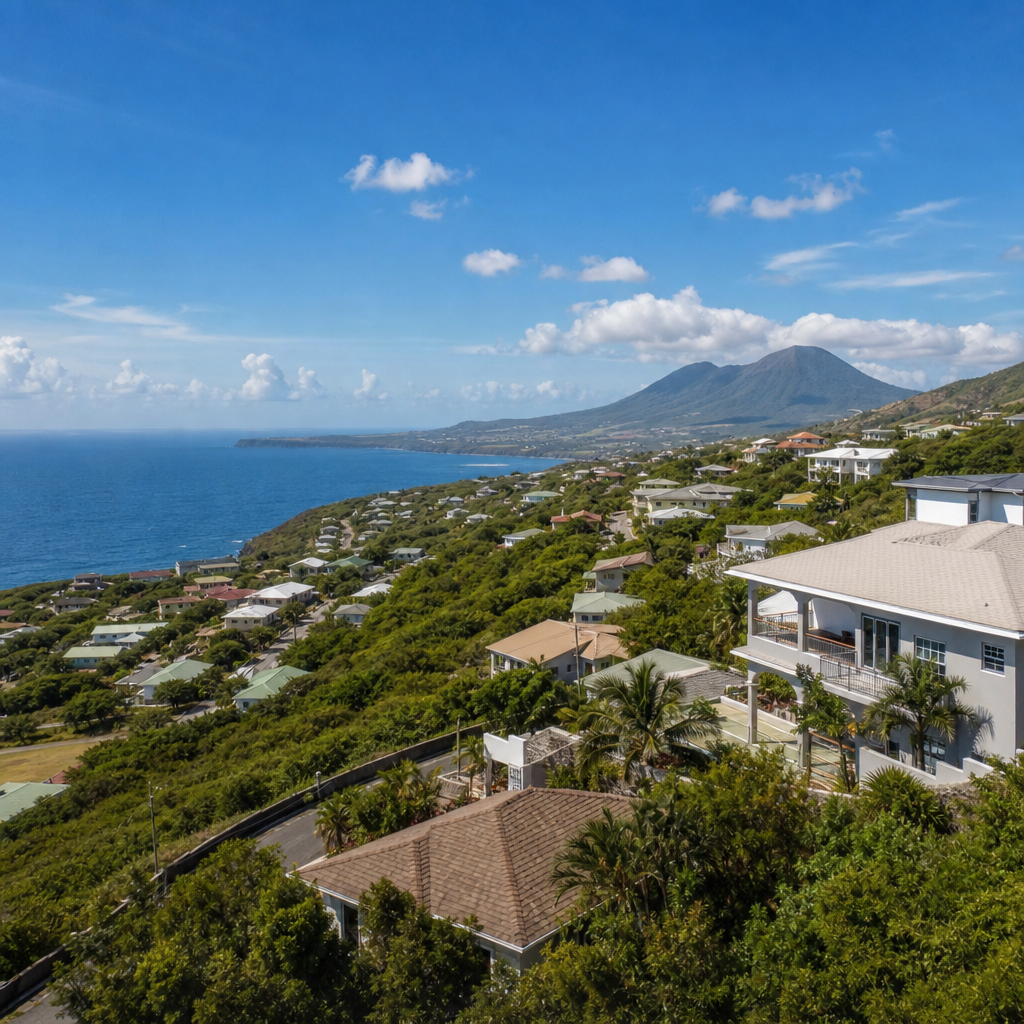
One question buyers ask directly is whether Nevis property prices are rising. The practical answer is yes in prime segments, but not at the same speed across the entire market. Beachfront and resort-proximate villas have shown the strongest resilience because they are hardest to replicate. Hillside homes with panoramic views also perform well when they are architecturally distinctive and professionally maintained. Less differentiated inventory can experience longer sales cycles, especially if sellers anchor to peak aspirational pricing. In a small market, asking prices often reflect owner expectations, while achieved prices depend heavily on condition, paperwork readiness, and how many comparable opportunities are available at the same time.
Rental yields in Nevis vary widely. A luxury villa with concierge support, a pool, backup power, and proximity to the beach may secure attractive seasonal revenue, but owners must model net returns realistically. Gross rental income can look strong, yet management fees, housekeeping, maintenance, insurance, utilities, and vacancy periods reduce actual yield. I advise investors to underwrite conservatively and assume weather-related downtime, slower shoulder seasons, and periodic capital expenditure. Occupancy is strongest for homes that meet international guest expectations: reliable Wi-Fi, modern kitchens, air conditioning, outdoor entertaining space, and seamless arrival logistics. Long-term rentals serve a different market, including professionals, hospitality staff, and residents relocating within the federation, but supply and pricing in that segment are more localized. Transactionally, buyers should expect due diligence to take time. Boundary verification, survey review, title checks, planning considerations, and utility assessments are essential. Rushing any of these steps on an island market is usually costly.
Development constraints, infrastructure, and risk factors
Future performance in Nevis real estate will be shaped as much by constraints as by demand. That is not a negative. In fact, constrained supply is one reason prime values remain firm. But investors need to understand the operational realities. Development on Nevis is affected by planning approvals, terrain, access roads, utility connections, water management, and import dependence for many materials. Build schedules can extend beyond mainland expectations because shipping, customs processing, and contractor availability all affect timelines. When buyers compare a raw parcel with a completed villa, they must account for these frictions honestly. The cheapest land is rarely the cheapest path to occupancy.
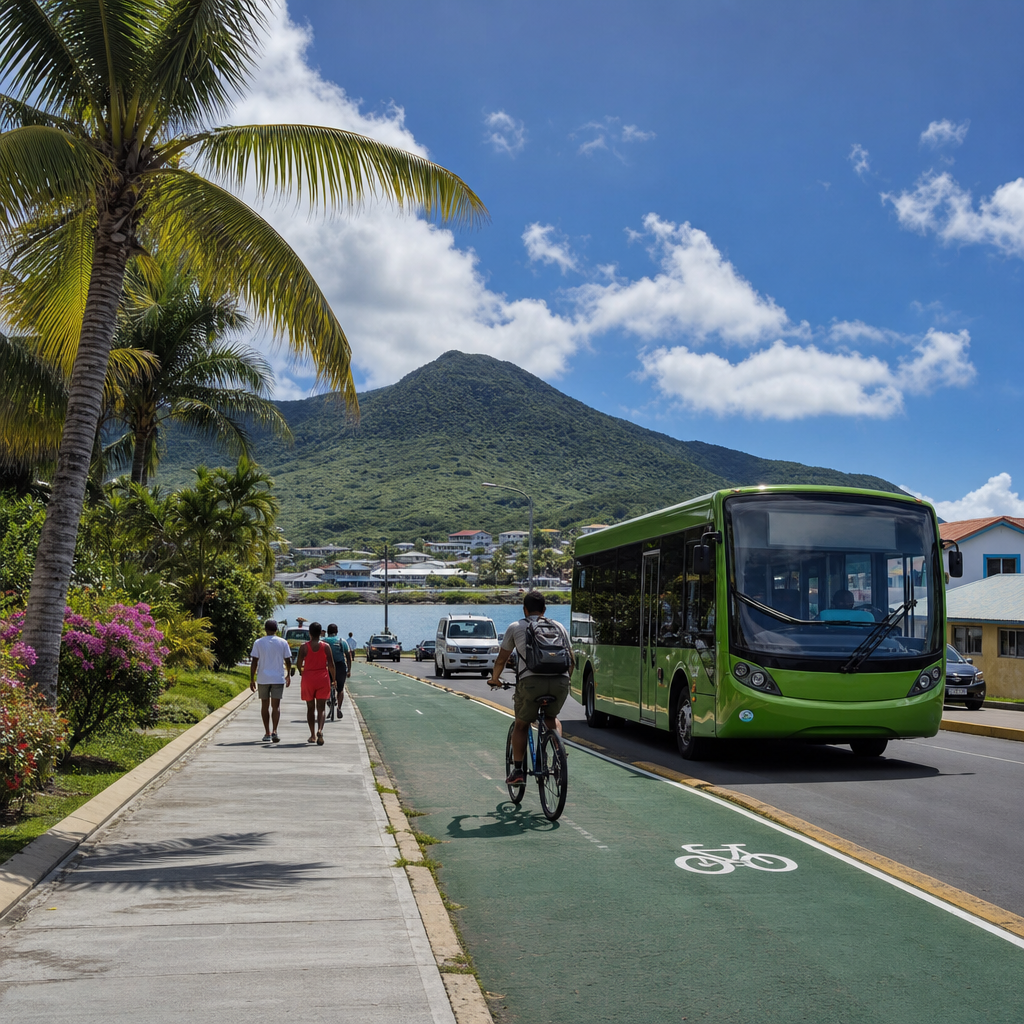
Insurance and climate resilience are also central. Caribbean property ownership now requires closer attention to hurricane-rated construction, drainage, roof systems, shutters or impact glazing, backup power, and emergency water storage. Lenders and insurers increasingly scrutinize these features. Properties built or renovated to stronger standards will likely outperform older stock over time because buyers are more risk aware than they were a decade ago. Infrastructure matters too. Reliable road access, proximity to Charlestown services, broadband quality, and ease of transfer between Nevis and St. Kitts all influence buyer confidence. If transport connectivity improves and service reliability strengthens, the market broadens. If operating costs rise too quickly, lower-tier segments face pressure. The lesson is straightforward: Nevis remains attractive because it is scarce and beautiful, but successful investing depends on disciplined due diligence, not romantic assumptions.
Future predictions for Nevis’ real estate market
Over the next five years, the most likely outcome for Nevis is measured appreciation rather than explosive growth. Prime beachfront, luxury hillside, and resort-adjacent properties should continue to benefit from scarcity, especially if international travel remains healthy and wealthy buyers keep allocating capital to lifestyle real estate. I do not expect a mass-market construction boom because the island’s scale, planning realities, and infrastructure limitations naturally restrain volume. That restraint supports the premium segment. Buyers seeking trophy homes, branded service experiences, and privacy will keep Nevis on their shortlist precisely because it is not overdeveloped.
Another probable trend is stronger differentiation between resilient, turnkey assets and dated inventory. Homes with solar integration, storm-ready design, efficient cooling systems, water storage, and professional management setups will command more attention and shorter marketing periods. Land with clean development pathways should also appreciate, but only where road access, utilities, and topography are favorable. Boutique hospitality is a promising niche. Small luxury inns, villa compounds, wellness retreats, and hybrid live-work accommodations fit the island better than high-density projects. Investors should also watch demographic shifts. Younger globally mobile entrepreneurs are entering Caribbean markets with different expectations: strong connectivity, high design standards, and flexible ownership use. If Nevis continues to improve service infrastructure while protecting its low-density identity, it can capture this demand without undermining the qualities that drive value. The smartest prediction is not that every property will rise equally, but that the best-located, best-built, most operationally resilient assets will increasingly separate from the rest of the field.
How investors should approach this market now
The best way to approach Nevis real estate today is to treat it as a specialized market where selectivity beats speed. Start with a clear objective. Are you buying for personal use, short-term rental income, long-term appreciation, land banking, or a hospitality business? Each goal points to a different asset type and underwriting model. A family wanting occasional occupancy may prioritize beach access and low maintenance, while an investor focused on yield might choose a professionally managed villa near established tourism demand. Commercial buyers need a sharper lens on staffing, licensing, utilities, food supply chains, and guest acquisition costs. There is no single “best” property in Nevis, only the best fit for a defined strategy.
Work with experienced local counsel, a surveyor, and a broker who understands actual closings rather than only listings. Review title records carefully, confirm planning restrictions, and inspect for deferred maintenance, drainage issues, and storm resilience. Compare the acquisition cost not just to asking prices but to replacement cost and projected holding cost. Most of all, be realistic about liquidity. Nevis can reward patience, quality, and disciplined ownership, but it is not a market for impatient speculation. For investors and homeowners who value scarcity, stability, and the long view, that is precisely the appeal. As you explore the wider Business and Investment Opportunities hub, use this page as your starting point for deeper articles on land acquisition, rental strategy, hospitality ventures, and legal due diligence. The opportunity in Nevis is real, but the advantage goes to buyers who understand the island on its own terms.
Frequently Asked Questions
What are the main trends shaping Nevis’ real estate market right now?
Nevis’ real estate market is being driven by a mix of limited supply, steady international interest, and a strong preference for high-quality lifestyle assets. One of the clearest trends is the continued demand for beachfront and near-beach properties, especially in sought-after areas such as Pinney’s Beach and Oualie. Because truly prime coastal land is scarce and tightly held, values in these locations tend to be supported even when broader global property markets become more cautious. Buyers are not simply looking for vacation homes; many are also seeking long-term wealth preservation, privacy, and a foothold in a stable Caribbean jurisdiction.
Another important trend is the growing appeal of hillside homes and panoramic-view properties in areas like Gingerland. These properties often offer more land, better breezes, and dramatic sea views, making them attractive to buyers who want exclusivity without paying the highest beachfront premiums. At the same time, condominium units and turnkey villas continue to attract purchasers who prefer lower maintenance ownership and easier rental integration. This has made professionally managed residences and resort-adjacent properties particularly appealing.
There is also sustained interest in development parcels and boutique hospitality opportunities. Investors are paying close attention to land that can support villas, small resorts, branded residences, or mixed-use projects, especially where zoning, access, and utilities make development realistic. In Charlestown and nearby commercial zones, the market for hospitality-linked and service-oriented real estate remains relevant because it supports tourism and long-stay visitor demand. Overall, the current market is best described as selective rather than speculative: well-located, well-designed, and legally straightforward properties draw attention quickly, while overpriced or poorly positioned listings may take longer to trade.
Why do investors see Nevis as a strong market for long-term capital preservation?
Investors often view Nevis as a compelling long-term real estate market because it combines rarity, stability, and lifestyle appeal in a way that few destinations can match. The first factor is scarcity. Nevis is a small island with naturally limited inventory, particularly when it comes to prime beachfront land, elevated sea-view sites, and established luxury residential pockets. That limited supply creates a structural advantage for owners, because it is difficult to replicate the island’s best property positions or suddenly introduce large amounts of competing stock.
The second factor is the island’s stable legal and ownership environment. Buyers typically place a premium on markets where property rights are clear, title processes are established, and the broader legal framework is familiar and dependable. In practice, this reduces uncertainty and makes it easier for both individual and institutional-style buyers to think beyond a short-term purchase and evaluate real estate as a durable asset. This matters especially for international purchasers who are comparing Nevis with other Caribbean markets where the buying process may be less predictable.
The third factor is demand quality. Much of the interest in Nevis comes from buyers who are motivated by more than short-term resale potential. They want privacy, second-home utility, prestige, family legacy value, and in many cases rental or hospitality income. That type of buyer tends to be less speculative and more patient, which can contribute to a more resilient market over time. When combined with Nevis’ appeal as a low-density, high-comfort destination, these characteristics support the view that the island is well positioned for capital preservation, particularly in the premium segment.
Which areas of Nevis are attracting the most attention from buyers and why?
Several parts of Nevis stand out, but they attract buyers for different reasons. Pinney’s Beach remains one of the island’s headline locations because of its direct beach access, resort proximity, and strong luxury profile. Buyers looking for prime villas, upscale residences, or hospitality-oriented investments often focus here first, since beachfront property in this area carries both lifestyle prestige and long-term scarcity value. It is one of the places where land constraints are most visible, which helps explain why interest remains consistently strong.
Oualie also attracts attention, particularly from buyers who value convenience, coastal character, and access to marine activity. Depending on the specific site, properties here can appeal to second-home owners, vacation rental investors, and those seeking a quieter but still highly desirable waterfront environment. The area’s charm and accessibility make it attractive to people who want a more relaxed setting without sacrificing the core appeal of Caribbean coastal ownership.
Gingerland has become increasingly interesting to buyers who prioritize privacy, acreage, and elevated views. Hillside homes and development parcels in this area can offer a different value proposition from the beachfront market: more space, cooler breezes, striking scenery, and room for custom estates or boutique projects. For many experienced investors, that makes Gingerland a strategic part of the market, especially if they believe sea-view inventory with development potential will become more desirable over time.
Charlestown remains important as the island’s administrative and commercial center. While it may not command the same luxury attention as the top beachfront districts, it plays a meaningful role in the market for commercial premises, service businesses, hospitality support properties, and practical residential ownership. In short, the strongest buyer interest tends to cluster around lifestyle-driven coastal and hillside locations, while Charlestown supports the everyday commercial foundation that helps the broader property market function.
What factors could influence the future direction of Nevis’ real estate market over the next few years?
The outlook for Nevis’ real estate market will likely depend on both local fundamentals and wider global conditions. On the local side, infrastructure improvements, planning policies, and the pace of new high-quality development will be especially important. If the island continues to attract carefully designed residential and hospitality projects without oversupplying the market, that would likely reinforce its premium positioning. Equally, the continued preservation of Nevis’ low-density character is a major part of its appeal, so the balance between growth and exclusivity will be critical.
Tourism performance will also matter. Real estate demand in markets like Nevis is closely connected to visitor experience, repeat travel, and international visibility. Strong tourism numbers can support villa rentals, boost confidence among second-home buyers, and increase interest in commercial hospitality assets. Buyers who first discover the island as guests often become future property owners, so the health of the tourism sector acts as an important feeder into the real estate pipeline.
Global wealth trends, interest rate conditions, and buyer sentiment in North America and Europe will play a role as well. Because much of Nevis’ demand is international, shifts in currency strength, financing costs, and geopolitical uncertainty can affect transaction timing and buyer behavior. However, premium island markets often benefit when affluent investors seek diversification into tangible assets in politically and legally stable locations. That means global volatility can sometimes slow deals in the short term while still supporting Nevis’ long-term appeal.
Looking ahead, the most likely scenario is continued selective strength rather than uncontrolled expansion. Prime beachfront assets, quality villas, and well-located development parcels should remain the best-positioned segments. Future price growth is likely to be uneven, with top-tier properties outperforming secondary stock. In other words, Nevis appears more likely to reward quality, location, and legal clarity than broad market speculation.
Is now a good time to buy property in Nevis, and what should buyers pay close attention to?
For many buyers, the answer is yes, but only if the purchase is approached strategically. Nevis is not usually a market where waiting leads to abundant bargains in the best locations, because the most desirable assets are limited by nature. If a buyer’s goal is to secure a beachfront villa, a resort-adjacent condominium, a panoramic hillside home, or a development parcel in a proven area, timing often matters less than asset quality. Prime properties can remain attractive across cycles because there are relatively few true substitutes.
That said, buyers should pay close attention to several practical considerations. First is title and legal due diligence. Even in a stable legal environment, every transaction should be reviewed carefully for boundaries, access rights, planning permissions, and any development restrictions. Second is the true cost of ownership, including maintenance, insurance, utilities, property management, and any renovation or infrastructure work needed to bring the asset to the desired standard. These factors can materially affect the long-term economics of the purchase.
Buyers should also evaluate how the property fits their intended use. A buyer focused on personal enjoyment may prioritize privacy, views, and convenience to beaches or dining, while an investor may place greater weight on rental demand, occupancy potential, and operational ease. Commercial and hospitality buyers should be even more disciplined, reviewing location fundamentals, staffing considerations, utility access, guest appeal, and the ability to differentiate the asset in a competitive tourism environment.
In practical terms, a good time to buy in Nevis is when a buyer finds the right property at a defensible value and completes careful due diligence. This is a market where disciplined decisions tend to outperform rushed ones. Buyers who focus on location, build quality, legal clarity, and realistic long-term use are generally the ones best positioned to benefit from Nevis’ current strength and future potential.