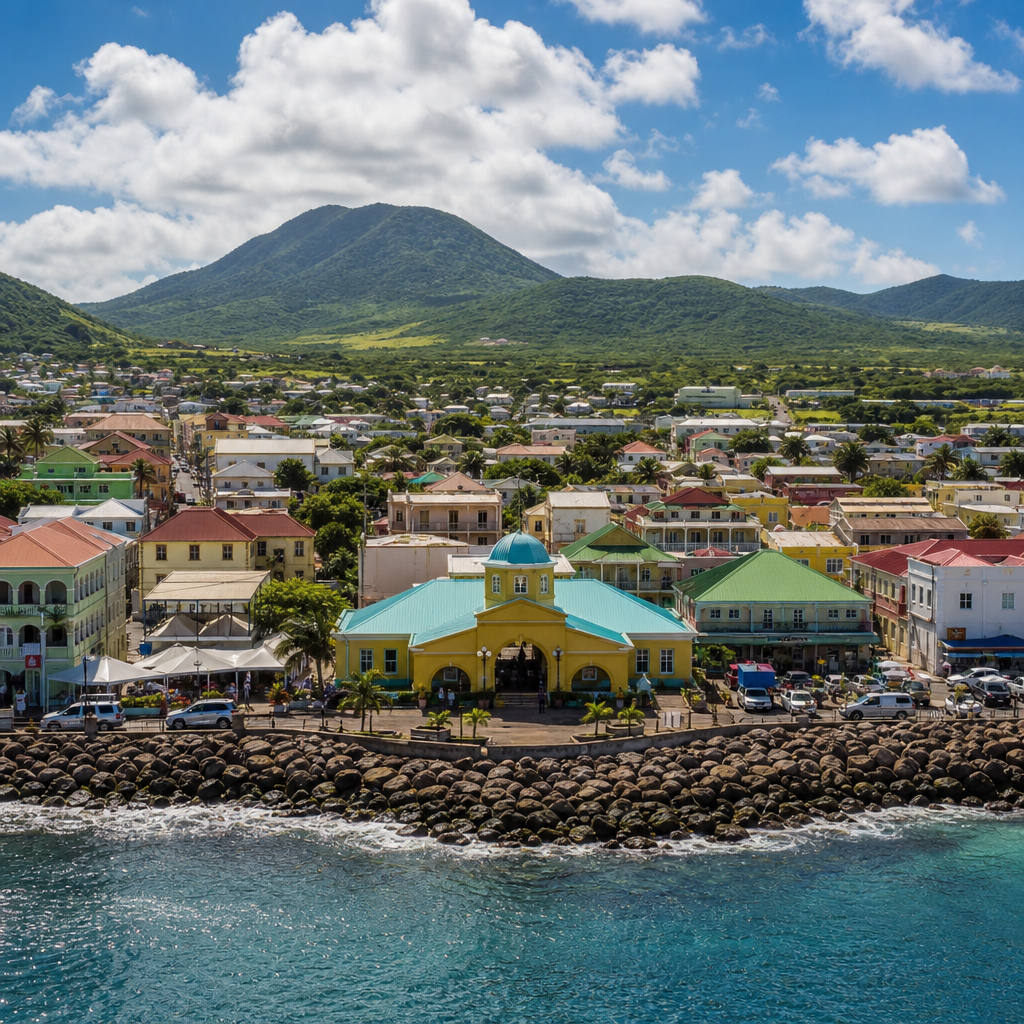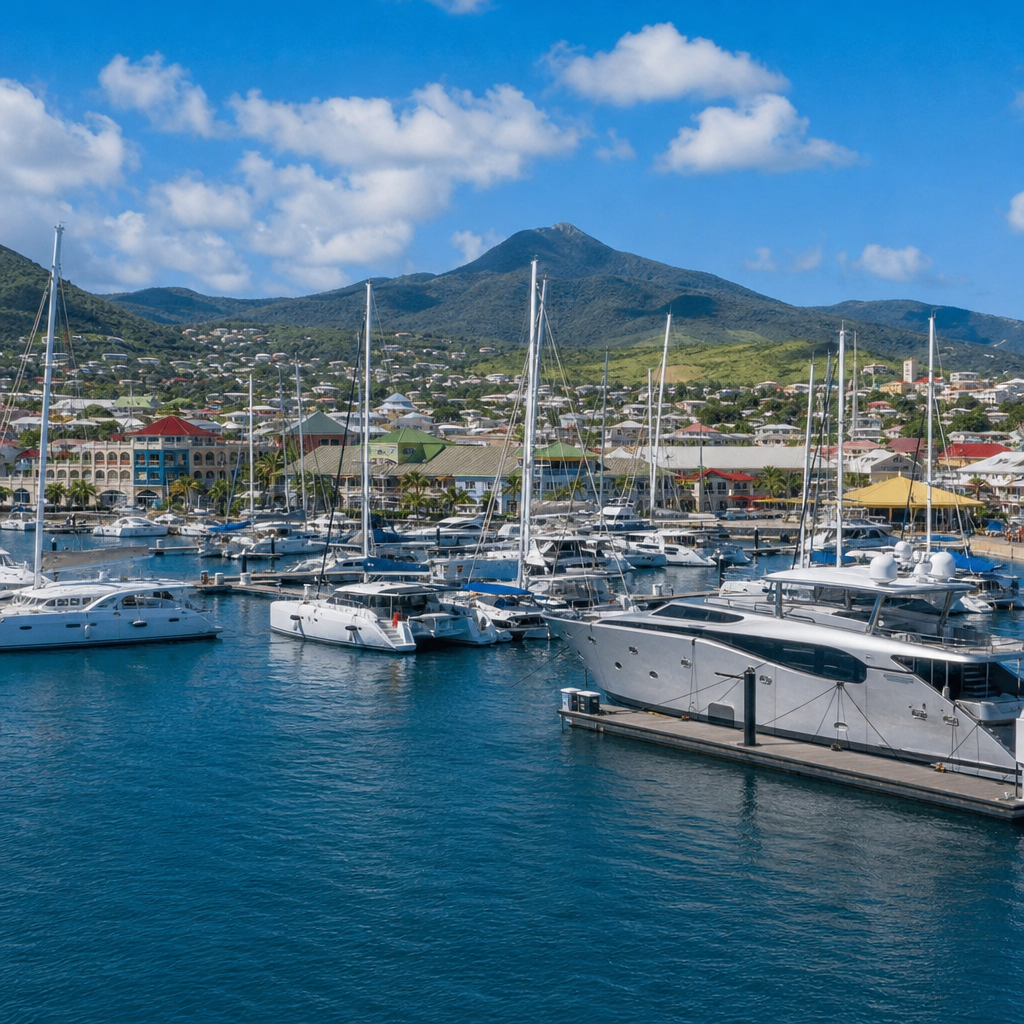
Saint Kitts’ boating industry sits at the intersection of tourism, trade, marine services, and lifestyle investment, making it one of the most overlooked business opportunities in the Eastern Caribbean. In practical terms, the boating industry includes marinas, boat maintenance, yacht provisioning, charters, sailing schools, marine electronics, waterfront real estate, insurance, finance, and the long chain of suppliers that keep vessels moving safely and profitably. For investors studying business and investment opportunities in Saint Kitts, this miscellaneous hub matters because boating is not a niche side activity; it is an enabling sector that supports visitor spending, high-net-worth mobility, inter-island commerce, and marine employment. I have seen Caribbean coastal markets change quickly once berthing, customs handling, and marine repair reach a reliable standard. Saint Kitts has the ingredients: strategic location in the Leeward Islands, year-round boating weather, cruise familiarity, and growing interest in experiential travel. What it needs is coordinated execution. That creates room for entrepreneurs, operators, and long-term investors.
The appeal of Saint Kitts is not only scenic. The island offers access to neighboring yachting circuits such as Antigua, Sint Maarten, Nevis, and the British Virgin Islands, allowing vessels to include it within broader itineraries rather than treating it as an isolated stop. That matters commercially because boats follow networks. A marina with efficient fuel access, competent technicians, and dependable concierge services captures more than docking fees; it captures repeat traffic, repair revenue, food and beverage spending, and referrals from captains. Searchers often ask whether Saint Kitts is already a mature boating market. The answer is no, not in the way Antigua or St. Maarten are, and that is precisely why the sector deserves attention. It remains an emerging marine business environment where infrastructure gaps exist, but so do first-mover advantages. For a hub article covering miscellaneous boating opportunities, the key is to understand the full ecosystem rather than focusing only on yachts.
Why Saint Kitts Has Strategic Boating Potential
Saint Kitts benefits from geography, climate, and regional positioning. Located along active sailing routes in the northeastern Caribbean, the island is naturally suited for short inter-island passages, leisure cruising, and support services for vessels transiting the region. Prevailing trade winds and warm temperatures support an extended boating season, unlike markets with severe winter shutdowns. The island also has established air access through Robert L. Bradshaw International Airport, which is valuable for crew changes, owner arrivals, and parts logistics. In marine operations, airport proximity is not a detail; it directly influences charter turnover efficiency and emergency response capability.
Another strategic advantage is diversity of demand. Saint Kitts can serve private yacht owners, bareboat and crewed charter operators, day-trip excursion businesses, sportfishing ventures, ferry-adjacent marine services, and waterfront hospitality providers. In markets I have worked on, resilience comes from mixed demand rather than a single customer type. When charter bookings soften, maintenance, storage, and provisioning can still perform. When seasonal visitor traffic dips, local transport and marine construction may continue. Saint Kitts is well positioned to build that balanced model because it already attracts tourists, second-home buyers, and regional travelers while retaining room to expand marine infrastructure.
Core Business Segments and Revenue Streams
The boating industry in Saint Kitts includes several investable segments, each with different capital requirements and risk profiles. Marinas generate income from berthing, utilities, fuel margins, haul-out coordination, chandlery sales, and service commissions. Boat repair businesses can focus on engines, fiberglass, electrical systems, refrigeration, hull cleaning, sail repair, or electronics installation. Charter companies earn through half-day coastal trips, sunset cruises, snorkeling excursions, liveaboard packages, and premium private bookings. Provisioning services supply food, beverages, flowers, linens, spare parts, and customs-cleared deliveries directly to vessels on a schedule captains trust.
Marine-adjacent opportunities are equally important. Waterfront restaurants near docks often outperform inland equivalents because they capture boaters before and after passage days. Training businesses can offer certifications in navigation, powerboat handling, dive support, and safety procedures aligned with standards from organizations such as the Royal Yachting Association and STCW-related crew preparation pathways. Insurance brokerage, yacht management, and vessel registration consulting create recurring fee income with lower physical overhead than marina development. Even digital businesses have a place: booking platforms, maintenance scheduling systems, and marine concierge applications can solve fragmented service issues that currently discourage longer stays.
| Segment | Typical Customers | Main Revenue Sources | Operational Priority |
|---|---|---|---|
| Marina and berthing | Yacht owners, captains, charter fleets | Dockage, utilities, fuel, service fees | Depth, security, customs efficiency |
| Maintenance and repair | Private vessels, excursion boats, fleets | Labor, parts, diagnostics, emergency callouts | Skilled technicians, parts access |
| Charter and excursions | Tourists, groups, corporate travelers | Trip fees, food packages, premium add-ons | Safety, marketing, weather planning |
| Provisioning and concierge | Captains, villa guests, superyachts | Markup on supplies, delivery, handling fees | Reliability, vendor network, timing |
Infrastructure Gaps That Create Investment Openings
The strongest opportunities often appear where friction is highest. In Saint Kitts, marine infrastructure still has room to improve in berthing capacity, technical service depth, haul-out availability, spare-parts logistics, and integrated customs support. Visiting captains judge a destination by practical criteria: can they enter clearly, berth safely, refuel without delay, source parts within a day, and solve a mechanical issue before the next weather window closes? If the answer is uncertain, they shorten their stay. Investors who remove those uncertainties create value quickly.
Consider repair services. Across the Caribbean, vessel owners routinely face long waits for specialized engine technicians, marine electricians, and composite repair teams. A professionally managed service yard in Saint Kitts with trained staff, digital work-order systems, and supplier relationships in Puerto Rico, Miami, and St. Maarten could capture demand from both local operators and transient yachts. The same logic applies to cold-chain provisioning, waste pump-out services, and secure tender storage. These are not glamorous businesses, but they are sticky, high-utility offerings. In boating markets, dependable execution wins more loyalty than flashy branding. A captain remembers the port that solved a genset fault at short notice.
Tourism Linkages and Consumer Demand
Boating expands visitor spending beyond the beach. Travelers increasingly want private, customized experiences, and marine excursions meet that demand better than standardized bus tours. In Saint Kitts, charter operators can combine sailing, snorkeling, beach landings, dining, and heritage storytelling into premium products aimed at couples, families, cruise passengers, and villa guests. The island’s coastline and proximity to Nevis make short-format charters commercially attractive because operators can offer meaningful experiences without requiring multi-day commitments. That lowers customer hesitation and increases booking frequency.
From an investment perspective, the most profitable boating businesses often package services. A day charter linked with hotel transfers, catered lunch, underwater photography, and sunset return can significantly raise average revenue per guest. Waterfront events also matter. Regattas, fishing tournaments, and seasonal sailing festivals create spikes in occupancy for hotels, restaurants, and marine vendors. Antigua Sailing Week shows what regional marine events can do for destination visibility and spending patterns. Saint Kitts does not need to copy that scale immediately, but it can build signature events that align with its brand and capacity. The boating industry becomes stronger when tourism boards, port authorities, and private operators market the island as a complete marine experience rather than a one-off excursion stop.
Regulation, Standards, and Risk Management
No serious analysis of Saint Kitts’ boating industry is complete without regulation and risk. Marine businesses depend on licensing, customs procedures, immigration coordination, environmental rules, insurance requirements, and maritime safety enforcement. Investors should evaluate how vessel entry works, which agencies oversee marine operations, how mooring rights are assigned, and what standards apply to passenger-carrying boats. Safety management is not a back-office issue. It drives insurability, online reviews, staff retention, and legal exposure. Operators should align with recognized practices covering life-saving equipment, maintenance logs, crew competence, weather monitoring, and passenger briefings.
Environmental compliance is equally significant. Anchoring pressure, fuel handling, wastewater discharge, reef protection, and coastal development all affect the industry’s long-term viability. In island jurisdictions, one poorly managed marina or recurring spill event can damage public trust quickly. The strongest boating businesses build environmental controls into operations from the start: spill kits, pump-out access, waste segregation, anti-fouling management, and customer education on protected areas. Balanced regulation is an asset, not an obstacle, because it improves destination reputation. High-value boaters prefer places where safety, marine conservation, and professional standards are visible and enforced consistently.
How Investors Can Enter the Market Wisely
Entry strategy matters more than enthusiasm. In Saint Kitts, the best approach is usually phased investment rather than a full-scale marina gamble on day one. Start with service-led businesses that validate demand: maintenance, provisioning, charter management, marine retail, or concierge support. These models require less waterfront control and generate market intelligence that can inform larger capital moves later. I have seen investors save substantial sums by operating a smaller marine services company first and learning actual vessel traffic patterns, procurement delays, and labor constraints before committing to hard infrastructure.
Partnerships are especially valuable. A local tourism operator may understand customer acquisition, while an international marine technician brings standards and supplier access. A hotel group may have shoreline visibility, while a charter specialist has booking systems and crew management expertise. Financial models should be conservative about seasonality, weather disruption, and imported parts costs. They should also account for training, because skilled marine labor is essential and often underbudgeted. For readers exploring related business and investment opportunities, this miscellaneous hub should point you toward linked topics such as tourism ventures, logistics, real estate, hospitality partnerships, and professional services, all of which connect directly to boating performance.
Saint Kitts’ boating industry offers a sea of possibilities because it is not one business but a connected network of investable activities with room to mature. The island has natural advantages that many markets would struggle to replicate: location within an active Caribbean circuit, favorable weather, established visitor appeal, and access to affluent travelers seeking tailored experiences. Yet the real story is operational. Growth will come from better berthing, stronger repair capability, reliable provisioning, professional charter products, and clear regulatory execution. Businesses that solve these practical issues can earn repeat revenue while strengthening the broader economy.
For investors, entrepreneurs, and policymakers, the main takeaway is straightforward. Saint Kitts does not need to become the largest yachting hub in the region to build a profitable marine sector. It needs to become dependable, well-serviced, and easy to navigate for vessel owners and marine guests. That is an achievable goal. If you are assessing business and investment opportunities in Saint Kitts, use this miscellaneous hub as your starting point, then map the adjacent sectors that support boating demand. The opportunities are real for operators prepared to execute with discipline, local partnerships, and a long-term view. Start with the gap you can solve best, and build from there.
Frequently Asked Questions
Why is Saint Kitts’ boating industry considered such a promising investment opportunity?
Saint Kitts’ boating industry is attractive because it connects several high-value sectors rather than relying on a single source of revenue. At its core, boating supports tourism through yacht arrivals, day charters, sailing experiences, and marina traffic, but the opportunity goes much further. Every vessel requires docking, fuel, repairs, cleaning, provisioning, insurance, financing, navigation equipment, compliance support, and often real estate access near the waterfront. That creates a layered business environment where investors can participate in marine services, hospitality, logistics, retail, and property development at the same time.
What makes Saint Kitts especially compelling is its position in the Eastern Caribbean, where boating routes, inter-island travel, and yachting activity can support repeat demand. A well-run marina or marine service company does not simply serve tourists for a weekend; it can build long-term relationships with yacht owners, charter operators, captains, and regional suppliers. For investors, that means the boating economy offers both direct revenue and recurring service income. In a market where many people focus only on hotels or traditional tourism assets, the boating sector remains one of the more overlooked areas with room for strategic growth.
What types of businesses fall under the boating industry in Saint Kitts?
The boating industry is much broader than boat sales or leisure cruises. In Saint Kitts, it includes marinas, dry storage facilities, boatyards, repair and maintenance services, engine servicing, hull cleaning, marine electronics installation, dockage management, yacht provisioning, and charter operations. It also includes sailing schools, water sports businesses, crew services, fuel supply, safety equipment sales, customs and clearance support, and transport providers linked to ports and marinas.
Beyond the obvious marine operations, there is also a large support chain that many investors underestimate. Waterfront real estate development, marine insurance, vessel financing, legal and compliance services, chandlery retail, hospitality partnerships, cold storage, food and beverage supply, and even digital booking platforms all form part of the boating economy. In practical terms, the industry operates as an ecosystem. A single vessel visiting Saint Kitts can generate spending across berthing, dining, repairs, excursions, local transportation, and property inquiries. That is why the sector is so important: it is not one business category, but a network of businesses tied together by marine traffic and waterfront demand.
How does the boating sector support tourism and the wider economy in Saint Kitts?
The boating sector strengthens tourism by extending visitor activity beyond conventional resort stays. Yachts, catamarans, sport fishing boats, and excursion vessels bring travelers directly into marine experiences, whether that means coastal sightseeing, snorkeling trips, sunset cruises, island hopping, or private luxury charters. These activities raise visitor spending and diversify the tourism product, which is especially valuable for destinations seeking to attract higher-spending travelers and reduce dependence on a narrow set of offerings.
Its economic impact also spreads well beyond visitor entertainment. Boats need mechanics, electricians, dock staff, cleaners, suppliers, surveyors, and logistics support. Marinas create jobs, marine service companies develop technical skills, and charter businesses generate demand for hospitality, food supply, and transport. When the sector matures, it can stimulate investment in waterfront infrastructure, training programs, and property development near key marine hubs. In that sense, the boating industry acts as both a tourism driver and an economic multiplier. It helps circulate money through multiple layers of the local economy rather than concentrating benefits in only one segment.
What should investors evaluate before entering Saint Kitts’ boating industry?
Investors should begin by understanding the exact niche they want to enter, because the boating industry includes very different business models with different capital needs and risk profiles. A marina development, for example, requires infrastructure planning, regulatory review, long-term occupancy strategy, and strong operational management. A yacht provisioning business may need less fixed capital but depends heavily on reliable sourcing, delivery efficiency, and relationships with vessel operators. Charter companies must focus on vessel quality, safety standards, crew management, seasonality, and customer experience. Each segment has its own economics, so clarity at the start matters.
It is also important to evaluate port access, local demand, regional vessel traffic, labor availability, import logistics, maintenance capacity, and the regulatory environment. Investors should pay close attention to infrastructure readiness, including fuel access, berthing space, haul-out capability, utilities, marine repair support, and customs processes. The strongest opportunities are often the ones that solve practical gaps in the market rather than simply duplicating existing services. In other words, success usually comes from identifying where vessel owners and operators currently face friction and building a business that removes it efficiently and profitably.
What long-term trends could shape the future of Saint Kitts’ boating industry?
Several trends are likely to influence the sector’s long-term direction. One is the growing demand for integrated marine services, where boat owners want destinations that offer docking, repairs, provisioning, crew support, concierge assistance, and leisure experiences in one place. Another is the rise of lifestyle-driven investment, particularly around waterfront real estate and marina-linked residential development. As more investors and travelers look for mixed-use coastal assets that combine recreation, income potential, and prestige, Saint Kitts may become more attractive as a location where marine activity supports property value.
Technology and sustainability will also play larger roles. Marine electronics, digital reservation systems, predictive maintenance tools, and better supply chain coordination can make boating businesses more efficient and customer-friendly. At the same time, environmental expectations are increasing, which means waste management, cleaner fuel practices, reef protection, and resilient coastal planning will become more important. Businesses that adapt early to these standards may gain a competitive advantage. Overall, the future of Saint Kitts’ boating industry will likely be shaped by operators and investors who understand that this is not just a tourism sideline, but a serious marine economy with room for innovation, specialization, and regional relevance.