Organic farm tours in Nevis offer one of the clearest ways to understand the island beyond its beaches, because they connect visitors directly with land, food, history, and the people who sustain all three. In practical terms, green tourism means travel that supports environmental stewardship, local livelihoods, and cultural preservation rather than extracting value without giving back. On Nevis, that idea becomes tangible in small farms growing herbs, vegetables, fruit trees, and traditional crops under conditions shaped by volcanic soils, seasonal rain, and a close-knit rural economy. I have found that travelers who spend even a few hours on a working farm leave with a more accurate picture of Caribbean life than those who only see resort corridors and marina views.
An organic farm tour usually includes a guided walk through production areas, explanations of composting or natural pest control, tasting sessions, and conversations about how crops move from field to kitchen. Some farms also weave in cooking demonstrations, wellness products, livestock care, or heritage storytelling. That matters because Nevis is not a mass-market agritourism destination built around giant visitor centers. Its appeal is the opposite: scale, authenticity, and the chance to learn from growers whose methods are shaped by necessity as much as philosophy. For readers exploring Adventure and Activities in Nevis, this miscellaneous hub matters because farm visits link hiking, heritage travel, culinary tourism, family activities, and sustainability in one experience, while also creating direct economic support for local producers.
Why organic farm tours fit Nevis so well
Nevis is a compact island of roughly 36 square miles, and that scale makes farm-based experiences accessible without feeling rushed. Visitors can move from Charlestown to inland agricultural areas quickly, often combining a farm stop with rainforest walking, village sightseeing, or lunch at a local restaurant. The island’s fertile volcanic soils support a wide range of crops, from leafy greens and herbs to breadfruit, mango, papaya, coconut, sweet potato, and medicinal plants. Because imported food is expensive and supply chains can be fragile across small islands, local agriculture carries real economic and food-security importance. A farm tour on Nevis is therefore not a staged attraction detached from reality; it is often a window into how communities manage land, weather risk, and the cost of everyday life.
Organic practices also make sense in a destination that trades heavily on natural beauty. Reduced synthetic chemical use helps protect soil biology, groundwater, pollinators, and nearby marine environments. On islands, the land-sea connection is especially direct. Heavy runoff does not disappear into abstraction; it can affect coastal water quality, reef health, and fisheries. When a Nevis farm explains mulching, intercropping, compost applications, or biological pest management, the lesson extends beyond agriculture. It shows how landscape care supports the visitor economy itself. Travelers increasingly ask where food comes from, how workers are treated, and whether activities benefit local people. Farm tours answer those questions in concrete terms and give Nevis a tourism product that aligns with global demand for lower-impact, experience-rich travel.
What visitors can expect on a typical farm visit
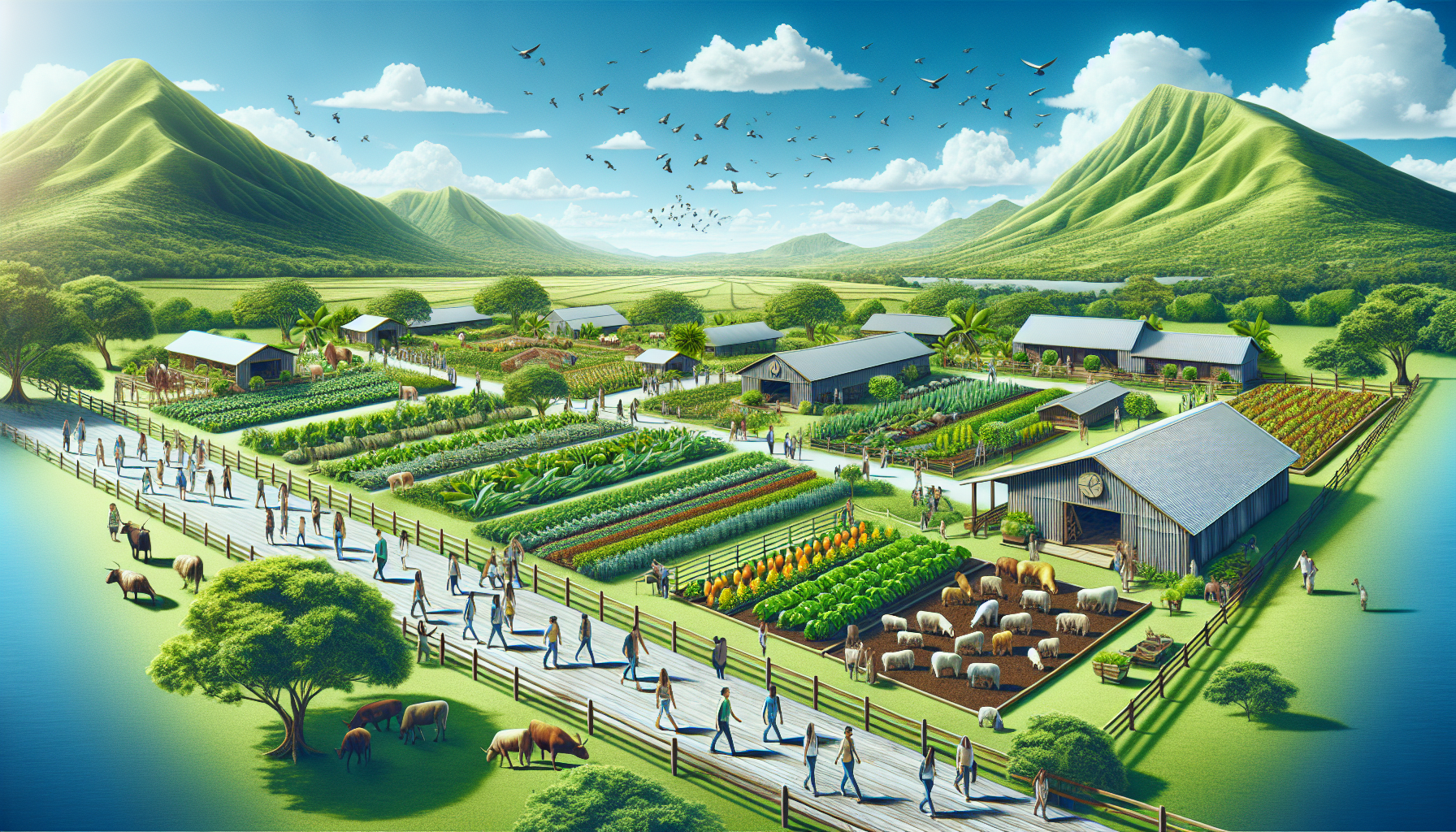
Most organic farm tours in Nevis are small-group experiences, and that is a strength rather than a limitation. Instead of scripted entertainment, guests usually get direct access to the owner, manager, or lead grower. A typical visit starts with a short overview of the property: acreage, crops in season, rainfall patterns, and the farm’s growing methods. You may then walk through kitchen gardens, orchard sections, shaded propagation areas, compost stations, or herb plots. Guides often explain why certain crops are paired together, how mulch conserves moisture during dry spells, and why raised beds help manage drainage after intense tropical rain.
Tasting is usually part of the appeal. Depending on timing, visitors may sample lemongrass tea, fresh sugar cane, mango, soursop, basil, mint, callaloo, or farm-made jams and pepper sauces. Some operators tie the tour to lunch, allowing guests to see ingredients in the field before eating them on the plate. That field-to-table sequence is especially powerful for families and first-time visitors, because it turns abstract sustainability language into something memorable and sensory. On better tours, questions are encouraged: How do farmers handle insects without routine synthetic sprays? What does certification mean on a small island? How do hurricanes affect planting schedules? The best guides answer plainly, acknowledging tradeoffs rather than pretending farming is effortless or perfect.
Core practices that define a genuinely green farm experience
Not every farm using the word organic follows the same standard, so visitors should know what signs indicate a credible operation. In my experience, the most trustworthy farms describe specific practices instead of relying on vague branding. They can explain their compost inputs, crop rotation plan, seedling management, irrigation method, and pest strategy. They may not always hold formal certification, especially where cost and administrative burden are high, but they should still be transparent about what they do and why. On Nevis, look for farms that build fertility with compost, animal manure that has been properly managed, cover crops, leaf litter, and mulch rather than depending on soluble synthetic fertilizer.
Equally important is biodiversity. A resilient tropical farm rarely resembles a single-crop field. Fruit trees, herbs, ground covers, flowering plants, and vegetables often share space because diversity helps with pollination, shade, wind buffering, and pest pressure. Water stewardship is another key marker. Drip irrigation, rainwater capture, shaded nursery zones, and heavy mulching are practical responses to heat and variable rainfall. Finally, a truly green tourism experience creates local value beyond the farm gate. That can include hiring local guides, supplying nearby restaurants, hosting school visits, selling preserves or teas made on island, and preserving agricultural knowledge that might otherwise disappear under real estate pressure and import dependence.
| What to Look For | Why It Matters | Questions to Ask |
|---|---|---|
| Compost and mulch use | Builds soil health, reduces water loss, lowers fertilizer dependence | What organic matter do you use, and how often do you apply it? |
| Crop diversity | Improves resilience against pests, disease, and weather shocks | Which crops are seasonal, and which are grown together? |
| Water management | Critical on small islands with variable rainfall and high evaporation | Do you use drip irrigation, rain capture, or shade systems? |
| Local sourcing and hiring | Keeps tourism spending in the community | Who works here, and where do your products go? |
| Educational value | Turns a visit into meaningful learning rather than passive sightseeing | Will we see actual production areas and discuss challenges? |
How farm tours connect with food, culture, and wellness
One reason this miscellaneous hub belongs under Adventure and Activities is that organic farm tours are not only about agriculture. They intersect with cooking, heritage, and wellness in ways that make them useful anchors for a broader itinerary. Nevisian cuisine draws on ingredients such as yam, sweet potato, pumpkin, coconut, breadfruit, goat, fresh herbs, and tropical fruit. When visitors see these ingredients growing, local dishes become easier to understand. A simple bowl of pumpkin soup or a plate with callaloo stops being just a menu item and becomes part of a living agricultural system.
There is also a wellness dimension. Many farms cultivate lemongrass, moringa, aloe, mint, turmeric, ginger, and other plants commonly associated with teas, tonics, and topical remedies. A well-led tour can explain local uses without drifting into unsupported health claims. That balance matters. Responsible operators distinguish traditional knowledge from clinically proven outcomes, while still honoring the practical role these plants play in daily life. Culturally, farms preserve stories about land tenure, family labor, colonial-era crop patterns, and the shift from plantation economics to smaller mixed farming. Visitors interested in history often find that a farm conversation reveals more about social change on Nevis than a generic sightseeing circuit ever could.
Planning tips: timing, transport, cost, and etiquette
Timing affects the quality of any farm visit. Morning tours are usually best because temperatures are lower, guides can spend more time in the field before midday heat, and harvested produce looks freshest. Seasonality matters too. Tropical islands produce year-round, but not every crop peaks at the same time. If you want abundant fruit tasting, ask what is in season before booking. If your interest is soil-building or kitchen gardening, the educational value remains high regardless of season. Because Nevis is small, transport is straightforward, but you should still confirm whether the operator includes pickup from hotels around Charlestown, Pinney’s Beach, or Oualie, or whether a taxi or rental car is required.
Prices vary by length and inclusions. A short educational walk costs less than a tour bundled with lunch, a cooking class, or product tasting. Travelers should ask what is included, how long the visit lasts, whether children are welcome, and what terrain to expect. Closed-toe shoes, sun protection, water, and light clothing are sensible. Etiquette is simple but important: do not pick produce without invitation, stay on designated paths, and ask before photographing workers or private family areas. Buying a jar of jam, tea blend, soap, or produce box after the tour is more than a souvenir purchase; it is one of the easiest ways to make your visit economically meaningful.
Who should take an organic farm tour in Nevis
These tours work for more types of travelers than many people expect. Families benefit because children can see where food comes from and interact with plants in a hands-on setting. Couples often choose farm visits as a quieter alternative to crowded excursions, especially when paired with lunch or a tasting. Cruise visitors with limited time can still fit in a compact agricultural experience because distances are short. For repeat Caribbean travelers, a farm tour offers something distinct from the standard beach-and-catamaran pattern and often becomes the most memorable part of the trip.
Farm tours are also valuable for serious interest groups. Chefs and food-focused travelers gain insight into regional ingredients and sourcing constraints. Gardeners can compare tropical growing techniques with home practices. Sustainability-minded travelers can evaluate whether a destination’s environmental claims hold up in the field. Even hikers and photographers get value, since inland farms often open views of Nevis Peak, stone walls, fruit trees, and rural landscapes that coastal itineraries miss. The main limitation is accessibility: some properties have uneven ground, mud after rain, insects, and full sun exposure. Travelers with mobility concerns should ask detailed questions in advance rather than assuming every farm is equally navigable.
How this hub supports broader adventure planning in Nevis
As a hub within Adventure and Activities, organic farm tours in Nevis connect naturally to several other trip ideas. They pair well with rainforest hikes because both highlight ecology, water cycles, and native versus cultivated landscapes. They complement heritage sites by adding context about labor, land use, and crop change over time. They also support culinary planning, since a farm stop can help travelers identify restaurants committed to local ingredients. If you are building a multi-day itinerary, a farm morning fits neatly with an afternoon beach session, a village walk, or a visit to artisan producers making sauces, preserves, or wellness goods.
The bigger takeaway is that green tourism on Nevis works best when it is grounded in real places and real livelihoods. Organic farm tours do exactly that. They let visitors spend money in ways that strengthen local agriculture, reduce the distance between producer and traveler, and turn sightseeing into understanding. If you want a Nevis experience that is educational, low-impact, and richly connected to the island’s character, put a farm visit on your itinerary and use it as the starting point for exploring the rest of this miscellaneous activity cluster.
Frequently Asked Questions
What can visitors expect to experience on an organic farm tour in Nevis?
Visitors can expect a hands-on, highly local experience that goes far beyond simply walking through rows of crops. On an organic farm tour in Nevis, guests often learn how farmers cultivate herbs, vegetables, fruit trees, and traditional crops using methods designed to protect soil health, reduce chemical inputs, and work in balance with the island’s natural environment. Depending on the farm, a tour may include guided walks through growing areas, explanations of composting and natural pest control, introductions to medicinal and culinary plants, and discussions about how farming has evolved on Nevis over generations.
Many tours also include tastings, which are often a highlight. Visitors may sample fresh fruit picked on-site, sip herbal teas, taste locally grown vegetables, or enjoy dishes prepared with ingredients harvested directly from the farm. Just as important, these tours create opportunities to meet the people behind the produce. Farmers often share stories about family traditions, land stewardship, water conservation, and the realities of growing food on a small Caribbean island. That personal connection is what makes the experience memorable: it turns agriculture into a living story about Nevisian culture, resilience, and sustainability.
How do organic farm tours support green tourism in Nevis?
Organic farm tours support green tourism by aligning visitor activity with environmental care, community benefit, and cultural preservation. In the context of Nevis, green tourism is not just about enjoying nature responsibly; it is about making sure tourism strengthens the island rather than placing extra pressure on it. When travelers visit local organic farms, their spending goes directly toward small-scale producers and family-run operations, helping sustain livelihoods that are rooted in the land. That is a very different model from tourism that relies heavily on imported goods or systems that keep most visitor spending disconnected from local communities.
There is also a strong environmental dimension. Organic and low-input farming methods can help improve soil quality, encourage biodiversity, reduce runoff, and support more thoughtful use of limited resources such as water. By choosing these tours, visitors reward farms that are actively practicing stewardship. At the same time, farm tours help preserve agricultural knowledge, traditional crops, and Nevisian foodways that might otherwise be overlooked in a beach-centered travel economy. In short, they create a direct link between tourism and sustainability: visitors gain a richer understanding of the island, and local communities benefit from tourism that values care, education, and long-term resilience.
Are organic farm tours in Nevis suitable for families, casual travelers, and people without a farming background?
Yes, most organic farm tours in Nevis are well suited to a wide range of visitors, including families with children, couples, solo travelers, and anyone who is simply curious about local food and island life. You do not need prior knowledge of agriculture to enjoy the experience. In fact, many of the best tours are designed specifically for people who are new to farming concepts. Guides and farmers usually explain things in a clear, accessible way, focusing on practical demonstrations, sensory experiences, and stories rather than technical language. That makes the tour engaging whether you are deeply interested in sustainability or just looking for an authentic activity off the beach.
Families often appreciate that farm tours are educational without feeling like a classroom lesson. Children can see how food grows, smell herbs, identify fruits, and better understand the connection between nature and what ends up on the table. Adults, meanwhile, often enjoy the slower pace, the chance to ask questions, and the opportunity to connect with local residents in a more meaningful setting. As with any outdoor activity, it is wise to check ahead about walking conditions, accessibility, sun exposure, and the length of the tour. Comfortable shoes, water, and sun protection are usually recommended. Overall, these tours are appealing precisely because they are welcoming, grounded, and easy to appreciate regardless of background.
Why are organic farms important to understanding Nevis beyond its beaches and resorts?
Organic farms offer one of the clearest windows into the deeper identity of Nevis because they reveal how the island’s environment, history, and daily life are connected. Beaches and resorts certainly show one side of Nevis, but farms show how people live with the land, how food traditions are maintained, and how local knowledge is passed down. Agriculture reflects climate, geography, memory, and adaptation. On a small island, those factors are especially visible. A farm tour can show visitors not only what grows in Nevisian soil, but also how communities have long responded to changing markets, weather patterns, and the need to protect natural resources.
These tours also highlight the human side of sustainability. Visitors hear directly from farmers who make decisions every day about crop diversity, soil care, water use, and heritage crops. Through those conversations, the island becomes more than a scenic destination; it becomes a place shaped by work, tradition, and stewardship. That perspective is valuable because it challenges the idea that Caribbean travel is only about leisure. Instead, it encourages a fuller understanding of Nevis as a living cultural landscape where farming, food, and community remain central. For travelers seeking authenticity, that deeper context often becomes one of the most rewarding parts of the trip.
How should travelers prepare for an organic farm tour in Nevis, and what should they look for in a reputable experience?
Preparation is simple, but a little planning can make the experience more enjoyable. Because farm tours are outdoor activities, travelers should dress for warm weather and uneven terrain. Lightweight clothing, sturdy walking shoes or sandals with good grip, a hat, sunscreen, and a refillable water bottle are all smart choices. Insect repellent may also be useful depending on the season and the time of day. If tastings or meals are included, it is worth asking in advance about dietary preferences or allergies. Travelers should also be prepared to slow down, ask questions, and engage with the guide or farmer, since the most meaningful part of the experience often comes from conversation rather than simply observing.
When choosing a tour, look for signs that the experience is genuinely rooted in local agriculture and sustainability rather than using “organic” or “eco” as marketing labels. Reputable tours usually provide clear information about who runs the farm, what is grown there, what farming methods are used, and how the visit benefits the local community. Small group sizes, educational content, opportunities to meet the growers, and transparency about practices are all good indicators. If a tour includes local food, cultural interpretation, or discussion of traditional crops, that is another strong sign that it offers real value. The best farm tours in Nevis are not staged attractions; they are thoughtful, community-connected experiences that help visitors understand the island while directly supporting the people caring for its land.