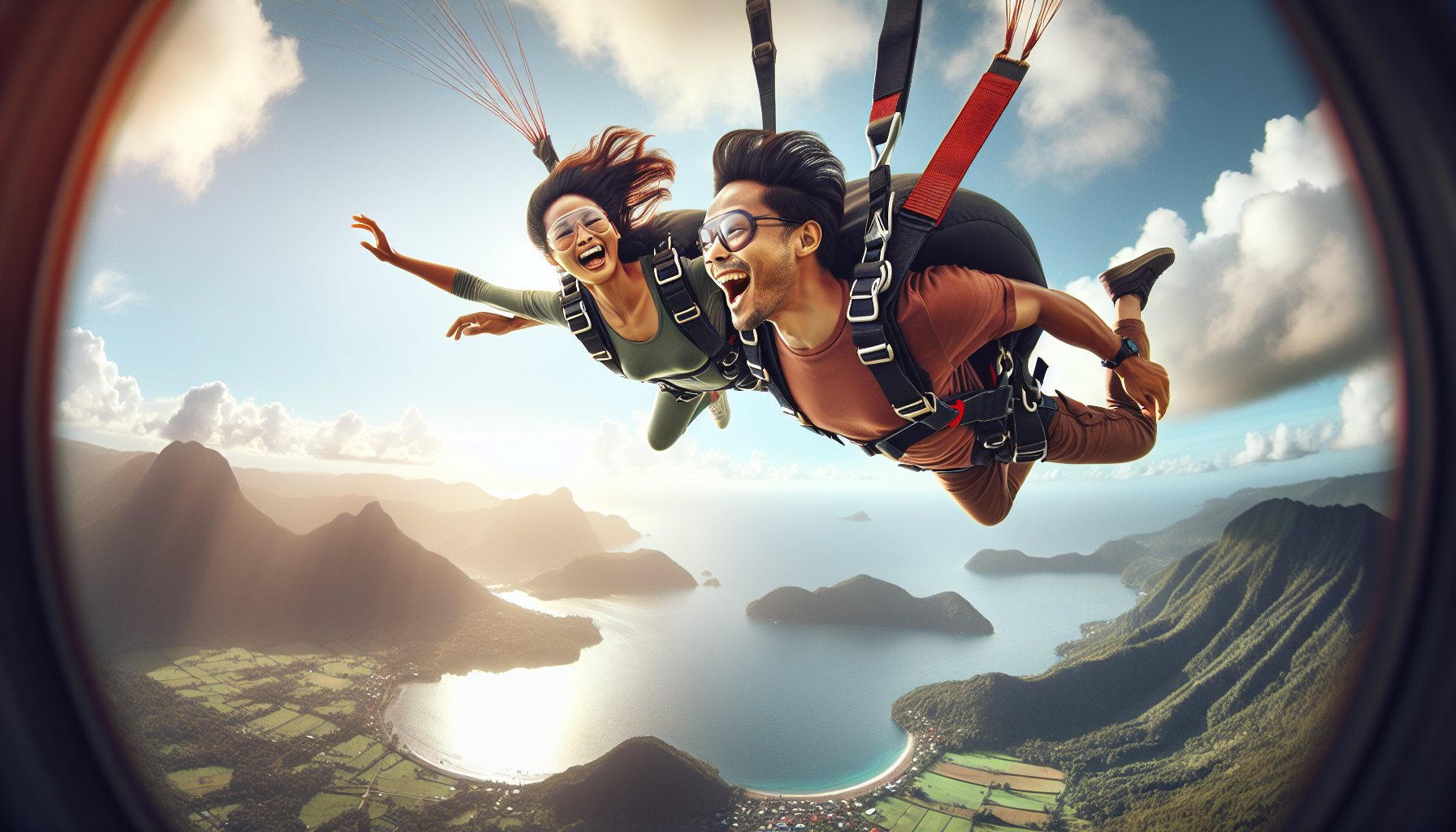
Tandem skydiving in Saint Kitts turns a tropical vacation into a defining memory, combining the freefall rush of aviation sport with sweeping Caribbean views of rainforest ridges, volcanic coastline, and bright reef water. In simple terms, tandem skydiving means a first-time jumper is securely attached to a certified instructor using a purpose-built harness system, so the student can experience exit, freefall, canopy flight, and landing without completing the full progression required for solo jumping. I have worked with travelers planning adventure itineraries across island destinations, and few activities generate as many practical questions as this one: Is it safe, who can do it, what does it feel like, how much does it cost, and is Saint Kitts actually a good place to try it?
The answer is that Saint Kitts is compelling because it offers more than the jump itself. The island sits in the Leeward Islands, with a compact geography that lets visitors pair a skydive with beaches, catamaran trips, ATV excursions, hiking on Mount Liamuiga, ziplining, snorkeling, and cultural stops in Basseterre on the same trip. That makes tandem skydiving in Saint Kitts part of a broader adventure and activities plan rather than a standalone thrill purchase. For a miscellaneous hub page, that matters: travelers researching this experience are usually also comparing shore excursions, weather windows, transport logistics, filming packages, and post-jump recovery activities. A good guide needs to connect those dots clearly, not just romanticize the leap.
Understanding the core terms helps. Freefall is the period after leaving the aircraft and before the parachute opens, typically lasting around 30 to 60 seconds depending on exit altitude. Canopy flight is the controlled parachute descent after deployment, often five to eight minutes, during which the instructor can point out landmarks and steer toward the landing area. A tandem instructor is the licensed professional responsible for gear checks, body position, deployment sequence, emergency procedures, and landing decisions. Altitude, wind limits, visibility, and aircraft operations all shape the day. Saint Kitts matters as a skydiving destination because its scenery is unusually photogenic, its tourism base supports adventure add-ons, and its compact size simplifies planning for cruise passengers and short-stay visitors.
What tandem skydiving in Saint Kitts includes
A standard tandem skydive package in Saint Kitts usually begins with check-in, waivers, a briefing, harness fitting, and a weather review. The training section is short but focused. You learn the arch position for exit and freefall, where to place your hands during aircraft movement, how your legs should lift for landing, and what signals the instructor may use in the air. The actual skydive is only part of the total experience. From arrival to departure, many operators ask guests to allow two to four hours because wind, cloud cover, and aircraft sequencing can delay takeoff even on otherwise clear days. That time buffer is normal in skydiving and should be treated as part of the sport, not poor planning.
Most first-time jumpers exit from a moderate tourism-friendly altitude rather than the absolute maximum available at large mainland drop zones. Even so, the sensation is intense. The aircraft climb builds anticipation, then the door opens and the island suddenly looks both enormous and miniature. Over Saint Kitts, jumpers may see the green slopes of Mount Liamuiga, the curve of Frigate Bay, the cruise port area near Basseterre, and on clear days the nearby outline of Nevis across the channel. That visual payoff is one reason tandem skydiving in Saint Kitts appeals to travelers who might not otherwise seek an extreme sport. The setting softens the intimidation factor because the experience feels scenic as well as daring.
Packages often offer optional photo and video services. These are more than souvenirs; they are useful if you want to relive body position, facial reactions, and canopy views you will barely process in real time. Ask whether the footage is handcam, outside camera, or edited highlight format. Handcam usually costs less and captures intimate close-ups, while an external camera flyer creates more cinematic footage but may not always be available in smaller island operations. Travelers building an adventure itinerary should also confirm transport, age minimums, weight limits, language support, and whether cruise-ship timing is realistic. Those operational details determine whether the jump fits smoothly into a broader Saint Kitts activities schedule.
Safety standards, training, and who can participate
The most important question is safety. Tandem skydiving is an adventure activity with real risk, but reputable operations reduce that risk through layered procedures: certified instructors, inspected harness-container systems, reserve parachutes packed by qualified riggers, automatic activation devices, pre-jump equipment checks, wind limits, and strict aircraft protocols. In practice, travelers should ask who licenses the instructors, what organization’s training standards they follow, how often gear is maintained, and under what weather conditions jumps are paused. Recognized governing frameworks such as those used by the United States Parachute Association and manufacturer guidance from equipment brands like Sigma, UPT, or Vigil matter because they standardize training and emergency decision-making.
Eligibility is straightforward but not universal. Most tandem operators require participants to meet a minimum age, sign informed consent documents, and stay under a stated weight threshold, often because combined passenger-instructor mass affects parachute performance and landing speed. Certain medical conditions can disqualify or require prior approval, especially uncontrolled high blood pressure, heart disease, serious neck or back problems, recent surgery, epilepsy, or pregnancy. If a traveler asks me whether ordinary nerves are a problem, I say no; anxiety is common, and instructors are used to coaching first-timers through it. The bigger issue is honest disclosure. A skydive is not the moment to hide a medical concern to avoid missing out.
Preparation is simple and practical. Wear secure athletic shoes, light clothing appropriate for the day’s temperature, and avoid heavy meals or excessive alcohol beforehand. Many operators advise no scuba diving immediately before skydiving because both activities involve pressure and timing considerations. On Saint Kitts, that matters because snorkeling and dive charters are popular add-ons. A conservative itinerary places the skydive before any diving excursion, especially if the visitor is also managing cruise departure times. When comparing miscellaneous activities in this subtopic, tandem skydiving stands out because it has the clearest operational thresholds. Weather, weight, and health matter more here than for a beach tour or island train ride.
Why Saint Kitts stands out among Caribbean adventure options
Saint Kitts is not the only Caribbean island associated with adrenaline tourism, but it offers a rare mix of scenery, scale, and itinerary efficiency. Large destinations can provide more operators, yet they often demand longer ground transfers. Saint Kitts, by contrast, allows visitors to move from resort or port to activity base relatively quickly. That improves the experience because less time is lost to logistics and more of the day remains available for beaches, spas, rum tastings, or nature excursions. For couples and multigenerational groups, this is a major advantage: one person can skydive while others choose gentler activities nearby, then everyone reconnects for lunch or a sunset sail.
The island’s geography also enhances visual drama. From above, the contrast between dark volcanic terrain, cultivated lowlands, bright surf lines, and neighboring Nevis creates a layered panorama that feels more cinematic than many inland drop zones. Adventure travelers often compare tandem skydiving with ziplining, parasailing, kitesurfing, or helicopter tours. Those alternatives can be excellent, but they do not replicate the combination of altitude, speed, and quiet canopy glide that a skydive delivers. I usually frame it this way: ziplining lets you move through landscape, while skydiving lets you understand the whole island at once. That perspective shift is the real luxury.
Saint Kitts also works well as a hub for miscellaneous adventure planning because so many complementary experiences are available within short driving distances. A visitor can pair a morning jump with Brimstone Hill Fortress, South Peninsula viewpoints, beach clubs at Cockleshell Bay, or a catamaran to Nevis. Cruise guests especially appreciate this flexibility, though they should be conservative with timing and choose only operators experienced with port schedules. From a trip-design perspective, tandem skydiving in Saint Kitts is strongest when positioned as the headline activity around which the rest of the day is organized. That structure reduces stress and gives the jump the weather window and mental focus it deserves.
Costs, timing, and how to plan the day
Pricing varies by operator, season, filming package, and transfer inclusions, but travelers should expect tandem skydiving to be a premium excursion compared with most island tours. The base jump generally covers instruction, equipment, aircraft slot, instructor services, and landing support. Video and photos are usually additional. Some operators build transportation into the package; others charge separately or leave guests to arrange taxis. Because availability can be limited on smaller islands, advance booking is wise during peak Caribbean travel periods, especially when cruise schedules create concentrated demand. Payment terms matter too. Check cancellation rules for weather holds, no-show penalties, and whether deposits are refundable or transferable.
Timing the day correctly improves both safety and enjoyment. Morning slots often offer calmer winds and cleaner visibility, though local conditions can change quickly. Visitors staying at resorts should budget transportation time carefully, and cruise passengers should be realistic: no operator can control port traffic, tender delays, or ship departure adjustments. I recommend leaving a large buffer between the scheduled skydive and any fixed commitment. If weather pushes the jump later, you want patience, not panic. Bring water, sunscreen, identification, and a secure way to store valuables. Contact lenses are usually fine with goggles, but it is worth confirming. These small details prevent avoidable stress on an already high-adrenaline morning.
| Planning factor | What to confirm | Why it matters in Saint Kitts |
|---|---|---|
| Weather window | Wind limits, rain policy, rebooking options | Island conditions can shift quickly, affecting takeoff and landing safety |
| Transport | Round-trip transfer included or taxi needed | Short island distances help, but cruise and resort timing still matters |
| Weight and age rules | Published limits and exceptions | Not every traveler in a group will qualify for the same activity |
| Media package | Handcam versus external camera, delivery format | Availability may be narrower than at larger mainland drop zones |
| Day itinerary | Other bookings before or after the jump | Skydiving should anchor the day, with flexible plans around it |
For families or mixed-interest groups, one useful strategy is to treat the skydive as the adventure centerpiece and surround it with low-friction activities. Good same-day options include a beach lunch, scenic drive, fortress visit, or spa appointment rather than anything tightly timed or physically draining. That approach reflects a broader truth about miscellaneous adventure planning in Saint Kitts: the best itineraries balance one peak experience with several easy wins. Tandem skydiving delivers the story people remember, but the surrounding schedule determines whether the day feels exhilarating or rushed. Smart planning protects both the thrill and the vacation mood.
Frequently asked questions and realistic expectations
What does tandem skydiving feel like? Most first-timers expect a stomach-drop sensation like a roller coaster, but in freefall the stronger impression is pressure from the relative wind, noise, and sensory overload rather than dropping. Once the parachute opens, the experience changes completely. It becomes quiet, controlled, and surprisingly peaceful. Is it scary? Yes, especially before exit, but fear usually peaks in the aircraft and fades once the jump begins. Can you breathe during freefall? Absolutely. The airflow is strong, but breathing is normal. Is landing hard? Usually not, if conditions are suitable and the instructor manages the flare correctly, though some landings are more brisk than others.
Another common question is whether tandem skydiving in Saint Kitts is suitable for someone who has never done any adventure sport. In many cases, yes. Tandem systems are specifically designed for beginners, and the instructor handles the technical sequence. That said, suitability is not just about courage. It depends on mobility, compliance with instructions, weather patience, and comfort with the possibility of delays. If someone wants a mild aerial view, a scenic flight may be the better fit. If they want a transformational challenge with a clear beginning, climax, and emotional afterglow, skydiving is hard to match. I have seen hesitant travelers finish a jump visibly calmer and more confident than before takeoff.
Finally, it is worth setting expectations about certainty. On islands, weather can interrupt even well-run operations, and no ethical provider will guarantee a jump at a specific minute regardless of conditions. That unpredictability is not a flaw; it is evidence that aviation decisions are being made properly. Travelers who build flexibility into their plans generally have the best experience. They arrive fed, hydrated, on time, and ready for either a jump or a safe delay. In a miscellaneous activities hub, this is the central planning lesson: the highest-value adventures are often the ones that require the most respectful preparation. Tandem skydiving in Saint Kitts rewards that mindset with a perspective few travelers ever forget.
Tandem skydiving in Saint Kitts earns its place at the top of the island’s adventure list because it combines professional instruction, manageable first-timer access, and extraordinary scenery in one concentrated experience. For visitors exploring the broader range of miscellaneous activities under the adventure and activities umbrella, this is the clearest high-impact option: a short commitment that produces lasting memories, strong photography, and a genuine sense of achievement. The key terms are simple, the process is structured, and the appeal goes beyond adrenaline. You are not only jumping from an aircraft; you are seeing Saint Kitts in a way beaches, roads, and boats cannot replicate.
The practical takeaways are equally clear. Choose a reputable operator, verify training standards and equipment practices, be honest about medical issues, respect weight and weather limits, and schedule the skydive as the anchor of your day rather than one stop among many rigid bookings. Expect premium pricing, possible delays, and a briefing that emphasizes body position and landing posture. In return, expect a rare combination of freefall intensity and calm canopy flight above one of the Caribbean’s most visually rewarding island landscapes. That balance of thrill and beauty is what makes tandem skydiving in Saint Kitts more than a novelty excursion.
If you are building an itinerary around Saint Kitts adventure and activities, start here, then connect the jump to nearby beaches, historic sites, sailing trips, and other flexible experiences. That hub-and-spoke approach gives the skydive room to happen safely while helping the rest of the trip feel seamless. Review operator details, book early during busy travel periods, and leave enough time for weather changes. Then show up ready to listen, breathe, and step out the door. Few travel moments deliver such immediate perspective, and fewer still stay vivid for years. Make tandem skydiving in Saint Kitts the story your trip is built around.
Frequently Asked Questions
What is tandem skydiving, and why is it a great option for first-time jumpers in Saint Kitts?
Tandem skydiving is the most accessible way for a beginner to experience the excitement of jumping from an aircraft. In a tandem skydive, the student is securely attached to a certified tandem instructor through a specially engineered harness system designed for this exact purpose. That means the instructor manages the technical parts of the jump, including aircraft exit, stability in freefall, parachute deployment, canopy control, and landing procedures, while the student can focus on the experience itself.
For visitors to Saint Kitts, tandem skydiving is especially appealing because it pairs a high-adrenaline aviation adventure with extraordinary scenery. Instead of simply viewing the island from the beach or a lookout, you get a panoramic aerial perspective of rainforest-covered slopes, volcanic terrain, curving coastline, and the vivid blues and greens of Caribbean water. It transforms a tropical holiday into a standout life event. Because tandem skydiving does not require the full training progression needed for solo jumping, it is ideal for travelers, adventure seekers, and first-timers who want a professionally supervised introduction to skydiving without a long commitment.
How safe is tandem skydiving in Saint Kitts?
Tandem skydiving is widely regarded as the standard entry point into the sport because it is built around structured procedures, specialized equipment, and direct instructor oversight. Reputable operations use purpose-designed tandem rigs, reserve parachute systems, automatic activation devices, and carefully maintained harness-and-container systems. Before any jump, passengers receive a clear briefing covering body position, exit expectations, freefall awareness, canopy flight, and landing posture. The instructor is responsible for the operational execution of the skydive and is trained to manage both routine and emergency procedures.
As with any adventure activity, tandem skydiving is not risk-free, and weather, equipment standards, and operator professionalism matter. The best approach is to choose a provider with properly credentialed instructors, strong safety protocols, transparent equipment maintenance practices, and a clear emphasis on weather-based decision-making. Good skydiving operators do not cut corners; they delay or cancel jumps when wind, cloud cover, or other conditions are not appropriate. If you have medical concerns, recent injuries, or questions about fitness to jump, it is smart to discuss them in advance rather than assume everything is routine. When managed by qualified professionals under suitable conditions, tandem skydiving offers a controlled and highly organized way to experience one of the world’s most unforgettable adventure activities.
What can I expect during the full tandem skydiving experience in Saint Kitts?
The experience typically begins on the ground with check-in, paperwork, gear fitting, and a pre-jump briefing. During this introduction, your tandem instructor explains what will happen step by step, from boarding the aircraft to arching during freefall and lifting your legs for landing. You will be fitted with a harness, and the instructor will check all attachment points and equipment connections. For many first-time jumpers, this preparation phase helps replace nervous uncertainty with confidence because it makes the process feel structured and understandable.
Once in the aircraft, the climb to altitude is often an experience in itself. As the plane gains height, Saint Kitts opens up below in dramatic detail, revealing the island’s lush interior, mountainous contours, coastline, and surrounding Caribbean Sea. At jump altitude, the instructor secures the final connections, and the aircraft door opens. The exit is fast, intense, and unforgettable. Freefall brings a rush of wind, speed, and sensory overload that many people describe as surprisingly exhilarating rather than frightening. After parachute deployment, the experience changes completely. The noise drops, the pace slows, and you transition into a calm canopy flight where you can take in expansive island views from a perspective few travelers ever see. The final phase is the landing, where your instructor guides the descent and tells you exactly how to position your legs and body for a smooth finish. From start to finish, the jump blends anticipation, adrenaline, and awe in a way that few other activities can match.
Do I need any training, special fitness level, or prior experience to go tandem skydiving?
No prior skydiving experience is needed for a tandem jump, which is one of the main reasons it is so popular. You do not need to complete solo certification training or learn parachute deployment procedures on your own before participating. Instead, you receive a focused pre-jump briefing that prepares you for your role in the skydive. This usually includes how to hold your body during aircraft exit, how to maintain a stable position in freefall, where to place your hands and head, and how to prepare for landing. The instructor handles the technical and operational aspects of the jump.
That said, there are still practical participation requirements. Most operators have age, weight, and health guidelines, and those can vary by provider and equipment limitations. In general, you should be in reasonably good health, able to follow instructions, and free from medical conditions that could make high-altitude or high-adrenaline activity unsafe. Issues such as serious heart conditions, uncontrolled blood pressure problems, certain back or joint injuries, recent surgeries, or pregnancy may affect eligibility. It is also wise to avoid alcohol or recreational substances before a jump. If you are unsure whether you qualify, the best step is to contact the operator directly and ask about their specific requirements. Being honest about your health and physical condition helps ensure the safest and most enjoyable experience possible.
What should I wear and how should I prepare for a tandem skydive in Saint Kitts?
Dress in comfortable, weather-appropriate clothing that allows easy movement. Athletic wear is usually a safe choice, and closed-toe shoes such as sneakers are strongly preferred. Avoid sandals, flip-flops, loose footwear, bulky accessories, and anything that could flap excessively in the wind or interfere with harness fit. Depending on the operator, you may be given goggles or other protective gear, and sometimes a jumpsuit is provided over your clothes. In Saint Kitts, warm tropical conditions make lightweight clothing practical, but it is still important to follow the drop zone’s specific recommendations rather than rely only on the beach climate below.
Preparation should also include logistical and mental readiness. Arrive on time, bring any required identification, and understand that skydiving schedules can shift because of weather and air traffic considerations. Eat sensibly beforehand rather than showing up hungry or dehydrated, but avoid heavy meals immediately before the jump. If you are prone to motion sickness or anxiety, mention that to the staff so they can advise you appropriately. Many people feel nervous before their first jump, and that is completely normal. The best way to prepare is to listen closely during the briefing, ask questions, and trust the process. If photo or video packages are available, booking one can be worthwhile because the experience passes quickly, and having a visual record of your skydive over Saint Kitts can help preserve what becomes, for many travelers, the defining memory of the entire trip.