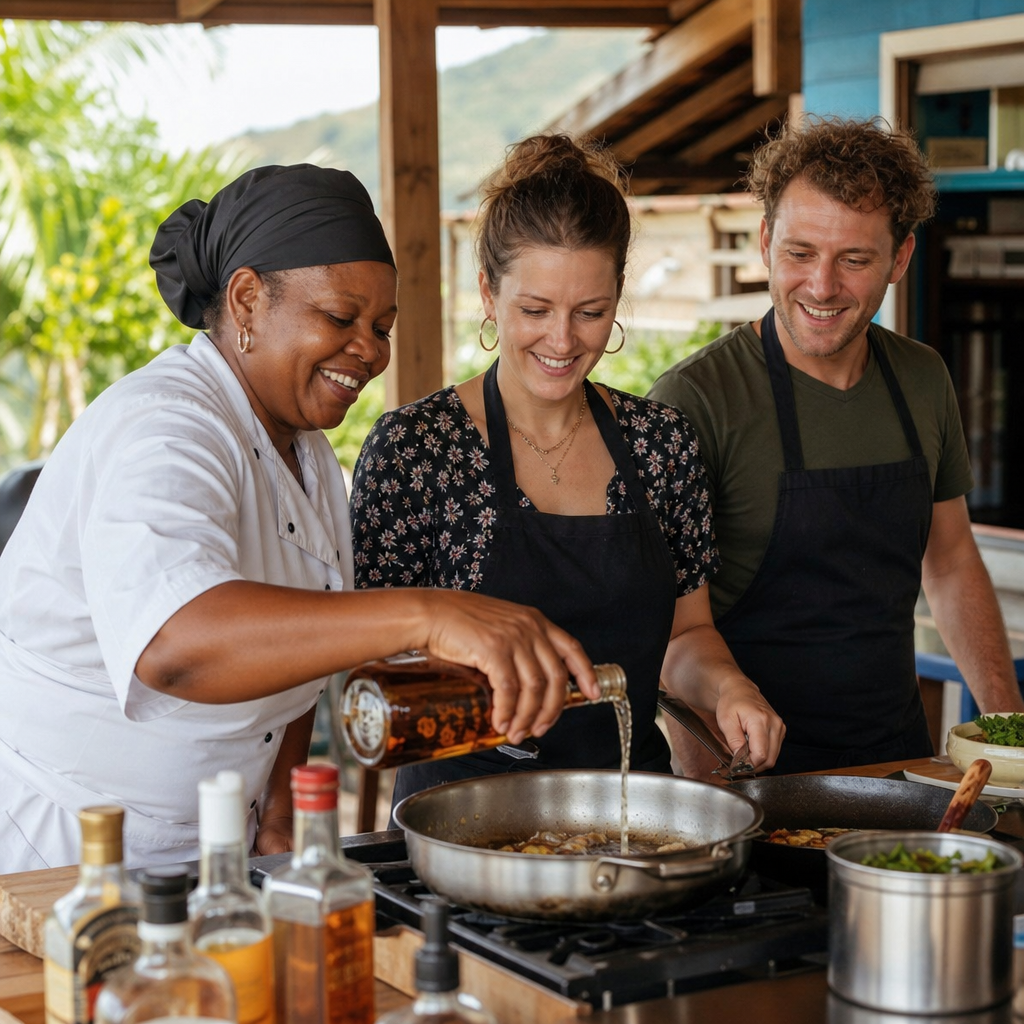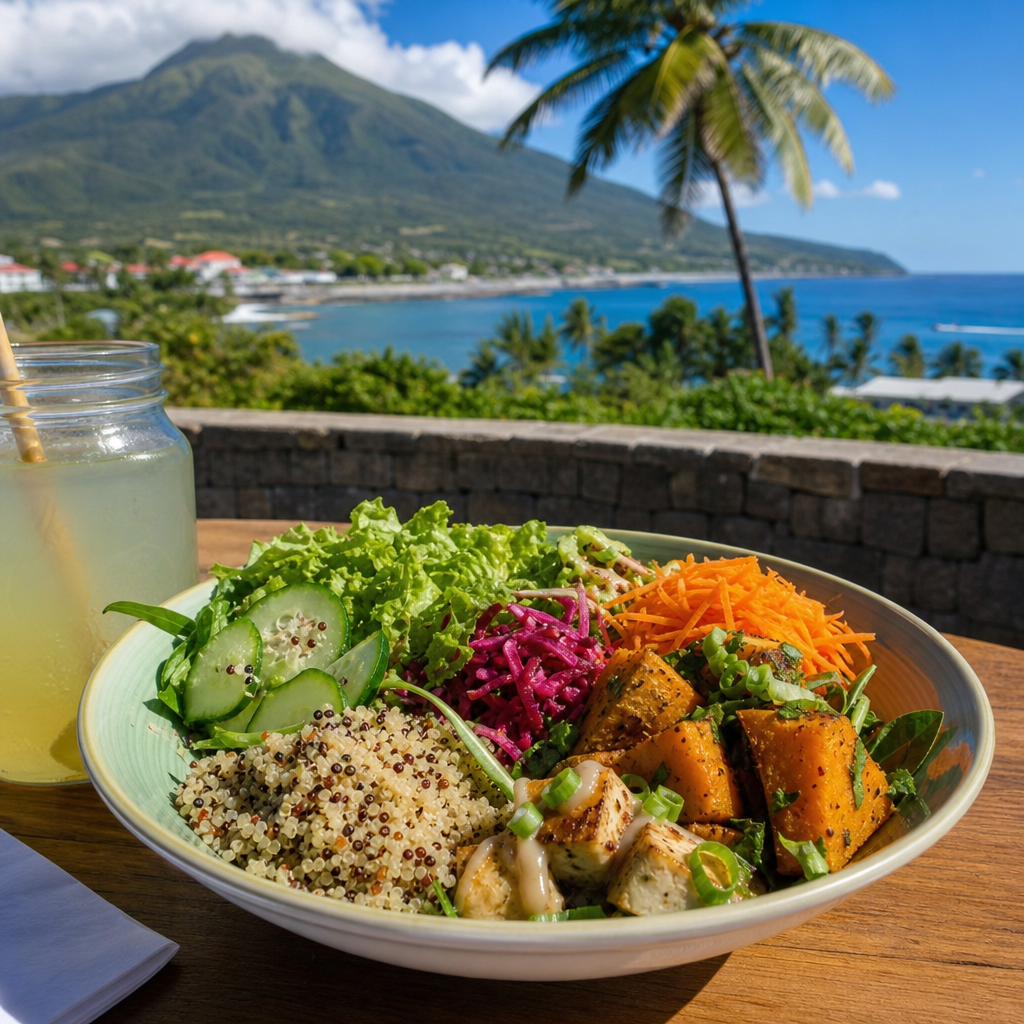
Vegetarian and vegan eating in Nevis is easier than many travelers expect, but it works best when you understand the island’s food culture, restaurant rhythms, and supply realities before you sit down to order. Nevis, the quieter sister island of St. Kitts in the Federation of St. Kitts and Nevis, is known for beach bars, historic plantation inns, fresh seafood, and Creole-Caribbean cooking, yet it also supports plant-forward dining through local produce, adaptable menus, and a growing awareness of dietary preferences among chefs and hospitality staff. In practical terms, vegetarian eating means avoiding meat and fish, while vegan eating excludes all animal products, including dairy, eggs, butter, and often honey. Those definitions matter on Nevis because many dishes that appear vegetable-based may still be cooked with chicken stock, salted meat, butter, or cheese unless you ask directly. I have found that visitors who arrive expecting dedicated vegan restaurants often feel limited, while those who treat Nevis as a place for customized meals, market produce, and careful communication usually eat very well. This guide matters because dining is central to the island experience, from breakfast with tropical fruit to sunset dinners by Pinney’s Beach, and because a little local knowledge saves time, prevents awkward ordering mistakes, and helps travelers enjoy authentic food without compromising their choices.
What vegetarian and vegan travelers can realistically expect in Nevis
Nevis is not a large destination with a dense concentration of niche diet restaurants, so the smartest expectation is flexibility rather than specialization. Most hotels, independent restaurants, and beach venues offer at least one vegetarian-friendly option, and many can adapt pasta, salads, rice dishes, roti, soups, or sides into a vegan meal if given clear instructions. In my experience, upscale properties are usually the most consistent because their kitchens carry a wider range of ingredients and train staff to handle dietary requests, but casual local spots can also be excellent when you ask simple, direct questions. The key point is that vegetarian and vegan eating in Nevis is menu-plus-conversation dining.
Breakfast is often the easiest meal. Fresh fruit, toast, oatmeal, fried plantains, johnnycakes, and vegetable sides appear regularly, though vegans should confirm whether pastries or breads contain butter or milk. Lunch can be especially strong because salads, bean dishes, rice, peas, and vegetable plates are common formats. Dinner requires the most attention because sauces, soups, and side dishes may incorporate meat stock or dairy even when the main item sounds plant-based. Portions are generally generous, service is relaxed, and kitchens often accommodate substitutions when the restaurant is not overwhelmed. During peak tourism periods, however, popular places may be busy, making advance communication more important.
Local ingredients that make plant-based eating possible
The strength of vegetarian and vegan eating in Nevis starts with ingredients grown locally or brought in regularly through Caribbean and international supply chains. Nevis has access to tropical fruits such as mango, papaya, banana, pineapple, soursop, coconut, tamarind, and passion fruit, especially in season. Common vegetables include pumpkin, sweet potato, dasheen, yam, callaloo, eggplant, cucumber, tomato, cabbage, carrots, okra, and peppers. Beans, rice, lentils, split peas, and ground provisions provide the foundation for filling meals even when menus are oriented toward fish or chicken.
Callaloo deserves special attention because travelers often ask whether it is vegan. Callaloo can refer to leafy greens similar to amaranth or spinach, but the finished dish varies by kitchen. Some cooks prepare it simply with onion, garlic, herbs, and coconut milk, while others enrich it with butter, cream, salted meat, or stock. The same caution applies to rice and peas, a Caribbean staple that may be vegan when cooked with coconut milk and seasonings, but may also include chicken stock or pork for flavor. Plantains, breadfruit, roasted vegetables, and fresh salads are usually reliable, though dressings may contain dairy or mayonnaise. Once you understand these patterns, you can build satisfying meals from familiar island ingredients rather than searching only for imported specialty foods.
How to order successfully at restaurants and hotels
The most useful skill for vegetarian and vegan dining in Nevis is asking the right question in the right order. Instead of only saying “I’m vegan,” follow with specifics: no meat, fish, chicken stock, butter, cheese, cream, or eggs. This works because kitchens may understand vegetarian immediately but still default to broth, butter, or cheese unless you clarify. I advise travelers to ask first whether the dish can be made entirely plant-based, then confirm the cooking fat, stock, and garnishes. A concise explanation usually gets better results than a long speech.
Reservations help. If you are staying at a resort or planning a special dinner, call ahead and note your requirements when booking. Many chefs appreciate notice because it allows them to prepare beans, vegetables, or a composed off-menu plate rather than removing half the ingredients from a standard dish. At breakfast buffets, scan for fruit, cereals, bread, and hot sides, then ask staff whether hidden dairy or meat stock is present. At beach bars, focus on naturally adaptable dishes such as veggie pizza without cheese, pasta in tomato sauce, salads with avocado, grilled vegetables, fries, and rice plates. If the restaurant seems unsure, choose the simplest preparation. Plainly cooked vegetables, legumes, rice, and fruit are safer than complex sauces or soups.
| Dining situation | Best strategy | What to confirm |
|---|---|---|
| Hotel breakfast | Build from fruit, toast, oatmeal, and hot sides | Milk, butter, eggs in breads or porridge |
| Beach bar lunch | Order customizable salads, fries, rice, or pasta | Dressings, cheese, mayonnaise, stock |
| Fine dining dinner | Call ahead and request a plant-based entrée | Butter, cream, broth, finishing sauces |
| Local takeaway | Ask for vegetable sides and bean-based items | Salted meat, chicken stock, gravy |
Traditional Nevisian and Caribbean dishes vegetarians and vegans should know
To eat well on the island, it helps to recognize local dishes by name. Rice and peas is the most common side and can be suitable for both vegetarians and vegans if prepared without animal stock or pork. Steamed vegetables, fried plantains, provision mixes, potato dishes, and simple garden salads are common supporting items. Roti can be a strong option when filled with chickpeas, potatoes, pumpkin, or mixed vegetables, but some doughs contain butter, so vegans should ask. Ital-style preparations, influenced by Rastafarian cooking traditions across the Caribbean, are often naturally vegan or close to it, emphasizing unprocessed plant foods, herbs, legumes, and ground provisions.
Travelers should also know what to avoid or verify carefully. Conch fritters, saltfish-based dishes, pepper pot variations, and many soups are not vegetarian even when vegetables are prominent. Macaroni pie is usually vegetarian but rarely vegan because it contains cheese, milk, and eggs. Callaloo soup may be vegan or may contain stock. Johnnycakes can be vegan, but some recipes use milk or butter. Pumpkin soup sounds safe but is frequently enriched with cream or stock. In restaurants that serve a “vegetable curry,” ask whether the curry paste contains dairy and whether the sauce is built on coconut milk or cream. Knowing these distinctions lets you identify what is promising on a menu without relying on assumptions.
Self-catering, grocery shopping, and markets on Nevis
For many vegan travelers, the most reliable path is mixing restaurant meals with self-catering. Vacation rentals, villas, and suites with kitchenettes allow you to control breakfast, snacks, and at least some dinners, which is especially useful for families, long stays, and travelers with stricter dietary practices. Grocery availability on Nevis is generally solid for basics rather than specialty luxury substitutes. Expect fruits, vegetables, rice, pasta, beans, lentils, oats, bread, nut butters, canned tomatoes, coconut milk, and seasonings. Imported items such as plant milks, tofu, meat alternatives, vegan yogurt, or specialty cheeses may appear inconsistently and should never be assumed.
Local produce shopping is one of the pleasures of the island. Depending on season and supply, you may find mangoes, bananas, melons, herbs, peppers, tomatoes, leafy greens, cucumbers, avocados, and root vegetables at markets or produce stands. I recommend buying what looks freshest rather than planning around one exact ingredient. A simple Nevis self-catering meal can be excellent: sautéed callaloo with garlic, rice cooked in coconut milk, roasted sweet potato, sliced avocado, and fresh pineapple. Keep in mind that imported goods can cost more than on the mainland United States or Europe because of shipping and small-market economics. If you rely on specific protein powders, fortified plant milks, or niche snacks, pack them in your checked luggage when permitted.
Best types of places to find vegetarian and vegan meals
Not every dining venue performs equally for plant-based eaters. Resorts and heritage inns often offer the broadest ingredient range and the greatest willingness to customize. Their menus may include risotto, vegetable curry, pasta primavera, grilled vegetable platters, and composed salads with quinoa or beans, all of which can become vegan with modest changes. Beach bars are good for relaxed lunches and sunsets, but success varies by kitchen depth. Some excel at fresh salads, vegetable wraps, and customizable pizzas, while others are centered almost entirely on grilled seafood and burgers.
Cafés and breakfast spots are often undervalued by vegetarian travelers. They may provide smoothies, fruit plates, avocado toast, porridge, espresso drinks with non-dairy milk if available, and lighter lunch items. Local takeaway counters can also surprise you if you focus on sides rather than entrées. A plate assembled from rice, peas, steamed cabbage, pumpkin, plantain, and beans can be more satisfying than a single designated vegetarian item. Fine dining restaurants are best reserved in advance with a note to the chef. When handled well, these meals are often the highlight of a trip because the kitchen can showcase local produce rather than treating your diet as a restriction.
Common mistakes travelers make and how to avoid them
The biggest mistake is assuming a dish is vegetarian or vegan because it contains visible vegetables. Across the Caribbean, flavor often comes from stock, salted meat, butter, or seafood-based seasonings used in small amounts. Another mistake is using only broad labels. Saying “no meat” may still result in fish, stock, or cheese. Precision prevents disappointment. I also see travelers wait until they are seated and hungry to figure things out. On an island where service is intentionally unhurried, a two-minute call earlier in the day can make dinner far smoother.
A third mistake is expecting the same range of vegan convenience products found in major cities. Nevis rewards an ingredient-based approach, not a substitute-based one. Fourth, some visitors overlook hydration and timing. Heat, beach days, and rum cocktails can amplify fatigue if your meals are too light. Include beans, lentils, rice, root vegetables, nuts, and fruit to maintain energy. Finally, be respectful and calm when asking for modifications. Staff are usually willing to help, but clear courtesy works better than treating dietary accommodation as automatic. A collaborative tone consistently leads to better food and better service.
How this guide fits the wider Local Cuisine and Dining hub
This page serves as the central resource for plant-based and miscellaneous dining questions within a broader Nevis food guide. It connects naturally with companion topics such as Nevis restaurants, local dishes to try, beach bars, breakfast spots, grocery shopping, family dining, and special occasion meals. If you are planning your itinerary, use this guide to identify how flexible your dining needs are, then pair it with neighborhood-specific restaurant coverage and articles on traditional Nevisian cuisine. That approach helps you balance authenticity with practicality. You can enjoy a historic inn dinner one night, a self-catered fruit-and-callaloo breakfast the next morning, and a beachside vegetable roti for lunch without feeling boxed into one style of eating.
The main advantage of using a hub article is context. Vegetarian and vegan eating in Nevis is not a separate universe from local dining; it is part of the same landscape of produce, hospitality, and Caribbean cooking traditions. Once you know which dishes are naturally plant-based, which require adaptation, and which venues are best for advance requests, the island opens up considerably. Use this guide as your starting point, then build outward into the rest of the Local Cuisine and Dining content so you can choose restaurants confidently, shop intelligently, and experience Nevis with fewer surprises and better meals. Before your trip, make a short list of preferred restaurants, note your non-negotiables, and contact your top dinner choices early.
Frequently Asked Questions
Is Nevis a good destination for vegetarians and vegans?
Yes, Nevis can be a very enjoyable destination for vegetarians and vegans, especially if you arrive with realistic expectations and a little flexibility. The island is not typically marketed as a dedicated vegan hotspot in the way a large city might be, but plant-based eating is far more accessible than many travelers assume. Much of this comes down to the natural fit between Caribbean cooking and fresh ingredients. You will regularly encounter tropical fruits, vegetables, rice, beans, salads, ground provisions, and simple sides that can form the basis of satisfying vegetarian meals. Many restaurants, especially those serving international or hotel-style menus, are also used to adapting dishes for guests with dietary preferences.
What makes the biggest difference in Nevis is understanding that restaurant choice, timing, and communication matter. Some places will have clearly vegetarian items on the menu, while others may not label them but can modify pasta dishes, curries, wraps, grain bowls, pizzas, or side combinations to suit your needs. Vegan travelers can also do well, but should expect to ask more questions about butter, cheese, cream, eggs, and hidden animal-based ingredients in sauces or soups. In short, Nevis is not difficult for plant-based travelers, but it rewards those who are proactive, polite, and willing to work with what is freshest and available on the island.
What kinds of vegetarian and vegan foods can you realistically expect to find in Nevis?
On Nevis, vegetarian and vegan diners can usually expect a mix of Caribbean staples, globally influenced restaurant dishes, and customizable menu items rather than a long list of dedicated plant-based specialties. Fresh produce often includes things like mango, papaya, banana, coconut, avocado, tomatoes, cucumbers, leafy greens, pumpkin, sweet potato, plantain, breadfruit, and other seasonal vegetables and fruits. Depending on the restaurant and the season, you may find hearty salads, vegetable curries, rice and peas, steamed vegetables, grilled plantains, provisions, bean dishes, pasta with vegetables, veggie wraps, soups, and pizzas that can be adjusted to remove cheese or meat.
Breakfast can be especially manageable for vegetarians, with fruit plates, toast, oatmeal, pancakes, yogurt, pastries, eggs, and coffee widely available in many accommodations and cafes. For vegans, breakfast may require a little more planning, but fruit, toast, jam, and occasionally oatmeal or local starches can help. Lunch and dinner tend to offer the best opportunities for substantial meals, particularly at restaurants that cater to international visitors or operate within hotels and inns. Beach bars and traditional local spots may have fewer explicitly vegan choices, but even there, a combination of sides can often create a meal. The key is to think in terms of adaptable eating: a vegetable curry without cream, a pasta without cheese, a salad with added avocado, or a collection of local vegetable sides that together become a satisfying plate.
How do I order vegetarian or vegan food successfully at restaurants in Nevis?
The best strategy is to be clear, specific, and friendly. In Nevis, many kitchens are happy to accommodate dietary requests, but they may not automatically interpret “vegetarian” or “vegan” the same way every traveler does. For example, a dish described as vegetable-based may still be prepared with fish stock, butter, cheese, or a meat-based sauce unless you ask. Instead of relying only on labels, explain exactly what you do and do not eat. A useful approach is to say something like, “I do not eat meat, fish, chicken, or seafood,” for vegetarians who avoid all animal flesh, or “I do not eat meat, fish, dairy, eggs, or butter,” for vegans. This removes guesswork and helps the staff guide you toward suitable options.
It is also wise to ask practical follow-up questions. Check whether soups are made with chicken stock, whether rice and peas contains meat seasoning, whether vegetables are cooked in butter, and whether a curry includes cream or ghee. If a menu seems seafood-heavy, ask whether the chef can make a vegetable plate, pasta with olive oil and vegetables, a bean-based dish, or a salad made more substantial with local produce. Ordering earlier in the evening can help because kitchens are often better able to accommodate custom requests before they become too busy. In higher-end restaurants and resort settings, dietary needs are usually easier to manage, but even in more casual places, respectful communication often goes a long way.
Are there any challenges vegans should be prepared for when eating in Nevis?
Yes, vegan travelers should be prepared for a few common challenges, though none of them are unmanageable with some planning. The first is ingredient transparency. On a small island, menus may not always spell out every component of a dish, and foods that appear vegan at first glance may include butter, milk, cheese, eggs, mayonnaise, or stock. The second is supply variability. Because Nevis depends on imports for many specialty items, ingredients such as non-dairy milk, tofu, vegan cheese, meat substitutes, and packaged vegan snacks may not be available everywhere or may only appear in limited quantities. This means it is helpful to focus less on finding exact substitutes and more on enjoying naturally plant-based foods already common on the island.
Another challenge is that restaurant menus can shift according to availability, season, and delivery schedules. A dish listed online or mentioned in a review may not be available during your visit, or it may be prepared differently. For that reason, vegans often do best by researching ahead, choosing accommodations with breakfast options or kitchenettes when possible, carrying a few backup snacks, and identifying several restaurants rather than depending on one. It can also help to shop for fruit, bread, peanut butter, crackers, or simple groceries to fill in gaps between meals. If you approach dining in Nevis with flexibility and communicate clearly, vegan eating is very possible, but it is smartest to plan for a more custom, ingredient-aware experience than a plug-and-play restaurant scene.
What are the best practical tips for planning a vegetarian or vegan trip to Nevis?
Start by researching where you will stay and eat before you arrive. If your accommodation includes breakfast, ask in advance what vegetarian or vegan options are available. If you are vegan, find out whether the property can provide plant-based basics such as fruit, toast, oatmeal, or non-dairy milk, or whether you should bring or buy your own. Make a shortlist of restaurants across different parts of the island, including at least a few that serve international cuisine or are known for accommodating dietary restrictions. This gives you backup options if one restaurant is closed, fully booked, or has a limited menu that day.
It is also a good idea to carry a few essentials, particularly if you have strict dietary requirements. Shelf-stable snacks, protein bars, nuts, or specialty items you rely on can make a big difference during beach days, excursions, or late afternoons when restaurant service may be limited. Learn the rhythm of dining on the island as well. Some restaurants do not operate all day, and some may open later or close on certain weekdays, so confirming hours can save frustration. Most importantly, stay flexible and embrace local produce. Nevis may not offer endless branded vegan convenience foods, but it does offer fresh fruit, nourishing starches, vegetable sides, and chefs who are often willing to adapt dishes. Travelers who combine a little preparation with a relaxed, communicative attitude usually find that vegetarian and vegan eating in Nevis is not only workable, but genuinely enjoyable.