Exploring the Spice Trail in Nevis is one of the most rewarding ways to understand the island’s food culture, because spices in Nevis are not just seasonings; they are markers of history, trade, agriculture, healing traditions, and everyday cooking. On this small Caribbean island, nutmeg, cinnamon, cloves, ginger, turmeric, bay leaf, hot peppers, and allspice shape the flavor of stews, roti fillings, grilled fish, baked breads, rum punches, and home remedies passed down across generations. When travelers hear “spice trail,” they may imagine a formal route with signs and ticket booths. In Nevis, the experience is broader and more authentic. The spice trail is the network of market stalls, kitchen gardens, heritage estates, roadside cookshops, village bakeries, and restaurant menus where local flavor is grown, sold, blended, and served.
That broader definition matters for anyone interested in local cuisine and dining. A hub article on this subject should answer several practical questions: Which spices define Nevisian food? Where can visitors encounter them? How are they used in traditional dishes and drinks? What makes Nevis different from other Caribbean islands? Having worked on food-focused destination content and interviewed cooks across the Eastern Caribbean, I have seen that visitors often focus first on beaches and resorts, then discover too late that the deepest cultural insight was available through a market conversation or a plate of curry goat. In Nevis, following the spice trail offers a structured way to move from casual tasting to real understanding. It connects food tourism with agriculture, colonial history, Afro-Caribbean cooking techniques, and the modern dining scene, making it essential for anyone building a fuller Nevis itinerary.
What the spice trail means in Nevis
In practical terms, the spice trail in Nevis is not a single attraction but a culinary theme that helps travelers explore the island through flavor. Nevis has long been shaped by plantation agriculture, maritime trade, and household food production. Sugar dominated the colonial economy, but spices and aromatics became central to domestic cooking, small-scale farming, and medicinal use. Today, you encounter this legacy in multiple settings: bunches of thyme and bay at roadside stands, fresh ginger in market baskets, house-made pepper sauces on restaurant tables, and grated nutmeg in desserts and drinks.
The reason this matters is simple. Spices explain why Nevisian food tastes the way it does. They provide heat, aroma, color, preservation, and identity. A goat water stew without thyme, pepper, onion, and warming spice notes lacks depth. A local drink without ginger or nutmeg misses the island’s signature fragrance. Even dishes that seem straightforward, such as grilled lobster or fried plantain, are often elevated by seasoning blends rooted in local practice. If you want to understand local cuisine and dining in Nevis, spices are the thread connecting fine dining, home cooking, and heritage foodways.
Key spices and seasonings that define Nevisian flavor
Several spices appear repeatedly across Nevis kitchens. Nutmeg is among the most recognizable in the wider Caribbean, used in punches, cakes, porridges, and custards. Cinnamon and cloves contribute warmth to baked goods and festive drinks. Fresh ginger adds brightness and heat to teas, marinades, sorrels, and sauces. Turmeric appears in curry blends and savory dishes, adding earthy bitterness and a golden hue. Allspice, though often associated more strongly with Jamaica, still appears in regional seasoning traditions and pickling. Bay leaf and thyme are essential aromatic anchors in soups and braises.
Heat is equally important. Scotch bonnet and other hot peppers are not incidental in Nevis; they are central to the island’s culinary balance. Used correctly, they bring fruitiness as well as fire. In many kitchens, cooks split a pepper to perfume a pot rather than overwhelm it. This distinction matters because Nevisian food is not simply “spicy” in the narrow sense of hot. It is layered, with fresh herbs, alliums, acidity, and ground spices working together. Green seasoning blends often combine thyme, parsley, celery, onion, garlic, scallion, and pepper into a paste used on meats, fish, and legumes.
These flavors also show up in sweet applications. Local bakers and home cooks use cinnamon, nutmeg, vanilla, and ginger in breads, puddings, tarts, and holiday cakes. The result is a culinary profile where savory and sweet traditions share the same spice pantry. For travelers, that means a meaningful spice trail should include breakfast tables, snack shops, rum bars, and dessert menus, not only lunch and dinner restaurants.
Where to experience the spice trail across the island
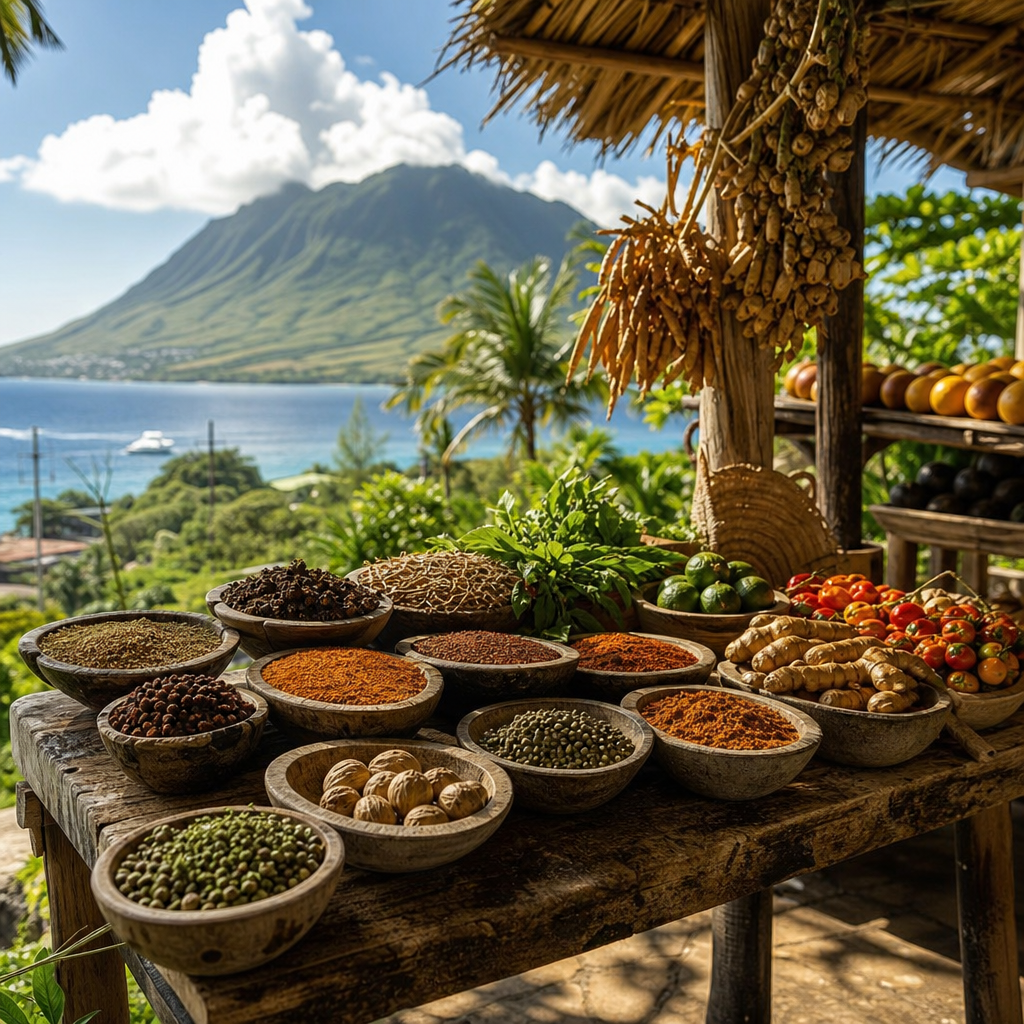
The best way to explore the spice trail in Nevis is to combine several types of stops. Start with the public market in Charlestown or village produce stalls, where you can see what is in season and how residents actually shop. Ask vendors which herbs are local, which peppers are hottest, and what they recommend for tea, stew, or fish. These conversations are often more useful than formal tours because they reveal real household patterns. In my experience, a five-minute exchange over a pile of fresh ginger often leads to recommendations for a bakery, a cookshop, or a weekend food event.
Next, visit restaurants that cook with visible local references rather than generic resort menus. Look for dishes such as curried mutton, jerk-style chicken, fish in creole sauce, coconut dumplings, seasoned rice, callaloo, and goat water. Ask how the kitchen builds flavor. Good chefs and line cooks will usually explain whether they use fresh thyme, house pepper sauce, toasted spice, or long marination. Also seek out small bakeries and roadside vendors selling ginger drinks, spice buns, tamarind balls, and local pastries. These are often where sweet spice traditions are easiest to taste.
| Stop on the trail | What to look for | Why it matters |
|---|---|---|
| Charlestown market | Fresh ginger, thyme, peppers, bay leaf, turmeric | Shows what locals buy and cook at home |
| Roadside produce stalls | Seasonal herbs, homemade pepper sauces, spice bundles | Reveals small-scale farming and family recipes |
| Traditional cookshops | Goat water, curry dishes, seasoned fish, rice and peas | Highlights how spices function in everyday meals |
| Bakeries and snack stops | Nutmeg cakes, ginger drinks, spice breads | Demonstrates the sweet side of Nevisian flavor |
| Upscale local restaurants | Refined plates using local herbs and island spice blends | Shows how heritage ingredients shape modern dining |
Signature dishes and drinks along the spice trail
No hub on this topic is complete without explaining the foods most closely tied to spice use in Nevis. Goat water, the island’s famous stew, is the clearest example. Despite the name, it is a rich, dark, highly seasoned dish made with goat meat, herbs, pepper, onion, and warming spice notes that deepen during slow cooking. Every household and cookshop has its own variation, but the underlying method is consistent: build a layered base, simmer patiently, and let the seasonings integrate rather than sit on top of the meat.
Curry dishes are another anchor. In Nevis, curry goat, curry chicken, and sometimes curry seafood rely on blends that may include turmeric, coriander, cumin, fenugreek, garlic, ginger, and hot pepper, though ratios vary by cook and by family background. The result differs from Indian curry traditions because Caribbean curry evolved through local adaptation, available ingredients, and Afro-Caribbean cooking methods. That distinction is useful for travelers seeking authenticity. The goal is not textbook replication but island expression.
Drinks also belong on the spice trail. Ginger beer, sorrel, mauby, rum punch, and spiced teas often include nutmeg, cinnamon, clove, or fresh ginger. At breakfast, porridge may carry a generous dusting of nutmeg and cinnamon. At dessert, bread pudding, sweet potato pudding, or fruit cake may carry warm spice profiles that immediately signal Caribbean holiday and family cooking. Together, these dishes and drinks show that spices in Nevis are woven into the full dining day, from morning tea to late-night stew.
History, agriculture, and the cultural roots of Nevis spices
To appreciate the spice trail fully, it helps to understand the island’s historical context. Nevis was shaped by Indigenous knowledge, European colonization, African food traditions, and later regional exchange across the Caribbean. Plantation systems prioritized export crops, yet domestic food culture developed in gardens, provision grounds, village kitchens, and local markets. This is where herbs, medicinal plants, peppers, and culinary aromatics remained central. The spice profile of Nevis today reflects resilience as much as trade.
African-descended cooks transformed limited resources into highly seasoned, deeply satisfying food. Herbs and spices improved preserved meats, brightened starch-heavy meals, and created distinct flavors for soups, stews, and one-pot dishes. Over time, imported ingredients mixed with local cultivation. Cinnamon and cloves might arrive through trade, while thyme, peppers, ginger, and turmeric could be cultivated or shared within communities. Similar patterns appear across the Lesser Antilles, but Nevis stands out for how closely food remains tied to place despite the growth of tourism.
Modern agriculture in Nevis is smaller in scale than plantation-era production, but local growers still supply herbs, peppers, fruits, and vegetables that define the dining scene. This farm-to-table link is not merely a trend label. On an island of Nevis’s size, kitchens often know exactly who grows the thyme, where the ginger came from, or which area produced a particular batch of peppers. That immediacy gives the spice trail credibility and makes it more than a marketing phrase.
How to plan a flavorful self-guided spice trail in Nevis
A successful self-guided spice trail starts with timing. Mornings are best for markets and produce stalls, when herbs are freshest and vendors have time to talk. Midday is ideal for cookshops serving lunch specials such as stewed chicken, curry mutton, fish, or rice plates. Late afternoon works well for bakery visits, scenic refreshment stops, and casual rum-based drinks with nutmeg or spice syrup. Dinner can then focus on a restaurant where local ingredients are presented with more technique and menu detail.
Build the day around questions, not just reservations. Ask where the pepper sauce is made, whether the curry blend is mixed in-house, what herb goes into goat water, or which dessert uses local nutmeg. Travelers who ask specific questions nearly always get better recommendations. If you have room in your schedule, pair the trail with a heritage stop such as a plantation site, garden, or historic inn. Food tastes richer when you understand the landscape that shaped it.
Finally, keep expectations realistic. Nevis is not a giant culinary metropolis with endless specialist spice shops. Its appeal lies in authenticity, intimacy, and continuity between home-style food and restaurant dining. The most memorable stop may be a roadside stall selling ginger drink in reused bottles or a family-run lunch spot with one curry pot on the stove. Follow those clues. They are often the true heart of the spice trail and the strongest gateway into local cuisine and dining across the island.
Exploring the spice trail in Nevis reveals much more than a list of ingredients. It shows how the island’s cuisine carries memory, geography, and community in every seasoned dish and aromatic drink. Nutmeg, ginger, cinnamon, thyme, turmeric, bay leaf, and hot peppers are not isolated flavor notes; together they explain why Nevisian food feels warm, layered, and unmistakably rooted in place. From markets and roadside stalls to cookshops, bakeries, and refined restaurants, the trail offers a practical way to connect tourism with real cultural understanding.
The main takeaway is clear: if you want to experience Nevis beyond its beaches, follow its flavors. Start with the ingredients locals buy, continue with the dishes they cook, and notice how spices bridge history and modern dining. This approach turns a meal into context and a snack into a story. Use this hub as your starting point for the wider Miscellaneous branch of local cuisine and dining, then map out your own stops, ask better questions, and taste Nevis with intention on your next visit.
Frequently Asked Questions
What is the Spice Trail in Nevis, and why is it such an important part of the island’s culture?
The Spice Trail in Nevis is more than a food-focused experience; it is a window into the island’s history, agriculture, and everyday life. In Nevis, spices are deeply woven into how people cook, preserve traditions, treat common ailments, and celebrate community. Ingredients such as nutmeg, cinnamon, cloves, ginger, turmeric, bay leaf, allspice, and hot peppers are not simply added for flavor. They reflect generations of exchange shaped by colonial trade routes, African and Caribbean culinary knowledge, and the practical realities of island farming and home cooking.
Following the Spice Trail helps visitors understand how these ingredients move from the land to the table. A spice may appear in a simmering stew, a roti filling, a grilled fish marinade, a baked bread, or a homemade drink, but it also carries stories about cultivation, family recipes, and local identity. Many of the flavors associated with Nevisian cooking have been preserved through oral tradition, with recipes and remedies shared from elders to younger generations. That makes the Spice Trail especially meaningful: it connects taste with memory, place, and heritage in a way that feels immediate and personal.
For travelers, exploring this trail creates a richer experience of the island because it goes beyond restaurants and introduces the broader cultural significance of what is on the plate or in the cup. It reveals why food in Nevis feels so distinctive: the spices are not used randomly, but intentionally, with balance, tradition, and local knowledge guiding each dish.
Which spices are most closely associated with Nevisian cuisine, and how are they commonly used?
Several spices stand out as essential to the flavor profile of Nevisian cooking. Nutmeg is one of the island’s signature ingredients and is often used in baked goods, porridges, festive drinks, and rich savory dishes where a warm, aromatic depth is needed. Cinnamon appears in sweet breads, punches, teas, and some stews, adding a familiar warmth that complements both sugar and savory seasonings. Cloves are used more sparingly because of their strength, but they bring intensity to drinks, marinades, and slow-cooked dishes.
Ginger is especially versatile and shows up in both cooking and homemade beverages. It adds brightness, heat, and freshness to sauces, fish preparations, teas, and traditional medicinal mixtures. Turmeric contributes earthiness and color, and it is valued not only in cooking but also in healing traditions. Bay leaf is often slipped into pots of soup, peas, rice, and stews to build a subtle aromatic base. Allspice offers a peppery-sweet complexity that works beautifully in jerk-inspired seasoning blends, roasted meats, and hearty one-pot meals. Hot peppers, while technically distinct from dry spices, are central to the island’s flavor identity and bring controlled heat to sauces, stews, and marinades.
What makes these spices so important in Nevis is the way they are layered rather than used alone. A cook may combine bay leaf, thyme, scallion, garlic, ginger, and hot pepper for a savory foundation, then round out the dish with nutmeg or allspice depending on the recipe. In drinks and desserts, cinnamon, cloves, and nutmeg are often blended to create warmth and fragrance. This layered use of spices creates food that is bold, balanced, and deeply expressive of local tradition.
How does exploring the Spice Trail help visitors understand Nevisian food beyond just tasting local dishes?
Tasting local dishes is an excellent start, but the Spice Trail adds the context that transforms a meal into a cultural lesson. When visitors learn where spices are grown, how they are harvested, and how they are used in homes and small kitchens across the island, they begin to see Nevisian cuisine as a living tradition rather than a collection of recipes. A bowl of stew or a glass of spiced rum punch becomes more meaningful when you understand the agricultural roots of the ingredients and the role they play in family and community life.
Exploring the Spice Trail also reveals the practical side of island cooking. Spices in Nevis do not exist only for special occasions; they are part of everyday seasoning, preservation, and healing. Ginger tea may be prepared for comfort, turmeric may be used in traditional wellness practices, and bay leaf or cloves may be valued as much for their household familiarity as for their taste. This creates a fuller picture of food culture, one in which spices belong equally to the kitchen, the garden, and the home remedy cabinet.
Another important aspect is the connection between food and history. Nevisian spice use reflects centuries of movement, adaptation, and resilience. African culinary influence, European trade patterns, Caribbean farming traditions, and local innovation all shape the way spices are used today. By exploring the Spice Trail, visitors gain a deeper appreciation for the island’s identity and can recognize how flavor becomes a record of migration, trade, and cultural continuity. In that sense, the experience is educational as well as delicious.
Are spices in Nevis used only in cooking, or do they also play a role in traditional remedies and daily life?
In Nevis, spices play a far broader role than simply seasoning food. Many are tied to long-standing home remedies and wellness traditions that have been passed down through generations. Ginger is commonly associated with soothing teas and warming drinks, especially when people want comfort during illness or cooler weather. Turmeric is often appreciated for its place in traditional healing practices, while cloves and cinnamon may be used in hot beverages or infusions valued for their comforting qualities. These uses reflect a broader Caribbean tradition in which the kitchen and the medicine cupboard often overlap.
Spices also shape hospitality and social rituals. A spiced drink served to guests, a rich stew prepared for family gatherings, or a homemade remedy offered by an elder all demonstrate how flavor and care are linked in daily life. In many homes, spice use is guided not by written measurements but by familiarity, instinct, and inherited knowledge. That makes spices part of personal identity as much as culinary technique. A family’s preferred level of ginger in tea or nutmeg in porridge can become a small but meaningful marker of tradition.
This broader role is one reason the Spice Trail feels so authentic. It introduces visitors to a culture in which ingredients are valued for aroma, taste, memory, and function. To understand spices in Nevis fully, it helps to see them not only as components of recipes but also as part of a lived system of nourishment, comfort, and cultural continuity.
What kinds of foods and drinks should visitors try when exploring the Spice Trail in Nevis?
Visitors should look for dishes and drinks that showcase how spices are layered into both everyday and celebratory cooking. Hearty stews are an excellent place to begin, because they often bring together bay leaf, allspice, hot pepper, ginger, and other seasonings in a way that highlights depth and balance. Roti fillings can also reveal the island’s spice sensibility, especially when meats or vegetables are cooked with warming aromatics that build flavor slowly. Grilled fish is another essential tasting experience, often seasoned with fresh herbs, peppers, and spice blends that enhance rather than overpower the freshness of the catch.
Baked items are equally important on the Spice Trail. Local breads, cakes, and sweet treats may feature nutmeg and cinnamon, offering a softer, fragrant expression of the island’s spice heritage. These flavors often appear in breakfast foods, desserts, and festive baking, where they create a sense of warmth and familiarity. Drinks should not be overlooked either. Rum punches and other traditional beverages can include notes of nutmeg, cinnamon, clove, or ginger, adding complexity and linking the island’s spice culture to hospitality and celebration.
For a well-rounded experience, visitors should try both savory and sweet preparations, as well as teas or homemade drinks that reflect traditional uses of spices beyond formal dining. The goal is not just to sample individual ingredients, but to notice how they work together across different parts of the cuisine. That range—from fish and stews to breads, punches, and remedies—shows why the Spice Trail in Nevis is such a flavorful and revealing journey through the island’s food culture.