Plant-based nutrition in Saint Kitts is no longer a niche choice; it is a practical, culturally relevant way to support long-term health while enjoying the island’s local foods. In simple terms, plant-based nutrition emphasizes fruits, vegetables, legumes, whole grains, nuts, seeds, herbs, and minimally processed plant foods, while reducing or excluding meat, dairy, and other animal products. That definition matters because many people confuse plant-based eating with strict veganism, yet the broader approach allows flexibility and focuses first on food quality. In my work helping readers and clients improve everyday eating patterns, I have seen that this distinction makes the lifestyle more approachable and easier to sustain.
In Saint Kitts, the topic matters for several reasons. Like many Caribbean nations, the federation faces growing rates of obesity, hypertension, type 2 diabetes, and cardiovascular disease. These conditions are shaped by genetics and healthcare access, but daily diet is one of the most powerful factors people can influence. Plant-based nutrition helps because it typically increases fiber, potassium, folate, magnesium, antioxidants, and phytonutrients, while lowering saturated fat and often reducing excessive sodium from processed foods. A well-planned plant-based diet is associated with better weight management, improved blood pressure, lower LDL cholesterol, steadier blood sugar, and healthier digestion. Those outcomes are especially relevant in a warm island climate where hydration, energy balance, and chronic disease prevention all matter.
There is also a strong local advantage: Saint Kitts already has many foods that fit naturally into a healthy plant-forward pattern. Breadfruit, sweet potato, green banana, cassava, pigeon peas, pumpkin, callaloo, mango, papaya, coconut, avocado, and fresh herbs can all anchor satisfying meals. Traditional Caribbean cooking often includes stews, soups, ground provisions, beans, and vegetable sides, which means people do not need to adopt an imported eating style to eat well. The real task is to build balanced plates, limit ultra-processed products, and use local ingredients more intentionally. This hub article explains how to do that, answers common questions, and provides a foundation for deeper reading across the wider health and wellness section.
Why Plant-Based Nutrition Fits Saint Kitts
Plant-based nutrition fits Saint Kitts because it aligns with climate, agriculture, food culture, and public health needs. Local markets regularly offer tropical fruit, leafy greens, root vegetables, peas, beans, and seasonings that make plant-centered meals flavorful without relying on expensive specialty products. When I assess meal patterns in Caribbean settings, the issue is rarely a lack of access to all plant foods; it is more often the shift toward imported packaged snacks, sugary drinks, processed meats, and oversized portions. Returning to a plate built around local produce is both nutritionally sound and economically sensible.
Another reason this approach works is satiety. A meal of stewed lentils, brown rice, roasted pumpkin, cucumber salad, and avocado provides fiber, complex carbohydrates, and healthy fats that keep people full longer than many refined convenience foods. Fiber deserves special attention because it supports digestive health, helps control cholesterol, and slows glucose absorption. Most adults do not consume enough fiber, and plant-based eating is one of the clearest ways to close that gap. Whole foods also deliver micronutrients that work together naturally, something supplements cannot fully replicate.
Plant-based nutrition can also support active lifestyles common on the island, from walking and community sport to hospitality work that requires long hours on one’s feet. Carbohydrate-rich foods such as sweet potato, oats, breadfruit, and fruit provide accessible energy, while beans, peas, tofu, and nuts help with recovery and muscle maintenance. The key is planning meals with enough calories and protein rather than assuming that cutting meat automatically creates a healthy diet.
Core Nutrients and How to Meet Them
A healthy plant-based diet must be intentional about several nutrients. Protein is the question most people ask first, and the answer is straightforward: legumes, peas, lentils, soy foods, nuts, seeds, and whole grains can easily meet needs across the day. Combining rice and peas, for example, provides complementary amino acids, although modern nutrition science shows that people do not need to combine proteins perfectly at each meal as long as variety is adequate over time. Adults generally need roughly 0.8 grams of protein per kilogram of body weight, with higher needs for older adults, athletes, and people recovering from illness.
Vitamin B12 is the nutrient that deserves the clearest warning. It is not reliably supplied by unfortified plant foods, so anyone eating fully vegan should use fortified foods or a B12 supplement. Iron, calcium, zinc, iodine, omega-3 fats, and vitamin D also require attention. Iron can come from lentils, beans, callaloo, pumpkin seeds, and fortified cereals; pairing these with vitamin C sources like citrus, guava, bell peppers, or tomatoes improves absorption. Calcium can come from fortified plant milks, tofu set with calcium, sesame, leafy greens, and beans. For omega-3 fats, flaxseed, chia seeds, walnuts, and canola oil are useful, though some people may choose an algae-based DHA and EPA supplement.
| Nutrient | Why it matters | Plant-based sources relevant to Saint Kitts | Practical note |
|---|---|---|---|
| Protein | Muscle repair, immunity, satiety | Beans, lentils, pigeon peas, tofu, peanuts, oats | Include a protein source at each meal |
| Vitamin B12 | Nerve function, red blood cells | Fortified plant milks, fortified cereals | Most vegans need a reliable supplement |
| Iron | Oxygen transport, energy | Callaloo, lentils, beans, pumpkin seeds | Pair with vitamin C to improve absorption |
| Calcium | Bones, muscle contraction | Fortified soy milk, tofu, sesame, greens | Check labels for calcium fortification |
| Omega-3 | Heart and brain health | Flaxseed, chia, walnuts | Use ground flax or soaked chia regularly |
| Vitamin D | Bone and immune health | Fortified foods | Testing or supplementation may be needed |
Hydration and sodium also matter in tropical settings. A diet based on fresh plant foods often lowers sodium naturally, but many meat substitutes, canned soups, and packaged snacks are highly salted. Reading labels is essential. People who sweat heavily may need electrolyte replacement in some contexts, yet most residents benefit more from reducing habitual sodium and increasing potassium-rich foods like banana, coconut water in moderation, beans, and vegetables.
Building Balanced Meals With Local Foods
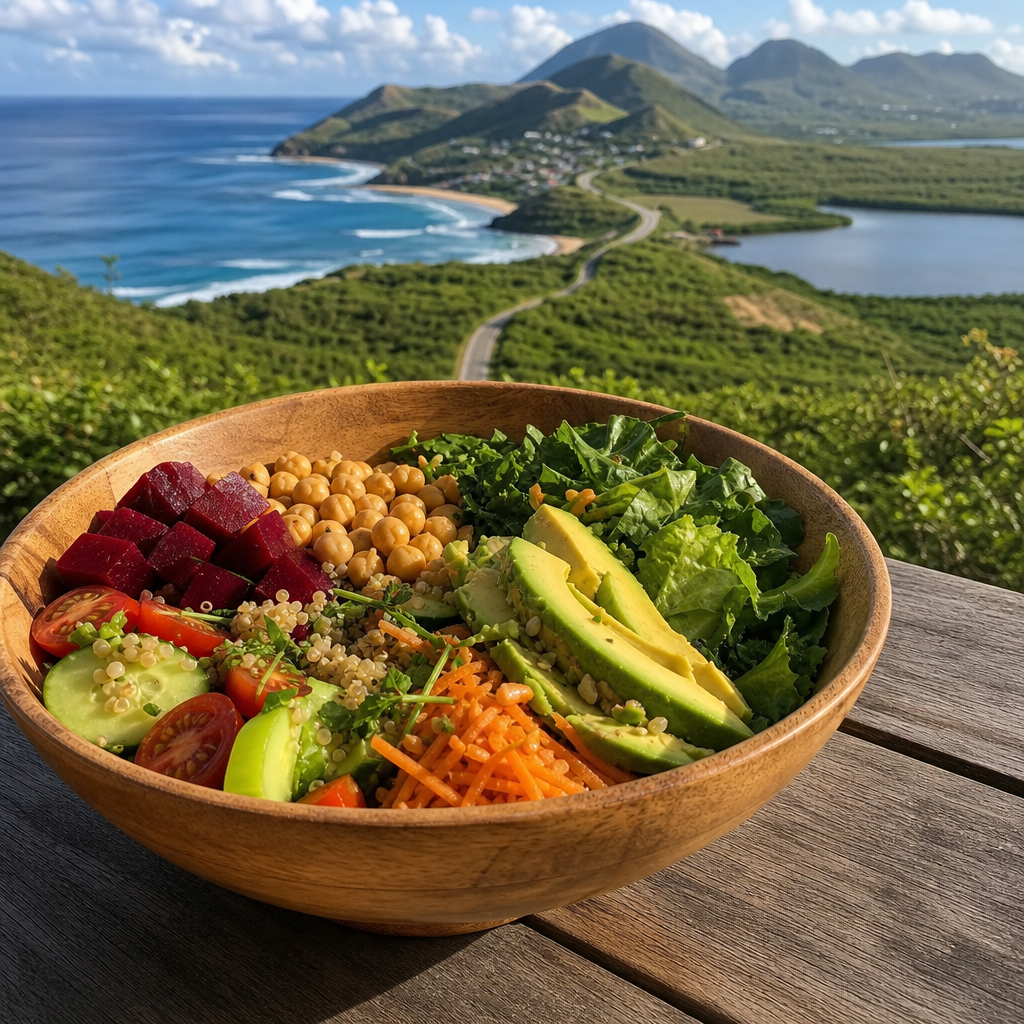
The easiest way to make plant-based nutrition sustainable in Saint Kitts is to structure meals rather than chase perfection. A dependable formula is one-half vegetables and fruit, one-quarter whole or minimally processed starch, and one-quarter protein-rich legumes or soy foods, with a small amount of healthy fat. Breakfast might be oats cooked with cinnamon, topped with banana, chia seeds, and peanut butter. Lunch could be brown rice with stewed red beans, cabbage, plantain, and tomato-cucumber salad. Dinner could be lentil stew with breadfruit and steamed callaloo. These meals are familiar in flavor, affordable, and nutritionally strong.
Local produce creates variety through the week. Green bananas can be boiled and served with curried chickpeas. Pumpkin works in soups, mash, or roasted trays. Breadfruit can replace fries when baked or air-fried with herbs. Mango and papaya are useful not only as snacks but also in smoothies with unsweetened fortified soy milk for extra protein and calcium. Spices such as thyme, scallion, garlic, ginger, turmeric, and Scotch bonnet add intensity without depending on heavy salt or processed sauces.
Healthy plant-based eating does not mean every food is automatically beneficial because it is vegan. Sweetened cereals, refined white-flour pastries, sugary beverages, and fried starches can all be plant-based yet still undermine health. I often tell readers to think in layers: first choose whole foods, then build balance, then consider portions. That approach prevents the common mistake of replacing meat with refined carbohydrates alone. A plate of plain pasta and bread may be meat-free, but it is not comparable to a meal built around beans, vegetables, and whole grains.
Shopping, Budgeting, and Eating Out
Cost is a common concern, but plant-based nutrition can be budget-friendly when centered on staples instead of imported specialty products. Dried beans, lentils, split peas, rice, oats, local vegetables, and seasonal fruit usually provide better value per serving than processed meat alternatives. Buying what is in season matters in Saint Kitts, where imported produce can raise costs and lower freshness. Batch cooking also saves money and time: one pot of beans can support lunches and dinners for several days, and cooked grains can be repurposed into bowls, soups, and salads.
Smart shopping starts with a list. Choose two protein staples, two starches, several vegetables, fruit for snacks, and one fortified product such as soy milk if needed. Frozen vegetables can be useful when fresh options are limited, and canned beans are convenient if rinsed to reduce sodium. For households transitioning gradually, a practical target is to start with three fully plant-based dinners each week and a plant-based breakfast most days. That change alone often improves fiber intake and reduces saturated fat without causing friction at home.
Eating out requires a different strategy. Ask restaurants for vegetable sides without butter, request peas or beans as the main protein, and look for provisions, salads, rice dishes, soups, or ital-style options. Watch hidden ingredients such as cream, cheese, fish stock, and meat-based seasonings. If choices are limited, simple modifications still help: order a bean dish with extra vegetables, skip sugary drinks, and share fried items rather than making them the center of the meal. Consistency matters more than perfection.
Common Mistakes, Myths, and Special Considerations
The biggest mistake in plant-based nutrition is under-eating protein and total calories, especially among older adults, athletes, and busy workers. Fatigue, constant hunger, and poor recovery are usually signs of low energy intake, not proof that plant-based diets do not work. Another common error is relying too heavily on fruit while neglecting legumes, whole grains, and fortified foods. Fruit is healthy, but it is not a complete meal pattern. The opposite problem also appears: replacing whole foods with highly processed vegan products that are high in sodium, refined oils, and additives. These products can be useful occasionally, yet they should not become the foundation.
Several myths need correcting. Plant-based diets are not automatically deficient, and they are not only for people trying to lose weight. They can support children, adults, pregnant women, and athletes when well planned. The Academy of Nutrition and Dietetics has long stated that appropriately planned vegetarian and vegan diets are healthful and nutritionally adequate. At the same time, “appropriately planned” is the phrase people should remember. Certain groups may benefit from guidance from a registered dietitian or physician, particularly if they have kidney disease, anemia, digestive disorders, or diabetes managed with medication.
For Saint Kitts, one special consideration is cultural identity. Food is social, familial, and celebratory. A healthy lifestyle works best when it respects that reality rather than rejecting it. Keep beloved flavors, adapt cooking methods, and let local ingredients lead. Start with one meal, one shopping trip, or one week of better planning. Plant-based nutrition in Saint Kitts is effective because it is not about restriction alone; it is about using the island’s abundant foods to build better health, one plate at a time. Explore the rest of this health and wellness hub for recipes, meal plans, and condition-specific guidance.
Frequently Asked Questions
What does plant-based nutrition really mean in Saint Kitts, and is it the same as being vegan?
Plant-based nutrition in Saint Kitts means building most meals around whole or minimally processed foods that come from plants, including fruits, vegetables, peas, beans, lentils, ground provisions, whole grains, nuts, seeds, and herbs. It does not always mean that a person must be strictly vegan. That distinction is important because many residents and visitors assume plant-based eating requires giving up every animal product immediately, when in reality it can be a flexible eating pattern that prioritizes plant foods first. Some people in Saint Kitts choose a fully vegan lifestyle, while others simply reduce meat and dairy and eat them less often.
In practical terms, a plant-based approach can fit naturally into Caribbean food culture. Local ingredients such as breadfruit, sweet potatoes, yams, plantains, coconut, callaloo, pumpkin, beans, pigeon peas, and fresh seasonal fruits already provide a strong foundation for healthy meals. A plate does not need to feel foreign or restrictive to be more plant-centered. For many households, the shift may be as simple as making legumes the main protein more often, increasing vegetable portions, using herbs and spices for flavor, and treating meat as an occasional addition rather than the centerpiece.
From a health perspective, this way of eating is often associated with improved heart health, better blood sugar control, healthier digestion, and support for weight management when meals are balanced properly. The key idea is not perfection; it is consistency. In Saint Kitts, plant-based nutrition can be a realistic, culturally relevant, and enjoyable lifestyle that honors local food traditions while supporting long-term wellness.
Can you meet your nutritional needs on a plant-based diet in Saint Kitts?
Yes, it is absolutely possible to meet your nutritional needs on a plant-based diet in Saint Kitts, provided your meals are planned with variety and balance. A well-structured plant-based eating pattern can supply carbohydrates for energy, fiber for digestive health, healthy fats for hormone and brain function, and adequate protein from legumes, peas, beans, lentils, nuts, seeds, and whole grains. Local staples such as red beans, black beans, pigeon peas, split peas, and ground provisions can be combined into satisfying meals that support both everyday energy and long-term health.
Protein is one of the first concerns people raise, but it is usually easier to obtain than many expect. Foods such as beans, lentils, chickpeas, peanuts, pumpkin seeds, and whole grains all contribute meaningful amounts. Across the day, eating a variety of these foods generally provides enough protein for most adults. Iron is another common question, and plant sources include beans, leafy greens, peas, seeds, and fortified foods when available. Pairing iron-rich meals with vitamin C sources such as citrus, mango, guava, bell peppers, or tomatoes can improve absorption.
Calcium can come from fortified plant milks, tofu made with calcium, sesame seeds, leafy greens, and some legumes, while healthy fats can come from avocado, coconut in moderation, nuts, and seeds. Vitamin B12 deserves special attention because it is not reliably available from unfortified plant foods. Anyone following a fully vegan diet should use a B12 supplement or regularly consume fortified foods. Depending on sun exposure, vitamin D may also need consideration. The smartest approach is to focus on diverse whole foods, avoid relying too heavily on highly processed meat substitutes, and consult a qualified healthcare professional or dietitian if you have special needs such as pregnancy, athletic training, diabetes, or anemia.
What local foods in Saint Kitts work best for a healthy plant-based lifestyle?
Saint Kitts offers many local foods that make plant-based living both practical and flavorful. Some of the best choices include callaloo, spinach-like greens, cabbage, pumpkin, carrots, okra, tomatoes, cucumbers, eggplant, and other fresh vegetables commonly used in home cooking. Ground provisions such as sweet potatoes, yams, cassava, dasheen, and breadfruit can provide satisfying complex carbohydrates and help meals feel substantial. Fruits such as mangoes, bananas, papaya, guava, soursop, pineapple, and citrus add natural sweetness, fiber, vitamins, and variety throughout the day.
Legumes are especially valuable because they offer plant protein, fiber, minerals, and staying power. Pigeon peas, red beans, lentils, split peas, black-eyed peas, and chickpeas can be used in soups, stews, rice dishes, salads, patties, and spreads. Whole grains such as brown rice, oats, and whole-grain bread are also helpful for balanced meals. Nuts and seeds, including peanuts, sesame, flax, chia, and pumpkin seeds when available, add healthy fats and can improve the nutrient density of meals and snacks.
The best results usually come from building meals around a few simple principles: choose a fiber-rich starch, add a good plant protein, include colorful vegetables, and flavor generously with herbs, spices, onion, garlic, thyme, scallion, ginger, and pepper. This keeps meals rooted in familiar Caribbean tastes while improving nutritional quality. Instead of seeing plant-based eating as imported or expensive, it is often more accurate to see it as a return to many traditional ingredients that have long been part of island cooking.
Is plant-based eating affordable and realistic for families in Saint Kitts?
For many families in Saint Kitts, plant-based eating can be affordable and realistic, especially when it is based on staple foods rather than specialty products. One of the biggest misconceptions is that healthy plant-based diets require imported vegan cheeses, packaged meat substitutes, or expensive health-food items. In truth, some of the most budget-friendly foods are plant-based already: dry beans, lentils, split peas, rice, oats, local vegetables, ground provisions, and seasonal fruits. When meals are planned around these basics, household food costs can be managed effectively.
Affordability often improves further when families shop seasonally, buy local produce when possible, cook larger batches, and use leftovers wisely. A pot of peas, lentil stew, vegetable soup, or rice and beans can feed several people at a relatively low cost while still being filling and nourishing. Preparing meals at home also gives families more control over salt, sugar, and oil, which is helpful for preventing and managing chronic health concerns. Even small steps, such as having a few meat-free days each week or replacing one meat-based meal a day with a bean-based option, can make a meaningful difference financially and nutritionally.
Realism matters just as much as cost. Families do not need to change everything overnight. Children and older adults may adapt better when familiar dishes are modified gradually. For example, soups can include more peas and vegetables, rice dishes can feature beans as the main protein, and snacks can shift toward fruit, nuts, or homemade options instead of ultra-processed items. A successful plant-based lifestyle in Saint Kitts is usually not about rigid rules. It is about practical, sustainable choices that fit local tastes, schedules, and budgets.
What are the main health benefits of plant-based nutrition, and how can someone start safely?
Plant-based nutrition can offer several important health benefits when it is based on whole, balanced foods. Because these meals are typically rich in fiber, vitamins, minerals, antioxidants, and beneficial plant compounds, they can support heart health, healthy cholesterol levels, blood pressure control, and improved digestion. Many people also find that increasing plant foods helps with weight management, because meals based on vegetables, legumes, fruits, and whole grains can be satisfying without being excessively high in calories. In places like Saint Kitts, where chronic conditions such as hypertension, diabetes, and cardiovascular disease are serious public health concerns, a thoughtful plant-based approach can be a valuable preventive strategy.
Beyond disease prevention, many people report better energy, more regular digestion, and a stronger connection to home-cooked meals when they begin eating more plant-centered dishes. However, the word “healthy” should not be used too loosely. A diet can be technically vegan or plant-based and still be heavy in fried foods, refined starches, sugary drinks, and highly processed snacks. The greatest benefits come from emphasizing whole foods, proper meal balance, and appropriate portion sizes rather than simply removing animal products.
To start safely, it is best to make gradual changes. Begin by adding more vegetables to lunch and dinner, replacing some meat-based meals with legumes, choosing whole grains more often, and keeping fruit available for snacks. Learn a few dependable meals that you genuinely enjoy, such as lentil stew with sweet potato, rice and peas with a large vegetable side, or a hearty callaloo dish with beans. Pay attention to key nutrients like vitamin B12 if you are fully vegan, and seek guidance from a healthcare professional if you have a medical condition or take medication. Starting slowly, staying consistent, and using local foods you already know can make plant-based nutrition in Saint Kitts both safe and sustainable.