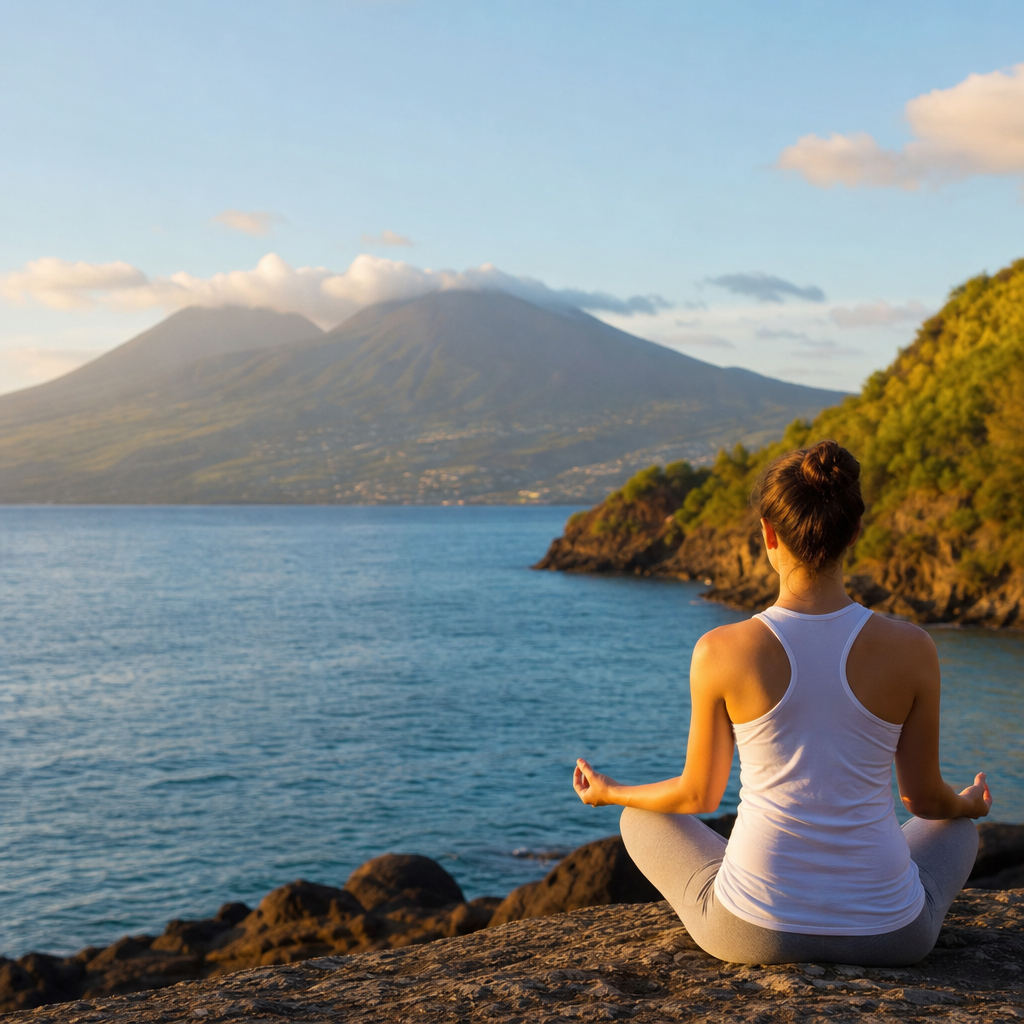
The science of relaxation in Nevis blends measurable stress reduction with place-based experiences that calm the nervous system. Relaxation is not simply “taking it easy.” In health and wellness terms, it is the deliberate shift from chronic sympathetic activation, the fight-or-flight response, toward parasympathetic recovery, where heart rate slows, muscle tension drops, digestion improves, and attention becomes steadier. Stress relief techniques in Nevis matter because modern stress is cumulative: poor sleep, long work hours, constant notifications, pain, and uncertainty keep cortisol elevated and recovery incomplete. I have seen travelers arrive wired, fatigued, and distracted, then change noticeably after a few days of structured rest, movement, and sensory quiet on the island.
Nevis offers unusually strong conditions for relaxation because its scale, climate, terrain, and cultural rhythm support nervous system recovery. The island is small enough to reduce decision fatigue, but varied enough to create meaningful options: volcanic slopes, coastal breezes, warm water, quiet roads, botanical richness, and a slower pace than busier Caribbean destinations. This combination supports evidence-based methods such as breathwork, mindfulness, low-intensity exercise, hydrotherapy, massage, sleep restoration, and social connection. For a health and wellness hub, “miscellaneous” should not mean random. It should mean integrated. Many people searching for stress relief techniques in Nevis want the same practical answers: what works, why it works, where to start, and how to combine methods for lasting results rather than a temporary mood lift.
Research consistently shows that relaxation works best when it is multimodal. Breath regulation can improve heart rate variability, walking in green space can lower rumination, massage can reduce perceived stress and pain, and sleep regularity can improve emotional regulation. In Nevis, these interventions are easier to practice because the environment removes common barriers. You can take a sunrise beach walk without traffic noise, eat meals on a steadier schedule, and spend evenings with lower sensory overload. That matters because the nervous system responds not only to techniques, but also to context. A relaxed body is easier to maintain in a place that does not keep provoking vigilance.
This guide explains the most effective stress relief techniques in Nevis, how they work physiologically, and how to build them into a realistic routine. It also serves as a central hub for related health and wellness topics, from spa therapies and yoga to sleep hygiene, nature immersion, mindful travel, and recovery-focused itineraries. If your goal is to feel calmer, sleep better, think more clearly, and return home restored rather than merely entertained, the science points to simple practices done consistently in the right setting.
Why Nevis Supports Deep Relaxation
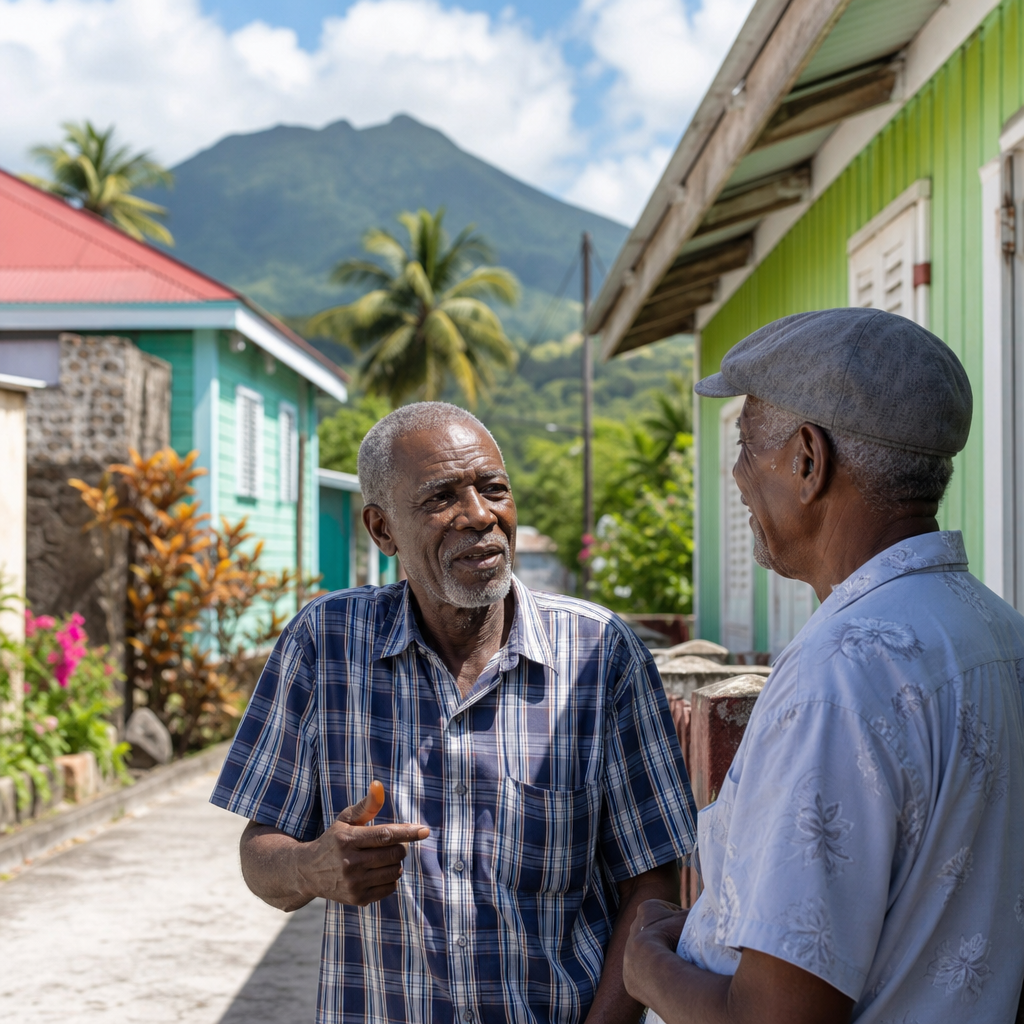
Nevis is especially well suited to stress recovery because environmental design and natural conditions influence the brain more than most people realize. In practice, I look at four factors: sensory load, movement demands, thermal comfort, and psychological safety. Nevis scores well on all four. Compared with dense urban environments, it offers fewer alarms, fewer crowds, less visual clutter, and a more predictable pace. That reduction in sensory demand frees attention and lowers the baseline level of arousal. When people describe feeling calmer “for no reason” after arriving, there is usually a reason: the environment has stopped asking their nervous system to stay on guard.
The island’s geography also helps. Coastal walking routes encourage gentle aerobic activity, and the slopes around Nevis Peak create opportunities for more vigorous hiking when appropriate. Gentle exercise is one of the most reliable stress interventions because it metabolizes stress hormones and improves sleep pressure later in the day. Warm temperatures and trade winds make outdoor movement comfortable for much of the year, while sea access supports swimming and floating, both of which reduce joint load and create repetitive, soothing sensory input. Even the island’s smaller road network can help; fewer complicated choices mean less cognitive friction from planning every hour.
Social atmosphere matters too. Relaxation is easier when hospitality feels personal rather than transactional. On Nevis, many wellness experiences are shaped by small-scale service, where staff remember names, dietary preferences, and treatment history. That continuity increases comfort and trust, which are important for downregulating stress. A guest who feels seen and safe is more likely to relax during massage, meditation, or a restorative meal. This is one reason boutique wellness settings often outperform larger, more hectic resorts for people recovering from burnout.
Breathwork, Meditation, and Mindfulness in Practice
If someone asks for the fastest, lowest-cost stress relief technique in Nevis, my answer is controlled breathing. Slow exhalation-heavy breathing stimulates the vagus nerve and helps shift the body toward parasympathetic dominance. A simple protocol is six breaths per minute, inhaling for four seconds and exhaling for six. Done for five to ten minutes on a veranda, beach, or garden bench, it can reduce subjective stress quickly. This is not mystical; it is basic respiratory physiology. Longer exhalations help lower heart rate and can interrupt the cycle of anxious, shallow chest breathing.
Meditation builds on that foundation by training attention. Many visitors assume meditation requires perfect silence or advanced skill, but the most effective practice is usually the one they will actually repeat. In Nevis, guided mindfulness sessions often work well because natural soundscapes, waves, birds, wind in palms, provide a stable auditory anchor. A beginner can sit comfortably, notice the breath, and redirect attention each time the mind wanders. Ten minutes is enough to start. Over several days, people often report less reactivity, better sleep onset, and more enjoyment of simple activities because attention is no longer scattered.
Mindfulness also applies beyond formal sessions. Eating slowly, noticing temperature and texture, walking without a phone, or watching a sunset without multitasking are all valid practices. From a clinical perspective, these moments reduce cognitive overload and rumination. They shift awareness toward immediate sensory data and away from repetitive problem loops. In a destination like Nevis, where natural cues are strong and interruptions are fewer, informal mindfulness often becomes more sustainable than it is at home. The goal is not to empty the mind; it is to train it not to chase every stress signal.
Nature Exposure, Blue Space, and Gentle Movement
One of the best-supported relaxation strategies is exposure to natural environments. Green space and blue space, landscapes with vegetation and water, are associated with lower stress, improved mood, and better attentional recovery. Nevis delivers both in a compact area. A coastal walk near Pinney’s Beach, a garden stroll around historic estates, or time spent looking at open water can all have measurable calming effects. Attention restoration theory helps explain why: natural settings engage the mind softly rather than demanding hard focus, allowing directed attention to recover from fatigue.
Gentle movement amplifies those benefits. Walking is particularly effective because it combines rhythmic motion, bilateral stimulation, light cardiovascular activity, and environmental engagement. In real-world wellness planning, I often recommend twenty to forty minutes of walking in the morning, before heat and schedule pressure build. On Nevis, that can mean beach walking on firm sand, quiet road walking past stone walls and flowering trees, or easy uphill routes for people who want slightly more exertion. The key is intensity control. Stress relief usually comes from low to moderate effort, not from turning every walk into a performance workout.
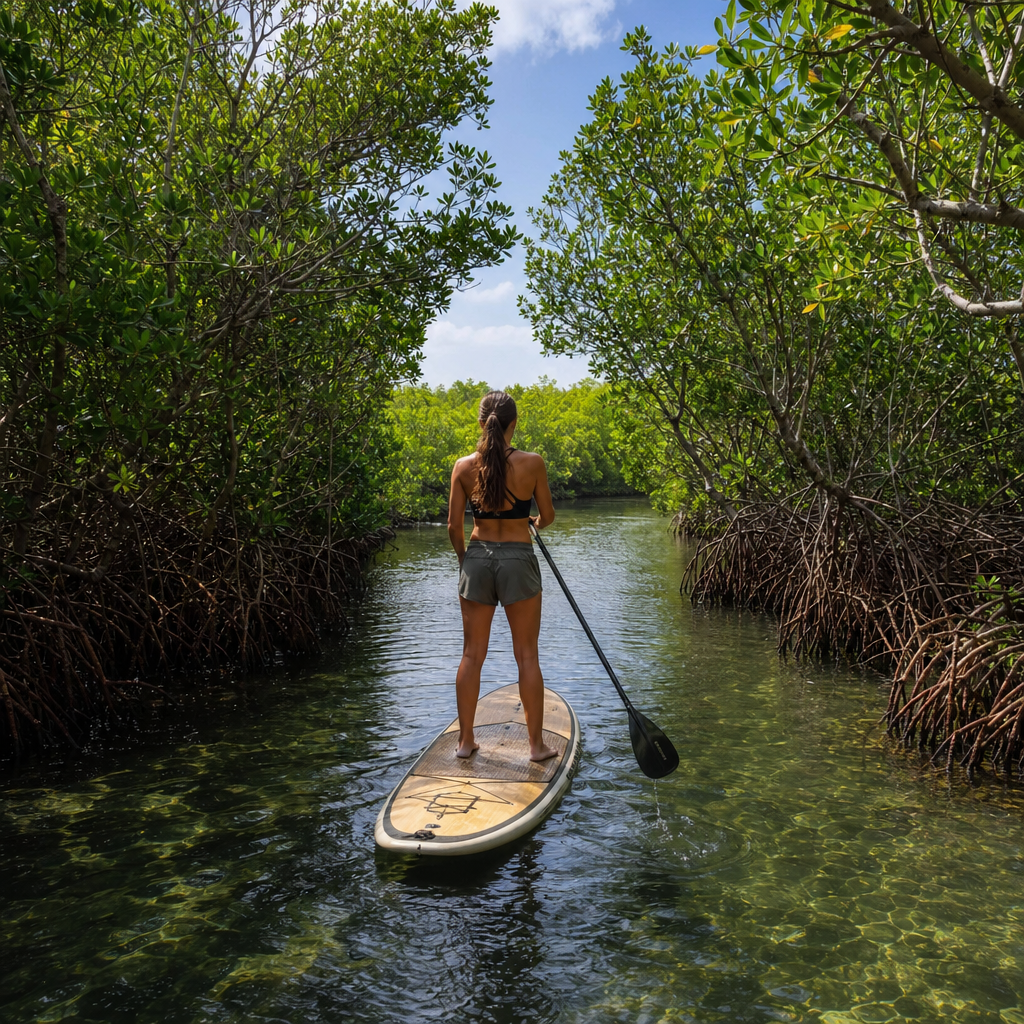
Water-based relaxation deserves special attention. Swimming, floating, and even sitting near the sea can lower stress by combining cooling, buoyancy, repetitive movement, and visual horizon exposure. Floating reduces muscular demand and can create a meditative state, while open-water swimming adds steady breath pacing. Safety still comes first: choose known swimming areas, respect currents, and avoid overexertion in midday heat. Used wisely, Nevis’s marine environment becomes more than scenery; it functions as a practical wellness tool.
| Technique | How it works | Best setting in Nevis | Typical session |
|---|---|---|---|
| Slow breathing | Extends exhalation and calms autonomic arousal | Beachfront, garden, private terrace | 5 to 10 minutes |
| Mindfulness meditation | Trains attention and reduces rumination | Quiet indoor or outdoor shaded space | 10 to 20 minutes |
| Beach walking | Combines light aerobic movement with sensory recovery | Pinney’s Beach or calm coastal paths | 20 to 40 minutes |
| Swimming or floating | Uses buoyancy, cooling, and rhythmic breathing | Calm sea or supervised pool | 15 to 30 minutes |
| Massage therapy | Reduces muscle tension and perceived stress | Spa or in-room treatment | 60 to 90 minutes |
Massage, Bodywork, and Spa-Based Recovery
Massage is often treated as a luxury, but in stress physiology it is a legitimate recovery tool. Skilled bodywork can lower perceived stress, decrease muscle guarding, improve circulation, and reduce the pain-tension cycle that keeps many people in a state of low-grade alarm. On Nevis, spa programs commonly offer Swedish massage for general relaxation, deep tissue for chronic tightness, hot stone treatments for soothing heat transfer, and aromatherapy blends aimed at calming or sleep support. The best choice depends on the nervous system state. If someone is exhausted and overstimulated, aggressive deep tissue may be counterproductive on day one.
Bodywork works best when the therapist adjusts pressure, pacing, and environment to the client rather than following a fixed routine. In my experience, the most effective relaxation sessions start with a short intake: current stress level, sleep quality, pain points, hydration, and sensitivity to scent or pressure. On Nevis, where wellness settings are often intimate, this personalization is easier to deliver. A quiet room, moderate temperature, and unhurried transition time after treatment are not minor details. They are part of the intervention because they prevent the body from bouncing straight back into alert mode.
Thermal therapies can add another layer. Warm baths, hot towels, and steam support muscle relaxation and can complement massage, while cool rinses after heat may improve alertness without recreating stress. Hydration is essential in tropical climates, especially after treatments that increase circulation. People with cardiovascular disease, uncontrolled hypertension, pregnancy considerations, or recent injuries should ask for modifications. Good wellness practice is effective and responsible at the same time.
Sleep Restoration, Nutrition, and Daily Rhythm
No stress relief plan is complete without sleep. Chronic stress and poor sleep reinforce each other, and travel can either worsen or improve that cycle. Nevis is a good place to reset daily rhythm because morning light, evening quiet, and reduced digital overload make regular sleep easier. The most effective strategy is simple: get outdoor light early, move during the day, limit alcohol close to bedtime, keep the bedroom cool and dark, and avoid heavy late dinners. Even two or three nights of consistent sleep can noticeably improve mood regulation and patience.
Nutrition supports relaxation more than many travelers expect. Stable blood sugar helps stabilize energy and irritability, so balanced meals matter. In practical terms, that means combining protein, fiber, and hydration rather than relying on sugary snacks and cocktails. Fresh fruit, vegetables, seafood, legumes, and lighter evening meals often fit well in a tropical setting. Caffeine timing matters too. If stress already causes racing thoughts or nighttime waking, late-afternoon coffee can quietly sabotage recovery. The goal is not rigid restriction; it is creating conditions where the body can stop compensating.
Daily rhythm is the bridge between isolated wellness activities and lasting benefit. A morning walk, a midday hydration break, an afternoon swim, an evening massage, and a consistent bedtime create a pattern the nervous system can trust. Predictability reduces stress. That is one reason even short wellness stays can feel so restorative when each day has a calm, repeatable shape.
How to Build a Realistic Stress Relief Itinerary in Nevis
The best stress relief techniques in Nevis are the ones you can combine without turning relaxation into another demanding schedule. Start by choosing one anchor practice for morning, one for afternoon, and one for evening. For example, begin with ten minutes of breathing and a thirty-minute walk, use midday for a swim or quiet reading in shade, and finish with a massage, gentle stretching, or a screen-light reduction routine before bed. This structure works because it spaces recovery across the day rather than expecting one spa session to fix accumulated stress.
Personalization matters. Burnout, anxiety, grief, pain, and simple overwork do not respond identically. Someone mentally exhausted may benefit most from sensory quiet and sleep support. Someone physically tense may need massage and mobility work. Someone emotionally overloaded may need journaling, counseling support, or more unstructured time in nature. Nevis gives enough variety to match the method to the need, which is exactly what a strong wellness destination should do.
As a hub within health and wellness, this topic connects naturally to spa treatments, yoga and Pilates, hiking guides, sleep-focused stays, nutrition support, digital detox planning, romantic wellness escapes, and restorative travel itineraries. The main takeaway is straightforward: stress relief is not accidental. It is a set of observable, trainable responses shaped by breathing, movement, environment, touch, sleep, and routine. Nevis makes those responses easier to access because the island reduces friction and supports consistency. If you are planning a reset, choose two or three techniques, practice them daily, and let the setting do the rest.
Frequently Asked Questions
What does “relaxation” actually mean from a scientific point of view, and how does Nevis support it?
From a scientific standpoint, relaxation is not just a feeling of comfort or leisure. It is a measurable physiological shift in the body from sympathetic nervous system dominance, often described as the fight-or-flight state, into parasympathetic nervous system activity, sometimes called the rest-and-digest state. When that shift happens, heart rate tends to slow, breathing becomes deeper and more efficient, muscle tension decreases, digestion improves, stress hormone output may decline, and attention often becomes less scattered. In other words, true relaxation is a biological recovery process, not simply the absence of work.
Nevis supports that process in several important ways. The island’s slower pace, natural scenery, warm climate, ocean air, and quieter rhythms reduce the constant sensory load that many people experience in highly urban or overstimulating environments. Exposure to natural settings has been associated with lower perceived stress, improved mood, and reduced mental fatigue. Gentle environmental inputs such as waves, breeze, birdsong, and open green space can help regulate the nervous system by encouraging slower breathing, more present-moment awareness, and fewer stress triggers. In practical terms, Nevis creates conditions that make it easier for the body to exit chronic alert mode and enter a state of recovery.
That is why stress relief techniques in Nevis often feel especially effective. Activities such as mindful walking, beach breathing, restorative movement, massage, and time in quiet outdoor settings do more than feel pleasant. They help create the biological conditions for nervous system regulation. The science matters because chronic stress is cumulative. If the body stays activated for too long, sleep, mood, concentration, immune function, and overall resilience can all suffer. Relaxation in a place like Nevis can therefore be understood as both a wellness experience and a meaningful strategy for restoring physiological balance.
Which stress relief techniques in Nevis are most effective for calming the nervous system?
The most effective techniques are usually the ones that directly influence breath, muscle tension, attention, and sensory input. In Nevis, some of the most valuable stress relief approaches include guided breathing exercises by the sea, slow yoga or stretching, mindful nature walks, therapeutic massage, meditation, and low-intensity movement such as swimming or gentle hiking. These methods work because they help interrupt the stress cycle at multiple levels. Slow breathing can stimulate the vagus nerve and support parasympathetic activity. Stretching and massage can reduce muscular guarding and physical tension. Nature exposure can lower cognitive overload. Mindfulness practices can shift attention away from repetitive worry and toward present sensory experience.
What makes these techniques especially effective in Nevis is the setting. A breathing practice done in a calm indoor room can be helpful, but the same practice done near the ocean, with rhythmic wave sounds and fresh air, may be easier to sustain and more emotionally grounding. Walking meditation on a quiet beach or along a scenic trail combines light physical activity with attentional focus, which can improve mood and reduce stress reactivity. Massage and bodywork can also be particularly useful for people carrying chronic stress in the neck, jaw, shoulders, and lower back, all of which commonly tighten during prolonged sympathetic activation.
For many people, the best results come from combining techniques rather than relying on just one. A simple sequence might include ten minutes of diaphragmatic breathing in the morning, a mindful walk later in the day, and a restorative treatment or quiet sunset reflection in the evening. This layered approach gives the nervous system repeated signals of safety and recovery. The key is consistency and intentionality. Stress relief techniques in Nevis are most effective when they are practiced as deliberate tools for regulation rather than occasional indulgences.
How does being near the ocean, natural landscapes, and open space help reduce stress?
Natural environments can have a profound effect on stress physiology and mental recovery. Research in environmental psychology and health science suggests that exposure to blue spaces, such as the ocean, and green spaces, such as gardens, forests, and hillsides, may reduce perceived stress, support emotional regulation, and improve attention. One reason is that natural settings often place fewer demands on the brain than traffic, screens, noise, and crowded built environments. Instead of forcing constant vigilance and rapid decision-making, they encourage what researchers sometimes describe as softer, more restorative forms of attention.
In Nevis, the ocean and landscape offer a combination of sensory cues that can help settle the nervous system. The steady rhythm of waves can promote a slower breathing pattern. Open horizons may create a sense of spaciousness that counters the feeling of pressure or confinement many people associate with stress. Natural light helps regulate circadian rhythms, which in turn supports better sleep and mood stability. Even the simple act of removing shoes and walking on sand or grass can increase bodily awareness and pull attention away from racing thoughts and back into the present moment.
These effects are not merely poetic. Stress becomes harder to sustain when the body receives repeated cues that the environment is safe, predictable, and non-threatening. That is part of the science behind why restorative settings matter. In Nevis, time spent by the sea, in tropical gardens, or on peaceful walking routes can complement more structured relaxation methods like meditation or massage. The environment itself becomes part of the intervention, helping people downshift from constant stimulation into a steadier, more regulated state.
Can relaxation techniques in Nevis improve sleep, mood, and overall health, or do they only provide short-term relief?
Relaxation techniques can absolutely provide benefits beyond immediate stress reduction. While many people notice quick improvements such as feeling calmer, less tense, or more mentally clear after a single session of breathing, massage, or quiet time in nature, the larger value often comes from repeated practice. When the nervous system experiences regular periods of parasympathetic recovery, the body has more opportunity to repair, regulate, and rebalance. That can support better sleep quality, improved emotional steadiness, lower muscular tension, better digestion, and a stronger sense of resilience during daily challenges.
Sleep is one of the clearest examples. Chronic stress often keeps the body in a state of internal vigilance, making it harder to fall asleep or stay asleep. Techniques that slow breathing, lower heart rate, and reduce physical tension can help prepare the body for rest. Mood can improve as well, partly because relaxation reduces the burden of chronic physiological activation and partly because restorative experiences increase feelings of safety, pleasure, and control. For some individuals, consistent stress management may also support healthier blood pressure patterns, improved concentration, and fewer stress-related physical symptoms such as headaches or jaw tension.
That said, relaxation is not a cure-all, and it should not be framed as a substitute for medical or mental health care when deeper concerns are present. It is best understood as a foundational support for overall well-being. In Nevis, the advantage is that many stress relief techniques can be practiced in conditions that make them easier to maintain and more enjoyable to repeat. Over time, those repeated moments of calm can become a meaningful part of a healthier routine, rather than a temporary escape from stress.
What is the best way to build a practical relaxation routine while visiting or staying in Nevis?
The best routine is one that is simple, realistic, and repeatable. A useful starting point is to build your day around a few anchor practices that regulate breath, body, and attention. For example, begin the morning with five to ten minutes of slow diaphragmatic breathing or guided meditation in a quiet outdoor setting. Add a gentle walk, light stretching session, or beach yoga practice later in the day to reduce muscle tension and reset mental focus. In the evening, consider a calming ritual such as a sunset walk, quiet journaling, or a restorative spa treatment to signal to the body that it is safe to slow down.
It also helps to reduce the habits that keep stress elevated. That may mean limiting constant phone use, checking email less often, scheduling unstructured downtime, and avoiding the temptation to turn every day into a packed itinerary. In a place like Nevis, relaxation is often most effective when there is enough space to actually absorb the environment. Rather than rushing from one activity to another, allow time for sensory recovery: listening to the sea, sitting in the shade, eating slowly, and moving at a less pressured pace. These are not minor details. They help retrain the body away from constant urgency.
If you want a more structured approach, think in terms of daily layers: one breath practice, one movement practice, one quiet nature-based experience, and one evening wind-down habit. That formula is manageable for most people and addresses multiple dimensions of stress physiology. The most important principle is consistency. Even short, intentional sessions done regularly can be more effective than occasional longer sessions. Stress relief techniques in Nevis work best when they are integrated into the rhythm of the day, allowing the nervous system to receive repeated, reliable signals of calm and recovery.