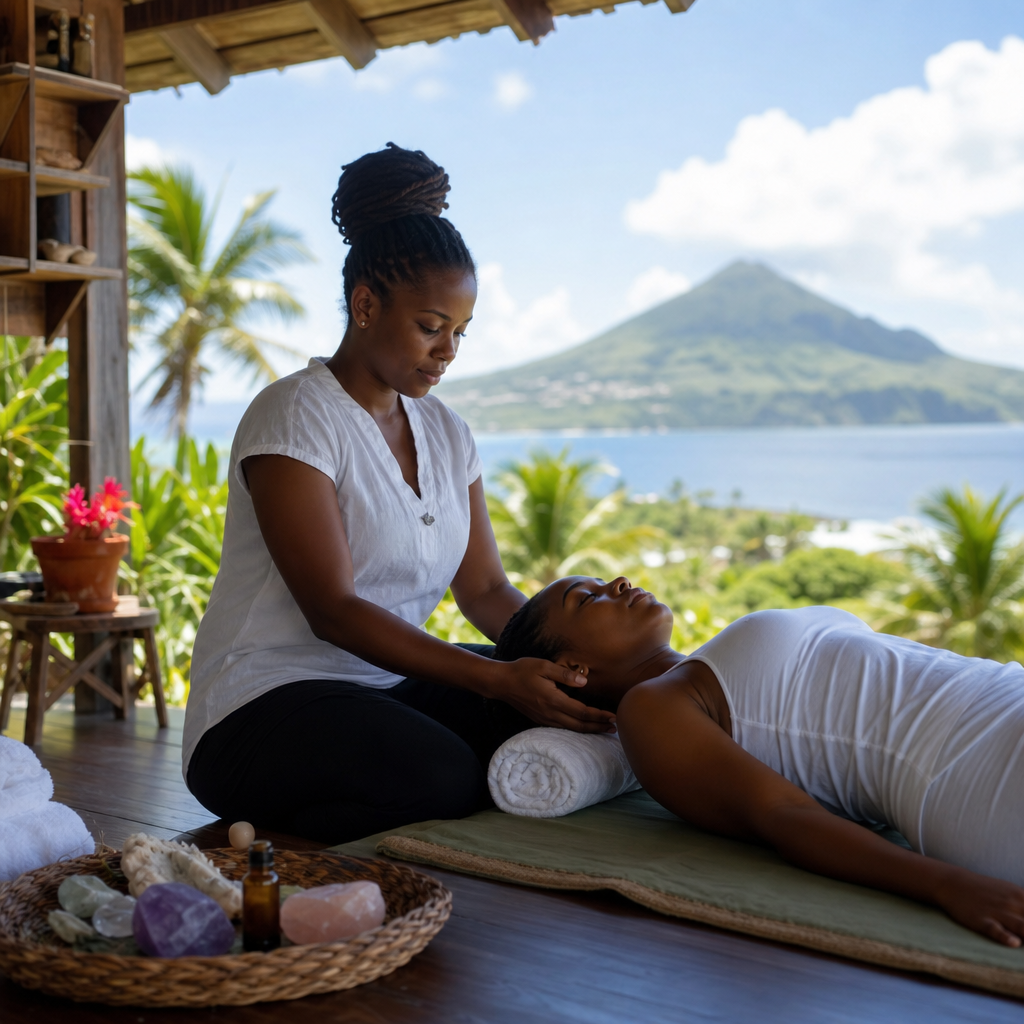
Nevis’ holistic health centers bring together conventional medicine, preventive care, natural therapies, movement practices, and lifestyle coaching in one setting, giving residents and visitors a broader path to wellness than symptom-based treatment alone. In Nevis, the term holistic health usually refers to care that looks at the whole person: physical health, mental well-being, nutrition, sleep, stress, social connection, and the surrounding environment. Health centers may include physicians, nurses, massage therapists, yoga teachers, nutrition advisers, spa practitioners, fitness professionals, and wellness coordinators working in parallel or through referral networks. This matters because chronic stress, hypertension, diabetes risk, sedentary living, and burnout are not solved by one appointment or one modality. I have worked with Caribbean wellness operators and health-focused hospitality teams long enough to see a clear pattern: people improve fastest when services are coordinated, expectations are realistic, and care plans fit daily life. For anyone researching Nevis holistic health centers, this guide explains what they offer, how to evaluate quality, what conditions they commonly support, and how to choose the right center for your goals.
What holistic health centers in Nevis typically offer
Most holistic health centers in Nevis combine several categories of care rather than specializing in a single treatment. The first category is clinical or medically supervised support, which may include general health assessments, blood pressure monitoring, chronic disease guidance, rehabilitation advice, and referrals to local physicians or hospitals when needed. The second category is therapeutic bodywork, such as massage therapy, lymphatic drainage, reflexology, hydrotherapy, or restorative spa treatments designed to reduce pain and stress. The third is movement-based care, including yoga, Pilates, stretching sessions, posture correction, breathwork, and personal training. The fourth is nutrition and lifestyle support, often delivered through meal planning, cooking guidance, weight management programs, sleep coaching, or stress reduction strategies.
In practical terms, a visitor staying near Pinney’s Beach may book a morning mobility class, follow it with a nutrition consultation, and schedule a therapeutic massage later the same day. A local resident managing hypertension may instead use a center for low-impact exercise, accountability around diet, and regular wellness check-ins. The strongest centers make these services feel connected rather than random. They gather a basic health history, ask about medications, discuss goals, and sequence therapies sensibly. For example, someone with chronic back pain may be guided toward assessment, corrective exercise, massage, and recovery education rather than repeated passive treatments alone.
Many centers also draw on Nevis’ natural setting as part of the experience. Outdoor fitness sessions, walking routes, sea-air recovery spaces, gardens, and calm treatment rooms are not superficial extras. In wellness delivery, the environment influences adherence. People are more likely to continue restorative routines when the setting reduces friction and supports calm. That is one reason island wellness programs often achieve stronger short-term engagement than urban clinics, though maintaining results after travel requires follow-through at home.
How Nevis supports wellness through climate, pace, and community
Nevis has several structural advantages for holistic health. The island’s slower pace encourages recovery from overstimulation, its warm climate supports outdoor movement year-round, and its relatively compact geography reduces the commuting burden that often sabotages healthy routines. These advantages matter because behavior change is easiest when the environment lowers resistance. Someone who rarely walks in a crowded city may willingly walk daily in Nevis. Someone who skips stretching at home may attend group sessions consistently when they are integrated into a retreat schedule or neighborhood wellness center.
Community also plays an important role. On a small island, reputation travels quickly, so service consistency matters. Centers that communicate well, respect appointment times, and coordinate responsibly with other providers tend to stand out. I have seen travelers choose a center because a hotel concierge recommended it, but return because the practitioners listened carefully, adapted treatments to limitations, and followed up with practical guidance. That follow-up is where many wellness businesses fail. A good holistic center does not just deliver a pleasant treatment; it explains what to do next, what to monitor, and when to seek more formal medical care.
Nevis’ hospitality sector further strengthens the wellness landscape. Resorts and boutique properties often host or partner with therapists, fitness instructors, and wellness consultants. This creates an ecosystem where preventive health, stress reduction, and restorative experiences are more accessible than they might be elsewhere. The tradeoff is variation. Some facilities are excellent at relaxation but weak at clinical screening or individualized planning. Others are disciplined and evidence-informed but less immersive. Choosing well means understanding your own priorities before booking.
Key services, ideal users, and selection factors
Not every center serves the same purpose, and comparing them systematically saves time and money. The table below outlines common service categories found in Nevis holistic health centers, who benefits most, and what to check before committing to a program or package.
| Service type | Best for | What to verify |
|---|---|---|
| Therapeutic massage and bodywork | Stress, muscle tension, recovery after travel, mild chronic pain | Therapist qualifications, contraindications, treatment goals, session length |
| Yoga, breathwork, and mobility classes | Flexibility, posture, nervous system regulation, beginner movement habits | Class level, modifications, group size, instructor experience |
| Nutrition and lifestyle coaching | Weight management, energy issues, cardiometabolic risk, digestive concerns | Credentials, personalization, realistic meal guidance, follow-up structure |
| Fitness and corrective exercise | Strength, balance, rehabilitation support, healthy aging | Assessment process, safety screening, progression plan, communication with clinicians |
| Integrated wellness retreats | Burnout, reset periods, immersive habit change, structured rest | Daily schedule, medical exclusions, staff mix, post-retreat support |
This comparison highlights an important truth: the best option depends less on trendiness and more on fit. A person with severe fatigue may need medical evaluation before joining intensive classes. A traveler wanting stress relief may be perfectly served by massage, sleep support, and gentle movement. A retiree aiming to maintain independence may benefit most from balance training, strength work, and nutrition guidance delivered over months, not days.
What to look for in quality, safety, and professional standards
Quality in holistic health is not judged by décor, branding, or the number of services on a menu. It is judged by screening, communication, scope of practice, cleanliness, record keeping, and the ability to refer out when a case exceeds in-house expertise. The best centers in Nevis ask direct questions before treatment: Do you have injuries? Are you pregnant? Do you take anticoagulants? Do you have hypertension, diabetes, recent surgery, allergies, or skin conditions? These questions are basic risk management, and any provider offering bodywork, exercise, or hydrotherapy should take them seriously.
Professional boundaries are equally important. A massage therapist should not claim to diagnose complex disease. A yoga instructor should not advise stopping prescribed medication. A wellness coach should not substitute for a physician when red-flag symptoms are present. High-quality centers understand where supportive care ends and medical care begins. They may coordinate with general practitioners, physiotherapists, or specialists, and that coordination is a strength, not a limitation.
Look for recognized training where applicable, along with evidence of continuing education. In bodywork, providers may hold certifications from established schools or associations. In fitness, trainers often use recognized credentials and standardized screening tools such as PAR-Q style readiness questionnaires. In nutrition, qualifications matter because dietary advice can affect blood sugar, blood pressure, and medication response. Hygiene standards, informed consent, secure handling of personal information, and clear cancellation policies are also reliable signs of a professionally run center.
Reviews can help, but read them critically. Consistent praise for listening, punctuality, customization, and results is more meaningful than vague comments about luxury. If several clients mention that staff adapted sessions for injuries or explained home care clearly, that usually signals mature practice. If reviews focus only on ambience, you may be evaluating a spa experience rather than a true holistic health center.
Common goals: stress, pain, mobility, metabolic health, and recovery
People usually seek holistic health centers in Nevis for five reasons. The first is stress reduction. This is not trivial. Chronic stress affects sleep, digestion, mood, blood pressure, and decision-making. Centers address it through massage, breathwork, guided relaxation, meditation, gentle movement, and schedule design that reduces overload. The second is pain and tension, especially neck, shoulder, and lower-back discomfort linked to desk work and travel. Here, bodywork plus mobility training often works better than either one alone.
The third is improved mobility and fitness. Adults in midlife and older age frequently need joint-friendly exercise, strength maintenance, and balance training more than extreme workouts. Thoughtful centers build routines around function: getting up from chairs easily, climbing stairs without discomfort, carrying groceries, or walking longer distances comfortably. The fourth is metabolic health, including weight management, blood sugar control, and cardiovascular risk reduction. These goals require more than detox language. They depend on sustainable nutrition, regular activity, sleep quality, and consistent monitoring.
The fifth is recovery, both physical and emotional. Travelers may arrive exhausted from work and long-haul flights. Athletes may need soft-tissue work and movement recovery. Caregivers and executives often need structured decompression before they can even think clearly about habits. In these cases, Nevis’ wellness setting can be exceptionally effective because rest, treatment, and outdoor activity reinforce one another. Still, no center can compress months of health neglect into a weekend cure. Honest providers make that clear and help clients leave with a practical next step.
How to choose the right center and build a useful plan
Start by defining your main objective in one sentence. Do you want stress relief, pain reduction, better sleep, healthier eating, improved fitness, or a full reset? Then identify any medical considerations that should shape your choices. If you have hypertension, recent surgery, severe pain, pregnancy, uncontrolled diabetes, or a history of cardiac issues, ask in advance whether the center is equipped to adapt services appropriately. This one step prevents most mismatches.
Next, review the staff mix and program structure. A center with one excellent therapist may be ideal for massage but not for integrated care. If your goal is broader, ask whether providers communicate with each other, whether there is an intake process, and whether you will receive a written plan. In my experience, clients get better results when they leave with three or four concrete actions rather than a vague sense of feeling better. Those actions might include a walking target, a simple mobility routine, a meal structure, and a realistic sleep practice.
Price should be evaluated in relation to outcome, not just session count. A coordinated package that includes assessment, two therapies, and follow-up guidance may deliver more value than multiple unstructured treatments. Ask practical questions: How long is each session? Is there time for consultation? Are modifications available for beginners? What should you bring? What results are realistic over your stay? Clear answers signal an organized operation.
Finally, think beyond the appointment. The best Nevis holistic health centers support continuity. They may provide home exercises, dietary suggestions, digital check-ins, or referrals for ongoing care after you leave the island. That continuity is what turns a good wellness experience into measurable progress.
Nevis’ holistic health centers offer a compelling model of care because they combine prevention, restoration, education, and personal attention in an environment that naturally supports healthier routines. For residents, they can provide accessible ways to manage stress, improve mobility, and build sustainable habits. For visitors, they offer more than indulgence; they can serve as a structured reset that clarifies what your body and mind actually need. The key is to choose a center based on fit, safety, and professional standards rather than marketing alone. Look for thorough intake, qualified practitioners, realistic claims, and integrated planning. Understand your goal, communicate your health history, and expect practical guidance you can continue after the final session. When those pieces are in place, holistic health in Nevis becomes far more than a pleasant add-on to island life. It becomes a useful framework for feeling better, functioning better, and making wellness easier to maintain. If you are exploring the Health and Wellness resources on this site, use this hub as your starting point, then compare individual services, specialties, and local providers to build the plan that suits you best.
Frequently Asked Questions
What does “holistic health” mean in the context of Nevis’ health centers?
In Nevis, holistic health generally means care that considers the whole person rather than focusing only on a single symptom or diagnosis. A holistic health center may look at physical health, emotional well-being, nutrition, sleep quality, stress levels, movement habits, social connection, and even environmental factors that may influence wellness. Instead of asking only, “What is the immediate problem?” practitioners often also ask, “What in this person’s daily life, routines, mindset, or surroundings may be contributing to the issue?” This broader perspective can be especially valuable for people dealing with recurring fatigue, digestive concerns, stress-related symptoms, chronic pain, or general health goals that do not fit neatly into a single category.
In practical terms, this approach often brings multiple services together in one setting. A center may combine conventional medical evaluation with preventive care, nutrition guidance, movement-based practices, natural therapies, stress-management support, and lifestyle coaching. The goal is not necessarily to replace standard medicine, but to complement it with strategies that support long-term wellness. For both residents and visitors, this can create a more personalized and comprehensive path to health—one that emphasizes prevention, resilience, and sustainable daily habits, not just treatment after symptoms become severe.
What types of services are commonly offered at holistic health centers in Nevis?
Services can vary by provider, but many holistic health centers in Nevis are designed to offer a mix of conventional and complementary care. Depending on the center, you may find physicians or general medical practitioners, preventive health assessments, wellness consultations, nutritional counseling, stress-reduction programs, massage therapy, movement instruction, yoga, meditation, breathwork, and lifestyle coaching. Some centers also include support for sleep improvement, weight management, pain relief, recovery planning, and healthy aging. The idea is to provide coordinated care that addresses more than one aspect of well-being at a time.
For example, someone visiting for persistent low energy might not only receive a medical review, but also guidance on diet, hydration, sleep habits, physical activity, and stress load. A person recovering from burnout may be encouraged to combine medical follow-up with mindfulness practices, restorative movement, and practical changes to workload or routine. Some centers may also emphasize natural therapies, herbal support, or body-based therapies, although availability depends on local providers and practitioner qualifications. Because service offerings differ, it is wise to ask each center for a clear list of treatments, practitioner backgrounds, and whether services are intended for prevention, supportive care, rehabilitation, or ongoing wellness maintenance.
Are holistic health centers in Nevis meant to replace conventional medical care?
In most cases, no. Holistic health centers are typically best understood as a broader model of care that may include conventional medicine alongside complementary therapies and preventive strategies. Many people benefit most when holistic care works in partnership with standard medical treatment, not in opposition to it. If a center includes licensed medical professionals, they may be able to evaluate symptoms, monitor chronic conditions, recommend testing, and help identify when specialist or hospital-based care is needed. At the same time, the center may support the person with nutrition, movement, stress reduction, and behavioral changes that strengthen overall health.
This distinction is especially important for serious or urgent symptoms. Chest pain, severe shortness of breath, stroke warning signs, major injuries, acute infections, uncontrolled bleeding, or rapidly worsening conditions require immediate conventional medical attention. Holistic care can still play a role afterward, particularly in recovery and long-term prevention, but emergency situations should never be managed casually. The most reputable centers are transparent about their scope of practice and clear about when a patient should seek primary care, specialist evaluation, or emergency services. If you are considering a center in Nevis, look for one that values evidence-informed care, collaboration, and safe referral practices.
How do I choose the right holistic health center in Nevis for my needs?
Start by identifying your main goal. Are you looking for preventive wellness support, help managing stress, recovery from chronic fatigue, guidance with nutrition, support for pain, or a more integrated approach to an existing medical issue? Once you are clear on that, review the center’s services and practitioner credentials carefully. Find out who is on staff, what qualifications they hold, whether they are licensed or certified where applicable, and how they work together. A strong center should be able to explain its philosophy clearly, outline what a first appointment includes, and describe how care plans are created and monitored over time.
It is also worth asking practical questions before booking. How long are consultations? Will you receive a personalized wellness plan? Does the center communicate with your physician if needed? Are recommendations realistic for someone living on the island or visiting temporarily? What follow-up options are available? If you are a visitor, ask whether the center can tailor care to short stays while still giving you strategies you can continue once you return home. You should also pay attention to how the center communicates: trustworthy providers avoid exaggerated promises, explain benefits and limitations honestly, and make room for your questions. The right fit is usually a center that combines professionalism, individualized attention, and a balanced view of both conventional and complementary care.
What can residents and visitors expect during a first visit to a holistic health center in Nevis?
A first visit is often more in-depth than a standard appointment focused on a single complaint. Many holistic practitioners begin by discussing your current symptoms or wellness goals, but they also explore your medical history, daily routines, eating habits, sleep quality, movement patterns, stress levels, and emotional well-being. You may be asked about work demands, travel fatigue, family history, hydration, social support, and environmental influences that affect how you feel. This broader intake helps the practitioner understand patterns that may not be obvious in a brief symptom-only consultation.
After that discussion, the center may recommend a personalized plan that could include medical follow-up, nutrition changes, movement practices, mindfulness tools, body-based therapies, or other supportive strategies depending on your needs. Residents may be offered a longer-term plan focused on sustainable lifestyle improvements and prevention, while visitors may receive targeted support for travel-related stress, recovery, relaxation, or a health reset during their stay. In either case, you should expect the best centers to be clear, collaborative, and practical. They should explain what is being recommended, why it may help, how progress will be evaluated, and when additional medical care may be appropriate. A good first visit leaves you with both a better understanding of your health picture and actionable next steps you can realistically follow.