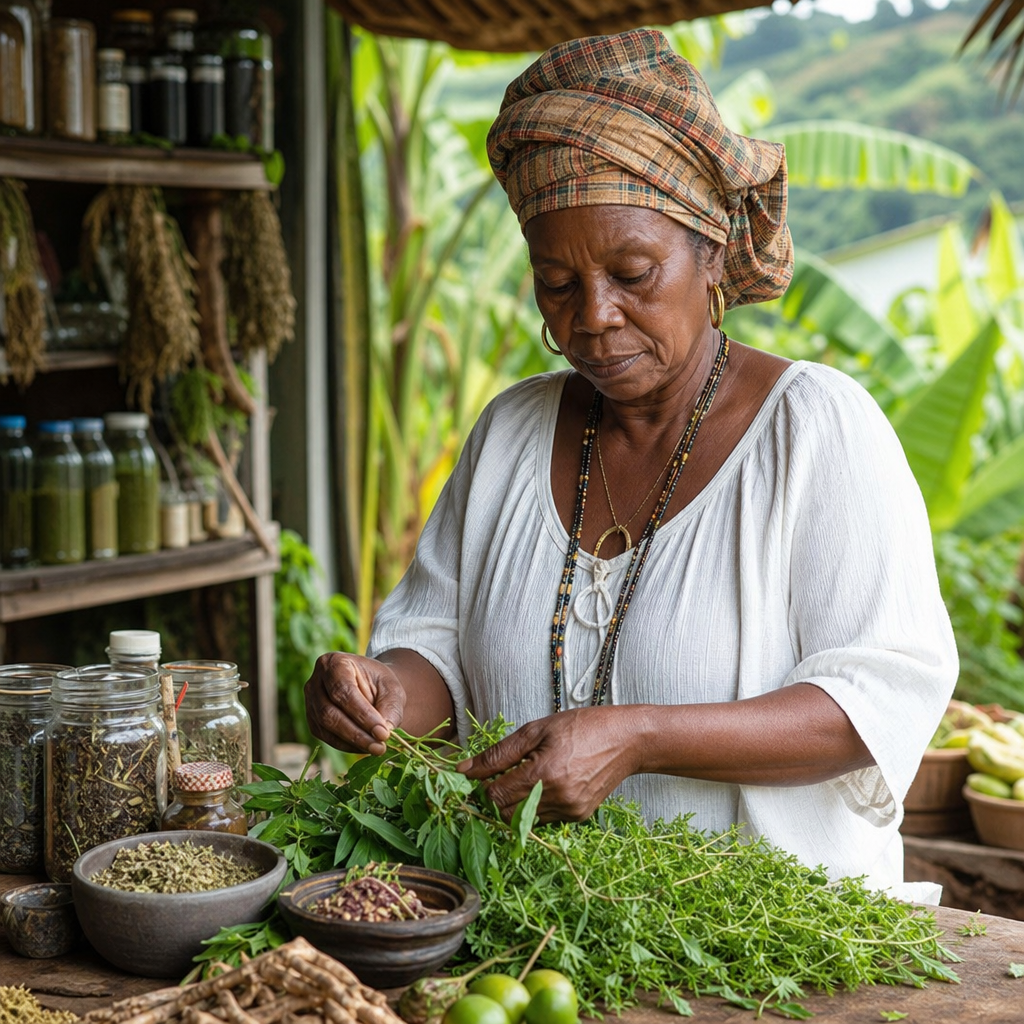
Saint Kitts’ local herbalists preserve one of the island’s most practical forms of cultural knowledge, blending African, Caribbean, and European plant traditions into remedies that still shape everyday health choices. In Saint Kitts, herbalism usually refers to the community-based use of leaves, roots, bark, seeds, oils, and infusions for common concerns such as colds, digestion, skin irritation, fatigue, and postpartum recovery. Local “bush medicine” is the term most residents recognize, and it covers everything from a simple tea made at home to formulas prepared by experienced healers who understand harvesting seasons, preparation methods, and safe dosing. I have spent years documenting Caribbean wellness practices, and Saint Kitts stands out because herbal medicine is not treated as a museum relic. It remains woven into family life, market culture, gardening, elder care, and conversations about prevention.
This matters far beyond folk interest. Herbal knowledge in Saint Kitts sits at the intersection of health access, heritage preservation, tourism, agriculture, and community identity. Many households still use cerasee, lemongrass, noni, ginger, aloe, soursop leaf, and fever grass before reaching for over-the-counter products. At the same time, modern practitioners are adapting to stricter expectations around labeling, sanitation, chronic disease awareness, and interaction risks with prescription drugs. For readers exploring local life and experiences, this subject serves as a useful hub because it connects to food traditions, village economies, home gardening, sustainability, and intergenerational teaching. Understanding how Saint Kitts’ herbalists work offers a grounded view of how island communities balance inherited remedies with contemporary standards of care, and why these practices continue to earn trust.
What Saint Kitts Herbalism Includes and Why It Endures
Local herbalism in Saint Kitts is not one fixed system. It is a living mix of practical observation, oral history, spiritual belief, and trial-tested household routines. The strongest influence comes from African-descended healing traditions that traveled through enslavement and plantation life, where people often depended on medicinal plants when formal treatment was inaccessible or unequal. Over time, these practices absorbed British colonial plant usage, Christian household rituals, and neighboring Caribbean knowledge shared through migration and trade. The result is a flexible tradition centered on what grows locally, what families can afford, and what has repeatedly worked for ordinary conditions.
That endurance is easy to explain. Fresh herbs are available in backyards, roadside plots, and market stalls. Preparing a tea or poultice is cheaper than buying imported wellness products. More importantly, many people trust remedies linked to parents and grandparents because the knowledge comes with context: when to pick a leaf, how long to steep a root, whether a bitter tonic should be taken before food, and which herbs are too strong for children or pregnancy. In community settings, that practical guidance matters as much as the plant itself. It is one reason local herbalists often act as educators as well as remedy makers.
Core Plants, Common Uses, and Preparation Methods
The plants most associated with Saint Kitts herbal practice are familiar across the Eastern Caribbean, but local preparation details vary. Cerasee, one of the best-known bitter vines in the region, is commonly brewed as a cleansing tea and used traditionally for digestion, skin complaints, and general “cooling” of the body. Lemongrass or fever grass is prepared as a calming tea, often taken for colds, mild fever, restlessness, or stomach discomfort. Ginger appears in decoctions for nausea, circulation, and respiratory congestion, while turmeric is increasingly used in tonics aimed at inflammation support. Aloe is applied topically for burns and skin irritation and sometimes taken internally in carefully controlled amounts, though experienced practitioners warn against casual use because the latex can be harsh.
Other frequently mentioned plants include soursop leaf, moringa, guava leaf, thyme, mint, basil, and noni. Guava leaf tea is widely respected across the Caribbean for digestive upset. Thyme steam or infusions are often used for coughs and sinus congestion. Noni preparations are marketed for general wellness, but skilled herbalists tend to discuss them cautiously, noting the need for moderation and the lack of one-size-fits-all dosing. Preparation methods matter because they affect potency. An infusion, such as a leaf tea steeped in hot water, is gentler than a decoction made by simmering bark, root, or tougher material. Poultices, tinctures, infused oils, syrups, and baths are also common, especially for skin care, muscle aches, and postpartum routines.
| Herb or Plant | Typical Local Use | Common Preparation | Important Caution |
|---|---|---|---|
| Cerasee | Digestive support, skin-related complaints, bitter cleansing tea | Light infusion of vine and leaves | Very bitter; avoid excessive use and use caution in pregnancy |
| Lemongrass | Colds, mild fever, relaxation, stomach comfort | Tea or steam | Usually mild, but concentrated use is unnecessary for children |
| Ginger | Nausea, cold relief, warming tonic | Decoction, syrup, or tea | May interact with anticoagulant therapy in higher amounts |
| Aloe | Burns, minor skin irritation | Fresh topical gel | Internal use can irritate the gut if prepared poorly |
| Guava leaf | Digestive upset | Tea | Not a substitute for treatment of severe dehydration or infection |
How Local Herbalists Learn, Practice, and Build Trust
In Saint Kitts, herbalists rarely emerge from a single formal pathway. Most begin with family teaching: a grandmother identifying useful leaves in the yard, an uncle preparing cough syrup after rain, or an elder explaining which plants should be harvested at dawn rather than in midday heat. That early training is then refined through observation, repetition, and community feedback. Practitioners learn which batches are effective, which combinations are too strong, and which symptoms signal that a person needs a clinic rather than a tea. This experience-based screening is one of the clearest signs of responsible practice.
Modern herbalists who sell products publicly are also shaped by newer expectations. They think about shelf stability, bottle sterilization, ingredient consistency, and customer disclosure. Some attend regional workshops on medicinal plants, food safety, small-business development, or natural product formulation. Others consult references from the Caribbean Public Health Agency, the World Health Organization’s traditional medicine guidance, or pharmacognosy texts to verify plant identity and contraindications. In practical terms, trust grows when a herbalist can do three things well: identify the plant correctly, explain exactly how the preparation should be used, and state clearly when the remedy is inappropriate.
Where Ancient Remedies Meet Modern Health Practice
The most credible herbal work in Saint Kitts today does not present traditional medicine and biomedical care as enemies. It places them in dialogue. A herbal tea for mild indigestion, stress, or a seasonal cold can be sensible self-care. A persistent fever, chest pain, uncontrolled blood sugar, or signs of stroke require immediate medical evaluation. Skilled local herbalists understand that boundary and protect it. In my fieldwork across Caribbean communities, the practitioners with the strongest reputations are usually the first to say, “This is for support, not for emergencies.”
Modern practice also means thinking carefully about drug-herb interactions and chronic disease. Someone taking warfarin, insulin, blood pressure medication, or chemotherapy should not assume that natural means harmless. Saint Kitts, like many Caribbean societies, faces high rates of hypertension and diabetes, so this issue is not theoretical. Even common ingredients can matter. Ginger, garlic, and concentrated botanical extracts may affect bleeding risk or glucose response. Good herbalists now ask what medications a client uses, whether the person is pregnant, whether the issue has been diagnosed, and how long symptoms have lasted. That questioning represents progress, not a break from tradition.
Markets, Gardens, Tourism, and the Everyday Economy
Herbalism also supports local livelihoods. Market vendors sell fresh bunches of fever grass, mint, basil, and medicinal leaves alongside produce. Backyard growers supply small-batch makers who turn herbs into teas, oils, soaps, salves, and bitters. For some families, this is supplemental income; for others, it is a serious microenterprise tied to cultural branding. Visitors interested in wellness tourism increasingly seek herb walks, garden tours, and remedy-making demonstrations because they want experiences rooted in place rather than generic spa packages. That creates opportunity when managed respectfully.
Community gardens and home plots are especially important because they keep medicinal knowledge visible. When children can identify aloe, turmeric, mint, and lemongrass in their own yard, herbalism remains part of ordinary life rather than a specialty product for tourists. This everyday access also supports resilience during supply disruptions, storms, or periods of rising imported costs. On islands, local resource knowledge has practical value. A household that can grow teas for digestion, congestion, and mild stress has a modest but real form of health independence, especially when paired with sound medical judgment.
Safety, Limits, and the Future of Bush Medicine in Saint Kitts
No serious discussion of Saint Kitts herbalists is complete without clear limits. Plant identification errors can be dangerous. Dosing is often imprecise when people say “a handful” or “a few leaves,” and strength varies by soil, rainfall, maturity, and preparation time. Herbal remedies cannot replace antibiotics for bacterial infection, insulin for type 1 diabetes, or emergency care for severe asthma. They can, however, complement preventive routines, symptom relief, and recovery support when used appropriately. That balanced view is essential if the tradition is to remain credible.
The future likely depends on documentation and standards without stripping away local character. Naming plants correctly, recording preparation methods, preserving elder interviews, and promoting hygienic packaging can strengthen the field. So can partnerships among herbalists, farmers, historians, and health professionals. Saint Kitts has an opportunity to protect bush medicine as both intangible heritage and practical knowledge system. If you want to understand local life and experiences on the island, start with the people who know what grows in the yard, what heals in the kitchen, and what wisdom still passes from one cup of tea to the next. Explore related stories across this miscellaneous hub and use them to see Saint Kitts more clearly.
Frequently Asked Questions
What is “bush medicine” in Saint Kitts, and why does it remain important today?
In Saint Kitts, “bush medicine” is the everyday term most people use for traditional herbal healing. It refers to the practical use of local plants and plant-based preparations such as teas, tonics, poultices, baths, oils, and steam infusions to support common health needs. These remedies are rooted in generations of shared knowledge, shaped by African healing traditions, Caribbean plant experience, and European household medicine. Rather than existing as a distant historical practice, bush medicine continues to be part of modern life because it is familiar, accessible, and closely tied to community memory.
Its importance also comes from how it fits into daily routines. Many families still turn to herbal teas for colds, digestive discomfort, mild fatigue, skin irritation, and postpartum care, often alongside modern medical treatment rather than in opposition to it. Local herbalists are valued not only for the remedies they prepare, but for knowing when a plant is appropriate, how it should be prepared, and when a person should seek clinical care instead. In that way, bush medicine remains relevant because it connects cultural identity, practical self-care, and intergenerational knowledge in a way that formal medicine alone does not always provide.
Which kinds of remedies do Saint Kitts’ herbalists commonly prepare for everyday health concerns?
Saint Kitts’ herbalists typically work with a wide range of plant materials, including leaves, bark, roots, seeds, flowers, and oils, depending on the complaint being addressed. For respiratory issues such as colds, congestion, or a lingering cough, they may prepare warming herbal teas, steam remedies, or soothing syrups designed to ease the throat and encourage rest. For digestive complaints, herbal infusions and bitters are often used to settle the stomach, reduce bloating, or stimulate appetite. Skin discomfort, including rashes, insect bites, and minor irritation, may be treated with washes, baths, or topical applications made from fresh or dried plant ingredients.
Herbalists are also often consulted for support during periods of physical strain or transition. Fatigue, stress, and weakness may be addressed through restorative tonics, while postpartum recovery can involve carefully selected teas, baths, and nourishing preparations intended to help the body recover after childbirth. What makes these practices especially distinctive is that they are usually personalized. A local herbalist may consider age, symptoms, heat sensitivity, strength of the body, and even the timing of the illness before recommending a remedy. This individualized approach is one reason bush medicine remains respected across generations on the island.
How do local herbalists balance ancient traditions with modern health practices?
Many of Saint Kitts’ herbalists operate at the meeting point of tradition and modern awareness. The foundation of their work often comes from oral teaching passed down through parents, grandparents, midwives, farmers, and other respected community members. This older knowledge includes identifying plants, understanding seasonal availability, preparing safe doses, and recognizing which remedies are meant for external use versus internal use. At the same time, modern practitioners are increasingly aware of public health guidance, sanitation, preparation standards, and the need to avoid harmful interactions with prescription medications.
In practice, this means herbalism in Saint Kitts is often complementary rather than purely alternative. A person may drink a traditional herbal tea for a cold while also using pharmacy-bought medicine, or use a soothing botanical wash for skin irritation while consulting a doctor if symptoms worsen. Responsible herbalists understand that some conditions require laboratory testing, antibiotics, emergency care, or long-term medical monitoring. The most trusted practitioners tend to be those who preserve traditional remedies while also respecting the limits of herbal care. This balance allows ancient knowledge to remain alive without ignoring the realities of modern healthcare.
Is herbal medicine in Saint Kitts mainly cultural, or is it still used in real everyday life?
It is very much a living practice. While bush medicine is certainly a strong part of Saint Kitts’ cultural heritage, it is not limited to festivals, storytelling, or nostalgia. Many residents still recognize specific plants, know how to prepare simple teas or baths, and have personal memories of herbal remedies being used in childhood and adulthood. In both rural and urban settings, bush medicine continues to influence how people respond to common ailments before those concerns become severe. That practical continuity is what distinguishes herbalism in Saint Kitts from traditions that survive only in museums or archives.
Its everyday role also reflects trust built over time. Local herbalists are often seen as people with tested knowledge rather than merely symbolic cultural figures. Community members may seek them out for guidance on mild illness, recovery, wellness maintenance, or plant identification. Even among people who fully embrace modern medicine, there is often respect for herbal care as a first line of household support or as a complement to conventional treatment. In this sense, herbal medicine in Saint Kitts is both cultural and functional: it preserves identity while continuing to shape how people think about health, healing, and resilience.
What should visitors or newcomers understand before trying traditional herbal remedies in Saint Kitts?
Visitors and newcomers should approach Saint Kitts’ herbal traditions with curiosity, respect, and caution. Bush medicine is based on local knowledge systems that depend on correct plant identification, proper preparation, and an understanding of who should or should not use certain remedies. A tea or tonic that is commonly recommended by a family elder or herbalist may not be suitable for everyone, especially people who are pregnant, breastfeeding, managing chronic illnesses, or taking prescription drugs. Natural remedies can still be potent, and “traditional” does not automatically mean “risk-free.”
It is also important to understand that the value of these remedies is deeply connected to context. A local herbalist may know not just the plant itself, but where it was grown, which part should be used, how strong the preparation should be, and whether the issue being treated is mild enough for home care. Anyone interested in trying herbal remedies in Saint Kitts should seek guidance from knowledgeable local sources and consult a qualified medical professional for persistent, severe, or unclear symptoms. The best way to engage with the island’s herbal culture is to appreciate it as a sophisticated tradition of community health knowledge, not as a casual wellness trend.