Saint Kitts’ summer food festivals turn the island’s warmest months into a season of smoke, spice, music, and community, giving visitors and residents a vivid taste of local life. In Saint Kitts, food festivals are more than pop-up events where vendors sell plates; they are public gatherings that preserve heritage, support small businesses, and showcase the agricultural rhythms of the island. Summer usually means ripe tropical fruit, active fishing grounds, school holidays, cruise shoulder season, and a calendar of community celebrations that blend cooking with storytelling, dance, and village pride. When people search for Saint Kitts summer food festivals, they are usually asking three practical questions at once: what can I eat, where should I go, and why do these festivals matter? The answer begins with understanding that Kittitian food culture is shaped by West African traditions, British colonial history, Caribbean trade routes, and the island’s own farmland and sea. Goat water, grilled lobster, saltfish, roast breadfruit, johnny cakes, tamarind balls, black pudding, mango chow, cassava pone, and fresh cane juice all appear in some form during festival season. Having worked on Caribbean destination content and spent time speaking with vendors and tourism teams, I have seen that the best festival guides do not reduce these events to “street food markets.” They function as local hubs, connecting beach culture, village economies, and family recipes that are rarely written down. For travelers planning a trip and for residents exploring their own island more intentionally, this hub explains what Saint Kitts’ summer food festivals offer, how to navigate them, and which related local experiences deepen the visit.
What Makes Saint Kitts’ Summer Food Festivals Distinct
Saint Kitts stands out because its food festivals are usually woven into broader cultural programming rather than isolated culinary events. A beach lime may include grilled snapper, conch fritters, local rum, and live soca on the same evening. A village celebration can feature cook-up competitions, produce stalls, drumming, and children’s games. This matters because the food tastes better when understood in context. Goat water, the island’s famous savory stew of goat meat, bread, spices, and slow-cooked broth, is not just a menu item; it is a communal dish associated with gatherings and skilled preparation. Roasted corn sold roadside in summer connects directly to local farming cycles. Fresh mango varieties, often debated passionately by residents, become seasonal markers of place just as clearly as any monument.
Another defining feature is scale. Saint Kitts is not trying to imitate oversized international food expos. Most summer events feel personal, walkable, and conversation-friendly. You can often speak directly with the person who seasoned the chicken, fried the plantains, or baked the coconut tart. That closeness gives these festivals an educational value many destinations lack. Visitors learn why breadfruit is roasted over coals instead of baked, why pepper sauces vary sharply from one parish to another, or why a fish vendor prefers mahi-mahi in one month and wahoo in another. The island’s compact geography also helps. In a single trip, you can combine a festival stop with Basseterre sightseeing, a beach afternoon on the Southeast Peninsula, or a heritage visit near former sugar estates.
Signature Foods and Drinks to Look For
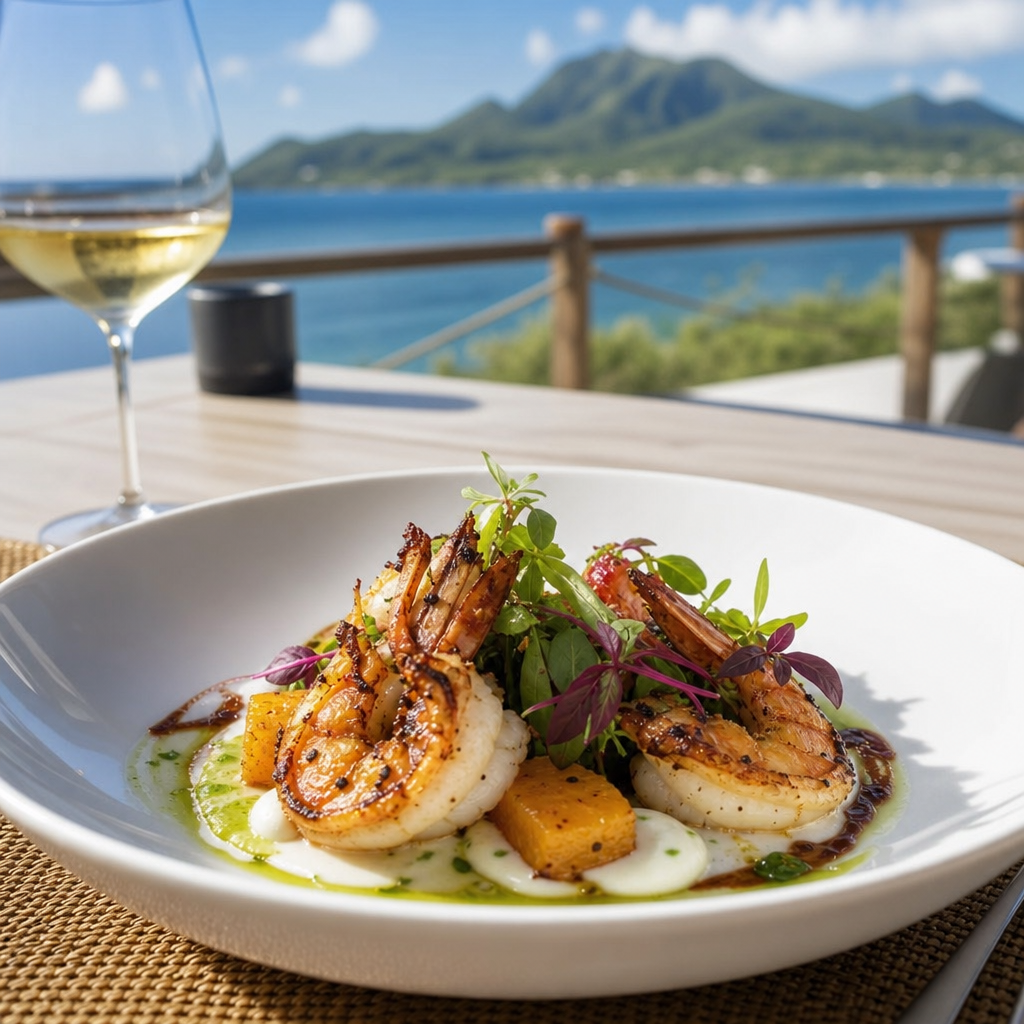
If you want the essential festival plate in Saint Kitts, start with dishes rooted in everyday island cooking rather than imported trends. Goat water is the national reference point and should be tasted whenever available from a trusted vendor. Expect a dark, aromatic broth with clove, thyme, pepper, and tender goat, often served with bread. Saltfish with coconut dumplings, stewed chicken, seasoned rice, and macaroni pie appear widely because they feed crowds well and represent home-style comfort. Seafood is especially important in summer. Grilled lobster, fish cooked over open flame, shrimp skewers, and fried whole snapper are common at seaside events. Festival food in Saint Kitts is often direct and ingredient-led, with charcoal, citrus, herbs, and Scotch bonnet doing much of the work.
Snacks and sweets deserve equal attention. Vendors may offer tamarind stew, guava cheese, sugar cakes, coconut drops, peanut cakes, and cassava-based treats that preserve older Caribbean methods of using root crops and cane sugar. Summer fruit also becomes part of the attraction. Mangoes, soursop, pineapple, and passion fruit appear in juices, frozen treats, sauces, and desserts. Local drinks range from mauby and ginger beer to sorrel syrups repurposed outside the Christmas season and a variety of rum punches. Ask how sweet a drink is before ordering; island beverages often balance intense fruit flavor with generous sugar. At stronger bars, local rums may be poured more heavily than visitors expect, so pacing matters if you plan to eat from multiple stalls.
Where Festival Culture Shows Up Across the Island
Summer food festivals in Saint Kitts do not belong to one venue. Basseterre often serves as the easiest starting point because it concentrates transport, public events, and vendor visibility. Independence Square surroundings, waterfront areas, and event spaces used for seasonal programming can host food-centered gatherings, especially when linked to music or holiday weekends. Frigate Bay and the Southeast Peninsula bring a different energy. There, food culture leans toward beach grills, seafood nights, and social events where locals and tourists mingle until late. The famous “Strip” format works well for sampling because you can compare cooking styles across several operators in one evening.
Rural communities add another layer that many visitors miss. Village festivals, church fairs, and community fundraisers often deliver the most authentic cooking because they are built around family recipes and neighborhood support. These events may not always appear in large international listings, which is why asking hotel staff, taxi drivers, and local tourism offices pays off. Some of the best summer eating on the island happens at modest gatherings where a school, sports club, or parish group organizes food sales. In those settings, the menu reflects who lives there: more ground provisions in one area, stronger seafood emphasis in another, or a beloved dessert that regular guidebooks ignore.
How to Plan Your Visit Around Summer Food Events
The practical way to experience Saint Kitts’ summer food festivals is to treat them as moving targets within a reliable seasonal pattern. Exact calendars can change year to year due to weather, community schedules, and event funding, so travelers should verify dates through the Saint Kitts Tourism Authority, hotel concierges, social media pages for venues, and local radio announcements. I recommend building a flexible itinerary with two anchors: one confirmed public event and one open evening reserved for whatever locals suggest after you arrive. This approach consistently works better than relying on outdated travel blogs.
Timing affects both food quality and crowd comfort. Arrive early if you want the broadest selection and shorter lines, especially for seafood or limited-batch dishes like goat water. Bring cash in small denominations because not every vendor accepts cards, and connectivity can be uneven for mobile payments. Wear light clothing, but do not assume every event is beach casual; some evening gatherings blend dining with nightlife. If you are driving, confirm parking before dark, particularly near popular beach zones. If you are using taxis, agree on the return arrangement in advance. On islands, transportation after events can become the biggest frustration, not the festival itself.
| Festival Planning Need | Best Local Practice | Why It Helps |
|---|---|---|
| Finding current events | Check tourism channels, venue social pages, and ask locals after arrival | Community events change often and local sources update fastest |
| Choosing arrival time | Go 30 to 60 minutes before peak dinner hours | Popular dishes sell out and lines grow quickly |
| Paying vendors | Carry Eastern Caribbean dollars and small bills | Speeds transactions and avoids card issues |
| Trying multiple foods | Share plates with companions | You taste more specialties without overeating early |
| Getting around | Arrange taxi pickup beforehand or confirm designated parking | Late-night transport is less predictable |
Why These Festivals Matter to Local Economy and Heritage
Food festivals in Saint Kitts create value far beyond ticket sales or vendor revenue on a single evening. They provide market access for cooks without permanent restaurant space, give fishers and farmers a direct retail channel, and keep money circulating within communities. A vendor selling grilled fish plates at a summer event may source fish from a local boat, breadfruit from inland growers, herbs from a backyard garden, and labor from family members. That chain matters in a small-island economy where import dependence is high and tourism dollars can leak out quickly when products are sourced externally.
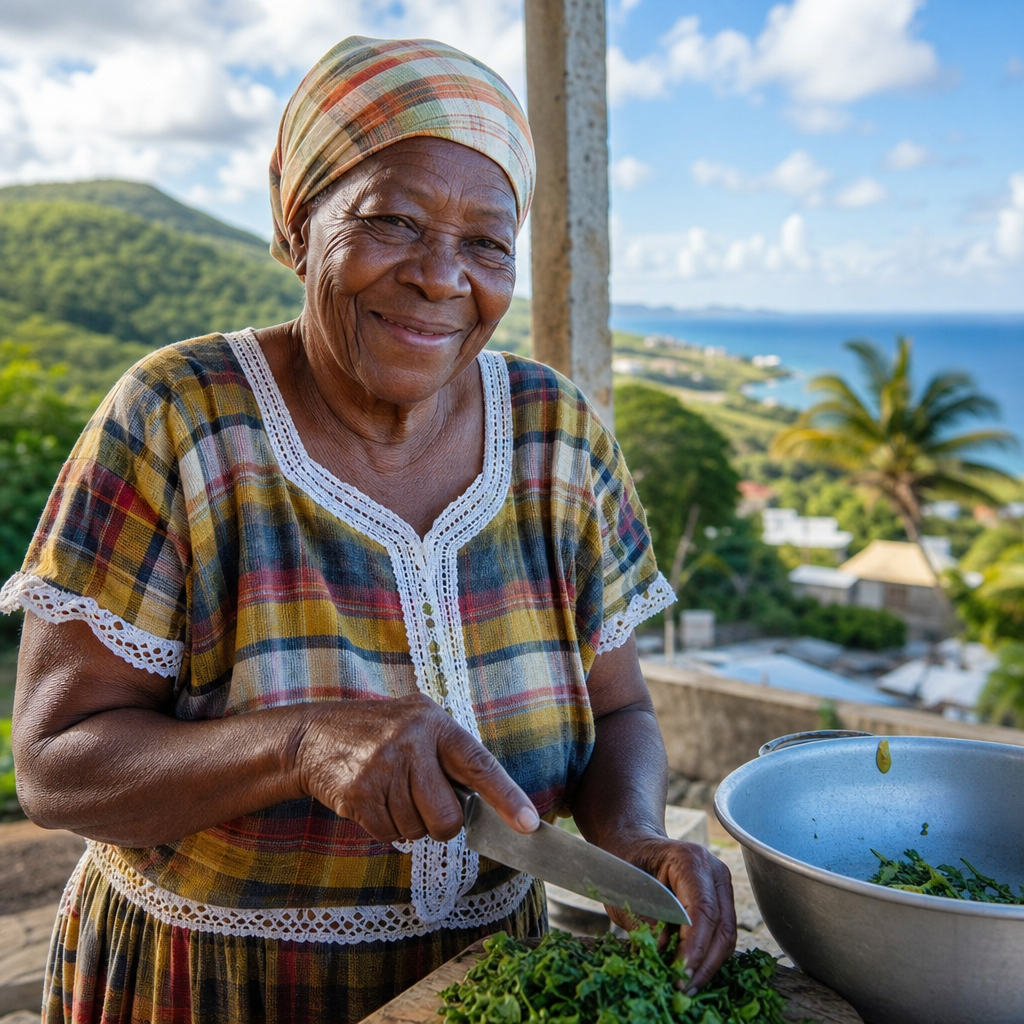
They also protect culinary memory. Caribbean islands often lose food knowledge quietly, one generation at a time, when convenience products replace labor-intensive dishes. Festivals slow that loss by rewarding traditional techniques with public attention and income. Younger cooks learn seasoning ratios, fire control, or pastry methods by participating rather than reading recipes. Visitors contribute too when they choose local dishes over generic options. In my experience, the strongest food destinations are not the ones with the most polished marketing; they are the ones where local people still cook for local people at public events. Saint Kitts retains that strength, and summer festivals make it visible.
Related Local Experiences That Expand the Food Story
As a sub-pillar hub within local life and experiences, this topic connects naturally to several other Saint Kitts activities. Market visits belong at the top of the list. Basseterre’s public market area helps explain festival ingredients by showing the produce, spices, and ground provisions behind the dishes. Heritage and plantation tours add historical context, especially around sugar, rum, and land use. A beach day on the Southeast Peninsula pairs easily with evening seafood events. Catamaran trips and fishing excursions reveal why fresh catch remains central to summer menus. Cooking classes, when available, are useful for travelers who want to move from tasting to understanding technique.
Travelers interested in local life should also look beyond food itself. Music nights, village fêtes, cricket gatherings, artisan stalls, and seasonal cultural celebrations often overlap with culinary events. That overlap is the point. In Saint Kitts, food is one doorway into community, not a standalone attraction. If you are building a deeper island itinerary, use summer food festivals as connectors to neighborhood exploration, conversation with residents, and appreciation of place-based traditions. Start with one plate, ask one question, and follow the recommendations that come back. That is usually how the most memorable experiences on Saint Kitts begin.
Saint Kitts’ summer food festivals offer a practical and enjoyable way to understand the island through taste, place, and people. They answer the traveler’s most important questions clearly: what to eat, where to go, and why it matters. The food ranges from goat water and grilled seafood to tropical sweets and local drinks, but the larger value lies in the setting. These festivals bring together beach culture, village identity, family recipes, and small-business energy in a format that feels accessible rather than staged. Because events vary by season and community, planning with flexibility is essential. Check local sources, arrive early, carry cash, and stay open to recommendations that do not appear in major guides.
Most importantly, treat these festivals as part of a wider local-life itinerary. Pair them with markets, heritage sites, coastal outings, and community events to get a fuller picture of Saint Kitts. The island’s food culture is strongest when experienced in motion, from farm and sea to grill and plate. If you are exploring local life and experiences in Saint Kitts, use this hub as your starting point, then follow the subtopics that branch from it. Choose one summer event, taste something traditional, and let the island introduce itself through its cooking.
Frequently Asked Questions
What makes Saint Kitts’ summer food festivals different from ordinary food events?
Saint Kitts’ summer food festivals stand out because they are deeply tied to the island’s culture, seasons, and community life rather than being simple vendor markets. These gatherings bring together home cooks, small food businesses, farmers, fishers, grill masters, fruit sellers, musicians, and families in one lively setting, creating an experience that reflects how food is woven into everyday life on the island. During the summer months, local ingredients are especially abundant, so festival menus often highlight ripe tropical fruits, fresh seafood, roasted meats, ground provisions, and traditional drinks made with regional spices and herbs. The atmosphere is also part of what makes them special. Guests are not just eating; they are listening to music, meeting local people, learning about preparation methods, and seeing how food traditions are passed from one generation to the next. In that sense, these festivals serve as cultural showcases, economic opportunities for small vendors, and public celebrations of Kittitian identity all at once.
What kinds of foods and drinks can visitors expect to find at summer food festivals in Saint Kitts?
Visitors can expect a broad and flavorful mix of dishes that reflect both traditional Kittitian cooking and the creativity of local vendors. Grilled and smoked meats are often central to the experience, including barbecue chicken, pork, and other slow-cooked specialties seasoned with bold island spices. Fresh seafood is another major draw, with fish, lobster when in season, conch, and other coastal favorites appearing in festival menus depending on local supply and fishing conditions. You may also find staples such as rice and peas, cook-up style dishes, fried plantains, breadfruit, sweet potato, cassava, and other ground provisions that are important to Caribbean food culture. Summer fruit plays a big role as well, so expect mango, tamarind, pineapple, coconut, guava, soursop, and passion fruit to appear in juices, desserts, sauces, and frozen treats. Drinks can range from fresh fruit beverages and local herbal refreshments to rum-based specialties served in a festive setting. Altogether, the food selection usually offers a strong sense of seasonality, place, and local culinary pride.
Why are these festivals important to local communities and small businesses?
These festivals matter because they create direct benefits for the people who help shape Saint Kitts’ food culture. For small businesses, roadside cooks, caterers, bakers, farmers, and fishers, festival days can provide valuable income, customer exposure, and opportunities to build a loyal following. A vendor who serves one memorable dish at a summer event may gain repeat customers long after the festival ends. For communities, the value is even broader. Food festivals give residents a shared public space where traditions are celebrated in an enjoyable and accessible way. Recipes that might otherwise remain inside family kitchens are introduced to younger generations and visitors, helping preserve culinary heritage. They also support local agriculture by creating demand for seasonal produce and island-grown ingredients during peak harvest periods. In addition, the social impact is significant. These events often happen during school holidays and the slower shoulder season around tourism, which means they help keep neighborhoods active, create a festive local economy, and reinforce the idea that culture is something to be lived and shared, not just displayed.
When is the best time to experience Saint Kitts’ summer food festival scene?
The best time is generally during the island’s summer months, when warm weather, seasonal produce, and a busy calendar of community activity come together. This period often brings an abundance of tropical fruit, strong fishing activity, and a relaxed social atmosphere shaped by school holidays and outdoor gatherings. Because summer falls within a shoulder season for some visitors, it can also be an especially appealing time to experience the island in a more community-centered way. Rather than focusing only on major tourist attractions, travelers can connect with local life through open-air food events, cultural celebrations, and neighborhood festivities. That said, exact dates and festival formats can vary from year to year, so it is wise to check local event calendars, tourism updates, and community announcements before planning around a specific festival. If flexibility is possible, allowing a few days in your itinerary for spontaneous events is a smart approach, since some of the best food experiences can come from smaller gatherings, weekend cookouts, and locally promoted celebrations that capture the season’s true spirit.
How should visitors prepare for a Saint Kitts summer food festival to get the most out of the experience?
The best approach is to arrive ready for both the climate and the social style of the event. Summer in Saint Kitts can be hot and humid, so lightweight clothing, comfortable shoes, sun protection, and hydration are essential. It is also helpful to bring cash, since smaller vendors may not always accept cards or digital payments. From a food perspective, come hungry but pace yourself. The variety can be impressive, and sharing dishes with friends or family is often the best way to sample more of what is available. Visitors should also be open to asking questions. Vendors are often proud of their ingredients, cooking methods, and family traditions, and a friendly conversation can turn a simple meal into a memorable cultural exchange. Listening to local recommendations is especially valuable if you want to try signature items or understand which foods are most seasonal. Finally, treat the festival as more than a place to eat quickly and leave. Stay for the music, observe how families and neighbors interact, and take time to appreciate how food, agriculture, and celebration come together. That fuller experience is what makes Saint Kitts’ summer food festivals such a meaningful local treat.