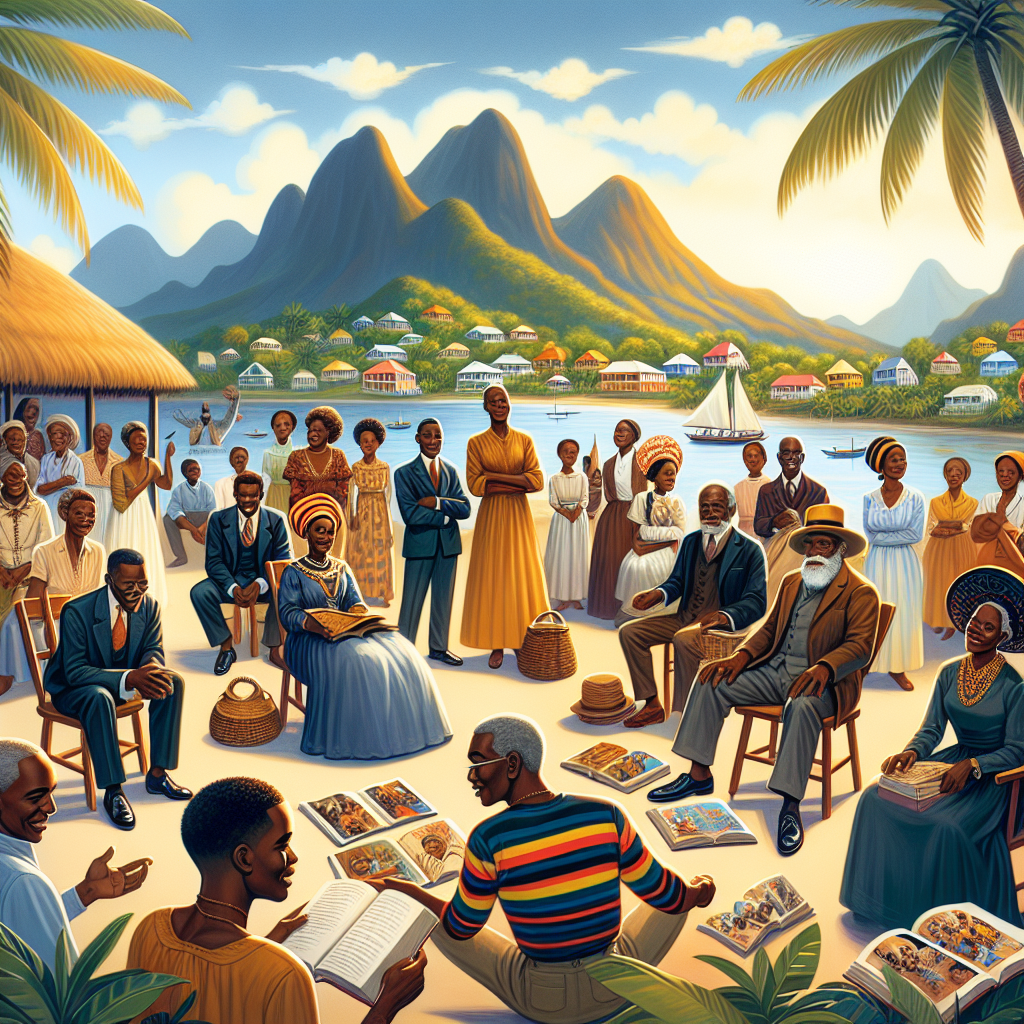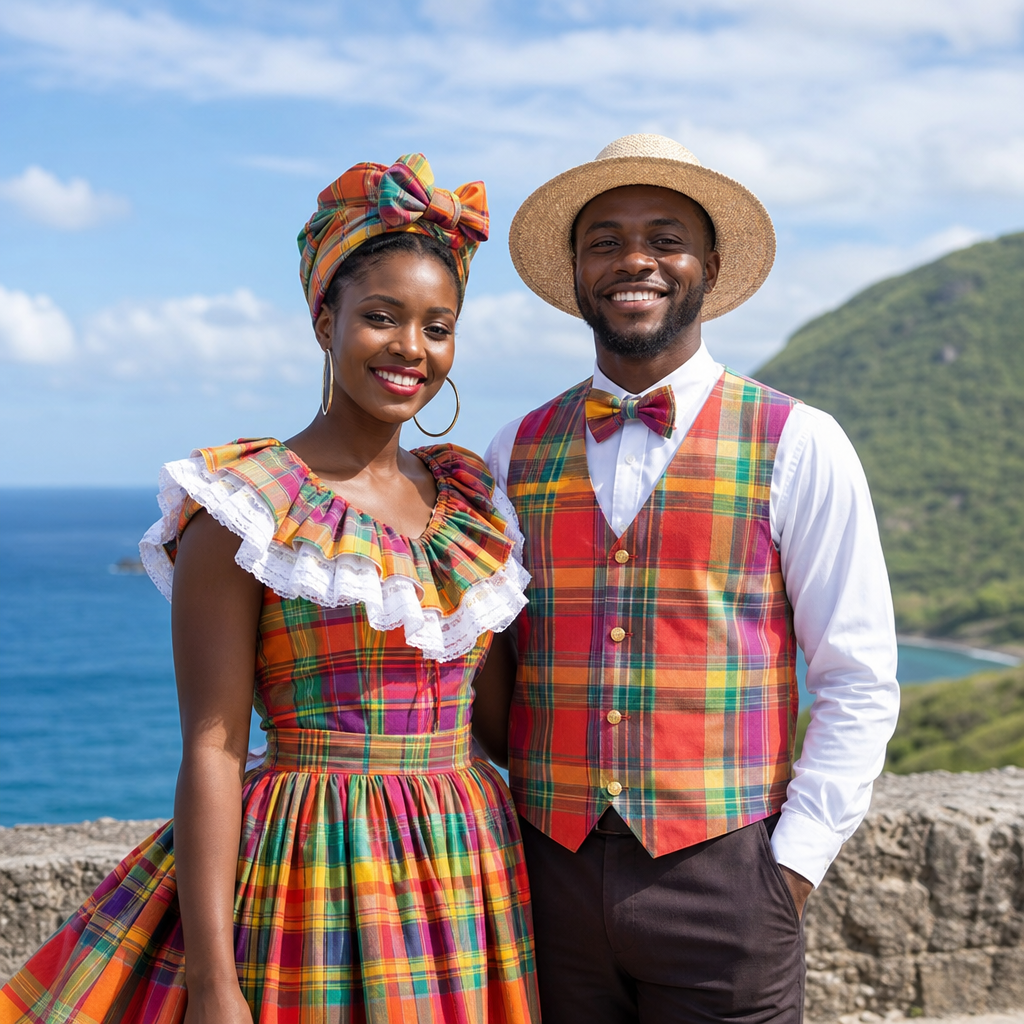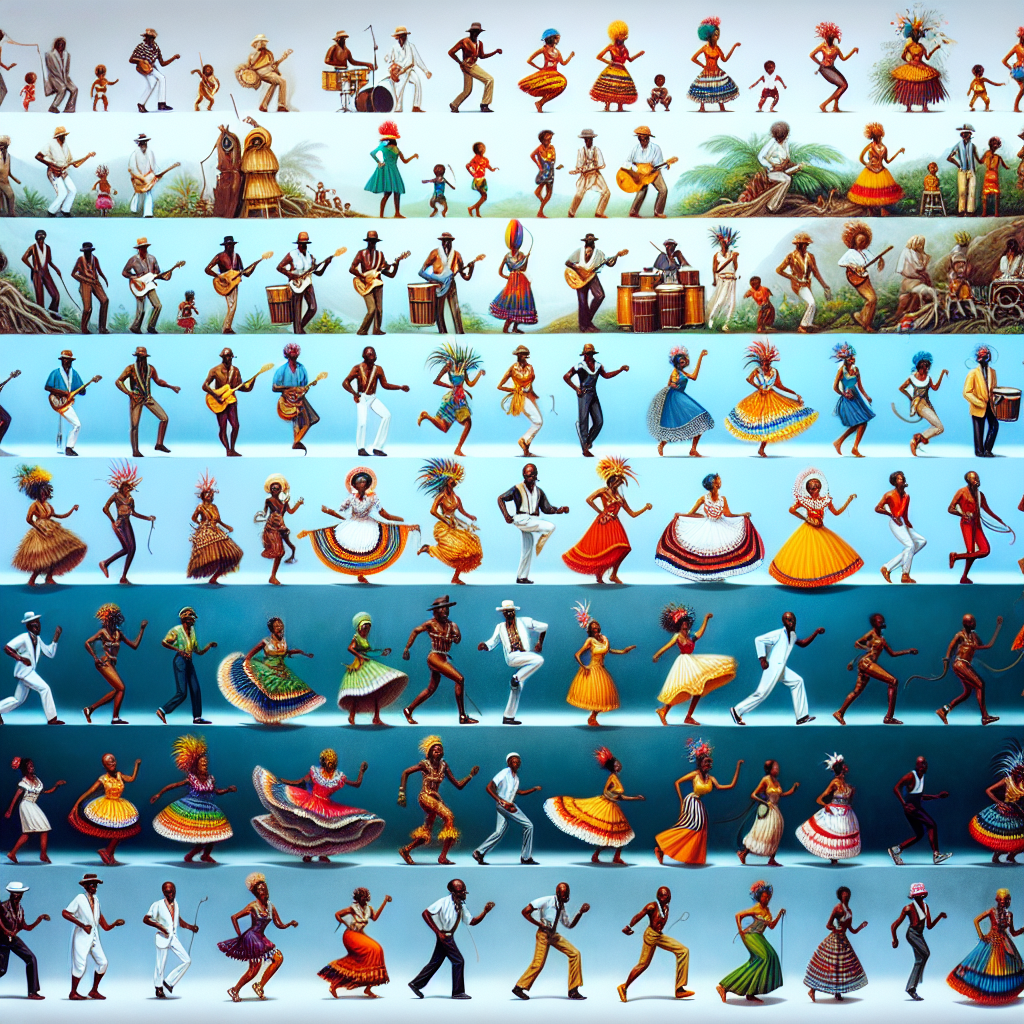
The vibrant culture of Saint Kitts and Nevis, two small islands situated in the eastern Caribbean Sea, is irresistibly alluring, owing much to its unique history and diverse cultural elements. Among these elements, dance holds a particularly significant place. The evolution of dance in Saint Kitts and Nevis mirrors the complex interplay of indigenous traditions, colonial influences, and modern-day cultural blending. Dance is not merely a form of artistic expression here; it is also a medium that communicates social values, historical narratives, and communal solidarity.
The dance traditions of Saint Kitts and Nevis are a testament to the islands’ resilience and adaptability. Each dance style, from folk dances to contemporary forms, serves as a repository of cultural memory and a reflection of the islands’ socio-cultural transitions over centuries. Be it during festive celebrations, traditional ceremonies, or casual social gatherings, dance always occupies a central role.
Understanding the evolution of dance in Saint Kitts and Nevis provides invaluable insights into the islands’ rich cultural tapestry. This journey begins with indigenous dances, traverses through the ramifications of colonialism, and arrives at the modern-day mélange of diverse influences. Each period in the islands’ history has contributed unique elements to the dance lexicon, collectively shaping the vibrant dance culture we witness today.
Indigenous Dance Traditions
Remarkably, the dance traditions of the native Carib and Arawak peoples laid the foundational rhythms and movements that continue to reverberate in the contemporary dance practices of Saint Kitts and Nevis. These early inhabitants practiced ritualistic dances as an integral part of their spiritual and communal life. These performances, often linked to agricultural cycles, religious ceremonies, and social events, were characterized by intricate footwork, rhythmic drumming, and symbolic gestures.
These indigenous dances were not just artistic performances but also served as educational tools and storytelling mediums. They narrated the tales of creation, victories in battles, and moral lessons essential for community cohesion. In a sense, these dances were the living libraries of the indigenous people, preserving knowledge and culture across generations.
Although the passage of time and the onset of colonization have inevitably led to the erosion of some indigenous dance forms, vestiges of these ancient movements and rhythms can still be traced in contemporary dance practices in Saint Kitts and Nevis. They continue to be celebrated during cultural festivals, keeping the spirit of the native dances alive.
Colonial Influences and Creolization
The colonial era, spanning from the 17th to the 19th century, brought significant changes to the cultural landscape of Saint Kitts and Nevis, including its dance forms. European colonizers, primarily the British and the French, introduced their own dance traditions to the islands. At the same time, enslaved Africans brought to work on plantations contributed immensely to the dance culture with their rich and diverse African dance traditions.
The process of creolization—whereby African, European, and indigenous elements merged—led to the creation of entirely new dance forms that are now quintessentially Kittitian and Nevisian. This blending is evident in dances like the “Quadrille,” a dance of European origin that was adapted and infused with local flavors. European courtly dances were transformed with African drumming and rhythmic sensibilities, creating a uniquely local experience.
Festivals and social gatherings of the plantation society also played a key role in the evolution of dance. As people from various cultural backgrounds came together, their dance forms began to intermingle, giving rise to hybrid styles that reflect the islands’ socio-historical complexities. The festive dance environment allowed for expressions of identity, resistance, and adaptation, ensuring the survival and evolution of these traditions.
Traditional Folk Dances
Traditional folk dances in Saint Kitts and Nevis are enduring symbols of the islands’ cultural heritage. Each dance tells a story, encapsulating historical events, social values, and collective memories. One such prominent folk dance is the “Masquerade.” Originating from African traditions, the Masquerade dance incorporates elaborate costumes, vibrant masks, and energetic drumming.
Dances such as the “Moko Jumbie” also hold significant cultural value. The Moko Jumbie, or stilt walker, is a captivating figure often seen at festivals, towering over spectators while performing impressive acrobatics. This dance has its roots in African folklore, where the Moko Jumbie is believed to be a spiritual figure that navigates between the physical and the spiritual realms.
Other folk dances, such as the “Big Drum” and “Quadrille,” integrate African rhythms with European dance patterns. The Big Drum dance, in particular, is a powerful example of the islands’ syncretic culture, combining African drumming traditions with the formal structure of European dances. These folk dances are not only performed during cultural festivals but also teach younger generations about their cultural roots.
Contemporary Dance Movements
In recent years, contemporary dance movements in Saint Kitts and Nevis have seen a significant rise, reflecting global influences while maintaining a distinct local flavor. Various dance genres such as hip-hop, reggae, soca, and dancehall have found a place within the dance culture of the islands.
Modern dance troupes and cultural organizations have emerged, providing platforms for young dancers to explore and showcase their talents. These groups frequently blend traditional dance elements with contemporary styles, creating dynamic and innovative performances. Social media and digital platforms have also played a crucial role in the proliferation and evolution of contemporary dance in Saint Kitts and Nevis, allowing for wider reach and exposure.
This wave of contemporary dance is a testament to the islands’ adaptability and openness to new influences. While embracing global dance trends, local dancers remain deeply connected to their cultural heritage, ensuring that traditional elements continue to thrive within modern expressions.
Dance Festivals and Competitions
Dance festivals and competitions form an essential part of the cultural calendar in Saint Kitts and Nevis. These events are a celebration of the islands’ rich dance heritage and serve as a platform for both preserving traditional forms and promoting contemporary innovations.
The Saint Kitts and Nevis Carnival, held annually in December, is one of the most significant cultural events in the islands. This vibrant festival features a multitude of dance performances, ranging from traditional folk dances to modern genres like soca and calypso. The carnival is a grand display of the islands’ diverse dance culture and provides an opportunity for dancers of all ages to participate and showcase their skills.
Smaller-scale dance competitions and events are also organized throughout the year, often by local community groups and cultural organizations. These events foster a sense of community and encourage the younger generation to actively participate in the islands’ cultural life. They also serve as a platform for emerging dance talent, providing them with the opportunity to gain recognition and further their careers.
Conclusion
The evolution of dance in Saint Kitts and Nevis is a captivating journey through the islands’ history and culture. From the indigenous dance traditions of the Carib and Arawak peoples to the syncretic forms born out of colonial influences, and from the vibrant folk dances that narrate the islands’ cultural stories to the contemporary movements that reflect global and local influences, dance in Saint Kitts and Nevis is a dynamic and ever-evolving art form.
Each dance style, each rhythm, and each movement bear the imprint of the islands’ historical experiences, indigenous roots, and cultural adaptability. Dance is not merely a form of entertainment in Saint Kitts and Nevis; it is a powerful medium that communicates social values, preserves cultural heritage, and fosters a sense of community.
As Saint Kitts and Nevis continue to navigate the complexities of globalization while maintaining their cultural identity, dance will undoubtedly remain a vibrant and integral part of their cultural expression. It is a living testament to the islands’ rich cultural diversity, resilience, and creativity.
For travelers and dance enthusiasts alike, exploring the dance culture of Saint Kitts and Nevis is a journey into the heart and soul of the islands. Whether witnessing a traditional folk dance performance, participating in a lively carnival, or exploring contemporary dance movements, the experience is sure to be both enriching and unforgettable.