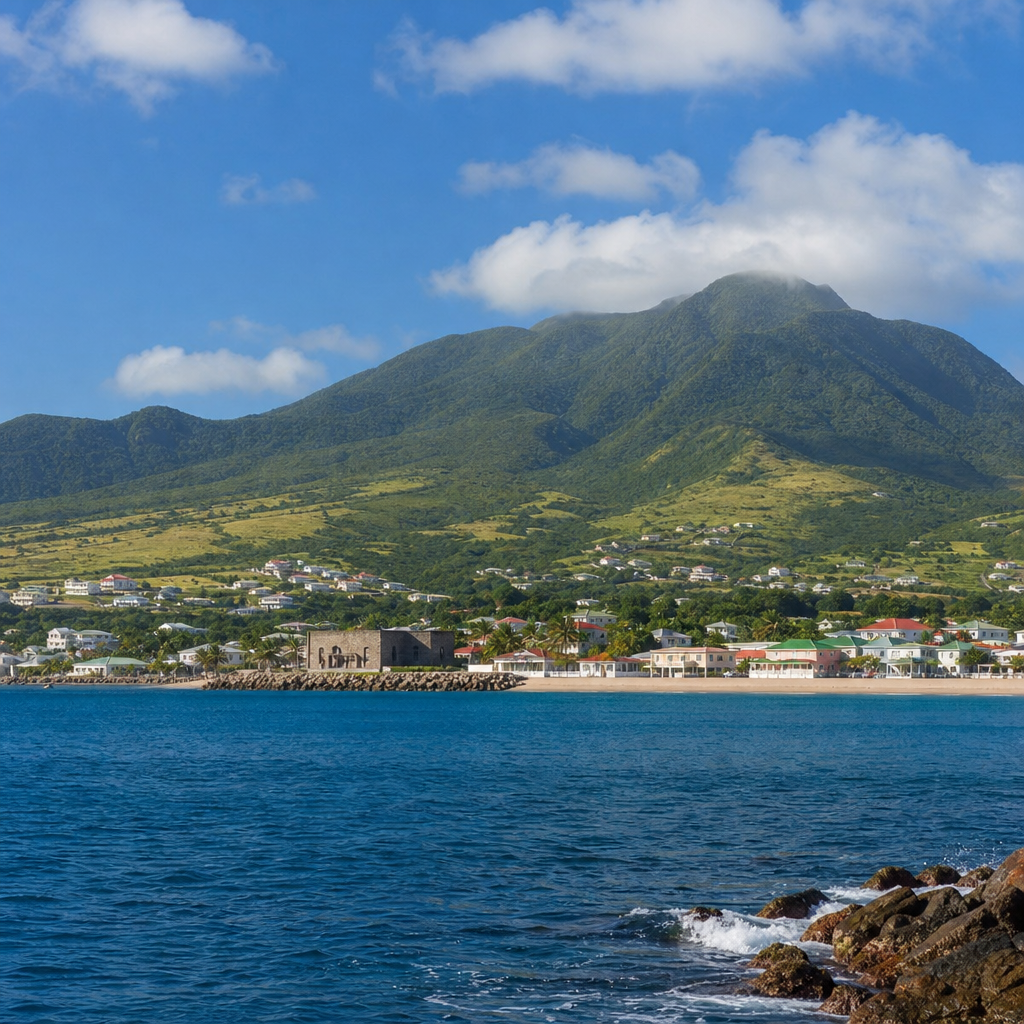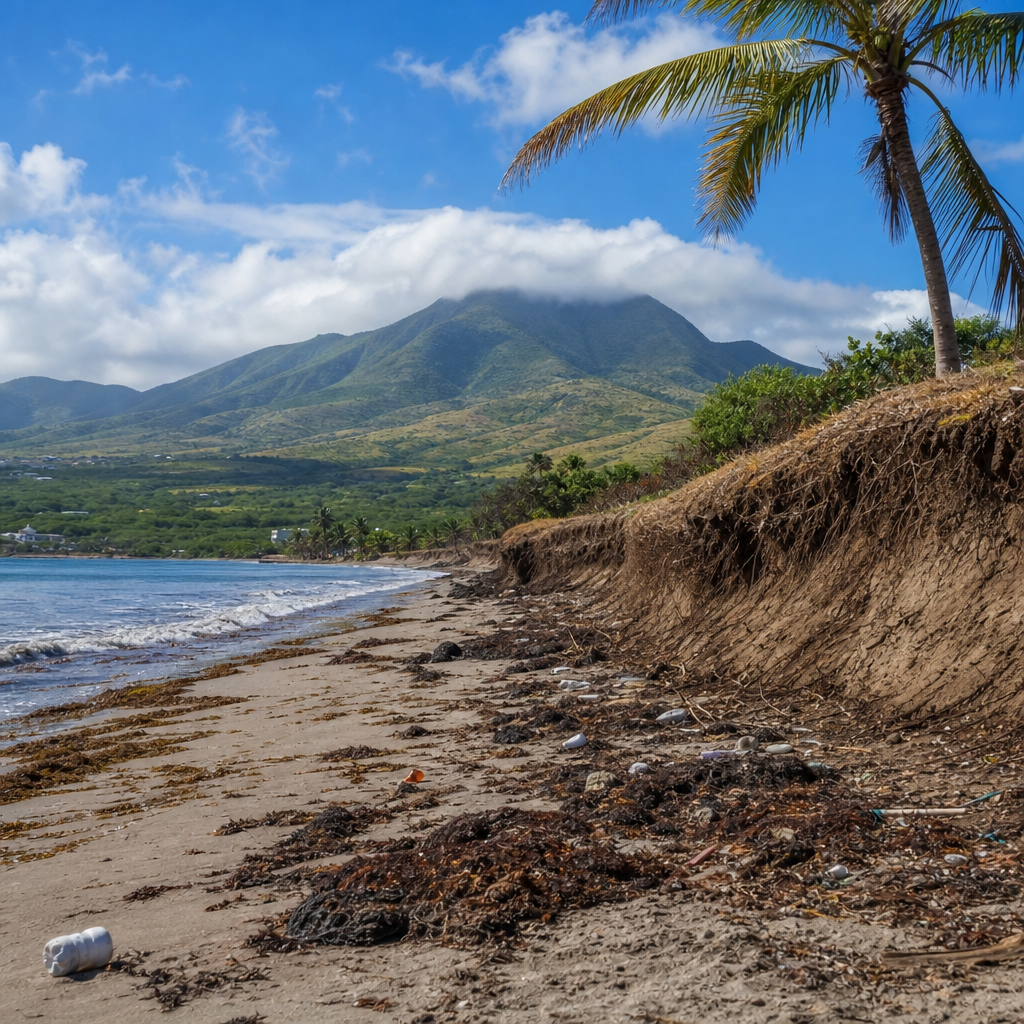
Sailing around Saint Kitts is one of the most rewarding ways to understand the island, because the coastline reveals its history, ecology, culture, and adventure opportunities in a way that roads never can. Saint Kitts, the larger island in the federation of Saint Kitts and Nevis, sits in the northern Lesser Antilles and offers a compact but varied cruising ground: sheltered bays on the Caribbean side, more energetic Atlantic conditions on the eastern edge, volcanic scenery inland, and a string of beaches, anchorages, reefs, and villages that make every leg feel distinct. For travelers exploring adventure and activities, this maritime journey works as both a standalone experience and a practical hub that connects snorkeling, fishing, beach hopping, hiking transfers, sunset charters, wildlife watching, and local food stops.
In practical terms, sailing around Saint Kitts can mean several different experiences. It may be a half-day catamaran cruise from Basseterre, a private monohull charter circling the island, a bareboat passage for qualified sailors, or a multi-island itinerary linking Saint Kitts with Nevis, Sint Eustatius, and Saint Barthélemy. The key terms matter. A charter is a rented vessel with or without crew. An anchorage is a place suitable for stopping under anchor. A mooring is a fixed buoy system that reduces seabed damage. A lee shore is a coast exposed to wind and waves, often less comfortable or more hazardous. Understanding these basics changes the trip from a scenic outing into a safer, more informed voyage.
This matters because Saint Kitts is not simply a beach destination; it is a maritime landscape shaped by trade winds, sugar-era ports, coral ecosystems, and modern marine tourism. I have planned island routes where weather windows, port clearance rules, and reef locations mattered as much as choosing the right beach bar, and Saint Kitts rewards that level of attention. The island’s circumference is modest enough for manageable day sails yet large enough to deliver real variety. For visitors, that means accessible adventure. For trip planners, it means one page can serve as a hub for nearly every coastal activity: sailing charters, snorkeling excursions, coastal photography, family-friendly day trips, fishing add-ons, eco tours, and connections to shore excursions across the island.
A well-structured sailing trip around Saint Kitts also answers the questions travelers usually ask before they book: when to go, what the route looks like, where the best stops are, what conditions to expect, how much experience is needed, and what else can be combined with a day on the water. The dry season, typically December through April, often provides the most reliable conditions and the greatest charter demand. The hurricane season, running broadly from June through November, can still include excellent sailing days, but itinerary flexibility becomes essential. Wind exposure changes markedly around the island, and that contrast is part of what makes the journey memorable.
Why Saint Kitts Is Ideal for a Coastal Sailing Circuit
Saint Kitts works especially well as a sailing destination because its geography creates clear route choices for different skill levels and trip lengths. The leeward, Caribbean coast from Basseterre toward Old Road Town and Sandy Point is generally calmer, with easier sightseeing and more comfortable conditions for casual passengers. The windward side, facing the Atlantic, can bring stronger swell and a more dramatic seascape. On a single island circuit, travelers can experience both. That mix is rare on islands that are either too small to show much variation or too large to fit comfortably into a day charter.
The island also has a strong maritime support system. Port Zante in Basseterre serves cruise visitors and charter operators, while nearby marinas and service providers support provisioning, crewed excursions, and inter-island movements. South Friars Bay and Frigate Bay are frequent departure or cruise-by points because they pair scenic coastlines with accessible tourism infrastructure. This makes Saint Kitts a practical base for first-time charter guests who want the experience of real sailing without the logistical complexity of more remote islands.
Another advantage is how tightly marine and land adventures connect. A sailing day can include snorkeling over reefs, lunch at a beach restaurant, a transfer to a hiking trail near Mount Liamuiga, or a stop near historical sites tied to Brimstone Hill Fortress National Park. From a hub perspective, sailing is the connective tissue for many miscellaneous adventure experiences that might otherwise seem unrelated. Once travelers understand the coastline, the rest of the island becomes easier to organize.
Best Route Segments, Anchorages, and Scenic Highlights
The most common starting point is Basseterre, where passengers board day charters for a leeward coast run. Heading northwest, the coastline opens into views of green volcanic slopes, dark rocky points, and lighter sand beaches. Frigate Bay is often the first familiar landmark for visitors staying near resort zones. Farther along, South Friars Bay and Carambola Beach area provide classic postcard scenery and are among the easiest places to pair sailing with swimming or lunch ashore. For travelers who want a relaxed introduction, this side of the island is usually the right choice.
Continuing toward Old Road Town adds historical texture. This stretch reflects the island’s colonial maritime past, with settlements that developed around coastal access long before modern roads linked communities efficiently. Beyond that, the route toward Sandy Point and the northwestern shoulder of the island can become more exposed but also more dramatic. On clear days, views across the water toward neighboring islands add scale to the trip. Skilled skippers often time this leg carefully, balancing tide, breeze, and passenger comfort.
The southeast peninsula is different again. This narrow extension of land creates broad views over both the Caribbean Sea and the Atlantic Ocean, and it is one of the island’s most visually striking sailing zones. Turtle Beach, Cockleshell Bay, and the channel facing Nevis are frequent highlights. The water here can be excellent for swimming, and the line of beach clubs and casual restaurants gives charter itineraries flexibility. From the boat, the meeting of landforms, trade winds, and changing water color explains why so many visitors remember this side of Saint Kitts long after they forget individual resort names.
| Area | What It Is Best For | Typical Conditions | Good Add-On Activities |
|---|---|---|---|
| Basseterre to Frigate Bay | Easy sightseeing, short cruises | Generally calm to moderate | Sunset sails, resort transfers, coastal photography |
| South Friars Bay | Swimming, beach stops, family charters | Sheltered on many days | Snorkeling, lunch ashore, paddleboarding |
| Old Road to Sandy Point | Longer scenic runs, history-focused trips | Moderate exposure depending on swell | Fishing, heritage touring, remote beach views |
| Southeast Peninsula | Iconic scenery, Nevis views, active day trips | Breezier with variable chop | Beach clubs, snorkeling, dual-coast sightseeing |
| Cockleshell Bay | Relaxed anchoring and swim stops | Often manageable, weather dependent | Water sports, casual dining, Nevis crossings |
Weather, Seasons, and Seamanship Considerations
The best time for sailing around Saint Kitts is usually the dry season, especially from January through April, when steady trade winds and lower rainfall create reliable charter conditions. Temperatures remain warm year-round, often around 24 to 31 degrees Celsius, but sea state is what most affects comfort. On the Caribbean side, moderate easterly trades can feel ideal. On exposed corners, that same wind can generate short-period chop that is uncomfortable for inexperienced passengers. Good operators explain this before departure and adapt the route accordingly.
Rainy-season sailing is still possible and often enjoyable, particularly in the shoulder months of May, early June, or November. The tradeoff is uncertainty. Squalls build faster, visibility can drop, and flexible timing matters more. During the broader Atlantic hurricane season, reputable charter companies monitor National Hurricane Center guidance closely, review local marine forecasts, and may cancel or reroute trips with little notice. That is not a drawback; it is evidence of proper seamanship. In the Caribbean, the operators worth booking are the ones who prioritize weather judgment over keeping an itinerary on paper.
Seamanship around Saint Kitts also means respecting reef systems, swim zones, and local traffic. Cruise-related excursion boats, sport-fishing vessels, and ferries can all share these waters. Reef-safe navigation relies on charts, local knowledge, and daylight entry into less familiar spots. If you are booking a bareboat or private yacht, ask direct questions about moorings, holding ground, customs procedures for inter-island moves, VHF practices, and emergency equipment. Serious operators will answer clearly. Casual operators often speak only about drinks and music, which tells you a lot about the standard of the trip.
Activities You Can Combine With Sailing Around Saint Kitts
One reason this topic deserves hub status within adventure and activities is that sailing around Saint Kitts naturally branches into many related experiences. Snorkeling is the most obvious addition. Several coastal areas offer clear water and reef structure suitable for beginners, especially on calmer leeward stretches. A half-day sail with a guided snorkel stop often works better for mixed groups than a dedicated dive trip, because non-snorkelers still enjoy the journey. Families, in particular, tend to value this flexibility.
Fishing charters are another strong pairing. Offshore trolling for pelagic species is different from a sightseeing sail, but hybrid trips do exist, especially for private groups. The captain may run a coastal cruise, then shift toward known fishing grounds depending on season and sea state. Wildlife watching can also be part of the day. Sea turtles, seabirds, and occasional dolphin sightings add interest, though no ethical operator should promise wildlife on demand. The right framing is possibility, not guarantee.
Land-based adventure links are equally useful. Many visitors use a sail as the scenic centerpiece of a broader active day that includes beach time, kayaking, stand-up paddleboarding, a visit to Romney Manor, or a guided historical excursion after returning to shore. For honeymooners or small groups, sunset sails often function as the low-effort, high-impact option: minimal planning, strong visual payoff, and broad appeal even for travelers who do not consider themselves adventurous. That versatility is exactly why sailing around Saint Kitts anchors this miscellaneous subtopic so well.
Choosing the Right Charter, Budget, and Trip Style
Travelers usually choose among three broad options: shared day cruises, private crewed charters, and bareboat or captain-only arrangements for experienced sailors. Shared catamaran trips are generally the most affordable and easiest to book, especially for cruise passengers with limited time in port. They often include open bar service, light food, a swim stop, and transportation from major hotels or the cruise terminal. The tradeoff is less control over route, pacing, and onboard atmosphere. If your main goal is seeing the coast with minimal logistics, they work well.
Private charters cost more but deliver a significantly better fit for travelers who care about route design, photography, snorkeling quality, or special occasions. I usually recommend private options for families with children, groups with mixed comfort levels, or anyone trying to combine multiple interests in one day. The captain can shorten an exposed leg, extend a calm anchorage stop, or focus on a side of the island that suits current conditions. That level of adjustment is often the difference between a pleasant outing and a standout memory.
Bareboat sailing around Saint Kitts is viable for qualified crews, but visitors should not underestimate local complexity. Charts and electronics are only part of the equation. Reading wind acceleration zones, identifying comfortable overnight positions, and managing customs if you continue to Nevis or nearby islands all require preparation. Budget-wise, expect major price differences based on vessel type, season, passenger count, fuel policy, catering, and whether snorkel gear or water toys are included. Before booking, confirm inclusions in writing, ask about cancellation terms, and check recent reviews for signs of maintenance quality rather than just friendliness.
Responsible Sailing and How This Hub Connects Your Next Adventures
Sailing around Saint Kitts is best enjoyed with a low-impact mindset. Choose operators that use moorings where available, brief guests not to stand on coral, avoid dumping waste, and support local crews and suppliers. Sunscreen choices matter more than many travelers realize; reef-safer mineral formulas are the better option when swimming near sensitive marine habitats. Respecting marine space also means keeping noise reasonable in quiet bays and understanding that fishermen, ferry operators, and residents use these waters as working routes, not just scenic backdrops.
As a hub for miscellaneous adventures, this topic points outward to nearly every coastal and near-coastal experience on the island. If you want snorkeling, start with leeward sailing stops. If you want beach culture, look toward South Friars Bay or Cockleshell Bay. If you want island-hopping, use Saint Kitts as the launch point for Nevis crossings or wider Leeward Islands itineraries. If you want history, pair a cruise with Basseterre heritage sites or the fortress landscape inland. In itinerary planning, sailing is not separate from the island experience; it organizes it.
The main takeaway is simple: sailing around Saint Kitts gives you the most complete view of the island in the shortest meaningful time. You see geography, weather patterns, beach life, marine ecosystems, and local character all at once, while keeping your options open for snorkeling, dining, fishing, photography, or shore exploration. Start with your comfort level, choose the right charter style, and book with an operator that treats seamanship seriously. Then use this maritime journey as the foundation for the rest of your Saint Kitts adventures.
Frequently Asked Questions
What makes sailing around Saint Kitts different from exploring the island by land?
Sailing around Saint Kitts offers a perspective that roads simply cannot match. From the water, the island’s geography becomes easier to understand: the sheltered Caribbean coast, the more exposed Atlantic edge, the volcanic interior rising dramatically above the shoreline, and the sequence of bays, headlands, fishing communities, and anchorages that have shaped local life for centuries. A voyage under sail reveals how the coastline functioned historically as a route for trade, transport, defense, and communication long before modern roads connected the island in a convenient way.
It also provides a clearer sense of Saint Kitts as a living environmental system. Mariners can observe transitions in sea state, wind exposure, reef structure, coastal vegetation, and marine life in real time. Calm western waters often invite swimming, snorkeling, and relaxed coastal cruising, while the eastern side can show a more energetic Atlantic character with stronger swell and a wilder feel. This contrast helps visitors appreciate the island’s ecology and geography in a far more immersive way than a land-based tour.
Just as importantly, sailing creates space for cultural discovery. Fishing boats, waterfront settlements, beach bars, old estates visible from the sea, and conversations in harbors all connect the traveler to the human story of Saint Kitts. Rather than moving quickly from one inland stop to another, a sailing journey encourages you to experience the island as generations of seafarers did: by reading the weather, approaching communities from the water, and understanding how the coast ties together history, livelihood, and adventure.
When is the best time to sail around Saint Kitts, and what weather conditions should sailors expect?
In general, the most popular time to sail around Saint Kitts is during the Caribbean dry season, which typically runs from December through April. During these months, sailors often enjoy steadier trade winds, lower humidity, and more predictable weather patterns, making conditions especially favorable for coastal cruising, day sails, and multi-stop itineraries. Visibility is often excellent, seas can be more manageable on the leeward side, and the overall experience tends to be more comfortable for both experienced sailors and first-time charter guests.
That said, Saint Kitts can be sailed outside the peak season as well, especially by travelers who prefer fewer crowds and a quieter atmosphere. The late spring and early summer months may still offer very enjoyable conditions, though warmth, humidity, and the chance of showers generally increase. During the Atlantic hurricane season, typically from June through November, careful voyage planning becomes essential. Weather windows should be assessed seriously, and anyone sailing during that period should rely on current marine forecasts, local guidance, and a conservative approach to route selection.
Conditions around the island vary by coastline. The Caribbean side is usually calmer and more protected, making it ideal for leisurely passages, swimming stops, and scenic anchorages. By contrast, the eastern coast faces the Atlantic and can experience stronger winds, rougher seas, and more pronounced swell. This means a circumnavigation may include markedly different conditions within a relatively short distance. For that reason, the best overall strategy is to combine seasonal planning with day-by-day attention to wind direction, swell, mooring availability, and the advice of local captains or charter operators who know Saint Kitts well.
What are the main highlights to see while sailing around Saint Kitts?
One of the greatest pleasures of sailing around Saint Kitts is the variety packed into a relatively compact cruising area. On the Caribbean side, sailors often enjoy calmer waters, scenic beaches, and inviting anchorages where the island’s greener slopes descend toward the sea. This coast is ideal for relaxed sightseeing, swimming, snorkeling, and taking in wide views of the mountainous interior. From the deck, the island’s volcanic origins are especially striking, with dramatic ridgelines and lush elevations creating a powerful backdrop throughout the voyage.
Another highlight is the opportunity to appreciate the island’s layered history from offshore. Coastal approaches can reveal old settlement patterns, former estate lands, harbor activity, and the strategic logic behind colonial-era development. Depending on the route and visibility, sailors may also gain memorable views toward neighboring islands, reinforcing Saint Kitts’ place within the wider Lesser Antilles. The relationship between island, channel, and sea becomes much more vivid when experienced firsthand under sail.
For many travelers, the eastern side adds a sense of adventure and contrast. Here the island feels less sheltered and more elemental, with Atlantic energy shaping the coastline in a different way. Even if conditions are too lively for lingering stops, simply passing this side of Saint Kitts can be memorable because it highlights the island’s dual personality: serene and accessible on one coast, dramatic and ocean-facing on the other. Add in chances to observe seabirds, reef-fringed waters, fishing activity, and sunset light over the Caribbean, and the journey becomes as much about atmosphere as about landmarks.
Do you need sailing experience to enjoy a maritime journey around Saint Kitts?
No, you do not need to be an experienced sailor to enjoy sailing around Saint Kitts. Many visitors explore the coastline through crewed charters, private captained day trips, catamaran excursions, or small-group sailing tours designed specifically for travelers who want the experience without the responsibility of navigation. These options allow guests to enjoy the scenery, learn about the island, swim or snorkel at selected stops, and relax on board while a knowledgeable captain and crew handle route planning, weather assessment, anchoring, and onboard safety.
For travelers who do have sailing skills, Saint Kitts can be an appealing destination because it offers a manageable yet varied cruising environment. The island’s size makes it possible to experience different coastal conditions without committing to a very long open-water passage, and the contrast between the calmer Caribbean side and the more exposed Atlantic side adds interest for competent sailors. Even so, practical local knowledge remains extremely valuable. Reef awareness, mooring practices, wind acceleration around headlands, and harbor-specific procedures can all influence the quality and safety of the trip.
If you are inexperienced but curious, a captained charter is often the best way to start. It combines comfort with education, since local crews often share insight on seamanship, island history, marine habitats, and hidden coastal features that independent visitors might miss. In that sense, sailing around Saint Kitts is highly accessible: beginners can enjoy it with confidence, while experienced mariners can appreciate the island’s subtleties on a deeper technical and navigational level.
What should travelers pack and plan for before sailing around Saint Kitts?
Preparation should focus on comfort, sun protection, and flexibility. Lightweight, breathable clothing is essential in the tropical climate, and it is wise to bring a hat, polarized sunglasses, reef-safe sunscreen, and a long-sleeved cover-up for added protection during extended time on deck. Soft-soled boat shoes or sandals with good grip are useful, as are swimwear, a quick-drying towel, and a dry bag for phones, cameras, and travel documents. Even on warm days, a light waterproof layer can be helpful in case of sea spray or passing showers.
Travelers should also think beyond packing and plan according to the type of sailing experience they want. A half-day cruise, a full-day sail, and a multi-day charter all call for different expectations around meals, gear, seasickness prevention, and shore access. If you are prone to motion sickness, it is best to prepare in advance rather than react once underway. Confirm what is included on board, such as water, snorkel equipment, lunch, shaded seating, and safety gear. It is also smart to ask about the route, likely sea conditions, departure time, and whether customs, marina fees, or special permits apply in the case of wider inter-island cruising.
Most importantly, build your plans around safety and realistic conditions rather than a rigid checklist. The sea around Saint Kitts can change notably depending on coast, wind, and swell, so the best sailing days are guided by weather, not just itinerary. Booking with a reputable operator, listening carefully to the captain’s briefing, and keeping your schedule flexible will help you get the most from the experience. When travelers prepare thoughtfully, sailing around Saint Kitts becomes not only enjoyable but deeply memorable, offering a richer understanding of the island’s natural beauty, maritime identity, and coastal character.