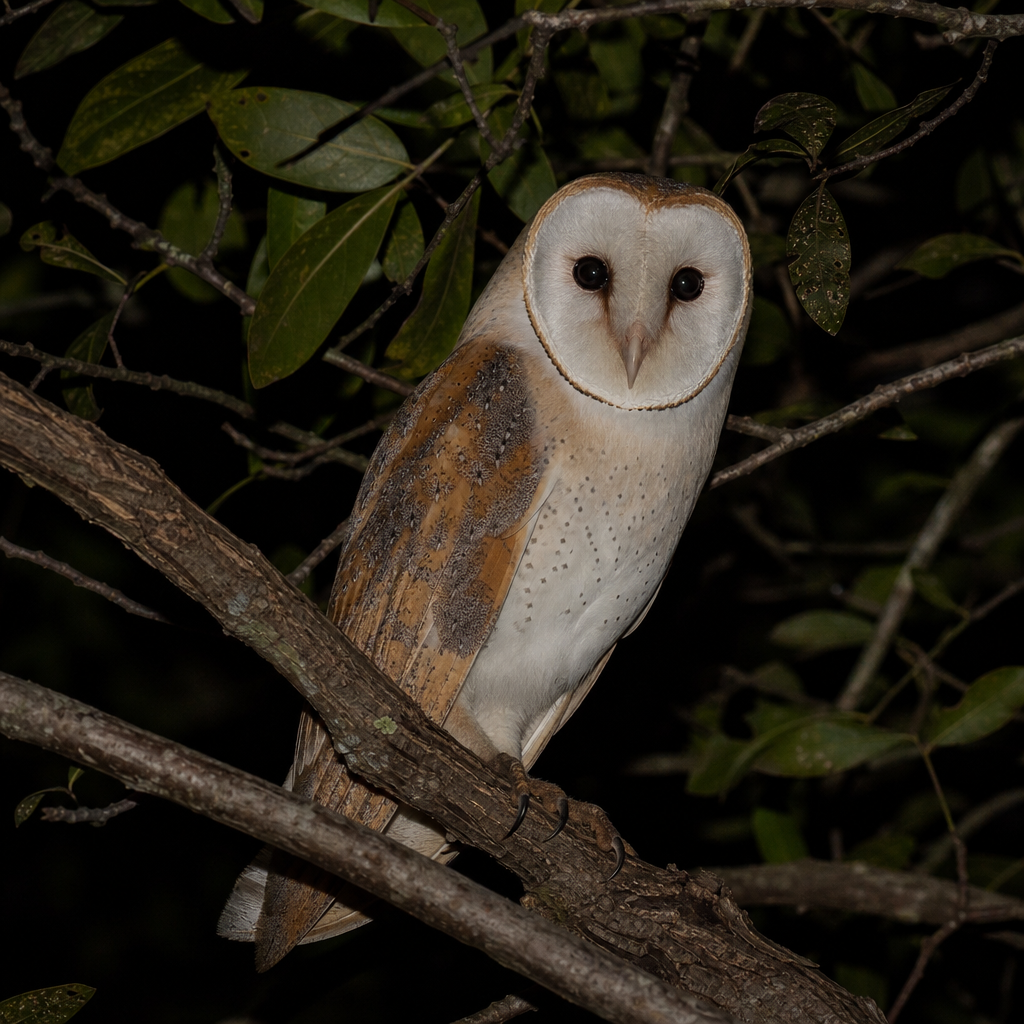
Bird watching in Saint Kitts offers a rare combination of calm, biodiversity, and easy access, making it one of the island’s most rewarding low-impact outdoor activities. For travelers who want a slower experience than ziplining, diving, or hiking volcano slopes, birding creates a direct connection to the landscapes that define Saint Kitts: coastal ponds, dry scrub, rainforest edges, sugar estate ruins, and quiet agricultural valleys. The activity is simple to begin, yet deep enough to hold serious naturalists for days. On an island of modest size, that balance matters because visitors can observe many habitats without long transfers, and residents can return to favorite sites through changing seasons.
Bird watching, also called birding, means observing birds in their natural habitats and identifying them by sight, sound, behavior, and location. In Saint Kitts, that can include scanning wetlands for herons, listening for tremblers in thickets, or watching frigatebirds ride thermals over the coast. Some visitors arrive with binoculars, field guides, and life lists; others start with a phone camera and curiosity. Both approaches work. In my experience planning outdoor itineraries across the Eastern Caribbean, Saint Kitts stands out because birding here is accessible without being predictable. You can spend an hour near a salt pond and still come away with a meaningful list, then move upslope and find entirely different species before lunch.
This matters for more than recreation. Bird watching supports conservation awareness, encourages respect for fragile habitats, and broadens the island’s adventure economy beyond high-adrenaline activities. It is also one of the best miscellaneous pursuits for mixed-interest groups. One person may want photography, another wants a quiet walk, and another simply wants a gentle nature outing; birding satisfies all three. For a sub-pillar hub under Adventure and Activities, this topic naturally connects to hiking, photography, eco-tours, historical estate visits, scenic drives, and family-friendly excursions. It can be a standalone activity, a sunrise add-on before a beach day, or the nature-focused thread that links several experiences across Saint Kitts.
Saint Kitts lies within the Lesser Antilles and supports both resident species and migratory visitors. That geographic position gives birders a useful mix: Caribbean specialists, familiar shorebirds, raptors, and seasonal migrants passing through or wintering on the island. Conditions change quickly with elevation and rainfall. The southeast peninsula has drier coastal habitat, while central and northern highlands are greener and often more sheltered. Understanding that habitat variety is the key term behind successful bird watching in Saint Kitts. Birds are where food, water, nesting cover, and safe perches align. Learn the habitats, and identification becomes much easier.
Why Saint Kitts Is an Ideal Birding Hub
Saint Kitts is ideal for bird watching because it compresses multiple bird habitats into a manageable area. Unlike destinations where birders must drive for hours between wetlands and forest, Saint Kitts allows efficient half-day circuits. A morning route might begin at the Great Salt Pond on the southeast peninsula, continue through scrubland overlooking the Atlantic, and finish in shaded upland roads near the rainforest. That efficiency makes the island especially appealing for cruise visitors, short-stay travelers, and families who want a meaningful nature experience without committing a full expedition day.
The island also rewards different skill levels. Beginners can identify conspicuous species such as Brown Pelicans, Magnificent Frigatebirds, Cattle Egrets, Green Herons, and Zenaida Doves. More experienced birders can focus on subtler targets, including Caribbean Elaenia, Lesser Antillean Bullfinch, Scaly-naped Pigeon, Purple-throated Carib, and endemic subspecies recognized by regional checklists. The point is not only rarity. Good birding destinations provide frequent encounters that build confidence, and Saint Kitts does that well. Even in less active periods, movement, calls, and feeding behavior usually give observers something to study.
Infrastructure helps. Main roads reach many productive areas, local guides understand access points and private land boundaries, and the island’s tourism services make it easy to combine birding with transport, dining, or heritage stops. That is why this page serves as a hub within miscellaneous activities: bird watching intersects naturally with wider trip planning. It links to eco-conscious travel, off-the-beaten-path sightseeing, and relaxed outdoor recreation in a way that complements Saint Kitts’s better-known attractions rather than competing with them.
Best Habitats and What You Can See
The most productive birding in Saint Kitts comes from matching species to habitat. Coastal wetlands and salt ponds attract waders and water birds, including herons, egrets, stilts, sandpipers, and occasional ducks depending on season and rainfall. Shorelines and offshore viewpoints are best for seabirds such as terns, pelicans, and frigatebirds. Dry scrub and thorny woodland on the southeast peninsula support doves, hummingbirds, bullfinches, warblers, and flycatchers. Higher, wetter zones near the island’s interior favor pigeons, tremblers, pewees, and forest-edge species that are often heard before they are seen.
Several locations repeatedly perform well. The Great Salt Pond is one of the clearest examples because water levels and open margins make birds easier to spot. Frigate Bay can produce coastal species close to tourist areas. Romney Manor and nearby greener slopes offer useful edge habitat, especially early in the day. The road networks around Olivees and Lodge, depending on current access and weather, can be surprisingly productive for patient observers. Brimstone Hill Fortress National Park is better known for history, yet its surrounding landscape can also produce soaring raptors, pigeons, and dry-forest birds while giving excellent panoramic views.
| Habitat | Typical Locations | Birds Commonly Seen | Best Time |
|---|---|---|---|
| Salt ponds and wetlands | Great Salt Pond, seasonal pools | Herons, egrets, stilts, sandpipers, ducks | Early morning, late afternoon |
| Coastal shoreline | Frigate Bay, southeast lookouts | Pelicans, frigatebirds, terns, gulls | Morning with good light and wind |
| Dry scrub and thorn woodland | Southeast Peninsula | Doves, hummingbirds, bullfinches, warblers | Sunrise to mid-morning |
| Forest edge and uplands | Romney Manor area, interior roads | Pigeons, pewees, tremblers, elaenias | Early morning after calm weather |
Weather affects results. Trade winds can increase visible seabird activity but reduce small-bird movement in exposed scrub. After rainfall, ponds may draw in migrants and insect-eating species become more active. During dry periods, birds often concentrate around remaining water sources, which can improve viewing. This is one reason local knowledge matters. A guide who knows where freshwater is holding or which track is passable after rain can save hours and improve species counts dramatically.
Common Birds, Seasonal Visitors, and Identification Tips
Travelers often ask what birds they are most likely to see first. On most outings, common species include Brown Pelican, Magnificent Frigatebird, Cattle Egret, Green Heron, Zenaida Dove, Common Ground Dove, Bananaquit, Carib Grackle, and Lesser Antillean Bullfinch. Hummingbirds are a highlight, especially the Purple-throated Carib and Green-throated Carib, whose speed and iridescence reward patient observation near flowering shrubs. In wooded areas, Scaly-naped Pigeon and Caribbean Elaenia are reliable if you learn their shapes and calls. If you are near open country, listen for the calls of flycatchers before searching fence lines and exposed branches.
Migratory timing adds another layer. From roughly late summer through spring, shorebirds and warblers from North America can appear in wetlands, coastal flats, and garden habitats. Species vary year to year, but yellowlegs, sandpipers, plovers, and occasional overwintering passerines are realistic possibilities. During migration windows, even small roadside puddles can hold birds worth checking. Serious birders should review recent eBird reports before heading out. eBird, managed by the Cornell Lab of Ornithology, is the most practical tool for current sightings, hotspot planning, and seasonal pattern recognition.
Identification in Saint Kitts becomes easier when you focus on four things: silhouette, behavior, habitat, and sound. A frigatebird’s angular wings and forked tail differ instantly from a pelican’s heavy profile. A Bananaquit moves quickly among flowers and branches, often revealing a curved bill and bright facial pattern. A Green Heron looks compact and deliberate along pond edges, unlike the taller, more upright egrets. Beginners often overemphasize color, but Caribbean light can be harsh and misleading. Shape and behavior are more dependable, especially at distance.
Photography can support identification, but binocular technique matters more. I usually recommend 8×42 binoculars for Saint Kitts because they balance brightness, field of view, and comfort in humid conditions. A compact field guide helps, though many birders now rely on Merlin Bird ID for sound suggestions and quick visual narrowing. Use apps carefully. Automated suggestions are useful starting points, not final proof, especially where regional species overlap or poor recordings create false matches.
How to Plan a Bird Watching Outing in Saint Kitts
The best bird watching outings in Saint Kitts start early. Dawn through about 9:00 a.m. usually provides the highest activity, softer light, and lower heat. Late afternoon can also be productive, especially at wetlands and coasts, but midday is generally less rewarding except for soaring birds and scenic photography. If you have only one morning, choose two contrasting habitats rather than staying in one place too long. A practical plan is wetland first, scrub second, then a shaded upland stop if time allows.
Bring light but deliberate gear: binoculars, water, sun protection, closed shoes, insect repellent, a charged phone, and a small notebook or checklist. Neutral clothing helps in open habitats, though silence and slow movement matter more than color. If you are birding independently, confirm parking and access before dawn. Some productive roads pass near private land or working farms, and respectful behavior preserves goodwill for everyone. Avoid playback unless used sparingly and ethically by an experienced guide, especially during breeding periods.
Guided birding has real advantages on Saint Kitts. A good guide reads weather, light, bird calls, and access conditions at once. They can distinguish common island calls quickly, know when a pond has dried down, and explain habitat changes that visitors would miss. They also place birding within local context, linking species to agriculture, seasonal rainfall, invasive predators, and conservation realities. For travelers using this hub page to explore miscellaneous activities, guided birding is one of the strongest options for turning a quiet walk into an informed island experience.
Birding Etiquette, Conservation, and Hub Connections
Responsible bird watching protects the very experience people come to enjoy. Stay on established paths where possible, keep distance from nests and roosts, and never flush birds repeatedly for a better photograph. Wetlands and coastal margins may look durable, but trampling can damage vegetation, disturb feeding patterns, and compress fragile ground used by invertebrates and small reptiles. On small islands, these impacts accumulate faster than many visitors realize. Ethical birding is not a side note; it is part of what makes Saint Kitts a sustainable adventure destination.
Birding also connects directly to other miscellaneous experiences across Saint Kitts. A heritage visit to an old sugar estate becomes richer when you notice kestrels hunting over fields or pigeons using mature trees around stone structures. A scenic drive along the southeast peninsula turns into a wildlife circuit with planned stops at viewpoints and ponds. Even casual beach mornings gain another dimension when pelicans dive offshore and frigatebirds patrol above fishing activity. This hub relationship matters because bird watching is often the gateway activity that leads travelers toward broader eco-tourism choices on the island.
The main takeaway is simple: bird watching in Saint Kitts is peaceful, accessible, and far more varied than many visitors expect. The island’s compact geography, range of habitats, and dependable mix of resident and migratory species make it suitable for beginners, photographers, families, and committed birders alike. Start early, match your route to habitat, use reliable tools like eBird and Merlin, and respect access and wildlife. If you are building an Adventure and Activities itinerary with room for quieter moments, make bird watching one of the experiences you plan first, then use it as a hub to explore Saint Kitts more thoughtfully.
Frequently Asked Questions
What makes Saint Kitts such a good destination for bird watching?
Saint Kitts is especially appealing for bird watching because it combines variety, accessibility, and a genuinely peaceful pace. On a relatively small island, birders can move between very different habitats without spending hours in transit. In a single day, it is possible to watch shorebirds around coastal ponds, look for songbirds in agricultural valleys, scan dry scrub for resident species, and explore rainforest edges where moisture, cover, and elevation attract a different mix of birds. That diversity creates a rewarding experience for both beginners and experienced observers.
Another reason Saint Kitts stands out is how naturally birding fits the island’s character. Not every visitor wants high-adrenaline excursions, and bird watching offers a slower, more attentive way to understand the landscape. Instead of racing from one attraction to the next, birders tend to notice how old sugar estate ruins blend into overgrown habitat, how wetlands support feeding activity at different times of day, and how seasonal conditions influence what can be seen. The result is more than a checklist of species; it becomes a way of reading the island itself.
It is also an easy activity to begin. You do not need advanced equipment or expert knowledge to enjoy it in Saint Kitts. A basic pair of binoculars, comfortable clothing, and a willingness to move quietly are enough to get started. Because many birding spots are close to roads, villages, and lodging areas, the activity feels approachable rather than logistically difficult. That balance of simplicity and depth is one of the strongest reasons bird watching in Saint Kitts leaves such a lasting impression.
What kinds of birds can visitors expect to see in Saint Kitts?
Visitors can expect a mix of resident birds, wetland species, coastal birds, and seasonal migrants, which makes every outing feel slightly different depending on habitat and time of year. Around ponds and shoreline areas, birders may see herons, egrets, sandpipers, and other wading or water-associated birds feeding in shallow water or resting near the edges. In drier inland areas, smaller land birds are often easier to spot when they move between shrubs, fence lines, and open fields. Rainforest margins and more sheltered valleys can reveal species that prefer thicker vegetation and a quieter environment.
One of the pleasures of birding on Saint Kitts is that you are not limited to a single “best” species. The appeal comes from the overall richness of the island’s habitats and the chance to observe behavior up close. A patient observer might notice feeding patterns, calls, flight styles, nesting activity, and interactions between birds and the environment. Even common species become interesting when watched carefully in a place where natural scenery remains central to the experience.
Travelers should also keep in mind that bird lists can change with weather, migration cycles, and local conditions. Some birds may be present year-round, while others appear only at certain times. That means repeat visits to the same pond, valley, or estate area can produce new sightings. For many people, that unpredictability is part of the appeal. Saint Kitts rewards curiosity, and even those who arrive with modest expectations often leave surprised by how much variety they encountered.
Do I need to be an experienced birder or have special equipment to enjoy bird watching in Saint Kitts?
No, bird watching in Saint Kitts is very beginner-friendly. One of the strongest advantages of the island is that the activity can be as simple or as specialized as you want it to be. If you are completely new to birding, you can still have an excellent experience with just binoculars and a little patience. Many of the island’s birding environments are naturally scenic and calm, so even when you are not identifying every species, you are still enjoying the landscapes and the slower rhythm that make bird watching so satisfying.
For basic outings, the essentials are straightforward: binoculars, lightweight clothing suited to warm weather, sturdy shoes, water, sun protection, and perhaps a notebook or phone for recording sightings. A bird guide or identification app can be helpful, but it is not required. Beginners often do best by focusing first on habitat, size, color patterns, and behavior rather than trying to name everything immediately. On Saint Kitts, that approach works especially well because the island encourages observation over rushing.
More experienced birders can certainly go deeper. A spotting scope may help around wetlands, a camera can be useful for later identification, and local guides can add valuable insight into habitat timing and less obvious locations. But none of that is necessary to enjoy the pursuit. In many ways, Saint Kitts is ideal precisely because it removes barriers. You can begin casually, learn as you go, and still feel fully engaged with the natural environment from the very first outing.
Where are the best places to go bird watching on Saint Kitts?
The best places to go bird watching on Saint Kitts are the habitats that create natural variety: coastal ponds, dry scrub areas, agricultural valleys, rainforest edges, and older estate landscapes where human history and regrown vegetation meet. Coastal ponds are among the most productive locations because they attract waterbirds and migratory species that use shallow feeding areas and open margins. These spots are often especially active in the early morning or late afternoon, when light is softer and birds are more visibly feeding or moving.
Dry scrub and open countryside can also be excellent, particularly for visitors who enjoy quieter walks and broader views. These areas may seem sparse at first glance, but they often support active bird life in shrubs, trees, and field boundaries. Agricultural valleys are similarly rewarding because they combine water access, open feeding grounds, hedgerows, and scattered trees, creating the kind of mixed habitat many species favor. These areas also offer a strong sense of the island’s rural character, which adds depth to the outing.
Rainforest edges and elevations near more sheltered vegetation bring a different birding atmosphere altogether. The light changes, the soundscape becomes richer, and birds that avoid exposed lowland areas may be easier to detect by voice or movement. Estate ruins and older plantation zones can be surprisingly interesting as well, because stone structures, overgrowth, and nearby trees create a layered environment for wildlife. The key is not necessarily finding one single famous site, but understanding that Saint Kitts works best as a network of habitats. Birders who explore several landscape types usually have the most rewarding experience.
When is the best time to go bird watching in Saint Kitts, and how can I improve my chances of seeing more birds?
The best time of day for bird watching in Saint Kitts is usually early morning, when temperatures are cooler, wind is lighter, and birds are often most active. Late afternoon can also be productive, especially near wetlands and open feeding areas. Midday is still scenic, but heat and brighter light often reduce visible bird activity, particularly in exposed habitats. If your schedule allows, planning short outings during the first and last parts of the day will generally produce better results than trying to bird through the hottest hours.
Season also matters. While birding is rewarding year-round, migration periods can bring added variety, particularly around ponds, shorelines, and other stopover habitat. Rainfall patterns and water levels influence where birds gather, so conditions on the ground can shape what you are likely to see. This is one reason local knowledge can be so useful. A guide, lodge host, or resident birder may know which areas have been especially active recently and which habitats are worth prioritizing during your visit.
To improve your chances of seeing more birds, move slowly, keep noise to a minimum, and spend more time in fewer places rather than constantly relocating. Many beginners make the mistake of walking too quickly or scanning too broadly. It is often more effective to pause, listen, and watch for movement along edges where habitat changes from open to dense. Wearing neutral colors, avoiding abrupt gestures, and learning a few common calls can also help. Most importantly, stay patient. Bird watching in Saint Kitts is not about forcing sightings; it is about becoming attentive to the island’s quieter rhythms. The more time you give that process, the richer the experience becomes.