Saint Kitts’ natural hot springs offer one of the island’s most underrated ways to slow down, recover, and experience the landscape beyond beaches and cruise port excursions. On an island better known for rainforest hikes, volcanic views, and old sugar estate history, these geothermal pools reveal a quieter side of the destination: one shaped by volcanic geology, mineral-rich water, and local wellness traditions. For travelers exploring the broader Adventure and Activities category, this Miscellaneous hub matters because it connects relaxation with culture, nature, and practical trip planning in a way many standard itineraries miss. When people ask whether Saint Kitts has hot springs, the short answer is yes, with the best-known site located inland near the village of Cayon, where naturally heated water emerges in a setting that still feels local rather than overbuilt. That combination of accessibility and authenticity is rare in the Caribbean.
Natural hot springs are groundwater systems heated below the earth’s surface by geothermal activity, then pushed upward through fractures in rock. In Saint Kitts, that process is directly tied to the island’s volcanic origin. The central mountain range and Mount Liamuiga are not just scenic backdrops; they explain why thermal water appears here at all. Over years of covering Caribbean outdoor experiences and reviewing wellness attractions for practical usability, I have found that travelers enjoy hot springs most when they understand what they are visiting. A hot spring is not a resort pool with a tropical marketing label. It is a geological feature, often variable in temperature, basic in infrastructure, and deeply connected to the land. That distinction sets expectations correctly and usually improves the experience.
For visitors building a Saint Kitts itinerary, hot springs matter for several reasons. First, they provide a low-intensity activity that balances more demanding outings such as climbing Mount Liamuiga, ziplining, ATV tours, or snorkeling in choppier conditions. Second, they appeal across age groups. Couples use them as a wellness stop, solo travelers appreciate the peaceful setting, and multigenerational families often value an activity that does not require technical skill. Third, they create an easy bridge into inland communities that many visitors otherwise bypass. A beach day gives you scenery; a visit to the springs can also give you conversation, local food stops, and insight into how residents use the site. In practical travel terms, that makes the hot springs more than a niche attraction. They become a flexible anchor for a half-day outing.
This hub article covers the Miscellaneous side of Saint Kitts’ hot springs comprehensively: where they are, what to expect, how to visit responsibly, who should go, what to bring, and how to pair the experience with nearby activities. It also clarifies a common point of confusion. Travelers sometimes assume “Saint Kitts hot springs” refers to a polished spa complex. In reality, the appeal is more natural and local. That is exactly why many experienced travelers find it memorable. You are not buying a manufactured wellness package; you are stepping into a place where geology, community, and relaxation meet in a direct way.
Where to Find the Hot Springs and Why the Setting Matters
The best-known natural hot springs in Saint Kitts are near Cayon on the island’s northeastern side, roughly a thirty-minute drive from Basseterre depending on traffic and cruise ship timing. The route itself helps explain the attraction’s character. As you leave the capital, the landscape shifts from administrative center and port activity to village life, greener hills, and a more rural rhythm. This inland transition is part of the appeal. Travelers often comment that the drive makes the springs feel like a discovery rather than a checkbox stop.
The Cayon area sits within a volcanic environment shaped by historic eruptions and underground heat flow. Saint Kitts is part of the Lesser Antilles volcanic arc, where tectonic plate interaction created a chain of islands with geothermal features, steep topography, and fertile soils. That broader geological context matters because it explains why hot springs here feel tied to the island’s identity instead of being an isolated oddity. In many destinations, geothermal attractions are highly commercialized. In Saint Kitts, the springs still carry a community-scale atmosphere. You may encounter residents soaking, chatting, or stopping by casually rather than a highly programmed visitor experience.
The setting also influences what kind of traveler will appreciate the site most. If you want an immaculate luxury spa environment with controlled lighting, loungers, and a menu of treatments, the springs may feel simple. If you value local character, natural features, and a break from heavily curated tourism, they are excellent. That distinction is important because satisfaction depends on matching expectations to reality. I have seen visitors underrate the experience only because they arrived expecting a resort product. Those who understand it as a natural thermal stop tend to leave pleased.
What the Experience Is Actually Like
A visit to Saint Kitts’ natural hot springs is usually straightforward: arrive by taxi, rental car, or guided tour, assess the pools, and ease into the water gradually. Temperatures can vary by pool section and by recent conditions, so entering slowly is the safest approach. The water is warm enough to relax muscles but can feel surprisingly hot on first contact, especially if you have come directly from air-conditioned transport or a sea swim. Most people soak in shorter intervals rather than staying submerged for extended periods.
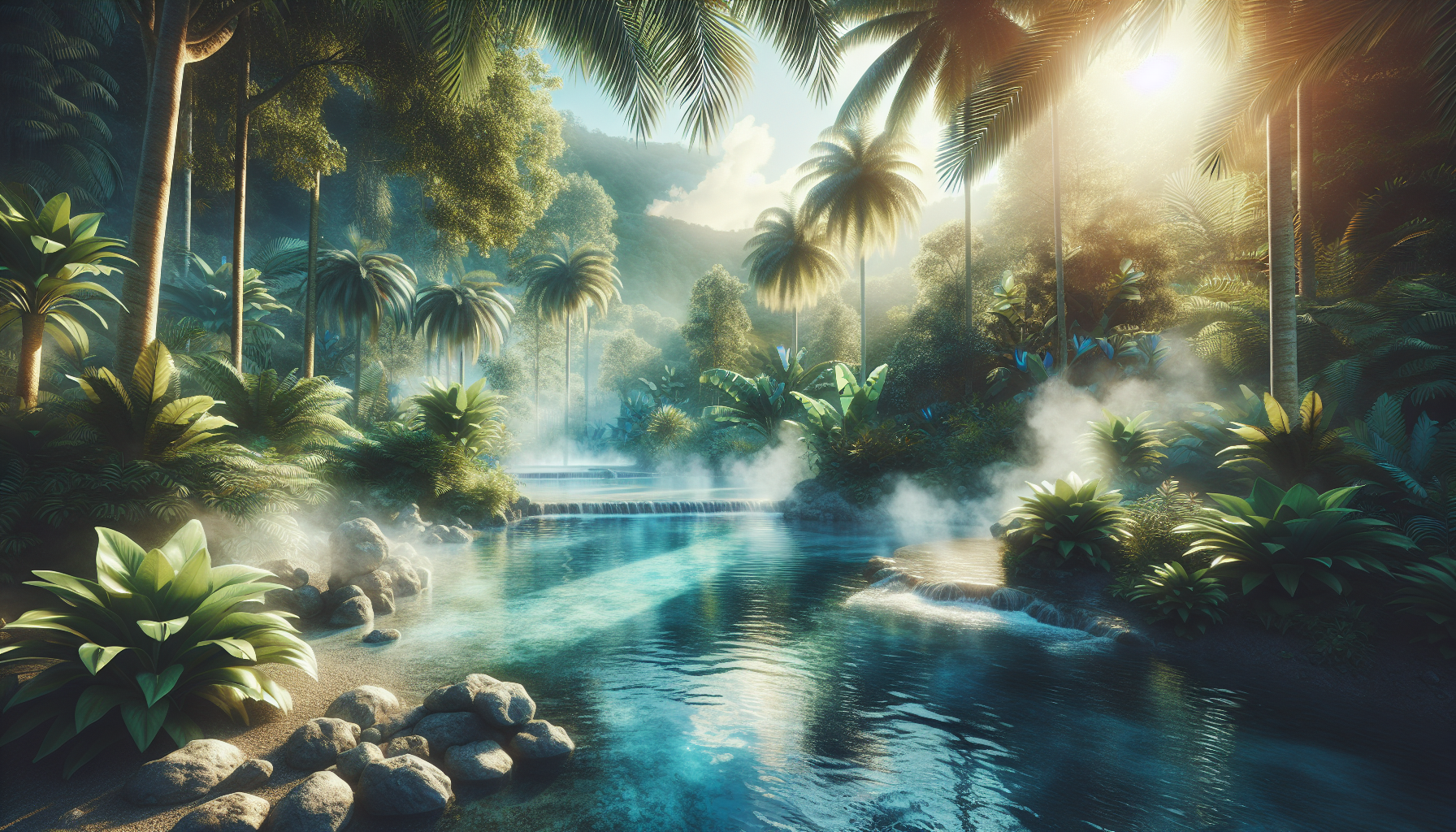
The atmosphere tends to be unhurried. Instead of loud entertainment or formal schedules, you get ambient conversation, natural steam, and views of the surrounding greenery. This makes the springs especially useful for travelers who want recovery time between more active excursions. After a volcano hike or a long walking tour through Basseterre and Brimstone Hill Fortress National Park, thermal soaking can feel restorative. While broad medical claims should be avoided, warm mineral water is widely associated with temporary relief of muscle tightness and stress. That is a practical, believable benefit most visitors can appreciate without exaggeration.
Facilities can be basic, and that is part of the experience. Travelers should not assume extensive changing rooms, high-end lockers, or resort-grade service. Wear footwear with grip, bring water, and keep valuables minimal. A towel, swimsuit, and dry change of clothes are usually enough. If you are visiting as part of a broader Adventure and Activities itinerary, pack as though you are making a short nature stop rather than checking into a spa.
| Visitor Question | Practical Answer | Best Advice |
|---|---|---|
| How long should you stay? | Most visitors spend 45 to 90 minutes soaking and relaxing. | Plan a half-day outing so the visit never feels rushed. |
| Are the springs family-friendly? | Yes, with supervision and caution around temperature and slippery surfaces. | Test the water first and keep children in cooler sections. |
| Do you need a tour? | No, independent visits are possible if transport is arranged. | Use a local driver if you want context and easy logistics. |
| What should you bring? | Swimsuit, towel, water, sandals, and a change of clothes. | Avoid carrying unnecessary electronics or jewelry. |
Health, Wellness, and Realistic Benefits
Travelers often ask whether Saint Kitts’ hot springs have proven health benefits. The accurate answer is that warm soaking can support relaxation, improve perceived comfort in tired muscles, and create a calming pause in a busy itinerary, but it should not be framed as a cure for medical conditions. Mineral springs around the world are frequently associated with balneotherapy, a term used for bathing in mineral-rich waters, and some studies suggest benefits for certain types of discomfort and stress reduction. However, results vary, and travelers should treat the experience as supportive wellness rather than treatment.
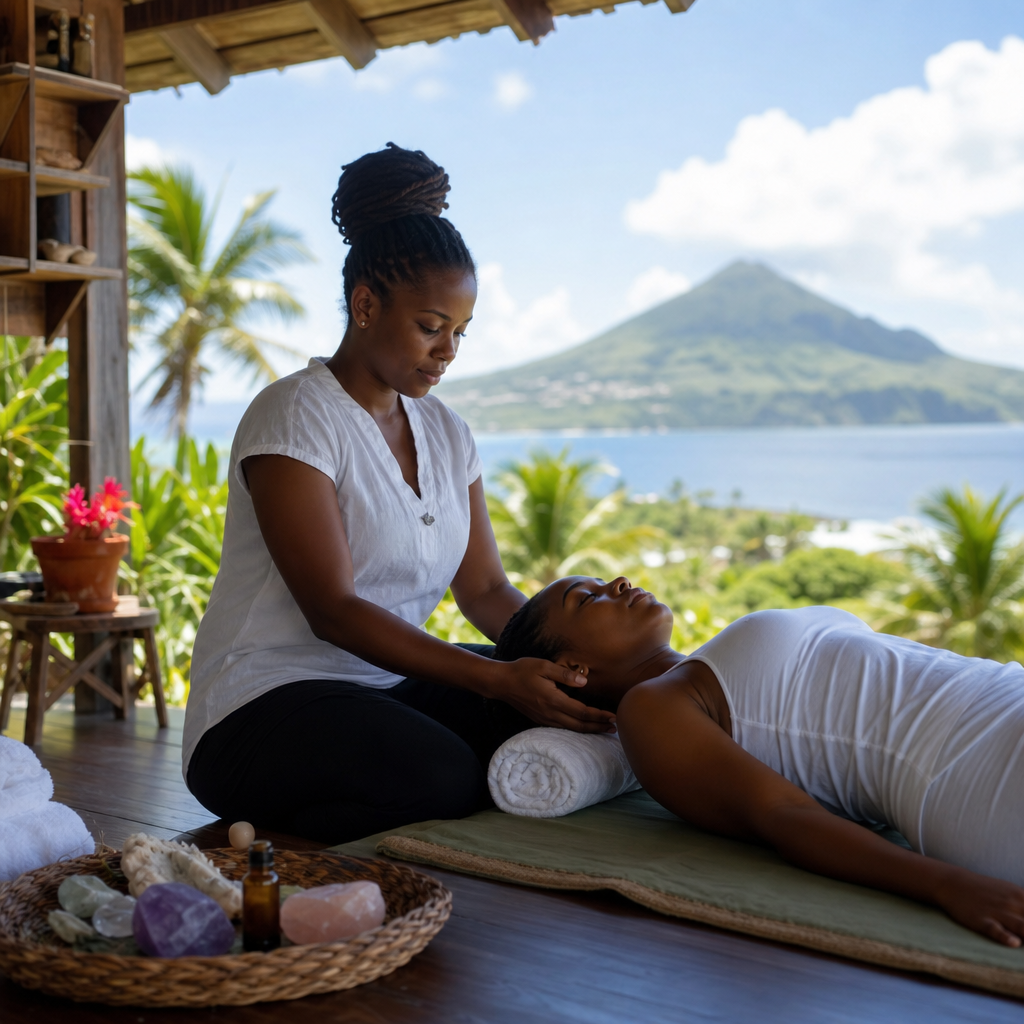
From a practical standpoint, the springs are best used for decompression. I recommend them most strongly after physically demanding activity, long-haul travel, or several days of packed sightseeing. The warm water encourages people to slow down, breathe more deeply, and stop moving for a while, which is often exactly what a Caribbean trip needs. That mental reset can be as valuable as any physical effect. In destination planning, wellness is not only about spas and massages; it is also about creating time to be still in a meaningful setting.
There are sensible cautions. People with cardiovascular concerns, pregnancy-related restrictions, heat sensitivity, or other medical issues should consult a clinician before using hot springs. Hydration matters in tropical climates, and alcohol plus prolonged heat exposure is a poor combination. If the water feels uncomfortably hot, get out rather than trying to endure it. Good travel advice is rarely dramatic: test conditions, use moderation, and respect your own limits.
How to Plan a Visit, Choose Transport, and Pair the Springs with Other Activities
Most visitors reach the hot springs by taxi, private driver, rental car, or an island tour that includes inland stops. For cruise passengers, transport planning is especially important because return timing is not flexible. A trusted local driver can make the experience smoother by waiting onsite or combining the springs with viewpoints, a rum stop, or a village lunch. Independent travelers with rental cars gain flexibility, but should confirm directions in advance and expect local road conditions rather than multilane tourist corridors.
The best time to visit is usually earlier in the day or on a less crowded schedule, when the atmosphere feels calm and temperatures are still comfortable for the drive. Weather matters less than for beach activities, since soaking is enjoyable even on overcast days, but heavy rain can affect general comfort and site conditions. If your itinerary includes strenuous adventure, schedule the springs afterward, not before. The contrast works better: exertion first, recovery second.
As the Miscellaneous hub under Adventure and Activities, this topic connects naturally to several related articles and itineraries. A smart half-day circuit might pair the hot springs with a scenic inland drive and local food in Cayon or nearby communities. A full-day route could combine Brimstone Hill Fortress in the morning, a plantation or botanical stop in the afternoon, and the springs as a closing reset. Visitors staying in Frigate Bay often use the springs as an inland counterpoint to beach-focused days. That balance is one of Saint Kitts’ strengths. The island is compact enough that nature, heritage, and wellness can fit into a single well-planned outing without feeling rushed.
Budgeting is generally manageable compared with premium spa experiences elsewhere in the Caribbean. Your main costs are transportation, any site fee if applicable at the time of visit, and optional guide services. This makes the springs one of the better-value relaxation activities on the island. For travelers seeking variety without overspending, that matters.
Local Etiquette, Sustainability, and Common Mistakes to Avoid
The most respectful way to visit Saint Kitts’ natural hot springs is to remember that this is both a natural site and a place used by locals. Keep noise low, ask before photographing people, and avoid treating the setting as a private content studio. Community-scale attractions depend on visitor behavior. A small amount of courtesy preserves the mood for everyone and supports continued access.
Sustainability at hot springs is simple but important. Do not leave trash, avoid glass containers, and use products responsibly. Heavy lotions or oils before entering the water are unnecessary and can degrade the bathing environment. Because geothermal sites are sensitive and maintenance may be limited, visitors should also avoid rough behavior that damages edges, steps, or surrounding surfaces. These details sound minor until enough travelers ignore them.
The most common mistakes are arriving with resort expectations, underestimating transport time, bringing too many valuables, and staying in the hottest sections too long. Another mistake is skipping nearby local businesses. A hot springs visit becomes more meaningful when you buy lunch, hire a local driver, or ask residents about the area’s history. Tourism works best on islands when spending circulates beyond the shoreline hotel zone.
Saint Kitts’ natural hot springs deserve a place on more itineraries because they deliver something many travelers quietly need: relief from pace. They are not flashy, and that is their strength. In one stop, you get volcanic geography, village context, affordable wellness, and a different perspective on the island’s interior. For the Adventure and Activities subtopic, this Miscellaneous hub anchors all the practical questions a traveler is likely to ask, from location and transport to etiquette and realistic expectations.
If you remember only a few points, make them these: the springs near Cayon are the island’s best-known thermal bathing spot; the experience is natural and local rather than luxury-spa polished; and the best visit comes from planning simple logistics, packing lightly, and pairing the soak with nearby inland exploration. Travelers who approach the springs on those terms usually find them memorable for the right reasons.
When building your Saint Kitts plans, leave room for at least one slow afternoon. Book a driver, bring water and a towel, and head inland to the hot springs. You will return with more than photos; you will understand a calmer, deeper side of the island.
Frequently Asked Questions
What makes Saint Kitts’ natural hot springs worth visiting?
Saint Kitts’ natural hot springs are worth visiting because they offer a very different experience from the island’s better-known beaches, scenic railway rides, and rainforest excursions. These geothermal pools give travelers a chance to slow down and connect with a quieter, more restorative side of the island. Fed by underground volcanic heat, the springs are part of Saint Kitts’ geological identity, and soaking in them feels like stepping into a natural extension of the island’s dramatic landscape.
For many visitors, the appeal lies in the combination of relaxation, scenery, and local character. Unlike heavily commercialized spa destinations, Saint Kitts’ hot springs tend to feel more grounded in place. The experience is often simple and authentic: warm mineral-rich water, tropical surroundings, and a peaceful atmosphere that invites you to pause. That makes them especially appealing for travelers who want something beyond the standard cruise stop or resort itinerary.
They are also a strong fit for wellness-minded travelers. After hiking, island touring, or spending long hours in the sun, soaking in warm springs can feel deeply rejuvenating. Whether you are interested in geology, local traditions, or simply finding an underrated activity on Saint Kitts, the hot springs provide a memorable escape that blends nature, relaxation, and a sense of discovery.
Are the hot springs in Saint Kitts natural, and what causes them to be warm?
Yes, the hot springs in Saint Kitts are natural, and their warmth comes from the island’s volcanic geology. Saint Kitts is part of the Lesser Antilles volcanic arc, a region shaped by tectonic activity and ancient volcanic processes. Even when there is no visible volcanic eruption or lava flow, heat can remain stored beneath the earth’s surface. Groundwater seeps down through cracks in the rock, is warmed by geothermal heat below, and then rises back up to the surface as warm or hot mineral water.
This natural process is what gives the springs their distinctive temperature and mineral content. As the water moves through underground rock layers, it can absorb dissolved minerals that many people associate with therapeutic soaking. The exact composition and temperature can vary depending on the source, rainfall, and local geology, but the overall experience is tied directly to Saint Kitts’ volcanic foundation.
Understanding this geological background makes the visit even more meaningful. You are not just entering a warm pool; you are experiencing an active natural system that reflects the island’s origins. It is one of the reasons hot springs often feel so compelling to travelers. They combine science, landscape, and sensory experience in one place, offering both a relaxing soak and a deeper appreciation for how Saint Kitts was formed.
Do Saint Kitts’ natural hot springs have wellness or therapeutic benefits?
Many visitors seek out Saint Kitts’ natural hot springs because of their reputation for relaxation and recovery. Warm water immersion can help muscles feel looser, improve circulation temporarily, and encourage the body to unwind after physical activity. For travelers who have been hiking through the rainforest, walking historic plantation grounds, or spending a full day exploring the island, a soak in warm mineral water can be especially soothing.
There is also a long-standing connection in many cultures between mineral springs and wellness traditions. People often believe that naturally heated, mineral-rich water may help ease minor aches, stiffness, and stress. While individual experiences vary, and hot springs should not be seen as a cure for medical conditions, many travelers report that they feel calmer, refreshed, and less fatigued after a visit. The setting itself also contributes to the sense of well-being. Being surrounded by tropical nature, away from busy tourist zones, can have a restorative effect that goes beyond the water alone.
That said, it is important to approach hot springs with realistic expectations and basic care. If you have certain health concerns, such as cardiovascular issues, pregnancy-related concerns, or sensitivity to heat, it is wise to check with a medical professional before soaking in very warm water. Hydration matters, and shorter soaks are often more comfortable than staying in for too long. Overall, the springs are best understood as a natural wellness experience: calming, enjoyable, and potentially beneficial as part of a balanced travel day.
What should visitors know before going to a hot spring in Saint Kitts?
Before visiting a hot spring in Saint Kitts, it helps to plan for comfort, timing, and local conditions. First, wear a swimsuit that you do not mind getting exposed to mineral water, and bring a towel, water shoes or sandals, and drinking water. Depending on the setting, surfaces near the spring may be uneven, muddy, or slippery, so footwear with grip is useful. A dry change of clothes can also make the return trip more comfortable, especially if you are combining the outing with other island activities.
It is also smart to think about timing. Visiting earlier in the day or during quieter periods can make the experience more peaceful and allow you to enjoy the surroundings without feeling rushed. Weather can affect access in some areas, particularly if roads or paths become wet after rain. Because hot spring sites can vary from rustic and natural to more managed and visitor-friendly, checking current local information before you go is a good idea.
Visitors should also practice respectful travel habits. Natural springs are part of the local environment and, in many cases, part of the community experience. Avoid leaving trash, use any facilities appropriately, and follow local guidance about where to enter or sit. If the spring is on private land or near a locally managed site, ask questions and support the area respectfully. Finally, listen to your body. If the water feels too hot, step out, cool down, and limit soaking time. A little preparation goes a long way in turning the visit into a safe, relaxing, and memorable part of your Saint Kitts itinerary.
How can travelers include Saint Kitts’ hot springs in a broader island itinerary?
Saint Kitts’ hot springs fit especially well into a day focused on nature, wellness, or off-the-beaten-path exploration. One of the best ways to include them is as a complement to more active experiences. After a rainforest hike, a scenic drive through the island’s interior, or a visit to historical plantation sites, a hot spring soak offers a natural transition from adventure to recovery. This contrast makes the day feel more balanced and gives travelers a fuller sense of what the island offers beyond its coastline.
They also pair well with the broader themes that define Saint Kitts as a destination: volcanic landscapes, rich ecology, and cultural depth. A traveler might spend the morning exploring elevated viewpoints or learning about the island’s sugar estate history, then head to the springs in the afternoon to unwind. For visitors arriving by cruise, the springs can be part of a more distinctive shore excursion if timing allows, especially for those who want to avoid the most predictable port activities.
For longer stays, the hot springs can become part of a slower travel rhythm rather than a one-time stop. They are ideal for couples seeking a peaceful escape, solo travelers interested in wellness, and repeat visitors looking to discover less-publicized experiences. Instead of treating Saint Kitts only as a beach destination, adding the hot springs to your itinerary helps reveal the island’s quieter, geothermal side. That makes the trip feel more layered, more authentic, and ultimately more memorable.