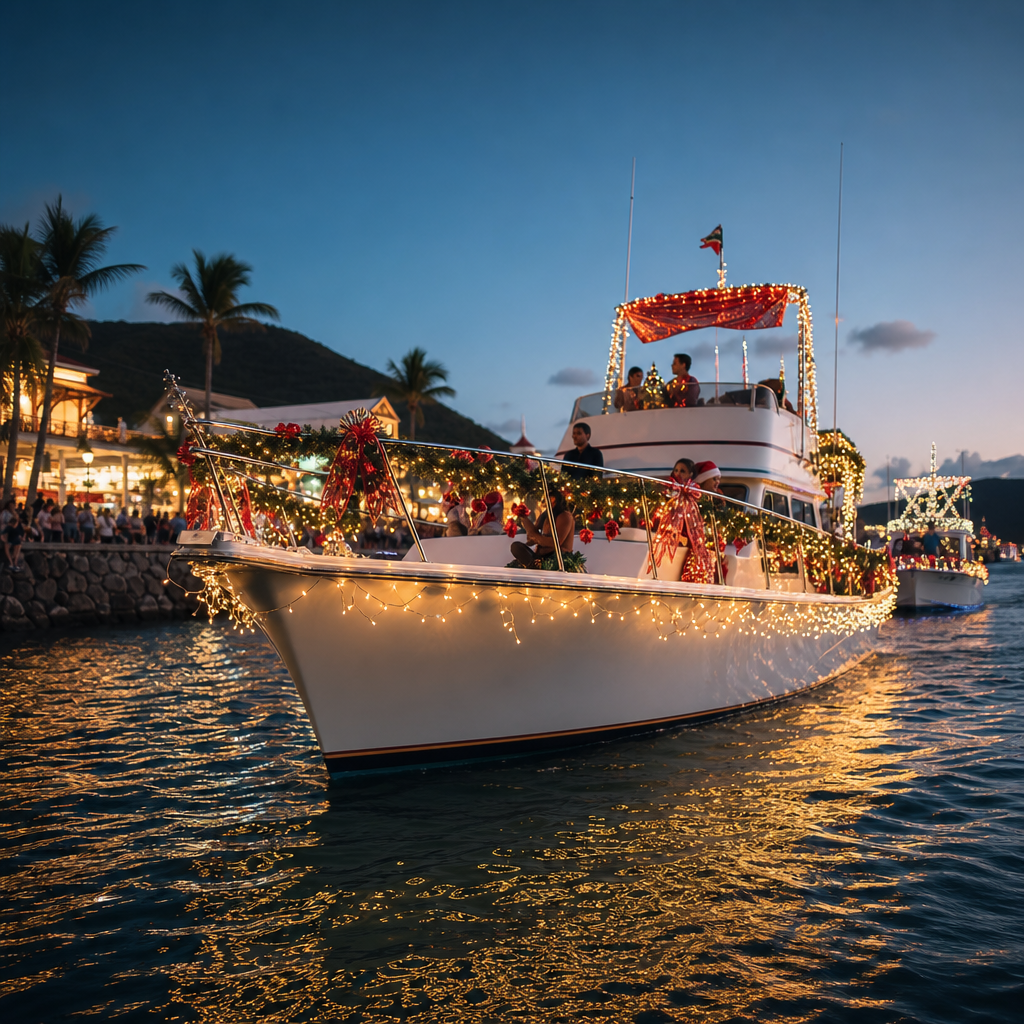
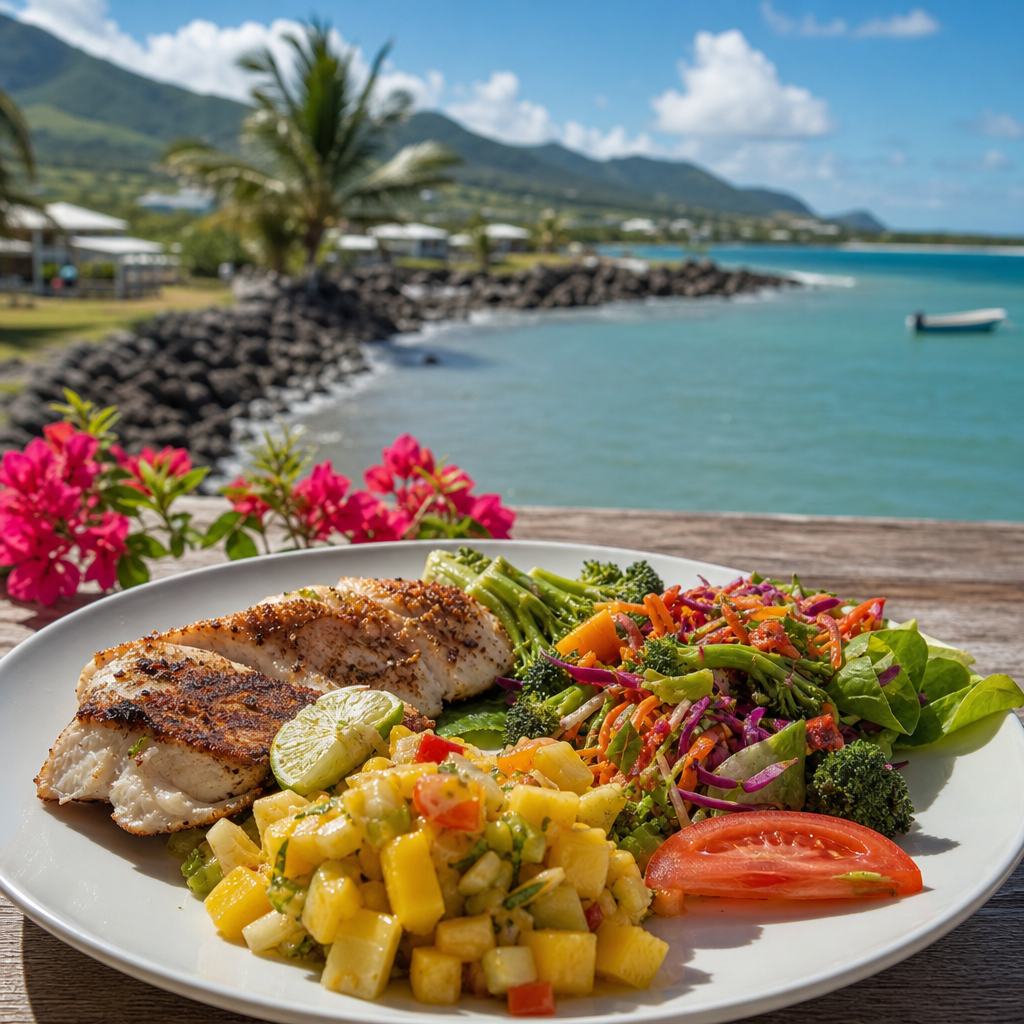
Nevis’ culinary tours turn a small Caribbean island into a full-sensory adventure, where volcanic soil, fishing boats, roadside grills, and historic plantations shape every meal. A culinary tour is more than restaurant hopping. It is a guided exploration of how food connects to landscape, culture, agriculture, and daily life. On Nevis, that connection is unusually clear. The island’s compact size lets travelers move from mountain farms to beach bars in a single afternoon, tasting ingredients close to where they are grown or caught. For visitors planning adventure and activities beyond beaches and resort pools, food offers one of the most rewarding ways to understand the island.
Nevis sits in the Leeward Islands and is paired politically with Saint Kitts, yet it maintains a distinct identity. Its cuisine blends African, British, French, and broader Caribbean influences, with local cooking shaped by fishing traditions, tropical produce, imported staples, and centuries of plantation history. You will see this mix on menus through dishes such as grilled lobster, goat water stew, johnny cakes, saltfish, breadfruit, coconut dumplings, mango chutneys, and rum-based desserts. What makes a Nevis culinary tour valuable is not only what you eat, but how each stop explains the island’s past and present in practical, memorable terms.
In my experience planning Caribbean activity content and working through island food itineraries, Nevis stands out because its food scene feels intimate rather than staged. You can talk directly with chefs, market vendors, bartenders, fisherfolk, and farmers without the logistical friction common on larger destinations. That intimacy matters for travelers who want authentic experiences. It also matters for trip planning. A well-designed culinary tour can function as a hub activity, linking beach outings, hiking, heritage visits, sailing days, and wellness travel. Food becomes the thread that connects miscellaneous adventures into one coherent island story.
This guide covers Nevis culinary tours comprehensively as a hub page for the wider miscellaneous subtopic under adventure and activities. It explains what these tours include, what foods to prioritize, where tours typically go, how to choose between styles, what seasonal factors affect your itinerary, and how culinary experiences connect with culture, sustainability, and local business. If you are asking whether Nevis is worth visiting for food, what a food tour looks like on the island, or how to build a taste-focused itinerary that still feels adventurous, the answer is yes. Nevis rewards curious travelers who arrive hungry and leave better informed.
What Makes Nevis a Culinary Adventure Destination
Nevis works especially well for culinary travel because the island’s geography compresses variety into a manageable radius. Within a short drive, you can sample seafood on Pinney’s Beach, explore Charlestown’s casual eateries, visit former plantation estates now operating as inns or restaurants, and taste fruit or vegetables grown inland near the slopes of Nevis Peak. Unlike food capitals where dining can feel disconnected from source ingredients, Nevis makes those supply chains visible. You can often identify where the fish came from, who supplied the herbs, or which local orchard produced the mangoes in your drink.
The island’s strongest culinary advantage is freshness. Wahoo, mahi-mahi, tuna, snapper, conch, and lobster appear regularly, depending on season and catch conditions. Produce includes breadfruit, pumpkin, plantain, sweet potato, coconut, tamarind, soursop, papaya, guava, and several mango varieties. Spices and aromatics such as thyme, scallion, garlic, ginger, and Scotch bonnet peppers give Nevisian food its backbone. A good culinary tour explains these ingredients in plain language and shows how they move from field or sea to plate. That educational layer transforms a meal into an activity with lasting value.
Another reason Nevis excels is the range of dining formats packed into a small destination. Travelers can move between upscale plantation dining rooms, family-run takeaways, beach shacks, bakery counters, rum bars, and special event cookouts. This diversity supports different kinds of culinary tours: walking tastings, vehicle-based island loops, chef-led dinners, market visits, rum tastings, seafood-focused outings, and farm-to-table experiences. For a sub-pillar hub page, that matters because “miscellaneous” on Nevis is not random. It is a collection of linked experiences, and food is one of the clearest ways to organize them.
Signature Foods and Drinks to Try on Nevis Culinary Tours
If you only have one day, prioritize the dishes that express local identity most clearly. Goat water is essential. Despite the name, it is a rich, slow-cooked stew, often seasoned with cloves, thyme, black pepper, and other spices, and it has long been associated with communal gatherings across Saint Kitts and Nevis. Fresh grilled lobster is another staple, especially when in season. On Nevis, lobster is often prepared simply so the sweetness stays central, then paired with rice, salad, or provisions such as plantain and breadfruit.
Saltfish appears in breakfasts and lunch plates, often alongside coconut dumplings or johnny cakes. Breadfruit, once introduced to the Caribbean during the colonial period, now feels fully integrated into island cooking and can be roasted, fried, mashed, or turned into chips. Conch may be stewed, curried, or served in fritters. Johnny cakes provide a portable, satisfying accompaniment, especially when bought warm from a roadside stop. In tasting itineraries, these foods matter because they show how Nevisian cooking balances practicality, flavor, and local availability rather than chasing trends.
Drinks deserve equal attention. Rum punch is the obvious entry point, but serious culinary tours should go beyond it. Ask about aged rums, house infusions, sorrel drinks, ginger beer, tamarind juice, local fruit punches, and cocktails built around island produce. On more refined menus, bartenders may use herbs, bitters, or fresh reductions to modernize traditional flavors. The point is not novelty for its own sake. The best beverage stops explain why tropical acidity, spice, and sweetness pair so effectively with grilled seafood, stews, and smoked meats.
| Food or Drink | What It Is | Why It Matters on a Tour |
|---|---|---|
| Goat water | Spiced goat stew cooked slowly until rich and aromatic | Shows heritage cooking and community food traditions |
| Grilled lobster | Fresh Caribbean lobster, usually simply seasoned | Highlights local seafood quality and coastal dining culture |
| Saltfish and dumplings | Cured cod served with dumplings or provisions | Explains historic trade routes and practical island staples |
| Breadfruit | Starchy fruit roasted, fried, or mashed | Connects agriculture, history, and everyday meals |
| Rum punch | Rum mixed with citrus, spice, and sweet elements | Introduces local bar culture and regional flavor balance |
Types of Culinary Tours Available on Nevis
Nevis does not rely on one standardized food tour format, which is a strength. Some tours focus on heritage, using plantation inns, old sugar estate areas, and Charlestown landmarks to explain how colonial economics shaped what people ate. Others are more casual and contemporary, concentrating on beach bars, local lunch counters, and chef-driven kitchens. I recommend choosing the format based on your broader itinerary. If your trip already includes historical sightseeing, a market-and-beach route may create better balance. If your vacation is mostly leisure and water sports, a heritage dining tour can add needed context.
Walking tours tend to work best in and around Charlestown, where compact streets, government-era buildings, and nearby eateries create a manageable route. These are ideal for visitors who want samples, storytelling, and a low-intensity activity. Vehicle-based tours are better for broader coverage, especially if the itinerary includes inland farms, viewpoints, estate properties, and Pinney’s Beach. They save time and reduce heat exposure, which matters on warm afternoons. Some operators also combine food with cooking demonstrations, where guests learn to season fish, prepare local sides, or mix island cocktails.
Private culinary tours usually cost more, but they offer superior flexibility for dietary needs, mobility concerns, and special interests. If you care specifically about seafood, rum, vegan Caribbean cooking, or plantation history, a private guide can tailor stops and pacing. Group tours are more social and often more economical, though they may be less adaptable. For cruise passengers or short-stay travelers, timing is critical. Confirm transfer logistics, number of tastings, full-meal expectations, and whether beverages are included. The strongest operators are transparent about duration, transportation, and cancellation policies before booking.
How Food Tours Connect With Nevis Culture, History, and Daily Life
Food on Nevis is inseparable from the island’s historical layers. Plantation agriculture once dominated land use, especially sugar, and that legacy still shapes where roads run, where estates stand, and how hospitality businesses occupy historic properties today. A thoughtful culinary tour does not romanticize that history. It explains it. Imported saltfish, preserved meats, and durable starches became important because of trade patterns and labor realities. Local people adapted available ingredients into resilient, flavorful cooking traditions. Dishes that seem simple now often reflect ingenuity under constraint.
Fishing communities are equally important to understanding what appears on a plate. Morning catches influence lunch menus, and weather can alter availability immediately. That fluidity is not a flaw. It is part of what makes Nevis dining feel real. Menus may shift because the wahoo did not come in, or because lobster is out of season, or because a cook found especially good breadfruit that day. Travelers used to fixed resort menus sometimes miss the significance of that flexibility. In practice, it is a marker of freshness and local sourcing.
Culinary tours also reveal social rhythms. Weekend beach liming, community events, roadside barbecue, and festival cooking each reflect different sides of island life. Food service on Nevis can be relaxed compared with high-speed urban standards, but that pace often creates more interaction. Guests have time to ask where the fish was landed, how a pepper sauce was made, or why a family recipe uses a specific spice combination. Those conversations are often the most valuable part of the tour. They turn a transaction into cultural exchange and make the island easier to understand beyond postcard images.
Planning the Best Nevis Culinary Tour Itinerary
The best itinerary starts with honest priorities. If your main goal is sampling as many signature foods as possible, choose a half-day or full-day route with five or more tasting stops and varied formats, such as a market, beach restaurant, plantation inn, and drink stop. If you want a deeper understanding of cooking techniques, book a class or chef-led experience. For travelers splitting time between Saint Kitts and Nevis, account for ferry schedules carefully. Missing the return because a leisurely lunch ran long is avoidable with proper planning.
Season matters. The dry season, broadly from December to April, is the busiest period and usually offers easier touring conditions. The wetter months can still be rewarding, with lush landscapes and fewer crowds, but outdoor stops may require flexibility. Seafood availability also changes. Lobster seasons and local catch conditions affect menus, so ask in advance if a specific ingredient matters to you. Travelers with dietary restrictions should communicate early. Vegetarian and gluten-conscious options are increasingly available, but they are easier to arrange on private or custom tours than on fixed group itineraries.
Dress for heat, bring water, and pace yourself. This sounds basic, but many visitors underestimate how filling Caribbean tastings can be, especially when rum drinks are involved. Wear light clothing, use sun protection, and avoid scheduling a demanding hike immediately after a large lunch tour. On the other hand, pairing a morning food walk with an afternoon catamaran trip or a heritage site visit works well. As a hub activity within adventure and activities, a culinary tour is most effective when integrated with other Nevis experiences rather than treated as an isolated meal plan.
How to Choose Tour Operators, Restaurants, and Related Experiences
Start with evidence, not marketing language. Look for operators or restaurants with consistent recent reviews, clear descriptions of inclusions, and recognizable local partnerships. Specificity is a good sign. If a provider names farms, chefs, fishing connections, estate properties, or featured dishes, that usually indicates a real program rather than a generic island drive with lunch attached. Reputable hospitality brands on Nevis often collaborate with local producers, and many respected properties have longstanding food reputations. Still, independent places can deliver the most memorable tastings, especially for roadside lunches and beach barbecue.
Ask practical questions before booking. How many stops are there? Are portions tasting-size or meal-size? Is transport air-conditioned? Can the guide discuss history, ingredients, and sourcing in detail? Are children welcome? What happens in rain? A strong answer to these questions tells you more than polished photos do. For high-end travelers, confirm whether the experience includes premium drinks, chef interaction, or exclusive access. For budget-conscious visitors, compare whether a self-guided circuit might cover similar ground at lower cost. The tradeoff is that you lose interpretation, local introductions, and logistical efficiency.
Finally, think beyond the tour itself. The best miscellaneous travel hubs point readers toward connected experiences. On Nevis, culinary exploration pairs naturally with rum tastings, historical estate visits, market browsing, beach hopping, sailing excursions, and wellness stays focused on local ingredients. Build your schedule so food experiences support the rest of your trip. Book one anchor culinary tour early, then leave room for spontaneous meals discovered through local recommendations. That balance usually produces the strongest memories. If you want to experience Nevis fully, start with its food and let the island lead you to everything else.
Nevis’ culinary tours offer something many destinations promise but few deliver: a genuine sense of place you can taste, question, and remember. They combine adventure, heritage, agriculture, and hospitality in a format that suits both first-time visitors and repeat travelers looking for depth. The island’s scale helps, but the real advantage is the clarity of its food culture. Fresh seafood, tropical produce, historic influences, and direct access to the people preparing your meals make Nevis unusually rewarding for travelers who want more than scenic dining.
As a hub within adventure and activities, this topic connects naturally to a wide range of miscellaneous experiences. Food tours can anchor a broader itinerary, inform your restaurant choices, introduce local history, and help you understand how Nevis works beyond the resort lens. Whether you choose a beach-bar tasting route, a plantation dining circuit, a market-focused walk, or a private chef-led day, the key is to approach the island with curiosity and enough flexibility to follow local rhythms.
The core takeaway is simple: on Nevis, eating well is not separate from exploring well. Book a culinary tour that matches your interests, ask questions at every stop, and use what you learn to shape the rest of your island adventure.
Frequently Asked Questions
What makes a culinary tour on Nevis different from simply dining at restaurants?
A culinary tour on Nevis goes far beyond booking a few good meals. It is an immersive way to understand the island through its food, where each stop reveals how geography, history, and community influence what ends up on the plate. Because Nevis is compact, travelers can move easily between very different food environments in a single day, from fertile inland farms shaped by volcanic soil to fishing villages, roadside barbecue spots, beach bars, and historic plantation settings. That variety creates a sense of continuity between ingredient and experience that is harder to find in larger destinations.
What sets the experience apart is the storytelling behind the food. Guides often explain why certain crops thrive on the island, how local fishermen supply kitchens with fresh catch, and how Afro-Caribbean, British, and regional influences have shaped traditional dishes over time. Instead of viewing food as a stand-alone attraction, visitors begin to see it as part of daily island life. A culinary tour may include tastings, conversations with cooks or producers, and insights into local customs, making the journey as educational as it is delicious. In Nevis, food is not just consumed; it is interpreted through place.
What kinds of foods and flavors can travelers expect to taste on a Nevis culinary tour?
Travelers can expect a vibrant mix of fresh seafood, tropical produce, slow-cooked meats, aromatic spices, and deeply rooted Caribbean comfort foods. Nevisian cuisine reflects the island’s natural bounty, so menus often feature fish caught the same day, lobster when in season, conch, goat water stew, grilled chicken, rice and peas, plantains, breadfruit, coconut-based dishes, and fruit-forward desserts or drinks. Because the island’s volcanic soil supports productive farming, ingredients such as mangoes, papayas, herbs, vegetables, and root crops often arrive exceptionally fresh and flavorful.
The flavor profile on Nevis is balanced and expressive rather than one-note. Visitors may encounter smoky barbecue from roadside grills, bright citrus marinades, rich stews layered with spice, and sauces that combine heat with sweetness. Depending on the tour, tastings may range from casual local specialties to refined interpretations of island ingredients at upscale plantation inns or waterfront restaurants. Rum punches, fresh juices, and local cocktails may also play a role, especially when paired with beachside dining or sunset stops. The overall experience is one of contrast and connection: rustic and elegant, traditional and contemporary, all grounded in ingredients that reflect the island itself.
How do Nevis’ farms, fishing culture, and history shape the culinary tour experience?
Nevis’ food culture is inseparable from the island’s land and sea. Its fertile volcanic soil helps sustain farms that produce fruits, vegetables, and herbs central to local cooking, while the surrounding Caribbean waters support a long-standing fishing tradition that keeps seafood at the heart of many menus. On a culinary tour, this relationship becomes especially visible. Travelers may learn how produce is grown, how seasonality affects what is served, or how fishermen and chefs work together to bring fresh ingredients directly from boat to kitchen. That direct supply chain gives many dishes a freshness and authenticity that are immediately noticeable.
History also plays a major role. Nevis’ culinary identity has been shaped by colonial-era plantation life, African heritage, trade routes, and generations of adaptation and resilience. Historic plantation inns and estate settings often serve as memorable stops because they connect food with the island’s layered past. Traditional dishes can carry stories of resourcefulness, celebration, family tradition, and cultural continuity. A strong culinary tour will not present food in isolation; it will show how agriculture, labor, migration, and local knowledge all contributed to the island’s table. This historical context gives every meal greater meaning and helps visitors understand why Nevis’ cuisine feels both intimate and deeply rooted.
Is a culinary tour on Nevis suitable for first-time visitors and non-foodies?
Yes, a culinary tour on Nevis is an excellent choice for first-time visitors, including those who do not consider themselves serious food enthusiasts. In fact, it can be one of the easiest and most enjoyable ways to get oriented on the island. Because food naturally opens the door to conversations about neighborhoods, customs, agriculture, and local history, these tours provide a broader introduction to Nevis than many traditional sightseeing options. Visitors often come away with a stronger sense of the island’s rhythm, its people, and the differences between inland, coastal, and historic areas.
For non-foodies, the appeal lies in the full sensory experience rather than in culinary expertise. You do not need specialized knowledge to appreciate a fresh seafood lunch by the water, the aroma of grilled meat from a roadside stop, or the chance to sample tropical fruits near where they are grown. Many tours are paced to be accessible and enjoyable, combining scenic travel, local storytelling, and varied tasting opportunities. They can also help first-time travelers discover restaurants, dishes, and neighborhoods they might not have found on their own. In that sense, a culinary tour is as much about exploration and cultural connection as it is about eating.
How can travelers make the most of a culinary tour on Nevis?
To get the most from a culinary tour on Nevis, travelers should arrive curious, flexible, and ready to engage with the island beyond the menu. Asking questions about ingredients, cooking methods, local traditions, and sourcing can transform a good tour into a memorable one. Since Nevis is a place where food is closely tied to environment and daily life, the more attention you pay to context, the richer the experience becomes. Notice where ingredients come from, how settings change from one stop to the next, and how each meal reflects a different side of the island, whether rural, coastal, historic, or contemporary.
It also helps to embrace variety. Some of the most memorable bites may come from modest roadside grills or beach bars, not only from formal dining rooms. Travelers should pace themselves, stay hydrated in the Caribbean climate, and be open to trying dishes they may not normally order. If dietary restrictions are a concern, communicating them in advance can help tour operators plan appropriate substitutions. Finally, treat the experience as cultural travel rather than a checklist of tastings. The best culinary tours on Nevis are not only about what you eat but about what you learn, who you meet, and how the island reveals itself through flavor, landscape, and hospitality.