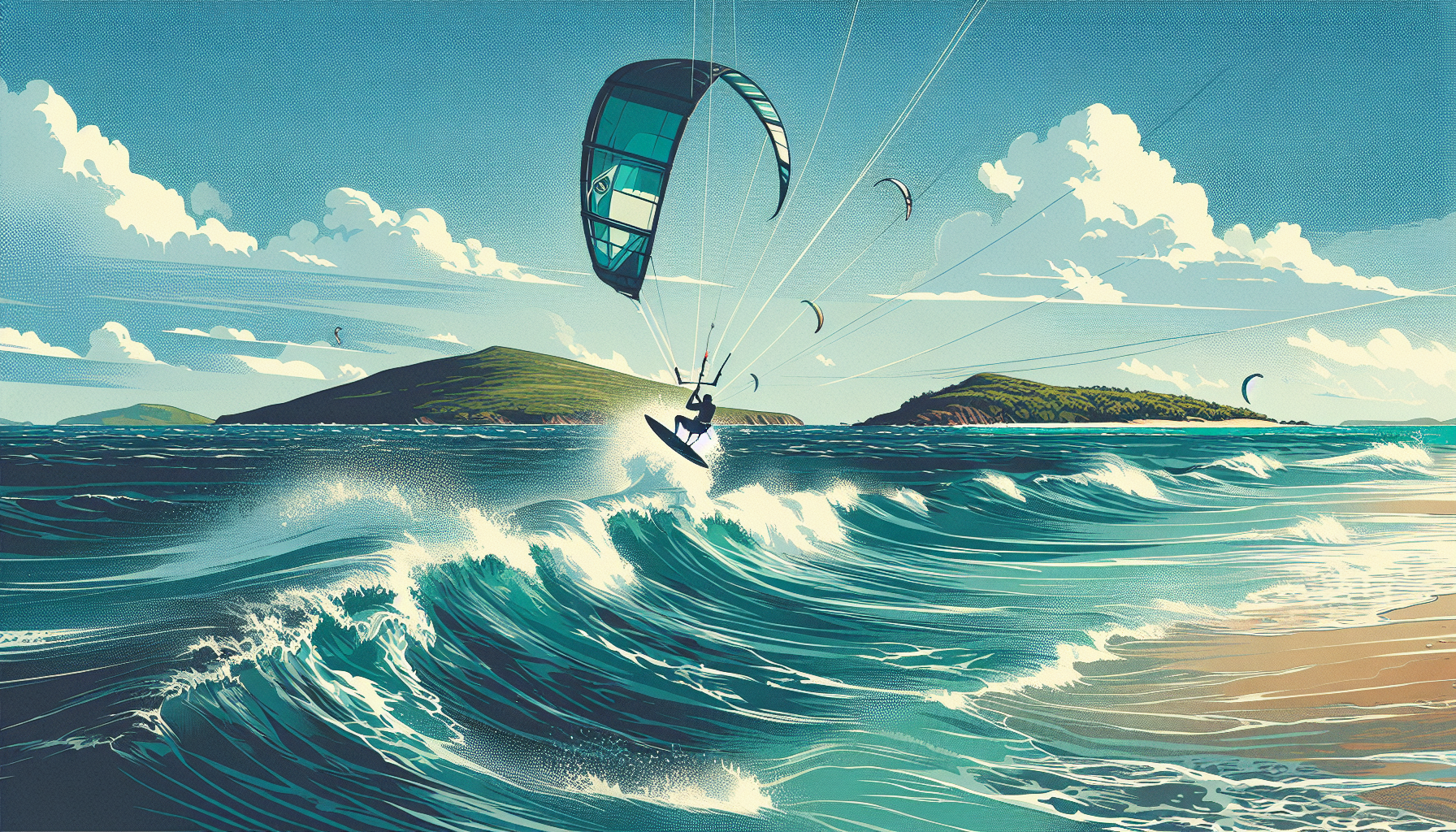
Kite surfing in Nevis combines steady trade winds, warm Caribbean water, and a quieter coastline than many better-known islands, making it one of the most appealing yet underused wind sports destinations in the region. For travelers exploring adventure and activities in Nevis, this miscellaneous hub page explains what kite surfing is, where conditions are best, what equipment and instruction you need, how local weather patterns shape sessions, and which related water activities fit beginners, families, and experienced riders. Kite surfing, sometimes called kitesurfing or kiteboarding, uses a controllable power kite to pull a rider across the water on a board; depending on wind strength and rider skill, the sport can include cruising, jumping, wave riding, and downwind exploration. It matters in Nevis because the island offers a rare combination of manageable launch areas, scenic bays, relatively low marine traffic, and easy access to other outdoor pursuits in a single day. I have planned Caribbean water-sports itineraries where wind quality, rescue support, beach access, and seasonality determined whether a destination was enjoyable or frustrating, and Nevis consistently stands out for balance rather than extremes. Instead of competing with the busiest global kite hubs, Nevis rewards travelers who want dependable conditions, authentic island atmosphere, and room to learn or progress without the pressure of crowded beaches. As a sub-pillar hub for the miscellaneous corner of adventure and activities, this article also points toward the broader experiences that often accompany a kite trip in Nevis: stand-up paddling on lighter mornings, snorkeling on no-wind afternoons, catamaran cruising, coastal photography, fitness training, and weather-aware beach hopping. If you are asking whether Nevis is good for kite surfing, the direct answer is yes: it is best for riders who value moderate trade-wind consistency, warm water, and a laid-back launch environment over massive surf, nightlife, or heavily commercialized beach scenes.
Why Nevis Works for Kite Surfing
Nevis works for kite surfing because its geography and climate create practical, repeatable riding conditions across much of the main wind season. The island sits in the northeastern Caribbean where trade winds are most reliable from roughly December through July, with the strongest and steadiest periods often appearing between January and June. Average daytime air temperatures commonly range from about 26 to 30 degrees Celsius, and water temperatures frequently sit near 27 to 29 degrees, which means most riders can use a rash guard, impact vest, or thin spring suit instead of heavy neoprene. That matters more than many first-time visitors realize, because warm-water kiting reduces fatigue during long sessions and simplifies packing. Nevis also has less shoreline overdevelopment than larger Caribbean islands, so many beach areas feel open rather than congested.
The most useful way to think about Nevis is not as an extreme-performance destination but as a versatile one. Wind quality depends on local orientation, headlands, reef position, and weather systems moving through the Lesser Antilles. On good trade-wind days, riders can expect side-onshore or onshore angles in selected bays, which are generally safer for lessons than straight offshore wind. Compared with famous global destinations such as Cabarete in the Dominican Republic or Union Island in Saint Vincent and the Grenadines, Nevis is quieter and more limited in formal kite infrastructure, but that can be an advantage for travelers who prefer uncrowded water and a more integrated island holiday. The island’s compact scale also means less transit time between accommodation, launch points, beach restaurants, and backup activities when the forecast changes.
Best Areas, Conditions, and Seasonal Planning
The best kite surfing areas in Nevis are typically beaches and bays with cleaner wind exposure and enough open space for safe setup, launching, and landing. Because exact launch suitability changes with tide, swell, beach width, and temporary obstacles, riders should confirm conditions locally before rigging. Oualie Beach is often discussed in connection with water sports because it has established visitor access, calm-to-moderate water patterns depending on the day, and proximity to marine operators. Nearby stretches on the western and northwestern side can offer attractive sessions when trade winds wrap in cleanly, though riders need to evaluate gustiness caused by terrain. Pinney’s Beach is one of Nevis’s most famous shorelines and excellent for general beach time, but not every scenic beach is automatically a safe kite launch; hotel density, swimmers, and wind shadows all affect suitability.
Seasonality is critical. During the core trade-wind months, a typical visiting rider might bring a quiver centered around 9-meter and 12-meter kites, with lighter or heavier options depending on body weight and board choice. Lighter summer wind can still produce enjoyable freeride sessions, especially with larger kites or foil setups, but consistency becomes less predictable. The Atlantic hurricane season runs from June through November, and while storms do not affect every week, this period requires active forecast monitoring. I strongly recommend using Windy, Windguru, and local marine forecasts together rather than relying on one app. Forecast agreement on wind strength, gust spread, rainfall bands, and swell direction gives a much more realistic session plan.
| Factor | Best Range for Most Visitors | Why It Matters in Nevis |
|---|---|---|
| Wind season | December to July | Trade winds are generally most dependable for twin-tip and freeride sessions |
| Water temperature | 27–29°C | Allows light protective clothing and longer sessions with less fatigue |
| Typical setup | 9 m and 12 m kites | Covers many average trade-wind days for mid-weight riders |
| Ideal lesson wind | Moderate side-onshore | Improves relaunch, body drag practice, and overall safety near shore |
| Watchouts | Gusts, reefs, swimmers, storms | Local beach checks matter more than broad regional forecasts |
Lessons, Gear, and Safety Standards
If you are new to the sport, the smartest way to start kite surfing in Nevis is with professional instruction, not rental gear. A qualified instructor should teach wind window theory, equipment naming, preflight checks, launching signals, depower use, self-rescue basics, and body dragging before board starts. The internationally recognized benchmark most travelers look for is training aligned with established certification systems such as IKO or equivalent professional standards. Certification alone is not enough, however; ask whether the school uses radio helmets, rescue craft support, modern quick-release systems, and beginner-appropriate kite sizes. In warm, inviting water, people often underestimate risk, but kiteboarding accidents usually stem from poor launch judgment, obstacle proximity, or overpowered riding, not cold conditions.
For intermediate and advanced riders, gear choice should reflect Nevis’s varied conditions rather than an assumption of constant strong wind. A freeride twin-tip remains the most practical travel board. Directional boards work well on wave-oriented days, while hydrofoils can extend sessions in lighter periods but require more space and stronger self-rescue skills. Essential equipment includes a harness that fits correctly, a bar with functional safety release, a leash used according to riding style and local recommendation, a helmet, and buoyancy or impact protection. Reef booties can be useful in sections with coral, rock, or shell. Before every session, inspect bridle wear, pigtails, center lines, inflation pressure, and valve integrity. I have seen more sessions lost to preventable setup issues than to lack of wind.
Safety on Nevis also means respecting local beach users. Launch away from hotel guests, swimmers, moored boats, and fishermen. Do not assume every open shoreline is public launch space just because it looks empty from the road. Ask local operators where access is accepted, where currents intensify, and which beaches become turbulent in certain wind directions. If there is no dedicated rescue boat, ride more conservatively and stay within your upwind capacity. Solo sessions in unfamiliar conditions are never the best first choice.
What Else to Do Around a Kite Trip in Nevis
The miscellaneous side of a Nevis adventure hub matters because kite conditions naturally create gaps in the day, and the island is unusually well suited to filling them. On lighter-wind mornings, stand-up paddleboarding in sheltered water offers balance training that transfers directly to board control. Snorkeling trips reveal reef fish, sea turtles, and underwater topography that also help riders understand where shallow hazards may lie. Catamaran charters provide a wider coastal perspective and are useful for non-kiting companions who still want time on the water. Beach running, mobility work, and strength sessions support progression by improving core stability, shoulder endurance, and hip control for water starts and edging.
Nevis also gives travelers meaningful land-based variety. You can pair a morning session with an afternoon walk through Charlestown, a visit to historical plantation inns, or a hike on the lower slopes of Nevis Peak when cloud cover and trail conditions allow. Food is another practical part of the experience. Hydration and electrolyte replacement are not optional in tropical wind sports; after a two-hour session in strong sun, riders often need more fluids than they expect. Beach bars and local restaurants make recovery easy, but heavy meals immediately before riding are rarely comfortable. The best mixed itinerary is simple: check the forecast at sunrise, prioritize the strongest wind window, and use the rest of the day for lower-intensity exploration.
Travel Logistics, Costs, and Common Questions
Getting to Nevis typically involves flying into Saint Kitts and transferring by water taxi or regional connection, so equipment logistics deserve advance planning. Check airline oversize baggage fees before booking, because kite bags can quickly turn a cheap fare into an expensive one. Many travelers reduce cost by packing one board, two or three kites, one control bar, a pump, a harness, and minimal spare parts rather than carrying a full quiver. If lessons or rentals are available locally during your travel dates, compare total rental cost against baggage charges. For a short stay, renting can be more efficient; for a week or more of committed riding, bringing familiar gear is often better.
Travelers also ask whether Nevis is good for beginners, families, and non-kiting partners. The answer is generally yes, with conditions. Beginners need proper instruction and a launch selected for the day’s wind angle. Families benefit from the island’s calm atmosphere, manageable distances, and broad menu of beach and sightseeing options. Non-kiting partners usually enjoy Nevis more than highly specialized surf destinations because there is enough to do beyond waiting on the beach. Budget expectations vary widely, but Nevis tends to sit above backpacker pricing and below the most exclusive Caribbean private-island cost structures. Plan for accommodation, transfers, gear fees, lessons if needed, meals, and weather-flexible activity backups.
Kite surfing in Nevis is best approached as a complete island adventure rather than a single-sport checklist. The strongest trips combine realistic wind planning, local knowledge, proper instruction, and a willingness to enjoy the island when the breeze pauses. Nevis delivers warm water, attractive scenery, and enough consistency to satisfy many recreational riders without the crowding and commercial pressure found elsewhere. For this miscellaneous hub within adventure and activities, the key takeaway is clear: Nevis supports kite surfing exceptionally well when you match your skill level, season, and beach choice to actual conditions. Build your itinerary around the forecast, book lessons if you are new, confirm launch guidance locally, and then explore the island’s wider water-sports scene to get the most from every day. Start with one well-planned session, and Nevis will usually make you want another.
Frequently Asked Questions
Is Nevis a good place for kite surfing, and what makes it different from other Caribbean islands?
Yes, Nevis is an excellent place for kite surfing, especially for travelers who want reliable wind, warm water, and a more relaxed setting than the region’s better-known kite destinations. One of the biggest advantages of kite surfing in Nevis is the island’s relatively uncrowded coastline. That means more space to launch, ride, and practice without the heavy beach traffic or packed lesson zones that can make learning feel intimidating elsewhere. The island benefits from steady trade winds during key parts of the year, and those winds often pair with comfortable sea temperatures that let most riders spend long sessions on the water without needing heavy thermal gear.
What really sets Nevis apart is its atmosphere. The experience feels less commercial and more naturally connected to the island itself. Instead of a high-volume, highly developed kite scene, you get a quieter adventure setting that appeals to independent travelers, couples, and active families looking for something beyond the usual resort checklist. For experienced riders, that can mean a more peaceful session with fewer interruptions. For beginners, it can create a less pressured environment for building confidence. In short, Nevis combines strong natural conditions with a calm Caribbean character, making it one of the most appealing yet underused wind sports destinations in the region.
When are the best conditions for kite surfing in Nevis, and how do local weather patterns affect sessions?
The best kite surfing conditions in Nevis are generally tied to the island’s trade wind patterns, which provide the consistent breeze riders depend on for planning productive sessions. While exact conditions vary by season, many visitors look for periods when the trade winds are most dependable and weather systems are stable. On those days, riders can often expect a combination of steady wind, warm sunshine, and manageable chop or small swell, depending on the location and time of day. Mornings may begin lighter, with wind strengthening later as the day warms, so checking daily forecasts and talking with local operators is always important.
Weather matters in kite surfing far beyond just wind speed. Direction, gustiness, cloud cover, passing squalls, and changing tide or water state all influence safety and ride quality. In Nevis, local weather can shift with regional systems, so the most successful sessions happen when riders stay flexible. A day that looks perfect on paper may still require adjustments based on shoreline conditions or launch safety. Beginners should especially avoid judging conditions on appearance alone, because a beautiful beach can still have wind angles or water movement that demand experience. The best approach is to use wind forecasts, listen to local advice, and choose spots that match your ability level. That combination helps riders make the most of Nevis’s trade winds while staying safe and realistic about Caribbean weather variability.
Do I need lessons to try kite surfing in Nevis, and what equipment should I expect to use?
If you are new to kite surfing, lessons are strongly recommended, and for most first-timers they should be considered essential rather than optional. Kite surfing combines wind awareness, kite control, board skills, self-rescue knowledge, and an understanding of launch and landing procedures. It is not the kind of activity most people should try to teach themselves, even in a beautiful destination like Nevis. A qualified instructor can guide you through the fundamentals in a structured way, beginning with safety systems, wind window concepts, body positioning, and how to control the kite before you ever attempt to ride on the board. That process reduces risk and speeds up learning dramatically.
In terms of equipment, most students and visiting riders will use a standard setup that includes an inflatable traction kite, control bar and lines, harness, board, leash or safety gear as appropriate, and often a personal flotation device or impact vest. Depending on conditions, some riders may also use protective items such as a helmet, rash guard, or reef-safe sun protection clothing. The exact kite size changes based on wind strength and rider weight, which is why equipment selection should be based on the day’s conditions rather than guesswork. If you are booking instruction in Nevis, reputable providers will usually match the gear to your experience level and the forecast. Even experienced riders bringing their own equipment should still check local recommendations before launching, because using the wrong kite size or setup in changing wind can quickly turn a fun session into a dangerous one.
Where are the best areas in Nevis for kite surfing, and are they suitable for beginners?
The best areas for kite surfing in Nevis are typically the stretches of coast that have clean wind exposure, enough open space for safe launching and landing, and water conditions appropriate to the rider’s skill level. Not every attractive beach is automatically a good kite beach. Some areas may have onshore or cross-shore wind that works well on one day and poorly on another, while others may be affected by obstacles, beach users, reef features, or limited room to set up gear. That is why local knowledge matters so much. A launch that is straightforward for an experienced rider may be completely unsuitable for a beginner without supervision.
For beginners, the ideal area is one with consistent side-onshore or side-shore wind, manageable waves, enough shallow or forgiving water to practice body dragging and board starts, and minimal hazards nearby. More advanced riders may prefer spots with stronger wind exposure or more dynamic water movement, but those same features are not always beginner-friendly. In Nevis, the smartest approach is not to focus only on a single “best” beach, but on the best beach for your level on that particular day. Instructors and local operators can help determine which part of the coastline is safest and most enjoyable based on wind direction, traffic, and water state. That guidance is especially valuable on a quieter island where conditions can be excellent, but the success of a session depends on choosing the right launch rather than assuming every shoreline works equally well.
What other water activities in Nevis pair well with kite surfing for beginners, families, or mixed-skill travelers?
Nevis is a strong destination for travelers who want more than one kind of water-based adventure, and that is part of what makes kite surfing fit so naturally into a broader active itinerary. For beginners or mixed-skill groups, stand-up paddleboarding is a great complement because it offers a calmer, more accessible way to spend time on the water while still building balance and confidence. Snorkeling is another easy addition, especially for family members who may not want the technical challenge of kite surfing but still want to enjoy the marine environment. Kayaking and casual beach swimming can round out the day for travelers looking for lower-intensity options between wind sessions.
For more adventurous visitors, sailing, boat excursions, and other guided water outings can complement a kite-focused trip without repeating the exact same skill demands. This is especially useful when wind conditions are lighter than expected or when some members of a group are taking lessons while others want their own activity. Families often appreciate that Nevis allows different comfort levels to coexist: one person can book introductory kite instruction while others choose a relaxed coastal excursion or a simple beach day. That flexibility makes the island appealing not just to dedicated kite surfers, but to travelers exploring adventure and activities in Nevis more broadly. In practical terms, kite surfing can be the headline experience, while paddle sports, snorkeling, and beach-based recreation make the trip enjoyable for everyone, regardless of age or experience.