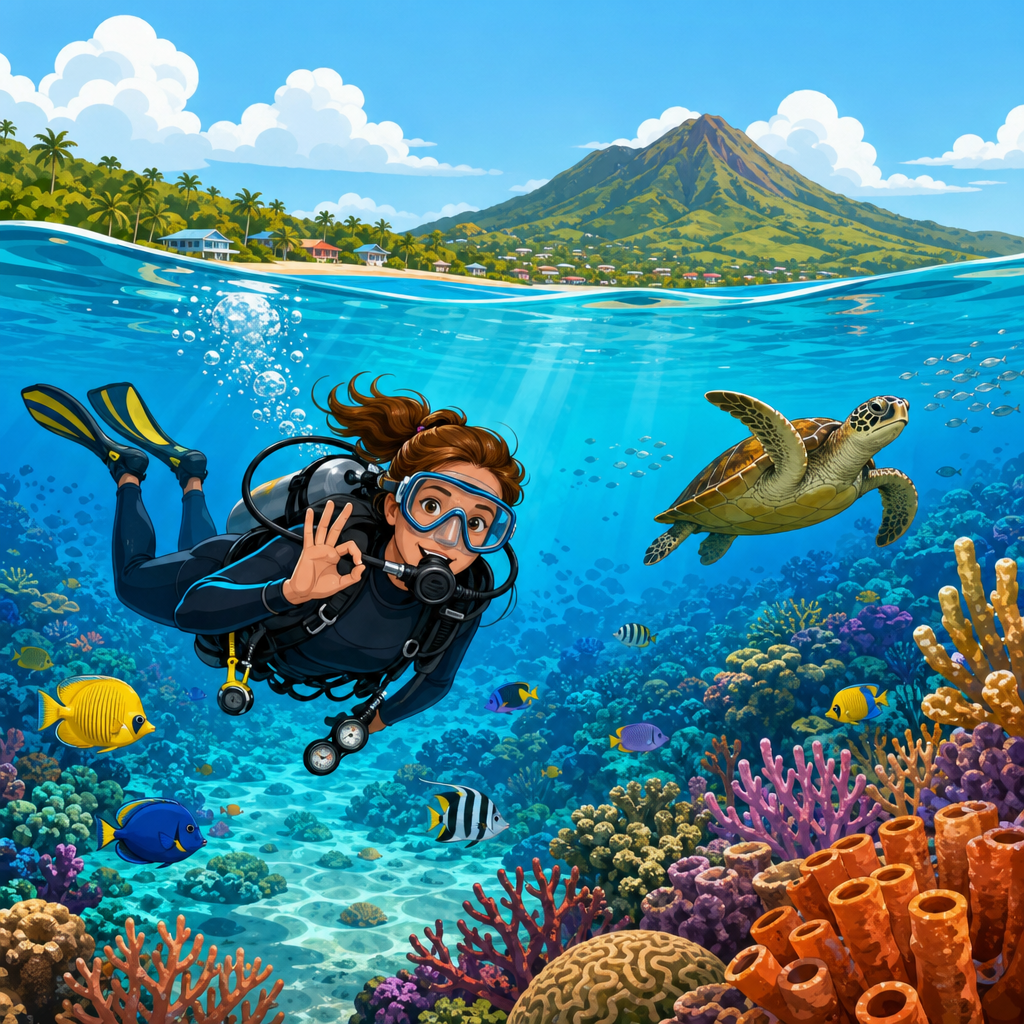
Nevis offers some of the clearest and calmest diving in the Caribbean, making it an ideal base for everyone from first-time explorers to seasoned underwater photographers. When travelers search for scuba diving in Nevis, they usually want three answers fast: what the diving is like, which sites are worth their time, and how to plan a safe, enjoyable trip. This guide covers those essentials in one place while also serving as a practical hub for the wider range of adventure and activity articles connected to Nevis’ waters, coast, and marine life.
For divers, “crystal clear waters” means more than a pretty view from a boat. It refers to underwater visibility that often reaches 60 to 100 feet in favorable conditions, low sediment in the water column, and sunlight penetration that keeps reefs bright and colorful. Nevis benefits from sheltered Caribbean conditions on many dive days, warm water that generally ranges from about 78°F in winter to 84°F in summer, and access to volcanic reef structures, coral gardens, sandy slopes, and wrecks. Those features matter because they shape who can dive here comfortably, what marine life is commonly seen, and which equipment choices make sense.
I have worked with Caribbean dive itineraries where a destination looked good in brochures but disappointed underwater because of current, crowding, or inconsistent logistics. Nevis stands out for a different reason: it tends to deliver a balanced diving experience. You are not choosing it for extreme drift diving or giant pelagic action every day. You choose it for reliable conditions, manageable boat runs, healthy reef scenery, and the ability to pair dives with a quieter island atmosphere than many busier Caribbean hubs. That combination appeals to couples, families with certified divers, and experienced divers who want relaxed but rewarding underwater days.
This matters beyond a single vacation. A well-designed Nevis diving trip can connect with snorkeling, boat excursions, freediving, beach days, marine ecology learning, and island hiking, which is why this article works as a central resource for the broader miscellaneous watersports and adventure cluster. If you are deciding where to stay, when to book, whether to train, or how to compare dive operators, the sections below answer those questions directly and give you a grounded picture of what to expect.
Why Nevis Is a Strong Caribbean Dive Destination
Nevis sits in the Leeward Islands and benefits from reefs and volcanic underwater topography that support a diverse but accessible dive environment. The biggest strength of scuba diving in Nevis is consistency. Conditions are often suitable for half-day boat diving, with many sites reached in a short ride from shore. That means less time in transit and more energy for the dives themselves. Compared with destinations known for long crossings or advanced currents, Nevis is easier to fit into a relaxed island schedule.
The underwater terrain is varied enough to prevent dives from feeling repetitive. You can find lava formations, fingers of reef, spur-and-groove structures, pinnacles, sandy channels, and patches of hard and soft coral. Common sightings include southern stingrays, spotted eagle rays on good days, reef squid, lobster, moray eels, trunkfish, angelfish, parrotfish, and hawksbill turtles. Juvenile reef life often rewards patient divers more than speed. On many Caribbean islands, divers rush to chase large animals and miss cleaner shrimp stations, nudibranchs, jawfish, and the behavior around coral heads. Nevis works best when you slow down and watch.
Another practical advantage is pace. Because the island is quieter than St. Kitts or many better-known Caribbean resort centers, dive boats are typically less crowded and the atmosphere feels more personal. Smaller group sizes matter underwater. They reduce silt kick-up, improve guide attention, and make it easier for photographers or recently certified divers to dive at a controlled pace. For many travelers, that translates into safer descents, better buoyancy, and a much more enjoyable experience overall.
Best Dive Sites Around Nevis
Nevis has a mix of reef sites and wreck-focused dives, with local names and exact site availability varying by operator, weather, and certification level. A hallmark of the island is that several sites are suitable for intermediate divers while still offering enough life and structure to interest advanced guests. Depths often fall within the recreational range of about 30 to 80 feet, though some profiles go deeper depending on the site and guide plan.
Wreck diving is one of the most compelling reasons to add Nevis to a Caribbean dive list. Artificial reefs and sunken vessels create habitat for schooling fish, sponges, and encrusting organisms. Wrecks around Nevis are not only photogenic; they also provide a clear lesson in reef succession. Over time, steel and structure turn into living surfaces for coral, sponge growth, and shelter for juvenile fish. That makes these sites especially good for divers who enjoy both marine life and underwater history.
Reef sites are often defined by volcanic rock contours and coral outcrops. Look for trumpetfish hovering near sea rods, creole wrasse above reef edges, and nurse sharks resting under ledges. Macro fans should inspect sandy margins and rubble carefully. I have found that Nevis rewards divers who maintain excellent trim and avoid contact with the bottom, because the most interesting small life is often where careless finning would easily disturb it.
| Dive type | What to expect | Best for |
|---|---|---|
| Shallow reef | Bright coral, easy navigation, long bottom times, frequent turtle and reef fish sightings | Beginners, refreshers, underwater photography practice |
| Volcanic wall or slope | Rock formations, crevices, changing depth contours, stronger visual contrast | Intermediate divers, fish identification, buoyancy skills |
| Wreck dive | Artificial reef growth, schooling fish, dramatic structure, strong composition for photos | Intermediate to advanced divers, history-minded travelers |
| Drift-affected site | Potential current, wider fish movement, faster site coverage | Experienced divers with good situational awareness |
Marine Life, Visibility, and Seasonal Conditions
If you are asking what you will actually see while scuba diving in Nevis, the honest answer is reef diversity rather than guaranteed megafauna. Expect a healthy Caribbean cast: sergeant majors, chromis, squirrelfish, trumpetfish, French angelfish, blue tangs, filefish, octopus if your guide has a sharp eye, and occasional rays cruising over sand. Turtles are a realistic highlight rather than a rare miracle, especially on quieter reef systems with good seagrass nearby.
Visibility is commonly very good, but it still changes with wind, swell, and rainfall. The calmest impression of Nevis diving usually comes during stable weather windows when fine sediment stays low and sunlight is high. Morning dives often provide the best combination of surface conditions and underwater clarity. After heavy weather, the site choice becomes more important than the island average. Good dive operators adjust quickly, selecting protected locations and giving honest briefings rather than promising impossible conditions.
Seasonality affects comfort more than access. Water temperatures remain warm year-round, so many divers are comfortable in a 3 mm wetsuit, while some use a shorty in late summer. Hurricane season, generally June through November, does not eliminate diving, but it does increase the chance of itinerary changes. Winter and spring often bring very pleasant weather patterns and are popular for travelers who want both reliable diving and comfortable topside temperatures. If your trip priorities are visibility, flexible operations, and minimal weather risk, booking with a few open days around your planned dives is smarter than trying to force a rigid schedule.
Who Should Dive in Nevis and What Certification You Need
Nevis is particularly well suited to four groups: newly certified divers who want calm, confidence-building conditions; vacation divers returning after a long break; experienced divers seeking easy Caribbean reef quality without heavy crowds; and underwater photographers who value clear water and manageable profiles. It is also a strong destination for mixed-skill travel groups because one diver can choose a relaxed reef while another books advanced options on a different day.
For most boat dives, an Open Water certification is sufficient. Advanced Open Water or equivalent is useful, not mandatory, for deeper wrecks, variable current sites, and divers who want more flexibility in site selection. If you have not dived for 12 months or longer, a refresher should be treated as standard practice, not an optional add-on. I strongly recommend it. Refresher sessions rebuild buoyancy, mask clearing, regulator recovery, and controlled ascents, which directly improve safety and enjoyment.
Training opportunities may also be available through local operators, including entry-level certification, advanced courses, and specialty programs such as wreck, nitrox, or peak performance buoyancy. Nitrox is often worthwhile in Nevis because many itineraries involve repetitive dives in moderate depth ranges where increased no-decompression efficiency adds real value. As always, divers should use nitrox only with proper certification, analyze their tanks personally, and stay within training limits.
How to Choose a Dive Operator and Plan Your Trip
The best dive shop in Nevis is not simply the one with the largest boat or the lowest listed price. A strong operator should provide transparent site planning, current safety equipment, clear briefings, and a realistic diver-to-guide ratio. Ask whether oxygen is carried on board, whether radio or marine communication systems are standard, how check-in and gear sizing are handled, and what happens if weather changes. Good answers are specific. Vague reassurance is not enough.
Look for affiliations with recognized training agencies such as PADI, SSI, or NAUI, but do not stop there. Read recent reviews for comments on punctuality, rental gear condition, and guide attentiveness underwater. In the Caribbean, boat comfort matters less than operational discipline. A well-run small boat with a focused crew is often a better choice than a larger vessel with rushed briefings and oversized groups.
When planning your stay, prioritize easy transfer time to the dive center and enough non-diving hours before your departing flight. Standard dive safety guidance applies: avoid flying too soon after diving and follow your operator’s conservative recommendations. Build in one weather buffer day if possible, and another day for land-based activities. As a hub strategy for your trip, pair scuba with snorkeling, sailing, paddleboarding, coastal sightseeing, and island nature excursions so a blown-out dive day does not become a lost day.
Gear, Safety, and Responsible Diving Practices
You can rent most scuba equipment in Nevis, but bringing your own mask, dive computer, exposure protection, and surface marker buoy is wise if you dive regularly. Fit matters. A leaking rental mask or unfamiliar computer can turn an easy reef dive into a frustrating one. For photographers, wide-angle setups often perform best on Nevis reefs and wrecks because visibility is usually good and reef structure provides strong foregrounds, though a macro option can pay off for cryptic life.
Safety starts before the boat leaves. Check your gas, analyze nitrox if applicable, confirm weights, and review hand signals with your buddy. During the dive, maintain conservative depth and gas planning, especially on second dives where complacency tends to creep in. Nevis’ relatively gentle reputation should not encourage sloppy diving. Most preventable problems in warm-water destinations come from poor buoyancy, rapid ascents, and inattention to air consumption, not from dramatic environmental hazards.
Responsible diving is equally important. The reefs around Nevis are living systems already coping with regional pressures such as warming seas, coral disease, storm damage, and sunscreen runoff near heavily used coastal areas. Do not touch coral, chase turtles, kneel on the bottom for photos, or collect souvenirs. Use reef-safe sun protection when practical, secure dangling gauges, and choose operators who emphasize mooring use over anchor damage. Divers who behave well underwater help preserve the very clarity and reef health that make Nevis attractive in the first place.
Beyond Scuba: Building a Full Adventure Itinerary Around the Hub
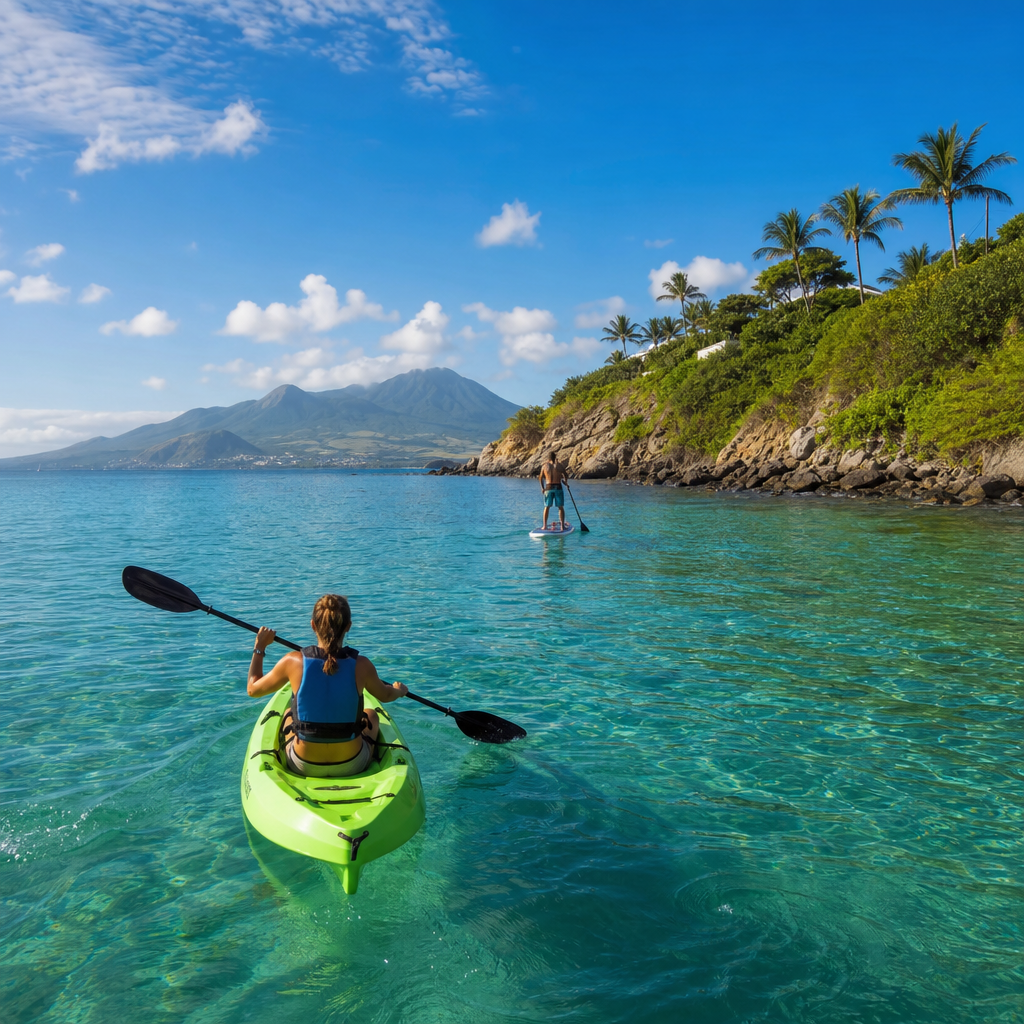
Because this page serves as a hub within the broader Adventure and Activities section, it should help you map the rest of your Nevis trip as well. Scuba diving fits naturally with several adjacent experiences. Snorkeling is the easiest extension for non-diving companions and often shares the same strengths as scuba here: warm water, good visibility, and accessible marine life close to shore or a short boat ride away. Catamaran trips add a relaxed social format, while kayaking and paddleboarding offer a surface-level perspective on the coastline.
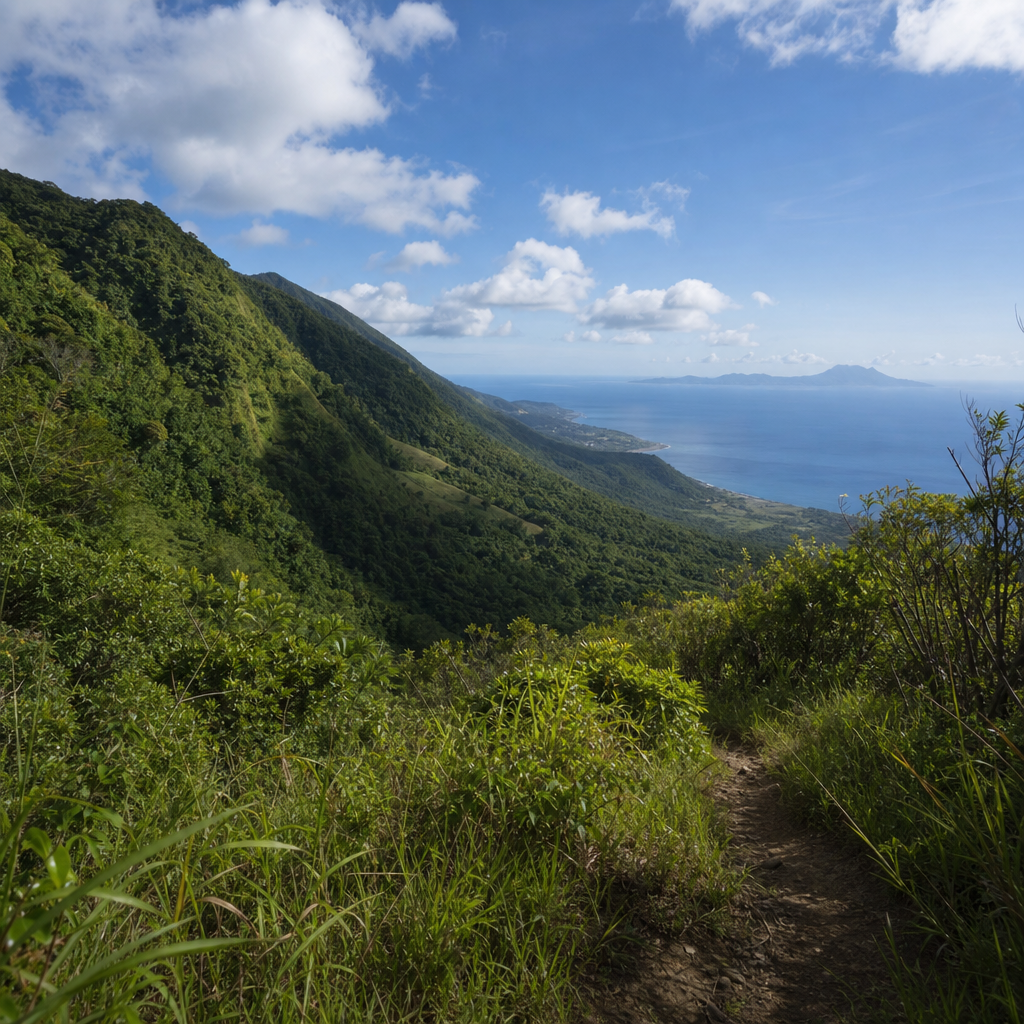
On land, hikers and trail runners can balance underwater days with Nevis Peak routes, coastal walks, and plantation-history sightseeing. That mix matters because diving schedules benefit from moderation. A trip built around two-tank mornings and low-intensity afternoons is often more enjoyable than trying to stack every water activity into one compressed itinerary. Families can split interests without splitting logistics, using the island’s compact scale to move between beaches, dive shops, restaurants, and scenic sites quickly.
If Nevis is your base for a multi-island holiday, consider how it compares with neighboring experiences rather than expecting it to mimic them. It is less about adrenaline than quality, less about crowds than comfort, and more about steady underwater enjoyment than headline-grabbing extremes. That is exactly why many divers return.
Diving into Nevis’ crystal clear waters is ultimately about choosing an island where the underwater experience feels accessible, rewarding, and easy to integrate into a broader Caribbean adventure. The key takeaways are straightforward: Nevis offers warm water, strong visibility, diverse reef and wreck diving, manageable logistics, and conditions that suit both newer and experienced divers. It is especially valuable for travelers who want quality diving without the pressure, noise, and crowding found in busier destinations.
Plan your trip by matching your certification level to the right sites, booking with a safety-focused operator, and leaving room in your itinerary for weather flexibility and complementary activities. Bring well-fitting core gear, dive conservatively, and treat the reefs with care. If you do that, Nevis rewards you with calm descents, colorful reefs, memorable marine life encounters, and a diving rhythm that feels restorative rather than rushed.
Use this guide as your starting point, then explore the related articles in this adventure hub to plan snorkeling days, boat tours, coastal excursions, and other water-based experiences around your dives. Book a reputable local operator, reserve a few mornings for the sea, and see for yourself why Nevis remains one of the Caribbean’s most quietly satisfying scuba destinations.
Frequently Asked Questions
What is scuba diving in Nevis like, and is it suitable for beginners?
Scuba diving in Nevis is widely known for calm seas, excellent visibility, and a relaxed pace that appeals to a broad range of divers. The island sits in a part of the Caribbean where many dive days feature clear water, gentle conditions, and warm temperatures, which makes the overall experience comfortable and approachable. For beginners, that matters a great deal. First-time divers often feel more confident when they are not also dealing with strong currents, cold water, or rough entries, and Nevis tends to offer exactly that kind of welcoming environment. Many dive operators around the island cater to new divers with introductory experiences, certification courses, and guided shore or boat dives designed to build skills gradually.
More experienced divers also find plenty to appreciate. Nevis is not just about easy conditions; it is also about quality underwater scenery. Divers can expect to see healthy reef systems, volcanic rock formations, sandy bottoms, coral gardens, and marine life ranging from reef fish and rays to turtles and occasional larger pelagic visitors depending on the season and site. Underwater photographers are especially drawn to Nevis because the combination of stable conditions and clear water can create excellent opportunities for wide-angle reef shots and colorful fish portraits. In short, Nevis is one of those rare destinations that works well for both nervous first-timers and seasoned divers who want a low-stress but rewarding Caribbean dive trip.
Which dive sites in Nevis are most worth visiting?
The best dive sites in Nevis depend on your experience level and what you most want to see underwater, but several categories consistently stand out. Reef dives are among the island’s biggest highlights, especially for travelers looking for vibrant marine life, easy navigation, and long, enjoyable bottom times. These sites often feature coral-covered structures, schools of tropical fish, sea fans, sponges, and occasional sightings of turtles or rays. For many visitors, these classic Caribbean reef environments deliver exactly the kind of diving they imagined when planning a trip to Nevis.
Another major draw is the island’s volcanic underwater topography. Because Nevis is volcanic in origin, some sites showcase dramatic rock formations, ledges, and terrain changes that add texture and visual interest to a dive. These areas can be particularly appealing to underwater photographers and returning divers who want more than a flat reef profile. Depending on the operator and weather conditions, you may also find wreck-style dives or artificial reef areas that attract marine life and provide a different kind of exploration. The most worthwhile approach is usually to dive a mix of sites rather than choosing just one signature location. A good local dive shop can help match you with reefs for marine life, rock formations for scenery, and slightly deeper or more advanced sites if you are hoping for a more technical or challenging experience.
What marine life can divers expect to see in Nevis?
Divers in Nevis can expect a classic Caribbean marine environment with a healthy mix of reef species, invertebrates, and occasional larger animals. On a typical dive, it is common to see angelfish, parrotfish, trumpetfish, wrasse, grunts, and schools of smaller reef fish moving through coral and sponge formations. Many sites also attract lobsters, crabs, eels, and other creatures hiding in crevices or tucked under ledges. Turtles are one of the most memorable encounters for many divers, and sightings of southern stingrays or eagle rays can add another level of excitement to an already scenic dive.
The exact marine life you see will depend on the dive site, depth, time of year, and how observant you are underwater. Some divers focus only on the larger animals and miss the smaller details, but Nevis rewards those who slow down. Colorful sponges, soft corals, juvenile fish, and macro subjects can make even a gentle shallow dive extremely interesting. For photographers, this variety is especially valuable because it allows for both close-up and scenic compositions in the same outing. It is also worth remembering that marine life sightings are never guaranteed, and responsible dive operators will emphasize respectful wildlife viewing rather than chasing animals for a better look. The reward of diving in Nevis is not just one headline species, but the overall richness and clarity of the underwater environment.
When is the best time to go scuba diving in Nevis, and how should travelers plan their trip?
Nevis can be a rewarding dive destination throughout much of the year, but the best time for your trip depends on your priorities. Many travelers look for periods with the calmest seas, clearest visibility, and the most predictable weather, and local dive operators are usually the best source for up-to-date seasonal guidance. In general, the Caribbean offers warm-water diving year-round, which means Nevis remains appealing in multiple seasons. That said, weather patterns, wind, and rainfall can still influence sea conditions, so flexibility is helpful. If diving is the main purpose of your trip, it is wise to schedule multiple dive days rather than relying on a single outing. That gives you a better chance of enjoying ideal conditions and visiting a range of sites.
Good planning also means thinking beyond the dives themselves. Book with a reputable operator in advance, especially during busy travel periods. Confirm what equipment is included, whether certification cards are required, and whether there are options for beginners, certified divers, and private guides. If you plan to take courses or refreshers, build in enough time early in your stay. It is also smart to allow a safe buffer before flying after your final dive, following standard dive safety recommendations. Travelers who prepare well tend to enjoy Nevis more because they can spend less time sorting out logistics and more time focusing on the underwater experience.
How can divers stay safe and make the most of a scuba diving trip in Nevis?
Safety starts with choosing the right dive operator. Look for a professional, established dive center with experienced guides, well-maintained equipment, and a clear commitment to diver briefings, site selection, and emergency preparedness. Even in a destination known for calm water, conditions can change, and good operators adjust plans based on weather, visibility, currents, and diver skill level. Before entering the water, be honest about your certification, experience, comfort level, and any recent time away from diving. If it has been a while since your last dive, a refresher course is one of the smartest decisions you can make.
To get the most from your trip, focus on both comfort and environmental awareness. Stay well hydrated, protect yourself from the sun between dives, and avoid overloading your schedule with too many demanding activities in the same day. Check your gear carefully, monitor air and depth consistently, and follow your guide’s instructions at all times. Just as important, practice good reef etiquette: maintain buoyancy control, avoid touching coral, never harass marine life, and secure anything that could drag across the reef. These habits make your diving safer and also help preserve the very ecosystems that make Nevis such a compelling destination. The divers who have the best experiences in Nevis are usually the ones who combine solid preparation with a relaxed attitude, allowing them to fully enjoy the island’s clear water, rich marine life, and easygoing Caribbean rhythm.