Saint Kitts’ rugged north coast is the island’s most rewarding landscape for travelers who measure a destination by trails, cliffs, black-sand coves, and the feeling of reaching places that tour buses never touch. In the years I have spent researching Caribbean walking routes and speaking with local guides, this stretch of Saint Kitts has stood out for one reason: it compresses geology, history, wildlife, and hard-earned views into a compact area that serious hikers can explore in a long weekend or over several carefully planned days.
For hikers, the north coast of Saint Kitts generally refers to the wild arc running beyond the better-known resort corridor, especially around Dieppe Bay, the slopes below Mount Liamuiga, inland estate roads, coastal viewpoints, and old plantation country connected by rough tracks and village lanes. “Rugged” is not marketing language here. The shoreline is exposed to Atlantic swells, many paths are uneven, and weather can shift quickly from bright sun to rain-laced wind. That combination creates exactly what experienced walkers look for: varied terrain, low development, and routes that feel authentic rather than manufactured.
This matters because many Caribbean vacations flatten adventure into water sports and beach time, while the deeper story of the island remains inland. On Saint Kitts, hiking the north coast reveals how volcanic forces shaped the land, how sugar estates once organized settlement, and how modern conservation and community tourism are beginning to reclaim areas long overlooked by mainstream itineraries. If you are planning an active trip under the broader Adventure and Activities category, this hub gives you the practical context needed to branch into specialized articles on coastal treks, volcano ascents, birding walks, village stops, and self-drive exploration across the island’s northern reaches.
Why the North Coast Is the Island’s Best Hiking Zone
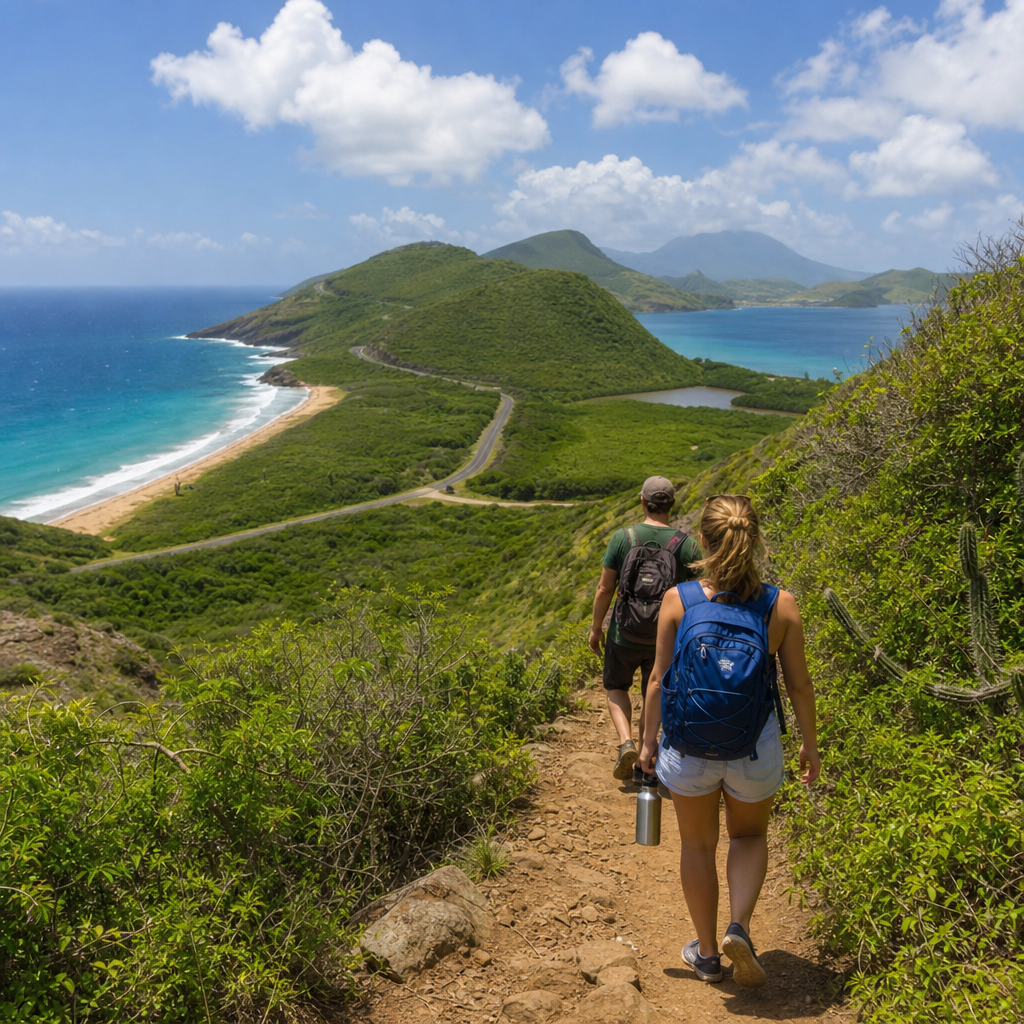
The north coast works so well for hiking because it combines elevation, coastline, and access. Unlike flatter beach districts, this part of Saint Kitts offers steep gradients that produce constant visual payoff. You can move from a village road through former agricultural land into rainforest margins, then emerge at a windswept lookout over crashing surf in a matter of hours. That diversity is unusual on a small island and makes the area appealing to both intermediate walkers and advanced hikers wanting full-day routes.
Mount Liamuiga, the island’s stratovolcano and highest point at roughly 1,156 meters, dominates the northern landscape. While the summit climb is often treated as its own excursion, the mountain also shapes the wider hiking network. Moisture gathering on upper slopes feeds dense vegetation lower down, and old estate tracks radiate outward from the volcano’s flanks. As a result, many north coast hikes feel layered: a trail is never just a trail, but part of an agricultural, ecological, and geological system. That is one reason local guides remain valuable. They recognize route junctions that are easy to miss and can explain why one valley holds breadfruit and mango while another transitions quickly into fern-heavy forest.
Another strength is the relative lack of overbuilt infrastructure. Hikers who prefer boardwalks and railings may find the region challenging, but those who want a genuine backcountry feel will appreciate the rough edges. I have found that travelers often remember the north coast not because it was polished, but because it felt earned. A muddy incline, a sudden sea view, a roadside coconut after the walk, and a conversation in a small village combine into the kind of day people describe years later.
Key Areas and Trail Experiences to Prioritize
Dieppe Bay is the natural base for many north coast adventures. The village sits near dramatic shoreline scenery and gives convenient access to inland approaches toward Mount Liamuiga. Hikers often pair a morning coastal walk with an afternoon cultural stop, since the settlement itself offers a useful sense of local rhythm beyond the resort enclaves farther south. Nearby viewpoints over the bay are especially striking in early light, when the sea can shift from steel blue to turquoise depending on cloud cover and swell.
Further inland, routes associated with the Mount Liamuiga ascent are among the island’s signature experiences. Most summit attempts begin with road access to a trailhead area and then continue through farmland, secondary forest, and dense tropical vegetation. The climb is demanding, with roots, mud, and steep sections requiring balance and stamina. In wet conditions, trekking poles help significantly. Reaching the crater rim is the headline moment, but the journey itself is the real reward. The vegetation changes noticeably with altitude, and guides often point out medicinal plants, bird calls, and signs of mongoose activity along the way.
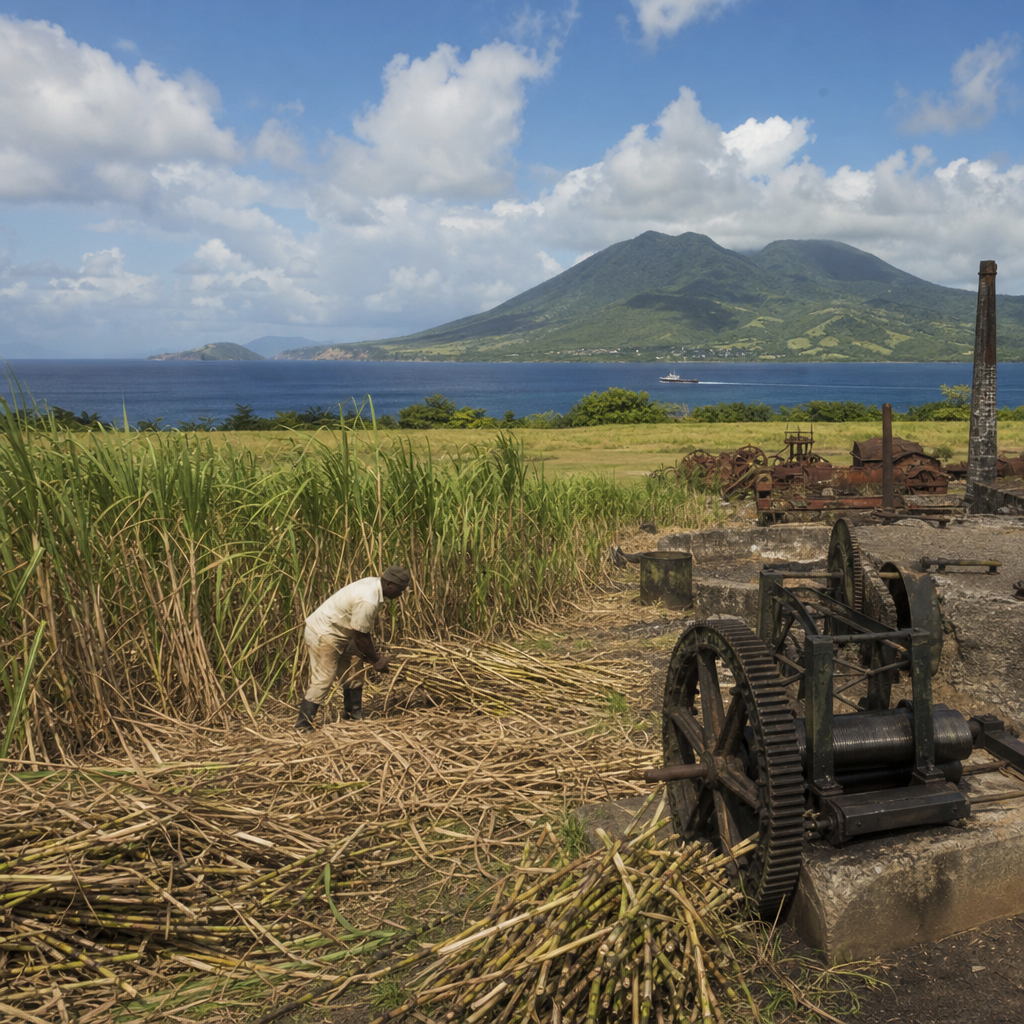
The coast itself deserves equal attention. Sections around Black Rocks and the northeastern shoreline showcase Saint Kitts’ volcanic identity in plain view. Black Rocks is formed from ancient lava flows that cooled into jagged structures where Atlantic waves now break. It is not a conventional hiking trail destination in the sense of a long marked path, but it fits perfectly into a broader north coast activity circuit, especially for visitors combining short walks, photography stops, and scenic drives. The same is true of old estate roads near abandoned sugar lands, which are excellent for exploratory walks even when they are not formally branded as trails.
| Area | Best For | Difficulty | What Makes It Distinctive |
|---|---|---|---|
| Dieppe Bay coast | Scenic walks, village access | Easy to moderate | Sea views, local atmosphere, quick access to northern highlights |
| Mount Liamuiga routes | Full-day hiking, elevation gain | Moderate to strenuous | Rainforest, crater views, volcanic terrain |
| Black Rocks area | Short walks, photography, geology | Easy | Ancient lava formations and dramatic Atlantic surf |
| Old estate tracks inland | Exploratory walks, history, birding | Moderate | Plantation-era landscapes and quieter countryside |
As a hub for miscellaneous north coast adventures, these areas connect to multiple travel styles. One traveler may focus on exercise and elevation, another on nature photography, another on local history. The value of the region is that it supports all three without forcing a single template itinerary.
Terrain, Weather, and Difficulty: What Hikers Should Expect
The north coast is not technically extreme, but it can feel tougher than the map suggests. Heat index is the first factor many visitors underestimate. On Saint Kitts, a three-hour hike in humid conditions can drain energy faster than a longer walk in a temperate climate. Add steep grades, slick roots, and intermittent shade, and even fit travelers need to pace themselves carefully. I advise treating time estimates conservatively, carrying more water than you think you need, and assuming average speed will drop on muddy sections.
Rainfall patterns matter too. The drier season, often considered roughly December through April, usually offers the most comfortable hiking conditions, but “dry” in a tropical volcanic landscape does not mean dust-dry trails. Forested sections can remain slick year-round. During wetter months, vegetation grows thicker, river crossings may become less predictable, and cloud cover can reduce summit visibility. That does not make hiking impossible; it simply changes the risk calculation and the type of experience you should expect.
Footwear should be chosen for traction rather than appearance. Trail runners can work on easier coastal outings, but for Mount Liamuiga or less maintained inland routes, boots or aggressive hiking shoes are a better call. Sun protection is essential on exposed segments, while a lightweight rain shell earns its place because showers can roll in quickly. Mobile coverage is inconsistent in some areas, so offline maps downloaded through tools such as Maps.me, Gaia GPS, or AllTrails can prevent route-finding errors, though local knowledge still beats any app where informal junctions are concerned.
Wildlife, Geology, and the Natural Story of the Coast
One reason the north coast feels richer than a standard beach excursion is that the landscape tells an obvious natural story. Saint Kitts is volcanic, and nowhere is that easier to understand than along the rugged northern rim. Lava-formed rock, steep slopes, fertile soils, and abrupt coastal contours all reflect the island’s origin. Black-sand beaches and dark rock shelves are visual reminders that these postcard views were built by eruptions, ash, and long periods of erosion.
Birdlife adds another layer for attentive hikers. Depending on habitat and season, walkers may spot frigatebirds overhead, shorebirds near the coast, and smaller species in forest margins. Monkeys, specifically African green vervets introduced centuries ago, are among the island’s most recognizable animals and sometimes appear near agricultural edges. Mongoose are also common, though usually seen only briefly. For visitors interested in combining hiking with natural observation, early morning starts consistently produce better wildlife activity and more manageable temperatures.
Plant life shifts with elevation and exposure. Coastal scrub gives way to greener interior zones where fruit trees, vines, and broadleaf vegetation thrive. On guided walks, I have repeatedly seen visitors become more engaged once someone explains what they are looking at: not just “jungle,” but specific useful plants, storm-shaped trees, and regrowth over former estate land. That interpretation is what transforms a hike into a deeper north coast experience and explains why the area deserves attention within a miscellaneous adventure hub rather than being reduced to a single summit trek.
History on the Trail: Estates, Villages, and Cultural Context
Hiking the north coast also means walking through the afterlife of the sugar economy. Many paths follow or intersect old estate roads, and the distribution of villages reflects plantation history as much as topography. Saint Kitts was central to Britain’s Caribbean sugar system, and northern landscapes still carry that imprint in stone ruins, field patterns, and road alignments. Even when buildings have disappeared, the organization of land often remains readable if you know what to notice.
That historical context matters because it grounds adventure travel in reality. A trail is not just scenic space; it is a route through lived history shaped by labor, colonial power, and economic change after sugar’s decline. Travelers do not need a formal lecture to benefit from this understanding. A stop in a village shop, a conversation with a driver, or a guide pointing out the remains of an estate can reframe the day completely. The best hiking destinations are rarely just about scenery, and Saint Kitts’ north coast proves that clearly.
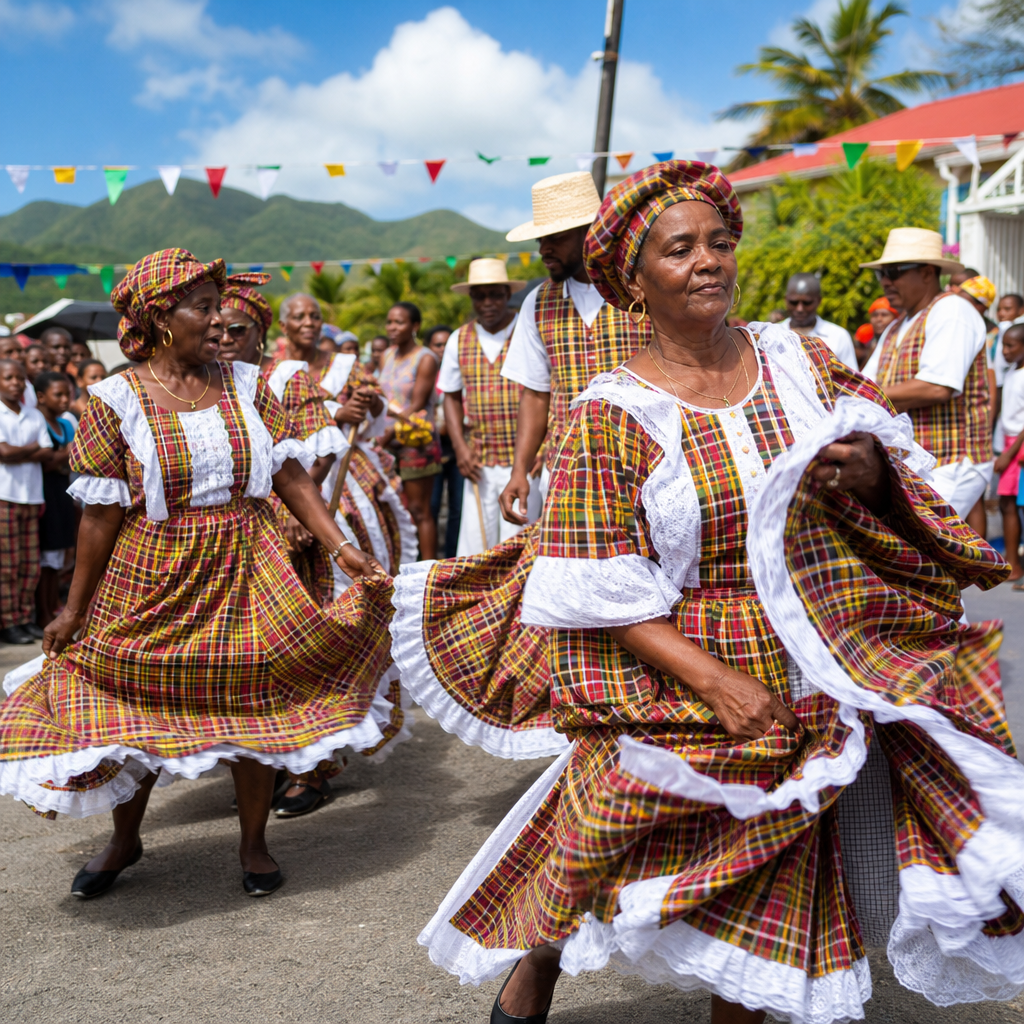
Villages such as Dieppe Bay offer a chance to support local businesses directly. After a hike, that may mean buying lunch from a small restaurant, hiring a local taxi for transfers, or booking a guide who grew up in the area. These choices keep tourism revenue closer to the communities through which visitors pass. They also improve the experience, because local operators know weather patterns, road conditions, and current trail access better than distant booking platforms do.
Planning a Safe and Rewarding North Coast Hiking Trip
The smartest approach is to match your route to your experience, not your ambition. If you are new to tropical hiking, begin with shorter coastal walks and scenic stops before committing to Mount Liamuiga. If you already hike regularly, a guided volcano climb plus an exploratory north coast day is an excellent combination. Rental cars provide flexibility, but road signage can be limited, and some access points are easier to navigate with local directions arranged in advance.
Safety starts with timing. Begin early, avoid the hottest midday hours for strenuous climbs, and tell someone your plan. Carry water, electrolytes, snacks, a basic first-aid kit, insect repellent, and a fully charged phone. For summit days, gloves can help on root-heavy scrambles. Guided hikes are strongly recommended for the volcano and sensible for anyone venturing onto lesser-known inland tracks. On Saint Kitts, route ambiguity is a bigger issue than wildlife danger.
The main benefit of using this page as your sub-pillar hub is simple: the north coast is not one attraction but a network of experiences. It includes hard hikes, short scenic walks, lava formations, wildlife observation, village encounters, and history-rich back roads. Start by deciding what kind of adventure you want, then use that focus to explore the linked routes, guides, and local operators in this subtopic. Saint Kitts rewards travelers who go beyond the beach, and its rugged north coast is where that deeper island experience begins.
Frequently Asked Questions
Why is Saint Kitts’ north coast considered one of the island’s best areas for hiking?
Saint Kitts’ north coast stands out because it delivers a rare combination of dramatic terrain, relative seclusion, and constantly changing scenery within a compact area. Hikers can move from coastal bluffs and wind-shaped grasslands to black-sand beaches, lava-formed shorelines, and elevated viewpoints without needing long transfers between trailheads. This part of the island feels wilder and less developed than the resort-focused south, which means walks here often come with a stronger sense of discovery. You are not simply following a path for exercise; you are moving through a landscape shaped by volcanic geology, Atlantic weather, and centuries of human history.
Another reason experienced walkers rate the north coast so highly is the variety packed into a long weekend. In a relatively short distance, you can encounter sweeping sea views, abandoned or lightly used rural tracks, steep ridgelines, hidden coves, and historic remnants linked to the island’s plantation era and colonial past. Birdlife, coastal vegetation, and the constant presence of the ocean add to the immersion. For hikers who value places that feel earned rather than staged, the north coast offers exactly that: routes where the reward is not only the final lookout, but the feeling of traveling through a part of Saint Kitts that still feels raw, elemental, and deeply connected to the island’s natural identity.
What level of hiking experience do you need to explore the rugged north coast safely?
The north coast is best suited to hikers with at least a moderate level of fitness and some experience on uneven, exposed, or poorly marked terrain. Not every route is technically difficult, but conditions can be more demanding than many visitors expect from a Caribbean island. Trails may include loose rock, muddy sections after rain, steep inclines, overgrown stretches, and coastal edges where footing matters. Heat, humidity, and sun exposure can also turn a manageable walk into a strenuous outing if you are not prepared. In practical terms, this is not the best area for travelers whose idea of a hike is a short paved viewpoint stroll in sandals.
That said, you do not need to be an expert mountaineer to enjoy the region. Strong walkers who plan carefully, wear proper footwear, carry enough water, and start early can have an excellent experience. The smartest approach for first-time visitors is to choose routes that match current conditions and, where possible, go with a local guide. Guides are especially valuable on the north coast because they know how weather affects the ground, which paths are actively passable, and where access points can be confusing. If you are comfortable walking for several hours over mixed terrain and understand basic trail safety, you will likely find the area rewarding. If you are new to hiking, begin with a shorter coastal route before committing to a longer or more isolated day.
What should hikers pack for a day on Saint Kitts’ north coast?
A well-packed day bag makes a significant difference on Saint Kitts’ north coast because support services are limited once you are out on the trail. At a minimum, bring plenty of water, more than you think you will need, since heat and salt air increase dehydration quickly. Sturdy trail shoes or hiking boots are strongly recommended because rocky sections, slippery mud, and uneven ground are common. Lightweight, breathable clothing works best, but it should still protect you from the sun and brush. A hat, high-SPF sunscreen, and sunglasses are essential, especially on exposed coastal sections where shade is minimal.
It is also wise to carry a few items that hikers sometimes overlook in tropical destinations: insect repellent, a basic first-aid kit, snacks with salt and energy, and a fully charged phone backed up by an offline map or GPS app. Weather can shift quickly, so a light rain shell or pack cover is useful even on a bright morning. If you plan to stop at coves or beaches, a small towel and water shoes can be helpful, but they should not replace proper hiking footwear. Serious walkers may also want trekking poles for steep or slick ground. The key is to pack for independence. The north coast is rewarding precisely because it feels remote, and that means you should be ready to take care of your own comfort and safety for the full day.
Are guided hikes worth it on the north coast, or can you explore independently?
Guided hikes are absolutely worth considering, and for many visitors they are the best way to experience the north coast fully. While independent hikers may enjoy the freedom of setting their own pace, a local guide adds far more than navigation. Good guides interpret the landscape in a way that transforms the walk from scenic exercise into a deeper understanding of Saint Kitts itself. They can explain how volcanic forces shaped the coastline, identify native and migratory birds, point out medicinal plants, and connect seemingly quiet ruins or old paths to the island’s history. That local context is a major part of what makes the north coast memorable.
There is also a practical reason to hire a guide: trail conditions can be inconsistent, and route-finding is not always straightforward. Some paths are informal, some branch unexpectedly, and some can become difficult after heavy rain or vegetation growth. Guides know where access is easiest, which sections are safest that week, and how to adapt the day if weather changes. Independent exploration is possible for well-prepared hikers with strong navigation skills, especially on more obvious routes, but it requires caution and research. If your goal is to maximize both safety and insight, a guided hike is usually the stronger choice. It often leads to a richer, more efficient experience, especially on a coast defined by nuance, local knowledge, and places that are easy to miss if you do not know where to look.
What is the best time of year and best time of day to hike Saint Kitts’ rugged north coast?
The most comfortable period for hiking is generally during the drier months, when trails are less muddy, visibility is better, and weather disruptions are less likely. Even then, conditions on the north coast can vary because this is a landscape exposed to wind, passing showers, and strong sun. The greener months have their own appeal, with lush vegetation and a more dramatic sense of the island’s tropical character, but hikers should expect slipperier ground and a greater need for flexibility. If you are planning a hiking-focused trip, it is wise to monitor local forecasts closely and ask residents or guides about current trail conditions rather than relying only on seasonal averages.
As for timing within the day, early morning is easily the best choice. Starting soon after sunrise helps you avoid the most intense midday heat, gives you steadier energy on climbs, and often provides clearer views before clouds build. Morning light also brings out the textures of cliffs, surf, and black-sand shorelines in a way that photographers especially appreciate. Late afternoon can be beautiful, but it is less forgiving if a route takes longer than expected, since daylight fades quickly in the tropics. A good rule on the north coast is to begin early, carry more water than you expect to need, and leave yourself margin for slower sections, weather changes, and scenic stops. That approach turns a demanding day into the kind of hike people remember long after the trip ends.