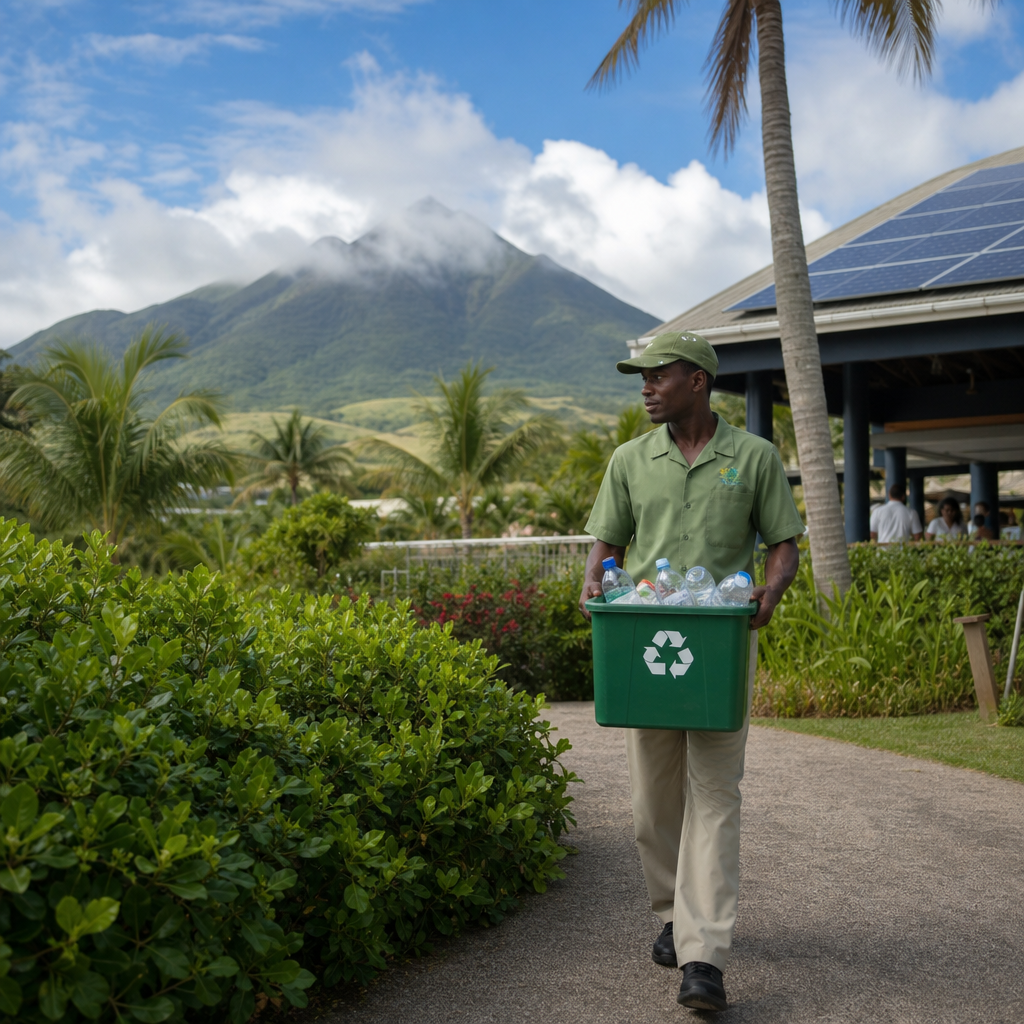
Green initiatives in Nevis’ hotel industry have moved from niche marketing to core business strategy, shaping how resorts reduce costs, protect natural assets, and appeal to travelers who increasingly expect responsible operations. In practical terms, green initiatives include energy efficiency, renewable power, water conservation, waste reduction, sustainable procurement, biodiversity protection, and community partnerships that lower environmental impact while strengthening long term profitability. In Nevis, these efforts matter because the island’s tourism economy depends on clean beaches, healthy reefs, reliable utilities, and an authentic Caribbean identity that can be damaged by poorly managed growth. I have seen hotel operators across small island markets learn the same lesson: environmental stewardship is not separate from investment performance; it is a direct driver of resilience, occupancy, reputation, and compliance.
Nevis offers a particularly useful case because it combines high end hospitality with the constraints common to small island developing states. Electricity prices are typically elevated because imported fossil fuels remain expensive. Fresh water can be limited during dry periods. Landfill space is finite. Coastal ecosystems face pressure from storms, erosion, and warming seas. Hotels therefore have strong incentives to retrofit buildings, manage resources more tightly, and collaborate with government, utilities, suppliers, and local communities. For investors and business owners exploring opportunities in the island’s broader visitor economy, the hotel sector often serves as the proving ground for innovations that later spread to villas, restaurants, marinas, transport providers, and mixed use developments.
Understanding green hospitality in Nevis also requires clear definitions. Energy efficiency means reducing the electricity needed to deliver the same guest experience through measures such as LED lighting, high efficiency air conditioning, occupancy sensors, and improved insulation. Renewable energy refers primarily to solar photovoltaic systems, solar water heating, and battery backed microgrids that displace diesel generated power. Water stewardship includes low flow fixtures, linen reuse programs, leak detection, rainwater harvesting, and wastewater treatment for irrigation. Waste management covers source separation, composting, reduced single use plastics, food waste tracking, and supplier packaging standards. Sustainable hospitality goes further by integrating these practices into procurement, staff training, maintenance schedules, capital budgeting, and guest communication.
For a hub article within business and investment opportunities, the key question is straightforward: where are the most credible opportunities and constraints? The answer is that Nevis’ hotel industry presents openings in retrofitting, green construction, energy services, waste logistics, eco certification support, local sourcing networks, and digital monitoring systems, but success depends on understanding operating realities on a small island. Imported equipment can increase upfront costs. Skilled maintenance capacity is essential. Certification alone does not guarantee savings. Yet when projects are properly scoped and measured, the returns can be durable. Utility savings accumulate monthly, sustainable branding supports rate integrity, and risk reduction improves asset value. That combination makes the sector worth close attention from owners, lenders, service firms, and policymakers.
Why sustainability is a business imperative for hotels in Nevis
The commercial case for sustainability in Nevis starts with the cost structure of island hospitality. Hotels spend heavily on electricity for air conditioning, hot water, laundry, kitchens, pumps, and refrigeration. Even moderate efficiency gains can materially improve operating margins. A resort that replaces legacy chillers, installs variable speed drives, and shifts guest rooms to inverter systems can cut energy use significantly without reducing comfort. I have worked on hotel audits where simple controls, such as key card master switches and occupancy based cooling setpoints, delivered faster payback than larger construction projects. In Nevis, where imported energy remains vulnerable to price swings and supply disruptions, that type of operational efficiency is not optional; it is a hedge against volatility.
Water management is equally strategic. Hotels use water in guest rooms, landscaping, pools, spas, and back of house operations, and shortages can affect both service quality and community relations. Low flow showerheads, aerated faucets, dual flush toilets, and linen reuse programs are common starting points, but the stronger operators go further by tracking consumption per occupied room, identifying hidden leaks, and adjusting irrigation with weather data. These practices reduce utility costs and lessen pressure on island infrastructure. They also matter after storms or drought periods, when resilience becomes a visible part of service delivery. Guests may forgive a smaller minibar; they will not forgive an unreliable shower or poor sanitation.
Sustainability also protects the core tourism product. Nevis sells tranquility, scenery, and environmental quality as much as rooms. Coral reefs support diving and shoreline health. Mature landscapes shape luxury appeal. Cleaner beaches and reduced litter influence guest reviews immediately. When hotels phase out disposable plastics, manage wastewater responsibly, and support habitat restoration, they are protecting the asset base that underpins destination demand. This is why investors should treat environmental performance as part of market positioning, not merely compliance. A hotel that preserves the experience guests came to buy defends both occupancy and average daily rate more effectively than one that relies only on promotional messaging.
Core green initiatives now shaping hotel operations
Most hotel sustainability programs in Nevis begin with energy, because the savings are measurable and the technologies are mature. LED retrofits are now standard because they cut power use sharply and reduce replacement frequency. High efficiency HVAC systems, smart thermostats, and building management controls produce larger gains, especially in properties with older mechanical equipment. Solar water heating has long been attractive in the Caribbean because domestic hot water demand is constant and sunlight is abundant. Solar photovoltaic systems are increasingly viable as equipment prices fall, though project economics depend on roof suitability, interconnection rules, battery storage needs, and financing terms. The strongest projects pair renewable generation with efficiency first, since reducing demand lowers the size and cost of the solar system needed.
Waste reduction has expanded from back of house housekeeping programs to whole property redesign. Hotels are replacing miniature toiletry bottles with refillable dispensers, moving from single use water bottles to filtered refill stations, and requiring suppliers to reduce excess packaging. Food waste is another important frontier. Kitchen teams can track trim loss, buffet overproduction, and plate waste using systems such as Winnow or simpler manual logs, then adjust purchasing and menu planning. Organic waste can sometimes support composting for landscaping, though scale, odor control, and collection logistics must be managed carefully on island properties. The point is not symbolic recycling bins in the lobby; it is redesigning material flows so fewer items are purchased, transported, discarded, and paid for twice.
Procurement is where green policy becomes local economic development. Hotels in Nevis can source more produce, herbs, seafood, and artisanal goods from domestic suppliers when purchasing teams align menu planning and quality standards with local availability. This is not always easy. Volume consistency, cold chain reliability, and seasonality create constraints. However, properties that build long term supplier relationships often discover that local sourcing reduces shipping exposure and gives the guest experience more authenticity. Sustainable procurement should also cover cleaning chemicals, linen durability, certified wood products, recycled content paper, and maintenance materials selected for lower toxicity and longer life. The best procurement policies specify standards, not slogans, and they include verification procedures.
| Initiative | Typical hotel application | Main business benefit | Primary challenge in Nevis |
|---|---|---|---|
| LED and HVAC upgrades | Guest rooms, kitchens, laundry, common areas | Lower electricity bills and maintenance costs | Upfront capital and technician availability |
| Solar water heating and PV | Hot water systems, rooftop generation, storage | Reduced fuel dependence and resilience | Interconnection, roof loading, financing |
| Water efficiency | Low flow fixtures, leak detection, irrigation control | Lower utility use and greater service reliability | Drought conditions and maintenance discipline |
| Waste and plastics reduction | Refill stations, composting, packaging controls | Lower disposal costs and stronger guest perception | Island recycling and collection capacity |
| Local sourcing | Food, amenities, crafts, landscaping inputs | Destination differentiation and local value retention | Seasonality, volume consistency, quality control |
Investment opportunities across the green hospitality value chain
For investors looking beyond room inventory itself, Nevis’ hotel industry creates demand for specialized services and infrastructure. Energy audits, engineering design, retro commissioning, solar installation, battery integration, and preventive maintenance contracts are all investable niches. Smaller hotels often lack in house technical teams, so they need third party partners that can assess loads, model savings, procure equipment, and maintain systems over time. An energy service model can work well where owners prefer performance based contracts or phased retrofits instead of large one time capital outlays. In similar island markets, I have seen bundled projects succeed when they combine fast payback lighting and controls with slower payback envelope improvements, making financing more bankable.
Waste logistics and circular solutions represent another underdeveloped opportunity set. Hotels want alternatives to landfill disposal, but island recycling economics are difficult unless collection, sorting, baling, and export are organized at sufficient scale. Businesses that can aggregate glass, cardboard, metals, used cooking oil, or compostable materials from multiple hospitality clients may create viable service models. There is also room for ventures that supply refillable amenity systems, commercial water filtration, reusable food service packaging, or software that measures waste streams and sustainability metrics. Because many of these services cut direct operating costs, hotels are more willing to adopt them than outsiders sometimes assume, provided reliability is proven.
Advisory and compliance services also matter. International travelers, group buyers, and travel advisors increasingly ask about certifications and sustainability reporting. Hotels may pursue programs such as Green Globe, EarthCheck, LEED for new construction, or operational benchmarking aligned with the Hotel Carbon Measurement Initiative and the Hotel Water Measurement Initiative developed by the World Travel and Tourism Council and industry partners. These frameworks help properties move from vague claims to auditable metrics. For consultants and technology providers, that creates demand for baseline assessments, metering plans, carbon accounting, policy drafting, and staff training. The commercial value lies in turning sustainability from a brochure statement into an operating discipline with documented results.
Challenges, tradeoffs, and what credible implementation looks like
Green initiatives in Nevis’ hotel industry are promising, but they are not frictionless. Capital cost is the first barrier. Imported equipment, shipping, customs processing, and small project scale can raise installed prices above mainland benchmarks. This means payback periods must be calculated carefully using actual utility tariffs, occupancy patterns, maintenance costs, and equipment life. Owners sometimes overestimate savings by assuming ideal operating conditions, or they underestimate soft costs such as staff retraining and spare parts. A credible project starts with measurement: utility bills, submetering, room by room equipment inventories, and realistic load profiles. Without that baseline, even well intentioned sustainability plans become difficult to finance and harder to manage.
Maintenance capacity is the second major constraint. A hotel can install advanced controls or battery systems, but if no one onsite understands commissioning, alarm management, filter changes, or sensor calibration, performance will drift. I have seen efficient systems underperform simply because occupancy sensors were overridden, irrigation timers were never reset after rain, or housekeeping teams lacked clear procedures for reporting leaks. The solution is not to avoid technology. It is to choose systems suited to local maintenance realities, document standard operating procedures, train multiple staff members, and secure service support before installation. In small island settings, durable simplicity often beats unnecessary complexity.
There are also tradeoffs in the guest experience. Sustainability measures should not feel like cost cutting disguised as virtue. Guests generally accept refillable bath amenities, towel reuse options, and visible recycling points when the presentation is clean and convenient. They react poorly when low flow fixtures reduce comfort, room temperatures are hard capped without explanation, or sustainability messaging becomes preachy. The best hotels frame environmental improvements as service enhancements: quieter air conditioning, better indoor comfort, fresher local food, cleaner beaches, and more authentic connections to place. That balance preserves brand value while still reducing resource use. It also supports repeat visitation, which remains one of the most reliable predictors of long term hotel profitability.
The wider role of hotels in Nevis’ sustainable economy
Hotels are anchor institutions in Nevis, so their environmental choices influence much more than their own utility bills. When a major property commits to buying from local farmers, fishers, wellness providers, and craft businesses, it can help stabilize demand and encourage investment throughout the island economy. When hotels adopt stricter waste separation or water management practices, they create pressure and opportunity for service providers to modernize. Staff training in energy management, landscaping, food handling, and environmental monitoring also builds transferable skills that workers carry into other sectors. This is why green hospitality should be viewed as part of a wider economic development strategy rather than a standalone niche.
Public policy and private coordination will determine how far these gains go. Clear building standards, practical permitting processes for renewables, better data on tourism resource use, and collaboration between hotels and utilities can accelerate adoption. So can destination level marketing that rewards verified environmental performance rather than unsupported claims. For business owners and investors, the lesson is simple: the most attractive opportunities are not generic. They are tailored to island conditions, operationally grounded, and linked to measurable outcomes such as lower energy intensity, reduced water use per occupied room, smaller waste volumes, and stronger local supplier participation. Nevis does not need green branding alone. It needs projects and partnerships that work consistently in real operating conditions.
Green initiatives in Nevis’ hotel industry are no longer peripheral. They are central to cost control, resilience, destination quality, and investment credibility. The hotels that perform best treat sustainability as a management system built on data, procurement discipline, staff training, and guest experience design, not as a one time capital project or marketing label. For investors, this creates opportunities in retrofits, renewable energy, water systems, waste services, certification support, and local supply chains. For operators, it offers a practical route to protect margins while strengthening the island’s appeal. If you are evaluating business and investment opportunities in Nevis, start by mapping where hotel sustainability needs are measurable, financeable, and locally supportable, then build from that foundation.
Frequently Asked Questions
1. What do green initiatives in Nevis’ hotel industry actually include?
Green initiatives in Nevis’ hotel industry cover a broad set of operating practices designed to reduce environmental impact while improving efficiency and guest experience. In most hotels and resorts, this starts with energy efficiency measures such as LED lighting, high-efficiency air-conditioning systems, smart thermostats, occupancy sensors, and better building insulation. Many properties also explore renewable energy through solar water heating or solar power installations, which can lower dependence on imported fuel and reduce long-term utility costs.
Beyond energy, water conservation is a major focus because island destinations must carefully manage limited freshwater resources. Hotels often install low-flow fixtures, efficient laundry systems, leak detection technology, and irrigation controls for landscaping. Waste reduction is another key area, including recycling programs, composting, cutting down on single-use plastics, and improving purchasing practices to reduce excess packaging. Sustainable procurement also plays an important role, with hotels sourcing local produce, seafood, and other goods where possible to support the local economy and reduce transport-related emissions.
In Nevis, green initiatives also extend to biodiversity protection and community engagement. That can include preserving coastal ecosystems, supporting beach and reef conservation, using environmentally safer cleaning products, and working with local farmers, fishers, artisans, and nonprofits. Taken together, these efforts are no longer viewed as a niche branding exercise. They are increasingly part of a practical business strategy that helps hotels protect the natural beauty that attracts visitors in the first place while operating more responsibly and competitively.
2. Why have sustainability efforts become so important for hotels in Nevis?
Sustainability has become essential for hotels in Nevis because the island’s tourism success depends heavily on the health of its natural environment. Beaches, coastal waters, scenic landscapes, and a relaxed sense of place are central to the visitor experience. If these assets are damaged by pollution, overuse, excessive waste, or inefficient resource consumption, the entire hospitality sector feels the impact. Green initiatives help hotels protect the very environment that supports their occupancy, reputation, and long-term revenue.
There is also a strong business case. Hotels operate with significant energy, water, food, and maintenance costs, and islands often face higher utility and import expenses than mainland destinations. Efficiency improvements can reduce these pressures substantially. Lower electricity use, better water management, and reduced waste disposal costs can all improve operating margins. For hotel owners and managers, sustainability is increasingly about resilience and cost control as much as environmental responsibility.
Guest expectations are another major driver. Today’s travelers are more informed and more selective about where they stay. Many actively look for hotels that demonstrate credible environmental practices rather than vague marketing claims. Corporate travel buyers, wedding groups, and higher-value leisure travelers often consider sustainability when making booking decisions. In this environment, hotels in Nevis that invest in meaningful green initiatives can strengthen brand trust, differentiate themselves in a competitive market, and align with the growing global demand for responsible tourism.
3. How do green initiatives help hotels in Nevis reduce costs and improve profitability?
One of the most important reasons hotels adopt green initiatives is that sustainability can directly improve profitability when implemented well. Energy efficiency is usually the clearest example. Replacing older lighting and cooling systems with efficient alternatives lowers electricity consumption, and in a hotel setting where guest rooms, kitchens, common areas, pools, and laundry facilities all consume power, even modest efficiency gains can translate into meaningful savings over time. Renewable energy systems, especially solar-based solutions, can further stabilize operating costs and reduce exposure to fluctuating fuel or utility prices.
Water conservation also offers measurable financial benefits. Hotels use large volumes of water for guest rooms, landscaping, laundry, kitchens, and recreational areas. Low-flow fixtures, linen and towel reuse programs, efficient irrigation, and prompt leak detection can lower both water and energy bills, since less hot water use also means less energy demand. Waste reduction initiatives can save money as well by cutting disposal fees, reducing over-purchasing, and improving inventory management. Food waste tracking, composting, and smarter procurement can all help hospitality businesses operate more efficiently.
Profitability gains are not limited to direct cost savings. Green initiatives can strengthen market positioning, attract guests willing to support responsible brands, and improve online reputation when travelers notice authentic sustainability efforts. They may also support staff morale and retention, especially when employees feel connected to a hotel’s environmental and community values. Over the long term, hotels that treat sustainability as a core strategy rather than a one-time campaign are often better positioned to manage risk, preserve asset value, and remain competitive in a tourism market where responsible operations increasingly matter.
4. What role do local sourcing and community partnerships play in sustainable hotel operations in Nevis?
Local sourcing and community partnerships are central to sustainable hotel operations because they connect environmental responsibility with economic and social value. When hotels buy produce, seafood, handmade goods, and services from local suppliers, they help keep more tourism spending within Nevis. That supports farmers, fishers, craftspeople, transportation providers, and small businesses, creating a stronger local economy that benefits both residents and the tourism sector. It can also reduce transportation distances for goods, which may help lower emissions and improve freshness, especially in the case of food.
Community partnerships add another layer of impact. Hotels can work with schools, environmental groups, conservation organizations, and local leaders on projects such as beach cleanups, habitat restoration, cultural preservation, training programs, and public education. These collaborations help hotels move beyond internal efficiency measures and contribute to the broader well-being of the island. In a destination like Nevis, where the tourism product is closely tied to community character and environmental quality, this kind of engagement strengthens the overall visitor experience while building goodwill and trust.
From a business perspective, these relationships can also enhance brand authenticity. Guests are increasingly interested in experiences that feel rooted in place, not disconnected from it. A hotel that serves local ingredients, showcases local talent, supports conservation, and invests in the surrounding community often stands out as more credible and memorable. That matters because sustainability today is not just about using fewer resources; it is also about creating a tourism model that is more inclusive, resilient, and beneficial to the destination as a whole.
5. How can travelers identify hotels in Nevis that are genuinely committed to sustainability?
Travelers can identify genuinely sustainable hotels by looking for specific, verifiable actions rather than broad promotional language. A credible hotel will usually explain what it is actually doing, such as reducing single-use plastics, installing solar systems, conserving water, sourcing food locally, protecting nearby ecosystems, or measuring waste and energy use. The more concrete the information, the more trustworthy it tends to be. Vague statements like “eco-friendly” or “green resort” mean far less than detailed descriptions of programs, goals, and outcomes.
It is also helpful to look for consistency across the hotel’s website, guest communications, and reviews. If sustainability is real, it often shows up in multiple places: room policies, dining practices, refillable amenities, recycling options, conservation messaging, and staff knowledge. Third-party certifications or recognized sustainability standards can add confidence, although travelers should still read beyond logos to understand what the hotel is actively doing on property. Guest reviews can be useful too, especially when they mention visible practices such as water refill stations, reduced plastic use, energy-saving features, or community-based experiences.
Perhaps most importantly, travelers should consider whether a hotel’s sustainability approach appears integrated into its operations rather than treated as a marketing add-on. In Nevis, a genuinely committed hotel is likely to show care for the island’s natural resources, respect for local culture, and a long-term view of tourism’s impact. That means balancing guest comfort with responsible resource use, supporting local partnerships, and taking practical steps to preserve the environment that makes the destination special. When those elements come together, travelers can feel more confident that their stay is supporting a more sustainable future for Nevis’ hotel industry.