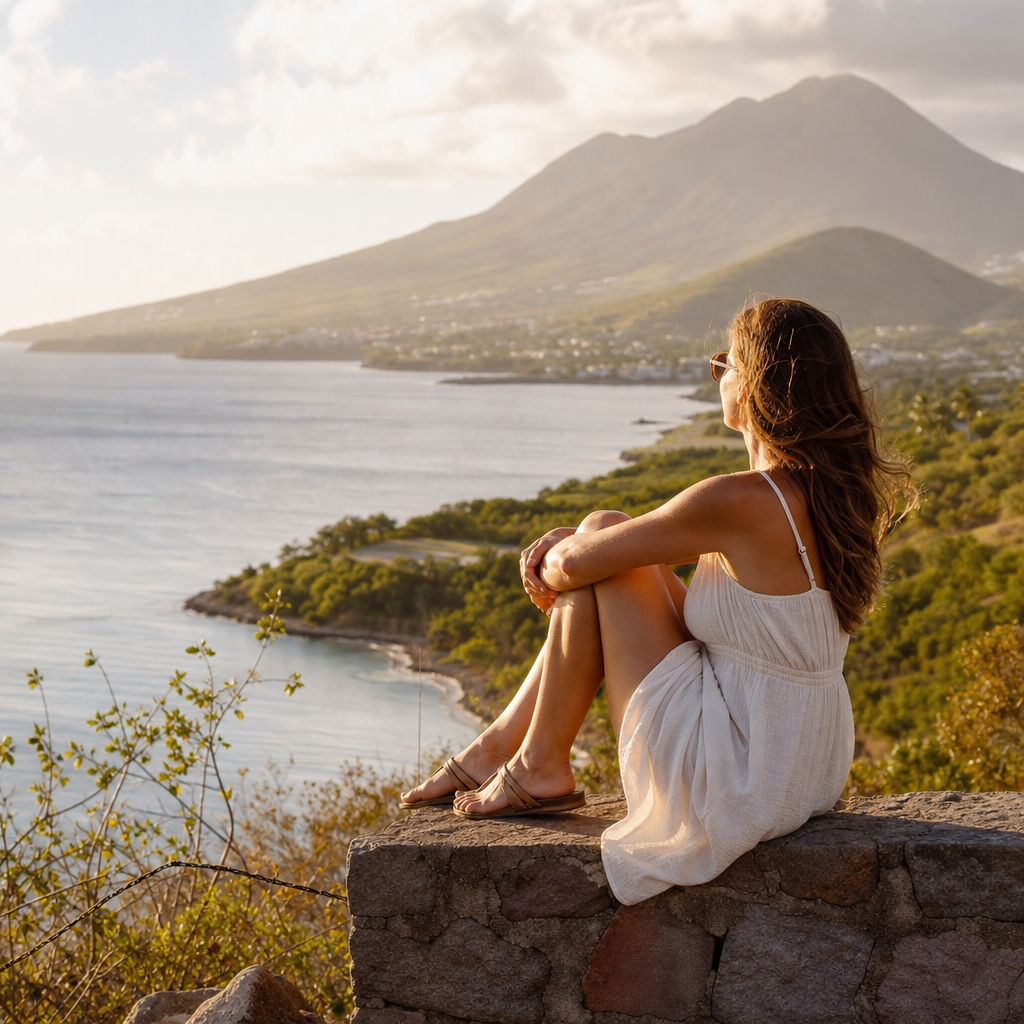
Vacationing in Nevis offers more than a change of scenery; it creates conditions that genuinely support better mental health. Nevis, the smaller sister island of St. Kitts in the Eastern Caribbean, is known for quiet beaches, low-density tourism, rainforest-covered slopes, thermal springs, and a slower daily rhythm that feels noticeably different from crowded resort destinations. When people search for the mental health benefits of vacationing in Nevis, they are usually asking a practical question: can time on this island reduce stress, improve mood, and help restore emotional balance? In my experience planning wellness-focused Caribbean travel and evaluating what actually helps burned-out travelers, Nevis stands out because its environment naturally encourages rest without requiring a rigid retreat schedule.
Mental health, in this context, includes stress regulation, emotional resilience, sleep quality, cognitive recovery, and a sense of social and physical well-being. A restorative vacation is not simply time away from work. It is time spent in a setting that lowers overstimulation, supports healthy routines, and gives the mind enough space to recover from decision fatigue. Research in environmental psychology has consistently shown that access to nature, sunlight, movement, and meaningful downtime can improve short-term mood and reduce perceived stress. Nevis brings those ingredients together in one compact island, making it especially effective for travelers who want a wellness-oriented trip that still feels easy, enjoyable, and culturally grounded.
This article serves as a broad hub for the miscellaneous side of health and wellness in Nevis. Rather than focusing on one narrow treatment or trend, it explains how the island’s landscape, pace, food, activities, and social atmosphere combine to support mental well-being. It also addresses practical questions about who benefits most, how long to stay, what kinds of activities help, and where the limitations are. Not every traveler needs a formal wellness program. Many need a place where healthy behaviors happen almost automatically. That is where Nevis excels.
Why Nevis Reduces Stress So Effectively
The most immediate mental health benefit of vacationing in Nevis is stress reduction. On arrival, travelers encounter fewer sensory demands than they would on busier islands. Roads are quieter, beaches are rarely packed, nightlife is present but not relentless, and many properties emphasize open air, gardens, and sea views over high-energy entertainment. This matters because chronic stress is often reinforced by constant stimulation: traffic noise, crowded schedules, endless notifications, and the feeling that every hour should be optimized. Nevis interrupts that pattern.
From a physiological perspective, reduced stimulation can help calm the sympathetic nervous system, the body’s fight-or-flight response. While a vacation cannot replace treatment for anxiety disorders or burnout, it can lower the daily load that keeps stress hormones elevated. I have seen travelers who arrive visibly tense begin sleeping better within two nights simply because they are no longer navigating dense itineraries, urban noise, and nonstop digital demands. The island’s slower cadence supports parasympathetic activation, the rest-and-digest state linked with recovery, digestion, and more stable mood.
Nevis also makes restorative choice architecture easy. You are more likely to walk to breakfast, pause to watch the sea, take a swim before lunch, or sit outdoors at sunset rather than defaulting to screens. Those small behavioral shifts matter. In stress management, consistency beats intensity. A week of modestly healthier rhythms can feel more regulating than a single dramatic spa treatment.
Nature Exposure, Blue Space, and Cognitive Recovery
One of the strongest arguments for Nevis as a mental wellness destination is its combination of blue space and green space. Blue space refers to visible water environments such as the Caribbean Sea, while green space includes forests, gardens, and mountain trails. Studies across public health and psychology have associated both with lower stress, improved mood, and better attention restoration. Nevis provides them in close proximity. A traveler can spend the morning on Pinney’s Beach, the afternoon in botanical gardens, and another day hiking lower slopes near Nevis Peak.
Attention Restoration Theory, widely discussed in environmental psychology, helps explain why this feels so different from ordinary downtime. The brain tires when it must direct attention continuously toward demanding tasks. Natural environments hold attention more softly. Waves, tree canopies, birdsong, and distant horizons engage the mind without depleting it. That can lead to a subjective sense of mental clearing, especially for people whose work depends on concentration, judgment, and rapid decision-making.
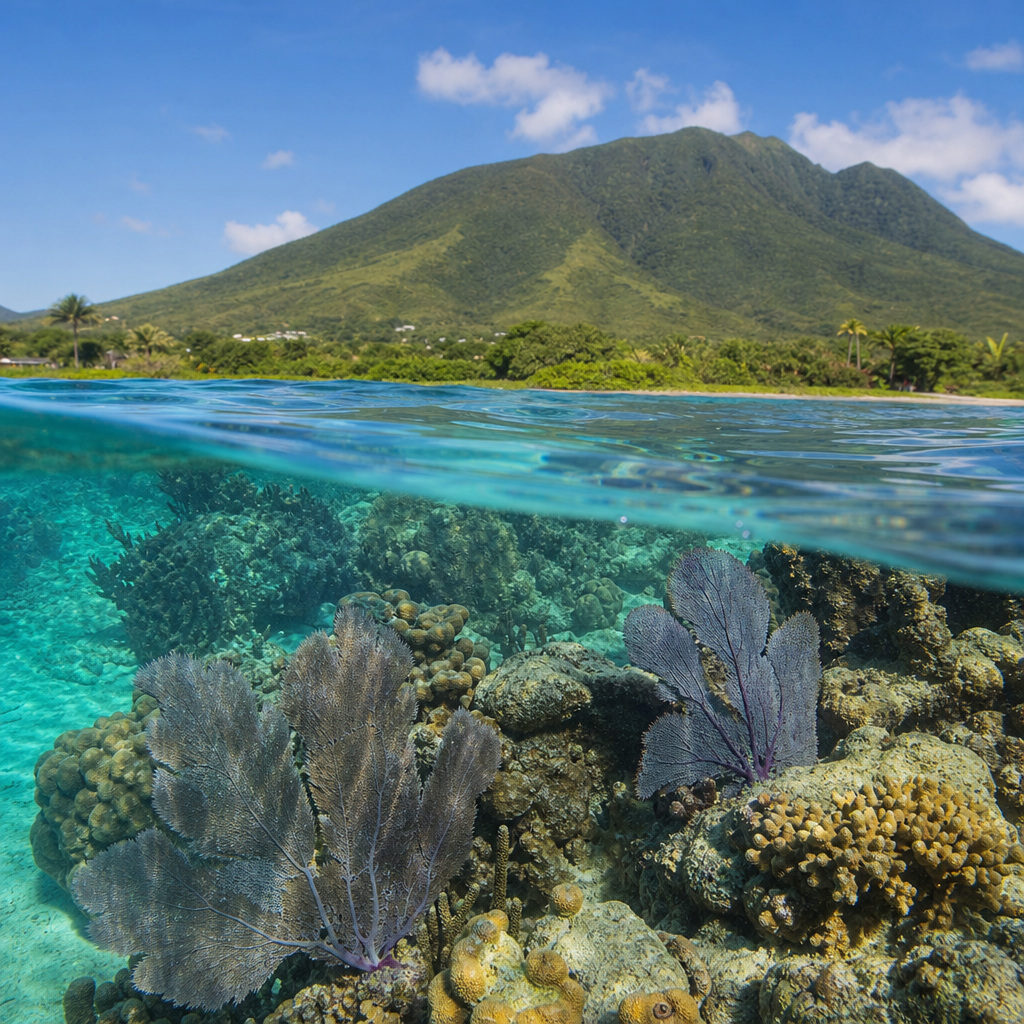
Nevis is particularly useful for travelers who do not want aggressive adventure tourism but still want meaningful outdoor contact. The island offers snorkeling, sailing, paddleboarding, beach walks, garden visits, and scenic drives without the pressure of a packed attraction list. Because the island is small, transitions are short and manageable. Less time commuting between activities means more time in genuinely restorative settings.
| Nevis experience | Mental health mechanism | Likely benefit |
|---|---|---|
| Quiet beach time at Pinney’s Beach | Lower sensory load and exposure to blue space | Reduced perceived stress and calmer mood |
| Walking in tropical gardens or village roads | Light movement plus green space contact | Improved emotional regulation and attention |
| Hiking near Nevis Peak | Aerobic activity and mastery experience | Better mood, confidence, and mental reset |
| Hot spring visits and spa treatments | Physical relaxation and body awareness | Lower muscle tension and deeper relaxation |
| Outdoor dining with fresh local food | Routine stabilization and sensory pleasure | More grounded daily rhythm and satisfaction |
How Slower Island Rhythms Improve Mood and Sleep
Many people underestimate how much mental health depends on tempo. Nevis operates at a pace that encourages recovery. Meals are not rushed, sunsets are events, conversations last longer, and there is less social pressure to keep moving from one stimulation to the next. For people who live in high-performance environments, that shift can feel uncomfortable at first, then profoundly relieving. The mind begins to stop scanning for urgency.
Better sleep is one of the clearest downstream benefits. Sleep quality often improves on Nevis because days include more natural light exposure, more walking, less commuting stress, and fewer late-night disruptions than urban life. Morning sunlight helps regulate circadian rhythm, signaling the body when to be alert and when to wind down. Evening routines are also simpler. Instead of eating under fluorescent lights after answering emails, travelers often finish dinner outdoors, hear tree frogs or waves, and return to accommodations that are physically quieter.
Sleep improvement is not just a comfort issue. It affects emotional reactivity, memory consolidation, and resilience. Even a modest increase in sleep duration and continuity can make people feel less irritable and more able to cope. I often advise wellness travelers to judge a destination partly by whether healthy sleep happens naturally there. Nevis passes that test exceptionally well.
Movement Without Pressure: Exercise That Feels Restorative
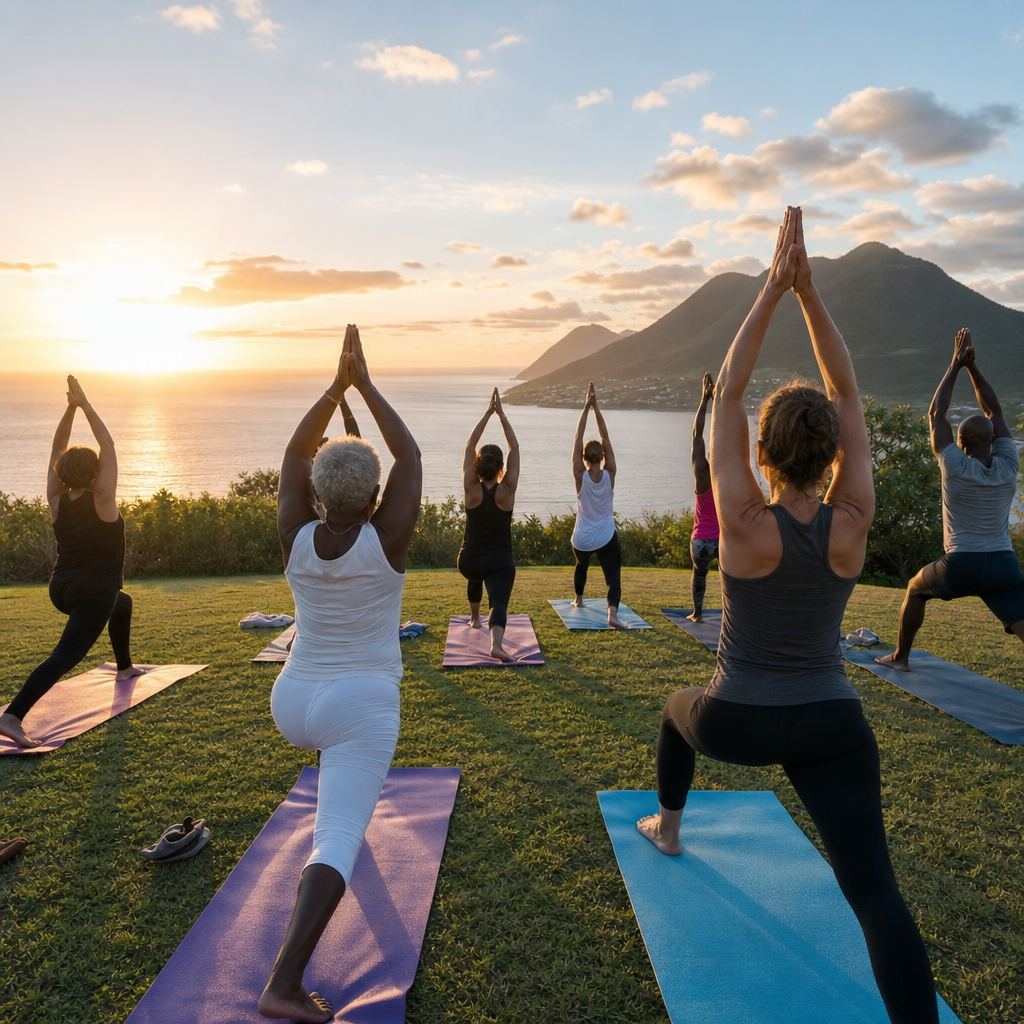
Exercise is one of the most reliable non-pharmacological supports for mental health, but many travelers resist destinations that turn fitness into another performance metric. Nevis works because movement is available in low-pressure forms. Beach walking, swimming, cycling, yoga classes at select hotels, gentle hikes, and water activities all offer the mood benefits of exercise without making the trip feel like a boot camp.
Physical activity supports mental health through several pathways. It can reduce muscle tension, improve sleep, increase endorphin release, and provide a sense of competence. In nature-based settings, it often feels easier to sustain because the activity itself is rewarding. A sunrise walk along the beach does not require the same motivational energy as a treadmill session in a windowless room.
For travelers recovering from stress-heavy periods, this distinction matters. If activity feels punitive, they may avoid it. If it feels pleasurable and scenic, they are more likely to engage consistently. Nevis supports that consistency. Even short bouts of movement scattered throughout the day can improve mood and reduce rumination, especially when paired with fresh air and social connection.
Food, Hydration, and the Emotional Effects of Simple Healthy Routines
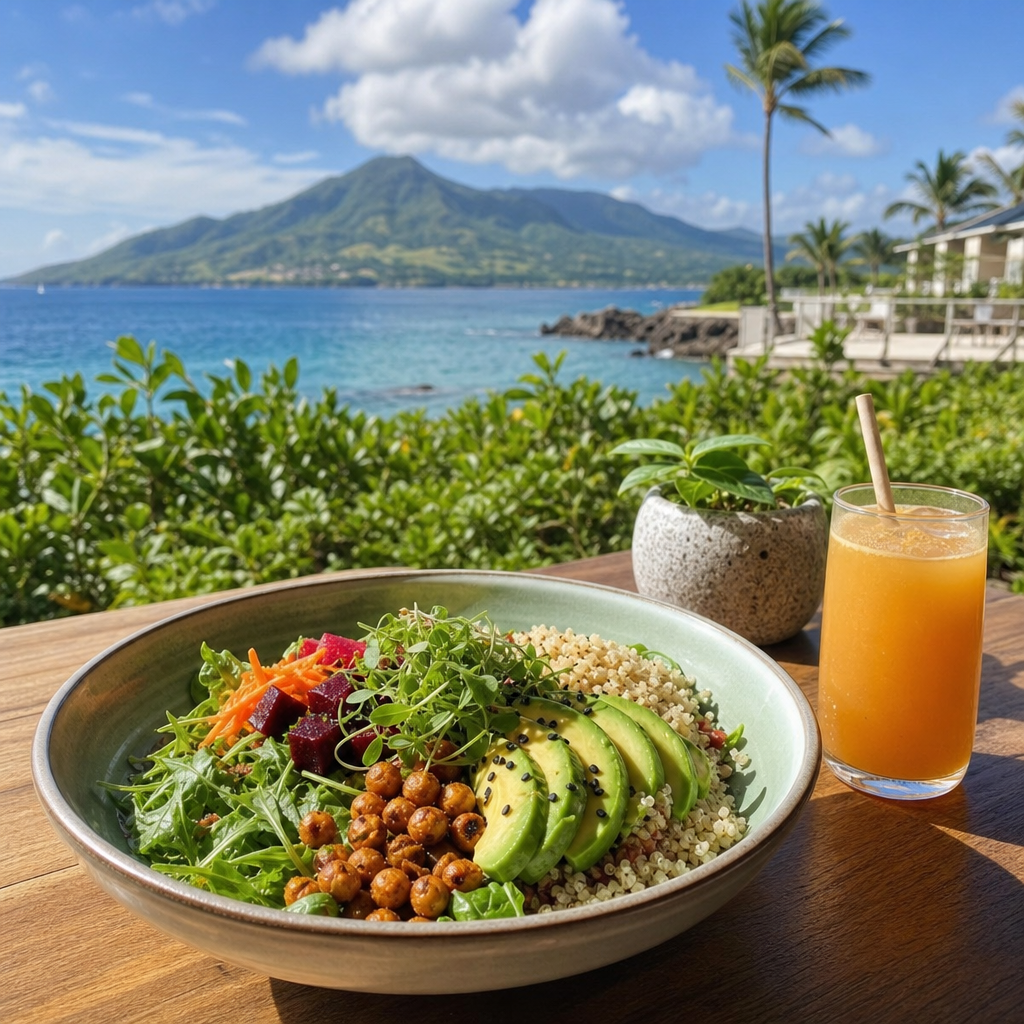
Mental well-being on vacation is shaped partly by what people eat and drink. Nevis offers an underrated advantage here: healthy choices are accessible without requiring extreme discipline. Fresh grilled fish, tropical fruit, vegetables, lighter Caribbean preparations, and coconut-based dishes make it easier to eat in a way that supports steady energy rather than post-meal sluggishness. Travelers can still enjoy indulgent meals and rum-based drinks, but the island does not force an all-or-nothing pattern of excess.
Hydration also improves simply because the climate makes people more aware of it. Drinking more water, eating fruit with high water content, and spending time outdoors can help people reconnect with bodily cues they often ignore at home. That reconnection matters for mental health because dysregulated routines around food, alcohol, and sleep can amplify anxiety and low mood.
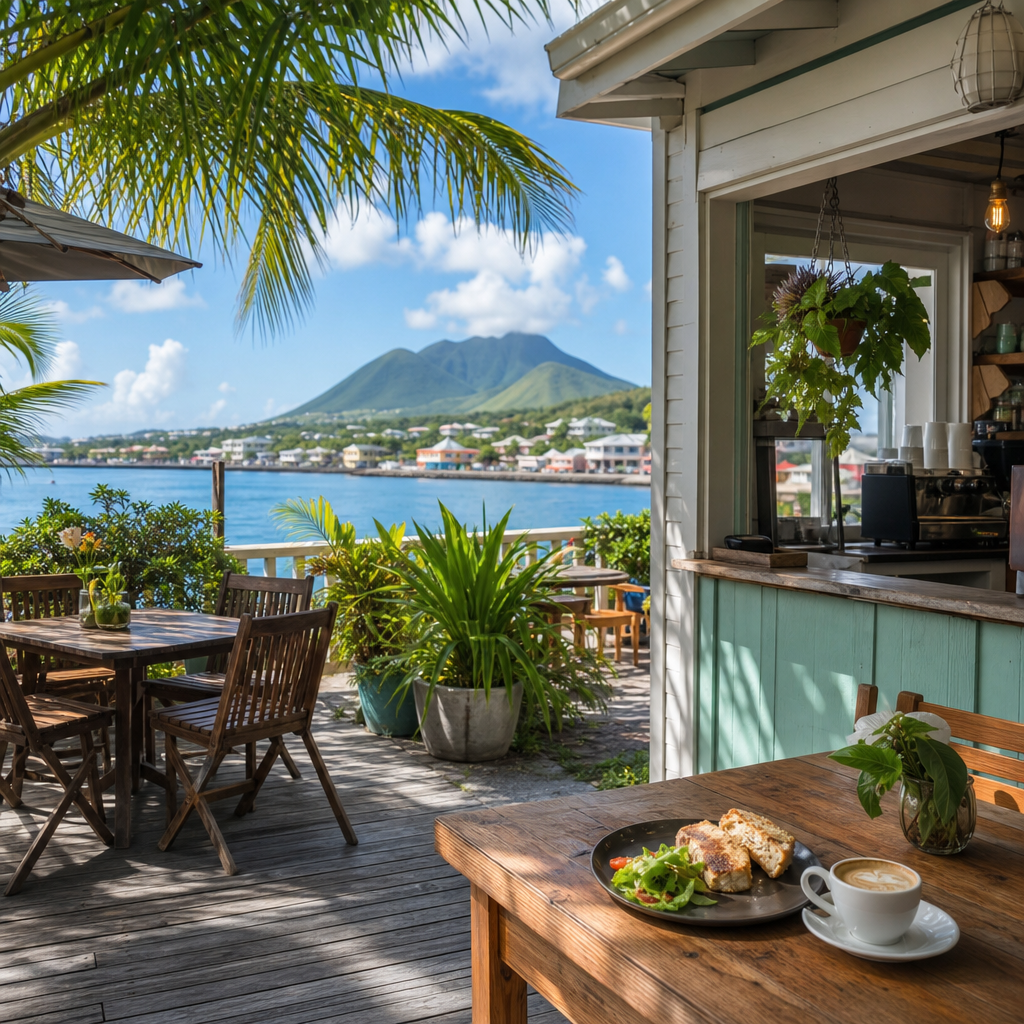
There is also psychological value in unhurried dining. Shared meals with sea views or garden settings create a stronger sense of presence. In behavioral terms, this is a shift away from distracted consumption toward intentional routine. The result is often subtle but real: more stable energy, better digestion, and a greater feeling of being cared for by one’s environment.
Social Connection, Solitude, and the Balance Many Travelers Need
One reason Nevis appeals to wellness travelers is that it supports both connection and solitude. Some destinations are so busy that solitude is hard to find; others are so isolated that travelers feel cut off. Nevis sits in a useful middle ground. Visitors can enjoy boutique hotels, beach bars, local history sites, and guided excursions while still finding quiet stretches of coastline or private garden space to decompress.
This balance supports different mental health needs. Couples often benefit from undistracted time together, which can strengthen emotional closeness. Solo travelers can experience restorative solitude without feeling unsafe or invisible. Families can spend calmer, more connected time together because the island’s scale reduces logistical friction. Even brief positive interactions with local residents, guides, drivers, and hospitality staff can improve mood by creating a sense of warmth and belonging.
Cultural grounding matters too. Nevis is not just scenery. Its heritage includes colonial history, Afro-Caribbean identity, village life, music, cuisine, and longstanding community traditions. Engaging with that living culture gives travel more meaning than a purely insulated resort stay. Meaningful experiences are often more mentally restorative than passive consumption because they create memory, perspective, and a sense of human connection.
Practical Limits, Best Fits, and How to Plan a Truly Restorative Trip
Nevis is not a cure-all, and it helps to be realistic about that. A vacation can support mental health, but it does not replace therapy, medication management, or crisis care when those are needed. Travelers with severe depression, panic symptoms, trauma responses, or acute burnout may still benefit from the island’s calming environment, yet they should not expect location alone to solve deeply rooted conditions. The strongest benefit comes when a restorative trip complements ongoing care.
Nevis is best suited to travelers who value quiet luxury, nature, sleep, gentle activity, and cultural authenticity over nonstop entertainment. People seeking major nightlife, extensive shopping, or a packed excursion calendar may find it too slow. Length of stay matters as well. Four to seven nights usually allows enough time for the nervous system to settle, while ten days can produce a deeper reset, especially if work notifications are limited. I strongly recommend setting digital boundaries before arrival, scheduling only one key activity per day, and leaving open space for beach time, walking, and unstructured rest.
The central takeaway is simple: the mental health benefits of vacationing in Nevis come from the island’s whole environment, not one attraction. Calm beaches, manageable scale, natural beauty, healthier routines, and meaningful human warmth combine to reduce stress and improve emotional balance. If you want a Caribbean trip that helps you feel clearer, softer, and more restored rather than overstimulated, Nevis is an excellent choice. Use this hub as your starting point, then explore specific guides on beaches, spas, activities, food, and wellness planning to build a trip that genuinely supports your mind as well as your itinerary.
Frequently Asked Questions
How can a vacation in Nevis help reduce stress and mental fatigue?
A vacation in Nevis can reduce stress and mental fatigue by changing both your environment and your pace in ways that support nervous system recovery. Unlike destinations built around nonstop stimulation, Nevis is known for quiet beaches, uncrowded roads, gentle scenery, and a slower daily rhythm. That matters because chronic stress is often sustained by constant noise, time pressure, decision overload, and digital interruption. In Nevis, many visitors naturally experience fewer of those triggers. You are not constantly navigating crowds, waiting in long lines, or managing an overpacked itinerary, which allows the mind to downshift from high alert into a calmer, more restorative state.
The island’s landscape also plays an important role. Views of the sea, rainforest-covered slopes, open sky, and green space can have a grounding effect that helps reduce mental clutter. Many people find that simply sitting by the water, walking along Pinney’s Beach, or spending time in a lush natural setting makes their thoughts feel less fragmented and their breathing more relaxed. This is not just about “escaping” life for a few days; it is about giving your brain a break from the conditions that keep it overstimulated. For people dealing with burnout, work stress, or emotional exhaustion, that kind of environmental reset can feel surprisingly powerful.
Another major benefit is the way Nevis encourages unstructured time. Restorative travel is not always about filling each day with activities; often, it is the opposite. In Nevis, you can spend meaningful time doing very little in the best sense of the phrase: sleeping more, reading without interruption, lingering over meals, taking slow walks, or watching the sunset without checking your phone. Those quiet intervals help reduce cognitive fatigue and support a sense of mental spaciousness that many people have been missing for months. For travelers who need more than entertainment and are genuinely looking for emotional decompression, Nevis offers conditions that make stress relief feel natural rather than forced.
What makes Nevis different from other Caribbean destinations for mental wellness?
What makes Nevis stand out for mental wellness is its low-density, less commercial atmosphere. Many Caribbean islands are beautiful, but not all of them offer the same level of quiet, ease, and emotional breathing room. Nevis is smaller, calmer, and generally less crowded than many major resort destinations, which changes the overall experience in a meaningful way. Visitors often notice that the island feels more intimate and less performative. Instead of being pushed toward constant activity, nightlife, and packed tourist zones, you are more likely to encounter peaceful coastlines, relaxed local interactions, and a pace that supports presence rather than stimulation.
That difference matters for mental health because not all vacations are equally restorative. Some trips can be exciting but still draining, especially if they involve overplanning, busy schedules, sensory overload, or a strong pressure to “make the most” of every hour. Nevis tends to work in the opposite direction. Its character invites you to slow down, simplify, and reconnect with basic experiences: a quiet morning, a swim in warm water, a conversation without hurry, a scenic drive, or time spent immersed in nature. For many travelers, that shift is exactly what makes the island mentally beneficial.
Nevis also offers a strong sense of place. The island’s natural beauty, history, thermal springs, and local culture create an atmosphere that feels grounded rather than generic. That can deepen the emotional benefits of travel because people often feel more connected when they are somewhere with a distinct identity rather than a destination that could be mistaken for anywhere else. A sense of authenticity can support mindfulness, curiosity, and reflection, all of which contribute to better emotional wellbeing. If someone is specifically looking for a Caribbean vacation that feels peaceful, restorative, and less crowded, Nevis has a strong case as a mental wellness destination even without branding itself as one.
Can spending time in nature on Nevis improve mood and anxiety levels?
Yes, for many people, spending time in nature on Nevis can improve mood and help ease anxiety symptoms, especially when that time is consistent and unhurried. Nevis offers several natural settings that encourage calm: quiet beaches, tropical greenery, rainforest trails, volcanic slopes, and mineral-rich thermal springs. These environments help shift attention away from repetitive worries and toward sensory experiences in the present moment. When you are listening to waves, noticing birdsong, feeling warm air on your skin, or walking beneath trees, your focus often becomes less trapped in mental loops. That does not mean nature is a replacement for professional mental health treatment, but it can be a meaningful support for emotional regulation and recovery.
Natural settings are especially helpful for people whose anxiety is intensified by urban noise, crowded spaces, and nonstop information input. On Nevis, the lower-volume environment can create a sense of safety and softness that makes it easier to settle mentally. A beach walk in the early morning, a hike with views of the island, or a peaceful soak near thermal springs can become more than leisure activities; they can function as reset points that calm the body and make anxious thinking feel less dominant. Many travelers report that they sleep more deeply, feel less irritable, and experience a clearer, steadier mood after a few days in a quieter natural environment.
There is also a cumulative effect to being in nature while on vacation. One relaxing moment is helpful, but several days of exposure to calm outdoor settings can create a deeper sense of emotional relief. Nevis makes that easier because nature is not an occasional attraction there; it is part of the daily experience. You may wake up to ocean views, spend the afternoon surrounded by greenery, and end the day watching the sunset with minimal interruption. That regular contact with the natural world can support perspective, reduce overstimulation, and help many people feel more emotionally balanced by the end of their trip.
Is Nevis a good destination for burnout recovery and emotional reset?
Nevis can be an excellent destination for burnout recovery and emotional reset, particularly for people who feel mentally overloaded, emotionally flat, or physically tired from prolonged stress. Burnout often develops when rest is insufficient, daily demands are relentless, and there is little room for reflection or recovery. A destination that truly helps with burnout needs to offer more than visual beauty. It needs to reduce friction, lower stimulation, and make restorative behavior easier. Nevis does that well through its slower rhythm, manageable scale, calm atmosphere, and access to natural spaces that encourage rest without guilt.
One of the reasons Nevis works for burnout is that it does not force intensity. You can create a trip that is intentionally light: sleep in, have a relaxed breakfast, spend time near the water, take a gentle island drive, visit a historic site, enjoy a quiet meal, and leave space for doing nothing. That absence of pressure is important. People experiencing burnout often do not need more excitement; they need nervous system relief, better sleep, reduced decision-making, and time to reconnect with themselves without constant performance. Nevis supports that kind of travel better than destinations centered on packed schedules and perpetual activity.
The emotional reset many travelers feel in Nevis also comes from distance—both physical and mental—from the systems that have been draining them. Being away from inboxes, commuting, deadlines, and social obligations allows a person to notice how depleted they really are and begin to recover. The island’s quiet beauty can help restore a sense of perspective, while its unhurried pace encourages reflection rather than reaction. That said, burnout recovery is not usually solved by one trip alone. The deeper value of a Nevis vacation is that it can interrupt the stress cycle, help you remember what calm feels like, and provide the clarity needed to make healthier changes when you return home.
How can travelers maximize the mental health benefits of a trip to Nevis?
To maximize the mental health benefits of a trip to Nevis, the most important strategy is to travel with restoration in mind rather than trying to turn the vacation into another productivity project. That means building in real downtime, avoiding overscheduling, and choosing activities that support calm, presence, and enjoyment. Many people undermine the emotional value of a vacation by trying to see and do everything. In Nevis, a better approach is to lean into the island’s natural strengths: quiet mornings, beach time, nature walks, slow meals, scenic drives, spa treatments, and simple, unrushed experiences. The goal is not to accomplish more; it is to feel better.
It also helps to reduce digital demands while you are there. If possible, limit email, social media, and constant news consumption, all of which can quickly reactivate stress. Even a partial digital boundary can make a noticeable difference in how present and mentally rested you feel. Travelers can also support the benefits of the environment by prioritizing basics that are easy to neglect at home: more sleep, regular hydration, nourishing meals, movement, and quiet time. In a place like Nevis, these habits often feel easier to maintain because the setting itself encourages a steadier rhythm.
Finally, try to be intentional about what you want to carry home from the trip. Pay attention to which moments make you feel most settled—an early walk, less phone time, eating outdoors, going to bed earlier, or spending more time in nature. Those details matter because the mental health benefits of travel are strongest when they influence daily life after the vacation ends. Nevis can provide a powerful emotional reset,