Traditional Saint Kitts weddings blend African heritage, British colonial influence, Christian ceremony, and island community values into celebrations that feel both intimate and public. In Saint Kitts, a wedding is rarely only about two people exchanging vows. It is a family event, a neighborhood gathering, a church occasion, and often a display of music, food, dress, and hospitality shaped by generations. When people search for traditional Saint Kitts weddings, they usually want to know what customs are still practiced, how ceremonies are organized, what guests can expect, and how modern couples balance heritage with contemporary preferences. Those questions matter because weddings reveal how a society understands kinship, faith, status, gender roles, migration, and belonging. Having worked with Caribbean cultural content and spoken with planners, clergy, musicians, and families across the region, I have seen that Saint Kitts stands out for preserving recognizable wedding patterns while adapting them to tourism, diaspora travel, and modern budgets. This article serves as a hub for the broader miscellaneous side of local life and experiences by explaining the customs, celebrations, symbolism, and practical details that define a traditional Saint Kitts wedding.
Saint Kitts, officially part of the Federation of Saint Kitts and Nevis, has a wedding culture shaped by Anglican, Methodist, Roman Catholic, Moravian, Pentecostal, and other Christian traditions. Key terms help frame the subject. A traditional wedding refers to a ceremony and celebration that follow longstanding local expectations around church vows, family involvement, formal dress, communal food, and music-led festivity. Customs are repeated social practices, such as bridal processions, sponsored receptions, cake sharing, and the expectation that extended relatives and family friends will participate. Celebrations include the reception, dancing, toasts, and food service, but also the pre-wedding labor that relatives contribute, from cooking to decorating. Understanding these pieces matters for visitors, engaged couples, researchers, and anyone exploring local life in Saint Kitts because weddings condense the island’s social fabric into one event. They show how religion still structures public milestones, how community networks reduce costs, how imported influences from Britain and North America are localized, and how the Kittitian diaspora reconnects with home through ceremonial return.
Historical and Cultural Roots of Weddings in Saint Kitts
Traditional Saint Kitts weddings did not emerge from a single source. They developed from the island’s plantation history, African-descended community traditions, European legal and church marriage systems, and post-emancipation aspirations toward respectability and stability. Under British rule, formal marriage carried legal, economic, and religious significance, especially within established churches. At the same time, Afro-Caribbean communities preserved a strong collective approach to celebration, where music, shared labor, and public witnessing mattered as much as the official vows. That mix remains visible today. A church wedding in Basseterre may follow a liturgical order recognizable to Anglicans anywhere in the Commonwealth, yet the atmosphere outside the church, the music at the reception, the food on the tables, and the role of cousins, godparents, and neighbors are distinctly Kittitian.
Historically, weddings also marked social mobility. In many Caribbean societies, a “proper” wedding meant careful dress, a decorated venue, photographs, a tiered cake, and a meal that proved the family could host generously. Even where money was limited, families stretched to provide a memorable day because the event signaled dignity, unity, and public commitment. In Saint Kitts, older residents often recall weddings where community members contributed ingredients, lent chairs, made floral arrangements, or played in the band. That cooperative model still appears, although hotels, event rentals, and professional planners now handle tasks that relatives once managed alone. The result is continuity rather than replacement: traditional values stay in place even as execution becomes more commercial.
The Courtship and Engagement Period
Before the wedding day itself, traditional Saint Kitts weddings are shaped by a courtship period in which family approval carries real weight. While modern couples usually choose one another independently, older customs emphasized observing a partner’s character, church involvement, work ethic, and family background. Parents and elders often wanted reassurance that the match was stable and respectable. Even now, engagement celebrations commonly involve both families meeting formally, discussing logistics, and beginning the social process of merging circles of relatives and friends.
In practice, engagement in Saint Kitts often blends imported customs such as proposal rings and engagement photos with local habits of broad family consultation. A couple may announce their plans in church, at a family lunch, or through community networks long before invitations are printed. This matters because weddings on a small island are highly social events. People expect advance notice, and the guest list often extends beyond immediate family to include coworkers, church members, former schoolmates, and neighbors. The engagement period is also when practical issues are addressed: church availability, civil documentation, attire sourcing, menu planning, and whether relatives traveling from the United States, Canada, or the United Kingdom need time to book flights. For many Kittitian families, this stage is not a private administrative phase. It is the opening chapter of the celebration.
The Ceremony: Church Traditions, Attire, and Procession
The core of a traditional Saint Kitts wedding is usually the ceremony, most often held in a church. Christian marriage remains the standard reference point for traditional weddings, and clergy typically guide couples through counseling or premarital meetings before the service. The order of ceremony commonly includes hymns, scripture readings, a sermon or charge, the exchange of vows and rings, prayers, signing the register, and a recessional. In many congregations, punctuality is expected from the bridal party even if guests themselves arrive with relaxed island timing. The emotional center is the public vow, witnessed by both God and community.
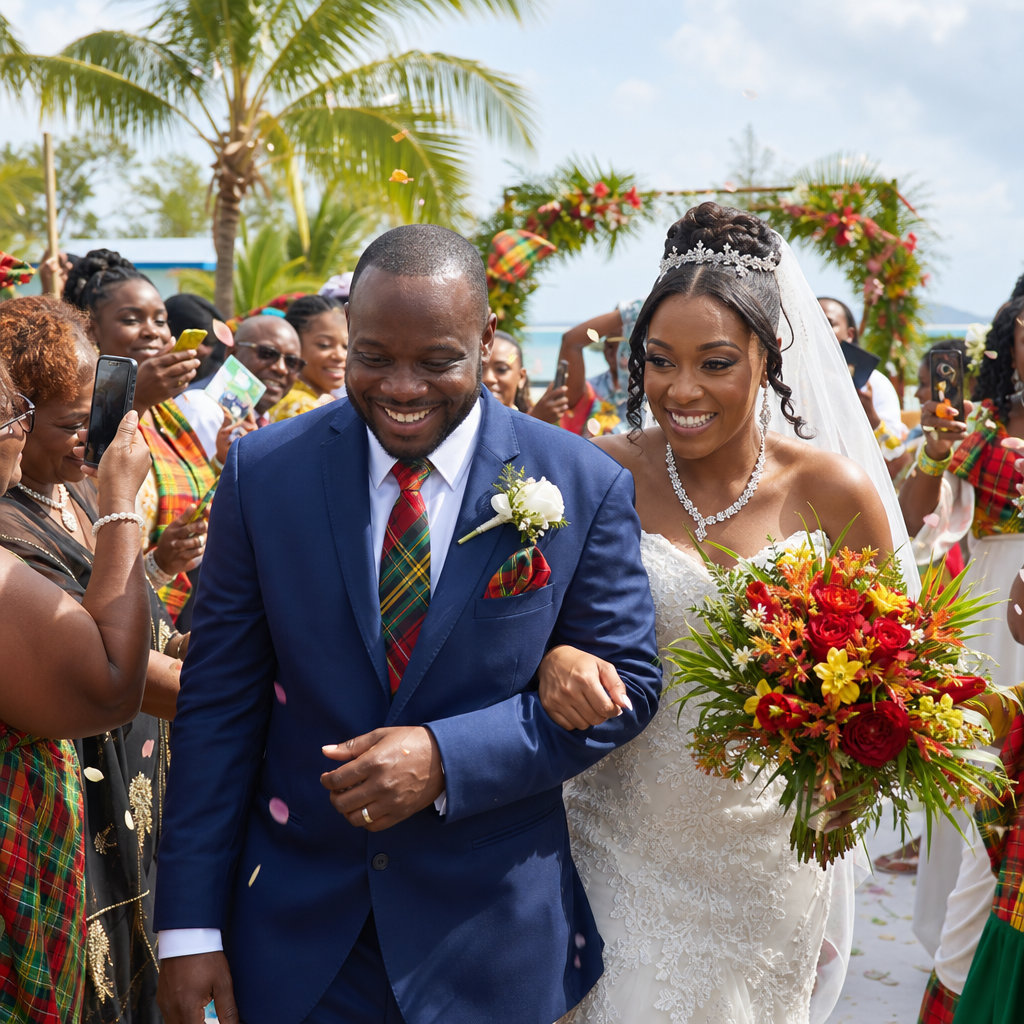
Attire is formal and often conservative by design. Brides typically wear white or ivory gowns, sometimes with veils, tiaras, or lace details, while grooms wear suits or tuxedos suited to the tropical climate. Bridesmaids and groomsmen may dress in coordinated colors chosen months in advance. I have repeatedly seen how important presentation is in Saint Kitts: pressed garments, polished shoes, fresh bouquets, and carefully arranged hair are not superficial extras but part of honoring the occasion. Flower girls, ring bearers, and sponsored attendants may also appear, reflecting both church aesthetics and family pride.
The procession itself carries symbolic weight. Guests rise as the bride enters, usually escorted by her father or another senior relative. Music may be traditional organ, recorded hymns, or a vocalist singing a devotional piece. After the signing of the register, couples often pause for photographs inside the sanctuary before greeting guests outside. That transition from sacred space to public celebration is one of the defining moments of a traditional Saint Kitts wedding.
Reception Customs, Food, Music, and Community Participation
If the ceremony establishes the marriage, the reception proves the strength of the community around it. Traditional Saint Kitts wedding receptions range from church halls and family yards to hotels and dedicated event venues, but their social function remains the same: feed people well, acknowledge the couple publicly, and create space for joy. In earlier decades, many receptions were hosted partly through collective effort, with relatives cooking large quantities of food and friends helping to serve. Today, caterers are common, yet family involvement remains visible in menu selection, décor, and hospitality.
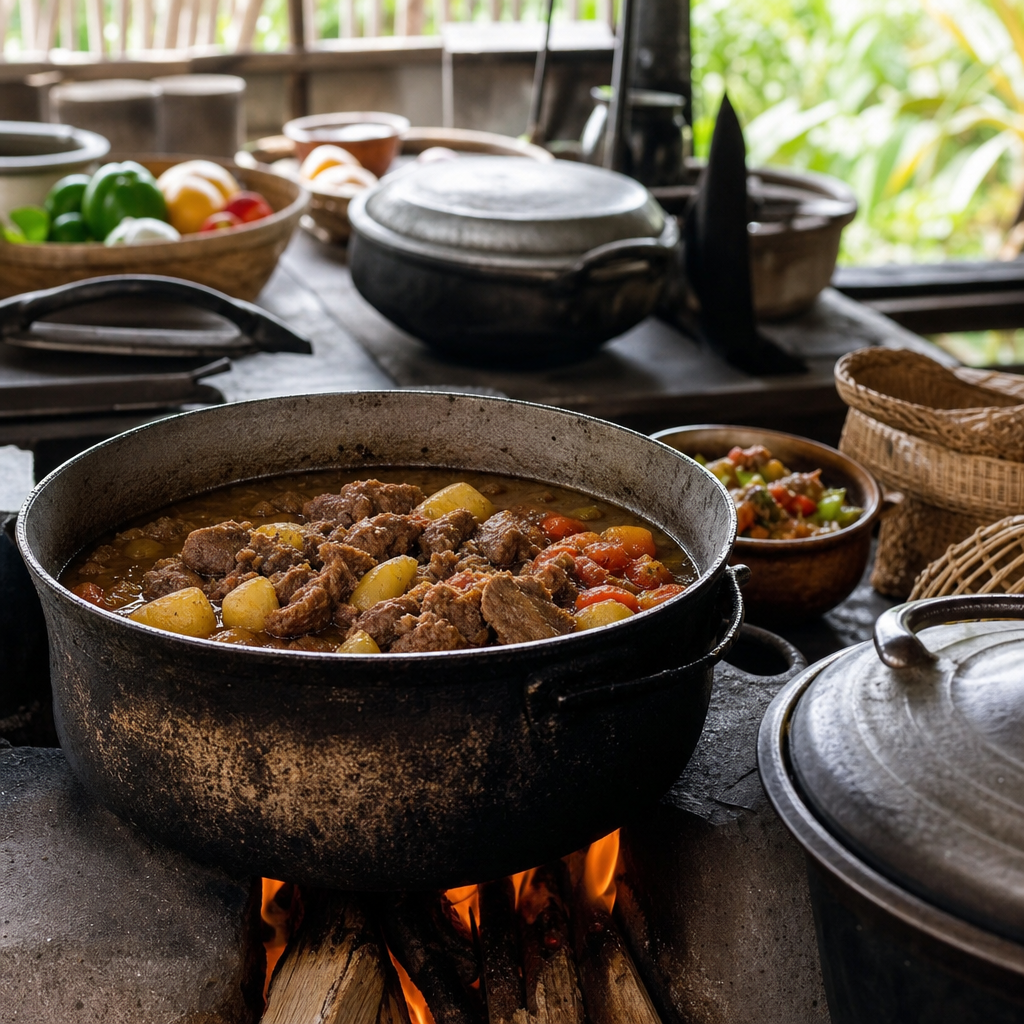
Food is central. A traditional spread may include stewed chicken, baked chicken, goat water, rice and peas, seasoned rice, green salad, macaroni pie, provisions, fish, and local drinks. Wedding cake is not optional in the traditional sense; it is a marker of ceremony and status. Fruitcake, often dark and rich with rum-soaked fruit, remains especially meaningful, though sponge tiers and fondant finishes are now common. Guests notice whether food is plentiful, served efficiently, and true to local taste. In Caribbean weddings, good food is remembered almost as vividly as the vows.
Music shapes the mood from formal to festive. Depending on budget and family preference, entertainment may include a steelpan ensemble, string music, gospel singing, a live band, or a DJ mixing soca, calypso, reggae, dancehall, and international love songs. The reception often includes speeches, a prayer, the first dance, cake cutting, bouquet traditions, and prolonged social mingling. Older guests may sit and talk while younger attendees fill the dance floor. What stands out in Saint Kitts is the layered guest experience: the wedding is not rushed. People expect time to greet the couple, take photographs, eat properly, and celebrate in stages.
| Wedding Element | Traditional Saint Kitts Practice | Modern Adaptation |
|---|---|---|
| Ceremony venue | Church sanctuary with clergy-led vows | Church, garden, beach, or hotel chapel |
| Food service | Family-prepared meals and shared labor | Professional catering with local dishes |
| Music | Hymns, live band, community singing | DJ playlists plus live cultural performers |
| Guest list | Extended family, neighbors, church members | Smaller core event with later larger reception |
| Photography | Formal posed portraits | Professional photo and video storytelling |
Symbolism, Family Roles, and Social Meaning
Every traditional Saint Kitts wedding carries visible and invisible meanings. The visible symbols include white attire, rings, flowers, cake, and public procession. The invisible ones are just as important: respect for elders, family cooperation, church recognition, and the public declaration that a new household has been formed. Weddings reinforce intergenerational ties. Mothers and aunts often help manage clothing, etiquette, and food expectations. Fathers, uncles, and older male relatives may assist with transport, venue preparation, or the symbolic act of giving the bride away. Godparents, church sisters, and longtime family friends can also hold influential roles, especially in close-knit communities.
Traditional expectations around family roles are evolving, but they still matter. In Saint Kitts, a wedding often functions as a reunion, bringing together relatives from different villages and from overseas. That reunion quality gives the day emotional power beyond romance. It says that marriage is not only a private bond but a social contract witnessed by people who may support the couple financially, spiritually, or practically later on. This is one reason wedding invitations can grow quickly; excluding people may be interpreted as distancing oneself from community. Couples now navigate this carefully, balancing budget limits with social obligations.
There is also a moral dimension tied to church teaching and public perception. Many couples seek a blessing because they want their union recognized as legitimate in both religious and civic terms. Even when a couple has lived abroad or has children already, a traditional wedding can symbolize renewal, order, and public affirmation. That symbolism explains why families place such importance on decorum, hospitality, and ceremony quality.
How Traditional Weddings Are Changing in Contemporary Saint Kitts
Traditional Saint Kitts weddings are not frozen in time. They are adapting to destination wedding trends, social media aesthetics, tighter budgets, and the realities of migration. Many couples in the Kittitian diaspora return home to marry, combining local customs with destination-style planning. They may hold a church wedding followed by a beachfront reception at Frigate Bay or a resort event with Caribbean menu items and a local band. Others choose civil ceremonies first, then a larger blessing and reception later when family can gather.
Digital influence is visible in décor, photography, and scheduling. Couples now use wedding websites, WhatsApp groups, drone videography, and Pinterest-inspired color schemes. Yet the strongest weddings still feel rooted in place. A modern Kittitian celebration might include a choreographed bridal entrance and elegant signage, but if the menu ignores local tastes or the event feels disconnected from family involvement, guests notice. Tradition survives because it is functional. It gives people a script for hospitality, solemnity, and joy.
Cost is the biggest pressure point. Formal weddings can be expensive on islands where imported goods raise prices. Venues, flowers, attire, photography, and rentals add up quickly. Practical couples respond by trimming guest lists, using multipurpose church halls, scheduling daytime receptions, or relying on talented relatives for baking, decorating, and music. The most successful events are not always the most expensive; they are the ones that preserve the core elements people value: meaningful vows, respectful hosting, local food, and shared celebration. If you are exploring local life and experiences in Saint Kitts, weddings offer one of the clearest windows into how the island honors heritage while adjusting to modern life. Attend with respect, ask questions, and pay attention to the details. They tell the story of Saint Kitts as clearly as any landmark.
Frequently Asked Questions
What makes a traditional Saint Kitts wedding distinct from weddings in other Caribbean islands?
A traditional Saint Kitts wedding is distinctive because it brings together several layers of cultural influence in a way that feels deeply local. At its core, it reflects African cultural memory, British colonial-era formality, Christian religious practice, and a strong island emphasis on family and community participation. Rather than focusing only on the couple, the wedding is often understood as a social event that involves parents, godparents, extended relatives, church members, neighbors, and friends. This creates a celebration that feels both personal and public, where the union is witnessed, supported, and celebrated by a much wider circle.
Another defining feature is the balance between ceremony and festivity. The church service may be formal, respectful, and rooted in Christian tradition, especially among Anglican, Methodist, Catholic, or other Protestant communities. Yet around that formal ceremony is a vibrant atmosphere shaped by local music, lively conversation, shared food, and visible hospitality. Traditional expectations around proper dress, respectful conduct, and family roles often sit alongside the joyful energy of an island celebration.
Saint Kitts weddings also stand out for their social meaning. They often represent not only a marriage but also family pride, community status, and continuity between generations. Older customs may survive in the way families prepare the event, how guests are invited, how food is served, or how the entire neighborhood becomes aware that a wedding is taking place. Even when modern couples simplify some details, the traditional Kittitian wedding remains recognizable for its warmth, elegance, faith-centered structure, and communal spirit.
What usually happens during a traditional Saint Kitts wedding ceremony?
The ceremony itself is often centered in a church and follows a Christian format, especially in more traditional weddings. Guests gather in formal attire, and there is usually a clear sense of occasion and reverence. The entrance of the bride is an important moment, often accompanied by music and followed by the structured elements of a church wedding: opening prayers, scripture readings, a sermon or message on marriage, the exchange of vows, the exchange of rings, and the pronouncement of the couple as husband and wife. Depending on the denomination, there may also be blessings, hymns, and congregational participation.
Family roles are significant throughout the ceremony. Parents and close relatives may be visibly involved, whether by escorting the bride, sitting in honored positions, participating in readings, or helping to organize the service. In many traditional settings, the ceremony is not treated casually. Respect, modesty, and proper behavior are expected, reflecting the longstanding importance of church life in Saint Kitts. This gives the wedding a solemn foundation before the celebrations become more festive afterward.
After the formal service, the mood typically becomes more relaxed and celebratory. Guests greet the couple, offer blessings and congratulations, and move on to a reception or gathering where food, music, and socializing take center stage. In traditional communities, the transition from church ceremony to public celebration is part of the meaning of the wedding itself: the marriage is first witnessed before God and congregation, then embraced by family and community. That progression from sacred commitment to communal joy is one of the hallmarks of a traditional Saint Kitts wedding.
What do people wear to traditional Saint Kitts weddings?
Dress at a traditional Saint Kitts wedding tends to reflect dignity, elegance, and a strong sense of occasion. Brides often wear a white wedding gown in keeping with Christian and British-influenced wedding conventions, sometimes with a veil, formal bouquet, and carefully chosen accessories. The groom typically wears a suit, tuxedo, or other formal attire, depending on the style and scale of the event. Bridal party members are also usually dressed with care, and color coordination can be an important visual part of the celebration.
Guests generally dress in a polished and respectful way, especially for church ceremonies. Women may wear dresses, hats, or coordinated formal outfits, while men often wear suits, dress shirts, or jackets. In a tropical climate like Saint Kitts, fabrics may be lighter than in colder countries, but the expectation of looking neat and appropriate remains strong. Traditional weddings are not usually treated as overly casual affairs, particularly when the ceremony takes place in church and includes older relatives and community members who value decorum.
Clothing also communicates social respect. Looking well-dressed is part of honoring the couple, their families, and the importance of the marriage. In some weddings, local style may show through in color choices, tailoring, accessories, or the festive atmosphere of the reception, but overall the emphasis is on presentation, pride, and formality. Even when couples introduce modern or personalized fashion touches, traditional Saint Kitts weddings typically maintain the idea that a wedding is a major life event deserving of one’s best appearance.
What role do food, music, and celebration play in a traditional Saint Kitts wedding?
Food, music, and celebration are central to the experience of a traditional Saint Kitts wedding because they express hospitality, joy, and community belonging. Once the formal ceremony is complete, the reception or post-wedding gathering becomes a space where families welcome guests generously. Serving good food is not just a practical matter; it is part of the honor of hosting. A wedding meal may include beloved local dishes and flavors that reflect Kittitian culinary traditions, and the quality and abundance of the food often carry social importance. Guests are meant to feel cared for, included, and well treated.
Music is equally important in setting the mood of the celebration. Depending on the family, venue, and era, wedding music may include hymns, live bands, popular Caribbean sounds, or selections that encourage dancing and communal enjoyment. Music helps bridge generations, allowing elders, peers, and younger guests to participate in the celebration in their own ways. It also reinforces the public nature of the wedding: this is not a private contract hidden away from society, but a joyful event openly shared with others.
The broader celebration often includes speeches, laughter, photographs, dancing, and extended socializing. In traditional settings, weddings can feel like all-day community occasions rather than tightly scheduled private events. Friends and relatives may play active roles in hosting, serving, decorating, or keeping the atmosphere lively. This collective energy is one of the defining features of Saint Kitts wedding culture. The celebration is not an extra attached to the ceremony; it is part of how the marriage is welcomed into the life of the family and community.
Are traditional Saint Kitts weddings changing today, or do couples still follow older customs?
Traditional Saint Kitts weddings are definitely evolving, but many older customs still remain influential. Modern couples may choose smaller guest lists, nontraditional venues, personalized vows, destination-style aesthetics, or contemporary reception formats. Social media, global wedding trends, and the practical realities of budget and travel have all shaped how weddings are planned today. Some couples may blend local custom with modern styling, creating events that feel current while still honoring family expectations and cultural roots.
At the same time, many core traditions continue to matter. Church ceremonies remain important for families with strong Christian ties. Respect for elders, the visible involvement of relatives, formal dress, and the expectation that a wedding is a shared family event are still deeply valued. Even when a wedding looks more modern on the surface, the underlying structure often remains traditional: families help plan, the community takes interest, hospitality is emphasized, and the marriage is treated as something larger than an individual choice.
In that sense, traditional Saint Kitts weddings are not disappearing so much as adapting. Couples often preserve the elements that carry emotional and cultural meaning while adjusting others to fit their preferences, finances, or lifestyle. The result is a living tradition rather than a fixed one. What remains constant is the spirit behind the celebration: faith, family connection, public support, and the joyful coming together of people to witness and bless a new union.