Coral reef conservation in Nevis matters because the island’s reefs protect shorelines, support fisheries, attract divers, and anchor the wider promise of sustainable tourism. A coral reef is a living marine ecosystem built by tiny animals called polyps that create calcium carbonate skeletons over time. In Nevis, as across the eastern Caribbean, reefs form part of a connected coastal system that includes seagrass beds, mangroves, beaches, hotels, fishing grounds, and harbors. When reefs are healthy, they reduce wave energy, create habitat for fish and invertebrates, and help maintain the clear water visitors expect. When reefs decline, the losses are ecological, economic, and cultural at the same time.
Nevis is a small island, which makes reef conservation both urgent and practical. Local pressures can have an outsized effect in a compact coastal zone. Sediment runoff from construction, poorly managed wastewater, careless anchoring, overfishing, storm damage, and heat stress can all degrade coral cover. Climate change adds a broader layer of risk through warmer seas, coral bleaching, stronger storms, and ocean acidification. Anyone asking what threatens coral reefs in Nevis, why reef protection matters for tourism, or what travelers can do to help needs clear answers grounded in how island systems actually work. I have worked on coastal content and destination sustainability planning long enough to see the same pattern repeatedly: reefs are easiest to value after they start to fail, but by then restoration is slower and more expensive than prevention.
This hub article explains the essentials. It defines the main conservation issues, shows how reef health connects to sustainable tourism in Nevis, and outlines practical actions for businesses, residents, boat operators, and visitors. It also serves as a central guide to the miscellaneous side of the topic, bringing together the questions people often search for: What species live on Nevis reefs? How does snorkeling affect coral? Are marine protected areas effective? Can reef restoration work? What policies and tourism practices make the biggest difference? The short answer is yes, protective measures work when they are enforced, locally supported, and tied to water quality, fisheries management, and visitor behavior.
Nevis does not need generic environmental messaging. It needs place-based reef stewardship that recognizes the island’s scale, economy, and dependence on a healthy coast. The goal is not to isolate tourism from nature but to make tourism support the marine systems it relies on. That starts with understanding what is at stake and how conservation decisions on land and sea affect coral survival.
Why Coral Reefs in Nevis Matter
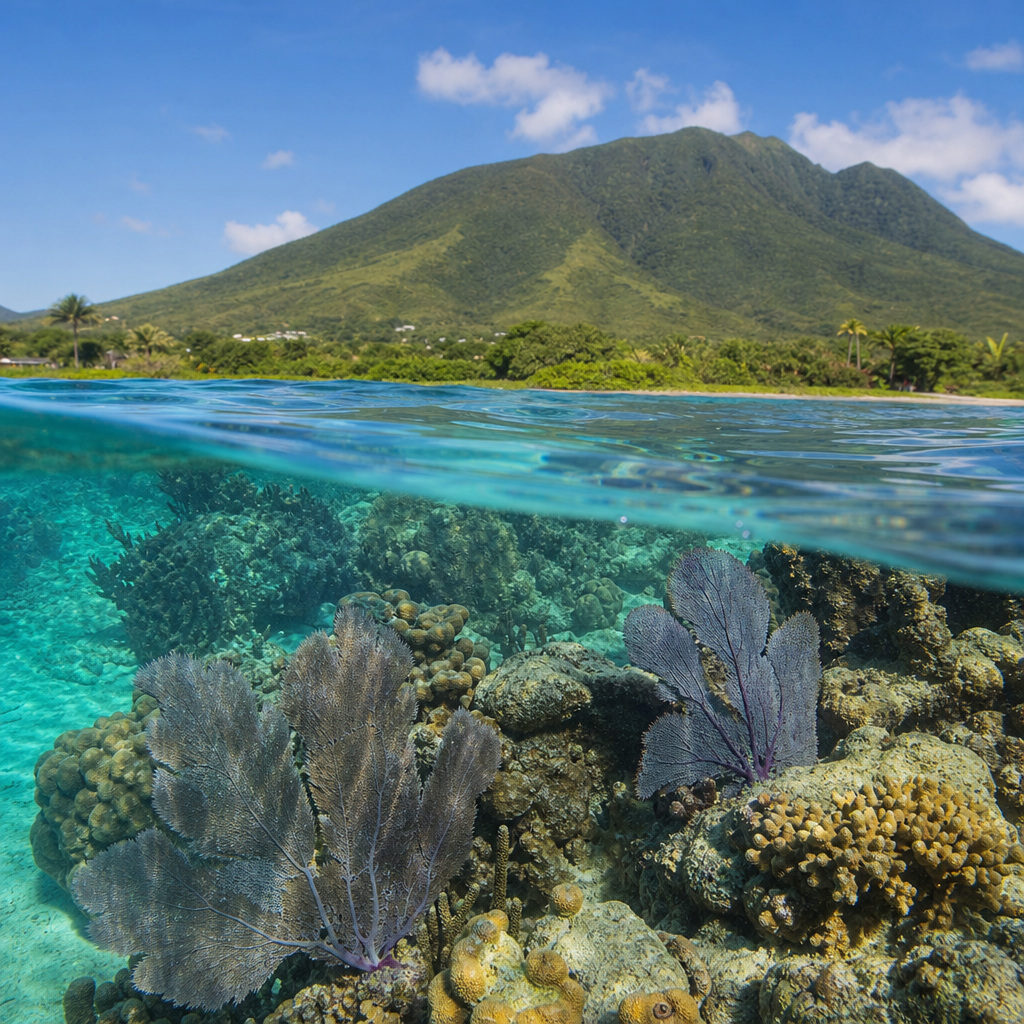
Coral reefs in Nevis deliver four core benefits: coastal protection, biodiversity, livelihoods, and visitor appeal. Reef structures can dissipate wave energy before it reaches shore, helping reduce erosion and storm impact. That service matters on small islands where beaches are economic assets and infrastructure sits close to the water. Reefs also support reef fish, lobsters, sea urchins, sponges, sea fans, and countless microscopic organisms that keep food webs functioning. In practical tourism terms, a reef is not just scenery. It is an underwater landscape that sustains snorkeling, diving, recreational boating, photography, and charter experiences.
For local communities, reef health influences fishing quality and consistency. Caribbean reef fisheries are often small-scale and mixed, with fishers targeting species associated with coral habitat at different life stages. Juvenile fish use nearby seagrass and mangroves, then move toward reefs as they mature. If one habitat declines, the entire chain weakens. That is why reef conservation cannot be separated from broader coastal management. Healthy reefs also improve water clarity by helping stabilize ecosystems and supporting species interactions that keep algae in check. Visitors may notice the result as “beautiful water,” but that appearance reflects ecological balance, not luck.
There is also a resilience argument. Diverse reefs recover better from shocks than simplified reefs dominated by algae or rubble. Even when climate stress cannot be prevented locally, Nevis can improve the odds of recovery by reducing controllable pressures. In every island destination where I have seen marine tourism endure over time, the common denominator was not marketing alone. It was environmental quality maintained consistently enough that guests returned and local operators could keep selling authentic nature-based experiences.
Main Threats Facing Nevis Reefs
The most immediate local threat is poor water quality. Sediment from hillside clearing, road works, or unprotected construction sites can wash into the sea during rain events. Fine sediments block sunlight that corals need through their symbiotic algae, smother coral tissue, and favor nuisance algae. Nutrient pollution from sewage leaks, septic failures, and fertilizer runoff can trigger algal growth that competes directly with corals for space. Once algae dominate, herbivorous fish become even more important, which links water management to fisheries management.
Physical damage is another major problem. Anchors dropped on coral heads can break decades of growth in seconds. Inexperienced divers standing on reefs, snorkelers kicking coral with fins, and boats grounding in shallow areas all cause avoidable harm. Sunscreen is often discussed, but the bigger issue is cumulative visitor behavior. One person touching coral may seem minor; hundreds of visitors doing it across a season can degrade a site. Storms and hurricanes add natural disturbance, but damaged reefs recover more slowly when they are already stressed by local impacts.
Regional and global pressures intensify the challenge. Elevated sea temperatures cause bleaching, a stress response in which corals expel the algae that provide much of their energy. Bleached corals are not automatically dead, but prolonged heat can kill them. The Caribbean has experienced multiple mass bleaching events, and disease outbreaks such as stony coral tissue loss disease have devastated reefs in several territories. Ocean acidification, driven by rising carbon dioxide, reduces the availability of carbonate ions that corals need to build skeletons. Nevis cannot solve global emissions alone, but local protection still matters because less-stressed reefs are more likely to survive heat events.
How Sustainable Tourism Can Help or Harm
Sustainable tourism in Nevis can either reinforce reef protection or undermine it, depending on management. Tourism helps when marine excursions follow mooring rules, operators brief guests properly, hotels manage wastewater effectively, and coastal development respects drainage, setbacks, and habitat buffers. Tourism harms reefs when growth outruns infrastructure, when shorefront projects increase erosion, or when marine experiences are sold without environmental controls. The difference usually comes down to standards, enforcement, and operator training.
I have seen simple changes make a measurable difference. Installing mooring buoys at popular snorkel sites reduces anchor damage immediately. Requiring guides to give a two-minute pre-entry briefing cuts reef touching and standing. Providing freshwater rinse stations away from storm drains reduces contaminated washdown near the shore. Hotels that audit septic systems and landscaping runoff often discover preventable nutrient pathways that were invisible during normal operations. None of these actions is glamorous, but each one removes a chronic stressor from the reef system.
| Tourism activity | Risk to reefs | Better practice |
|---|---|---|
| Boat tours | Anchor breakage on coral | Use fixed moorings and mapped approach channels |
| Snorkeling trips | Fin kicks, standing, coral touching | Mandatory briefings and guide supervision |
| Beachfront hotels | Wastewater and runoff pollution | Regular system inspections and rainwater control |
| Coastal construction | Sedimentation during rain events | Silt fencing, phased clearing, stabilized slopes |
| Recreational fishing charters | Pressure on key herbivores and reef species | Follow size limits, seasons, and no-take rules |
Tourism businesses gain from conservation when reef quality becomes part of the destination product. Guests stay longer and spend more when marine wildlife, visibility, and beach conditions meet expectations. That creates a business case for reef-safe operations, certification, staff training, and partnerships with conservation groups. The strongest destinations do not treat reef protection as a side project. They build it into how excursions are designed, sold, and reviewed.
Conservation Tools That Work
Effective coral reef conservation in Nevis depends on a portfolio of tools rather than a single solution. Marine protected areas can safeguard key habitats, but they only work if boundaries are understood, rules are realistic, and enforcement is credible. Fisheries controls matter because herbivorous fish, especially parrotfish and surgeonfish, help keep algae from overwhelming corals. Water quality regulation is equally important. If sewage and sediment continue entering the sea, protected status alone will not preserve reef function.
Monitoring is the backbone of good management. Standard indicators include live coral cover, macroalgal cover, fish biomass, coral recruitment, disease prevalence, and water clarity. Organizations across the Caribbean often use methods aligned with AGRRA, the Atlantic and Gulf Rapid Reef Assessment, or Reef Check protocols for volunteer-supported surveys. Managers also rely on remote sensing, GPS site mapping, and temperature loggers to understand trends over time. The point of monitoring is not to generate reports that sit on shelves. It is to identify stress early enough to adjust policy, site use, and enforcement.
Restoration can help, but it is not a substitute for protection. Coral nurseries that propagate fast-growing species such as staghorn coral can increase local abundance and support outplanting. Microfragmentation has shown promise for some massive coral species by speeding growth after fragments are placed close together. However, restoration is labor intensive, costly, and vulnerable if water quality and temperature stress remain unmanaged. The most honest way to describe restoration is this: it is useful for targeted recovery and community engagement, but source control still determines whether restored corals survive.
What Residents, Businesses, and Visitors Should Do
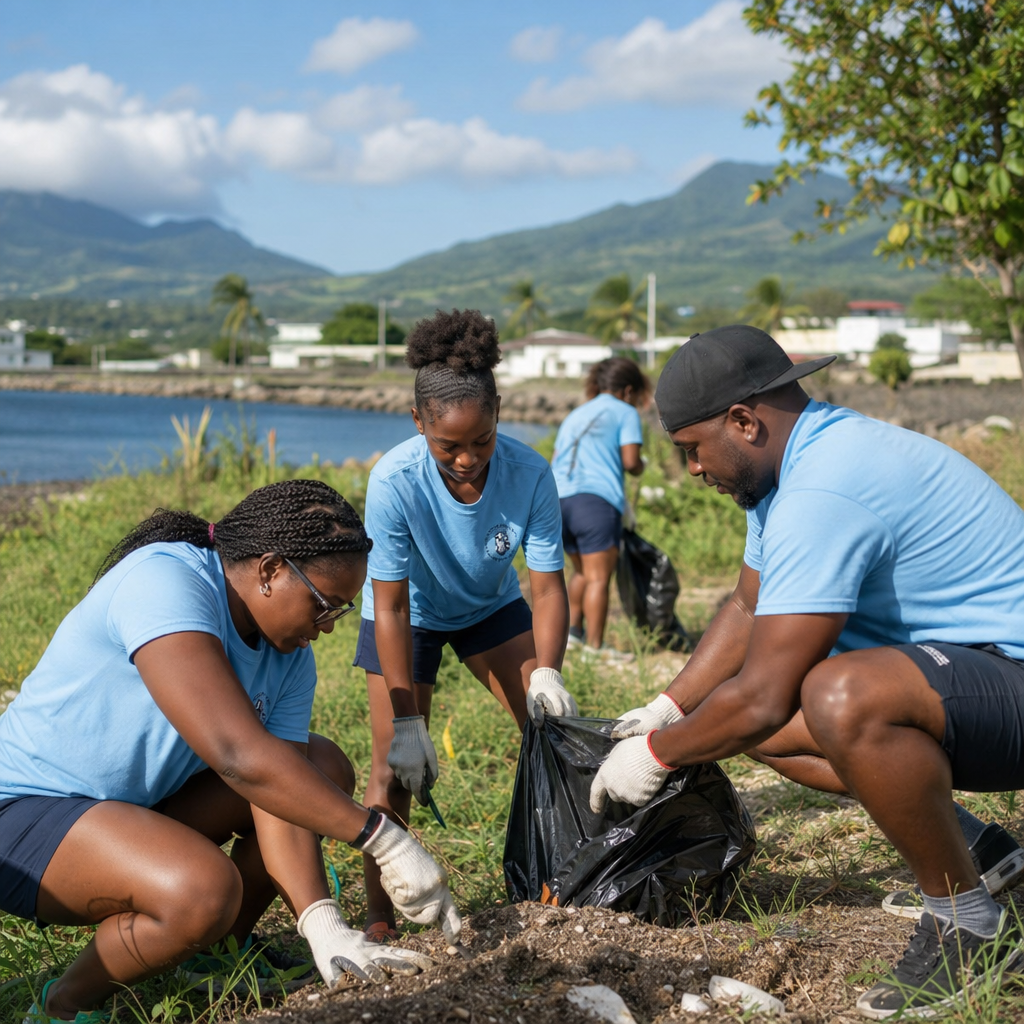
Residents can support reef conservation by reducing runoff, maintaining septic systems, and backing fisheries rules that protect habitat and herbivores. Businesses should train staff, document environmental procedures, and treat marine stewardship as an operating standard rather than a marketing slogan. Dive shops and boat captains need site-specific protocols for mooring, group size, weather decisions, and guest education. Hotels can cut reef impacts through native landscaping, low-phosphate cleaning practices, wastewater oversight, and partnerships with local environmental initiatives.
Visitors often ask what helps most. The best actions are straightforward: choose licensed operators, do not touch or stand on coral, maintain buoyancy while diving, avoid chasing wildlife, and never drop anchors on reefs. Use rash guards or protective clothing to reduce sunscreen dependence, and if sunscreen is necessary, apply it well before entering the water. Support businesses that explain their reef practices clearly. Ask whether tours use mooring buoys, how guides prevent reef contact, and whether the company participates in cleanups or monitoring. Responsible travelers change markets by rewarding operators who protect the asset they sell.
Community education is essential because reef decline can be gradual and easy to normalize. Schools, hotels, fishers, tour operators, and planners all need a shared understanding of how daily decisions affect the coast. The strongest conservation programs I have seen make reefs visible in public life through signage, school partnerships, citizen science, and practical training, not just occasional awareness campaigns. When people can connect a muddy runoff plume, a damaged mooring area, or a decline in fish sightings to specific causes, better decisions follow faster.
The Future of Reef Protection in Nevis
The future of coral reef conservation in Nevis will depend on integrated coastal management. That means aligning tourism policy, marine zoning, fisheries enforcement, stormwater control, and development review instead of handling each issue in isolation. Climate stress will continue, so local management must focus on resilience: keeping reefs as clean, connected, and biologically functional as possible. Funding should prioritize recurring essentials such as monitoring, enforcement, maintenance of mooring systems, and wastewater upgrades before short-lived publicity projects.
Nevis also has an opportunity to lead through quality rather than scale. Small-island destinations can build a premium reputation around well-managed nature experiences, healthy reefs, and transparent conservation standards. That approach supports sustainable tourism because it protects the environmental foundation of the visitor economy instead of extracting value from it until it declines. A reef is infrastructure in the truest sense: it protects coasts, feeds communities, and drives revenue, yet it is alive and therefore vulnerable.
The key takeaway is simple. Coral reef conservation in Nevis is not separate from tourism, planning, or community well-being. It sits at the center of all three. Protect water quality, prevent physical damage, manage fishing responsibly, and support science-based monitoring and restoration where appropriate. If you live, work, invest, or travel in Nevis, make reef protection part of your next decision. Healthy coral reefs are one of the island’s greatest assets, and keeping them alive is both an environmental duty and a practical strategy for long-term prosperity.
Frequently Asked Questions
Why is coral reef conservation so important in Nevis?
Coral reef conservation is essential in Nevis because reefs do far more than support marine life. They act as natural barriers that help reduce wave energy before it reaches the shore, which means they play a major role in protecting beaches, coastal roads, homes, hotels, and other infrastructure from erosion and storm damage. For a small island like Nevis, that protective function is not just environmental; it is economic and practical. Healthy reefs also support fisheries by providing habitat, breeding areas, and feeding grounds for many species that local fishers and communities rely on. When reef systems decline, fish populations often become less stable, which can affect livelihoods and food security.
Reefs are also central to the visitor experience that supports sustainable tourism. Snorkelers, divers, boaters, and eco-conscious travelers are drawn to clear waters and vibrant marine ecosystems. In Nevis, coral reefs are part of a broader coastal network that includes seagrass beds, mangroves, beaches, harbors, and tourism properties. These systems work together. For example, mangroves and seagrass beds help trap sediment and improve water quality, while reefs provide offshore protection and habitat. If reefs are damaged, the effects can ripple outward across the entire coastal economy and ecosystem. Conserving them helps preserve biodiversity, strengthen climate resilience, and protect one of Nevis’s most valuable natural assets.
What exactly is a coral reef, and how does it function as part of Nevis’s coastal ecosystem?
A coral reef is a living marine ecosystem built over time by tiny animals called coral polyps. These polyps secrete calcium carbonate, creating hard skeletons that gradually form the reef structure. Although corals may look like rocks or plants, they are living animals that depend on specific environmental conditions to survive, including clean water, stable temperatures, sunlight, and balanced marine chemistry. Many reef-building corals also live in partnership with microscopic algae that help provide energy through photosynthesis, which is one reason coral reefs thrive in clear, shallow, sunlit waters.
In Nevis, reefs are not isolated features on the seafloor. They are part of an interconnected coastal system that includes seagrass beds, mangrove habitats, sandy beaches, fishing grounds, hotel shorelines, and marine transportation areas. Young fish may shelter in mangroves or seagrass before moving to reefs as they mature, and healthy reefs can reduce wave action that would otherwise wear away beaches. At the same time, poor land use, runoff, dredging, or pollution onshore can cloud the water and stress corals offshore. Understanding reefs as part of a connected system is key to effective conservation in Nevis. Protecting coral alone is not enough; the surrounding habitats and human activities that influence reef health must also be managed carefully.
What are the biggest threats facing coral reefs in Nevis today?
Like reefs across the Caribbean, coral reefs in Nevis face a combination of local and global pressures. One of the most serious global threats is rising sea temperature, which can trigger coral bleaching. During bleaching events, corals become stressed and expel the algae they rely on for energy, often turning white and becoming more vulnerable to disease or death. Climate change can also intensify storms, alter ocean chemistry, and contribute to sea-level changes that affect coastal habitats. These large-scale forces are difficult for any one island to control on its own, but they make local conservation efforts even more important.
Local threats are equally significant because they directly affect day-to-day reef condition. Sediment runoff from construction, clearing, or poor drainage can smother corals and block sunlight. Pollution from wastewater, litter, fuel, or chemicals can degrade water quality and encourage algal growth that competes with corals. Unsustainable fishing practices can disrupt reef food webs, especially if herbivorous fish that help keep algae in check are removed in large numbers. Physical damage from anchors, careless boating, trampling, or irresponsible snorkeling and diving can also break fragile coral structures. In a place like Nevis, where reefs sit close to beaches, tourism zones, and marine activity, even small repeated impacts can add up. Effective conservation means addressing both the global climate challenge and the local choices that either weaken or strengthen reef resilience.
How does coral reef conservation support sustainable tourism and local livelihoods in Nevis?
Coral reef conservation supports sustainable tourism by protecting the very natural features that make Nevis attractive to visitors. Travelers increasingly look for destinations with healthy beaches, rich marine life, clear water, and authentic nature-based experiences. Reefs contribute directly to that appeal by creating habitat for colorful fish, sea turtles, and other species that people want to see while snorkeling, diving, or boating. Just as importantly, reefs help maintain shoreline stability, which benefits beachfront properties, public beaches, and coastal recreation areas. A degraded reef can mean murkier water, fewer fish, increased erosion, and a diminished visitor experience over time.
The benefits extend well beyond tourism businesses. Local fishers depend on reef-associated habitats for commercially and culturally important species, and many other jobs are connected indirectly to a healthy marine environment, from boat operators and guides to hospitality workers and vendors. Conservation helps protect these livelihoods by supporting long-term ecosystem productivity instead of short-term exploitation. It also strengthens the island’s reputation as a destination that values stewardship and resilience. In practical terms, sustainable tourism in Nevis depends on balancing access with protection: educating visitors, managing marine use, reducing pollution, supporting responsible coastal development, and investing in reef monitoring and restoration where appropriate. When reefs are healthy, the gains are shared across the economy and community.
What can residents, visitors, and businesses do to help protect coral reefs in Nevis?
Everyone who spends time on or near the coast can play a role in reef protection. Residents and visitors can start with simple but important habits: avoid touching or standing on coral, never collect reef organisms, use mooring buoys instead of dropping anchors where available, and follow guidance from local marine operators and conservation groups. Choosing reef-safe sun protection, disposing of trash properly, and avoiding the release of pollutants into drains or coastal waters can also make a meaningful difference. Snorkelers and divers should maintain good buoyancy and awareness in the water, since accidental contact can break living coral or stir up sediment.
Businesses, especially those tied to tourism, construction, hospitality, and marine operations, can have an even larger positive impact by adopting best practices. This may include managing wastewater effectively, reducing plastic and chemical pollution, controlling erosion and runoff from development sites, training staff and guests in responsible marine behavior, and supporting conservation partnerships or community education efforts. Fishers and marine users can contribute by respecting regulations, protecting nursery habitats such as mangroves and seagrass beds, and supporting science-based fisheries management. At a broader level, strong reef conservation in Nevis depends on public awareness, local stewardship, and coordinated policy. Individual actions may seem small, but in a connected island ecosystem, consistent responsible behavior across households, businesses, and visitors can significantly improve reef resilience over time.