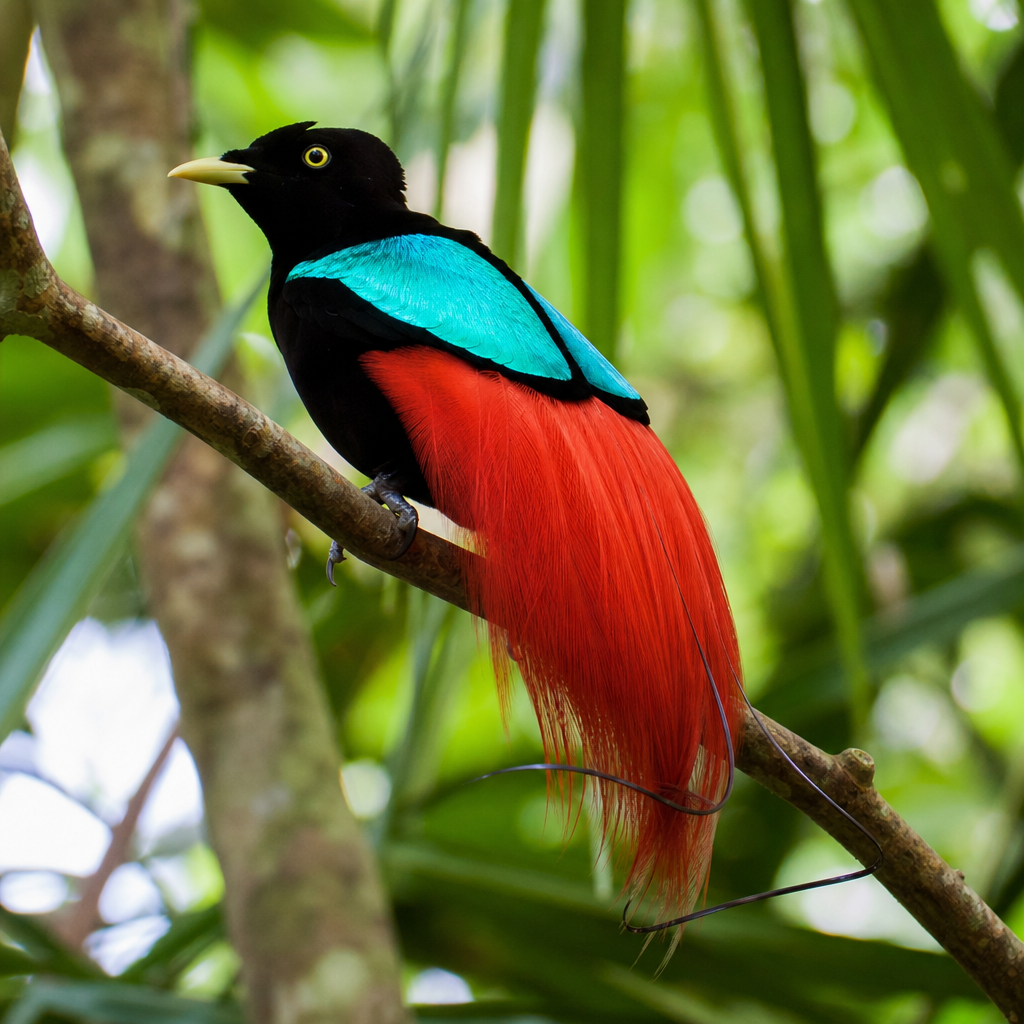
Nevis is small enough to drive across in less than an hour, yet its habitats hold an impressive range of tropical birds that reward patient observation. When people search for birds of paradise in the Caribbean, they usually mean brilliantly colored, highly charismatic species rather than the true birds-of-paradise native to New Guinea. On Nevis, that phrase fits a living mosaic of hummingbirds, seabirds, shorebirds, forest songbirds, waterbirds, and migrants that use the island’s coasts, wetlands, gardens, and cloud-touched slopes. This hub article explains the tropical bird species of Nevis, the habitats that support them, the seasons that shape sightings, and the practical ways visitors can identify and protect them.
Nevis matters to birdwatchers because it compresses ecological variety into a compact volcanic island. The beaches and rocky shores attract terns, sandpipers, plovers, and herons. Inland, orchards, dry scrub, and village gardens support doves, bananaquits, thrashers, and hummingbirds. Higher elevations on Nevis Peak hold moister woodland where species composition changes again. In fieldwork across Caribbean islands, this kind of habitat stacking consistently produces better day lists than visitors expect. You can watch frigatebirds over the sea at breakfast, photograph a Green-throated Carib in a flowering hedge by midmorning, and hear forest species on an upland trail before lunch. Few destinations make tropical bird diversity so accessible.
For a nature and wildlife hub, miscellaneous is the right label because Nevisian birdlife crosses many categories at once. Some species are year-round residents, some are seasonal migrants, and others are occasional visitors carried by weather, food availability, or broader Caribbean movement patterns. Understanding those distinctions helps make sense of checklists. A resident species breeds and remains on the island through the year. A migrant arrives predictably during part of the annual cycle, especially the boreal winter. A vagrant appears irregularly and cannot be expected on any schedule. Birders who know these terms make better decisions about where to search, what calls to learn, and which sightings deserve extra documentation.
Birdwatching on Nevis also matters beyond recreation. Birds are practical indicators of ecosystem health because they respond quickly to habitat loss, invasive predators, drought, storms, and changes in coastal water quality. Hummingbird activity reflects flowering plant availability. Shorebird counts can reveal disturbance on beaches and mudflats. Seabird presence often tracks feeding conditions offshore. For local tourism, birds diversify the island’s appeal beyond beaches and heritage travel, giving guides, inns, and taxi operators another high-value niche. For residents, birds are daily evidence that even developed landscapes can remain ecologically rich when gardens include native plants, wetlands are protected, and hillside vegetation is not cleared carelessly.
Why Nevis Supports So Many Tropical Bird Species
Nevis supports bird diversity because its volcanic topography creates sharp environmental gradients over short distances. The island’s central massif captures moisture, while lower coastal areas remain warmer and drier. That contrast produces multiple feeding and nesting opportunities. Nectar feeders use ornamental gardens, heliconias, and flowering shrubs. Insectivores exploit woodland edges, pasture margins, and fruiting trees. Waders hunt in ponds, salt flats, and shoreline pools. Seabirds patrol productive marine water shaped by currents and wind. In practical birding terms, habitat variety matters more than island size alone. A small island with beaches, mangroves, scrub, gardens, and upland forest will almost always outperform a larger but more uniform landscape.
Another reason is location. Nevis sits within the Lesser Antilles, a chain that functions as both a home range for regional endemics and a stepping-stone system for migrants. Species moving between North America and the Caribbean, or between neighboring islands, can use Nevis as a feeding stop or wintering ground. This is why a checklist from one week may look noticeably different from a checklist in another season. After frontal systems or tropical weather, unusual birds can appear. Experienced guides watch not just habitats but conditions: rain after dry periods, fruiting events, flowering peaks, and wind direction all influence what turns up.
Signature Birds Visitors Notice First
The most immediately recognizable tropical birds on Nevis are its hummingbirds. The Green-throated Carib is often the first species visitors remember, flashing metallic green above and a clean white underpart pattern while defending nectar sources aggressively. The Antillean Crested Hummingbird is smaller and more delicate, with males showing the distinctive crest that gives the species its name. In gardens with hibiscus, porterweed, or heliconia, I have watched both species work the same patch differently: the carib chases rivals and patrols, while the crested bird darts in quickly and slips away. Learning that behavior is often easier than relying on plumage alone.
Bananaquits are another Nevis classic. These small, restless nectar and fruit feeders occur around guesthouses, flowering hedges, and forest edge. Their curved bill, bold face pattern, and high energy make them easy for beginners to identify. Zenaida Doves and Common Ground Doves are also widespread, especially along roadsides, open scrub, and village edges. Around lawns and open country, Carib Grackles add constant movement and sound. At first glance, grackles can seem ordinary, but in strong light their gloss and confidence are unmistakably tropical. For many visitors, these common species form the foundation of the island bird experience before rarer finds enter the picture.
Near the coast, Brown Pelicans and Magnificent Frigatebirds create the big-sky drama people expect from a Caribbean island. Pelicans plunge or cruise low over the water in cooperative feeding areas, while frigatebirds hang overhead with long, angular wings and deeply forked tails. Royal Terns, Laughing Gulls, and occasional noddies or other terns may also be visible depending on season and sea conditions. These species are not background decoration; they tell you where fish are schooling, where winds are lifting, and where human disturbance remains manageable. Watching them for ten minutes can reveal more about the coastal ecosystem than a quick species tick ever will.
Habitats and the Birds to Look For
The best way to understand birds of Nevis is to match species to habitat. Coastal beaches and rocky shores produce the highest chance of seeing shorebirds and seabirds, especially early or late in the day when heat haze is lower. Wetlands and ponds attract herons, egrets, moorhens, and migrant sandpipers. Dry scrub and agricultural edges hold doves, anis, warblers, and thrashers. Gardens are excellent for hummingbirds, bananaquits, and orioles where they occur. Upland trails offer a different acoustic environment altogether, with more canopy cover, more insect prey, and often fewer people. Because habitats sit close together, a half-day route can cross several bird communities efficiently.
| Habitat | Typical Species | What to Watch For |
|---|---|---|
| Beaches and rocky coast | Brown Pelican, Royal Tern, Laughing Gull, sandpipers, plovers | Tidal movement, feeding flocks, roosting lines on quiet stretches |
| Ponds and wetlands | Green Heron, Cattle Egret, Black-necked Stilt, moorhens, migrant waders | Shallow margins, muddy edges, dawn activity after rain |
| Gardens and village edges | Green-throated Carib, Antillean Crested Hummingbird, Bananaquit, Zenaida Dove | Flowering shrubs, fruiting trees, dripping taps, quiet corners |
| Scrub and farmland | Smooth-billed Ani, grackles, doves, kestrels, warblers | Fence lines, grazing areas, insects flushed by livestock |
| Upland woodland | Forest songbirds, hummingbirds, migrants in season | Mixed feeding activity, fruiting trees, cloudier mornings |
Wetlands deserve special attention because small Caribbean ponds can look unremarkable yet host a surprising concentration of birds. After rainfall, water levels and exposed mud can change within days, altering which species appear. Black-necked Stilts favor shallow water and open sightlines. Lesser Yellowlegs, Solitary Sandpipers, and other migrants may use temporary feeding areas during passage or winter. Green Herons often remain motionless until a fish or frog moves within range. If you arrive at midday and see little, that does not mean the site is poor. Return at first light or after a weather change, and the same pond can become the day’s best location.
Resident Birds, Migrants, and Seasonal Timing
A practical question travelers ask is simple: when is the best time for birdwatching on Nevis? The answer depends on goals. If you want easy views of resident tropical species, any month can be productive because hummingbirds, bananaquits, doves, grackles, and common coastal birds are present year-round. If you want the longest species list, the boreal winter generally adds migratory warblers, shorebirds, and other visitors from North America. Spring and autumn migration can also deliver brief pulses of diversity, especially after weather systems. In my experience, the most satisfying trips combine resident specialties with a realistic expectation that migrant numbers change from week to week.
Seasonality on Nevis is not just about a calendar; it is about rainfall, flowering, fruiting, and storm influence. Dry periods can concentrate birds around reliable water and garden nectar sources. Wet periods can activate insect populations and make upland birding stronger. Tropical storms sometimes displace seabirds or produce unusual landbird records. This is why serious birders keep notes on conditions, not just sightings. A checklist that says “Green Heron, six” is useful. A checklist that says “six Green Herons at shrinking pond margins after three dry weeks” is better because it helps explain why the count was high and whether similar patterns may recur.
How to Birdwatch Nevis Effectively
Effective birdwatching on Nevis starts with timing and pace. Begin at dawn when temperatures are lower, bird song is stronger, and coastal light is clean. Carry binoculars in the 8×42 range, a field guide that covers the Lesser Antilles, and a smartphone app such as Merlin Bird ID or eBird for checklists and audio support. Wear muted clothing, move slowly, and stop often. On small islands, many people walk too quickly from site to site and miss the very birds they came to see. Ten quiet minutes beside a flowering hedge or pond edge usually outperforms a hurried circuit. Patience is not optional; it is the core method.
Listening matters as much as looking. Bananaquits, doves, grackles, and hummingbirds all produce repeatable vocal or behavioral clues. Learn a few target sounds before arriving, and identification becomes faster. Also pay attention to feeding structure. Hummingbirds hover and probe flowers; anis move in groups through scrub; herons freeze at water margins; terns commute and dive; frigatebirds soar with almost no wingbeats. These patterns allow accurate identification even when light is poor. If you photograph birds, take record shots first and artistic shots second. A slightly imperfect image that captures bill shape, leg color, and wing pattern is often more valuable than a beautiful blur.
Conservation Pressures and Responsible Birding
The birds of Nevis face the same pressures affecting island ecosystems across the Caribbean: habitat conversion, invasive predators, disturbance, plastic waste, and climate-linked weather extremes. Beach development can reduce undisturbed roosting areas for shorebirds and terns. Poorly managed runoff affects ponds and coastal water quality. Free-ranging cats and rats take eggs, chicks, and sometimes adults, especially among smaller landbirds. Drought can reduce nectar and insect availability, while stronger storms can damage nesting habitat in a single event. None of this means birdlife is disappearing everywhere, but it does mean that conservation outcomes depend on routine land-use decisions, not just formal protected areas.
Responsible birding helps. Stay on paths where possible, avoid flushing shorebirds repeatedly, and keep distance from nests or roosts. Do not use playback excessively, particularly in small territories where stress can be significant. Support accommodations and tour providers that maintain native plantings and manage waste properly. Garden choices matter more than many property owners realize. Flowering native or well-adapted shrubs, layered vegetation, and shallow fresh water can sustain hummingbirds and songbirds through dry spells. If you log sightings in eBird, your records contribute to a broader evidence base that guides local understanding of seasonality, habitat value, and unusual occurrences across the island.
Nevis offers a concentrated, rewarding introduction to Caribbean birdlife because its tropical bird species are diverse, visible, and closely tied to habitats visitors can explore in a single trip. Learn the core groups first: hummingbirds in gardens, doves and songbirds in scrub, herons and shorebirds in wetlands, pelicans and terns along the coast, and migrants in the right season. Match your expectations to weather and habitat, not just to a static checklist. Most important, treat every sighting as part of a living system shaped by water, vegetation, food, and human choices. Use this hub as your starting point, then explore related Nature and Wildlife articles to plan sites, seasons, and species-focused outings on Nevis.
Frequently Asked Questions
What does “birds of paradise” mean in the context of Nevis?
On Nevis, the phrase “birds of paradise” is best understood as a descriptive, traveler-friendly way of talking about the island’s most dazzling and memorable birdlife, not as a reference to the true birds-of-paradise of New Guinea. Many visitors use the term loosely when they are searching for colorful, tropical species with striking plumage, elegant flight, or charismatic behavior. In Nevis, that usually means hummingbirds flashing metallic green in the light, seabirds gliding along the coast, shorebirds probing tidal flats, and songbirds enlivening woodland edges and gardens with movement and sound.
This distinction matters because it helps set accurate expectations for birdwatchers and casual nature lovers alike. Nevis does not have the famous birds-of-paradise found in the South Pacific, but it does offer its own remarkable tropical bird experience in a compact and accessible setting. The island’s mix of coastal habitats, wetlands, forested slopes, open countryside, and cultivated spaces creates an impressive birding mosaic for such a small destination. That variety is exactly what makes Nevis so rewarding: in a relatively short drive, visitors can move between very different habitats and encounter a surprising range of species adapted to each one.
For many people, the appeal of birding on Nevis lies in this blend of beauty, ease, and ecological diversity. The island rewards patient observation more than rushing from site to site. Even a quiet morning in one garden or along one shoreline can reveal hummingbirds, doves, herons, pelicans, and migratory visitors depending on the season. So while “birds of paradise” is not technically correct in the zoological sense, it captures the feeling many people have when they experience Nevis’ tropical birdlife: vivid, graceful, and unforgettable.
What kinds of tropical birds can you see on Nevis?
Nevis supports a wide range of tropical and subtropical birdlife, especially impressive given the island’s modest size. Birders can expect to see representatives from several major groups, including hummingbirds, seabirds, shorebirds, waterbirds, forest and scrubland songbirds, doves and pigeons, and seasonal migrants. This diversity is tied directly to the island’s patchwork of habitats. Coastal areas draw terns, pelicans, gulls, and other marine-associated species, while ponds, wet areas, and mangrove-like edges can attract herons, egrets, and other wading birds. Inland gardens, wooded slopes, and shrubby areas host smaller resident birds that are often heard before they are seen.
Hummingbirds are among the most sought-after birds on Nevis because they combine tropical color with constant motion. They are often seen visiting flowering plants in gardens, along trails, and around hotel landscapes that include nectar-rich vegetation. Seabirds provide a very different kind of spectacle, with species soaring offshore or patrolling beaches and rocky coastlines. Shorebirds are particularly interesting because some are year-round residents while others are migrants moving through the Caribbean and using Nevis as a seasonal stopover or wintering ground.
Another appealing part of birding on Nevis is the contrast between obvious and subtle beauty. Some species stand out immediately through bright plumage or distinctive silhouettes, while others reveal themselves through behavior, calls, or habitat preferences. A patient observer may notice a wader stalking in shallow water, a songbird moving quickly through foliage, or a migrant resting in coastal scrub during the right time of year. In practical terms, that means birdwatching on Nevis is rewarding for beginners and experienced birders alike. You do not need a huge wilderness expedition to see interesting species here; you need attentiveness, good timing, and a willingness to look closely at the island’s varied natural spaces.
Where are the best habitats for birdwatching on Nevis?
The best birdwatching on Nevis comes from exploring a range of habitats rather than focusing on a single famous hotspot. Because the island is small enough to cross in less than an hour, birders can sample several ecosystems in one day. Coastal zones are especially productive for seabirds and shorebirds. Beaches, rocky edges, sheltered bays, and tidal areas can reveal pelicans, terns, gulls, and wading birds, particularly in the early morning when bird activity is often at its highest and the light is best for observation.
Wetlands and ponds are another key habitat, especially for herons, egrets, and other water-associated species. Even relatively modest wet areas can become important feeding and resting sites, particularly during migration periods. These habitats deserve slow, quiet observation because many birds blend into reeds, mud edges, and shallow water. Rather than scanning quickly and moving on, it often pays to stop, listen, and watch for movement. Shoreline pools, seasonal wet patches, and low-lying areas can all hold surprises.
Inland, gardens, agricultural edges, scrub, and forested slopes add another layer of diversity. Flowering shrubs and trees attract hummingbirds and small songbirds, while wooded areas can provide cover for species that are less visible in open spaces. The transition zones between habitats are often especially productive. For example, where cultivated land meets thicket, or where a garden opens toward woodland, bird activity can increase noticeably. These edges create feeding opportunities, shelter, and varied microhabitats that support different species within a relatively small area.
The practical advantage of Nevis is accessibility. Visitors do not necessarily need long hikes or complex logistics to enjoy quality birdwatching. A circuit that includes a coastal stop, a wetland view, and a garden or upland area can produce a strong cross-section of island birdlife. The key is to think in terms of habitat diversity. On Nevis, the most memorable birding usually comes not from one location alone, but from noticing how different birds are distributed across the island’s compact but ecologically rich landscape.
When is the best time to go birdwatching on Nevis?
Birdwatching on Nevis can be enjoyable year-round, but the best time depends on what you hope to see. Early morning is generally the most productive part of the day regardless of season. At that time, temperatures are cooler, light is softer, and many birds are more active as they feed, call, and move between perches or foraging areas. Late afternoon can also be rewarding, especially along the coast, though midday heat often reduces visible activity in many habitats.
Seasonally, migration can add another exciting dimension to birding on Nevis. The island lies within routes used by migratory birds moving through or wintering in the Caribbean, so certain times of year may bring an increase in shorebirds, waterbirds, and small land birds that are not always as evident in other months. Wetlands, shoreline habitats, and sheltered vegetated areas become particularly important during these periods. Even experienced birders often find that repeat visits across different seasons reveal a changing cast of species.
Weather and recent rainfall can also influence bird activity. After rain, freshwater availability and insect abundance may increase in some habitats, which can improve viewing opportunities for species feeding on the ground, in shallow pools, or around fresh vegetation growth. Calm mornings may be ideal for scanning offshore or along beaches, while bright, breezy conditions can make seabirds more conspicuous in flight. Flexibility is helpful: a site that seems quiet one day may be lively the next depending on tide, wind, rain, and migration timing.
For travelers with limited time, the most reliable strategy is simple: get out early, visit more than one habitat, and slow down once you arrive. Nevis rewards observation rather than speed. Even short sessions can be productive if they coincide with cooler hours and active feeding periods. If your schedule allows, combining several mornings over the course of a stay is often the best way to appreciate the island’s full range of tropical birdlife.
Do you need to be an experienced birder to enjoy Nevis’ bird species?
Not at all. One of Nevis’ great strengths as a birding destination is that it is approachable for complete beginners while still offering enough variety to interest experienced birdwatchers. The island’s small size, relatively easy access to multiple habitats, and abundance of visible coastal and garden birds make it a comfortable place to start paying closer attention to birdlife. You do not need advanced identification skills to enjoy watching a hummingbird visit flowers, a pelican cruise the shoreline, or a heron stalk through shallow water.
For beginners, the best approach is to focus first on behavior, size, shape, and habitat rather than worrying about identifying every bird immediately. Notice whether a bird is hovering, wading, soaring, hopping in low branches, or probing mud. Pay attention to where you see it: beach, pond edge, flowering garden, open field, or wooded slope. These clues often make identification easier and turn a casual walk into a much richer nature experience. A basic field guide or birding app can be helpful, and binoculars greatly improve the experience, but neither is strictly necessary to begin enjoying the island’s birds.
More experienced birders will appreciate Nevis for different reasons. Its compact geography allows efficient habitat coverage, and its mix of resident tropical birds and seasonal migrants creates opportunities for a satisfying island species list. Advanced observers may enjoy comparing coastal and inland communities