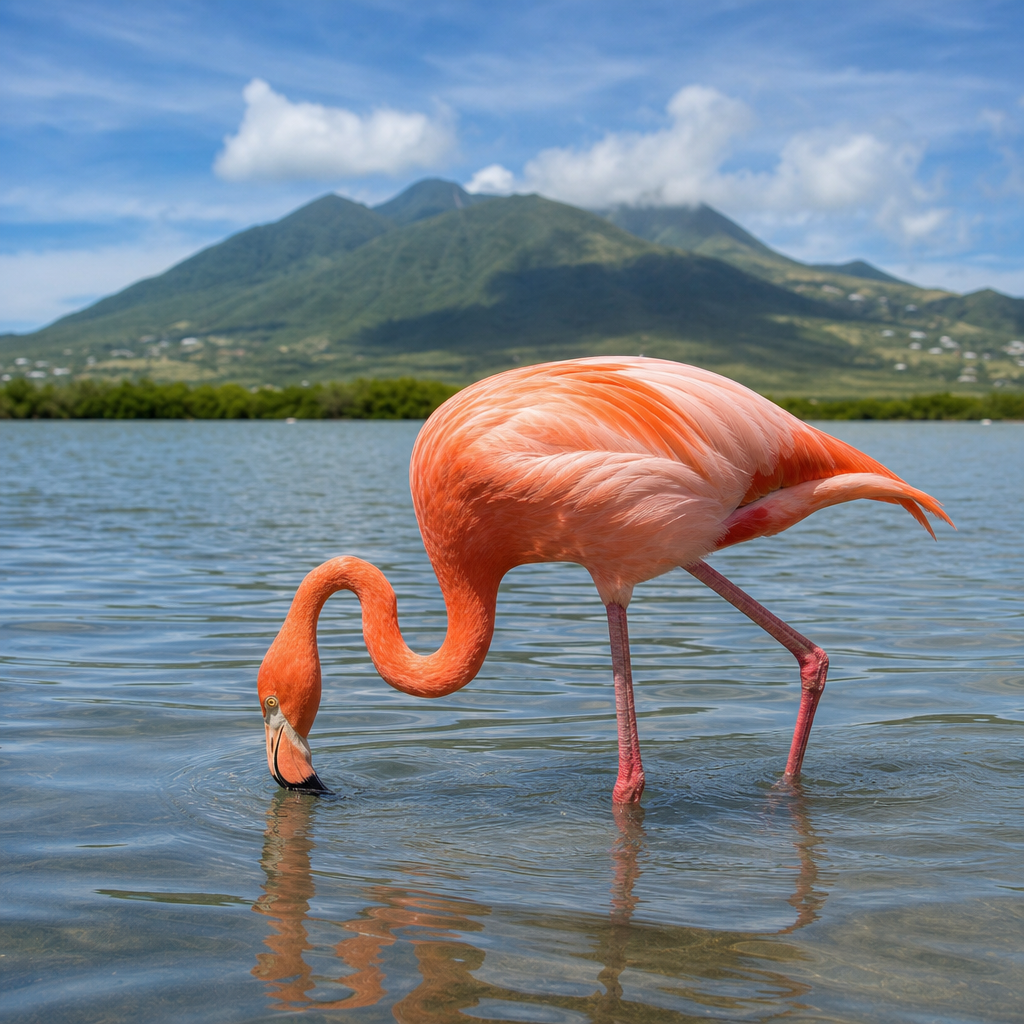
May is one of the most rewarding months for seeing migratory birds in Nevis because the island sits along active spring movement routes while still offering stable access to coastal ponds, dry scrub, ghauts, gardens, and offshore viewpoints. A migratory bird is any species that travels seasonally between breeding and nonbreeding grounds, often crossing countries or entire ocean basins, and Nevis becomes a practical observation point for shorebirds, terns, swallows, raptors, and occasional songbird visitors during that passage. I have spent enough dawns on the island’s roadsides, wetlands, and beach edges to know that timing, weather, and habitat matter more here than long species lists alone. For birders, photographers, guides, and curious travelers, a May sightings guide matters because it helps turn a beautiful island walk into informed wildlife watching, supports better records for local conservation, and improves the odds of identifying birds accurately instead of treating every passing flock as a mystery. This hub brings the miscellaneous pieces together: what species are most likely, where to look, how migration behaves in late spring, what equipment helps, and what field marks separate similar birds.
Nevis is small, but that is an advantage for birdwatching because multiple habitats can be covered in a single morning. You can begin at a pond edge for sandpipers, move to a coastal point for terns, check open pasture for swallows, then finish in shaded village gardens where migrants stop to feed before continuing north. The island’s volcanic slopes create elevational variation, and its seasonal water availability concentrates birds into reliable pockets. In May, some wintering species are departing, some passage migrants are peaking, and a few oversummering individuals linger longer than field guides suggest. That overlap is exactly why this month deserves its own guide. It is also why careful observation is essential. Plumage can be changing into breeding condition, juvenile and nonbreeding features may still confuse the picture, and heat haze by late morning can make a distant tern look like three different species within ten seconds. Good birding in Nevis is not just about luck; it is about understanding migration ecology in a local context and using that knowledge to make better decisions in the field.
What migratory birds you can expect in Nevis during May
May sightings in Nevis usually center on shorebirds and seabirds first, then aerial insectivores and scattered landbird migrants. Common or regular possibilities include Lesser Yellowlegs, Solitary Sandpiper, Spotted Sandpiper, Semipalmated Sandpiper, Short-billed Dowitcher, Ruddy Turnstone, and occasionally Whimbrel around coastal flats, salt ponds, and muddy margins. Terns are a major feature of the month. Royal Tern and Least Tern are familiar, while Common Tern, Sandwich Tern, and transient groups moving offshore deserve attention. Brown Pelican is not a migrant in the same sense, but mixed feeding activity around pelicans can draw your eye to passing terns and gull-like silhouettes farther out. Ospreys remain one of the most noticeable migratory raptors, especially near the coast, and broad-winged movement can occur overhead when conditions align, though counts are rarely dramatic on any single casual watch.
Swallows can be excellent in May, especially Barn Swallow and Caribbean Martin over open ground and wetlands, with the possibility of transient Bank Swallow or Cliff Swallow needing a second look. Among landbirds, warbler diversity is lower than on large continental stopover sites, yet transient American Redstart, Northern Waterthrush, Black-and-white Warbler, and Prairie Warbler may still be found, depending on season timing and habitat. These are not guaranteed birds, and that uncertainty is part of the appeal. A patch of flowering shrubs after overnight rain can suddenly hold more migrants than expected. One lesson repeated over many field sessions is that Nevis rewards birders who check every mixed feeding moment, every roadside puddle, and every wind-sheltered hedgerow instead of assuming the island is too small for surprises.
Best places to look and why these habitats work
The most productive places in May are wetlands, pond edges, coastal flats, beaches with wrack lines, open pastures, and sheltered gardens. Any pond with exposed mud can concentrate sandpipers quickly because receding water reveals invertebrates. The exact conditions change year to year, so local scouting matters more than a fixed map. On Nevis, I have found that a pond that looks empty at first light can become active after a slight breeze change or when sunlight improves visibility along the far bank. Shorebirds often stand motionless for long periods, then suddenly begin feeding in a narrow strip that was hidden in shadow minutes before.
Coastal viewpoints matter for species that many visitors overlook. Terns commute along shorelines, Ospreys patrol for fish, and passing flocks may be visible only for seconds. Beaches are useful not just for birds resting on sand but for reading behavior. A hovering tern with repeated plunge-dives is telling you feeding conditions are good, which can attract more individuals and, sometimes, a different species mixed in. Inland ghauts and village gardens become more important after wind or rain because tired migrants drop into sheltered vegetation. Flowering trees and fruiting shrubs also support insects, and insects support warblers, swallows, and flycatching species. The practical takeaway is simple: do not spend the whole morning in one habitat unless birds are actively moving there.
| Habitat in Nevis | Best May targets | What to watch for |
|---|---|---|
| Salt ponds and muddy edges | Yellowlegs, sandpipers, dowitchers | Feeding flocks at dawn, water level changes, backlit silhouettes |
| Rocky and sandy coast | Terns, turnstones, Whimbrel, Osprey | Tide movement, fish activity, resting birds on exposed rocks |
| Open pasture and fields | Barn Swallow, Caribbean Martin, raptors | Low insect flights after rain, utility wires for perching |
| Ghauts, gardens, wooded edges | Warblers, waterthrushes, transient songbirds | Shelter after windy nights, mixed feeding, calls at first light |
Timing, weather, and daily strategy for better sightings
The best birding window in Nevis during May is usually from sunrise through mid-morning, with a second chance in late afternoon near the coast. Early light reduces heat shimmer, and birds feed more actively before temperatures rise. Overnight weather influences the next morning more than many beginners realize. A night with headwinds, squalls, or cloud cover can force migrants down, increasing the chance of finding unusual birds in protected spots. Clear nights with favorable winds may mean fewer grounded birds because migrants continue moving. This does not make one weather pattern good and another bad; it simply changes where you should focus effort.
If dawn is calm, start at wetlands for shorebirds before glare becomes severe. If wind is already strong from the east, work leeward gardens, ghauts, and hedges first for passerines, then shift to the coast later. After rain, watch for insect hatches over fields where swallows gather low. During dry spells, any remaining freshwater edge becomes disproportionately valuable. I also recommend revisiting a productive site rather than constantly chasing new locations. In migration, repetition reveals turnover. A pond checked on Monday may hold only Spotted Sandpipers, while the same pond on Wednesday could add dowitchers or a surprise Stilt Sandpiper. The discipline of returning to sites produces better records than scattered, one-time checks.
How to identify confusing May migrants in the field
Identification challenges in Nevis often come down to distance, light, and transitional plumage. For shorebirds, structure is usually more reliable than color. Lesser Yellowlegs looks cleaner and finer than Greater Yellowlegs, with a slimmer bill and more delicate build. Solitary Sandpiper tends to appear as a lone bird at freshwater margins, with a dark back sprinkled by small pale spots and a crisp white eyering. Spotted Sandpiper in May may be entering breeding plumage, showing varying degrees of spotting underneath, but its teetering behavior remains a strong clue even when plumage seems inconsistent.
Terns require attention to bill color, wing pattern, size, and behavior. Least Tern is small, quick, and buoyant, with a sharp, often direct feeding style. Royal Tern is far larger, heavier billed, and more commanding in flight. Common and Sandwich terns can both challenge observers at distance, but bill pattern, underwing tone, and overall proportions help. If you cannot see enough detail, record what you can defend: size relative to nearby birds, feeding style, call, and direction of travel. That habit is better than forcing an uncertain identification. For swallows, note tail shape, underpart color, and flock behavior over several minutes rather than a single glance. Barn Swallow often gives the cleanest impression with its forked tail and fluid, elegant flight. Practical field notes beat memory every time, especially when comparing similar migrants later with a guide or checklist app.
Tools, ethics, and record-keeping that improve birding in Nevis
A lightweight binocular in the 8×42 range is ideal for Nevis because it balances field of view, brightness, and portability in humid conditions. A spotting scope helps greatly at ponds and offshore vantage points, but it is not essential if you choose sites carefully and arrive early. For documentation, eBird is the most useful platform for building personal lists while contributing records that help clarify migration timing in the Caribbean. Merlin can help with basic identification support, though visual review should remain your standard. A camera with moderate zoom is valuable not just for photography but for later confirmation of bill shape, leg color, and wing pattern.
Ethics matter on a small island. Stay on public access routes or obtain permission on private land. Do not approach resting shorebirds closely enough to flush them, particularly in heat, because repeated disturbance costs birds energy they need for migration. Avoid playback in tight habitats where a tired migrant may already be stressed. Keep group noise low near ponds and communicate identifications quietly. If you find a rarity, document it carefully with notes and images before broadcasting the location widely. Good records include date, time, weather, habitat, behavior, and the specific features used for identification. Over time, these details build a much more useful picture of migratory birds in Nevis than a simple species list ever could.
Why this miscellaneous hub matters for the wider Nature and Wildlife picture
This miscellaneous guide functions as a hub because migration in Nevis touches nearly every wildlife topic on the island. Bird movement reflects rainfall patterns, insect abundance, coastal productivity, habitat management, and even tourism pressure near beaches and wetlands. A May birding session can teach you as much about the condition of ponds, the health of shoreline food webs, and the value of native vegetation as it does about birds themselves. That is why migratory bird watching belongs at the center of a broader Nature and Wildlife conversation rather than at its edge. Each sighting connects local habitat to continental systems stretching from South America and the Caribbean to North American breeding grounds.
For readers exploring related subjects, this page naturally leads into deeper coverage of wetlands, coastal ecology, resident birds, island photography, hiking routes, and conservation-minded travel. It also helps first-time visitors understand an important truth: Nevis is not only about dramatic scenery and calm beaches. It is an active ecological stopover where seasonal movement can be read in real time if you know what to look for. In May, that means scanning mud edges for fresh arrivals, checking wires for swallows after rain, and never ignoring a fast-moving tern line offshore. Use this guide as your starting framework, then keep notes, revisit habitats, and compare what you see from one morning to the next. The reward is a sharper eye, better sightings, and a deeper understanding of how migratory birds use Nevis.
Frequently Asked Questions
Why is May such a good month for seeing migratory birds in Nevis?
May is one of the strongest birding months in Nevis because it sits at the intersection of active spring migration and relatively dependable field conditions. At this time of year, many migratory species are still moving north toward their breeding grounds, which means the island can host a changing mix of birds from one day to the next. Nevis works especially well as a stopover and observation point because it offers a compact range of habitats within a small area, including coastal ponds, salt flats, dry scrub, ghauts, hotel gardens, pasture edges, and offshore lookouts. That variety gives migrating birds places to rest, feed, and reorient, and it gives observers multiple chances to encounter different groups in a single outing.
Another reason May stands out is that both resident and migratory activity can overlap in useful ways for birders. Shorebirds may still be feeding on exposed muddy edges, terns can be visible offshore or along the coast, swallows may be moving through in small flocks, and raptors may appear overhead on passage. The month can also produce occasional surprises, including less expected songbirds or lone wanderers that have drifted off their main route. Because migration is dynamic, no single day guarantees the same list, but that unpredictability is part of what makes May so rewarding. In practical terms, the island’s accessible landscapes and open sightlines make it easier to monitor movement without needing extreme travel or specialized logistics.
What types of migratory birds are most commonly seen in Nevis during May?
In May, the most likely migratory birds in Nevis usually fall into several broad groups rather than one single category. Shorebirds are among the most watched, especially around ponds, wet margins, and open coastal flats where birds can feed on invertebrates before continuing their journey. Depending on water levels and habitat conditions, observers may encounter sandpipers, plovers, yellowlegs, and other passage shorebirds using the island briefly. Terns are another important group at this time, often seen cruising over bays, feeding offshore, or resting near the coast. Their behavior can vary from direct purposeful flight to active feeding over fish-rich water, so patient viewing often pays off.
Swallows and martins can also be part of the May picture, especially in more open areas where aerial insects are abundant. These birds may move through quickly, and mixed flocks can be easy to overlook unless you scan above fields, roadsides, and settlement edges. Raptors are less predictable but always worth watching for, as migration can bring passing hawks or falcons over ridges and open country. In addition, birders should stay alert for occasional songbirds in gardens, shrubby edges, and ghauts, since migrants can pause in sheltered vegetation to feed and recover. The exact mix changes with weather, wind direction, recent rainfall, and habitat condition, so the best approach is to expect variety rather than chase a fixed checklist.
Where are the best places in Nevis to look for migratory birds in May?
The best places to look depend on which birds you hope to see, but a habitat-based strategy is usually the most effective. Coastal ponds and wetland edges are top priorities for shorebirds because these sites provide exposed feeding areas, shallow water, and open visibility. Early morning visits can be especially productive, as birds are often actively feeding and the light is better for identification. Coastal viewpoints and bays are ideal for watching terns and scanning for any movement offshore, particularly when sea conditions are calm enough to make distant birds easier to study. Spending time simply watching from one headland or open shoreline can reveal more than constantly moving between locations.
Dry scrub, pasture margins, and ghauts are excellent supporting habitats, especially for swallows, occasional raptors, and any migrant songbirds taking shelter in vegetation. Ghauts can be particularly valuable because they concentrate cover, moisture, insects, and food resources in a landscape that may otherwise feel open and dry. Gardens, hotel grounds, and cultivated edges should not be ignored either; migrants often use these quieter spaces to rest, especially after a night crossing. The most successful birders in Nevis usually combine several habitat types in one session, such as beginning at a pond, checking nearby scrub, then finishing at a coastal overlook. That method reflects how migration actually works on the island: birds are dispersed across different microhabitats, and each one can add a different layer to the day’s sightings.
What time of day and weather conditions are best for birdwatching in May in Nevis?
Early morning is generally the best time to begin, especially for wetland and garden birding. Temperatures are cooler, bird activity is higher, and lighting is often more favorable for spotting detail and movement. Shorebirds may be feeding steadily at pond edges, swallows can become active as insects rise, and sheltered vegetation may reveal migrants that are harder to detect once the day grows hotter and brighter. Late afternoon can also be productive, particularly at coastal sites, where changing light and calmer observation conditions may improve visibility for terns and other passing birds. Midday is not always poor, but heat shimmer, harsher light, and lower apparent activity can make identification more difficult.
Weather plays a major role during migration. Light to moderate winds, clear to partly cloudy skies, and stable conditions often make for comfortable birding and steady movement, but changes in weather can sometimes create the most interesting days. Migrants may become more concentrated after unsettled conditions, overnight weather shifts, or wind patterns that encourage birds to pause on the island. Following rain, sheltered areas such as ghauts and gardens may become especially active as birds feed. Observers should also pay attention to water levels at ponds and shorelines, since these affect how attractive a site is to shorebirds. In other words, the “best” conditions are not just about comfort; they are about how weather shapes migration behavior, stopover decisions, and visibility in each habitat.
How can beginners improve their chances of identifying migratory birds accurately in Nevis during May?
The best way for beginners to improve is to start by identifying bird groups before trying to name every species immediately. In May, that means first deciding whether you are looking at a shorebird, tern, swallow, raptor, or songbird, then narrowing down the possibilities using shape, size, behavior, habitat, and flight style. This approach is especially useful in Nevis because migration can bring birds that are unfamiliar, transitional in plumage, or present only briefly. A small sandpiper feeding methodically at a pond edge tells you something different from a long-winged tern patrolling offshore or a swallow twisting over open pasture. Learning those basic field patterns will improve accuracy much faster than relying only on color.
It also helps to observe birds for longer rather than making a quick decision. Watch how they feed, whether they stay alone or in groups, how they respond to disturbance, and where they position themselves in the habitat. Use binoculars if possible, and take photos or notes on bill length, leg color, wing pattern, and any calls you hear. In migration season, comparison is one of your strongest tools, so if several birds are present together, study how one differs from another. Beginners should also accept that not every bird will be identifiable to species level, especially at distance or in poor light, and that is completely normal. A careful, habitat-aware, behavior-based approach is far more reliable than guessing. Over time, Nevis becomes an excellent classroom because its compact geography lets you revisit the same habitats repeatedly and build confidence with both regular migrants and occasional rarities.