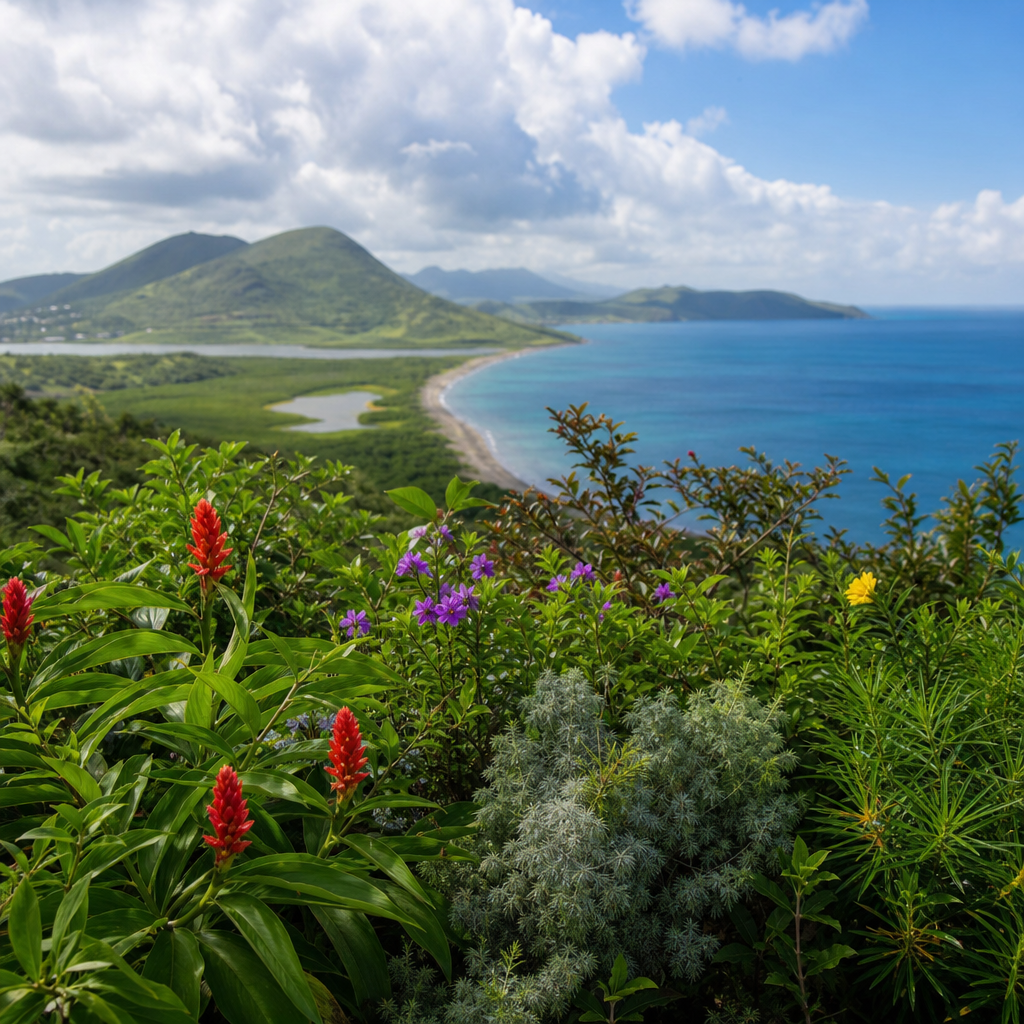
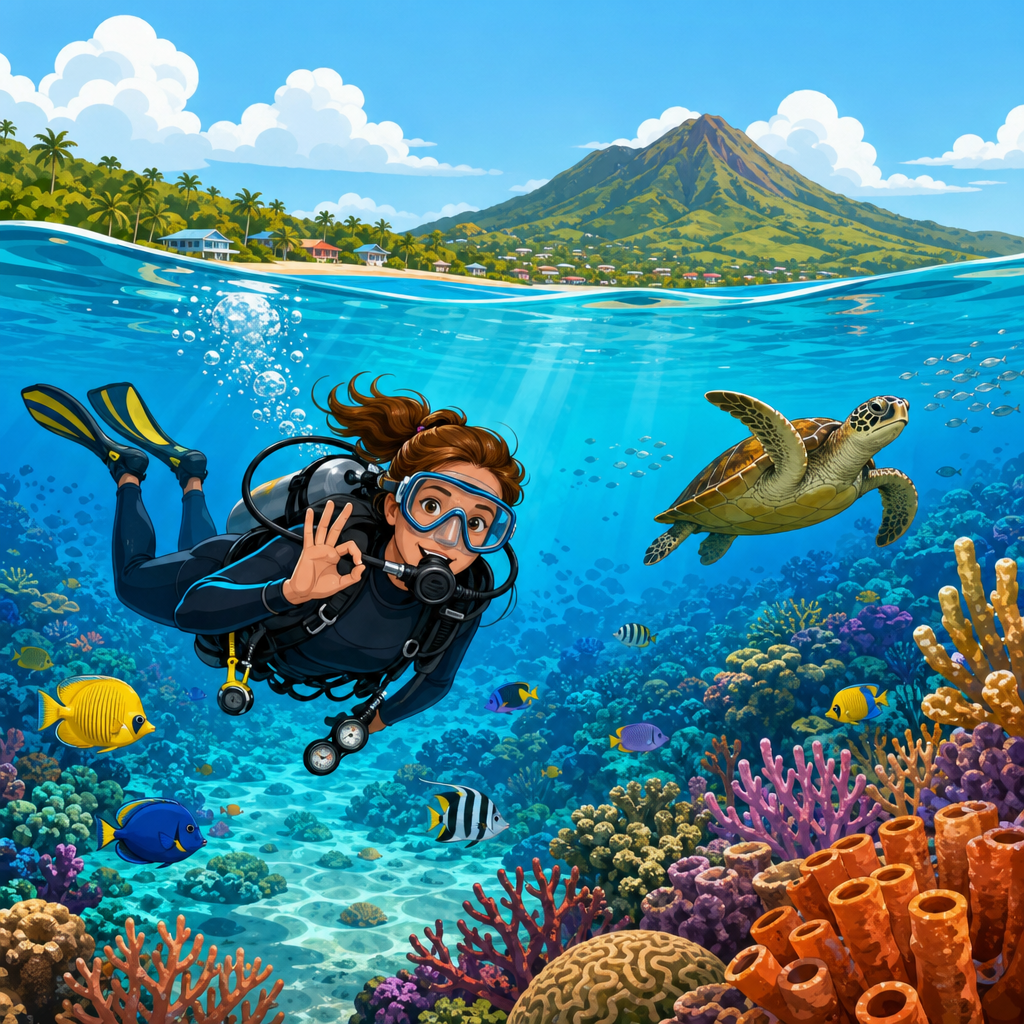
Exploring the underwater caves of Saint Kitts reveals a side of the island that most travelers never see: volcanic walls descending into clear Caribbean water, hidden chambers cut by ancient lava flows, and reef systems that shelter fish, lobsters, sponges, and corals in dramatic formations. In Saint Kitts, underwater caves are not the endless flooded tunnel systems found in Mexico’s Yucatán, yet they are still compelling cave and cavern environments for divers, snorkelers in select coastal pockets, marine naturalists, and photographers. The term underwater caves here includes true submerged cavities, lava-formed overhangs, swim-throughs, arches, and cavern-like reef structures where natural light may still penetrate part of the space. That distinction matters because access, training, and risk vary sharply between a shallow illuminated cavern and a fully enclosed cave requiring redundant gas, guideline procedures, and specialized certification.
I have planned and reviewed Caribbean dive itineraries where expectations around “caves” often needed careful resetting. Saint Kitts is best understood as a volcanic island with rugged submarine topography rather than a classic technical cave-diving destination. That makes it valuable for a broad audience. Recreational divers can safely experience cave-like geology without necessarily committing to advanced overhead-environment training, while experienced underwater explorers can study how lava, surge, reef growth, and erosion combine to shape marine habitats. For a Nature and Wildlife hub, this topic also opens into reef ecology, conservation, local guiding standards, weather patterns, photography, and trip planning. Understanding those links helps visitors choose the right sites, avoid damage, and appreciate why these formations are more than scenic backdrops.
Saint Kitts sits in the Lesser Antilles and is defined by volcanic origin, steep coastal drop-offs, fringing reefs, and marine life influenced by Atlantic and Caribbean conditions. Around the island, especially along rocky shorelines and reef breaks, divers encounter ledges, fissures, mini-tunnels, and chambered structures created by cooling lava, collapsed rock, and coral development over time. Water clarity commonly ranges from good to excellent in favorable conditions, and warm temperatures make long dives practical, but visibility and surge can change quickly with swell and weather. Because many underwater caves and caverns are part of fragile reef systems, exploring them responsibly matters for both safety and conservation. This guide explains what these underwater caves are, where they fit within Saint Kitts’s marine landscape, what wildlife depends on them, how to visit responsibly, and how this “miscellaneous” hub connects to wider nature and wildlife experiences on the island.
What underwater caves in Saint Kitts are really like
The first practical question most readers ask is simple: are there real underwater caves in Saint Kitts? The accurate answer is yes, but with an important qualifier. Most sites marketed to visiting divers are caverns, swim-throughs, lava grooves, and reef-cut chambers rather than long fully enclosed cave systems. In diving terminology, a cavern remains within the light zone and allows a direct route to open water, while a cave extends beyond natural light and creates a true overhead environment. On Saint Kitts, the majority of accessible formations fall on the cavern and swim-through end of that spectrum.
That still makes them exciting. Volcanic islands produce irregular underwater architecture: buttresses, shelves, basalt-like ridges, boulder piles, clefts, and archways. Over decades and centuries, marine organisms encrust these surfaces, softening the rock with sponge growth, algae, fan corals, cup corals, and encrusting life. A diver finning through a narrow opening may see sunlight shafting through cracks, glassy silversides clustering in shadow, and spotted spiny lobsters tucked under ledges. These are immersive habitats, not empty holes in the reef.
In practice, conditions define the experience more than the map does. A shallow cave-like recess can feel simple on a calm morning and advanced in afternoon surge. Fine sediment may reduce visibility if divers kick carelessly. Openings can appear wider from outside than they feel from within. For that reason, reputable operators brief these sites as overhead-adjacent environments even when they remain suitable for experienced recreational divers. Good buoyancy, trim, and situational awareness are not optional.
Geology, marine habitats, and why these formations matter
Saint Kitts’s underwater cave landscapes begin with volcanism. The island is built from volcanic activity, and that origin creates steep relief above and below the waterline. When lava cools, fractures form. When coastal rock is exposed to wave energy, weaker sections erode faster than stronger ones. Rockfalls and slumping can produce boulder fields with spaces between blocks. Later, reef organisms colonize these hard surfaces. The result is a mosaic of recesses and cavities that may not have been “caves” in the dramatic cinematic sense at first, but become functional cave habitats for marine species.
These spaces matter ecologically because shade, shelter, and flow are powerful habitat variables. Day-resting fish use overhangs to avoid predators. Juvenile fish may gather in protected pockets where current is moderated. Lobsters, crabs, and cleaner species occupy crevices. Sponges thrive on hard shaded substrate, especially where water movement delivers suspended food. Moray eels frequently select holes with multiple exits. In some Caribbean cavern systems, soldierfish and squirrelfish dominate dim interiors, while tarpon or snapper may hover near openings to ambush prey pushed by current. Saint Kitts exhibits smaller-scale versions of these patterns.
The reef connection is equally important. Coral growth around an arch or ledge can turn basic geology into a biodiversity hotspot. Hard corals create structure, soft corals add complexity, and algae or turf communities feed grazers. If anchors, fins, or careless contact break that living layer, habitat quality drops quickly. This is why underwater caves should be discussed inside the broader Nature and Wildlife context, not as isolated adventure products. A swim-through is also a nursery shelter, a feeding edge, and a microclimate.
Where visitors encounter cave and cavern environments around Saint Kitts
Most visitors experience underwater cave features through local dive operations that know the island’s reef contours, entry conditions, and seasonal patterns. Specific site names and accessibility can change with weather, operator preference, and marine conditions, so the smartest approach is to ask for sites with caverns, lava ledges, arches, and swim-throughs rather than demanding one famous cave. On Saint Kitts, west and southwest coastal dive areas often provide calmer leeward conditions, making them more practical for guided exploration. Rocky sections and reef walls are the most likely places to find chambered features.
Boat diving is the standard format because it allows operators to choose sites with the best combination of visibility, current, and surface conditions that day. Shore diving may reveal smaller recesses and overhangs, but local knowledge is crucial. Some of the most photogenic cave-like spots are not the deepest; they are moderate-depth structures where ambient light penetrates enough to illuminate sponges, schooling fish, and textured volcanic rock. For newer divers, that balance between form and visibility usually creates a better experience than pursuing a darker, more enclosed site.
| Feature type | Typical Saint Kitts setting | Who it suits | Main consideration |
|---|---|---|---|
| Swim-through | Reef wall openings or lava-cut passages | Certified recreational divers with good buoyancy | One-way traffic and fin control |
| Cavern | Light-filled chamber near open water | Experienced recreational divers, photographers | Surge, silt, and overhead awareness |
| Overhang or ledge | Rocky reef slopes and boulder fields | Divers and snorkelers in calm shallows | Do not touch resting wildlife |
| Crevice network | Volcanic fractures with coral growth | Naturalists and macro photographers | Avoid poking into holes |
If you are building a wider Saint Kitts itinerary, treat these sites as part of a marine circuit that can include reef dives, wrecks, turtle encounters, and coastal birdlife topside. That hub approach reflects how most travelers actually explore the island: one day focused on geology, another on coral ecosystems, another on broader wildlife and conservation.
Wildlife you are likely to see in and around the caves
Underwater caves in Saint Kitts are compelling partly because the wildlife behaves differently around shade and structure than it does on open sand or exposed reef. Expect reef fish that favor cover, including grunts, snappers, squirrelfish, and juvenile schools hovering under ceilings or around openings. Southern stingrays may rest nearby on sandy patches, using adjacent ledges as a boundary between feeding and shelter zones. Spiny lobsters commonly occupy deeper crevices, and spotted moray eels may watch from holes where current brings scent and prey.
Macro life rewards slow observation. Cleaner shrimp can appear under ledges. Feather duster worms and tube worms colonize protected cracks. Encrusting sponges in orange, red, purple, and yellow thrive in shaded areas, creating some of the most vivid color contrasts available to underwater photographers. Basket stars and brittle stars may coil into recesses by day and extend arms more actively at night. In some seasons, baitfish gather in large enough numbers to turn a modest cavern into a moving mirror of silver.
Larger animals are never guaranteed, but sea turtles sometimes pass cave entrances, especially where reef and seagrass habitats are connected within a broader feeding range. Nurse sharks in the wider Caribbean often rest under ledges, though sightings vary by site and pressure level. The important point is that cave features function as part of a living reef corridor. Even when the cavity itself seems quiet, the edges often concentrate activity. I advise divers to pause outside openings for a full minute before entering; many species reveal themselves only after your movement settles.
Safety, training, and responsible exploration
The safest way to explore underwater caves in Saint Kitts is with a reputable local dive operator that matches the site to your certification, recent experience, and comfort in overhead-adjacent settings. If you are not cave trained, do not enter any space where you lose sight of daylight or the direct route to open water. That is a hard rule, not a suggestion. International training agencies such as PADI, SSI, NAUI, and TDI distinguish clearly between recreational cavern-type experiences and true cave diving for good reason: gas management, emergency protocols, navigation, and equipment needs change fundamentally in overhead environments.
Even in light-filled caverns, core skills matter. Neutral buoyancy prevents reef damage and avoids stirring silt. Good trim reduces accidental contact with ceilings and walls. A powerful primary light helps reveal contours, marine life, and exit points, while a backup light adds margin. Divers should monitor no-decompression limits, depth, and air more conservatively than on open reef because task loading increases in confined spaces. If there is noticeable surge, keep a wider buffer from rock. Gloves are not a license to grab hold; hand contact can injure both diver and reef.
Environmental responsibility is equally important. Never chase wildlife into holes for a better photo. Do not use sticks or pointers to probe crevices. Avoid sunscreen formulas known to harm coral if you will be entering from shore; reef-safe mineral options are preferable, though protective clothing remains the most reliable low-impact choice. Support operators that use moorings instead of anchoring on reef and that provide site-specific briefings rather than generic sales language. Good operators are usually proud to explain conditions honestly, including when a cave-like site is not appropriate that day.
Planning a trip and connecting this hub to Saint Kitts nature travel
The best time to explore Saint Kitts underwater depends less on temperature, which stays warm year-round, than on visibility, swell, rainfall, and storm risk. The drier months often provide more predictable conditions, but local micro-weather still matters. Morning departures typically offer flatter seas and clearer water before wind builds. If underwater caves are a priority, schedule multiple dive days rather than pinning hopes on a single outing. Flexibility lets your operator choose the right day for cavern visibility and comfortable surge levels.
Choose a dive center with current safety equipment, oxygen on board, clear emergency procedures, and guides familiar with natural history rather than only route memorization. Ask direct questions: Which sites are true caverns or swim-throughs? What depth range should I expect? Is surge common? Are these suitable for my certification level? Can photographers carry lights without crowding the group? Strong answers are specific. Vague promises usually signal weak operational discipline.
As a sub-pillar hub under Nature and Wildlife, this topic should also lead readers into related Saint Kitts experiences. Pair underwater cave exploration with reef conservation content, sea turtle habitat guides, snorkeling primers, volcanic coastline walks, and articles on birdlife in coastal wetlands and forested uplands. That broader framing reflects the real value of the island. The caves are memorable, but they become more meaningful when you understand the volcanic origin, the reef ecology, and the conservation choices that keep these habitats viable. If you are planning a Saint Kitts wildlife itinerary, start with a guided marine day, build in time for topside natural history, and choose operators who treat the underwater caves as living ecosystems worth protecting, not just dramatic places to swim through.
Frequently Asked Questions
What makes the underwater caves of Saint Kitts different from other famous cave-diving destinations?
The underwater caves of Saint Kitts are distinctive because they are shaped by the island’s volcanic geology rather than by the long limestone tunnel systems that define places like Mexico’s Yucatán. Instead of vast, inland flooded cave networks with extensive passages, Saint Kitts offers coastal caverns, lava-cut recesses, swim-throughs, overhangs, and chamber-like formations that create a dramatic underwater landscape. These sites often feature steep volcanic walls, dark openings in rock faces, and reef growth surrounding the entrances, giving divers a strong sense of exploration without the expectation of extremely long technical penetrations.
What also sets Saint Kitts apart is the combination of cave-like features with classic Caribbean marine life. Around these formations, divers commonly encounter reef fish, lobsters, sponges, corals, and other species that use the shaded crevices and protected hollows as shelter. Light filtering into the openings can produce striking visual contrasts, especially where blue water meets black volcanic stone. For many travelers, the appeal is that Saint Kitts offers a more accessible and scenic cave-and-cavern experience: adventurous and memorable, but usually tied closely to open-water reef environments rather than highly specialized expedition-style cave systems.
Can beginners explore underwater caves in Saint Kitts, or is this only for advanced divers?
Beginners can experience some of the underwater cave and cavern environments in Saint Kitts, but the right site and the right level of supervision matter enormously. In many cases, newcomers are not entering fully enclosed cave systems. Instead, they may visit shallow caverns, broad swim-throughs, recessed rock chambers, or partially open formations where natural light remains visible and access to open water is immediate. These kinds of environments can often be explored safely with an experienced local guide or dive professional who understands the site conditions, visibility, surge, and entry points.
That said, not every cave-like feature is suitable for a novice. Any space with overhead restrictions, narrow passages, silt potential, surge, or reduced visibility raises the level of risk. True cave diving requires specialized training, equipment, gas management, navigation skills, and emergency protocols far beyond standard recreational certification. If you are a beginner, the best approach is to be honest about your comfort level, choose a reputable dive operator, and ask specifically whether the planned route remains in cavern or open-water conditions. Snorkelers may also be able to observe select coastal pockets and rock formations from the surface in calm weather, but they should only do so where local professionals confirm conditions are safe.
What marine life can you expect to see in and around Saint Kitts’ underwater caves?
The underwater caves and caverns of Saint Kitts often serve as shelter zones for a wide range of marine life, which is one of the main reasons these areas are so rewarding to explore. In shaded recesses and rocky hollows, divers may spot lobsters tucked into crevices, small reef fish hovering near protective ledges, and larger fish cruising the outer edges of the formations. Sponges and corals frequently attach themselves to the surrounding volcanic rock, creating colorful contrast against the darker cave walls. Depending on the specific site, you may also see schooling fish, crustaceans, and species that prefer lower light conditions during parts of the day.
The ecological value of these formations comes from the mix of shelter, water movement, and nearby reef habitat. Openings and overhangs create microhabitats where marine organisms can avoid predators, rest from currents, or feed on nutrients carried through the water. For underwater photographers and nature-focused travelers, this means the experience is not just about geology; it is also about observing how life adapts to volcanic contours, shadows, and protected chambers. As always, the best viewing happens when visitors maintain good buoyancy, avoid touching rock or reef surfaces, and give marine life space to behave naturally.
When is the best time to explore the underwater caves of Saint Kitts?
Saint Kitts can be explored underwater throughout much of the year, but the best conditions for cave and cavern sightseeing usually depend on visibility, sea state, weather stability, and local currents rather than on a single fixed season. Calm days with clear water are ideal because they allow divers and snorkelers to better appreciate the contours of cave openings, the details of the volcanic rock, and the marine life tucked into cracks and chambers. Since these are coastal formations, surge and wave action can affect how comfortable and safe a site feels, especially near entrances or in shallower pockets.
For most visitors, the smartest strategy is to plan around local operator advice instead of focusing only on dates on a calendar. Reputable dive centers in Saint Kitts know which sites are best on a given day based on wind direction, swell exposure, and current strength. Morning dives are often preferred for steadier conditions and better light. If your trip is centered on underwater exploration, build some flexibility into your itinerary so you can choose the clearest and calmest day available. That approach usually leads to a better and safer experience than trying to force a cave outing when conditions are less favorable.
How should you prepare for a dive or snorkel trip to the underwater caves of Saint Kitts?
Preparation starts with choosing the right operator and being clear about what kind of experience you want. Ask whether the excursion involves open caverns, swim-throughs, shallow coastal pockets, or more advanced overhead environments. Confirm the required certification level, typical depth, current conditions, visibility expectations, and whether the site is suitable for photographers, beginners, or snorkelers. If you are diving, make sure your buoyancy control is solid, your equipment is well maintained, and you are comfortable following a guide through darker or more confined-looking spaces without rushing or losing awareness of your surroundings.
You should also prepare with the environment in mind. Bring or rent properly fitting mask, fins, and exposure protection, and consider an underwater light if recommended by the operator, since even partially open caverns can have shaded interior sections that are easier to appreciate with better illumination. Listen carefully to the briefing on entry and exit procedures, hand signals, depth limits, and no-touch conservation rules. For snorkelers, surface conditions are especially important, so use flotation if needed and avoid any area with surge or restricted access unless a guide has specifically approved it. Above all, the best preparation is a safety-first mindset: enjoy the sense of discovery, but treat Saint Kitts’ underwater caves as dynamic natural environments that deserve both caution and respect.