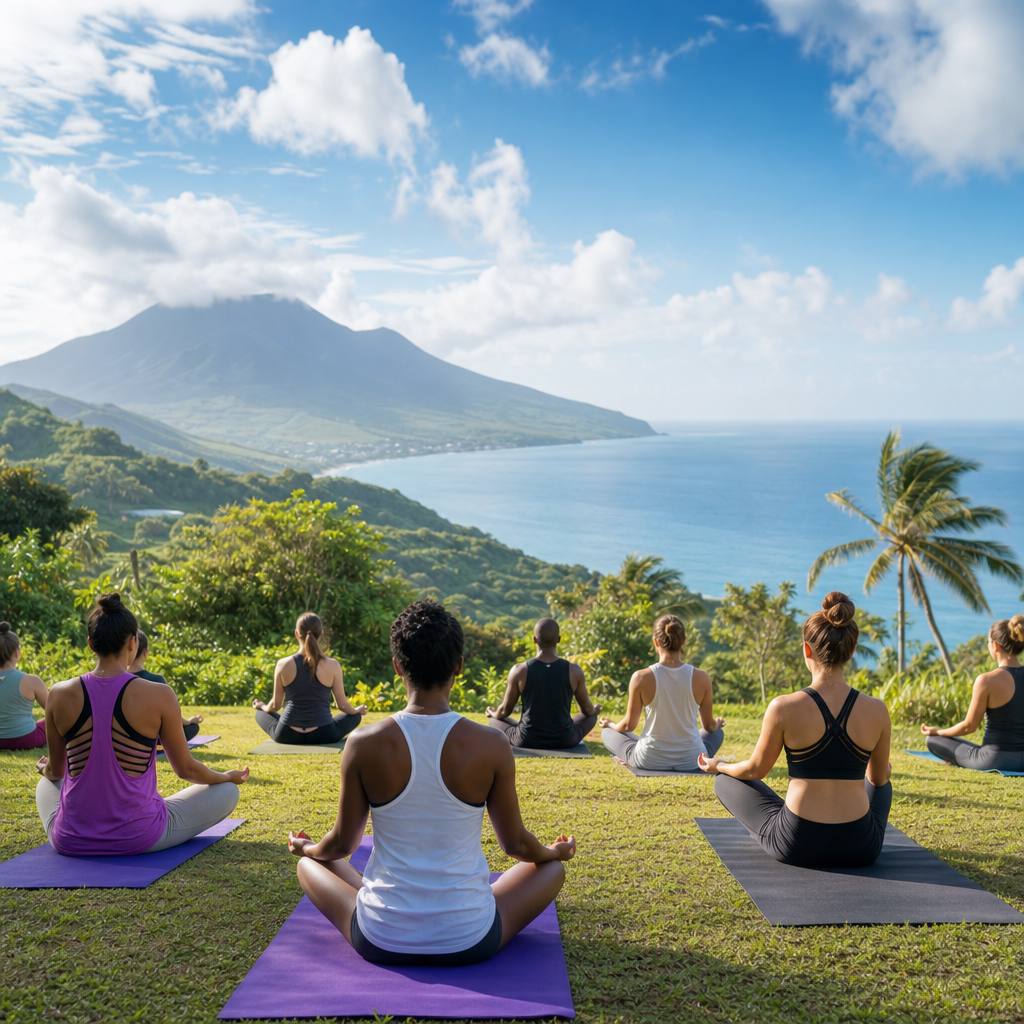
Nevis’ coastal walks offer one of the most practical ways to combine fitness and nature, giving visitors and residents a shoreline experience that improves cardiovascular health while opening a close view of the island’s beaches, cliffs, wetlands, and marine life. On a small Caribbean island, distance is manageable, terrain changes quickly, and the coastline becomes a natural outdoor gym. That combination matters because many travelers want activity without committing to intense adventure sports, and many locals want exercise that feels restorative rather than repetitive. Coastal walking answers both needs. It can be low impact, free or inexpensive, social or solitary, and easy to adapt for different ages and abilities.
In Nevis, coastal walks are not defined by one formal long-distance trail. Instead, they are a collection of linked seaside roads, beach edges, old estate access paths, village routes, and lookout points that together create a varied walking network. Some stretches are gentle and flat, ideal for beginners or families. Others include uneven volcanic stone, loose sand, steeper inclines, or exposure to sun and wind that raise the physical demand. Understanding that mix is essential. A coastal walk here is not only a scenic stroll; it is also a functional fitness session shaped by heat, surface, elevation, and duration.
From experience planning and walking island routes, the most rewarding coastal walks are the ones treated with the same respect as any training session. Route choice affects muscle load. Tide and weather affect safety. Footwear changes how the body handles sand and rock. Even a short walk can become strenuous in Caribbean humidity. When approached well, though, Nevis’ coast delivers unusual range. You can build endurance on long open beaches, improve balance on natural shoreline terrain, or recover mentally through quieter stretches where seabirds, palms, and wave sound dominate the environment. That versatility makes this subject important within a broader nature and wildlife guide, because the coastline is where exercise, habitat awareness, and everyday exploration meet.
This hub article explains what makes Nevis’ coastal walks distinctive, how different routes support different fitness goals, what wildlife and landscapes walkers are likely to encounter, how to plan safely, and where each style of walk fits within a larger island nature itinerary. If you want a starting point for the miscellaneous side of Nevis coastal exploration, this is it.
Why Nevis is ideal for coastal walking
Nevis is especially well suited to coastal walking because the island compresses ecological variety into a compact space. In a single outing, a walker may pass black-sand or golden-sand beaches, rocky coves, sea grape thickets, coconut palms, grazing areas, old plantation boundaries, and views toward St. Kitts across The Narrows. The island’s volcanic origin adds contour and visual drama even when the route stays close to sea level. Unlike destinations where coastal walking means a uniform promenade, Nevis delivers constant texture.
That variety creates measurable fitness benefits. Flat firm sand encourages steady-state aerobic walking. Softer sand increases resistance, engaging calves, glutes, and stabilizing muscles more intensely. Minor climbs along bluffs or access roads raise heart rate quickly and can be used as interval segments. Uneven terrain near natural shorelines trains proprioception, ankle stability, and coordination. For walkers who do not enjoy treadmills or repetitive circuits, Nevis makes functional movement feel purposeful.
Just as important, the island’s pace supports attention. Traffic is lighter than on many larger Caribbean islands, and several coastal sections feel uncrowded outside peak tourism periods. That changes the quality of exercise. People often walk longer when the route offers constant natural interest and fewer interruptions. On Nevis, seeing a brown pelican dive offshore or hearing tree frogs near a coastal pond can extend a session more effectively than any fitness app prompt.
Best types of coastal walks for fitness goals
Not every walker wants the same outcome, so it helps to match route style to training purpose. For beginners, the best option is a flatter beach-to-road combination with easy turnaround points. Pinney’s Beach is a good example because the surface can be adjusted: walk near firmer wet sand for less strain, or move higher into drier sand for more resistance. The long visual horizon also helps pacing. New walkers can set landmarks instead of obsessing over speed.
For endurance training, longer connected coastal segments work best. Combining beach stretches with roads near Jones Estate, Cades Bay, or other western shoreline areas allows sustained movement without technical obstacles. These walks suit people building toward 60 to 90 minutes of moderate exercise, the range often recommended by sports medicine professionals for weekly cardiovascular improvement when spread across several sessions.
For strength and calorie burn, choose routes with mixed surfaces. Sand, packed soil, short slopes, and occasional rocky footing create natural interval training. On Nevis, that usually means starting on a broad beach section, then moving to a less groomed edge path or a gently rising coastal road. In practice, this format works well for walkers who want a workout comparable to a gym incline session but prefer open air and sea views.
For recovery and mental restoration, quieter areas near coves or less developed shorelines are more effective than busy beach strips. The goal here is not pace but controlled movement, relaxed breathing, and sensory reset. I usually advise people to slow down deliberately, keep phones packed away, and notice wind direction, wave rhythm, and bird activity. That is still exercise, but it behaves like active recovery rather than performance training.
| Walk style | Best terrain | Primary fitness benefit | Who it suits |
|---|---|---|---|
| Easy scenic walk | Firm sand, level beach roads | Light cardio, joint-friendly movement | Beginners, families, older walkers |
| Endurance walk | Long beach sections plus connected roads | Stamina, calorie expenditure | Regular exercisers, travelers training consistently |
| Interval-style walk | Mixed sand, slopes, uneven coastal paths | Higher heart rate, leg strength, balance | Fitness-focused walkers |
| Recovery nature walk | Quiet shoreline, gentle surfaces | Stress reduction, circulation, mobility | Anyone needing low-intensity exercise |
Nature and wildlife along the coast
The strongest reason this article belongs in a nature and wildlife hub is that Nevis’ coastal walks are never only about movement. Shoreline habitats are ecologically active. Walkers commonly see pelicans, frigatebirds, egrets, and shorebirds depending on the exact location and season. Wading birds may gather near ponds or wetter low-lying areas behind beaches. Offshore, calm days can reveal fish movement in clear water, while reef zones support a broader marine system that shapes what appears along the coast.
Vegetation also tells a story. Sea grape, coconut palm, mangrove-associated species in suitable areas, and dry coastal shrubs each indicate different exposure to salt, wind, and drainage. In some sections, the transition from beach to inland vegetation is narrow, which means walkers can observe how quickly habitats change over short distances. That makes Nevis useful for casual naturalists and photographers who want variety without a full-day expedition.
One of the overlooked benefits of walking instead of driving is detection. Wildlife is easier to notice at four kilometers per hour than at forty. Tracks in sand, crab movement near dune edges, and bird feeding behavior become visible. I have found that even people who do not consider themselves birders begin asking better questions once they spend an hour on foot: Why are birds concentrated near one bay and absent from another? Why does one beach have heavier drift material? Why are some coastal plants lower and denser? Walking creates the time needed for ecological observation.
Notable coastal areas to explore
Pinney’s Beach is the most obvious starting point because it is accessible, visually open, and flexible for different fitness levels. Early morning is best. Temperatures are lower, light is softer, and the beach is quieter. The route can be as short as a relaxed thirty-minute out-and-back or extended substantially by linking nearby roads and adjacent coastal sections. Because it is relatively straightforward, Pinney’s is also useful for visitors adjusting to the climate.
Oualie area walks provide a different character. The views across The Narrows toward St. Kitts are a constant feature, and the changing coastal activity around the water adds interest. Depending on the exact route, walkers may move between beachfront and roadside sections, making this a solid choice for moderate sessions with good scenery and convenient access.
Cades Bay and nearby western coastal areas often appeal to walkers who want fewer crowds and a more local feel. These routes can include broad views, light elevation changes, and a stronger sense of moving through lived island landscapes rather than resort-centered zones. They are excellent for longer training walks, especially for people comfortable carrying water and navigating without heavy signage.
On the more rugged side, some lesser-used coastal stretches and access points near rocky shoreline sections suit experienced walkers who prioritize natural texture over convenience. These are rewarding but require caution. Heat exposure, uneven footing, and limited services mean they should be approached as self-supported outings, not casual spontaneous detours.
Safety, planning, and gear that actually matter
The biggest planning mistake on Nevis is underestimating the climate. Heat index, direct sun, and humidity can turn an easy walk into a draining one. Start early, carry more water than you think you need, and treat shade availability as a route variable. A liter may be enough for a short dawn walk, but longer efforts often require significantly more, especially if you are used to cooler climates.
Footwear matters because coastal terrain changes fast. Lightweight road shoes work on firm beach and pavement but may feel unstable on rock or loose sand. Trail runners with moderate grip are usually the best compromise. Sandals are fine for very short leisure walks, yet they are poor for mixed-terrain fitness sessions where foot fatigue and slipping become factors.
Navigation on Nevis is generally manageable, but “coastal walk” can mean beach edge, roadside shoulder, estate lane, or an informal local path. Offline maps from tools such as Google Maps or Maps.me help, though they should be paired with local advice from accommodation staff or guides. Tide awareness is also useful on narrower sections. Even where there is no dramatic tidal range, wave action can reduce usable shoreline space and make footing awkward.
Finally, respect private property, wildlife space, and changing weather. Leave gates as you find them, avoid disturbing nesting or feeding birds, and turn back if storm conditions build. Smart walking on small islands depends less on heroics than on judgment.
How this hub connects to the wider Nevis nature experience
As a miscellaneous hub within the Nature and Wildlife topic, coastal walking connects to almost every other kind of outdoor exploration on Nevis. It complements birdwatching by bringing visitors near ponds, beaches, and shoreline feeding areas. It supports photography because dawn and late afternoon walks deliver better light and more animal activity. It pairs with marine experiences because time spent walking the coast improves understanding of reef location, currents, beach formation, and human use of the shore.
It also serves travelers who want an entry point before tackling more demanding inland experiences such as steeper hikes on Nevis Peak slopes or plantation trail rambles. Walking the coast first helps people acclimatize, test hydration needs, and learn how the island feels underfoot. In practice, I have seen this reduce poor route decisions later in a trip. People who learn the climate and terrain on the coast usually plan better everywhere else.
For content planning across a sub-pillar, coastal walking naturally links to articles on best beaches, birdlife hotspots, family-friendly outdoor activities, sunrise photography locations, rainy-season nature tips, and responsible wildlife viewing. That is what makes it an effective hub topic: it is broad enough to introduce the coastal landscape, but specific enough to be useful on its own.
Nevis’ coastal walks stand out because they do more than fill time between other activities. They deliver accessible exercise, direct contact with wildlife and shoreline habitats, and a flexible way to understand the island at ground level. A good walk here can strengthen legs, improve endurance, lower stress, and sharpen observation all at once. Few activities offer that combination so simply.
The key is to match the route to your goal. Choose flatter beaches for easy cardio, mixed terrain for a harder workout, and quieter coves for recovery or nature focus. Start early, carry water, wear proper shoes, and let conditions shape your pace. When you do that, the coast becomes both training space and field guide.
If you are building a Nevis nature itinerary, begin with a coastal walk and use it as the foundation for everything else. It is the easiest way to see more, move more, and understand why the island’s shoreline is one of its most rewarding natural assets.
Frequently Asked Questions
Why are Nevis’ coastal walks such a good option for combining fitness and nature?
Nevis’ coastal walks work so well because they offer a rare balance: they are active enough to support real physical benefits, yet relaxed enough to feel enjoyable rather than extreme. Walking along the shoreline raises the heart rate, improves circulation, supports endurance, and engages the legs and core, especially where the terrain shifts between flat beachfront stretches, packed sand, slight inclines, rocky edges, and breezier open sections. On an island like Nevis, those changes happen quickly, which means even a moderate walk can become a full-body outdoor workout without requiring specialized training or equipment.
Just as important, the natural setting makes the experience easier to sustain. Instead of exercising in a gym or on a repetitive urban route, walkers are surrounded by beaches, cliffs, wetlands, sea views, and local wildlife. That visual variety reduces the mental fatigue people often associate with exercise and makes it easier to stay active for longer periods. Many visitors find they walk farther than expected simply because the coastline keeps revealing something new. For residents, coastal walking can become a practical long-term fitness habit because it is accessible, low-cost, and adaptable to different energy levels. In short, Nevis’ shoreline turns movement into an immersive experience where cardiovascular health, mobility, and stress relief all happen alongside a direct connection to the island’s landscape.
What kind of fitness benefits can you realistically expect from walking Nevis’ coastline?
Coastal walking on Nevis can deliver meaningful health benefits when done consistently. The most obvious advantage is cardiovascular improvement. A steady walking pace helps strengthen the heart and lungs, and if you increase speed or include sections with slight elevation or softer footing, the intensity rises naturally. Walking on uneven terrain also recruits stabilizing muscles in the ankles, calves, hips, and core, which can improve balance, coordination, and lower-body strength over time. Because the environment changes from one section to the next, the body is less likely to settle into a completely repetitive movement pattern.
There are also important low-impact advantages. For people who want activity without the strain of running or high-intensity sports, walking is gentler on the joints while still supporting calorie burn, stamina, and overall mobility. The sea air, open views, and rhythmic pace can further contribute to lower stress levels and improved mental well-being. In practical terms, someone walking several times during a visit or as part of a weekly routine may notice better energy, less stiffness, improved mood, and greater endurance for other activities. The key is consistency. Nevis’ coastal routes are especially effective because they encourage people to keep moving through a setting that feels restorative rather than punishing, making regular exercise much easier to maintain.
Are Nevis’ coastal walks suitable for casual walkers, or are they better for experienced hikers?
They are generally very well suited to casual walkers, which is one of their biggest strengths. Nevis is ideal for people who want to stay active without committing to demanding mountain hikes, technical trekking, or adventure sports. Many coastal sections can be enjoyed at an easy to moderate pace, and the island’s manageable size means walkers can choose routes based on time, comfort, and fitness level. A short sunrise stroll, a longer beach-to-cliff route, or a gentle walk near wetlands can all provide a rewarding experience without requiring advanced hiking ability.
That said, “coastal walk” does not always mean completely effortless. Some stretches may include heat exposure, loose sand, uneven ground, rocky patches, or changing conditions depending on tides and weather. For that reason, experienced walkers may choose to lengthen routes, increase pace, or combine multiple sections for a stronger workout, while beginners can keep things simple and still benefit. The best approach is to treat Nevis’ coastline as flexible rather than one-size-fits-all. Good footwear, water, sun protection, and a realistic sense of distance make a major difference. Overall, these walks are accessible to a wide range of people precisely because they can be enjoyed as leisurely nature outings or shaped into more purposeful fitness sessions.
What should you bring and plan for before setting out on a coastal walk in Nevis?
Preparation matters, even for walks that seem easy at first glance. The essentials are straightforward: comfortable walking shoes or sturdy trainers, water, sun protection, and light, breathable clothing. Because the Caribbean sun can become intense quickly, a hat, sunscreen, and sunglasses are highly recommended, especially on exposed coastal stretches with little shade. Early morning and late afternoon are often the most comfortable times to walk, both for temperature and for better wildlife viewing. If you plan to be out longer, carrying a small snack can help maintain energy.
It is also wise to think in terms of route awareness rather than spontaneity alone. Check weather conditions, be mindful of tides where relevant, and let someone know your plans if you are walking a quieter section. A phone with enough battery, insect repellent for wetland areas, and a small bag for personal items and litter are all practical additions. Walkers should also respect the environment by staying on established paths where possible and avoiding disturbance to wildlife or sensitive coastal habitats. The goal is to enjoy the shoreline safely while preserving what makes it special. With a bit of planning, a coastal walk in Nevis can be both comfortable and deeply rewarding, whether it lasts 30 minutes or several hours.
What can you expect to see along Nevis’ coastal walks besides beaches?
One of the most appealing aspects of walking Nevis’ coast is that the scenery is far more varied than many people expect. Beaches are certainly part of the experience, but they are only one piece of a broader coastal environment. Depending on the route, walkers may encounter dramatic cliff views, rocky shorelines, wetland zones, open sea panoramas, and quieter stretches where the sound of wind and surf becomes part of the experience. This variety gives each walk a strong sense of progression, which is one reason people often find coastal routes more engaging than standard fitness walks.
There is also a strong ecological dimension. Wetland and shoreline areas can offer opportunities to observe birds and other wildlife, while clear coastal waters may reveal glimpses of marine life from certain vantage points. Even the plant life changes across the route, reflecting the island’s mix of salt exposure, moisture, and terrain. For walkers interested in both wellness and place, this adds real depth to the outing. You are not simply exercising next to the sea; you are moving through a living coastal system that reflects Nevis’ natural character. That combination of physical activity, scenic variety, and close contact with the island’s habitats is exactly what makes these walks memorable for travelers and valuable for residents.