May flowers in Nevis turn the island into a living gallery, where dry-season light, volcanic slopes, and sea breezes sharpen every color and reward photographers who know where to look. In this hub article for the Nature and Wildlife section, “miscellaneous” does not mean random; it means the wide range of blooms, habitats, shooting conditions, and field notes that connect every flower story on Nevis. Nevis, the smaller sister island to St. Kitts in the Federation of St. Kitts and Nevis, rises around Nevis Peak and compresses striking ecological variety into a compact landscape. Coastal gardens, old sugar estate grounds, roadside verges, montane forest edges, and village yards can all produce distinctive flower images in May. That matters because May often sits at a useful transition point: landscapes remain accessible, daylight is strong, and many ornamental and wild plants are still presenting fresh color before heavier rains reshape the scene. For travelers, conservation-minded walkers, and working photographers, understanding what blooms, where to find it, and how to photograph it responsibly makes the difference between snapshots and a coherent visual narrative. This guide introduces key flower subjects, explains the island settings that shape them, and shows how to build a practical shot list that supports deeper exploration across the broader Nature and Wildlife collection.
When I have photographed Caribbean islands in late spring, the biggest mistake I see is treating flowers as isolated close-ups rather than as ecological clues. On Nevis, a flamboyant tree beside a Georgian stone wall says something different from a wild vine climbing in humid upland shade. A cluster of bougainvillea near Charlestown speaks to settlement patterns, gardening traditions, drought tolerance, and the way bright pigments react to high-contrast tropical sun. A successful photographic journey therefore combines botany, geography, weather awareness, and composition. Key terms help. Native flowers are species that occur naturally in local ecosystems; endemic species are even narrower, restricted to a place or region; ornamental flowers are introduced plants cultivated in gardens and estates; habitat context means the surrounding environment that gives an image meaning. Because this page serves as a hub, it covers common ornamental stars such as hibiscus, frangipani, allamanda, oleander, and bougainvillea, alongside the less celebrated roadside and woodland blooms that often create the most original frames. It also addresses timing, gear, ethical field practice, and route planning, so readers can move from admiration to informed observation and then into the linked subtopics that deserve fuller treatment.
Why May is one of the best months for flower photography in Nevis
May offers a practical balance of color, mobility, and light. Nevis generally experiences a tropical climate with a drier season early in the year and wetter conditions building later. By May, gardens are still vibrant, paths are usually easier to navigate than in peak wet months, and photographers can work long sessions without constant rain interruptions. Morning light arrives clean and directional, especially along the eastern and southern sides of the island, while late afternoon can soften façades, estate ruins, and flowering hedges. Midday is harsh, but that same overhead brightness can be useful for backlighting translucent petals such as frangipani or heliconia bracts when controlled with exposure compensation.
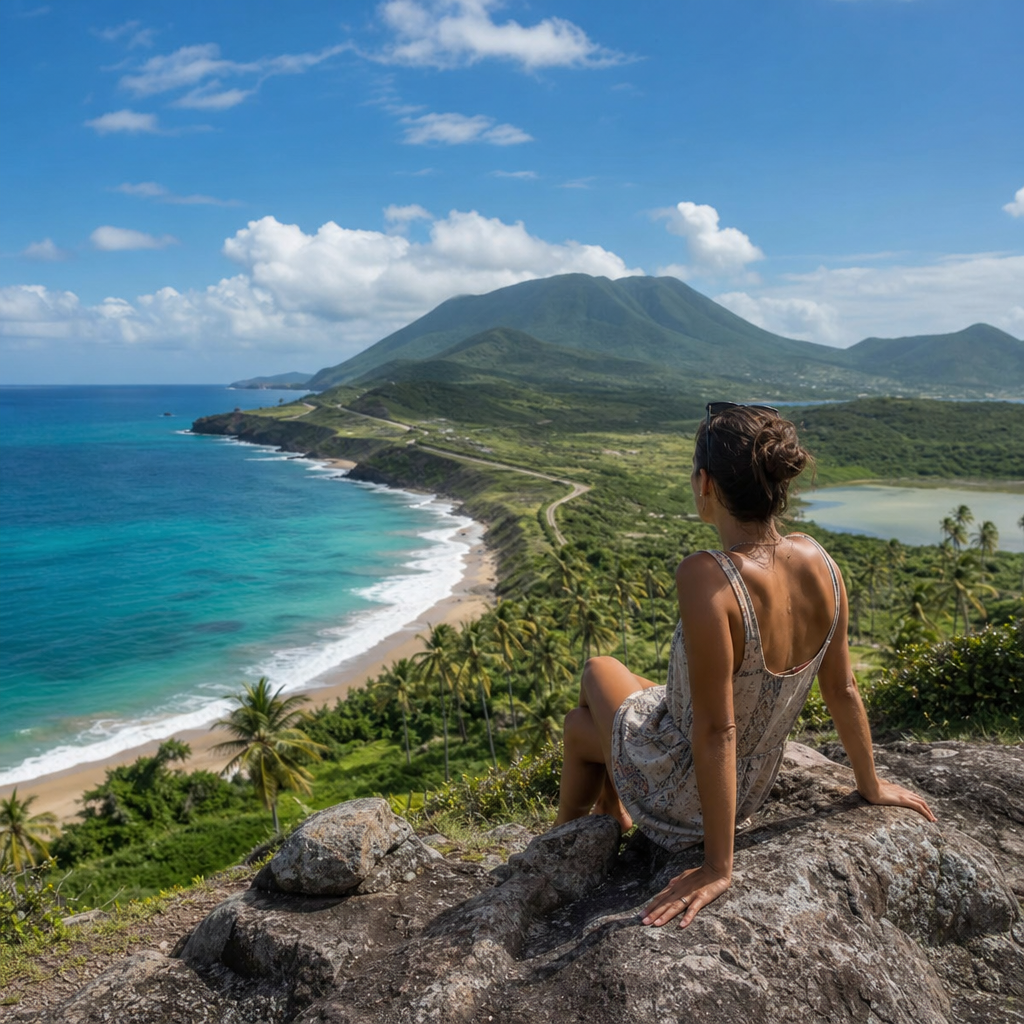
The month also matters for storytelling. Nevis is not a vast wilderness where a single species dominates the frame. Its visual character comes from overlap: cultivated blossoms in historic properties, naturalized species along roads, and moisture-loving plants higher on the slopes. In May, that overlap is especially legible. You can begin at the coast with sea grape and garden ornamentals, move inland through villages lined with flowering shrubs, and end near cloud-touched elevations where texture, moss, and filtered light change the entire mood of the work. For a hub article, that range makes May ideal because it introduces the reader to the full scope of floral subjects found across the island.
Signature flowers and where they commonly appear
Several flowers define the visual identity of Nevis in May, even though the exact bloom intensity changes with rainfall, elevation, and garden care. Hibiscus is one of the easiest and most rewarding subjects. Large petals, visible stamens, and frequent planting around homes make it perfect for both tight portraits and environmental shots. Bougainvillea is equally important, not because it is rare, but because it climbs walls, gates, and old estate structures in ways that instantly locate an image in the Caribbean. Its papery bracts also hold detail surprisingly well if you avoid clipping the magenta and crimson channels.
Frangipani, often called plumeria, offers a different mood. The sculptural branch forms and waxy blossoms work well in minimalist compositions, particularly against blue sky or whitewashed architecture. Allamanda contributes trumpet-shaped yellow flowers that read strongly from a distance, making it useful in wider scenes. Oleander, ixora, ginger lilies, and occasional orchids add texture and color variation, especially in maintained gardens. Then there are the less discussed subjects: small roadside composites, morning glories, vines threading fences, and flowering weeds that become compelling when paired with insect life or dramatic background blur. These plants rarely headline travel brochures, but they often produce the most distinctive portfolio images because they are observed rather than staged.
Best locations for a photographic journey across the island
Charlestown and its surrounding neighborhoods provide the easiest starting point. Here, flowers interact with heritage buildings, stone walls, churches, and shaded lanes, giving photographers immediate narrative depth. The island’s old plantation inns and estate grounds are another strong option. Places associated with the sugar era often maintain mature gardens where flowering shrubs, broad lawns, and volcanic backdrops coexist. This combination lets you capture both botanical detail and cultural landscape, a pairing especially valuable for a hub page designed to connect miscellaneous floral subjects.
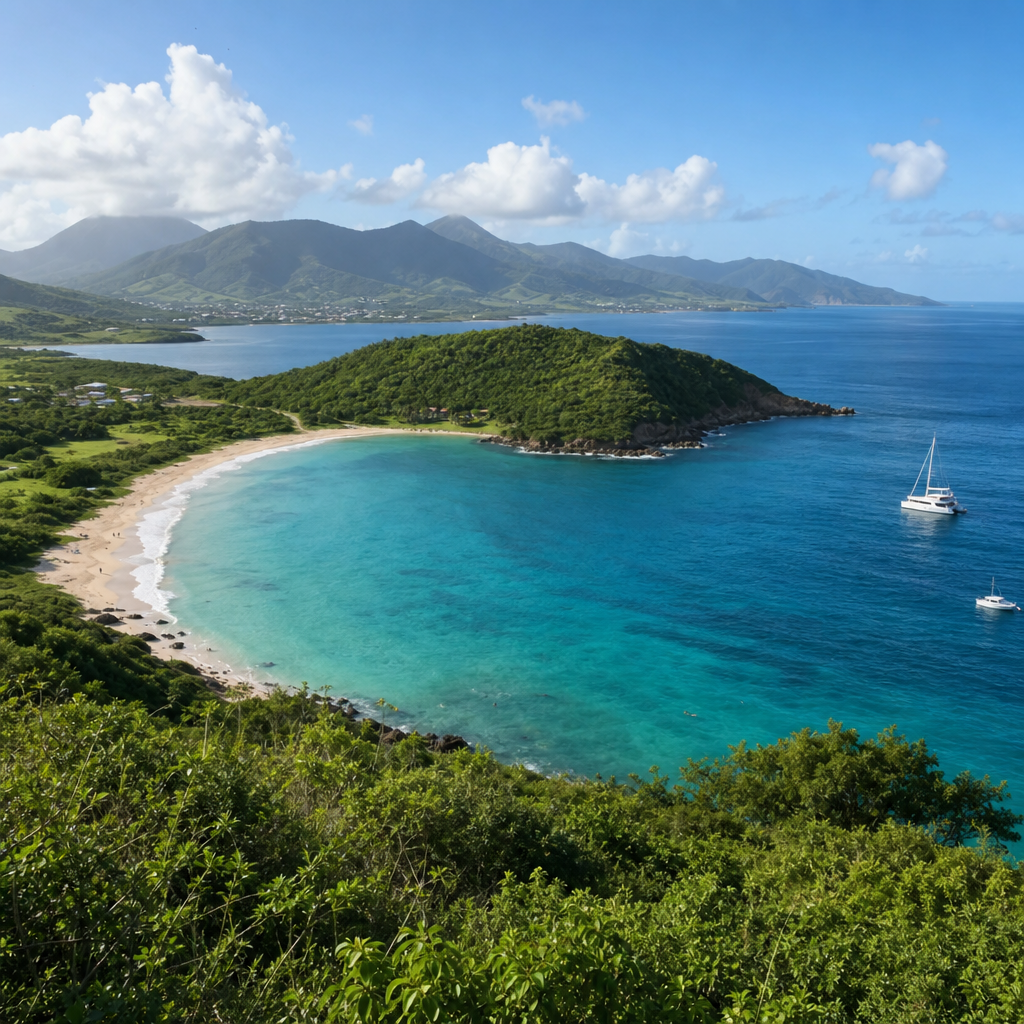
Beyond the built environment, the island road circling Nevis is productive because it reveals quick habitat transitions. Coastal stretches can frame blossoms against sea light, while inland detours near foothill villages reveal denser vegetation and private gardens visible from public roads. Trails toward higher elevations require more caution, but even lower montane margins can present ferns, gingers, and shade-loving blooms in diffuse light. Beaches may seem secondary to flower photography, yet flowering groundcovers and landscaped access points often create strong foreground opportunities with the Caribbean Sea behind them. The key is to think in zones rather than isolated attractions: town, estate, roadside, village, coast, and upland edge.
| Zone | Typical flower subjects | Best light | Strongest photographic approach |
|---|---|---|---|
| Charlestown and villages | Hibiscus, bougainvillea, ixora, potted ornamentals | Early morning or late afternoon | Environmental portraits with architecture |
| Estate gardens | Frangipani, allamanda, ginger lilies, formal plantings | Morning for detail, golden hour for wider scenes | Series mixing macro and landscape context |
| Roadside verges | Morning glory, wild vines, small composites, grasses in bloom | Soft morning light | Low-angle close-ups and pollinator shots |
| Coastal edges | Groundcovers, sea grape flowers, ornamental hedges | Sunrise or late-day side light | Foreground flowers with sea backdrop |
| Foothill and montane margins | Gingers, ferns, shade species, moisture-loving blooms | Overcast or filtered midday light | Texture studies and layered compositions |
How to photograph Nevis flowers well
Good flower photography in Nevis is mostly about controlling contrast and using context intelligently. In strong tropical sun, expose for the petals, not the leaves. Bright flowers, especially white frangipani or yellow allamanda, can lose detail fast. I usually work with slight negative exposure compensation and check the histogram rather than trusting the rear screen. A lens in the 90mm to 105mm macro range is ideal for close detail, but a 24mm to 70mm zoom is just as important because many of the island’s best flower images include walls, shutters, verandas, or distant slopes. The story is often in the relationship between bloom and place.
Wind is the main technical challenge. Even light trade winds can blur stamens and petal edges at macro distances, so increase shutter speed sooner than you think necessary. If you use a tripod, treat it as a stability tool for composition, not a guarantee of sharpness. Focus stacking can work in sheltered estate gardens, but roadside subjects usually move too much. Polarizing filters help reduce leaf glare, though they can also deepen already saturated skies beyond a natural look. For close-ups, look for clean backgrounds created by stepping around the plant rather than forcing shallow depth of field on a cluttered scene. For wide shots, use flowers as an anchor that guides the eye toward Nevis Peak, sea horizons, or historic structures. That layered approach turns a flower catalog into a photographic journey.
Reading color, seasonality, and ecological context
Flowers photograph better when you understand what the scene is telling you. Bright ornamental species on Nevis often reflect long histories of gardening, trade, and adaptation to heat and salt. Bougainvillea thrives in sunny, relatively dry conditions and therefore appears in exposed places where softer species would struggle. Gingers and moisture-loving plants point you toward shaded or better-watered ground. This matters compositionally because the plant itself can predict the type of image available. A drought-tolerant hedge may support graphic, high-contrast work; a humid upland bloom may invite intimate, low-contrast studies with layered greens.
Seasonality also shapes expectations. Not every species peaks in May, and the island’s microclimates create variation even within short driving distances. A garden on one side of the island may be weeks ahead of another in visible flowering. Serious photographers should therefore avoid rigid checklists and instead build adaptive shot plans: one set for flowering trees, one for ornamental shrubs, one for wild verges, and one for shaded habitats. Pollinators add another layer. Bees, butterflies, and occasional hummingbird activity can transform a static flower image into a wildlife frame, but patience matters more than rapid shooting. Watch a plant for several minutes, learn the approach path, then compose for the landing zone.
Responsible access, conservation, and local etiquette
The best flower photography on Nevis respects both private property and fragile habitats. Many exceptional blooms are in village gardens, boutique hotel grounds, or former estate landscapes that are maintained by residents and staff. Always ask before entering enclosed gardens, and never assume that a beautiful gate signals public access. In my experience, a polite request often leads to better opportunities, local plant names, and useful suggestions about where else to go. That exchange enriches the work and reduces the extractive habit of treating communities as scenery.
Conservation matters too. Do not pick flowers, bend stems for easier angles, trample understory plants, or disturb pollinators repeatedly to force action shots. On trails and foothill edges, stay on established paths where possible because volcanic island ecosystems can be compact and easily damaged. If you use insect repellent or sunscreen, avoid touching delicate petals immediately afterward. For publication, caption accurately: if a flower is ornamental rather than native, say so. This honesty improves the value of the image archive and helps readers understand Nevis as a layered cultural and ecological landscape rather than a generic tropical backdrop.
Building your hub article shot list and linking it to deeper coverage
Because this page serves as a miscellaneous hub under Nature and Wildlife, the most useful approach is breadth with structure. Aim to collect five image categories: iconic ornamentals, wild roadside flowers, estate-garden compositions, coastal flower scenes, and upland texture studies. Within each category, capture one establishing image, one medium environmental frame, and one detail shot. That sequence creates natural pathways to more specialized articles on native flora, pollinators, hiking routes, botanical identification, garden history, or seasonal travel photography. It also strengthens the editorial logic of the hub because readers can move from general inspiration to focused topics without losing context.
Metadata deserves the same discipline as shooting. Record location, habitat type, approximate elevation, and whether the plant is cultivated, naturalized, or wild. Tools such as iNaturalist can help with identification, while Lightroom, Capture One, or Photo Mechanic make it easier to keyword images for future internal linking across the site. Use descriptive filenames and alt text that mention both flower and setting, such as “pink hibiscus near stone wall in Charlestown Nevis,” not vague labels like “IMG_2045.” Clear organization turns a one-day outing into a reusable content asset for travel guides, conservation features, and destination photography essays.
May flowers in Nevis reward curiosity more than speed. The island’s appeal lies not in a single famous bloom, but in the way flowers connect sea-level light, volcanic terrain, village life, estate history, and living biodiversity. For photographers, that means the strongest images come from combining close observation with movement across different zones of the island. Start with familiar subjects like hibiscus, bougainvillea, and frangipani, then push further into roadside verges, coastal edges, and humid foothill margins where the less obvious frames appear. Use the season to your advantage, protect highlights in harsh sun, work early or late when possible, and let architecture or landscape give each flower a sense of place.
As a hub page within Nature and Wildlife, this guide establishes the practical foundation for every related article in the miscellaneous floral subtopic. It defines what to look for, where to search, how to shoot, and how to behave responsibly while doing it. Just as important, it shows that flower photography in Nevis is not only about beauty. It is a way to read the island through color, habitat, cultivation, and seasonal change. If you are planning a visit or organizing an editorial series, use this article as your base map, then follow the deeper topic pages to build a fuller portfolio of Nevis in bloom. Pack a macro lens, leave room for context, and begin your photographic journey at first light.
Frequently Asked Questions
What makes May one of the best times to photograph flowers in Nevis?
May is an especially rewarding month for flower photography in Nevis because it brings together several conditions that photographers value most: reliable dry-season light, vibrant plant life, and excellent visibility across the island’s varied landscapes. The light in May is often clean and well-defined, which helps petals, leaves, and backgrounds appear crisp and saturated without the heavy haze or frequent downpours that can complicate shooting at other times of year. On an island shaped by volcanic slopes and cooled by sea breezes, these seasonal conditions can make a dramatic difference in how color, texture, and contrast appear in a frame.
Another reason May stands out is the sheer variety of habitats available within a relatively compact area. In a single outing, you may encounter coastal flowering plants, garden ornamentals, roadside bursts of color, and species thriving on cooler, greener elevations. That range is part of what makes Nevis feel like a living gallery in late spring. The island’s smaller scale also works in the photographer’s favor, allowing you to move efficiently between lowland and upland settings as the light changes through the day.
For photographers, May also offers a practical advantage: flowers are not just present, but often exceptionally photogenic. Petals tend to hold strong color in the morning light, backgrounds can be simplified by selective angles, and the dry conditions often make it easier to work with lenses, tripods, and filters in the field. In short, May is not simply a month when flowers bloom in Nevis; it is a month when light, landscape, and plant life align in ways that consistently reward careful observation and patient image-making.
What types of flowers and habitats can photographers expect to encounter in Nevis during May?
Photographers visiting Nevis in May can expect a broad and visually engaging mix of flowers, ranging from cultivated tropical ornamentals to wild blooms found along roadsides, coastal edges, village gardens, and mountain foothills. One of the pleasures of photographing flowers on the island is that the subject matter does not come from a single formal botanical setting. Instead, it emerges from an interconnected network of habitats, each offering different color palettes, textures, and compositional possibilities. This is why “miscellaneous” in the context of a Nature and Wildlife hub is so useful: it reflects the genuine diversity of floral subjects and field conditions rather than a random assortment of unrelated topics.
Lower elevations may offer bright sun-loving flowers with bold forms and strong color contrast, especially where open skies and dry-season light intensify reds, yellows, oranges, and pinks. Coastal areas can introduce salt-tolerant vegetation and flowering plants shaped by wind, which adds character and movement to images. In settled areas, photographers often find ornamental shrubs, flowering hedges, and garden species that provide layered compositions and opportunities for both close-up and environmental photography. As you move upward toward the volcanic slopes, the atmosphere can shift subtly, bringing cooler tones, denser greenery, and a different relationship between flowers and surrounding foliage.
These habitat changes matter because they influence far more than what species you see. They affect the direction and softness of the light, the presence of wind, the complexity of backgrounds, and the mood of the image. A bloom photographed near the sea may read as bright, airy, and graphic, while a flower on a shaded slope may feel more intimate and textural. For anyone creating a photographic journey rather than a simple checklist, that environmental variety is central to the Nevis experience in May.
Where are the best places on Nevis to photograph flowers, and how should photographers approach each location?
The best places to photograph flowers in Nevis are not limited to one famous viewpoint or reserve. Instead, the strongest results often come from treating the island as a sequence of micro-locations, each with its own photographic strengths. Village roads, garden edges, historic properties with landscaped grounds, rural lanes, coastal stretches, and lower mountain routes can all be productive. Because Nevis is compact, photographers can build a flexible shooting day that follows the light rather than staying fixed in a single spot.
In village and residential areas, look for cultivated flowers framed by walls, fences, verandas, and painted buildings. These settings are ideal for storytelling images that place blooms within the cultural texture of the island rather than isolating them completely. Early morning is particularly useful here, when the light is soft and shadows are manageable. Along roadsides and less-developed routes, photographers should slow down and observe transitions between habitats. Some of the best floral compositions appear where wild growth meets open land, where a single bloom stands out against dry grass, stone, or distant sea.
Coastal areas are excellent for capturing flowers in stronger directional light, especially when you want clean backgrounds, wind-shaped plants, or a sense of place that includes water, horizon, and salt-bright air. On volcanic slopes and greener upland areas, the approach should become more patient and selective. Light may be more fragmented, wind may shift unpredictably, and backgrounds can become visually dense. In these places, using depth of field carefully is essential. Rather than photographing every attractive bloom, it helps to identify flowers that are separated from distracting foliage or positioned where the terrain creates natural framing. Across all locations, the best strategy is to stay observant, work slowly, and let habitat guide composition.
What camera settings and techniques work best for photographing May flowers in Nevis?
The best camera settings for photographing flowers in Nevis depend on whether you want botanical detail, artistic softness, or a stronger environmental sense of place, but a few principles consistently apply. For close-up work, a moderate to wide aperture such as f/2.8 to f/5.6 can help isolate the flower from busy tropical backgrounds, especially in gardens or upland vegetation where foliage can quickly become distracting. If your goal is to keep the entire bloom sharp, particularly when shooting a flower head from the front, stopping down to f/8 or even f/11 may be more effective. In bright May conditions, these settings are usually easy to maintain without pushing ISO too high.
Shutter speed matters more on Nevis than many visitors initially expect because sea breezes and slope winds can introduce subtle movement even on apparently calm days. A flower that looks still to the eye may blur at slower speeds, particularly in close-up photography. For handheld work, use a shutter speed fast enough to freeze both your own movement and the motion of the subject. If the wind picks up, increasing shutter speed often matters more than preserving the lowest possible ISO. When conditions are calmer, a tripod can be useful, but it is not always practical if you are moving frequently between roadside and field locations.
Technique is just as important as exposure. Pay attention to the direction of the light: front light can reveal strong color, side light can emphasize petal texture, and backlight can create luminous edges and a more ethereal tropical feel. Try photographing the same flower from multiple heights rather than only from standing level. A low angle may isolate a bloom against sky or distant sea, while a side angle can reduce background clutter. Macro or close-focusing lenses are excellent for detail, but standard and short telephoto lenses are often better for contextual images that show how flowers belong to the island’s broader environment. In Nevis, the most compelling floral photography usually balances technical control with a willingness to adapt quickly to shifting light and wind.
How can photographers respectfully and effectively capture the full story of May flowers in Nevis?
Capturing the full story of May flowers in Nevis means going beyond isolated close-ups and thinking like both a photographer and a field observer. The island’s blooms are most meaningful when photographed as part of a larger visual narrative that includes climate, terrain, culture, and season. That story begins with respect for place. If you are photographing in gardens, near homes, or on private land, always seek permission when appropriate. Avoid trampling vegetation, breaking stems, or repositioning plants in ways that damage them. Ethical field practice is not just good manners; it preserves the natural and cultivated beauty that makes the island so photogenic in the first place.
From a storytelling perspective, variety is key. Aim to create a sequence of images rather than a collection of disconnected flower portraits. Include wide shots that show where blooms live on the island, medium shots that connect flowers to stone walls, pathways, sea views, or volcanic slopes, and close details that reveal veins, textures, and color transitions within petals. This layered approach helps viewers understand that Nevis is not simply a destination with pretty flowers. It is an environment where dry-season light, elevation, breezes, and geography all shape what the camera sees.
Field notes can also deepen the photographic record. Pay attention to time of day, weather, exposure challenges, wind conditions, and the character of each location. Notice whether a bloom looked best in direct sun, open shade, or backlight. Observe how color changed between coastal air and upland greenery. These details may seem small at the moment, but they often become the foundation of a richer article, photo essay, or travel feature later. In the context of a hub article for Nature and Wildlife, this broad, connected way of working is exactly what turns “miscellaneous” into something coherent: a complete visual account of how May flowers reveal the many moods and habitats of Nevis.