Exploring the coral reefs of Nevis is one of the most rewarding ways to understand the island beyond its beaches, because the shallow fringing reef, volcanic seascape, and calm Caribbean waters reveal a living system shaped by geology, climate, and careful local stewardship. Nevis, the smaller partner in the Federation of Saint Kitts and Nevis, sits in the northern Lesser Antilles and offers snorkeling and diving conditions that appeal to beginners, underwater photographers, and experienced divers looking for healthy reef structure, macro life, and relaxed boat access. When travelers talk about the coral reefs of Nevis, they usually mean a mix of hard and soft coral gardens, patch reefs, sandy channels, rocky ledges, and nearshore sites where tropical fish, sea fans, sponges, turtles, rays, and occasional pelagic visitors can be seen in relatively warm water year-round.
From my own time planning and reviewing Caribbean activity programs, Nevis stands out because it combines accessibility with authenticity. You do not need a liveaboard schedule, difficult shore entries, or extreme drift conditions to have a memorable underwater day here. Most excursions are short boat rides from the west and southwest coast, visibility is often good in the calmer season, and the island’s smaller tourism footprint means sites generally feel less crowded than famous regional hubs. That matters for more than comfort. Less congestion often means better wildlife behavior, easier instruction for new divers, and a more reflective experience for travelers who want nature instead of a high-volume excursion line.
For visitors researching snorkeling and diving in Nevis, the practical questions are direct: What marine life can you expect, when should you go, what skill level is needed, and how do you choose a reputable operator? This guide answers those questions while serving as a central resource for the wider range of reef-related activities around the island. Whether you want a half-day snorkel, an introductory scuba session, a certification checkout, underwater photography time, or a combined land-and-sea itinerary, Nevis gives you a strong base for exploring the island’s marine environment with manageable logistics and consistently scenic results.
What Makes Nevis a Distinctive Reef Destination
Nevis is not marketed as aggressively as Bonaire, Cozumel, or the Cayman Islands, yet that is part of its strength. The island’s underwater appeal comes from diversity packed into a compact area. Volcanic origins shape the seabed with rocky outcrops and sloping terrain, while coral communities occupy sunlit shallows and protected sections where wave action is lower. Many sites are reached quickly by boat, so divers spend less time in transit and more time in the water. For travelers based in Charlestown, Pinney’s Beach, or nearby resorts, that convenience makes it easy to add reef exploration to a broader itinerary of hiking, sailing, and historical sightseeing.
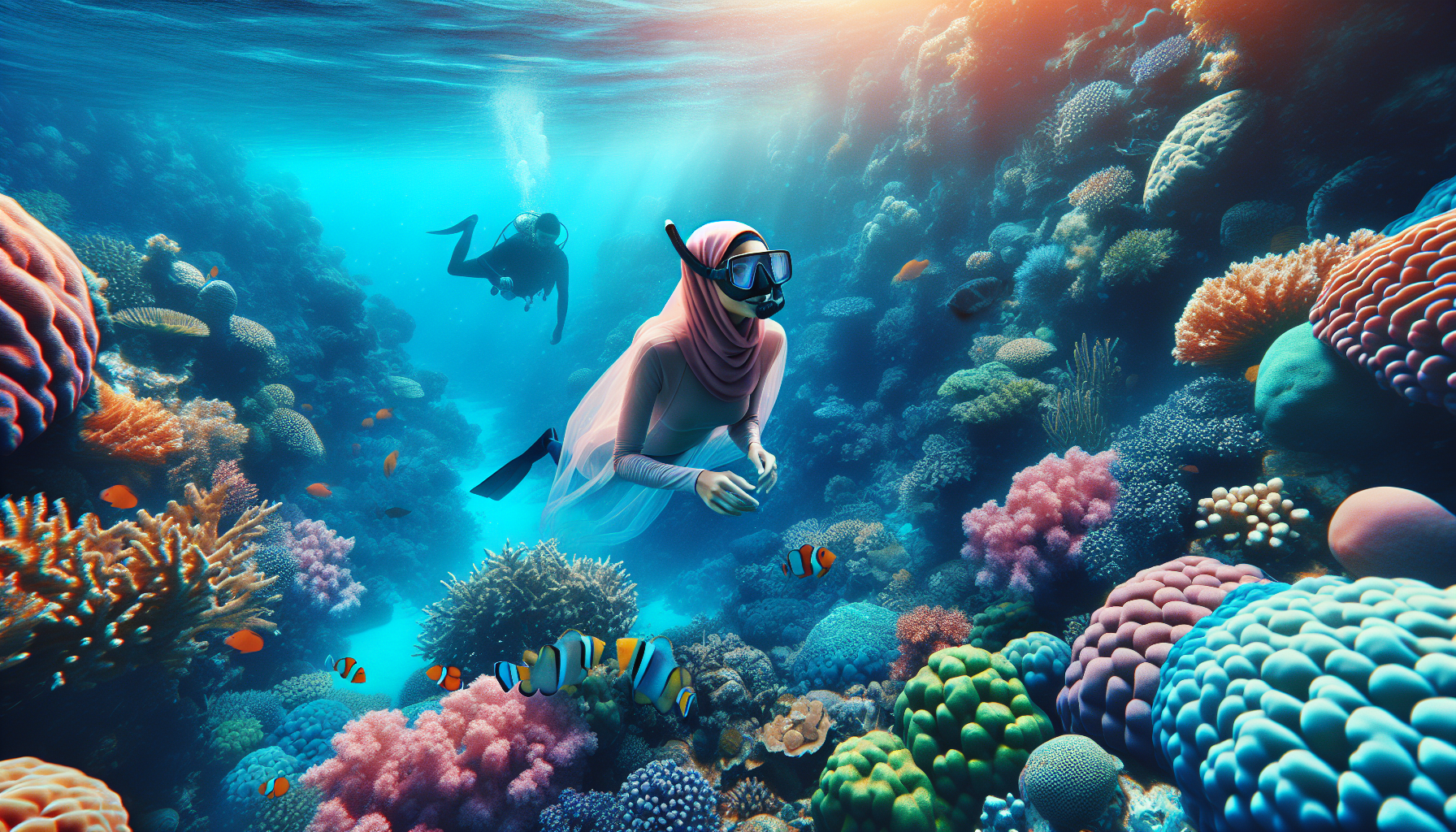
Water temperatures around Nevis typically remain comfortable, commonly in the upper 70s to mid-80s Fahrenheit depending on season. That range reduces the barrier for first-time snorkelers and allows long, pleasant dives in standard exposure protection such as a rash guard, shorty, or light wetsuit. Reef fish life is often abundant in nearshore zones, where snorkelers can observe blue tangs, parrotfish, wrasses, sergeant majors, trumpetfish, and juvenile reef species sheltering among coral heads and seagrass edges. Divers going deeper may encounter southern stingrays, nurse sharks at rest, hawksbill or green turtles, and larger schools moving across reef drop-offs or sandy channels.
Another defining advantage is pace. On Nevis, marine activities are usually run by smaller operators who know the sites personally and adapt trips to weather, current, visibility, and guest experience. That local judgment matters. A good captain and guide can shift from an exposed reef to a protected bay, or choose a site with easier surface conditions for children and beginners. In my experience, that flexibility often determines whether an excursion feels merely acceptable or truly excellent. On an island where conditions can vary by coast and wind direction, local site selection is one of the biggest quality markers travelers should look for when booking.
Best Snorkeling and Diving Experiences Around the Island
Most of Nevis’s regularly visited snorkeling and diving sites lie along the leeward side, where calmer water often supports clearer conditions. Pinney’s Beach is a common departure area for boat trips, and several reefs nearby provide easy access to coral gardens and fish-rich shallows. Beginners often do best on gently sloping reef systems where they can stay in five to twenty feet of water, practice buoyancy or surface breathing, and still see abundant life. These locations are ideal for families, casual swimmers, and anyone more interested in observation than depth.
For scuba divers, local operators frequently select sites based on certification level and sea state. Shallow reefs with broad coral coverage are used for refresher dives, checkouts, and introductory programs. More advanced divers may visit deeper sections with spur-and-groove formations, rocky ledges, and swim-through-like features created by volcanic structure rather than large limestone caverns. Underwater photographers appreciate Nevis because subjects vary by depth. In one dive, you can move from bright coral heads with schooling chromis to textured sponge formations, hidden lobster crevices, and sandy patches where garden eels or rays appear.
The island also benefits from proximity to Saint Kitts, and some operators arrange combined excursions or site choices influenced by broader channel conditions. That does not dilute Nevis’s identity. Instead, it expands the range of underwater topography available to visitors staying on Nevis while keeping the island as the departure hub. If you are building a multi-activity vacation, this area works especially well because reef exploration fits naturally with catamaran sails, private boat charters, and eco-focused marine tours rather than existing as a standalone niche.
| Activity Type | Typical Depth | Best For | What You May See |
|---|---|---|---|
| Shore-adjacent snorkeling | 3 to 15 feet | Families, beginners, casual swimmers | Parrotfish, sergeant majors, sea fans, juvenile reef fish |
| Boat snorkeling | 5 to 25 feet | Travelers seeking better coral coverage | Turtles, rays, sponge gardens, schools of blue tang |
| Introductory scuba | 15 to 40 feet | First-time divers with instructor support | Coral heads, wrasses, trumpetfish, reef invertebrates |
| Certified reef diving | 30 to 80 feet | Open Water and advanced divers | Stingrays, turtles, nurse sharks, larger schools |
Marine Life, Coral Health, and Seasonal Conditions
The coral reefs of Nevis support a classic eastern Caribbean reef community, but visitors should understand both the beauty and the fragility of what they are seeing. Common hard corals include brain coral, elkhorn remnants in suitable shallow habitat, and star coral, while soft corals and sea fans add movement and color to current-swept sections. Sponges, including barrel and tube varieties, play a major role in reef texture and provide shelter for smaller organisms. Fish diversity is often what first-time visitors remember most clearly: angelfish, butterflyfish, damselfish, squirrelfish, grunts, and moray eels all appear depending on site and time of day.
Turtle sightings are a major draw, especially for snorkelers. Hawksbill turtles may forage around reef structure, while green turtles are more often associated with seagrass feeding areas. Divers should also watch sandy margins for southern stingrays partially buried under sediment. In quieter moments, macro life becomes just as interesting as larger animals. Cleaner shrimp, juvenile drum fish, flamingo tongue snails on sea whips, and tiny blennies in coral crevices can turn an ordinary dive into a memorable one for attentive observers.
Conditions shift through the year. The drier months, often from roughly December through May, are generally favored for visibility and calmer seas, though excellent days occur outside that window. Summer and early autumn can bring warmer water and periods of reduced visibility linked to weather systems, runoff, or plankton. Hurricane season, officially June through November, does not mean constant bad diving, but it does require more flexible planning. Good operators monitor marine forecasts, swell direction, and local wind patterns daily. Travelers should do the same and avoid assuming a booking made weeks in advance guarantees a specific site or sea condition.
Coral health across the Caribbean faces pressure from warming seas, bleaching events, disease, anchor damage, overfishing, and pollution. Nevis is not exempt. The most responsible way to enjoy these reefs is to treat them as living habitat, not scenery. That means maintaining neutral buoyancy, never standing on coral, using reef-safe sun protection where possible, and choosing operators who moor properly rather than anchor directly onto sensitive substrate. Small choices at the individual level matter because reef damage often happens incrementally, one careless contact at a time.
How to Choose a Snorkeling or Dive Operator in Nevis
The quality of your guide matters as much as the reef itself. A strong Nevis operator should ask about swimming ability, certification level, medical issues relevant to diving, and recent experience before assigning a trip. If a company does not ask, that is a warning sign. Reputable dive centers follow training standards from recognized agencies such as PADI, SSI, or NAUI, maintain oxygen kits and emergency action plans, and brief guests clearly on entry method, current, hand signals, depth limits, and marine life etiquette. Boats should be clean, organized, and equipped with communication systems, shade, and properly sized life jackets.
Equipment quality is another easy way to evaluate professionalism. Masks should have intact skirts and straps, regulators should breathe cleanly without free-flow, and buoyancy compensators should hold air consistently. For snorkeling, fins that fit poorly will ruin the experience faster than many travelers expect. If you wear prescription lenses, ask in advance whether the operator can provide corrective masks. I also recommend confirming group size. Smaller groups usually mean better supervision for beginners and a more relaxed pace for photographers or marine life enthusiasts who do not want to be rushed from one sighting to the next.
Ask specific questions before booking: How long is the boat ride? Are there ladder-assisted exits? What sites are likely in current weather? Is there a guide in the water with snorkelers? Can non-diving companions join? What is included in the price? The best operators answer directly and set realistic expectations. They do not promise guaranteed turtles, perfect visibility, or advanced sites for inexperienced guests. Honest communication is a sign of competence, not a lack of ambition, and it usually leads to better guest outcomes.
Practical Planning, Safety, and Reef-Friendly Travel Tips
For snorkeling and diving in Nevis, planning is straightforward if you handle a few details early. Book popular trips at least several days ahead during high season, especially around holidays and major resort occupancy peaks. Morning departures are often best because surface conditions tend to be calmer and visibility can be stronger before afternoon wind builds. Bring a rash guard, towel, reusable water bottle, biodegradable bag for wet gear, and a dry compartment or waterproof pouch for valuables. If you are prone to seasickness, take preventive medication well before departure rather than waiting until the boat is underway.
Safety begins before you enter the water. Snorkelers should test mask fit, practice clearing the snorkel, and stay within the guide’s visual range. New divers should be honest about anxiety, equalization problems, or a long break since their last dive; a refresher session is often the smartest choice. Divers should also follow standard post-dive precautions, including allowing sufficient surface interval before flying. As a rule, many agencies advise waiting at least twelve to eighteen hours after a single no-decompression dive and longer after multiple dives, with conservative planning preferred.
Reef-friendly behavior deserves the same emphasis as logistics. Avoid touching turtles or attempting to block their path for photos. Keep fins up over coral and control descents carefully, especially in surge. Do not collect shells, coral fragments, or marine souvenirs. If you are traveling with children, explain before the trip that fish are not to be chased and coral is not rock. Families who set expectations early usually have a better, calmer outing. Nevis rewards patient observation; the more quietly you move, the more marine life you will see.
As a hub within the broader Adventure and Activities category, this topic also connects naturally to related Nevis experiences. Travelers interested in reefs often pair them with sailing charters, deep-sea fishing, beach days, paddleboarding in calm bays, and island nature tours that explain how coastal ecosystems link to upland watersheds. That broader context matters because coral reefs do not exist in isolation. Good travel planning treats the island as one connected environment, where choices on land influence what remains healthy underwater for future visitors and local communities alike.
Why Nevis Works So Well for a Mixed-Experience Travel Group
One overlooked advantage of Nevis is how well it serves groups with different comfort levels. On many island vacations, one person wants scuba, another prefers snorkeling, and someone else just wants a scenic boat ride. Nevis operators are often used to these mixed groups and can structure trips that keep everyone engaged without turning the day into a rushed compromise. Because distances are short and the island atmosphere is relaxed, it is easier to combine a morning on the reef with lunch onshore, a beach afternoon, or a heritage stop in Charlestown.
That flexibility makes Nevis especially valuable for couples, multigenerational families, and small private groups. A certified diver can explore a deeper reef while a beginner snorkeler stays in shallower water under supervision, and both still share the same boat trip and marine setting. For travelers building an activity-rich itinerary, that efficiency is a real benefit. Exploring the coral reefs of Nevis is not only about fish counts or dive logs. It is about adding a vivid, accessible marine experience to a wider island holiday without excessive transit, complexity, or crowd pressure.
The key takeaway is simple: Nevis offers warm water, varied reef habitat, manageable logistics, and a calmer visitor experience than many better-known Caribbean dive destinations. Choose a reputable operator, match the site to your skill level, respect the reef, and plan around seasonal conditions. Do that, and snorkeling and diving here can become a highlight of your entire trip. If you are organizing your Nevis adventure plans, start by reserving a reef excursion early, then build the rest of your island activities around it.
Frequently Asked Questions
What makes Nevis a special destination for snorkeling and diving compared with other Caribbean islands?
Nevis stands out because its underwater environment feels both accessible and distinctly shaped by the island’s volcanic origin. Instead of relying only on dramatic drop-offs or heavily trafficked reef systems, Nevis offers a combination of shallow fringing reefs, rocky volcanic formations, seagrass beds, and clear, generally calm Caribbean waters that let visitors see how marine life is connected to the island’s geology. This creates a snorkeling and diving experience that is rewarding not just visually, but also educational. You can often observe hard and soft corals, reef fish, sea fans, sponges, and juvenile marine species in habitats that are close to shore and easy to reach.
Another reason Nevis is special is its atmosphere. The island is quieter and less commercial than many larger Caribbean destinations, so underwater outings often feel personal and uncrowded. That slower pace appeals to travelers who want a more intimate encounter with marine ecosystems rather than a high-volume excursion experience. Local guides and dive operators also tend to bring a strong stewardship ethic to their work, emphasizing responsible reef behavior, awareness of changing sea conditions, and respect for the long-term health of the marine environment. For visitors who want to understand Nevis beyond its beaches, the reefs offer a direct window into the island’s natural history and the care required to protect it.
Is Nevis suitable for beginner snorkelers and first-time divers?
Yes, Nevis can be an excellent choice for beginners, especially because many snorkeling areas and dive sites benefit from relatively gentle conditions during favorable weather periods. Calm water, warm temperatures, and good visibility can make it easier for first-time snorkelers to build confidence and for new divers to focus on basic skills without feeling overwhelmed. Shallow reef zones are particularly helpful for beginners because they allow you to see plenty of marine life without needing advanced techniques or deep descents. This means that even a short outing can be satisfying, which is ideal for families, casual travelers, or anyone trying snorkeling or diving for the first time.
For first-time divers, the best approach is to go with a reputable local operator who can match your experience level to the right site and conditions. Introductory dives, refresher sessions, and guided excursions are especially valuable in Nevis because local professionals understand seasonal weather, currents, entry points, and the most productive areas for wildlife viewing. Beginners should still take standard precautions: use properly fitted gear, listen carefully to the briefing, avoid touching the reef, and never push past your comfort level. While conditions are often beginner-friendly, the sea is always dynamic, so local judgment matters. With the right support, Nevis offers a welcoming environment for learning and enjoying the underwater world safely.
What kinds of marine life and coral formations can you expect to see around Nevis?
The reefs around Nevis support a variety of marine life typical of healthy Caribbean coastal ecosystems, and what you see can vary depending on depth, light, season, and habitat type. Snorkelers and divers commonly encounter colorful reef fish such as parrotfish, angelfish, butterflyfish, wrasses, damselfish, and grunts. In sandy patches or near seagrass beds, you may spot southern stingrays, small schooling fish, and juvenile species using protected shallows as nursery habitat. More patient observers may also notice eels tucked into rock crevices, lobsters sheltering beneath ledges, and larger roaming species passing through deeper or more exposed areas. For underwater photographers, Nevis offers a pleasing mix of broad reef scenes and smaller details, from sea fans moving in the current to the textures of sponges and coral heads.
In terms of coral and structure, Nevis reflects its volcanic setting. Rather than one uniform reef wall, many sites feature a patchwork of coral growth attached to rocky substrate, coral heads interspersed with sand channels, and areas where reef and seagrass ecosystems overlap. You may see brain coral, elkhorn or staghorn in some areas where conditions allow, as well as sea rods, sea fans, and different sponge species that add shape and color to the underwater landscape. The reef is best appreciated as a living system rather than a static attraction. Healthy fish populations, coral cover, invertebrates, and plant life all indicate how the ecosystem is functioning, and guided outings can help visitors understand these relationships in a much deeper way.
When is the best time of year to go snorkeling or diving in Nevis?
Nevis can be enjoyed for snorkeling and diving through much of the year, but the best conditions usually depend on a combination of weather, sea state, wind exposure, and rainfall. In general, many travelers look for periods with calmer seas and better visibility, since these conditions improve both comfort and wildlife viewing. Dry-season months are often favored because they can bring more settled weather and clearer water, although excellent days are possible outside that period as well. The island’s leeward locations may offer more protection from wind and swell, which can be especially useful for snorkelers or less experienced swimmers.
The most reliable strategy is to stay flexible and consult local operators once you arrive. A dive or snorkel site that is ideal one day may be less suitable the next if wind or current shifts. Local guides know which parts of the coast are most protected, which sites are currently offering the best visibility, and whether recent weather has affected conditions. If underwater clarity is a priority, morning trips are often a good option because the sea can be calmer earlier in the day. Travelers visiting during warmer or wetter periods should not assume the experience will be poor, but they should understand that visibility may fluctuate more. Ultimately, timing matters, but local knowledge matters even more.
How can visitors explore Nevis’s reefs responsibly and help protect them?
Responsible reef exploration begins with simple habits that have a major cumulative impact. The most important rule is not to touch, stand on, kick, or collect anything from the reef. Corals are living animals, and even brief contact from fins, hands, or equipment can damage fragile structures that took years to grow. Good buoyancy for divers and controlled finning for snorkelers are essential. Visitors should also avoid chasing marine life for photos, feeding fish, or disturbing animals resting in crevices or seagrass beds. Using reef-safe sun protection, or covering up with sun-protective clothing when practical, can further reduce chemical stress on coastal ecosystems.
Choosing the right operator is another key part of reef protection. Reputable local guides often enforce best practices, use moorings where available instead of anchoring on sensitive habitat, and educate guests about marine etiquette. Supporting businesses that value conservation helps strengthen local stewardship and encourages long-term protection of Nevis’s coastal resources. Visitors can also contribute by listening carefully to site briefings, reporting any observed damage or unsafe behavior to guides, and recognizing that healthy reefs depend on broader issues such as water quality, climate resilience, and community management. In Nevis, the underwater experience is most meaningful when it is approached as a privilege. Enjoying the reef responsibly helps ensure that future visitors, local residents, and the marine life itself continue to benefit from this remarkable environment.