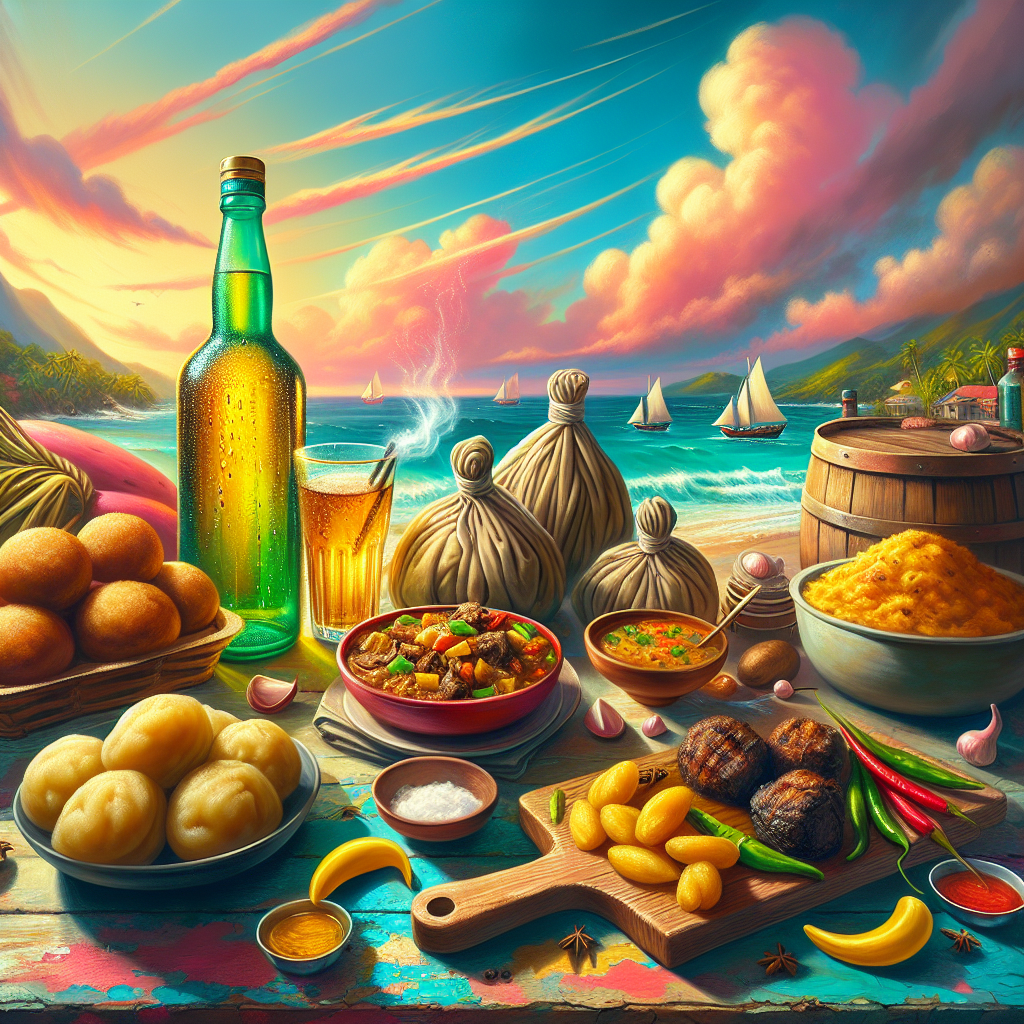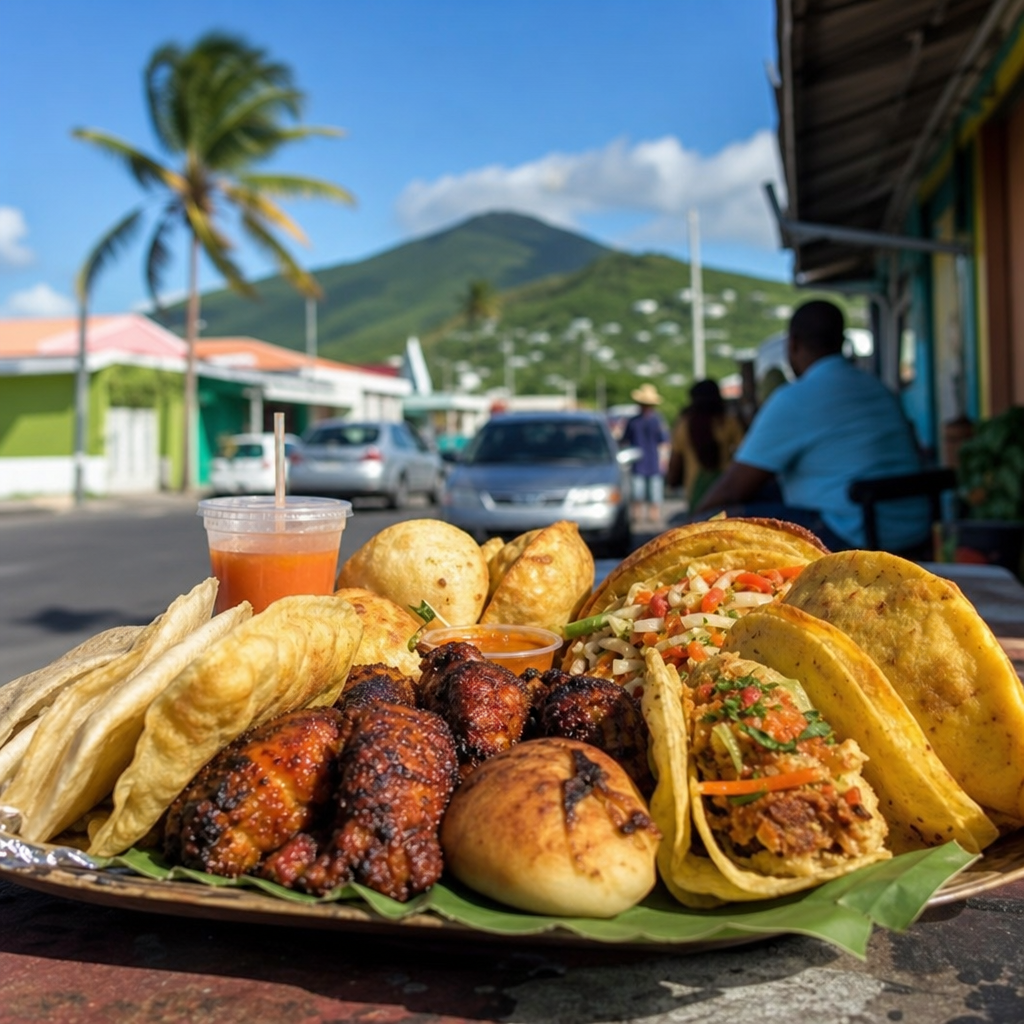
Nevis rewards curious eaters with street food that is deeply local, surprisingly varied, and tied to the island’s fishing grounds, farms, festivals, and family kitchens. For travelers building a local cuisine and dining itinerary, a foodie’s guide to must-try street foods in Nevis works best as a hub: it explains what counts as street food on this small Caribbean island, where you are most likely to find it, which dishes deserve priority, and how each bite connects to Nevisian culture. Street food in Nevis rarely means endless city blocks of vendors. It usually appears at roadside grills, village pop-ups, beach shacks, weekend cookouts, market-day tables, and event stalls around Charlestown, Pinney’s Beach, Cotton Ground, Gingerland, and ferry-adjacent areas. That distinction matters because timing, place, and local knowledge shape the experience as much as the food itself. If you understand the rhythm of the island, you eat better.
The core of Nevis street food is straightforward: fresh seafood, slow-cooked meats, starches such as johnny cakes and provisions, tropical fruit, and sauces built on pepper, herbs, and seasoning blends. You will also encounter dishes shared across St. Kitts and Nevis, along with recipes that reflect African, British, Indian, and wider Caribbean influence. Goat water, saltfish, conch, lobster, grilled snapper, tamarind balls, sugar cake, coconut treats, and fresh juices all belong on the list. Some are sold daily, others show up mainly on weekends or during celebrations like Culturama. From my experience planning Caribbean food content and interviewing cooks across small-island destinations, Nevis stands out because vendors tend to keep menus short and execution strong. They sell what is fresh, what is traditional, and what local customers actually return for. That makes this guide practical for first-time visitors and useful as a reference point for deeper articles on individual dishes, markets, drinks, desserts, and dining neighborhoods.
What Street Food Means in Nevis
Street food in Nevis is best defined by accessibility and informality rather than by a single type of stall. On a larger island, travelers may expect dense night markets or dozens of carts on one avenue. Nevis operates differently. Vendors often work from roadside barbecue setups, beachside counters, coolers filled with drinks, temporary festival booths, and modest takeaway kitchens with a few outdoor seats. Food is cooked in visible batches, sold quickly, and eaten casually, whether on the beach, in a parked car, on a bench in Charlestown, or at a community event. If you are asking, “Is Nevis street food easy to find?” the accurate answer is yes, but you need to know where locals gather and when vendors are active.
Weekend evenings are especially productive for finding grilled seafood and barbecue, while daytime hours can be better for baked goods, patties, and fresh juices. Pinney’s Beach often delivers the most visitor-friendly experience because several casual operators cluster there, yet some of the most memorable food comes from less polished roadside spots in villages where the menu may only list a handful of items. In practical terms, cash is useful, portions can be generous, and availability changes with weather, fishing conditions, and supply. That variability is not a flaw. It is one of the clearest signs that the island’s casual food scene remains linked to local ingredients instead of standardized tourist demand.
Must-Try Savory Dishes for First-Time Visitors
If you only have a short stay, start with the savory staples that explain Nevisian flavor most clearly. Grilled lobster, when in season, is the headline item many visitors remember, usually split and cooked with butter, garlic, and seasoning over open flame. Fresh snapper or mahi-mahi may appear similarly prepared, often served with rice and peas, salad, or provisions. Conch is another classic, sometimes curried, stewed, or made into fritters. Saltfish appears at breakfast and lunch in combinations with coconut dumplings, ground provisions, or sautéed vegetables. Goat water, the famous Eastern Caribbean stew despite its soup-like texture, is rich with goat meat, bread, herbs, cloves, and warming spice. It is filling, local, and worth seeking out even in hot weather.
Johnny cakes deserve special attention because they are one of the easiest and most satisfying street-side additions. These fried rounds of dough pair well with saltfish, barbecue, or cheese, and they travel well for beach days. Chicken and pork barbecue are common crowd-pleasers, usually marinated with green seasoning and cooked low enough to develop char without drying out. On some menus, you may find stewed chicken, curried mutton, or pelau-style rice dishes that blur the line between street food and home cooking. That overlap is part of the appeal. In Nevis, the best casual meals often taste like they came from a family gathering, not a commercial food court. Ask what sold fastest that day. The answer usually points to the most reliable choice.
Seafood Favorites and When to Order Them
Seafood is central to any serious street food guide to Nevis because the island’s best casual eating often follows the catch. Spiny lobster is a standout, but travelers should remember that seasonality matters. Closed seasons exist to protect stocks, and responsible vendors respect them. When lobster is unavailable, grilled fish can be even better value. Snapper, mahi-mahi, tuna, and wahoo are common names to watch for, with preparation typically kept simple so freshness leads the plate. Conch availability also fluctuates, and texture depends heavily on proper tenderizing and cooking time. Done well, it is delicate and slightly sweet; done poorly, it turns rubbery.
Beach areas and weekend grills are the likeliest places to find seafood in its strongest form, especially later in the day when charcoal fires are active. Ask whether the fish was caught that morning and whether the sauce is spicy before ordering. Pepper sauces in Nevis can range from mild fruit-forward heat to sharp Scotch bonnet intensity. One practical tip from repeated Caribbean food research: watch what local families are ordering in volume. If several tables are sharing grilled fish platters or lobster dinners, that vendor has probably earned trust through consistency. Seafood also pairs naturally with island drinks such as sorrel, ginger beer, or fresh juices, which cut richness and balance spice without overwhelming the meal.
Snacks, Sweets, and Drinks Worth Seeking Out
Not every must-try item in Nevis is a full plate. Some of the island’s most memorable street foods are handheld snacks, sweets, and drinks sold from simple tables or takeaway counters. Patties are a common quick bite, with fillings that may include beef, chicken, saltfish, or vegetables wrapped in a flaky pastry. Tamarind balls combine tamarind pulp, sugar, and spice into a sticky, tangy snack that captures the sweet-sour side of Caribbean flavor. Sugar cake, usually made with coconut and sugar, can be dense, crumbly, and intensely sweet. Coconut drops, peanut cakes, and fudge-style local candies are also worth buying in small quantities if you want a tasting tour of traditional treats.
Fresh fruit and juice deserve equal billing. Depending on season, vendors may offer mango, pineapple, watermelon, guava, passion fruit, soursop, tamarind, or local blends. Fresh coconut water is especially useful after a hot beach afternoon. Homemade ginger beer, sea moss drinks, and sorrel provide more character than standard soft drinks and connect directly to island food traditions. These beverages are not just refreshments; they help define the casual eating culture of Nevis by showing how vendors use local produce and inherited recipes. If your goal is to understand local cuisine beyond restaurant menus, buying a juice, a tamarind ball, and a coconut sweet from a roadside stand can be as revealing as ordering a formal dinner.
Where to Find the Best Street Food Atmosphere
For most visitors, the easiest starting points are Charlestown for daytime roaming and Pinney’s Beach for relaxed evening eating. Charlestown can offer snack stops, bakery items, takeaway lunches, and event-based vendors around busy streets, ferry traffic, and public gathering points. Pinney’s Beach is more scenic and more obviously leisure-oriented, with grilled seafood, rum punches, and barbecue in a setting that encourages lingering. Cotton Ground and Gingerland can reward travelers who want a more local neighborhood feel, especially when cookouts or community events are underway. Festival periods create the highest concentration of stalls, and that is when the variety of Nevis street food becomes easiest to understand in one place.
Because this article serves as a hub under local cuisine and dining, it helps to think of the island in eating zones rather than isolated vendors. Beach zones favor seafood and drinks. Town zones favor quick lunches, pastries, and sweets. Event zones showcase the broadest range, including dishes you may not spot every day. Hotel areas can introduce newcomers gently, but independent roadside stops often deliver stronger local flavor and better value. The best approach is to combine both. Use a beach shack for grilled fish, a town bakery for johnny cakes or patties, and a festival or weekend pop-up for specialties like goat water. That three-part strategy covers Nevis more effectively than chasing one “best” stall.
Street Food Cheat Sheet for Planning Your Tastings
| Item | What It Is | Best Time to Look | What to Pair It With |
|---|---|---|---|
| Grilled lobster | Split Caribbean spiny lobster cooked over flame | Weekend evenings, in season | Sorrel or fresh juice |
| Grilled snapper | Fresh whole or filleted fish with local seasoning | Lunch or dinner near beaches | Rice and peas, salad |
| Goat water | Hearty goat stew with bread and spice | Events, cookouts, special menus | Johnny cake or local bread |
| Conch fritters | Seasoned battered conch, fried crisp | Late afternoon, beach vendors | Pepper sauce, lime |
| Saltfish and johnny cakes | Salt cod with fried dough rounds | Breakfast to early lunch | Fresh fruit juice |
| Tamarind balls | Sweet-sour tamarind snack | Daytime stalls, markets, events | Ginger beer |
How to Order Well and Eat Like a Respectful Traveler
Eating well from Nevis street vendors is not complicated, but a few habits improve the experience. First, ask what is fresh and what is local instead of insisting on a fixed dish. If the cook says the snapper just came in or the conch sold out early, that information is valuable. Second, be flexible with timing. A vendor might not be fully ready at the hour listed online, and a favorite item can disappear before sunset. Third, carry small cash and confirm whether sides are included, since portion styles vary. Fourth, treat heat levels seriously. Pepper sauce may be homemade and potent, so request it on the side if unsure.
Respect also matters. On a small island, street food scenes are community spaces before they are visitor attractions. Patience, greeting the vendor, and waiting your turn go a long way. Avoid judging a place by simple décor; focus on turnover, cleanliness, food handling, and whether locals are buying. The same standards food professionals use anywhere still apply: hot food should be served hot, seafood should smell fresh rather than fishy, and cooked items should not sit unrefrigerated for long periods. Most vendors who maintain loyal local followings understand these basics well. Travelers who approach Nevis with curiosity instead of checklist tourism usually end up eating more authentically and remembering far more than a single Instagram-friendly plate.
Nevis street food is worth seeking out because it compresses the island’s identity into affordable, vivid meals: the sea in a grilled lobster tail, the farming tradition in provisions and herbs, the communal spirit in a pot of goat water, and the tropical landscape in tamarind, coconut, and fresh juice. For anyone exploring local cuisine and dining, this hub article provides the practical foundation. Start with seafood if it is in season, add one heritage dish such as goat water or saltfish, leave room for a sweet, and use beach spots, town takeaways, and event stalls to see the full range. That approach gives first-time visitors both variety and cultural context.
The main benefit of following this guide is simple: you stop eating at random and start eating with purpose. You will recognize the difference between everyday staples and special-occasion dishes, know why timing matters, and understand where casual food fits into the wider culinary life of Nevis. From here, build your own tasting trail with deeper guides on seafood shacks, breakfast favorites, traditional sweets, festival foods, and the best places for local drinks. Save this page as your starting map, then ask a vendor one direct question when you arrive: “What should I not miss today?”
Frequently Asked Questions
What counts as street food in Nevis, and how is it different from formal dining?
In Nevis, street food is less about large rows of carts and more about the island’s everyday, informal food culture. On a small Caribbean island like Nevis, street food often comes from roadside grills, beach shacks, market-day vendors, pop-up stalls during festivals, and family-run spots serving food directly from a window, tent, or simple outdoor setup. It is food made for immediacy: grilled seafood, fried snacks, rotis, hearty local plates, and sweet treats that reflect what is fresh, available, and rooted in community traditions.
What makes Nevisian street food distinct from formal dining is the closeness to local life. You are often eating recipes shaped by home cooks, fisherfolk, and vendors who have been preparing the same dishes for years. The flavors tend to be bold, practical, and deeply regional, with seasonings, frying methods, and marinades that speak to Afro-Caribbean heritage and island resourcefulness. While restaurants may refine these flavors for a plated setting, street food gives you a more direct taste of how Nevisians actually snack, celebrate, and eat on the go.
It is also important to understand that in Nevis, “street food” can overlap with casual local dining. A plate of goat water, a fresh fish lunch from a roadside stop, or a piece of johnny cake bought near the beach may all fit the category because the spirit is the same: accessible, local, affordable, and tied to daily rhythms rather than a formal restaurant experience. For travelers planning a local cuisine itinerary, that means keeping an open mind. The best street food in Nevis may not always look like a classic urban street-food scene. Instead, it appears in the places where island life naturally gathers.
Which street foods should first-time visitors in Nevis make a priority?
First-time visitors should focus on a mix of seafood, traditional comfort foods, and snack-style staples that capture the island’s flavor profile. Fresh grilled or fried fish should be high on the list, especially when served with local sides. Because Nevis is closely connected to its fishing grounds, seafood often arrives with a freshness that defines the meal. Simple preparation is part of the appeal: well-seasoned fish, cooked over flame or fried until crisp, then paired with plantains, rice, salad, or other island staples.
Conch is another priority if it is available, whether in fritters, stews, or other casual preparations. It is a classic Caribbean ingredient and a strong example of how Nevisian street food draws from the sea. Johnny cakes are also worth seeking out. These fried breads are versatile, satisfying, and often eaten as a snack or alongside savory dishes. They represent the kind of practical, filling food that has long been part of everyday island eating.
Travelers should also look for roti, which reflects broader Caribbean culinary exchange while still feeling perfectly at home in Nevis. A good roti can be packed with curried meat or vegetables and makes an excellent portable meal. For a deeper taste of local tradition, goat water is a must-try. Despite the name, it is not a thin soup but a rich, seasoned stew with major cultural significance in Nevis. If you find it being served at a local event, roadside spot, or casual eatery, it deserves your attention.
Finally, leave room for fried snacks and sweets sold in informal settings. These smaller bites may include patties, fritters, tamarind-based treats, coconut sweets, or seasonal specialties. They may not always receive the same attention as full meals, but they are essential to understanding the island’s street-food culture because they reveal how Nevisians snack, share, and celebrate flavor in everyday moments.
Where are the best places to find authentic street food in Nevis?
The best places to find authentic street food in Nevis are usually the places where local routines and social life naturally intersect. Charlestown, the island’s capital, is a smart place to begin because it brings together markets, everyday commerce, and a steady local presence. Around town, travelers may find small vendors, takeaway counters, and casual food spots serving traditional dishes that are designed for workers, residents, and people moving through the day. These are often the kinds of places where the food is made for local tastes first, which is exactly what many travelers want.
Roadside grills and beach areas are also important. Some of the most memorable food in Nevis comes from modest setups near the coast or along well-traveled roads, where grilled fish, lobster in season, conch, and fried items are cooked fresh and served without much ceremony. These locations can be ideal because they connect the meal directly to the island’s landscape. Eating seafood within view of the water adds context that a more formal dining room cannot replicate.
Festival days, community events, and weekend gatherings are especially valuable for food-focused travelers. This is when you may find the widest range of traditional dishes in one place, including foods that are prepared in larger batches for sharing and celebration. Goat water, barbecue, local drinks, and homemade desserts are often easier to encounter during these social occasions. In a destination like Nevis, where food culture is deeply tied to community, events can reveal as much about the cuisine as any dedicated food stop.
A practical tip is to ask residents, guesthouse hosts, taxi drivers, or small business owners where they personally go for fish, roti, or local lunches. In Nevis, recommendations are often more useful than rigid “best of” lists because the strongest street-food experiences can be informal, seasonal, or day-specific. Authenticity here is usually found through timing, conversation, and a willingness to follow local advice rather than only looking for obvious tourist signage.
How does Nevisian street food reflect the island’s culture, history, and local ingredients?
Nevisian street food reflects the island’s culture by bringing together the ingredients, techniques, and social customs that have shaped everyday life for generations. The island’s fishing grounds influence what appears on plates and in paper trays, which is why fish, conch, and other seafood are so central. At the same time, farms and kitchen gardens contribute produce, herbs, root vegetables, and fruits that support the broader flavor structure of local meals. Street food in Nevis is therefore not random convenience food; it is a direct expression of what the island can grow, catch, season, and share.
Historically, many of these dishes also speak to Caribbean resilience and culinary creativity. Fried breads, stews, grilled meats, and one-pot dishes often emerged from practical cooking traditions that made the most of available ingredients while delivering nourishment and flavor. Recipes were passed through families, adapted to changing circumstances, and preserved through community gatherings, holidays, and festivals. When travelers eat something like goat water or a simple fried snack from a local vendor, they are tasting food shaped by memory as much as by technique.
The street-food scene also reflects Nevis’s social character. Food is not only about eating; it is about conversation, local pride, and informal hospitality. Vendors may describe how something is seasoned, tell you which catch came in fresh, or explain which dishes are associated with celebrations. That interaction matters. It turns a quick meal into a cultural exchange and helps travelers understand that Nevisian cuisine is best appreciated in context, not just as a checklist of dishes.
Even the variety found in casual food settings says something meaningful about the island. You may notice African influences, wider Caribbean connections, colonial-era legacies, and practical island adaptations all existing side by side. Rotis, stews, seafood plates, fried pastries, and sweet snacks together tell the story of a cuisine that is local yet connected, traditional yet flexible. For anyone using a foodie’s guide to build a dining itinerary, this is the key insight: street food in Nevis is one of the clearest windows into the island’s identity.
What should travelers know before trying street food in Nevis?
Travelers should approach street food in Nevis with curiosity, flexibility, and an understanding that the island’s best casual food experiences may feel unpolished in appearance but exceptional in flavor. Freshness is one of the biggest advantages, especially with seafood, so it is wise to favor vendors who appear busy, cook to order, or have a steady local following. A line of residents is often one of the best signs that you are in the right place. On a small island, reputation travels quickly, and trusted vendors tend to earn loyal repeat customers.
It also helps to be flexible about timing and availability. Certain dishes are seasonal, some items sell out, and the strongest options may appear only on particular days or during events. Street food in Nevis is not always structured around fixed menus and all-day service. That is part of its appeal. The food often reflects what has been caught, prepared, or planned for that day. Travelers who stay open to what is available instead of insisting on a strict checklist usually have the most rewarding experiences.
Cash can be useful for small purchases, and simple etiquette goes a long way. Be patient, greet vendors politely, and ask questions if you are unsure what something is. Most people appreciate genuine interest, especially when visitors are trying to understand local food traditions rather than just rushing through a transaction