Gourmet dining in Saint Kitts blends Caribbean abundance, colonial history, and contemporary technique into a food scene that consistently surprises travelers who expect only beach bars and resort buffets. On this island, gourmet does not simply mean expensive plates or formal service; it means thoughtful sourcing, skilled preparation, and menus that turn local seafood, tropical fruit, herbs, rum, and regional traditions into memorable meals. I have planned dining itineraries across Saint Kitts for clients, chefs, and writers, and the pattern is always the same: people arrive looking for a few nice dinners and leave talking about breadfruit purée, grilled lobster, tamarind glazes, and the way a sunset terrace can transform a meal into an experience. That matters because dining is one of the clearest ways to understand the island itself. Restaurants reflect the rhythms of Basseterre, the agricultural character of the countryside, the influence of neighboring islands, and the expectations of an international visitor base. For anyone researching local cuisine and dining, Saint Kitts offers a practical case study in how a small destination can deliver variety, quality, and a strong sense of place at the same time.
The island’s gourmet scene is also broader than many first-time visitors realize. It includes elegant resort restaurants, chef-driven independents, polished beach venues, historic plantation settings, wine-focused dining rooms, and informal places where exceptional cooking matters more than dress codes. Key terms help frame the landscape. Fine dining usually refers to higher service standards, curated wine lists, and multi-course meals. Farm-to-table in Saint Kitts often means direct relationships with fishermen, kitchen gardens, and small local growers rather than large certified networks. Caribbean fusion generally describes dishes that combine local ingredients with French, British, Mediterranean, Indian, or pan-American techniques. Understanding those categories makes it easier to choose where to eat and what to expect. This hub article covers the essential pieces: ingredients, restaurant formats, signature dishes, dining etiquette, pricing, planning strategy, and the experiences that connect gourmet dining to the wider story of local cuisine. Whether you are building a romantic itinerary, comparing restaurants near Frigate Bay, or deciding how many special-occasion dinners to schedule, this guide gives you the structure needed to explore Saint Kitts with confidence.
The ingredients that define gourmet dining in Saint Kitts
The foundation of gourmet dining in Saint Kitts is ingredient quality. The island benefits from access to spiny lobster, snapper, mahi-mahi, tuna, conch when available, and seasonal shellfish, along with tropical produce such as mango, papaya, coconut, plantain, pumpkin, breadfruit, cassava, sorrel, and christophene. In stronger kitchens, these ingredients are not treated as decorative markers of “island flavor.” They are handled with the same discipline you would expect in any serious dining destination: seafood served close to landing time, reductions built from shell stocks, fruit balanced with acid and spice, and starches used to create structure on the plate rather than filler on the side. Many chefs also rely on herbs like thyme, chive, scallion, cilantro, and basil grown on-island, giving dishes freshness that imported produce rarely matches.
Local seasonality matters more than many menus admit. A restaurant may print grilled catch of the day because it allows flexibility based on morning supply, not because the kitchen lacks direction. I have seen the best chefs in Saint Kitts change accompaniments quickly after a delivery arrives lighter than expected or when a particular mango crop reaches peak sweetness. That adaptability is a strength. It keeps menus grounded in what the island can actually provide. Imported beef, lamb, specialty cheeses, and wines still play an important role in upscale restaurants, especially in resort settings, but the meals that most clearly belong to Saint Kitts are those that start with local fish, Caribbean vegetables, and sauces built around citrus, ginger, pepper, rum, or tamarind. When visitors ask what makes Saint Kitts gourmet dining distinct, the most accurate answer is this combination of international standards and island-driven ingredient logic.
Where to eat: the main gourmet dining settings
Saint Kitts offers several dining environments, each with a different appeal. Resort restaurants usually provide the most polished service, broader wine programs, and predictable reservation systems. These are strong choices for milestone dinners, business travel, and guests who value consistency. Plantation inns and heritage properties often deliver the island’s most atmospheric meals, pairing restored architecture with menus that nod to colonial and Creole history. Beachfront restaurants tend to lean more relaxed in tone, but some operate with genuinely ambitious kitchens and deserve to be taken seriously as gourmet destinations. In Basseterre and surrounding areas, independent restaurants may have smaller teams and shorter menus, yet they often show the clearest chef identity.
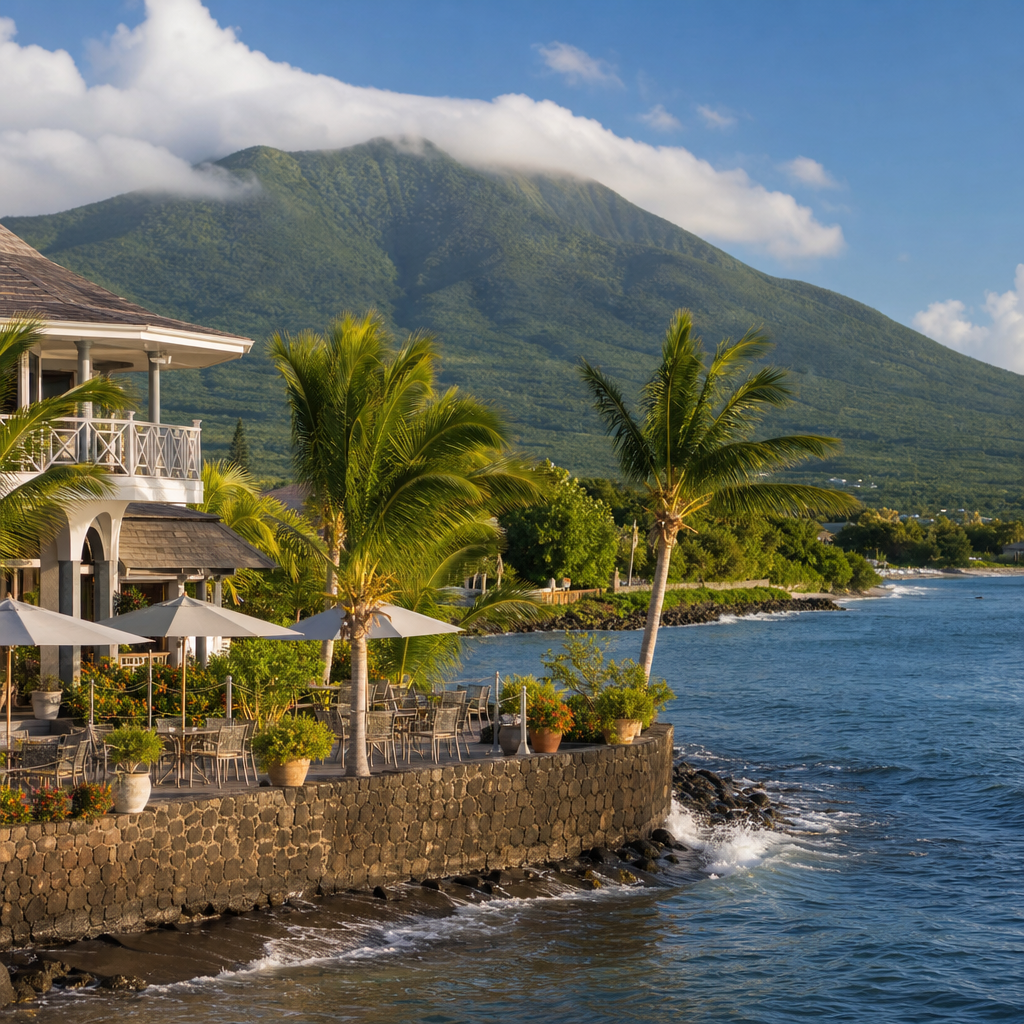
The right setting depends on the kind of evening you want. For example, a traveler celebrating an anniversary may prioritize candlelight, cellar depth, and a multi-course progression, while a food-focused visitor may prefer a chef’s special built around fresh wahoo and local greens in a less formal room. The most successful itineraries usually mix formats. I often recommend one plantation dinner for atmosphere, one resort meal for refined execution, and one independent or beachfront restaurant where the menu captures current island flavor. That approach prevents the common mistake of treating all upscale Caribbean dining as interchangeable. In Saint Kitts, place shapes the experience: sea breeze affects comfort, road access affects timing, and views of the Caribbean or neighboring Nevis can become part of the meal itself. A smart plan treats restaurant selection as both culinary research and destination design.
| Dining setting | Best for | Typical strengths | Potential limitation |
|---|---|---|---|
| Resort restaurant | Special occasions, dependable service | Wine lists, polished pacing, broad menus | Can feel less locally rooted |
| Plantation or heritage venue | Atmosphere, history, romantic dinners | Memorable setting, regional storytelling | Usually higher pricing and limited seating |
| Beachfront gourmet spot | Sunset dining, relaxed elegance | Fresh seafood, scenic value, flexible dress | Weather and wind can affect comfort |
| Independent chef-driven restaurant | Distinctive menus, local character | Creative dishes, direct chef influence | Shorter hours or fewer reservation slots |
Signature dishes and what to order
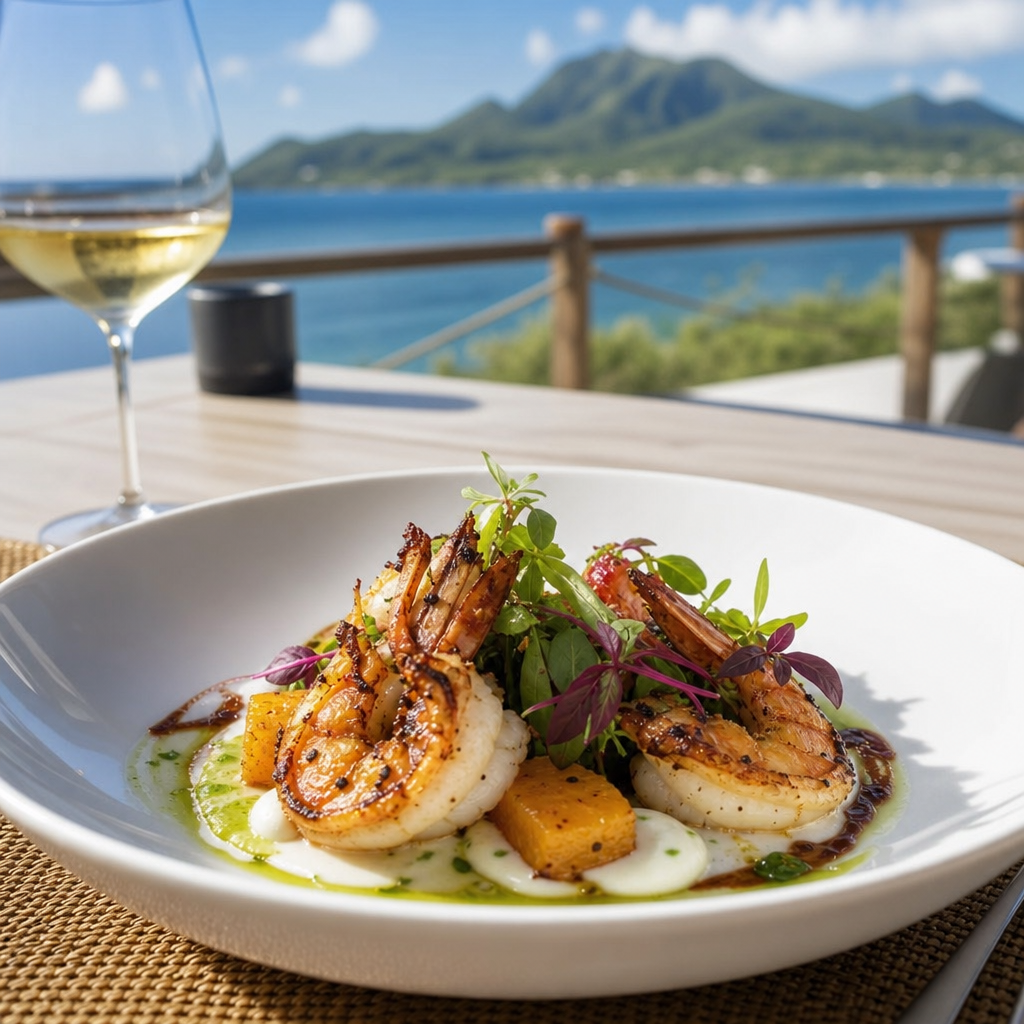
If you want to understand gourmet dining in Saint Kitts, start with dishes that reveal how chefs elevate familiar island ingredients. Lobster is an obvious example. In weaker kitchens it arrives overcooked with drawn butter; in better ones it may be charcoal grilled and finished with citrus-herb oil, paired with roasted breadfruit, or folded into a light curry sauce that respects the shellfish rather than burying it. Fish preparations also show kitchen discipline quickly. A properly seared mahi-mahi with crisp skin, restrained seasoning, and a velouté or beurre blanc adapted to Caribbean aromatics says more about a restaurant than an oversized menu ever could. Snapper, tuna, and wahoo often perform especially well when paired with mango salsa, pickled vegetables, coconut broth, or callaloo.
Beyond seafood, look for plates that reinterpret regional staples. Goat water, one of Saint Kitts and Nevis’s best-known traditional dishes, may appear in a refined format as a reduced braise with root vegetable purée rather than as the rustic stew served at community events. Saltfish can show up in appetizers, fritters, or composed brunch plates. Plantain may be prepared as chips, mash, croquettes, or caramelized garnish. Desserts deserve more attention than they usually get from visitors. Strong pastry programs use guava, coconut, passion fruit, tamarind, local chocolate influences, and spiced rum in ways that feel place-specific rather than generic. When I review a menu in Saint Kitts, I look for evidence that the chef understands contrast: rich fish against sharp fruit, earthy roots against bright herbs, sweetness cut by lime or bitters. Those pairings separate destination dining from simple resort convenience.
How Saint Kitts balances local cuisine with international technique
The most interesting restaurants in Saint Kitts do not imitate Europe or North America; they translate island ingredients through globally recognized culinary methods. You will see French mother-sauce logic, Italian attention to texture, and contemporary plating applied to Caribbean products. That is not dilution. It is the mechanism that allows local cuisine to enter the gourmet category while remaining intelligible to international diners. A chef might confit a local protein, build a stock-based sauce from fish bones, serve cassava in gnocchi form, or use sous-vide timing to preserve moisture before finishing over live fire. The result can still be unmistakably Kittitian if the flavor structure stays rooted in the island.
This balance matters because visitors often bring conflicting expectations. Some want authenticity and reject anything that looks “too modern.” Others want sophistication and overlook dishes that sound traditional. In practice, the best gourmet dining in Saint Kitts satisfies both camps. A curry can be deeply local and technically precise. A rum glaze can be both familiar and elegantly restrained. A tasting menu can reference roadside flavors without becoming gimmicky. I have found that kitchens succeed when they avoid performance versions of Caribbean food and focus instead on concentration, freshness, and proportion. Diners should expect to see imported techniques and equipment, but the final measure is whether the plate could belong anywhere else. If the answer is no, the restaurant is doing meaningful work.
Planning reservations, budgets, and the ideal dining itinerary
Practical planning improves the experience significantly. In peak travel periods, especially winter and holiday weeks, top restaurants in Saint Kitts should be reserved well in advance. A seven-day trip usually supports two or three gourmet dinners without dining fatigue, particularly if lunches include beach shacks, casual Creole spots, or hotel terrace meals. Budgeting is also important. Upscale dining on the island often reflects import costs, resort overhead, and limited scale. Expect premium pricing for wine, beef, and specialty ingredients. By contrast, local seafood dishes can offer stronger value when a restaurant buys well and designs the menu around current supply.
Transportation deserves equal attention. Some excellent restaurants are not walkable from major hotel clusters, and taxis should be arranged ahead if you plan to enjoy wine pairings or cocktails. Dress codes vary, but smart casual works in most high-end venues unless a property specifies otherwise. I advise travelers to confirm opening days, as some restaurants close on certain weekdays or shift hours in shoulder season. For a strong culinary itinerary, pair one sunset seafood dinner on the coast, one heritage-property meal focused on atmosphere and regional storytelling, and one chef-driven dinner where the specials board is likely to outperform the printed menu. That combination gives you scenic contrast, culinary contrast, and a fuller picture of what gourmet dining in Saint Kitts actually means beyond marketing language.
Wine, rum, service standards, and what elevates the full experience
Gourmet dining is never just about food. Beverage programs and service culture shape whether a meal feels complete. Because Saint Kitts is a small island market, wine lists are naturally narrower than those in large cities, yet the better restaurants compensate with smart curation. Look for versatile whites such as Sauvignon Blanc, Pinot Grigio, and unoaked Chardonnay for seafood, plus lighter reds and rosés suited to warm weather. Sparkling wine often works especially well with fried starters, lobster, and salty coastal dishes. Rum, however, is where the regional personality becomes more evident. A thoughtful bar program may include aged Caribbean rums, rum-forward cocktails with fresh juices, and dessert pairings that avoid excessive sweetness.
Service standards vary across the island, but top venues usually excel in warmth, menu guidance, and pacing. The best staff understand both the ingredients and the practical realities of dining in a tropical setting, from suggesting shaded seating before sunset to timing courses around live music or weather shifts. That kind of situational awareness is a mark of maturity in a restaurant team. It also builds trust for visitors with dietary restrictions, which should be discussed at booking whenever possible because import availability can affect substitutions. In my experience, the strongest service in Saint Kitts feels confident without being rehearsed. Servers know the catch, know the sauces, and know when to let the setting do part of the work. For travelers evaluating where to spend on a premium dinner, that seamless coordination is often the deciding factor.
Why this hub matters for exploring Saint Kitts dining more deeply
Gourmet dining in Saint Kitts is best understood as the top layer of a wider food culture, not an isolated luxury category. The island’s finest meals draw meaning from markets, fishing routines, traditional recipes, roadside cooking, and the agricultural legacy that still shapes local taste. That is why this hub matters within the broader local cuisine and dining topic. It gives travelers a framework for connecting upscale restaurants to the everyday flavors beneath them. When you know how goat water, saltfish, breadfruit, rum, tropical fruit, and fresh catch function in Kittitian food, high-end menus become easier to read and appreciate. You can spot when a chef is honoring local tradition, when a restaurant is relying too heavily on imported ideas, and when a special dish truly reflects Saint Kitts.
The key takeaway is simple: plan your meals with the same care you give beaches, excursions, and hotels. Choose restaurants based on ingredients, setting, chef perspective, and service quality, not just online photos. Reserve early, ask about seasonal specialties, and leave room in your itinerary for both polished dining rooms and less formal places doing excellent work. Saint Kitts rewards curious diners who want more than generic resort fare. Use this article as your starting point, then build outward into neighborhood guides, cuisine-specific features, and restaurant roundups that explore the island in finer detail. If you are mapping a trip now, shortlist three standout dinners and let Saint Kitts tell its story course by course.
Frequently Asked Questions
What makes gourmet dining in Saint Kitts different from a typical Caribbean resort food experience?
Gourmet dining in Saint Kitts stands apart because it is rooted in the island’s agricultural richness, fishing culture, and layered history rather than relying only on standardized resort menus. While many travelers arrive expecting casual grills, beach cocktails, and buffet-style dining, they often discover restaurants that treat local ingredients with real culinary precision. Chefs on the island frequently build menus around freshly caught fish, lobster when in season, tropical fruits, island-grown herbs, root vegetables, cane-derived spirits, and regional spices. The result is cuisine that feels distinctly Kittitian while also reflecting broader Caribbean, British colonial, African, and contemporary international influences.
Another key difference is the way fine dining here often balances refinement with a relaxed sense of place. In Saint Kitts, gourmet does not have to mean stiff formality. It may look like expertly seared seafood served with tamarind reduction, breadfruit purée, and seasonal greens in an elegant open-air setting overlooking the sea. It may also mean a chef-driven tasting menu that elevates traditional flavors without losing their identity. That blend of polished technique and island authenticity is what makes the gourmet scene memorable. Visitors are not simply paying for luxury; they are experiencing a culinary interpretation of Saint Kitts itself.
What kinds of local ingredients and signature flavors should travelers expect on gourmet menus in Saint Kitts?
Travelers can expect gourmet menus in Saint Kitts to showcase a vibrant mix of land and sea. Fresh seafood is one of the defining pillars, including snapper, mahi-mahi, tuna, lobster, conch, and shellfish depending on season and availability. Many upscale restaurants take pride in sourcing from local fishermen, which means preparation often follows the catch rather than forcing ingredients into a fixed menu. This freshness gives chefs the freedom to use lighter sauces, citrus accents, herb marinades, and clean presentations that let the natural quality of the seafood come through.
Beyond seafood, the island’s tropical produce plays a major role in refined dishes. Expect mango, papaya, coconut, guava, tamarind, passion fruit, plantain, breadfruit, pumpkin, yams, and leafy greens to appear in both savory and sweet applications. These ingredients may be used in chutneys, coulis, purées, relishes, roasted sides, or desserts that feel tropical without becoming overly heavy. Saint Kitts also has a strong rum tradition, so it is common to see rum reductions, rum-glazed meats, and rum-forward desserts on more sophisticated menus. Seasonings often include ginger, thyme, scallion, Scotch bonnet, nutmeg, and allspice, though in gourmet settings those flavors are usually handled with nuance rather than overwhelming heat. Altogether, the flavor profile is colorful, fresh, aromatic, and deeply connected to the island’s identity.
Are there upscale restaurants in Saint Kitts that also reflect authentic local culture?
Yes, and that is one of the most appealing aspects of dining well in Saint Kitts. The best upscale restaurants do not separate fine dining from local character; they combine them. Authenticity on the island is not limited to roadside stands or traditional home cooking, although those are valuable parts of the culinary landscape. In higher-end restaurants, authenticity often appears through ingredient sourcing, reinterpretation of local recipes, and a dining atmosphere that still feels connected to the island’s pace, scenery, and hospitality.
For example, a restaurant may serve a polished version of a Caribbean fish preparation with modern plating, but the flavors still draw from recognizable regional traditions. A dessert might take inspiration from coconut tarts, rum cake, or tropical preserves while using fine pastry technique. Even the setting can contribute to the authenticity, whether it is a restored colonial property, a hillside dining room with views of the Caribbean, or a waterfront terrace that emphasizes the island’s natural beauty. Travelers looking for a true culinary adventure should not think of authenticity and sophistication as opposites in Saint Kitts. In many cases, the most impressive meals are the ones that honor local culture while presenting it with creativity and technical skill.
How should visitors plan a gourmet dining itinerary in Saint Kitts?
Planning a gourmet dining itinerary in Saint Kitts works best when travelers mix destination meals, seafood-focused dinners, and experiences that highlight different parts of the island. Rather than booking every dinner at the same hotel or resort, it is worth exploring a range of venues, including fine dining restaurants, chef-led coastal spots, and elegant properties with strong wine or cocktail programs. A well-planned itinerary might include one meal centered on elevated Caribbean cuisine, another focused on fresh seafood, and a third that leans more international while still using local ingredients. This variety gives visitors a better understanding of how broad the island’s gourmet scene can be.
Timing also matters. Sunset reservations are especially popular because many of the island’s top restaurants offer scenic views, so booking ahead is a smart move during busier travel periods. Visitors should also ask about seasonal specialties, tasting menus, chef’s features, and local catch availability, since some of the best dishes may not appear on a standard menu every night. If transportation is a factor, grouping restaurants by region can make evenings smoother and more enjoyable. It is also wise to leave room for spontaneity. Some of the best culinary moments in Saint Kitts come from a chef recommendation, a just-landed fish special, or a dessert built around fruit that came into peak ripeness that day. A great itinerary should feel curated, but not rigid.
Is gourmet dining in Saint Kitts only for special occasions, or is it worth prioritizing during a trip?
Gourmet dining in Saint Kitts is absolutely worth prioritizing, even if a trip is not centered on a honeymoon, anniversary, or formal celebration. For many travelers, food becomes one of the clearest ways to understand the island beyond its beaches and scenic views. A thoughtfully prepared meal can reveal the relationships between local agriculture, fishing traditions, colonial influences, and modern Caribbean creativity in a way that sightseeing alone cannot. In that sense, dining well is not just an indulgence; it is part of experiencing the destination more fully.
It is also helpful to remember that gourmet on Saint Kitts can be approachable as well as luxurious. Some restaurants deliver high culinary quality in settings that remain relaxed and welcoming rather than overly formal. That means visitors can enjoy excellent food without feeling as though every meal must be a grand event. For travelers who care about flavor, craftsmanship, and a sense of place, setting aside time and budget for at least a few standout meals is a smart decision. Whether it is a beautifully prepared seafood dinner, a rum-paired dessert, or a chef-driven interpretation of a local classic, those experiences often become highlights of the trip and lasting memories long after the vacation ends.