Opportunities in Nevis’ heritage tourism industry are expanding as travelers seek places with authentic stories, preserved landscapes, and cultural experiences that feel rooted rather than staged. Heritage tourism refers to travel motivated by history, architecture, archaeology, foodways, music, memory, and living traditions. In Nevis, that includes plantation estates, Charlestown’s Georgian streetscape, maritime history, churches, forts, museums, cemeteries, craft practices, and festivals that connect the island’s present economy to its layered past. For investors, entrepreneurs, hoteliers, guides, restaurateurs, and community organizations, heritage tourism offers more than sightseeing revenue. It supports higher visitor spend, extends length of stay, diversifies products beyond beach leisure, and creates reasons for repeat visits. I have worked on destination content and visitor-experience planning in Caribbean markets, and Nevis stands out because its scale is manageable, its story is distinctive, and many heritage assets remain underused rather than overdeveloped. That combination matters. A market with recognized history, strong visual identity, and room for thoughtful product development can attract capital without needing mass tourism volumes. The core opportunity is to turn existing cultural assets into investable, bookable, well-interpreted experiences while protecting the credibility that makes heritage tourism valuable in the first place.
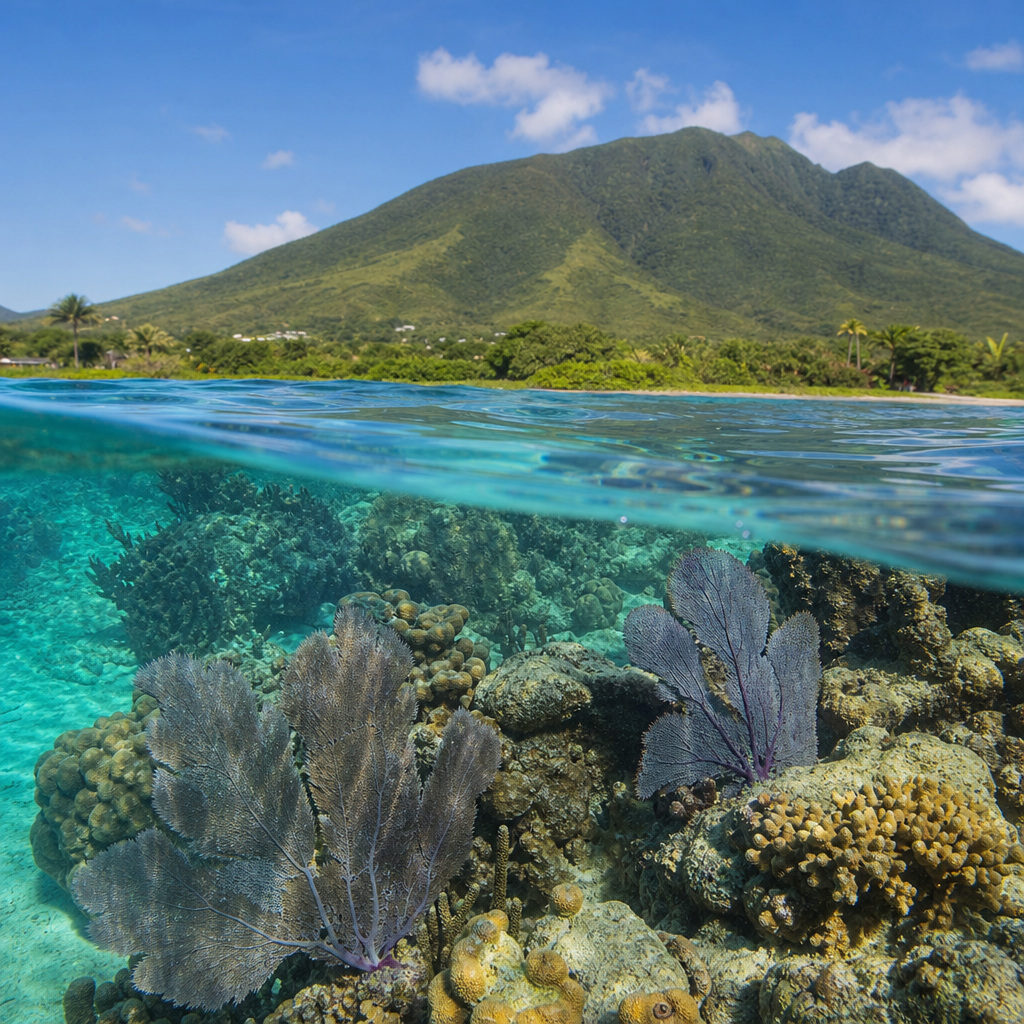
Nevis already has the ingredients serious operators look for. The island is internationally known as the birthplace of Alexander Hamilton, and the Museum of Nevis History gives that claim global reach. Charlestown retains one of the Caribbean’s most coherent historic townscapes, with stone buildings, churches, public squares, and civic structures that anchor walking tours and events. Former plantation sites such as Golden Rock, Montpelier, and other estates show how hospitality can coexist with preservation when adaptive reuse is done well. The broader destination proposition is also unusually strong. Visitors can pair heritage attractions with hiking on Nevis Peak, wellness stays, culinary tourism, sailing, and beach time, creating a blended itinerary that appeals to couples, families, cruise passengers, diaspora travelers, and educational groups. Heritage tourism matters economically because it raises perceived value. A visitor will often pay more for a guided estate tour with lunch, a rum and sugar history experience, or a restoration-led boutique stay than for a generic excursion. It matters socially because preserved buildings, oral histories, and traditional skills keep community identity visible. It matters strategically because destinations that rely too heavily on one segment become fragile. For Nevis, heritage tourism is not a side offering. It is a practical route to stronger margins, wider participation, and more resilient tourism growth.
Why Nevis is well positioned for heritage tourism investment
Nevis has a rare mix of authenticity, accessibility, and underexploited inventory. Unlike destinations where heritage districts have already been fully commercialized, Nevis still offers room to shape products carefully. The island’s compact geography is a business advantage. Investors can create experiences that connect multiple sites in one day without requiring long transfers, which improves guest satisfaction and raises the feasibility of bundled passes, themed itineraries, and private guided services. Air access through nearby regional hubs and ferry links from St. Kitts support both stayover tourism and twin-island itineraries. That matters because heritage products perform best when they can tap more than one visitor stream. In practice, operators in Nevis can market to luxury villa guests, boutique hotel guests, cruise day-trippers arriving via St. Kitts, diaspora visitors, and school or university groups.
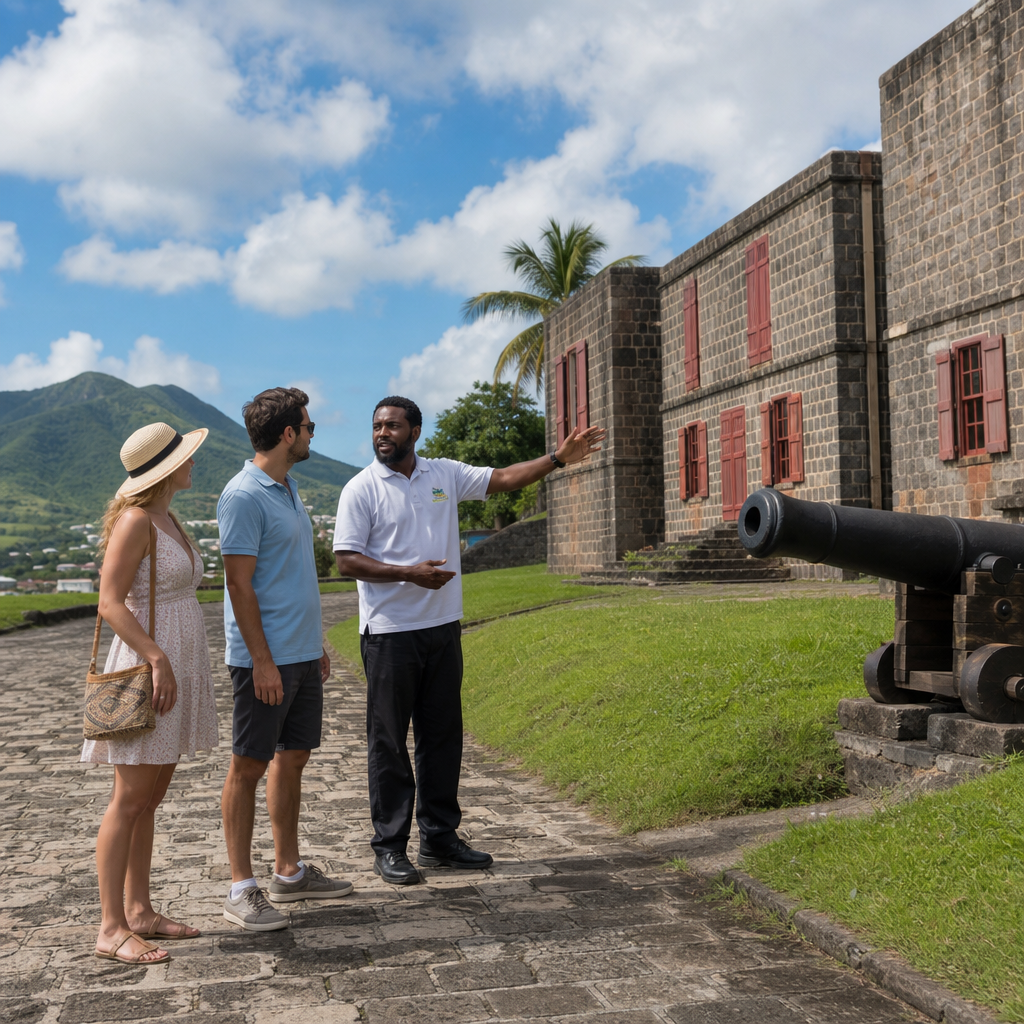
The island’s preservation-friendly scale also supports premium positioning. Heritage tourism does not need mass throughput to generate returns if the product is well designed. A restored great house with eight rooms, interpretation panels, a small museum room, and curated dining can outperform a larger but undifferentiated property on rate and occupancy quality. The same principle applies to tours. A forty-five-minute town walk led by a trained guide who can explain emancipation, architecture, and family histories in plain language commands stronger pricing than a generic bus loop. Investors should also note policy and institutional context. Projects that preserve historic buildings, strengthen local employment, and expand cultural offerings align naturally with destination-development priorities common across the Caribbean. While each project requires site-specific approvals, heritage-led concepts often gain goodwill when they demonstrably protect assets rather than replace them.
High-potential business models across the sector
The best opportunities in Nevis’ heritage tourism industry sit at the intersection of preservation and commercial usability. Boutique accommodation is the clearest example. Converting historic estates, merchant houses, or ancillary plantation buildings into small hotels, inns, event venues, or long-stay residences can create premium inventory with a built-in narrative. Guests consistently respond to original stonework, galleries, antique furnishings, and landscape interpretation when those elements are paired with modern essentials such as climate control, high-quality bedding, strong Wi-Fi, and accessible bathrooms. Another strong model is guided interpretation. There is room for specialized walking tours in Charlestown, cemetery tours, architecture tours, women’s history tours, Hamilton-focused educational experiences, and plantation-to-table food tours that explain sugar, rum, and labor history without romanticizing plantation life.
Cultural programming is another underdeveloped revenue stream. Evening lecture series, heritage dinners, storytelling performances, artisan markets, and seasonal festivals can increase off-peak activity and give hotels reasons to package stays around specific dates. Museums and small interpretation centers can also grow through partnerships with schools, genealogists, and diaspora organizations. One practical niche is ancestry tourism. Families with links to Nevis and the wider Eastern Caribbean increasingly want help tracing names, churches, grave sites, estates, and migration routes. A business that combines archival research assistance, local transport, interviews with community elders, and commemorative experiences can serve an emotionally motivated market with high willingness to spend. Food and beverage concepts have similar upside. A restaurant in a restored property that ties dishes to local agricultural history, Afro-Caribbean culinary traditions, or estate-era ingredients can become both a tourism product and a community asset.
| Opportunity | What it looks like in Nevis | Revenue drivers | Main operational requirement |
|---|---|---|---|
| Boutique heritage lodging | Restored estate house or historic townhouse | Room nights, weddings, private dining, retreats | Conservation-led renovation and premium service |
| Guided heritage tours | Charlestown walks, plantation history routes, church and cemetery circuits | Ticket sales, private groups, hotel commissions | Guide training and strong interpretation |
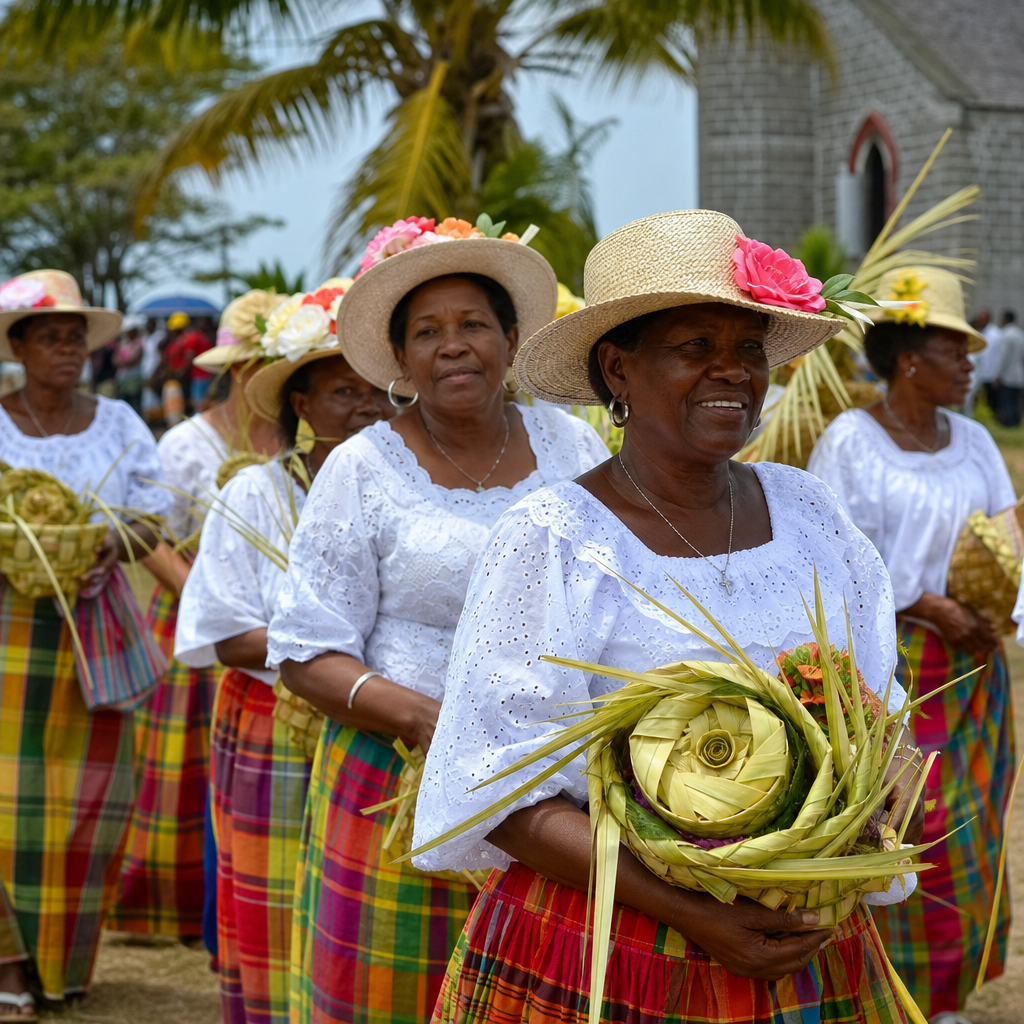
| Living culture experiences | Cooking classes, craft workshops, storytelling evenings | Per-person fees, merchandise, F&B add-ons | Community partnerships and scheduling |
| Ancestry and education tourism | Genealogy trips, school programs, museum-linked packages | Research fees, transport, accommodation bundles | Archive access and tailored planning |
Turning heritage assets into bookable visitor experiences
Owning or leasing a historic site is not enough. The commercial value comes from interpretation, packaging, and frictionless booking. I have seen beautifully restored properties underperform because the visitor never understood why the site mattered. Effective heritage tourism starts with a clear narrative hierarchy: what the site is, why it is important, whose stories are being told, and what the guest will do there. In Nevis, operators should build products around named themes such as sugar and emancipation, Georgian Charlestown, Hamilton’s Nevis roots, sacred sites, medicinal plants, or estate architecture. Each theme should answer practical visitor questions directly: How long does the experience last? Is it suitable for children? Does it include transport, refreshments, or accessibility accommodations? Can it be private? Can it be bundled with lunch or beach time?
Packaging drives conversions. A single site visit may interest history enthusiasts, but broader demand usually comes from combinations. For example, a “Charlestown Heritage Day” could include the Museum of Nevis History, a church stop, a market tasting, and a harbor walk. An estate package could combine a house tour, garden interpretation, lunch, and a short lecture on labor history. Cruise-focused products need tight timing and guaranteed return logistics, while stayover guests often prefer slower, higher-touch experiences. Digital distribution matters just as much as onsite quality. Bookability through hotel concierges, destination websites, Viator, GetYourGuide, and direct mobile-friendly checkout expands reach immediately. Strong photography, mapped itineraries, transparent pricing, and cancellation terms reduce hesitation. The winners in this segment will be operators who treat heritage not as static display but as a designed customer journey.
Preservation, authenticity, and the business case for doing it right
Heritage tourism only commands a premium when visitors trust what they are seeing. That is why conservation standards are commercial tools, not just academic concerns. Investors should work with architects and contractors experienced in historic fabric, moisture management, lime-based materials, timber repair, and reversible interventions where possible. In hurricane-prone environments, resilience upgrades are essential, but they should be integrated discreetly. The point is not to freeze a property in time. It is to preserve character while making the asset safe, comfortable, and insurable. Organizations such as UNESCO, ICOMOS, and national trusts have established principles that are useful reference points even when a site is not formally designated. These principles emphasize significance, documentation, minimal intervention, and respectful adaptation.
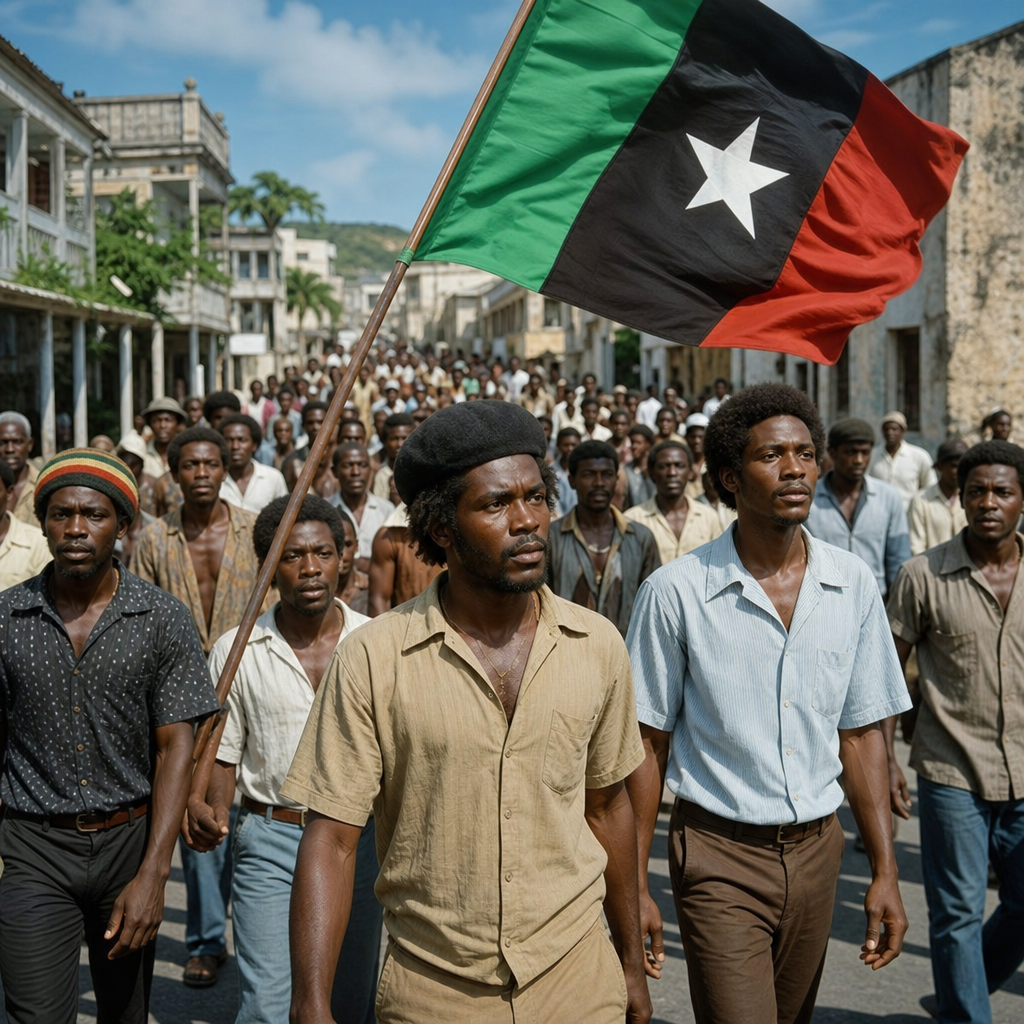
Authenticity also depends on honest storytelling. Plantation properties are commercially attractive, but the interpretation must address enslavement, labor, resistance, and emancipation clearly. Visitors increasingly expect that balance, and informed travelers notice when a destination glosses over difficult history. The strongest operators handle this well. They present architecture, gardens, and hospitality without erasing the people whose labor built those landscapes. Community involvement strengthens credibility. Hiring local historians, craftspeople, musicians, cooks, and guides does more than spread income; it keeps interpretation grounded in lived knowledge. There are tradeoffs, of course. Conservation-led projects often cost more upfront and take longer to execute than standard renovations. Yet in my experience, these assets hold pricing power better because they are harder to replicate. Generic tourism products compete on discounting. Genuine heritage products compete on meaning, quality, and memory.
Marketing channels, partnerships, and audience segments that convert
The most profitable heritage tourism businesses in Nevis will market to specific audiences rather than to “everyone interested in history.” Diaspora travelers are a prime segment because they are motivated by identity, family connection, and place-based memory. Educational travel is another, especially for universities, history departments, study-abroad programs, and schools focused on Atlantic history, colonialism, or Caribbean studies. Affluent cultural travelers from North America and Europe also convert well when the product is premium, small-scale, and easy to book. Wedding and event guests form an overlooked market. They are already on island, often have discretionary spending, and are looking for meaningful group activities beyond the beach.
Distribution should combine direct and partner-led channels. Hotels, villas, and concierge teams remain powerful because many guests decide after arrival. DMCs, taxi operators, ferry partners, and event planners can all feed demand when commissions and service standards are clear. Content marketing should answer intent-rich questions plainly: What are the best historical sites in Nevis? Is the Alexander Hamilton museum worth visiting? Can you tour plantation houses in Nevis? How long should you spend in Charlestown? Those questions should be covered on landing pages, not buried in a brochure PDF. High-performing businesses also invest in review generation because heritage purchases are trust-sensitive. Detailed reviews mentioning knowledgeable guides, respectful storytelling, and smooth logistics improve conversion more than generic star ratings alone.
Risks, constraints, and what investors should evaluate first
Every opportunity in Nevis’ heritage tourism industry comes with practical constraints. Seasonality affects staffing and occupancy, especially for lodging-led projects. Historic buildings can conceal structural issues, outdated utilities, drainage problems, or undocumented alterations that expand budgets quickly. Import costs for specialized materials may be high, and skilled conservation trades are not always available on short notice. Demand can also be overestimated if the concept is too academic, too passive, or disconnected from how visitors actually buy. A museum room with text-heavy panels is not enough. Most guests want guided explanation, sensory elements, good amenities, and simple booking.
Investors should start with four tests. First, significance: is the asset genuinely distinctive within Nevis or the wider Caribbean? Second, access: can visitors reach it easily and safely, and can transport be bundled? Third, monetization: are there at least three revenue lines, such as tickets, food and beverage, retail, accommodation, events, or research services? Fourth, stewardship: who will maintain standards over time? Heritage businesses fail when opening budgets ignore ongoing care, interpretation updates, and staff training. The better approach is phased development. Launch a core tour or event product, validate demand, then add dining, retail, or accommodation. This lowers risk while building brand equity. For stakeholders developing the wider subtopic of miscellaneous business and investment opportunities, heritage tourism should be treated as a hub opportunity because it links real estate, culture, hospitality, transport, education, retail, and digital services in one investable ecosystem.
Nevis offers a compelling case for heritage tourism because its history is visible, its scale is manageable, and its assets can support premium experiences without sacrificing authenticity. The strongest opportunities are not abstract. They include restored boutique properties, expertly guided town and estate tours, ancestry travel services, museum-linked programming, heritage dining, and event concepts that animate historic places. Success depends on disciplined execution: conserve the asset properly, interpret the story honestly, package the experience clearly, and distribute it through channels travelers already use. When those pieces come together, heritage tourism delivers more than visitor numbers. It creates higher-value spend, broader local participation, stronger destination identity, and a reason for guests to stay longer and return.
For businesses and investors evaluating miscellaneous opportunities within Nevis, this industry deserves close attention because it multiplies value across sectors. A preserved building becomes lodging, dining, retail, and education. A walking tour becomes transport demand, artisan sales, and restaurant bookings. A museum visit becomes a full-day itinerary. That is the practical advantage of heritage tourism in a small-island economy: one well-designed product can lift several others. If you are assessing where to place capital, time, or partnerships next, start with the assets already standing in Nevis and ask a simple question: how can this story be preserved, experienced, and booked? The best opportunities begin there.
Frequently Asked Questions
What makes Nevis especially well positioned for heritage tourism growth?
Nevis is well positioned for heritage tourism growth because it offers something many destinations are now struggling to preserve: a genuine sense of place. Travelers interested in heritage tourism are increasingly looking beyond generic beach vacations and toward destinations where history, architecture, landscape, and living culture are still meaningfully connected. Nevis delivers that connection in a compact, accessible setting. Visitors can experience Charlestown’s distinctive Georgian streetscape, former plantation estates, churches, cemeteries, museums, and coastal sites within relatively short distances, which makes the island easy to explore while still feeling rich in historical depth.
Another major advantage is that Nevis’ heritage assets are not limited to static monuments. The island’s appeal also lies in its foodways, oral traditions, music, craftsmanship, and community memory. That matters because modern heritage travelers do not just want to look at old buildings; they want interpretation, stories, encounters, and context. A restored estate gains far more tourism value when it is paired with knowledgeable guides, local cuisine, demonstrations of traditional skills, and storytelling that connects architecture to the lived experiences of enslaved people, estate owners, laborers, merchants, clergy, and families across generations.
Nevis also benefits from a tourism profile that can support more thoughtful heritage development. Its established reputation as an upscale and relatively tranquil Caribbean destination creates opportunities for experiences that are curated, intimate, and high value rather than mass market. That opens the door for guided walking tours, museum programming, cultural festivals, heritage accommodations, archaeological interpretation, culinary experiences, and educational travel. In practical terms, the island’s size, authenticity, preserved landscapes, and layered history give entrepreneurs, cultural institutions, and community groups a strong foundation for creating heritage products that feel credible, memorable, and economically sustainable.
What kinds of business opportunities exist within Nevis’ heritage tourism industry?
The opportunities are broad and extend well beyond traditional sightseeing. One of the clearest areas for growth is guided interpretation. Visitors increasingly want expert-led walking tours of Charlestown, plantation history tours, church and cemetery tours, maritime history excursions, and experiences focused on architecture, genealogy, archaeology, or emancipation-era history. This creates room for trained guides, researchers, interpreters, and small tour companies that can present Nevis’ history in a nuanced and engaging way.
Hospitality businesses can also build strong heritage-oriented offerings. Historic inns, boutique hotels in restored properties, estate-based accommodations, and restaurants that incorporate Nevisian culinary traditions can all benefit from the heritage tourism market. Food is especially important because it gives visitors an immediate, sensory connection to place. Businesses that highlight local ingredients, traditional cooking methods, historic recipes, rum heritage, or plantation-era food histories can create experiences that feel both authentic and commercially appealing.
There are also significant opportunities in museums, cultural programming, and events. Entrepreneurs and nonprofit organizations can develop exhibitions, seasonal lectures, reenactments, performance series, craft fairs, heritage festivals, and educational workshops. Artisans can benefit through the sale of locally made goods tied to traditional craft practices, while creative professionals can produce books, maps, apps, documentary content, signage, and interpretive materials that make heritage sites more understandable and attractive to visitors. In addition, there is room for specialized services such as conservation consulting, archival research, family history tourism, destination marketing focused on heritage, and partnerships between hotels and local historians. The strongest opportunities are likely to come from businesses that combine high-quality storytelling with well-designed visitor experiences rather than simply relying on a historic setting alone.
How can Nevis develop heritage tourism without making it feel commercialized or staged?
The key is to treat heritage as something to be interpreted responsibly, not packaged superficially. Visitors are remarkably good at sensing when an experience has been over-scripted or stripped of local meaning. To avoid that, heritage tourism in Nevis should begin with research, community involvement, and respect for historical complexity. Sites should be interpreted with accuracy and balance, including not only elegant architecture and elite histories but also the realities of slavery, labor, resistance, migration, religion, and everyday life. That fuller approach tends to be more compelling for visitors and more respectful to residents.
Community participation is essential. When local historians, elders, artists, clergy, craftspeople, educators, and families help shape tourism experiences, the result is usually more grounded and less performative. This can take many forms: oral history projects, community-led walking tours, workshops in traditional skills, storytelling events, locally curated museum exhibits, and festivals that emerge from real cultural practice rather than being created only for tourists. Heritage tourism works best when residents recognize themselves in what is being presented and feel that their knowledge is valued, not extracted.
Good design and interpretation also matter. Thoughtful signage, trained guides, well-researched exhibits, and small-group experiences can elevate heritage tourism without turning it into spectacle. Preservation should remain central. Restorations should respect original materials and historical character where possible, and new tourism uses should fit the site rather than overwhelm it. In short, Nevis can avoid commercialization by prioritizing authenticity, local stewardship, historical honesty, and visitor education. Ironically, that is also what gives heritage tourism its strongest market appeal, because today’s travelers are looking for substance, not simulation.
Why are storytelling and interpretation so important to the success of heritage tourism in Nevis?
Storytelling and interpretation are what transform a historic place from something merely seen into something understood and remembered. A fort, church, street, estate house, or cemetery may be visually interesting on its own, but its tourism value increases dramatically when visitors understand who built it, who lived and worked there, what social forces shaped it, and how it connects to the wider history of Nevis and the Caribbean. In other words, heritage sites do not speak for themselves clearly enough in a tourism setting; they need context.
In Nevis, interpretation is especially important because the island’s history is layered and interconnected. Plantation landscapes are not only about architecture or agriculture; they are also about colonial wealth, enslavement, labor systems, family histories, ecological change, and cultural survival. Charlestown’s streetscape is not just attractive; it reflects trade, governance, religion, disaster recovery, and everyday urban life over time. Maritime sites can reveal links to commerce, migration, military history, and regional exchange. Effective storytelling helps visitors see these connections, which makes the experience richer and more emotionally resonant.
Strong interpretation also improves the economics of heritage tourism. Visitors tend to stay longer, spend more, and recommend experiences more enthusiastically when they feel they have learned something meaningful. This creates value for guides, museums, hotels, restaurants, transport providers, and local shops. It also encourages repeat visitation through themed tours, rotating exhibits, and specialized programming. Most importantly, good storytelling helps ensure that Nevis’ heritage is not reduced to decorative scenery. It reinforces that the island’s history is lived, complex, and worthy of careful attention, which is precisely what serious heritage travelers are seeking.
What steps would help Nevis strengthen its heritage tourism industry over the long term?
Long-term success will depend on combining preservation, training, infrastructure, and strategic marketing. Preservation is the foundation. Historic buildings, landscapes, documents, archaeological sites, and cultural practices need active protection if they are going to support tourism over time. That means investing in conservation planning, maintenance, archival work, site protection, and policies that encourage adaptive reuse without damaging historical integrity. Heritage assets can generate economic value, but only if they remain credible and well cared for.
Training is equally important. Heritage tourism requires specialized skills: historical research, guiding, interpretation, collections care, customer service, cultural programming, and digital storytelling. Nevis can benefit from building capacity among tour guides, teachers, museum staff, entrepreneurs, and young people interested in cultural careers. Partnerships with universities, heritage organizations, conservation experts, and diaspora networks can support this effort. The more knowledgeable and confident the people working in the sector are, the stronger the visitor experience will be.
Infrastructure and coordination also matter. Clear signage, walkable routes, transportation links, visitor information, ticketing systems, accessible site hours, and quality public spaces can make heritage attractions easier to enjoy. At the same time, collaboration between government agencies, property owners, hoteliers, cultural groups, and community organizations can help create coherent heritage circuits rather than isolated attractions. Finally, marketing should present Nevis as a destination of depth, authenticity, and cultural richness, not only as a leisure destination with heritage as an afterthought. If these elements come together, Nevis can build a heritage tourism industry that supports local enterprise, protects cultural resources, and gives visitors a more meaningful reason to choose the island.