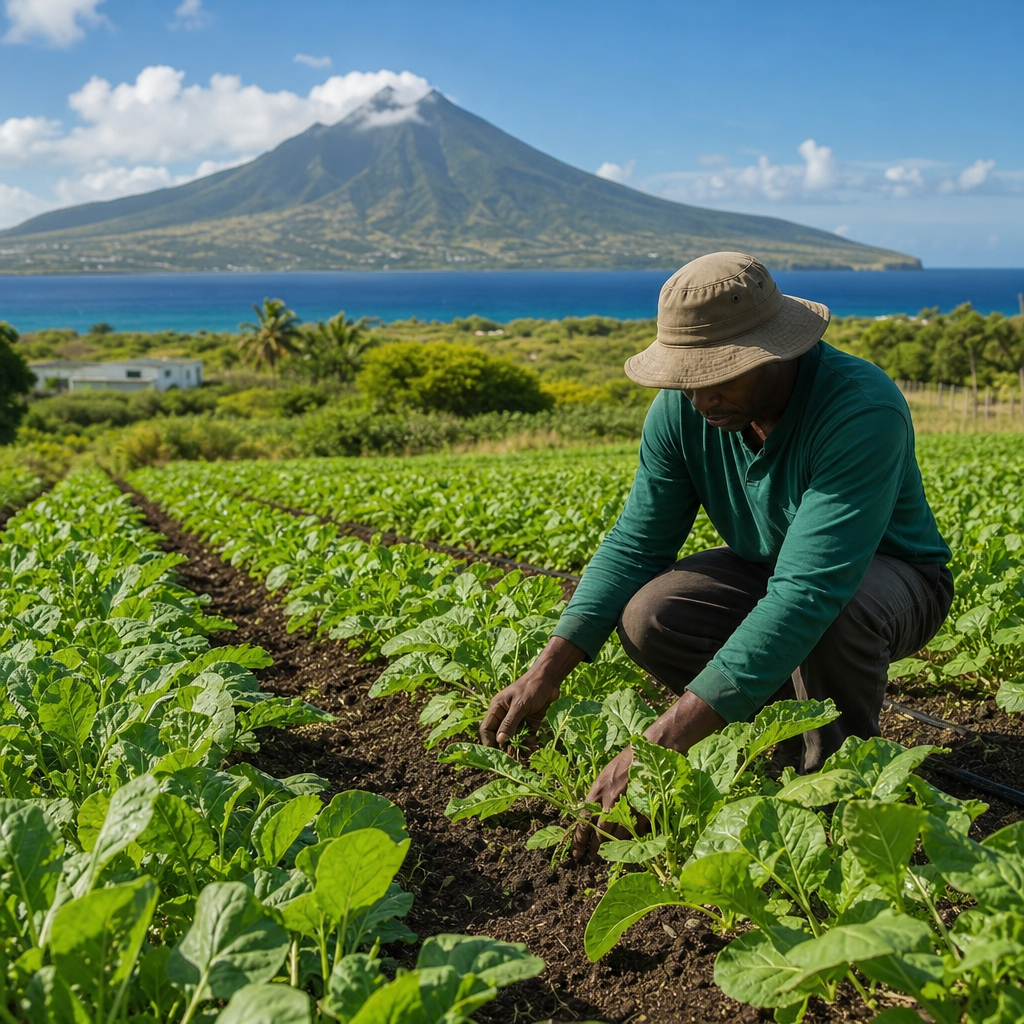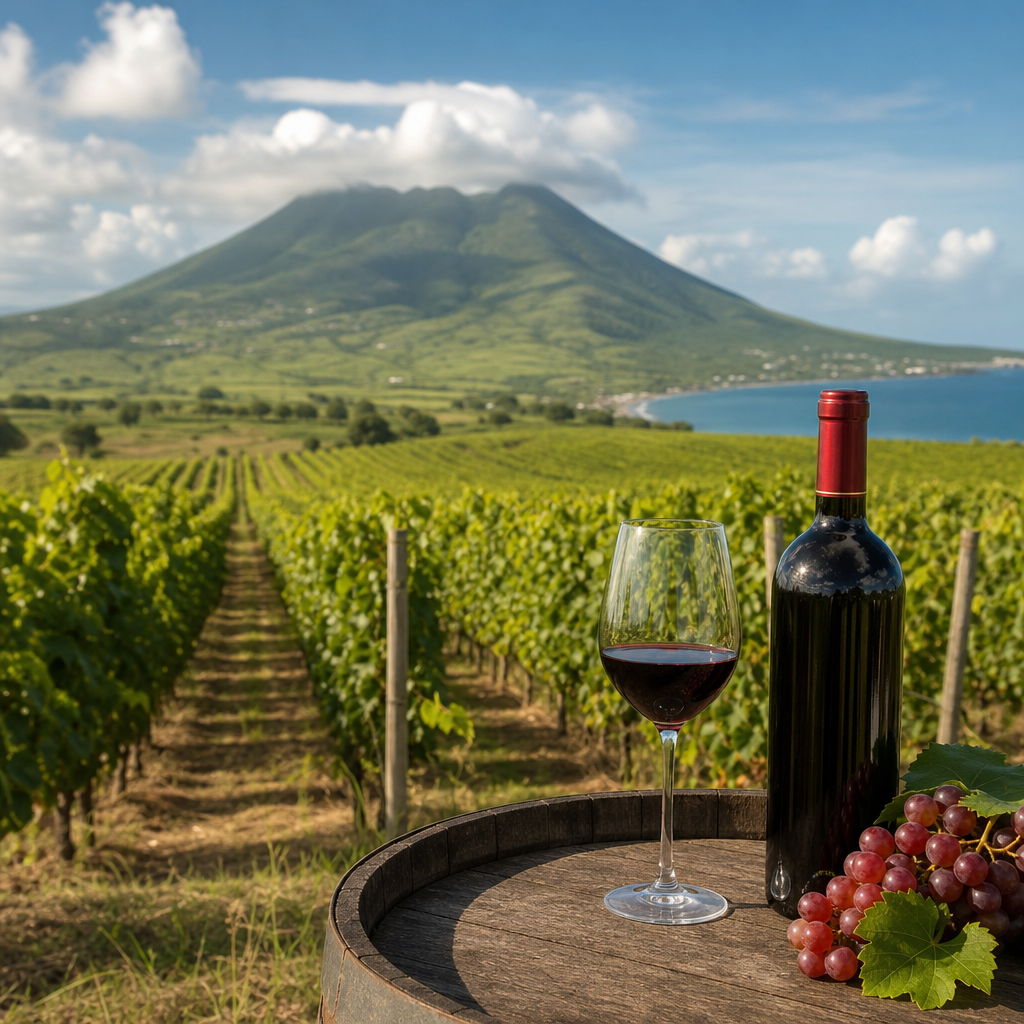
Nevis’ wine industry is small, unconventional, and easy to overlook, yet it presents a distinctive investment case within the island’s broader business and investment opportunities landscape. In practical terms, Nevis does not resemble classic wine regions such as Bordeaux, Napa, or Mendoza; it is a Caribbean island with limited agricultural land, a tourism-led economy, high import dependence, and a hospitality sector that values premium food-and-beverage experiences. That combination matters because “wine industry” on Nevis should be defined broadly: vineyard development, boutique fruit and tropical wine production, wine import and distribution, bonded storage, sommelier-led retail, wine tourism, private-label bottling, restaurant partnerships, and event-driven consumption. Investors who frame the market this way see possibilities others miss.
From working on island-market feasibility studies, I have learned that success in places like Nevis rarely comes from copying large-country models. It comes from understanding local demand pockets, logistics constraints, licensing rules, and the spending patterns of visitors, expatriates, hotels, and affluent second-home owners. On Nevis, the strongest opportunity may not be mass-market grape cultivation. It may be building a premium ecosystem around curated imports, limited local production, and tourism experiences linked to hospitality. The market is niche, but niches can be profitable when margins are high, waste is controlled, and the customer base is well defined.
This topic matters for two reasons. First, Nevis continues to attract upscale tourism and real estate investment, both of which increase demand for premium beverages and differentiated leisure offerings. Second, Caribbean consumers and visitors are increasingly receptive to artisanal, local, and story-driven products. A bottle that reflects place, craftsmanship, sustainability, or exclusivity commands attention in resort restaurants, specialty shops, and direct-to-consumer channels. For investors evaluating miscellaneous opportunities under a wider business and investment strategy, Nevis’ wine industry stands out because it sits at the intersection of agriculture, retail, logistics, hospitality, and brand development.
Understanding the potential requires a realistic view of constraints as well as upside. Tropical climate, hurricane exposure, water management, labor availability, import costs, and market size all shape outcomes. So do government approvals, food safety compliance, excise taxes, and relationships with hotels and restaurants. The most bankable opportunities are those that align with Nevis’ scale: premium rather than volume, partnerships rather than standalone farming, and experiential value rather than commodity competition.
Why Nevis Creates a Distinctive Wine Opportunity
Nevis benefits from a tourism profile that supports premium consumption. The island is known for boutique hotels, villas, yachting visitors, destination weddings, and travelers who expect high service standards. In those settings, wine is not only a beverage; it is part of the guest experience, often tied to dining packages, celebrations, sunset events, and private concierge services. A resort with a strong wine program can raise average guest spend, improve perceived quality, and increase repeat visits. That makes wine-related businesses relevant far beyond retail shelves.
Unlike larger economies, Nevis offers a concentrated route to market. A relatively small number of hotels, restaurants, beach clubs, and upscale retailers influence a meaningful share of premium beverage demand. I have seen markets of similar size where securing five to ten anchor hospitality accounts created enough baseline volume to support a profitable import and distribution operation. On Nevis, this concentration reduces customer acquisition complexity, though it raises the importance of relationship management and service reliability.
The island also benefits from association with St. Kitts and the wider Eastern Caribbean, which can expand the addressable market. A business headquartered on Nevis may source, warehouse, market, or distribute across neighboring demand centers if licensing and customs structures are managed properly. Regional expansion matters because small-island ventures become stronger when inventory turnover is supported by more than one jurisdiction.
Investment Models That Fit the Market
The most realistic entry point is premium wine importation and distribution. This model works when investors secure dependable suppliers, build temperature-aware logistics, and target hotels, restaurants, and affluent retail buyers. Margins improve when the portfolio is curated rather than broad. Instead of competing on price against mainstream labels, a distributor can focus on boutique wineries, organic producers, biodynamic ranges, Champagne houses, and premium rosé brands that fit resort dining and event demand. Staff training is critical; a sales representative who can explain varietals, food pairing, and storage needs will outperform a basic order taker.
A second model is local artisanal production using tropical fruits or hybrid experimentation. True vinifera grape production in the Caribbean faces climate and disease obstacles, but fruit wines made from mango, guava, sorrel, tamarind, passion fruit, or pineapple can create a differentiated local category. This is especially attractive when the product is marketed as a culinary souvenir or paired with agro-tourism. The key is rigorous production discipline: sugar management, acidity balance, yeast selection, sanitation, sulfite control, and label compliance. Poorly made fruit wine quickly damages the category, while a well-executed bottle can become a signature island product.
A third model is the wine experience business: tasting rooms, cellar dinners, pairing events, private villa tastings, and subscription clubs. On Nevis, experiences often generate better returns than product alone because they combine beverage margins with service revenue. A sommelier-led event for twelve guests can produce revenue from entry fees, bottle sales, and future private bookings. This format also works well with wedding planners, concierge teams, and luxury villa managers.
| Model | Main Revenue Source | Key Advantage | Primary Risk |
|---|---|---|---|
| Import and distribution | Wholesale and retail bottle sales | Fastest route to market | Freight, duties, and inventory carrying cost |
| Local fruit wine production | Direct sales, hospitality placement, tourism retail | Unique island identity | Quality consistency and limited scale |
| Wine tourism and events | Tickets, private tastings, premium upsells | High margins and brand loyalty | Seasonality and staffing execution |
| Private-label partnerships | Exclusive hotel or restaurant contracts | Predictable repeat orders | Dependence on a few major accounts |
Operational Realities: Supply Chain, Climate, and Compliance
Supply chain discipline determines whether a Nevis wine venture thrives or struggles. Wine is sensitive to heat, vibration, storage conditions, and transit delays. In the Caribbean, containers may face prolonged dwell times, transshipment complexity, and customs processing variability. Investors should budget for insulated shipping methods where appropriate, backup power for climate-controlled storage, and inventory planning that reflects tourism seasonality. A cheap logistics setup often becomes expensive when bottles arrive cooked, labels peel, corks fail, or restaurants reject stock.
Climate affects both production and sales. If the venture includes local fruit wine, reliable sourcing of raw material is essential. Fruit supply on islands can fluctuate due to rain patterns, pests, storms, and competition from fresh-market buyers. Long-term grower agreements, small contract farming networks, and basic post-harvest handling protocols reduce volatility. If the business depends mainly on imported wine, climate still matters because hurricane preparedness, flood-safe storage, and generator capacity are nonnegotiable.
Compliance should be addressed early, not after product arrives. Investors need clarity on business registration, import licensing, labeling rules, excise obligations, food safety standards, and alcohol sales permissions. If bottling or processing occurs locally, sanitation procedures, batch records, traceability, and ingredient declarations become especially important. Recognized frameworks such as Hazard Analysis and Critical Control Points, even when not legally mandated in full for every operation, provide a sensible operating benchmark. Insurance is another overlooked area: marine cargo, spoilage, public liability, product liability, and business interruption coverage should be reviewed together.
Demand Drivers: Tourism, Real Estate, and Premium Consumption
Nevis’ strongest demand driver is upscale tourism. Guests staying at luxury resorts or private villas generally spend more on dining and beverages than average leisure travelers. Wine enters that spending through dinner service, minibars, event packages, beachside hospitality, and room-stock requests. Destination weddings are particularly valuable because they concentrate high-spend consumption into a few days and often involve premium sparkling wine, curated pairings, and private tastings for families or wedding parties.
Real estate development also supports the market. High-end homes, branded residences, and investment properties attract owners and renters who expect professional wine service, delivery, and cellar management. I have seen concierge-linked beverage programs perform well where owners want pre-arrival provisioning or private chef pairings. That creates room for subscription clubs, curated case deliveries, and exclusive allocations tied to property management firms or villa operators.
Consumer preferences are shifting in favor of differentiated products. Across hospitality markets, buyers increasingly ask for organic labels, lower-intervention wines, sparkling options, and beverages with a local story. On Nevis, that trend can work for both imports and island-made products. A guest may order French Champagne for a celebration and still purchase a locally produced fruit wine as a gift. The investor who recognizes that premium and local are complementary, not competing categories, can build a broader basket size per customer.
How Investors Can Build a Defensible Business
A defensible Nevis wine business starts with positioning. Do not try to be everything at once. Choose a core identity: premium importer for hospitality, artisanal local producer, event specialist, or hybrid lifestyle brand. Then secure anchor partnerships. In practical terms, that means preferred-supplier agreements with hotels, recurring tasting calendars with restaurants, referral arrangements with concierge desks, and visible placement in specialty retail. Predictable institutional demand stabilizes cash flow far better than relying only on walk-in sales.
Data discipline is equally important. Track sales by label, venue type, season, and customer segment. Measure inventory turnover, spoilage, gross margin by account, and the cost of each delivery route. On small islands, a few weak stock-keeping units can tie up working capital for months. The best operators prune aggressively, reorder based on actual movement, and negotiate supplier terms around realistic demand.
Brand building should be local and digital at the same time. Strong photography, pairing notes, staff education, event storytelling, and social proof from chefs or sommeliers all matter. Yet the most effective marketing often happens offline: a well-run tasting at a resort, a private dinner with visiting homeowners, or a collaboration with a yacht charter company. Investors should also think in hub terms. This miscellaneous segment connects naturally with hospitality investment, specialty retail, agro-processing, logistics, and experiential tourism. Internal cross-promotion across those related business themes strengthens discovery and conversion.
Risks, Returns, and the Long-Term Outlook
No investor should ignore the risks. Nevis is a small market, and small markets can magnify mistakes. Overordering inventory, mispricing due to duties and freight, underestimating refrigeration costs, or depending on one hotel account can quickly strain cash flow. Weather events can disrupt both tourism and supply. Labor may require training in wine service, storage protocols, and production hygiene. If local production is attempted, consistency across batches is challenging and essential.
That said, the return profile can be attractive when the model is premium, disciplined, and partnership-led. Gross margins on wine vary widely, but value improves significantly when operators combine wholesale, direct retail, and event revenue. A distributor that also runs tastings and private-label placements earns from multiple points in the same customer journey. A local producer that sells through resorts, airport-adjacent retail, and online pre-order channels can capture both tourist impulse purchases and repeat buyers. The long-term outlook is strongest for businesses that treat Nevis not as a volume market, but as a high-touch, high-margin, reputation-driven one.
Nevis’ wine industry offers real investment potential when approached with precision. The opportunity is not about replicating famous vineyard regions; it is about building a profitable premium niche that matches the island’s tourism economy, hospitality standards, and appetite for distinctive experiences. Investors have several viable routes: curated imports, artisanal fruit wines, event-led concepts, private-label hospitality partnerships, or blended models that combine all four. Each can work if logistics, compliance, service quality, and inventory management are handled professionally.
The core lesson is simple. On Nevis, wine succeeds when it is part of an ecosystem. Hotels create demand, real estate adds high-value customers, events increase margins, and local storytelling differentiates the offer. Investors who understand these connections can create businesses with stronger pricing power and better resilience than generic beverage operations. They can also use this miscellaneous hub as a gateway into related sectors such as agro-processing, specialty retail, tourism services, and distribution infrastructure.
For decision-makers exploring business and investment opportunities on Nevis, the next step is to test the market with a focused feasibility plan. Map hospitality accounts, estimate landed cost by product tier, review licensing requirements, and identify the exact customer segment you want to serve. A disciplined start will reveal whether your best entry point is import, production, experience, or a strategic mix of all three.
Frequently Asked Questions
1. Is there really a viable investment opportunity in Nevis’ wine industry?
Yes, but the opportunity in Nevis should be understood differently from traditional vineyard-led wine markets. Nevis is not a large-scale grape-growing destination, and it does not compete with established wine-producing regions on volume, land availability, or agricultural history. Its investment potential comes from the intersection of tourism, hospitality, premium consumption, and niche brand positioning. In other words, the most realistic opportunities are not centered on building a conventional export wine industry from local vineyards, but on serving high-value demand within the island’s hotels, restaurants, villas, private clubs, and luxury visitor economy.
This matters because Nevis attracts visitors, second-home owners, and international investors who often expect elevated food-and-beverage offerings. Wine plays an important role in that ecosystem, whether through curated import businesses, cellar management, sommelier-led service models, boutique wine retail, wine education experiences, or hybrid concepts that combine hospitality and lifestyle branding. An investor who understands premium consumer behavior may find more value in distribution, storage, experiential retail, and hospitality partnerships than in agricultural production alone.
There is also a strategic advantage in being overlooked. Because Nevis is not widely discussed as a wine investment location, there may be room for first movers to establish trusted brands, preferred supplier relationships, and differentiated wine experiences before the market becomes crowded. The key is to view the sector as part of a broader tourism and high-end services platform rather than as a classic standalone agricultural industry.
2. What types of wine-related investments are most realistic in Nevis?
The most realistic investments are those aligned with Nevis’ service economy and import-dependent market structure. A specialty wine import and distribution business is one of the clearest options, especially if it focuses on supplying hotels, fine-dining restaurants, beach clubs, event venues, and private residences. In a market where hospitality standards are closely tied to guest satisfaction, a reliable supplier with strong product knowledge, consistent logistics, and access to premium labels can create real commercial value.
Another strong possibility is a boutique wine retail and tasting concept. This could take the form of a high-end wine shop, a cellar-style lounge, or a hybrid retail-hospitality venue offering tastings, food pairings, memberships, and private events. On an island where tourism drives spending and experiences matter, a well-executed wine concept can function as both a retail business and a destination in its own right.
There is also potential in wine-focused services rather than product sales alone. Examples include wine program consulting for resorts, private cellar sourcing and management for luxury homeowners, staff training for hospitality operators, and sommelier-led events designed for weddings, retreats, or corporate groups. These models can be attractive because they often require less fixed agricultural infrastructure and can scale through relationships and reputation.
For investors interested in production, the realistic path is likely to be highly specialized and experimental rather than mainstream. This could include small-batch fruit wines, tropical fermentation concepts, or branded local products designed for tourism consumption. While these products may not fit traditional fine-wine categories, they may still succeed if marketed authentically and integrated into the island’s culinary identity. The important point is that Nevis rewards creative, market-aware wine business models more than conventional vineyard replication.
3. What are the biggest challenges investors should consider before entering Nevis’ wine market?
The first challenge is scale. Nevis is a small island market, which means demand can be attractive in certain segments but limited in absolute volume. Investors should not assume they are entering a mass-consumption environment. Success usually depends on targeting the right customer base, such as upscale hospitality operators, affluent residents, and tourists seeking premium experiences, rather than trying to build a broad low-margin business.
The second major issue is logistics. Because Nevis has high import dependence, wine businesses must be prepared to manage shipping, customs processes, storage conditions, inventory turnover, and supply continuity. Wine is a product category where temperature control, handling standards, and timing matter. If a business intends to serve premium clients, operational discipline is essential. Delays, poor storage, or inconsistent stock can quickly damage credibility.
Another challenge is the regulatory and commercial environment. Investors need to understand import rules, licensing requirements, tax structures, corporate setup options, and any local compliance obligations related to alcohol sales, warehousing, and distribution. This is especially important in island markets, where administrative details can significantly affect cash flow, margins, and speed to market. Proper legal, tax, and business due diligence is not optional; it is foundational.
There is also the issue of market education. In many small tourism-led economies, wine demand is uneven. Some venues may have sophisticated buyers and clientele, while others may focus more on spirits, cocktails, or simplified beverage offerings. That means a successful investor often has to build demand through training, curation, and storytelling rather than simply importing bottles and expecting them to sell. In short, Nevis can reward investors who are operationally strong, patient, and locally informed, but it is not a passive or plug-and-play market.
4. How does Nevis’ tourism sector influence the outlook for wine-related investments?
Tourism is central to the investment case. Nevis’ hospitality economy creates recurring demand for premium food-and-beverage products, and wine naturally fits into that framework. Upscale hotels, resort restaurants, boutique accommodations, destination weddings, private villa stays, and special events all generate occasions where curated wine offerings can enhance guest experience and support premium pricing. In many cases, wine is not just a beverage category; it is part of the island’s broader luxury and lifestyle proposition.
This creates several advantages for investors. First, tourism allows a business to reach an international customer base without relying on export distribution. Guests arrive with established expectations about wine quality, service, and selection, especially those accustomed to high-end dining and travel. Second, tourism can support experiential concepts such as tastings, pairing dinners, vineyard-style storytelling events, and educational programs, even in a market without a large local grape-growing base. The experience itself becomes part of the product.
Tourism also supports premium positioning. In destinations where hospitality margins depend on differentiation, a wine business that helps operators stand out can become commercially valuable. A resort may not simply want access to wine; it may want a distinctive wine list, staff training, exclusive labels, or guest-facing events that improve reviews and repeat visits. This shifts the conversation from commodity supply to value-added partnership.
That said, tourism exposure also introduces seasonality and external vulnerability. Visitor flows can be affected by economic cycles, airline access, weather events, and broader travel trends. Investors should therefore design models that can withstand fluctuations, perhaps by balancing hospitality accounts with retail sales, private client services, and long-term contracts. Overall, tourism strengthens the case for wine-related investment in Nevis, but the strongest businesses will be those that align with hospitality demand while remaining operationally resilient.
5. What should investors evaluate when deciding whether to enter Nevis’ wine industry?
Investors should start by defining exactly which segment of the wine value chain they want to enter. Nevis offers a very different risk-return profile depending on whether the business is focused on import distribution, direct retail, hospitality supply, experiential events, consulting services, or niche local production. A clear business model is crucial because the island’s small size leaves little room for vague positioning or inefficient execution.
Next, investors should evaluate demand at a granular level. That means identifying the number and type of hotels, restaurants, bars, villas, and retail outlets that could become customers, as well as understanding the spending patterns of tourists and residents. It is important to know whether the market favors entry-level labels, premium international brands, natural wines, sparkling wines, or cellar-worthy selections. Product-market fit in a small island environment can determine whether a business becomes highly profitable or struggles with slow-moving inventory.
Operational capability should be assessed just as carefully as market opportunity. Investors need to examine shipping routes, import procedures, warehousing options, temperature-controlled storage, insurance, staffing, and local partnerships. In wine, poor logistics can destroy both product quality and margin. Investors should also consider whether they have access to on-island expertise or whether they will need to train teams to deliver the standard expected by premium hospitality clients.
Finally, investors should place the opportunity within the broader Nevis business environment. The most compelling wine ventures are often those that connect with larger themes on the island, including luxury tourism, real estate development, concierge services, destination events, and premium consumer experiences. In that sense, Nevis’ wine industry is less about building a conventional agricultural cluster and more about creating a smart, niche business around an affluent service economy. For investors who understand that distinction, carry out careful due diligence, and build around local realities, the sector can offer a distinctive and credible investment opportunity.