Cooking with rum in Saint Kitts turns a familiar Caribbean spirit into a practical culinary tool, linking the island’s sugar history, restaurant culture, and home kitchens in one memorable experience. In culinary classes across Saint Kitts, rum is not treated as a novelty ingredient added for drama at the end of a recipe. It is used with purpose: to marinate seafood, deepen sauces, perfume cakes, balance tropical fruit, and build savory glazes that reflect local taste. For travelers exploring local cuisine and dining, this niche matters because it reveals how one ingredient can explain agriculture, trade, hospitality, and technique all at once. It also offers a useful hub for related topics, from market visits and cane heritage tours to bake-and-taste workshops, chef-led dinners, and food pairing events centered on island ingredients.
When I have evaluated Caribbean cooking classes, the strongest programs always did more than pour a splash of dark rum into dessert batter. They explained style differences, alcohol behavior under heat, sweetness levels, and how local cooks decide between white, gold, coconut, spiced, or aged expressions. That distinction matters in Saint Kitts, where classes often serve visitors with mixed skill levels and limited knowledge of regional cooking. A good class answers basic questions directly. What does rum do in food? It adds aroma, sweetness, acidity balance, and sometimes bitterness from barrel aging. Does the alcohol cook off? Some evaporates, but not all; timing, temperature, and pan shape affect retention. Is rum cooking only for sweets? No. In Saint Kitts, it commonly appears in jerk-style marinades, pepper sauces, caramelized plantains, bread pudding, black cake, and reductions for pork or lobster.
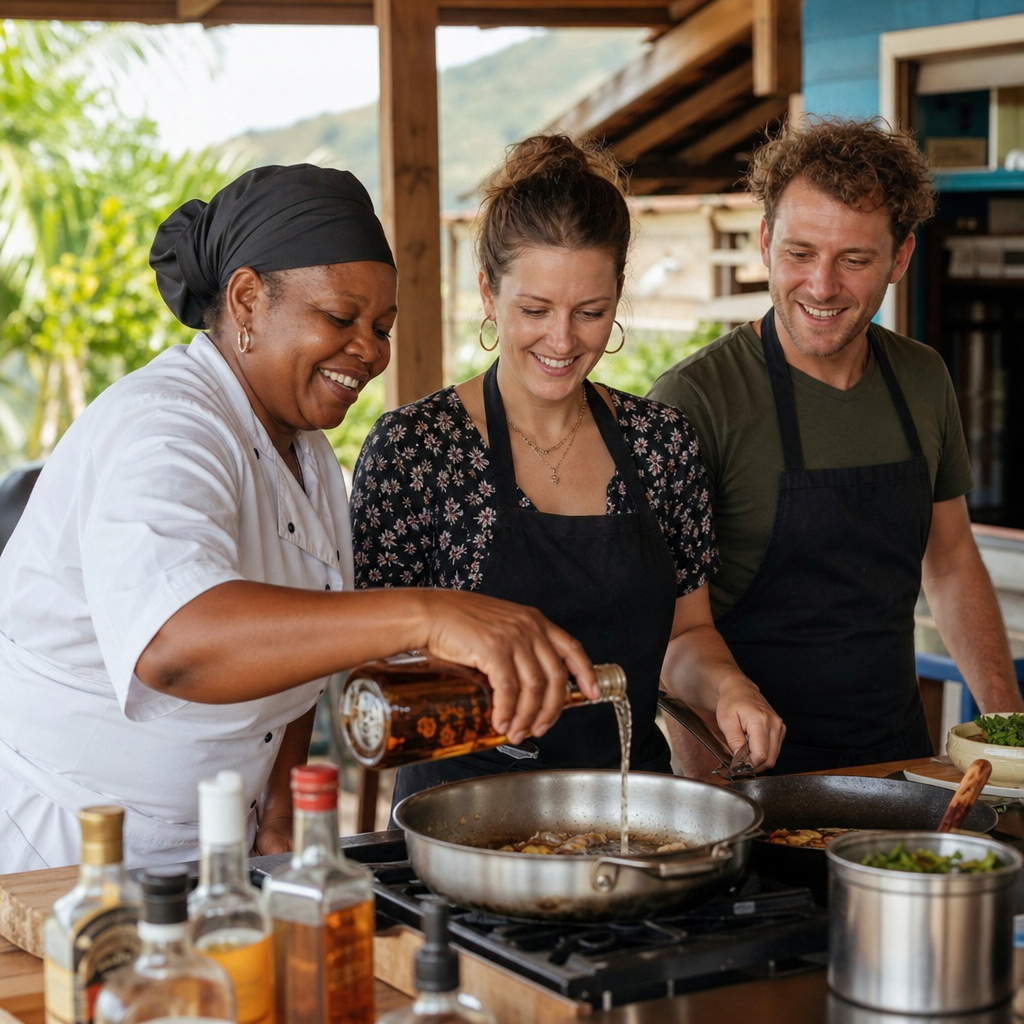
The phrase culinary classes in Saint Kitts can cover several formats: hotel demonstrations, chef-run workshops, plantation kitchen sessions, private villa classes, and market-to-table experiences. The best options blend technique with cultural context. Participants may start by tasting local cane products, then prepare a menu featuring rum punch, rum-glazed chicken, coconut rice, and a steamed or baked dessert. Some classes focus on traditional holiday dishes; others present modern island cuisine with refined plating. As a miscellaneous hub within local cuisine and dining, this topic also connects outward to broader traveler interests: where to buy edible souvenirs, how to pair Caribbean spirits with food, what etiquette to expect in group classes, and which dishes are suitable for families, non-drinkers, or serious cooks seeking more than a vacation activity.
Saint Kitts gives rum cooking unusual depth because the ingredient sits at the crossroads of history and daily life. Sugar estates shaped the island’s economy for centuries, and that legacy still influences what appears on menus and in teaching kitchens. Rum classes therefore work best when they treat the spirit as part of a broader food system rather than a gimmick. If you want a useful standard for choosing a class, look for three things: clear instruction on technique, ingredient sourcing that reflects the island, and recipes you could realistically repeat at home. Those criteria separate a staged tasting from a meaningful culinary experience and make this subject worth covering comprehensively for anyone planning a food-focused visit.
Why Rum Belongs in Saint Kitts Cooking Classes
Rum belongs in Saint Kitts cooking classes because it is both locally meaningful and technically versatile. Few ingredients can move so easily from marinade to sauce to dessert while still carrying a distinct sense of place. On the island, instructors often use rum to teach foundational principles that apply beyond Caribbean cuisine. Deglazing a pan with gold rum shows how alcohol lifts browned flavor compounds. Soaking dried fruit in dark rum introduces extraction and preservation. Building a flambé sauce demonstrates heat control and timing. Even a simple fruit salad with a rum-lime syrup can teach acid-sugar balance more clearly than a lecture.
There is also a practical tourism reason. Many visitors already associate the Caribbean with cocktails, but fewer understand how spirits function in cooking. A class turns a casual interest into active learning. In Saint Kitts, that learning often feels grounded rather than theatrical. You may work with tamarind, mango, breadfruit, coconut, thyme, Scotch bonnet, and fresh seafood, then see how different rums interact with those ingredients. White rum can brighten a ceviche-style preparation or cold dessert syrup. Dark rum works better in molasses-rich cakes, braises, and sticky glazes. Spiced rum can be useful, but serious instructors usually explain its limits, since added vanilla and baking spice can overwhelm delicate dishes.
Another reason these classes matter is that they offer an accessible entry point into Kittitian foodways. Not every traveler will seek out a full island food tour or a deep history program. A rum-focused class is easier to book and instantly engaging, yet it still opens discussion about cane cultivation, colonial trade, holiday baking, and Sunday lunch traditions. That makes it an effective hub subject under local cuisine and dining. Once readers understand rum in cooking, they are more likely to explore linked topics such as roadside barbecue, market produce, festival foods, and chef tasting menus that reinterpret classics.
What You Learn in a Typical Rum Cooking Workshop
A typical rum cooking workshop in Saint Kitts teaches more than recipes. It teaches ingredient judgment, sequencing, and the difference between adding rum for flavor and adding it for spectacle. Most sessions begin with a short orientation covering rum styles, safety around flames, and menu overview. From there, instructors usually organize recipes by function. One dish uses rum in a marinade, another in a pan sauce, and another in a dessert or baked item. This progression helps students understand where volatility, sugar concentration, and barrel notes matter most.
In classes I have seen work well, instructors are careful about terminology. They explain that “cooking off” alcohol is not a binary event. A sauce simmered briefly may retain a notable amount, while a long-baked cake keeps aroma but tastes less sharp. They also explain why quality matters. You do not need the most expensive sipping rum for cooking, but poor-quality spirit with harsh solvent notes will show up in the finished dish. Good teachers recommend mid-range bottles with clean flavor and style consistency. They also note that sweetness varies widely, especially in flavored products, so recipes may need adjustment.
Students usually leave with a repeatable framework: choose the rum style, match it to the dish, control heat, and taste before adding more sugar or salt. That framework is more valuable than any single recipe because it transfers to home cooking. It is one reason Saint Kitts culinary classes stand out when they are well designed.
| Dish or Use | Best Rum Style | Why It Works | Common Saint Kitts Example |
|---|---|---|---|
| Marinade | White or gold rum | Adds aroma without heavy barrel sweetness | Rum-lime marinade for grilled fish or chicken |
| Pan sauce | Gold or lightly aged rum | Balances savory browning with caramel notes | Rum reduction for pork, lobster, or plantains |
| Baking | Dark rum | Supports spice, dried fruit, and molasses flavors | Black cake or bread pudding |
| Fruit dessert | White, coconut, or gold rum | Lifts tropical fruit and citrus | Bananas flambé or pineapple with rum syrup |
Signature Dishes and Flavor Pairings to Expect
The best culinary classes in Saint Kitts feature dishes that make sense locally, not generic resort recipes with a Caribbean label. Expect menus built around ingredients that are common on the island and techniques suited to warm-weather cooking. Rum-glazed chicken is a frequent choice because it teaches reduction, basting, and balancing sweet with spice. Seafood appears often as well, especially when classes can source fresh fish, lobster, or shrimp. A rum marinade paired with citrus, garlic, thyme, scallion, and Scotch bonnet gives students a clear lesson in layering flavor without masking the main ingredient.
Desserts are where many classes become memorable. Caribbean black cake, descended from plum pudding traditions and transformed through local spirits and dried fruit soaking, is a powerful example of how rum cooking carries history. Bread pudding with rum sauce is simpler and more common in visitor-friendly classes because it is fast, forgiving, and immediately satisfying. Caramelized plantains, guava compote, coconut tarts, and pineapple upside-down cake also appear regularly. In each case, instructors should explain why rum is added at a certain stage. Add it too early and delicate aromatics fade. Add it too late and the dish can taste raw or unbalanced.
Pairing matters just as much as cooking. Rum works especially well with allspice, cinnamon, nutmeg, vanilla, ginger, clove, citrus peel, coffee, cocoa, tamarind, and brown sugar. On the savory side, it pairs with garlic, mustard, black pepper, thyme, scallion, and chili. Saint Kitts classes that teach these combinations give students something more useful than a souvenir recipe card: a flavor map. That map helps home cooks improvise with confidence, whether they are making a glaze for roasted vegetables or adapting a holiday dessert.
How to Choose the Right Class in Saint Kitts
Choosing the right class depends on your goal. If you want a social vacation activity, a short hotel or beachside demonstration may be enough. If you want culinary depth, look for chef-led workshops with hands-on prep, smaller group sizes, and a menu that includes both savory and sweet applications of rum. The strongest classes typically cap attendance so each participant handles ingredients, not just watches from the back. A market visit or garden walk is another positive sign because it shows the class is rooted in local sourcing rather than imported convenience.
Read descriptions carefully for specifics. “Rum tasting and cooking experience” can mean anything from a 45-minute demo to a three-hour workshop. Look for clear mention of dishes, techniques, and inclusions. Are recipes provided? Is there a full meal at the end? Are dietary restrictions accommodated? Is transportation offered from Basseterre, Frigate Bay, or cruise terminals? These details affect value as much as price. In Saint Kitts, class locations can vary widely, from resort kitchens to historic estate settings, and travel time matters if you are fitting the activity around shore excursions or dinner reservations.
It is also smart to assess whether the class respects different comfort levels with alcohol. A quality operator will distinguish between cooking use and drinking culture, provide options for participants who prefer not to consume spirits directly, and explain where alcohol remains in finished dishes. Families should ask about age policies, knife work expectations, and whether flambé is demonstration only. Serious cooks may want to know the brand and style of rum used, whether local spice blends are discussed, and if techniques are transferable to a home stove rather than specialized equipment.
Beyond the Class: Related Food Experiences Worth Exploring
As a miscellaneous hub under local cuisine and dining, cooking with rum in Saint Kitts naturally connects to several adjacent experiences. Distillery visits and cane-history tours provide the agricultural and industrial background behind the bottle. Market tours show the produce, herbs, and pantry staples that make rum cooking feel integrated rather than isolated. Restaurant tasting menus reveal how professional chefs modernize familiar pairings, perhaps using rum in a glaze for duck breast, a beurre blanc for seafood, or a compressed fruit dessert with sorrel and spice.
Travelers interested in edible souvenirs can also extend the experience by buying local jams, spice blends, bitters, sauces, and baking ingredients that work with rum at home. Good instructors often point students toward practical purchases instead of generic trinkets. A jar of guava jam, a packet of island spice mix, or a bottle of pepper sauce can recreate part of the class far more effectively than branded merchandise. Some classes also overlap with seasonal celebrations, especially around Christmas, when black cake, sorrel drinks, and richly spiced desserts become central to the culinary calendar.
For content planning within a broader Saint Kitts food guide, this hub supports many useful subtopics: best local desserts, Caribbean cooking classes for beginners, rum and chocolate pairings, seafood traditions, plantation dining, market ingredients, and holiday food customs. That breadth makes rum cooking a strong organizing theme. It is specific enough to attract intent-driven readers yet broad enough to connect them to the wider dining scene across the island.
Cooking with rum in Saint Kitts offers more than a fun class to fill an afternoon. It is one of the clearest ways to understand how the island’s history, ingredients, and hospitality traditions meet on the plate. A strong class teaches direct, useful lessons: how rum styles differ, when to add them, what flavors they support, and how to build dishes that taste balanced rather than boozy. It also gives travelers a deeper entry into local cuisine and dining by connecting kitchen technique with cane heritage, market produce, and holiday food culture.
If you are deciding whether a rum-focused workshop is worth your time, the answer is yes when the class is hands-on, locally rooted, and specific about what you will cook. Look for chef guidance, practical recipes, and menus that include both savory and sweet applications. Those details turn a tourist activity into a genuine learning experience. For planners building a broader Saint Kitts itinerary, this topic also works as a reliable hub because it points naturally to distillery visits, market tours, restaurant pairings, and regional dessert traditions.
The main benefit is simple: you leave with a better understanding of Saint Kitts and with techniques you can use long after the trip ends. Choose a class that respects the ingredient, asks you to cook actively, and explains the story behind every pour. Then use this hub as your starting point to explore the island’s wider food scene, one dish at a time.
Frequently Asked Questions
What can you expect to learn in a cooking class focused on rum in Saint Kitts?
In Saint Kitts, rum-centered cooking classes usually go far beyond simply adding a splash of alcohol to dessert. Most classes are designed to show how rum functions as a true cooking ingredient with a specific purpose in both sweet and savory dishes. You can expect to learn how different styles of rum affect flavor, how dark and aged rums add depth to sauces and glazes, how lighter rums can brighten fruit preparations, and how spiced expressions may complement cakes, custards, and marinades. Instructors often explain when to cook rum down for concentrated flavor, when to use it sparingly to preserve its aromatic qualities, and how to pair it with ingredients common to the island such as coconut, plantain, fresh seafood, brown sugar, tamarind, pineapple, and local herbs.
Many classes also place rum in a broader cultural and culinary context. Because Saint Kitts has a deep connection to sugar cultivation and Caribbean food traditions, instructors often discuss how rum evolved from a product of the sugar economy into an ingredient that now appears in restaurant kitchens and home cooking across the island. In practical terms, participants may prepare dishes such as rum-marinated fish, sticky rum glazes for meats, fruit compotes, sauces for grilled dishes, or baked treats infused with measured amounts of rum for warmth and aroma rather than overpowering sweetness. By the end of a well-run class, you should come away with a clearer understanding of technique, balance, ingredient pairing, and the role rum plays in reflecting local taste.
Is cooking with rum in Saint Kitts only about desserts, or is it used in savory food too?
It is very much used in savory food, and that is one of the most interesting aspects of culinary classes in Saint Kitts. While rum cakes and flambéed fruit are familiar entry points for many travelers, local cooking instruction often highlights the ingredient’s versatility in seafood, poultry, sauces, and glazes. Rum can be used to tenderize proteins in marinades, carry spice in jerk-style preparations, and create a slightly sweet, caramelized finish on grilled or roasted dishes. When reduced properly, it contributes complexity rather than a raw alcoholic taste, which is why experienced cooks treat it as a balancing ingredient instead of a gimmick.
In savory applications, rum often works especially well with ingredients that already have natural sweetness or brininess. For example, it can support the flavor of shrimp, lobster, or firm white fish when blended with citrus, garlic, ginger, and herbs. It can also deepen pan sauces for pork or chicken by reinforcing notes of molasses, spice, and smoke. In Saint Kitts, where tropical ingredients and coastal cooking traditions meet, the use of rum in savory dishes makes practical culinary sense. Classes that focus on this style of cooking often teach restraint, showing students how to avoid making food overly sweet and instead use rum to round out acidity, add aroma, and create a more layered final dish.
Do you need to be an experienced cook to enjoy a rum-based culinary class in Saint Kitts?
No. Most rum-focused cooking classes in Saint Kitts are designed to be approachable for a wide range of participants, including beginners, casual home cooks, and travelers with no formal culinary background. Good instructors usually break down each recipe into manageable steps and explain not just what to do, but why each technique matters. That means you may learn foundational skills such as reducing a sauce, balancing sweet and acidic ingredients, marinating seafood correctly, or folding rum into batter without overwhelming the texture. Even if you have never cooked with alcohol before, a well-structured class will guide you through the process confidently and safely.
At the same time, more experienced cooks often find these classes worthwhile because of the local insight they offer. The value is not only in technique, but in understanding how ingredients are combined in Saint Kitts specifically. You may be introduced to regional seasoning habits, tropical produce pairings, and traditional flavor logic that differs from what you would encounter in a standard cooking school elsewhere. Instructors often share practical tips for adapting the recipes at home, including substitutions for ingredients that may be harder to find outside the Caribbean. That combination of accessibility and authenticity is what makes these classes appealing to both novices and seasoned food lovers.
How does rum change the flavor of food when it is used properly in cooking?
When used properly, rum can add depth, warmth, sweetness, aroma, and complexity without making a dish taste strongly alcoholic. Its effect depends on the type of rum, the quantity used, and when it is added during the cooking process. Dark or aged rum often contributes notes of caramel, vanilla, toasted spice, oak, and molasses, which can enrich sauces, baked goods, and glazes. Lighter rum tends to be cleaner and less heavy, making it useful in fruit-based preparations, lighter syrups, or dishes where you want aromatic lift without too much richness. Spiced rum can introduce cinnamon, clove, nutmeg, and other baking spice notes, although skilled instructors usually explain when those flavors help and when they might compete with the dish.
Technique matters just as much as the rum itself. In many Saint Kitts cooking classes, students learn that rum can behave very differently depending on whether it is reduced in a pan, mixed into a marinade, brushed onto food during cooking, or folded into a dessert mixture. Cooking it down can mellow the alcohol and concentrate its flavor, while adding a small amount near the end can preserve more fragrance. In savory food, rum often acts as a bridge between heat, acid, and sweetness. In desserts, it can sharpen fruit flavors and make cakes or custards taste more rounded and aromatic. Used with purpose, rum does not dominate; it helps connect the other ingredients into a more cohesive dish.
Why is Saint Kitts such a compelling place to take a culinary class about cooking with rum?
Saint Kitts is an especially compelling setting because rum is not an imported food trend there; it is part of the island’s historical, agricultural, and cultural identity. The connection between sugar production and rum runs deep in the Caribbean, and on Saint Kitts that history still informs how people understand the ingredient today. In a culinary class, that background gives rum greater meaning. You are not just learning a recipe; you are seeing how an ingredient tied to the island’s past continues to shape contemporary food, from restaurant menus to family kitchens. That context makes the experience more memorable and more authentic than a generic cooking lesson elsewhere.
There is also the practical advantage of learning in a place where the surrounding ingredients naturally support rum-based cooking. Fresh seafood, tropical fruit, coconut, cane-derived sweetness, chilies, and fragrant herbs all create a culinary environment where rum feels integrated rather than forced. Instructors in Saint Kitts are often able to demonstrate combinations that reflect real local preferences, showing how rum can bring out the best in ingredients visitors are likely to encounter across the island. For travelers, this means the class becomes more than a fun activity. It becomes a way to understand local flavor, connect with Saint Kitts through food, and take home techniques that carry a genuine sense of place.