Emerging business opportunities in Saint Kitts’ fashion industry are expanding as tourism, cultural identity, digital commerce, and regional trade create room for designers, manufacturers, retailers, and service providers to build profitable ventures. In this context, fashion industry refers to the full commercial chain around clothing, accessories, textiles, beauty-adjacent styling, branding, production, distribution, events, and retail experiences. Saint Kitts may be a small market by population, but it has several characteristics investors often overlook: a steady visitor economy, a recognizable Caribbean identity, a growing appetite for local entrepreneurship, and practical links to neighboring islands and diaspora consumers abroad. I have seen in small-island markets that fashion businesses succeed not by copying large-country models, but by combining culture, agility, and niche positioning. That matters here because Saint Kitts can support businesses that sell both to residents and to short-stay visitors seeking products with clear local meaning. For entrepreneurs exploring business and investment opportunities, this miscellaneous hub matters because it connects multiple revenue paths rather than one narrow idea. A fashion venture in Saint Kitts can include resort wear, carnival costumes, event styling, school uniforms, artisan accessories, embroidery services, online boutiques, pop-up retail, model services, photography, and training. Each of these segments feeds others. When a destination strengthens local fashion capability, it also supports tourism spending, creative exports, youth employment, and brand visibility. The strongest opportunities are not abstract trends; they are practical, saleable offers matched to the island’s scale and customer behavior.
Why Saint Kitts is positioned for fashion-related growth
Saint Kitts is well positioned for fashion-related growth because demand comes from several overlapping customer groups: local households, the hospitality sector, event audiences, cruise visitors, destination wedding clients, and diaspora shoppers. That mix lowers dependence on any single buyer segment. In my experience working with market positioning, the most promising small-island fashion ecosystems are those where a product can move from local use to tourist purchase to online export without major redesign. Saint Kitts fits that model. A locally made linen shirt, for example, can be sold in Basseterre, stocked in a hotel boutique, and promoted online to former visitors after they return home.
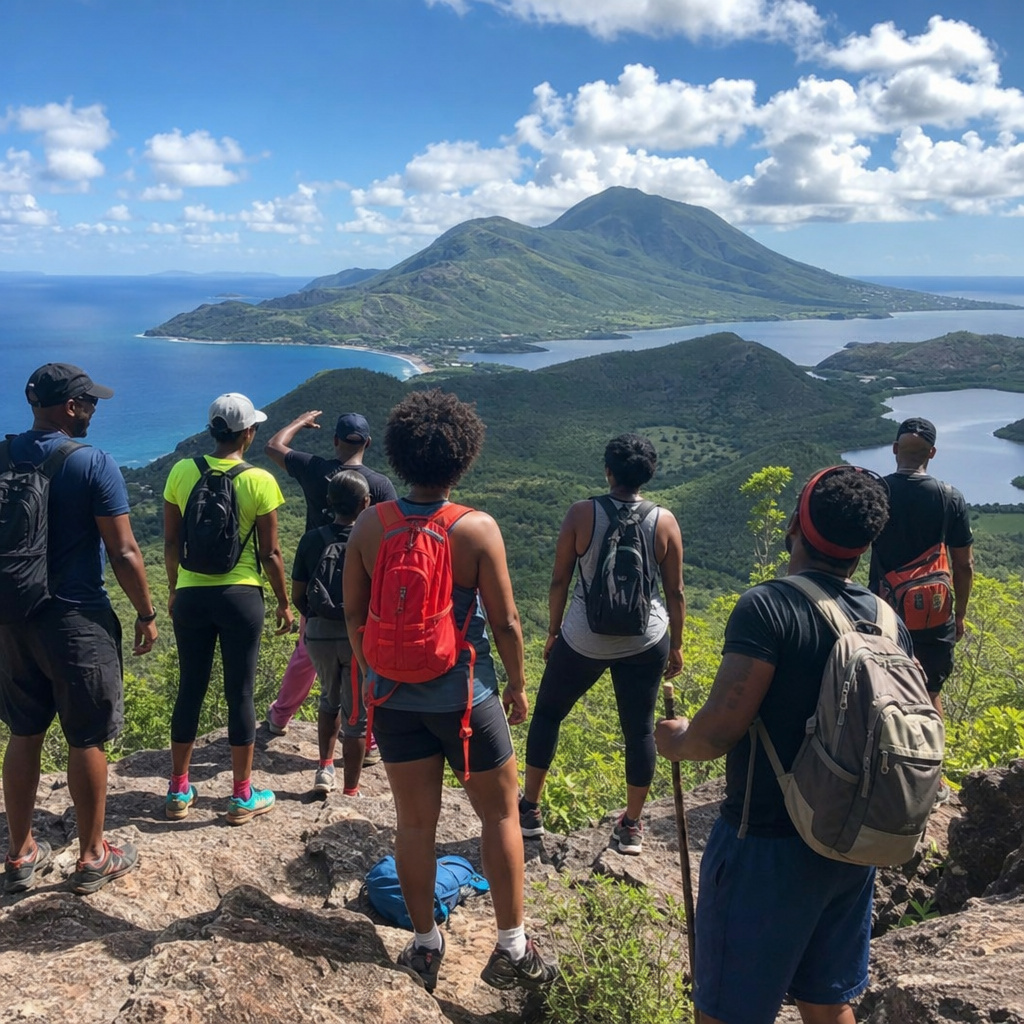
The tourism economy is especially important. Caribbean destinations with active hotel, cruise, and festival calendars create constant demand for apparel and fashion services. Visitors purchase swimwear covers, hats, jewelry, printed shirts, handbags, sandals, and occasion outfits. They also spend on hairstyling, makeup, wardrobe assistance, and photography. Businesses that package fashion with the visitor experience often outperform stores selling generic imported goods. A boutique that tells a clear story about Saint Kitts, materials, and maker identity gives tourists a reason to buy now instead of later online from a mass retailer.
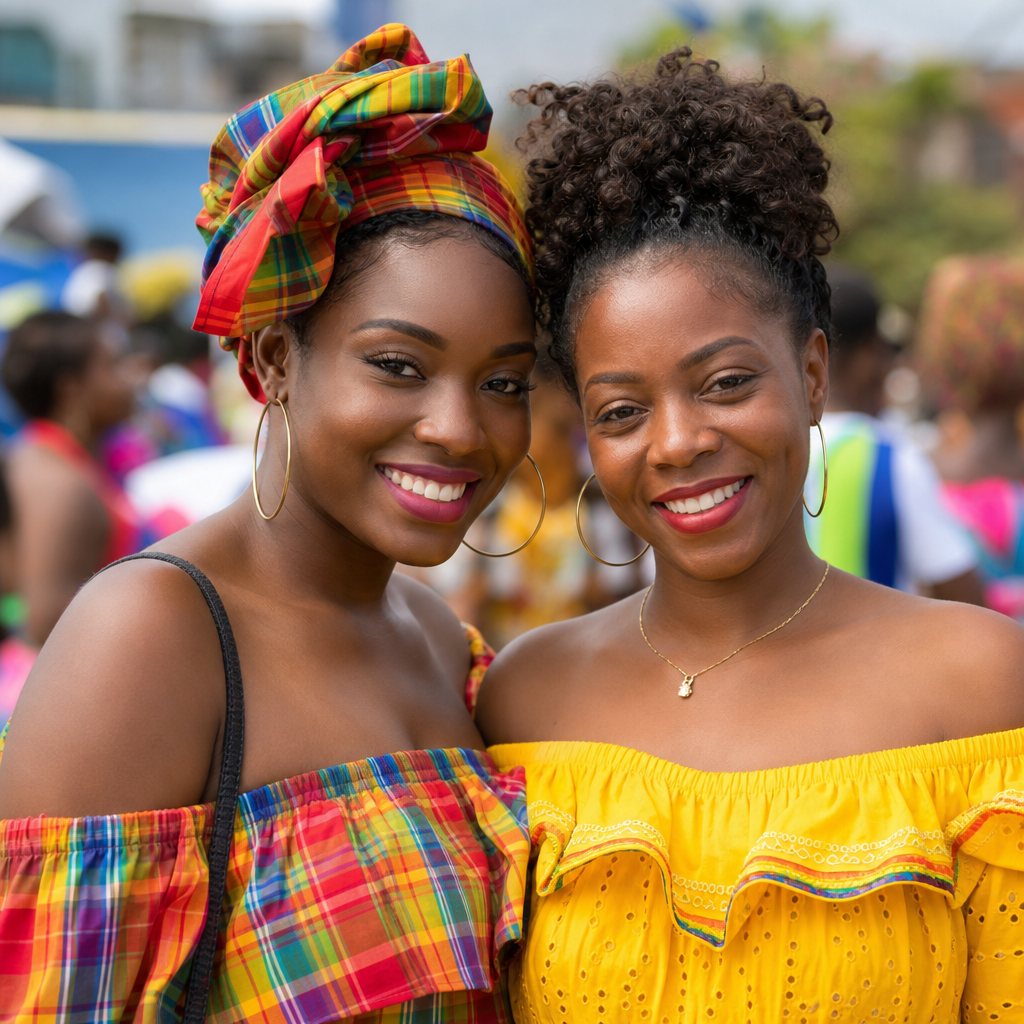
Cultural relevance is another advantage. Fashion linked to carnival, music, heritage motifs, and tropical living carries emotional value that imported inventory lacks. Across the Caribbean, brands that use place-based design cues typically gain stronger word-of-mouth and better social media performance. Saint Kitts does not need to compete on volume. It can compete on authenticity, customization, and destination-specific design.
High-potential fashion business models for entrepreneurs and investors
The most attractive business models in Saint Kitts are those with flexible inventory, moderate startup costs, and multiple sales channels. Resort and island lifestyle wear is one of the clearest opportunities. Lightweight dresses, coordinated men’s sets, breathable shirts, kaftans, beach accessories, and occasion wear suit both locals and visitors. Product-market fit improves when sizing is inclusive, packaging is travel friendly, and design references the island without becoming novelty merchandise.
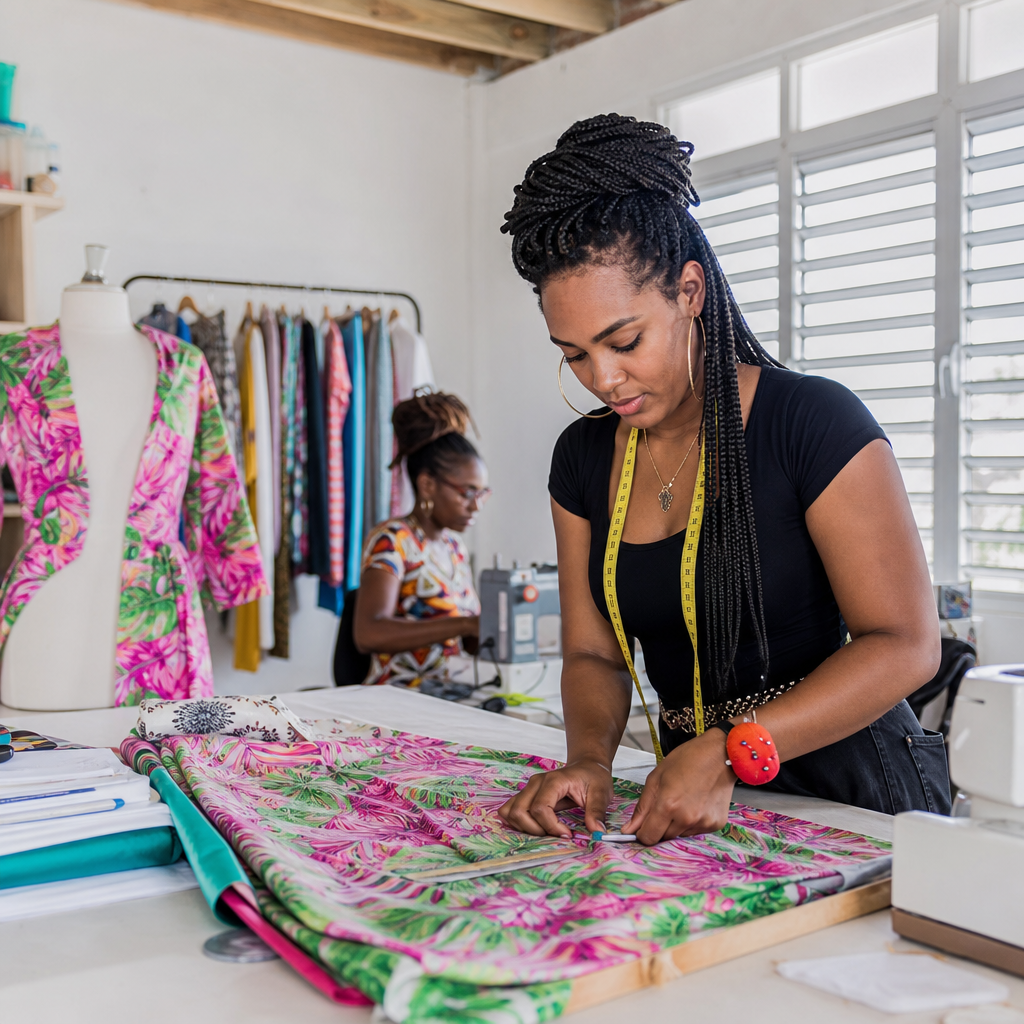
Custom and semi-custom services also offer strong margins. Tailoring, alterations, embroidery, uniform production, and made-to-measure formalwear solve real local needs. Schools, restaurants, transport operators, security firms, churches, and events all require branded apparel. In many small markets, businesses lose time importing uniforms in small batches. A local operator that provides measurement, fitting, logo placement, and repeat ordering becomes valuable quickly.
Carnival and event fashion is another important segment. Costume design, feather work, embellishment, dancewear, themed apparel, and after-party looks create seasonal spikes that can anchor a business. The lesson from Trinidad’s carnival economy is that ancillary services often become as profitable as costume sales themselves. Storage, repair, fittings, styling, logistics, and branded merchandise all generate revenue around the same cultural calendar.
Accessory brands are especially promising because they avoid some apparel sizing complexity. Handmade earrings, shell or bead jewelry, straw bags, headwraps, leather goods, and small-batch sunglasses can travel well and sell at attractive margins. Beauty-adjacent ventures also belong in this hub. Wig customization, braiding, barbering, makeup artistry, nail design, and image consulting support the wider fashion economy and often require less inventory financing than a clothing line.
| Business model | Primary customers | Why it fits Saint Kitts | Main operational need |
|---|---|---|---|
| Resort wear brand | Tourists, hotels, diaspora | Matches climate, travel shopping, destination branding | Strong design, retail partnerships, small-batch production |
| Uniform and tailoring service | Schools, SMEs, hospitality businesses | Recurring demand and practical local need | Reliable measuring, stitching, and reordering systems |
| Carnival and event studio | Mas bands, performers, partygoers | Cultural demand and premium customization | Seasonal planning, fittings, embellishment supply |
| Accessories and artisan goods | Cruise visitors, gift buyers, online shoppers | Portable, high-margin, easier export logistics | Consistent finishing, packaging, storytelling |
Tourism, hospitality, and destination retail as demand engines
Tourism is not just a source of foot traffic; it is a complete commercial infrastructure for fashion sales. Hotels, villas, beach clubs, marinas, airports, and cruise areas are distribution points. Businesses that treat hospitality buyers as wholesale partners can scale faster than those relying only on walk-ins. I have seen boutique operators increase average order values simply by placing capsule collections in hotel gift shops with clear size runs and replenishment terms. Saint Kitts offers similar potential, especially for premium casual wear, uniforms, wedding-party attire, and giftable accessories.
Destination weddings and events deserve special attention. Couples traveling for weddings often need coordinated clothing, bridesmaid styling, emergency alterations, menswear finishing, and beauty services on short notice. This is a high-value niche because the customer is time-sensitive and willing to pay for reliability. A studio that combines wardrobe coordination, steaming, last-minute tailoring, and styling support can build a reputation quickly with planners and resorts.
Cruise tourism creates a different opportunity. Cruise passengers buy quickly, compare visually, and respond to products that are easy to carry. That favors accessories, branded shirts, wraps, jewelry, and limited-edition pieces tied to local culture. Clear pricing, card payments, and attractive packaging are essential. Staff training matters too. In visitor retail, conversion often depends on the ability to explain what makes a product local, handmade, or exclusive in under thirty seconds.
Local production, skills development, and supply chain realities
One of the biggest questions investors ask is whether local production is realistic in a small-island setting. The answer is yes, but usually in selective, high-value categories rather than full-scale mass manufacturing. Saint Kitts can support small-batch cutting and sewing, embellishment, printing, tailoring, and finishing operations. It is less likely to compete with large garment factories on basic commodity apparel. The winning model is specialized production with tight quality control.
Skills development is therefore central. Patternmaking, industrial sewing, grading, textile sourcing, digital design, merchandising, and retail operations all need strengthening if the sector is to mature. Partnerships with technical training institutions, designers, and regional mentors can accelerate this. In practice, many businesses start with imported blanks and local customization, then move gradually into original production as demand stabilizes. That staged approach reduces risk.
Supply chain management is a real constraint and should be discussed honestly. Fabric delays, shipping costs, customs clearance, and minimum order quantities can erode margins if pricing is weak. Entrepreneurs need disciplined cost sheets, reorder calendars, and backup suppliers. Using software such as Shopify for online sales, QuickBooks for accounting, and inventory tools like Zoho Inventory can improve control even in small operations. The businesses that survive are not always the most creative; they are often the best at planning production around the island’s logistics reality.
Digital commerce, branding, and export pathways beyond the domestic market
Digital commerce changes the ceiling for Saint Kitts’ fashion ventures because it allows a local brand to sell beyond the domestic market from day one. A strong online store, active Instagram presence, and disciplined email marketing program can keep former visitors buying long after their trip ends. Diaspora customers are especially important here. They often want apparel and accessories that express Caribbean identity in a more elevated way than souvenir products do. That demand supports premium positioning if quality is consistent.
Branding is not decoration; it is a commercial system. The strongest brands define their customer clearly, maintain recognizable visual language, use professional product photography, and communicate material, fit, and care instructions precisely. I have worked with lifestyle brands that increased repeat purchase rates simply by improving size charts, return policies, and packaging inserts. Trust drives online conversion. In a small market, poor finishing or vague fulfillment promises travel fast through word of mouth.
Export growth can begin modestly. Rather than targeting every international buyer, a Saint Kitts brand can start with diaspora communities in New York, Miami, Toronto, and London, then expand through curated drops, seasonal preorders, and partnerships with Caribbean-focused retailers. Cross-border shipping rules, duties, and returns need to be built into pricing from the start. Businesses that communicate delivery timelines honestly and use trackable shipping create the confidence needed for repeat international orders.
Investment considerations, risks, and what success looks like
For investors, the most promising fashion opportunities in Saint Kitts are not necessarily stand-alone designer labels. Often, the better plays are hybrid businesses with diversified cash flow: a boutique plus online store, a tailoring workshop plus uniform contracts, or an accessory brand plus hotel wholesale accounts. This reduces exposure to seasonality. Financial success in small creative markets usually comes from recurring revenue, controlled inventory, and high average margins, not from chasing rapid scale too early.
There are, however, clear risks. Small domestic demand can lead to overbuying. Imported finished goods can undercut local makers on price. Skilled labor may be limited, and founder-led businesses can become operationally fragile if too much knowledge stays with one person. Seasonality matters as well. A business tied only to carnival or holiday traffic may struggle in slower months. The solution is to build a portfolio of products and services that sell year-round.
Success looks practical. It means a fashion business that knows its numbers, secures repeat clients, manages production lead times, and builds a reputation for reliability. It means using local culture intelligently without reducing it to cliché. It means creating jobs in styling, sewing, sales, photography, logistics, and digital marketing. For the wider business and investment opportunities landscape, this miscellaneous hub shows why fashion deserves serious attention: it connects creativity with commerce in a way that can grow sustainably on an island economy.
Saint Kitts’ fashion industry offers more than a creative outlet; it presents a credible set of business opportunities across design, services, retail, events, and export-oriented brand building. The core advantage is flexibility. Entrepreneurs can start small with alterations, accessories, styling, or customized apparel, then expand into hospitality supply, e-commerce, and regional sales. Investors can participate through production capacity, retail partnerships, training programs, or multi-service creative ventures that spread risk across several revenue streams.
The main takeaway is straightforward. Saint Kitts does not need a massive manufacturing base to build a meaningful fashion economy. It needs well-positioned businesses that solve local needs, serve visitors effectively, and package cultural identity into products people are proud to wear. Resort wear, uniforms, carnival design, beauty-adjacent services, artisan accessories, and digital-first labels all have room to grow when operations are disciplined and branding is clear. The strongest ventures will combine authenticity with professional execution.
If you are exploring business and investment opportunities in Saint Kitts, fashion should be on your list. Evaluate the market segment that best matches your capital, capabilities, and risk tolerance, then map demand across residents, tourists, hospitality buyers, and diaspora customers. Start with a focused offer, build dependable fulfillment, and expand only after repeat demand is proven. In a market where identity and experience drive purchasing, well-run fashion businesses can become durable, profitable parts of the island’s wider economy.
Frequently Asked Questions
1. What are the most promising business opportunities in Saint Kitts’ fashion industry right now?
The strongest opportunities in Saint Kitts’ fashion industry are emerging where local culture, tourism demand, and digital sales overlap. Designers who create resort wear, occasion wear, accessories, swimwear, and culturally inspired collections can appeal to both residents and visitors looking for products that feel authentic to the island. There is also growing room for fashion-adjacent businesses such as styling services, wardrobe consulting, beauty-focused brand collaborations, product photography, fashion marketing, event production, and pop-up retail experiences. Because the local market is relatively small, the most resilient ventures are often those designed to serve multiple customer groups at once, including local consumers, diaspora buyers, tourists, hotels, cruise visitors, and regional shoppers.
Another major opportunity lies in building businesses around the wider commercial chain rather than only around garment design. Entrepreneurs can enter through tailoring, alterations, uniforms, textile printing, embroidery, branded merchandise, fashion e-commerce, packaging, fulfillment, or boutique retail. There is also meaningful potential in fashion events, creative direction, model management, and content creation for brands that need stronger visual storytelling. In practice, the Saint Kitts market rewards businesses that are nimble, brand-driven, and able to package local creativity into products and experiences with broader Caribbean and international appeal.
2. How does tourism create growth opportunities for fashion businesses in Saint Kitts?
Tourism is one of the most important demand drivers for fashion-related businesses in Saint Kitts because visitors often want clothing and accessories that match the destination lifestyle and serve as memorable purchases. Resort wear, handmade jewelry, hats, beachwear, sandals, bags, and limited-edition cultural pieces are especially well positioned because they fit both practical travel needs and souvenir spending behavior. Hotels, villas, cruise traffic, festivals, weddings, and special events all create repeated occasions where fashion brands can sell directly to short-term visitors who may be willing to pay premium prices for quality, originality, and convenience.
Beyond direct sales, tourism opens the door to strategic partnerships. Fashion entrepreneurs can work with hotels, tourism operators, wedding planners, event coordinators, and photographers to supply guest welcome items, special-occasion styling, branded uniforms, retail corners, or curated pop-up experiences. A designer might create capsule collections for luxury accommodations, while a stylist or retailer might offer concierge shopping for destination weddings or vacation photo sessions. These models are attractive because they connect fashion businesses to established visitor flows instead of relying only on walk-in traffic. In a market like Saint Kitts, the businesses that benefit most from tourism are usually those that understand how to turn the visitor experience into a branded, high-quality, and easily shareable fashion product or service.
3. Can a fashion business in Saint Kitts succeed through e-commerce and regional sales, even with a small local population?
Yes, and in many cases e-commerce is essential for long-term growth. Saint Kitts’ domestic consumer base may be limited by population size, but digital commerce allows fashion businesses to extend beyond the island and reach diaspora communities, regional Caribbean customers, and international buyers interested in Caribbean-inspired design. This is especially valuable for brands with a strong point of view, clear storytelling, and products that can be shipped efficiently, such as accessories, custom apparel, printed items, beauty-adjacent products, and made-to-order garments. A small local market does not have to be a barrier if the business is structured to sell online, market consistently, and deliver reliably.
Regional trade also creates important opportunities. Saint Kitts-based brands can participate in Caribbean markets through online platforms, trade shows, collaborative events, and wholesale relationships with boutiques in neighboring islands. The key is to approach the business professionally, with strong branding, high-quality product images, transparent sizing, clear shipping policies, and dependable customer service. Fashion consumers outside Saint Kitts are not only buying an item; they are buying a story, a lifestyle, and a sense of Caribbean identity. Brands that combine local authenticity with professional execution are often able to outperform businesses that focus only on physical local sales. In other words, digital reach can turn a geographically small market into a much larger commercial opportunity.
4. What challenges should entrepreneurs expect in Saint Kitts’ fashion sector, and how can they address them?
Like many small-island markets, Saint Kitts presents real operational challenges that fashion entrepreneurs must plan for carefully. These can include limited local manufacturing infrastructure, small production runs, higher import costs for fabrics and materials, logistics delays, inconsistent access to specialized equipment, and a narrower domestic customer base. There may also be pricing pressure, since businesses must balance quality and originality with what local consumers and visitors are willing to spend. For new brands, another challenge is visibility: it can be difficult to stand out without strong marketing, strategic partnerships, and a clearly differentiated identity.
The best response is to build with efficiency and flexibility from the beginning. Many successful fashion businesses in markets like Saint Kitts start lean, use pre-order or made-to-order models, and focus on categories with manageable inventory demands. Entrepreneurs should also consider partnerships with local tailors, printers, artisans, photographers, and digital marketers to reduce overhead while maintaining professional quality. Brand positioning matters greatly; rather than competing on price alone, businesses often do better by emphasizing craftsmanship, culture, exclusivity, sustainability, or convenience. It is also wise to diversify revenue streams by combining products and services, such as offering custom design, alterations, styling, event dressing, or wholesale merchandise alongside retail sales. In Saint Kitts, resilience usually comes from smart business structure as much as creative talent.
5. What makes a fashion brand from Saint Kitts attractive to customers and investors?
A Saint Kitts fashion brand becomes attractive when it offers more than just products and instead presents a compelling market position. Customers respond strongly to brands that reflect Caribbean lifestyle, island elegance, cultural identity, and craftsmanship in a way that feels modern and commercially polished. This can include design elements inspired by local heritage, color stories linked to the natural environment, event-driven collections, or products tailored to tropical living and travel. The strongest brands are consistent across product quality, photography, packaging, online presence, and customer experience. They make it easy for buyers to understand what the brand stands for and why it is distinctive.
From an investor or business development perspective, attractiveness comes from scalability, brand clarity, and market reach. A venture is more compelling when it can show demand beyond one storefront or one customer segment, such as sales to tourists, online customers, diaspora communities, hospitality partners, and regional retailers. Investors also look for businesses with repeatable systems, healthy margins, strong visual identity, and room to expand into adjacent categories like accessories, uniforms, events, licensing, or collaborations. In Saint Kitts, fashion businesses that connect local authenticity with professional operations are especially well positioned. They reflect the island’s cultural value while also operating as serious commercial ventures capable of growing within tourism, digital commerce, and regional trade networks.