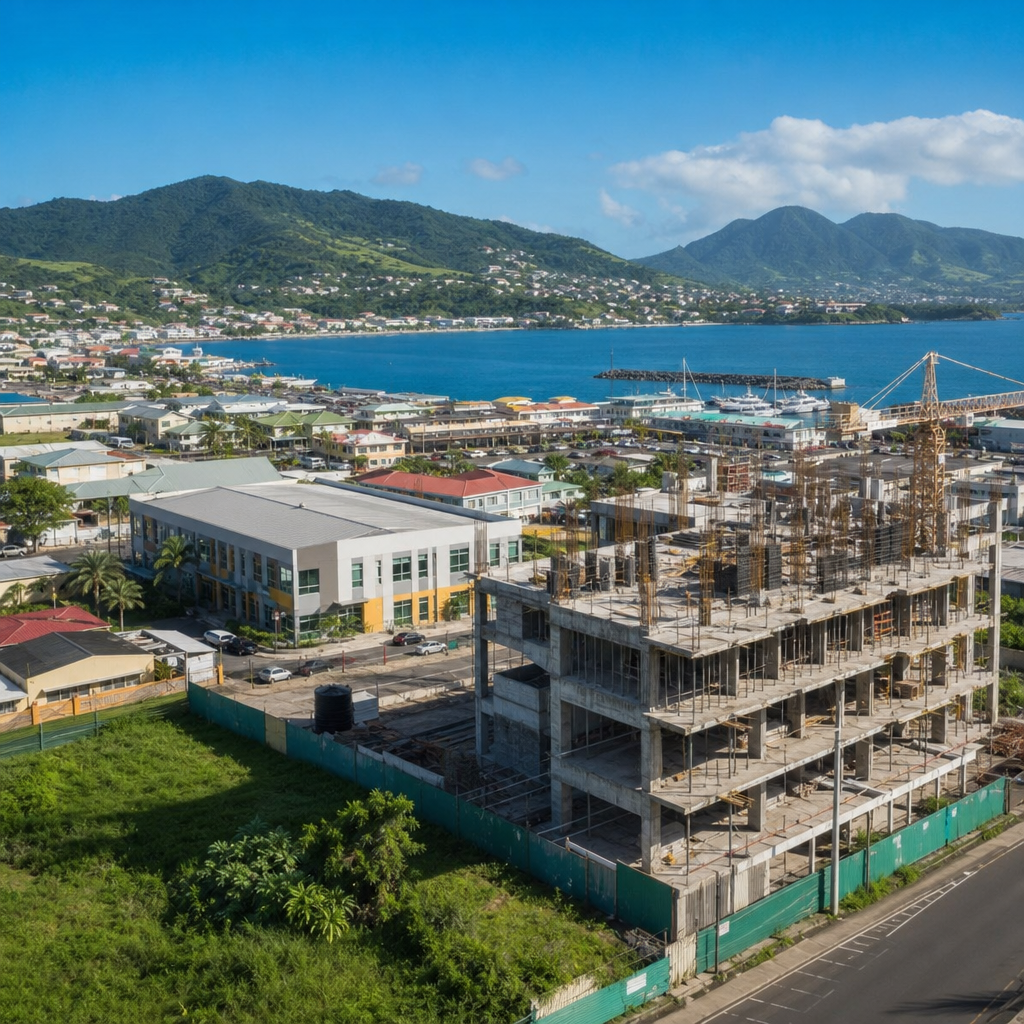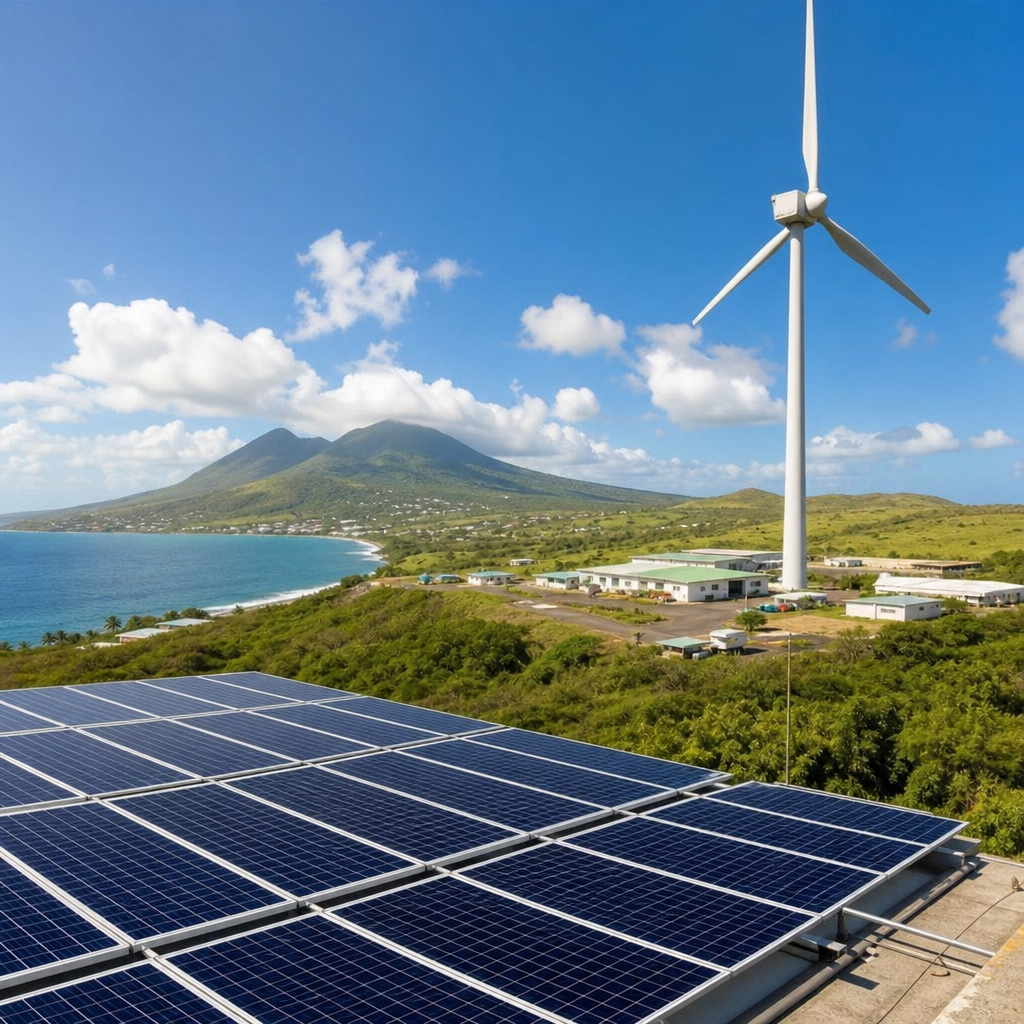
Investing in Nevis’ renewable and sustainable energy is no longer a niche idea reserved for environmental advocates; it is a practical economic strategy tied to energy security, tourism resilience, and long-term national competitiveness. For investors assessing Caribbean opportunities, Nevis stands out because it combines ambitious clean energy potential with a small-island market that feels the costs of imported fossil fuels immediately. Renewable energy refers to power generated from naturally replenishing resources such as geothermal heat, solar radiation, and wind. Sustainable energy is broader: it includes generation, grid design, storage, efficiency, transport electrification, and policy choices that reduce environmental impact while supporting reliable growth. In Nevis, those concepts matter because electricity prices, grid stability, water systems, hospitality operations, and public finances are all affected by how energy is produced and managed. I have worked with energy market assessments in island jurisdictions, and the same pattern appears repeatedly: when an island reduces diesel dependence, it improves price stability, lowers exposure to shipping disruptions, and creates investable infrastructure. Nevis has special relevance because its geothermal resource has been discussed for years as a potential baseload anchor, while solar, battery storage, efficient buildings, and microgrids can complement that anchor. As a hub topic within business and investment opportunities, this page maps the full landscape of miscellaneous opportunities around power generation, enabling infrastructure, project services, financing, and downstream commercial activity. It also answers the core investor question directly: where can capital enter the market with realistic returns, manageable risks, and measurable local benefit?
The Nevis energy investment case in practical terms
Nevis offers an unusually clear renewable energy investment case because the pain point is visible and persistent. Like many small islands, it has historically relied on imported petroleum products for electricity generation. That model creates high operating costs, sensitivity to global fuel price swings, and budgetary pressure on households, hotels, retailers, and public utilities. When fuel prices rise, islands feel it faster than larger diversified economies because generation portfolios are narrower and transport costs matter more. Investors should understand the direct business implication: every kilowatt-hour displaced by dependable local renewable generation can improve cost predictability for nearly every sector of the economy.
The headline opportunity is geothermal energy. Nevis is part of a volcanic island arc, and geothermal exploration has long been central to discussion about transforming the local electricity mix. Geothermal matters because it is not intermittent in the way solar and wind are. If commercially developed at the right temperature, flow rate, and reservoir characteristics, it can provide baseload electricity, which is especially valuable on a small grid. That capability changes the investment conversation from simply adding green capacity to redesigning the economics of the entire power system.
At the same time, investors should avoid viewing Nevis only through a geothermal lens. In practice, successful island transitions are layered. Utility-scale or commercial rooftop solar can shave daytime demand. Battery energy storage systems can reduce spinning reserve needs and support frequency regulation. Energy efficiency upgrades in hotels and public buildings often deliver the fastest payback of any clean-energy measure. Electric vehicle charging, smart metering, efficient desalination or water pumping, and resilient backup systems all become more attractive once local renewable penetration rises.
Another reason the market deserves attention is strategic fit. Nevis depends heavily on tourism and related services, sectors that increasingly market sustainability as part of destination value. Resorts, villas, marinas, and food service businesses are under pressure from guests, travel platforms, and institutional partners to show progress on emissions and resilience. An island with visible clean energy infrastructure gains a branding benefit, but more importantly, hospitality operators gain a cost-control tool. In markets I have analyzed, hotel owners often begin with sustainability branding in mind and end up focusing on the operating margin benefits of lower diesel-indexed power costs.
Investors also need to see scale correctly. Nevis is not a volume play like a continental power market. It is a targeted infrastructure and services market where the right project structure matters more than sheer size. Smaller markets can still produce attractive outcomes when projects are modular, contracts are clear, and capital stacks match demand realities.
Where the strongest renewable and sustainable energy opportunities sit
The most compelling opportunities in Nevis fall into several distinct categories, each with different timelines, capital needs, and risk profiles. Geothermal development sits at the top because of its transformational potential. Early-stage geothermal requires careful exploration, reservoir testing, environmental review, and substantial development capital. The reward, if the resource performs as expected, is dispatchable clean generation that can underpin the island’s energy system for decades. For institutional investors, infrastructure funds, and strategic developers with geothermal experience, this is the flagship opportunity.
Solar energy comes next, not because it replaces geothermal, but because it can be deployed faster. Commercial rooftops on hotels, government buildings, schools, health facilities, and industrial properties are natural entry points. Ground-mounted installations may also make sense where land use is compatible with tourism, agriculture, and ecological priorities. In island markets, I have seen the best solar projects paired with batteries and structured under power purchase agreements, allowing host customers to avoid up-front capital expenditure while securing energy savings.
Battery storage is its own business case, not merely an accessory to solar. Storage can reduce curtailment, provide backup during outages, smooth short-term fluctuations, and improve power quality. On small island grids, those functions have disproportionate value because system disturbances can affect a larger share of customers more quickly than in large interconnected networks. Developers who understand battery degradation, thermal management, inverter controls, and grid integration standards are particularly valuable in this environment.
Efficiency and building retrofits are often underestimated. Yet in tourism-heavy markets, replacing old HVAC systems, improving building envelopes, switching to LED lighting, installing solar water heating, and adding energy management systems can deliver quick returns. These projects are suitable for energy service companies, equipment suppliers, and lenders offering performance-based financing. They are also easier to scale portfolio-wide across hospitality and public-sector buildings than many investors initially expect.
| Opportunity | Typical investors | Main value driver | Key risk |
|---|---|---|---|
| Geothermal generation | Infrastructure funds, strategic developers, DFIs | Baseload power and fuel displacement | Resource confirmation and drilling cost |
| Commercial solar plus storage | Independent power producers, family offices | Fast deployment and bill savings | Interconnection and tariff design |
| Efficiency retrofits | ESCOs, banks, equipment vendors | Short payback and lower operating cost | Measurement and customer adoption |
| Grid modernization | Utilities, contractors, concessional lenders | Reliability and renewable integration | Procurement and regulatory coordination |
Grid modernization is another important miscellaneous category because renewable penetration depends on transmission, distribution, protection systems, and digital controls. Smart meters, outage management systems, distribution automation, substation upgrades, and cyber-secure control architecture are not always glamorous, but they are investable and essential. In many island projects, the grid work determines whether generation assets actually achieve expected returns.
Project structures, financing routes, and commercial models
Capital can enter Nevis’ sustainable energy market through several routes. The first is direct project equity in generation or storage assets. This is common for independent power producers that develop, own, and operate infrastructure under long-term offtake arrangements. In an island context, the quality of the offtaker, tariff mechanics, fuel pass-through rules, dispatch terms, and currency considerations need detailed review. Bankable documentation matters more than broad policy ambition.
The second route is public-private partnership participation. Large infrastructure, especially geothermal or major grid upgrades, often requires a blended approach combining government support, concessional finance, and private expertise. Development finance institutions can play an important role by reducing risk through political risk coverage, early-stage technical assistance, or long-tenor debt. Investors who are used to emerging-market infrastructure will recognize this pattern immediately.
A third model is distributed energy services. Under this structure, a provider installs rooftop solar, batteries, efficient cooling, or monitoring systems for a commercial customer and recovers its investment through an energy service agreement. Hotels and mixed-use developments are natural candidates because they have measurable loads and a clear incentive to reduce operating costs. I have seen this model work best when contracts specify maintenance standards, production guarantees, metering protocols, and end-of-term asset transfer terms.
Green lending and portfolio finance also deserve attention. Local and regional banks can support adoption by offering loans for retrofits, electric fleet upgrades, efficient appliances, or resilience improvements. For investors, this opens a less visible but meaningful channel: financing the ecosystem around renewable deployment rather than only the generation asset itself. Equipment distributors, EPC contractors, software providers, and maintenance firms all sit within that ecosystem.
Carbon finance may contribute in selected cases, but it should not be the primary basis of an investment thesis. Revenue from carbon credits can be uncertain, methodology-dependent, and administratively burdensome. In my experience, the strongest Caribbean clean-energy projects stand on core economics first and treat carbon value as supplementary upside.
Risk, regulation, and due diligence investors should prioritize
Every attractive energy market comes with constraints, and Nevis is no exception. The first risk is resource risk in geothermal projects. Before investors price returns, they need clarity on exploration history, geophysical data, drilling plans, reservoir engineering assumptions, and contingency budgets. Geothermal can be highly rewarding, but it punishes shallow diligence. Developers with proven drilling and plant-operation track records have an edge because execution risk is as important as subsurface potential.
The second major issue is grid capacity and system integration. Small grids require careful modeling when adding variable renewables or large new baseload units. Investors should request load profiles, system peak data, reserve margins, feeder maps, outage history, and interconnection requirements. Standards from bodies such as the International Electrotechnical Commission and practices used by utilities worldwide help frame technical review, but local operating realities still govern performance.
Regulatory clarity is equally important. Investors need to understand licensing, land rights, environmental approvals, tariff policy, procurement rules, and the legal standing of power purchase agreements. Even where policy direction is supportive, timelines can slip if approvals are fragmented. Strong local counsel and on-island stakeholder engagement are essential. This is especially true when projects intersect with tourism zones, environmental sensitivities, or community concerns about land use and visual impact.
Climate resilience must be designed in, not added later. Solar arrays need hurricane-resilient mounting. Battery systems need proper fire suppression and thermal controls aligned with recognized safety standards such as NFPA guidance and manufacturer specifications. Undergrounding, corrosion-resistant materials, spare parts strategy, and remote monitoring all matter more on islands because storms and shipping delays can combine to extend downtime.
Finally, investors should assess workforce and operations capacity. The best projects include training, local vendor development, and realistic maintenance planning. Imported expertise can launch a project, but long-term value improves when local technicians can operate, troubleshoot, and maintain systems reliably.
Why this hub matters for broader business and investment opportunities
Renewable and sustainable energy in Nevis is not an isolated sector; it is an enabling platform for wider economic development. Reliable lower-cost electricity supports food processing, cold storage, digital services, water infrastructure, and modern hospitality operations. Clean energy also strengthens real estate development by improving the business case for eco-resorts, wellness properties, remote-work communities, and mixed-use projects that want resilient utilities. That is why this miscellaneous hub matters within the broader business and investment opportunities landscape: energy investment unlocks value in multiple sectors at once.
For readers exploring this subtopic further, the practical next step is to map opportunities by function: generation, storage, efficiency, grid services, finance, and specialized support services. Then compare each area against your capital horizon, technical capability, and risk tolerance. The strongest approach is disciplined rather than speculative. Focus on projects with clear demand, sound counterparties, durable engineering, and realistic implementation pathways. Nevis has the ingredients for meaningful renewable and sustainable energy investment, especially where geothermal ambition is matched by careful execution and where solar, storage, and efficiency measures build immediate gains. Investors who do their diligence well can help reduce diesel dependence, improve resilience, and participate in infrastructure that carries both commercial and national value. If Nevis is on your Caribbean investment shortlist, use this hub as your starting point and build outward into the specific projects, partners, and transaction structures that fit your strategy.
Frequently Asked Questions
Why is Nevis considered an attractive market for renewable and sustainable energy investment?
Nevis is attractive because renewable energy on the island is tied directly to urgent economic needs rather than abstract long-term goals. Like many small island economies, Nevis has historically depended on imported fossil fuels for electricity generation. That dependence creates high and volatile energy costs, exposes the island to global oil price swings, and places pressure on households, businesses, and public infrastructure. For investors, that means clean energy is not simply a sustainability project; it is a practical solution to a real market inefficiency.
The island also has a strong strategic case for energy transition. Tourism, which is a critical pillar of the local economy, benefits from reliable and affordable power. Hotels, resorts, restaurants, transportation services, and other tourism-related businesses all operate more competitively when electricity costs are lower and grid reliability improves. In a destination-based economy, energy security supports business continuity, protects visitor experience, and strengthens the island’s reputation as a resilient and forward-looking jurisdiction.
Nevis is especially notable because of its renewable resource potential, including geothermal opportunities as well as complementary options such as solar and battery storage. In a market where imported fuel costs are immediately felt, the value proposition for replacing or offsetting diesel-based generation can be compelling. Investors often look for places where renewable energy provides both financial returns and structural national benefit, and Nevis fits that profile well. The market is relatively small, but that can actually be an advantage: well-designed projects can have visible, measurable impact, and successful deployments can establish strong long-term positions in an underserved but strategically important sector.
What types of renewable energy opportunities are most relevant in Nevis?
Several renewable and sustainable energy opportunities stand out in Nevis, with geothermal energy often receiving the most attention due to the island’s volcanic geology. Geothermal has the potential to provide stable baseload power, which is particularly valuable in island grids that need dependable electricity around the clock. Unlike intermittent renewable sources, geothermal can supply continuous generation if the resource is proven and developed effectively. For investors, that makes it especially interesting because it can address both cost reduction and energy security at scale.
Solar energy is also highly relevant. Caribbean islands generally benefit from strong solar irradiation, and Nevis is no exception. Utility-scale solar, rooftop solar for commercial properties, and hybrid systems paired with battery storage can all play a role in reducing fuel imports and improving grid performance. Resorts, public buildings, industrial facilities, and residential developments may all offer viable use cases for distributed solar installations. Battery storage becomes important in this context because it helps smooth output, manage peak demand, and improve reliability, especially when integrated into a broader grid modernization strategy.
Beyond generation, there are opportunities in transmission and distribution upgrades, smart grid systems, energy efficiency technologies, electric mobility infrastructure, and energy services for tourism and real estate projects. Sustainable energy investment does not have to be limited to large power plants. In many island markets, returns can also come from integrated solutions that combine generation, efficiency, backup resilience, and lower operating costs for end users. Investors who understand the full energy ecosystem often find the best opportunities not just in producing power, but in helping modernize how that power is delivered, stored, and consumed.
What are the main risks investors should evaluate before investing in Nevis’ energy sector?
As with any infrastructure or emerging-market investment, careful due diligence is essential. One of the first considerations is project scale. Nevis is a small-island market, which means demand is finite and project sizing must be aligned with local consumption patterns, grid capacity, and realistic growth expectations. A technically impressive project can still face commercial challenges if it is not matched properly to market needs. Investors should therefore assess demand forecasts, utility offtake arrangements, tariff structures, and integration requirements early in the process.
Regulatory and policy clarity is another critical factor. Investors need to understand the legal framework governing independent power production, licensing, land use, environmental approvals, grid interconnection, power purchase agreements, and any incentives or concessions available to renewable projects. In island markets, the success of an energy investment often depends as much on institutional coordination as on engineering. A project may be economically sound, but delays in permitting, procurement, or public-sector approvals can affect timelines and returns.
Technology-specific risk also matters. For geothermal, for example, resource confirmation is a major issue because exploration and drilling can be capital-intensive and technically uncertain. Solar projects may face fewer resource risks but still require close evaluation of grid compatibility, storage economics, weather resilience, and maintenance logistics. Investors should also consider currency exposure, financing availability, insurance costs, hurricane resilience, equipment importation, and long-term operations and maintenance capacity. The most successful investors usually approach Nevis with a partnership mindset: they combine capital with technical expertise, local engagement, and a realistic understanding of island infrastructure conditions.
How does renewable energy investment in Nevis support tourism resilience and broader economic development?
Renewable energy investment can strengthen tourism resilience in very direct ways. Tourism businesses depend on consistent electricity for guest comfort, food storage, air conditioning, water systems, transportation support, digital connectivity, and property operations. When electricity is expensive or unreliable, operating costs rise and service quality can suffer. By reducing dependence on imported fuels and improving power stability, renewable energy helps tourism operators control expenses and plan with greater certainty. That matters in a highly competitive regional market where destinations are constantly working to differentiate themselves on both quality and sustainability.
There is also a strong branding and market-positioning advantage. Travelers, hospitality brands, and institutional partners increasingly pay attention to environmental performance. A destination that invests in clean energy sends a clear signal that it is serious about resilience, sustainability, and long-term stewardship. For Nevis, this can support premium tourism positioning, attract eco-conscious travelers, and align with the environmental commitments of international hotel operators and real estate developers. In that sense, energy investment becomes part of a broader economic development strategy rather than an isolated utility decision.
At the national level, the benefits can extend well beyond tourism. Lower fuel import dependence can improve macroeconomic stability, reduce exposure to external shocks, and keep more economic value within the local economy. Renewable projects can create jobs in construction, engineering, maintenance, project administration, and related services. They can also stimulate demand for local professional support in legal, environmental, technical, and financial fields. Over time, a more resilient energy system can help Nevis become a more attractive place for business formation, real estate investment, digital enterprise, and public-sector modernization. That is why many investors view clean energy in Nevis as foundational infrastructure for long-term growth.
What should investors look for when structuring a successful renewable energy project in Nevis?
A successful project structure begins with alignment among the resource, the market, and the regulatory environment. Investors should identify whether the project is intended to serve the public grid, a private commercial customer, a tourism cluster, or a hybrid of multiple offtakers. That decision affects everything from technology choice and financing strategy to contract design and risk allocation. A utility-scale project may require strong power purchase agreements and extensive grid studies, while a commercial behind-the-meter system may depend more heavily on customer credit quality and operational savings.
Local partnership and stakeholder engagement are equally important. In a market like Nevis, relationships with public authorities, utilities, landowners, communities, and business leaders can significantly influence project momentum. Investors should aim for transparent communication, clear development timelines, and a structure that demonstrates mutual benefit. Projects tend to perform better when they are seen not just as external capital entering a market, but as long-term contributions to local resilience, affordability, and economic capacity.
Finally, strong project structuring requires attention to durability and adaptability. Investors should account for climate resilience in engineering and insurance, build realistic maintenance and replacement schedules into financial models, and consider how storage, grid upgrades, or future expansion could affect long-term returns. It is also wise to stress-test assumptions around fuel displacement, tariff performance, currency movements, and operational downtime. In Nevis, the best renewable energy investments are usually those that combine technical soundness with practical local execution. Investors who focus on bankable contracts, robust risk management, and genuine alignment with the island’s development priorities are far more likely to create projects that are both profitable and durable.