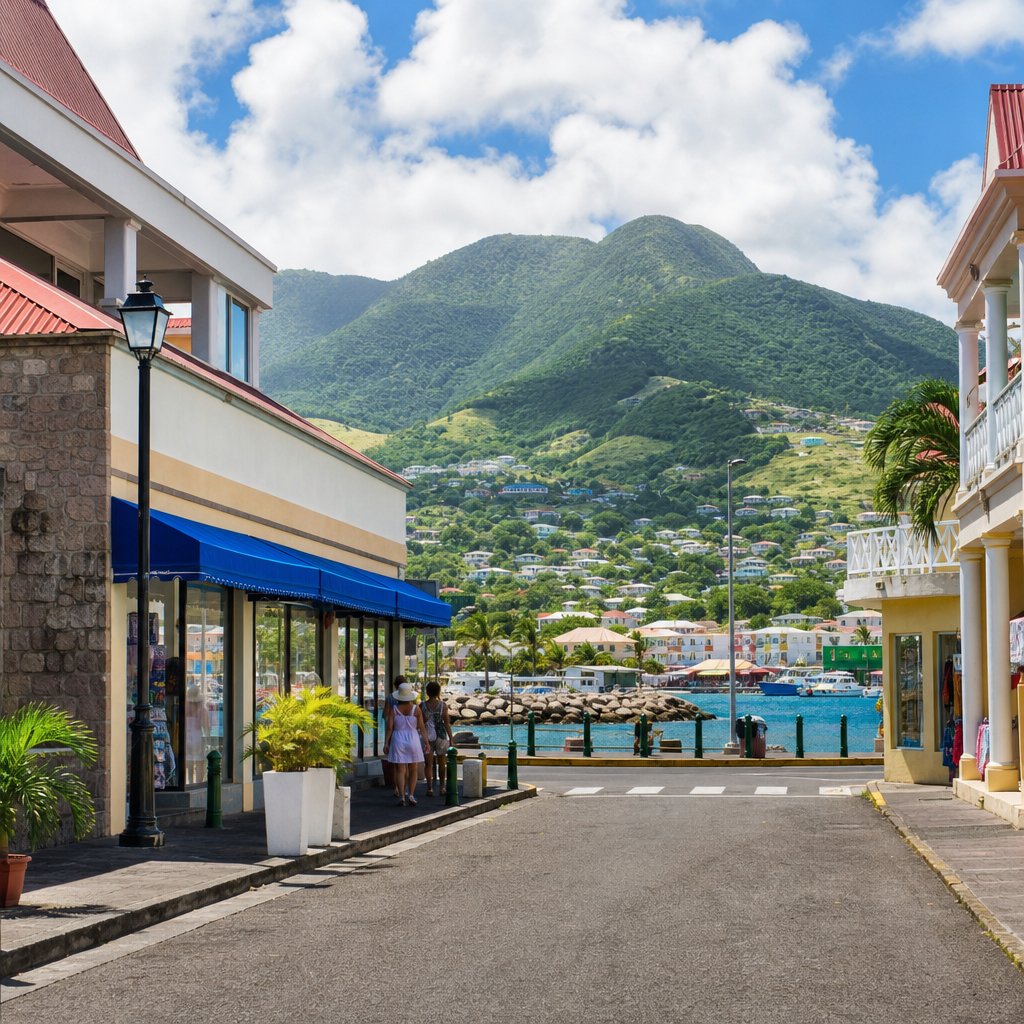
Franchise opportunities in Saint Kitts’ expanding market are attracting attention because the island’s economy combines tourism demand, a growing services base, stable institutions, and a business environment that rewards brands able to adapt to local conditions. In practical terms, a franchise is a business model in which an owner pays for the right to use an established brand, operating system, training program, and support structure. That matters in Saint Kitts because many investors want a faster path to market than building a concept from zero, while local consumers and visitors increasingly expect recognizable quality standards in food service, wellness, retail, education, business support, and niche lifestyle categories. I have worked with market-entry planning across Caribbean jurisdictions, and Saint Kitts stands out for one reason: it is small enough that mistakes become visible quickly, yet dynamic enough that a well-positioned franchise can scale through tourism corridors, mixed-use developments, and repeat local demand. The key is not simply choosing a famous brand. It is matching a franchise format to island economics, logistics, labor availability, visitor seasonality, and purchasing power. For investors researching business and investment opportunities, this hub article explains where miscellaneous franchise openings are emerging, how to evaluate them, what operational realities shape performance, and which questions should be answered before capital is committed.
Why Saint Kitts Is Becoming a Serious Franchise Market
Saint Kitts has several characteristics that make franchise development more viable than many outsiders assume. The first is a tourism-led demand engine. Hotel guests, cruise passengers, second-home owners, students, and returning nationals create layers of consumption beyond the resident population. That supports concepts that would struggle if they relied only on local walk-in traffic. The second is infrastructure concentration. Basseterre, Frigate Bay, the Southeast Peninsula, and areas near tourism and transport nodes capture a meaningful share of commercial activity, which reduces the need for a broad islandwide footprint in the early stage. The third is institutional predictability. As part of the Eastern Caribbean Currency Union, Saint Kitts and Nevis uses the Eastern Caribbean dollar, which has long been pegged to the US dollar, giving investors greater exchange-rate clarity than in many emerging markets.
Demand is also diversifying. Over the past several years, I have seen more interest in franchises outside standard fast food. Consumers are spending on convenience, health, specialized personal services, children’s activities, property support, and business outsourcing. Visitors expect easy access to high-quality coffee, quick dining, fitness offerings, curated retail, and reliable transport-linked services. Professionals and small firms need bookkeeping, shipping assistance, print solutions, and digital support. That means the market for franchise opportunities in Saint Kitts is broader than restaurant brands alone. A successful operator studies traffic patterns, neighborhood income mix, visitor flows, and local supply constraints rather than assuming one imported concept will work everywhere.
Most Promising Miscellaneous Franchise Categories
The strongest miscellaneous franchise categories in Saint Kitts usually share three features: they solve an everyday problem, they can operate profitably from a compact footprint, and they tolerate moderate import costs. Food and beverage remains important, but in this hub context the bigger story is variety. Fitness studios, boutique wellness brands, beauty services, learning centers, co-working and business service outlets, courier and parcel support, specialty cleaning, pet care, vending, water filtration services, event support, and home maintenance franchises all deserve attention. Many of these concepts require lower build-out costs than full-service restaurants and are less exposed to spoilage, complex kitchen staffing, and strict cold-chain dependence.
Education and enrichment franchises are especially interesting. Families often pay for tutoring, language support, STEM activities, music instruction, and structured early learning because these services supplement formal schooling and appeal to both residents and expatriates. Wellness franchises also fit the island environment. Yoga, recovery services, physiotherapy-linked concepts, healthy meal preparation, and boutique gyms can connect with hotel partnerships, residential communities, and corporate wellness demand. Business service franchises have a different advantage: they monetize reliability. Printing, shipping, mailbox rental, office support, tax preparation, and document services become valuable in a market where entrepreneurs, landlords, remote workers, and international clients need dependable execution.
Retail-linked service models can also work when they avoid excessive inventory risk. Mobile accessory kiosks, telecom support, branded convenience formats, and specialty repair concepts benefit from repeat purchases and practical necessity. Home-service franchises deserve serious consideration as real estate development expands. Property owners need landscaping, pest control, cleaning, pool maintenance, painting, and light repairs, particularly in vacation rental and second-home segments. In my experience, the best-performing small-island franchises are often the ones that become part of weekly life rather than one-time novelty purchases.
How to Evaluate a Franchise Before Entering Saint Kitts
Investors should screen a franchise in Saint Kitts using local economics first and brand appeal second. Start with unit economics. Ask for average ticket size, labor ratio, gross margin, royalty structure, marketing fund obligations, fit-out costs, and break-even timing from comparable small-market units, not flagship locations in major cities. Review whether the model depends on heavy discounting, national advertising, or high-volume throughput that may not exist on the island. Next, assess supply chain resilience. Concepts that need daily imported perishables, specialized machinery parts, or strict proprietary inputs can face expensive disruptions. A franchise with approved local substitutions and simple operating procedures usually has a better chance of maintaining margins.
Site selection should be tested against actual footfall and parking, not assumptions. In Saint Kitts, visibility near tourism zones may help, but convenience for residents often determines year-round stability. Labor planning is equally important. Some systems require highly standardized training, digital literacy, upselling discipline, or technical certification. If the operating model assumes a deep labor pool, execution may suffer. Legal review must cover territory rights, renewal terms, exclusivity, transfer restrictions, and performance benchmarks. A good franchise agreement protects the brand, but a balanced one gives the local operator enough flexibility to adapt opening hours, product mix, and staffing to island realities.
| Evaluation Factor | Why It Matters in Saint Kitts | What Strong Franchises Show |
|---|---|---|
| Supply chain | Imports can be delayed or costly | Multiple approved suppliers and local substitutes |
| Footprint size | Prime space is limited and rents vary sharply | Profitable operation in compact units |
| Training demands | Labor market is finite | Simple onboarding and clear standard operating procedures |
| Seasonality exposure | Tourism volumes fluctuate | Balanced mix of resident and visitor demand |
| Pricing power | Consumers are value conscious | Products justified by convenience, quality, or necessity |
Operational Realities: Costs, Regulation, and Local Adaptation
Opening a franchise in Saint Kitts requires disciplined planning around setup costs, licensing, import procedures, and ongoing compliance. Investors should budget for company formation, commercial lease deposits, fit-out, equipment shipment, duties where applicable, insurance, technology systems, point-of-sale integration, initial inventory, staff recruitment, and launch marketing. The exact approvals depend on the activity, but every operator should confirm business licensing, health and safety obligations, signage permissions, employment documentation, and tax registration before committing to a launch date. In hospitality-adjacent sectors, service standards matter as much as legal compliance because reputation spreads quickly across an island market.
Adaptation is where many franchisees either protect margins or lose them. Menus, package sizes, opening hours, staffing schedules, and promotional calendars must reflect local behavior. For example, a coffee or quick-service concept may need stronger breakfast and school-run trade than an imported playbook expects. A wellness brand may perform better with membership bundles tied to residents rather than relying heavily on drop-in tourist purchases. A shipping or business service franchise may need extended month-end staffing when landlords, accountants, and small companies cluster administrative tasks. Island logistics also reward preventive management. Operators should hold sensible safety stock, maintain equipment service contracts, and map backup vendors before the first disruption occurs.
Digital channels are now essential, not optional. Even small franchises benefit from WhatsApp ordering, online booking, simple loyalty systems, and location-accurate profiles on major map platforms. I have seen outlets with average walk-in traffic outperform better-looking competitors because they answered customer messages quickly, published opening hours accurately, and made repeat purchases easy. In a compact market, convenience becomes a brand asset faster than expensive advertising.
Examples of Franchise Models That Fit the Market
Consider three realistic examples. First, a specialty cleaning franchise can serve villas, vacation rentals, offices, and retail units. Demand is recurring, setup is lighter than restaurant operations, and quality control can be standardized through checklists, chemicals, scheduling software, and staff training. Partnerships with property managers create steady volume. Second, an education franchise focused on tutoring and STEM enrichment can use after-school and weekend demand from local families, while also serving expatriate households. Its revenues are less dependent on cruise schedules and more tied to community trust, retention, and measurable learning outcomes.
Third, a parcel, mailbox, and business support franchise fits the needs of entrepreneurs, remote workers, students, and households that regularly manage overseas purchases or documentation. This model benefits from a reputation for accuracy and speed. Additional revenue can come from printing, laminating, notary-adjacent referrals where appropriate, packaging supplies, and account-based service for small companies. These examples illustrate a wider principle: the best franchise opportunities in Saint Kitts usually combine dependable local need with systems that can be taught, measured, and repeated.
Investors should also think in clusters. A franchise near hospitality assets might sell to guests during the day and residents in the evening. A service business can win contracts from hotels, clinics, schools, and landlords while still taking household orders. A children’s education brand can partner with camps, schools, and parent associations. Synergy lowers customer acquisition costs and reduces overreliance on one segment.
Common Risks and How Smart Investors Reduce Them
The biggest risk is assuming that a recognized brand automatically creates demand. In Saint Kitts, weak location choice, unrealistic pricing, and poor staffing discipline can damage even a respected concept. Another risk is overestimating scale. The island can support profitable businesses, but not every brand deserves multiple units. Start with a conservative revenue model, stress-test lower footfall, and protect cash flow for a slower ramp than the franchisor’s marketing deck suggests. Import dependency is another major issue. If a concept fails whenever one ingredient, consumable, or machine part is delayed, it is not operationally robust enough for the market.
Investors reduce risk by negotiating hard on territory size, opening obligations, and adaptation rights. They also ask for disclosure on closure rates, litigation history, and average unit performance in comparable territories. Mystery shopping existing units, speaking with current franchisees, and reviewing operations manuals reveal far more than promotional webinars. On the local side, conduct practical due diligence on utility reliability, landlord responsiveness, waste management, internet quality, and employee transportation. Small operational frictions compound quickly on islands. The most resilient franchisees build margin through training, procurement discipline, and customer retention rather than depending on headline growth.
Building a Hub Strategy for the Miscellaneous Subtopic
As a sub-pillar hub within business and investment opportunities, this page should guide readers toward deeper research across specific franchise categories, setup requirements, and sector economics. In content planning terms, the strongest next-step articles include food service franchises in Saint Kitts, education and tutoring franchises, fitness and wellness concepts, home-service and property-maintenance franchises, retail kiosk models, and legal considerations for franchise agreements. A hub works when it answers the main question clearly, then signals the related questions investors ask next. That structure also mirrors how actual due diligence unfolds: market overview first, category screening second, operator economics third, and execution details last.
For decision-makers, the central insight is simple. Saint Kitts is not too small for franchising; it is simply too specific for lazy franchising. Concepts that respect the island’s demand mix, logistics, labor realities, and customer expectations can generate durable returns. Those that depend on imported assumptions usually struggle.
Franchise opportunities in Saint Kitts’ expanding market are strongest where a proven system meets a recurring need and can be adapted to island conditions without breaking brand standards. Investors should focus on categories such as education, wellness, business support, home services, and practical retail-linked concepts, not only on headline restaurant brands. The right approach is disciplined: validate local demand, model costs conservatively, review franchise terms carefully, plan for supply interruptions, and build operations around convenience, training, and service consistency. That is how strong franchises win in small but active markets.
For readers exploring business and investment opportunities, this miscellaneous hub should be the starting point for a deeper franchise strategy in Saint Kitts. Use it to shortlist sectors, identify the operating questions that matter most, and compare franchise models against real local conditions. Then move to detailed category research, speak with advisors, and test the numbers before you invest. In Saint Kitts, precision beats enthusiasm, and careful preparation creates the best opening for long-term franchise success.
Frequently Asked Questions
1. Why are franchise opportunities in Saint Kitts becoming more attractive to investors?
Franchise opportunities in Saint Kitts are gaining momentum because the island offers a useful mix of steady tourism activity, a growing service-based economy, and a relatively stable commercial environment. For investors, that combination creates demand in sectors such as food and beverage, hospitality support services, retail, wellness, education, transportation, and professional services. Tourism plays an especially important role, since visitor spending can support recognizable brands that deliver consistency and convenience. At the same time, local residents and businesses are also contributing to demand for reliable products and services, which helps reduce overreliance on one customer group.
Another reason franchises are appealing is that they offer a structured entry point into business ownership. Instead of building a concept from scratch, a franchisee can operate under an established brand with a proven operating system, training, supplier guidance, and ongoing support. In a market like Saint Kitts, where local knowledge matters and execution can be more important than scale alone, that support can be a major advantage. Investors are often drawn to the balance franchises provide: the credibility of an established brand combined with the ability to tailor operations to local market conditions. When the concept is chosen carefully and adapted intelligently, a franchise can be well positioned to benefit from Saint Kitts’ expanding market.
2. What types of franchise businesses tend to perform well in Saint Kitts?
The strongest franchise opportunities in Saint Kitts are usually those that align with the island’s economic drivers and everyday consumer needs. Businesses connected to tourism often stand out, including quick-service restaurants, casual dining, coffee concepts, convenience retail, travel-related services, car rental support, excursions, and hospitality-adjacent operations. Health, beauty, fitness, and wellness franchises may also perform well, particularly where there is demand from both residents and visitors. Education and children’s services can be attractive too, especially if they meet a clear community need and offer a reputation for quality.
That said, success is not just about choosing a popular category. The franchise must match local purchasing power, customer habits, competition levels, and supply chain realities. A concept that works in a large metropolitan area may need significant adjustment to fit Saint Kitts. Menu size, inventory levels, pricing, staffing models, operating hours, and location strategy often need to be adapted. The most promising franchises are usually those with flexible systems, realistic space requirements, and a willingness to localize without losing brand integrity. In practical terms, investors should look for franchises that solve a real market need, can operate efficiently on an island, and have a support structure strong enough to help navigate a smaller but potentially high-value market.
3. What should investors evaluate before buying a franchise in Saint Kitts?
Before investing in a franchise in Saint Kitts, buyers should assess both the franchise itself and the local market conditions. On the franchise side, it is important to understand the total cost of entry, including initial franchise fees, build-out costs, equipment, licensing, marketing contributions, inventory, training expenses, and ongoing royalties. Investors should also review the franchisor’s track record, operational support, financial expectations, brand reputation, and flexibility in adapting to smaller island markets. A strong franchise system should provide clear processes, meaningful onboarding, and practical support in areas such as site selection, training, procurement, quality control, and launch planning.
On the local side, due diligence should include market demand, competition, ideal customer profile, foot traffic patterns, seasonality, labor availability, import dependence, and regulatory requirements. Investors should think carefully about whether the concept is suited to local tastes and whether pricing can remain competitive after accounting for shipping and operating costs. It is also wise to evaluate whether a location depends too heavily on tourist traffic or whether it can build a stable local customer base. Professional legal and financial advice is essential, particularly when reviewing franchise agreements, territorial rights, exclusivity clauses, renewal terms, termination provisions, and compliance obligations. In short, the best franchise investments in Saint Kitts are usually made by buyers who combine enthusiasm for the brand with disciplined research into how the business will actually function on the ground.
4. What are the main challenges of operating a franchise in Saint Kitts, and how can they be managed?
Like any island market, Saint Kitts presents specific operational challenges that investors need to anticipate early. Supply chain logistics are often one of the biggest issues. Franchises that depend on imported products, specialized equipment, or rigid inventory systems may face delays, shipping costs, and fluctuations in availability. Staffing can also be a challenge, especially for businesses that require specialized training, high service standards, or extended operating hours. In addition, market size means there is less room for inefficient expansion, and businesses must be careful not to overestimate demand. Seasonality tied to tourism can affect cash flow, which makes working capital planning especially important.
These challenges can be managed successfully with the right preparation. Investors should prioritize franchise concepts that are operationally flexible and not overly dependent on fragile supply lines. Building relationships with reliable local and regional suppliers can improve resilience, while smart inventory planning can reduce disruptions. Training should be approached as an ongoing investment rather than a one-time event, especially in customer-facing sectors. It is also important to choose a realistic location strategy and create financial projections that account for slower periods, not just peak demand. Franchisors that understand international or island-based expansion tend to be more helpful in navigating these issues. Ultimately, franchises in Saint Kitts can perform very well, but the operators who succeed are usually the ones who plan carefully, localize intelligently, and stay disciplined in execution.
5. Is buying a franchise in Saint Kitts better than starting an independent business?
Whether a franchise is better than an independent business depends on the investor’s goals, experience, and appetite for risk. A franchise can be an excellent option for someone who wants a proven model, recognized branding, established operating procedures, and access to training and support. In Saint Kitts, where execution, credibility, and efficient market entry can make a major difference, those advantages are meaningful. A franchise may help shorten the learning curve and make it easier to attract customers who value consistency and familiarity. This is particularly relevant in sectors serving tourists, expatriates, and consumers who trust known brands.
However, a franchise also comes with obligations. Franchisees must follow brand standards, pay fees and royalties, and operate within the franchisor’s rules. That can limit creativity and reduce flexibility compared with building an independent business. By contrast, an independent venture gives the owner more control over branding, pricing, product development, and growth strategy, but it also requires creating systems, reputation, and market trust from the ground up. In Saint Kitts, many investors find that a franchise offers a strong middle ground between entrepreneurship and structure, especially if they want to enter the market with a tested concept. The right choice comes down to whether the investor values independence more than support, and whether the selected business model fits the realities of the local market.