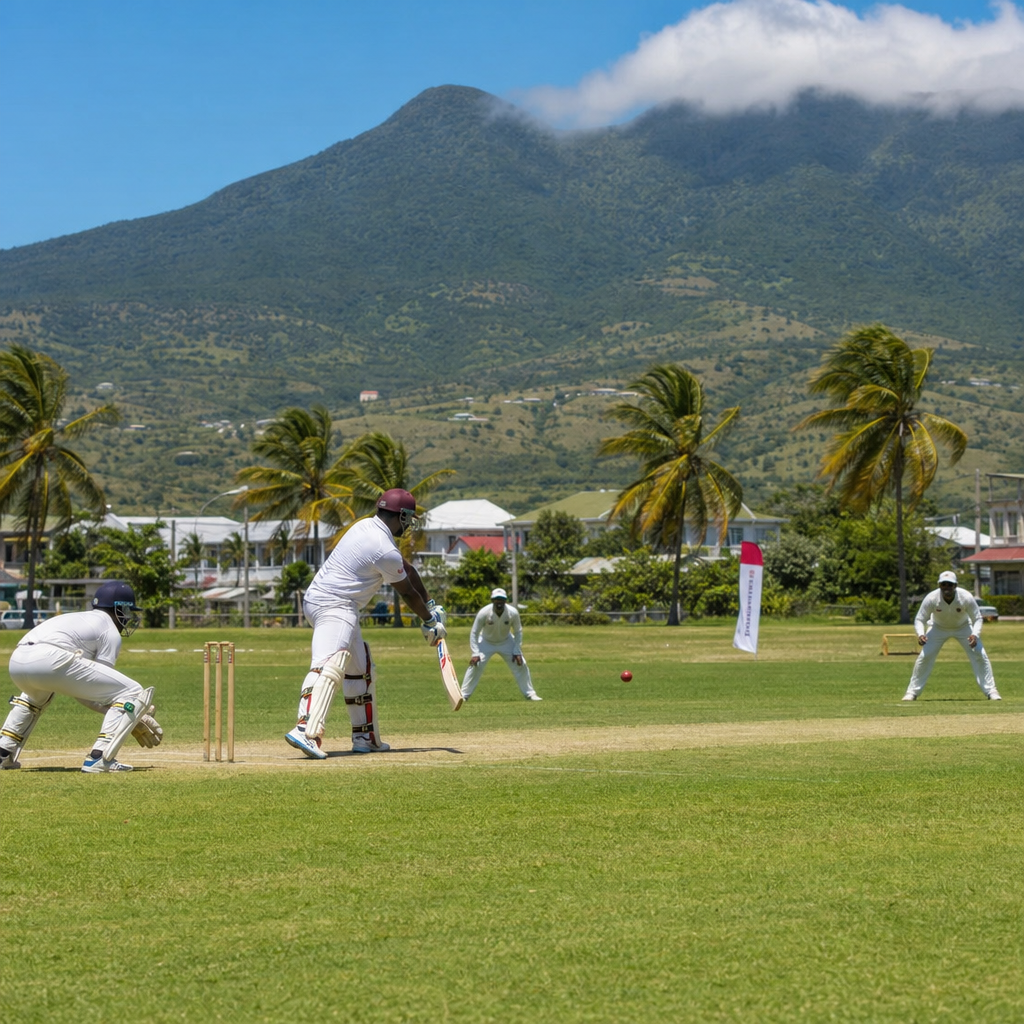
Nevis’ sports tourism market is one of the island’s most underdeveloped business opportunities, combining destination branding, visitor spending, youth development, and private investment in a way few sectors can match. Sports tourism refers to travel connected to participation in, attendance at, or training for sporting activities, from cricket tournaments and road races to cycling camps, sailing regattas, wellness retreats, and school team travel. On Nevis, the concept sits at the intersection of hospitality, recreation, transport, events, and real estate, which is exactly why investors and local operators should pay attention. I have worked with destination content and market-positioning projects across Caribbean niches, and the pattern is consistent: islands that package sport as an experience, not just an event, extend visitor stays and diversify revenue beyond sun-and-sand holidays. For Nevis, that matters because the island already has several ingredients in place—scenic roads, a recognizable resort base, strong community identity, manageable scale, and proximity to international gateways—yet the market remains loosely organized. That gap creates room for event organizers, accommodation providers, transport companies, equipment suppliers, coaches, media partners, and landowners. As a hub topic within business and investment opportunities, sports tourism also connects to miscellaneous opportunities that are often overlooked, including sports medicine, merchandise, digital booking services, volunteer training, insurance support, and venue management. The opportunity is real, but it requires disciplined planning, credible standards, and products built around what Nevis can deliver consistently.
Why sports tourism fits Nevis
Nevis is well suited to sports tourism because successful sports destinations do not always need massive stadiums; they need attractive conditions, reliable logistics, and experiences people will travel for. The island’s compact geography is an advantage. Visitors can move from hotel to venue to beach to restaurant quickly, which reduces friction for athletes, families, and organizers. The terrain supports multiple formats: flatter coastal stretches can host road races and cycling segments, while higher elevations and trails create options for hiking events, mountain challenges, and training camps focused on endurance. Year-round warm weather is another competitive asset, especially for travelers from North America and Europe seeking winter-season training. In practice, this means Nevis can market itself to amateur athletes, clubs, schools, masters competitors, and wellness travelers, not only elite professionals.
Cricket remains the most culturally resonant anchor, but the market should not be defined too narrowly. On islands with similar profiles, I have seen smaller recurring events outperform one-off marquee spectacles because they build calendar consistency. A triathlon weekend, community road race, youth football camp, tennis clinic, open-water swim, or sailing competition can bring repeat visitors with lower infrastructure risk than major stadium sports. Nevis also benefits from regional familiarity with multi-island travel. A visitor who arrives through St. Kitts and extends for an event in Nevis is already behaving like a sports tourist if the package is organized correctly. That dynamic supports ferry operators, taxi services, guesthouses, villas, and restaurants as much as formal venues. The key business insight is simple: Nevis does not need to imitate larger destinations. It needs to specialize in well-run, scenic, mid-scale events and training experiences that align with the island’s size and brand.
Market segments with the strongest commercial potential
The strongest opportunities sit in distinct segments, each with different spending patterns and operating requirements. Participation events are usually the most scalable starting point. These include races, cycling tours, swims, and amateur tournaments where travelers pay entry fees and spend on lodging, food, local transport, and recovery activities. Event participants often travel with companions, increasing total room nights. Training camps are another promising segment because they can be scheduled in shoulder seasons. A cycling or running camp that brings twenty to forty visitors for five to seven nights can be commercially meaningful for boutique properties. Team travel, especially school and club sports, offers predictable block bookings but requires attention to safeguarding, transport coordination, and emergency planning.
Spectator events can generate visibility, though they tend to require stronger sponsorship and media support. They work best when linked to a broader destination offer, such as a cricket festival with culinary events, music, and heritage tours. Wellness-sport hybrids deserve special attention in Nevis. Many travelers do not identify primarily as athletes, yet they will book yoga-and-hike retreats, paddle-and-spa weekends, or tennis-and-nutrition packages. That broadens the target market and lowers dependence on expensive facilities. Corporate retreats with active programming are another miscellaneous but practical niche. Businesses increasingly seek team-building formats that mix meetings with physical activity, and Nevis can accommodate these through resorts, villas, guided excursions, and event planners.
| Segment | Typical Visitor Profile | Main Revenue Streams | Operational Needs |
|---|---|---|---|
| Participation events | Amateur athletes, clubs, families | Entry fees, lodging, dining, transport | Course management, timing, medical support |
| Training camps | Coaches, teams, endurance travelers | Accommodation packages, facility rental, guiding | Practice space, nutrition planning, recovery services |
| Spectator festivals | Fans, sponsors, media, diaspora travelers | Tickets, sponsorship, merchandise, hospitality | Security, broadcasting, crowd flow, vendor management |
| Wellness-sport retreats | Affluent leisure travelers | Premium packages, spa, food and beverage | Instructor quality, itinerary design, branding |
For investors, the most attractive entry point is often not owning a stadium or creating a giant event. It is building services around these segments: registration platforms, equipment rental, physiotherapy, branded apparel, shuttle operations, race photography, hydration supply, or athlete-friendly meal plans. Those are realistic miscellaneous opportunities inside the sports tourism hub, and they can scale gradually with demand.
Infrastructure, standards, and operational gaps
Sports tourism succeeds when destination promises match operational reality. That means Nevis must think beyond attractive scenery and address the practical requirements travelers expect. Reliable playing surfaces, safe race routes, wayfinding signage, public sanitation, hydration stations, timing systems, emergency medical response, and insurance coverage are not optional details. They determine whether an event earns repeat business. In my experience, the fastest way for a destination to stall this market is to launch events before standard operating procedures are mature. A beautiful route cannot compensate for poor marshalling, delayed transport, or inconsistent communication.
International best practice offers a useful guide. Road races should align with established distance measurement methods and clear safety plans. Water events need weather monitoring, rescue capacity, and participant screening. Youth sports camps require safeguarding policies, staff vetting, and parental communication systems. Governing bodies such as World Athletics, FIFA training frameworks, ICC-related cricket standards, and recognized lifesaving protocols provide reference points, even for smaller local events. Nevis does not need every event to be sanctioned at the highest international level, but it should use recognized standards as a baseline. That builds confidence among insurers, sponsors, and repeat visitors.
There are also softer infrastructure needs. Booking must be easy. Event information should be centralized, current, and mobile-friendly. Visitors should know what airports serve the destination, how transfers work, what equipment can be rented locally, and what medical facilities are available. If an athlete cannot answer these questions in ten minutes online, the destination loses business to a competitor with a clearer digital journey. This is why sports tourism development is partly a technology project. Even a simple calendar, booking engine, and operator directory can improve conversion. For local entrepreneurs, that opens room for software services, destination management support, and content production targeted to event travel.
Investment models and business opportunities across the value chain
Sports tourism creates value through an ecosystem rather than a single flagship asset. On Nevis, that ecosystem can support direct and indirect investment. Direct opportunities include event companies, niche tour operators, training camp businesses, sports academies, court or field upgrades, marine sports charters, and mixed-use facilities that combine recreation with hospitality. Indirect opportunities are often easier to finance and can deliver faster returns: short-term villa management tailored to teams, minibus shuttle contracts, laundry services for camps, recovery lounges, nutrition catering, branded retail, drone filming, and local vendor concessions.
Public-private cooperation is particularly important. A local authority may control access to a venue or public road, while private operators package the visitor experience and sponsorship inventory. That model is common in successful destination events because it spreads risk. Resorts and guesthouses also have a clear role. Instead of waiting for event organizers to approach them, accommodation providers can design athlete-friendly packages with early breakfasts, secure bike storage, flexible check-in, recovery menus, and meeting rooms for briefings. These are small operational adjustments that materially improve marketability. On the real estate side, investors should consider whether new villa or boutique resort developments can include tennis courts, fitness spaces, lap pools, or trail access as part of the product mix. Those amenities strengthen both leisure appeal and event demand.
Sponsorship is another investment channel. Banks, telecom providers, beverage companies, and insurance firms often support sports properties because they offer community visibility and positive brand association. For Nevis, sponsorship packages should be data-driven. Organizers should track participant numbers, room nights, social reach, and visitor origin markets, then present that information professionally. Without measurement, sponsorship remains anecdotal and harder to renew. This is one area where many small destinations leave money on the table.
Marketing Nevis as a sports destination
Effective marketing starts with a simple proposition: what specific sports experience can travelers get in Nevis that they cannot get as easily elsewhere? The answer should be concrete, not generic. “Train in warm weather” is too broad. “Race a scenic coastal route, recover at a boutique resort, and explore rainforest trails in one long weekend” is stronger because it is visual and actionable. In practice, the destination should build campaigns around event-led stories, seasonal training escapes, and curated itineraries. Photos and video matter, but clarity matters more. Dates, distances, difficulty levels, transfer details, and package inclusions should be obvious.
Search behavior also shapes strategy. Potential visitors ask direct questions: When is the event? Is the course beginner-friendly? Can I bring my family? How do I get equipment? Where do I stay near the start line? Content that answers these questions completely performs better than vague promotional copy. Destination pages should link clearly to accommodation, transport information, and activity add-ons so users can move from inspiration to booking without friction. Media partnerships with running clubs, cricket communities, cycling groups, diaspora associations, and travel advisors can amplify reach efficiently. User-generated content is valuable, but it works best when organizers provide shareable moments, branded signage, and fast photo delivery.
Nevis should also market to intermediaries, not only end consumers. Tour operators, school trip planners, sports federations, and corporate retreat agencies can bring repeat business once trust is established. Familiarization trips for coaches, event directors, and sports media are often more effective than broad untargeted campaigns. If these decision-makers experience the venue flow, accommodation base, and transfer logistics firsthand, they are better able to sell the destination. That kind of market development is practical, measurable, and well suited to a growing island destination.
Risks, constraints, and what sustainable growth looks like
The opportunity is promising, but it is not automatic. Airlift constraints, weather disruptions, event insurance costs, limited specialist staff, and competition from larger Caribbean destinations are real issues. There is also a carrying-capacity question. If events outgrow road networks, strain waste management, or sideline community access to facilities, local support weakens. Sustainable growth means matching event scale to infrastructure and community priorities. Smaller, repeatable events with strong quality control usually build a healthier market than chasing oversized tournaments that are expensive to stage and difficult to sustain.
Seasonality should be managed carefully. Sports tourism can help fill low-demand periods, but only if operators coordinate calendars and pricing. Workforce development matters too. Coaches, lifeguards, event marshals, physiotherapists, referees, and hospitality staff all influence visitor satisfaction. Training local talent keeps more value on the island and improves resilience. Environmental stewardship is equally important. Trail events need erosion management. Water sports require marine protection rules. Single-use plastics at events should be minimized through refill stations and procurement standards. These details are increasingly important to travelers and sponsors alike.
Nevis’ sports tourism market has genuine potential because it can create business activity across accommodations, transport, food service, events, health, retail, and digital services without requiring the island to abandon its character. The most successful path is disciplined and specific: choose the right sports, improve operational standards, package the full visitor journey, and measure economic impact carefully. As a hub within business and investment opportunities, this miscellaneous category is valuable precisely because it touches so many sectors at once. For entrepreneurs, the message is straightforward: look beyond the event itself and identify the service gaps around it. For policymakers and investors, the priority is to support quality, coordination, and credibility. Start with one or two well-executed products, build a reliable calendar, and turn Nevis into a destination where sport gives travelers another strong reason to stay longer and spend more.
Frequently Asked Questions
What does sports tourism mean for Nevis, and why is it considered such a strong growth opportunity?
For Nevis, sports tourism means attracting visitors whose travel is tied to athletic participation, competition, training, spectating, or wellness-focused recreation. That can include cricket tournaments, road races, triathlons, cycling camps, sailing events, football clinics, tennis training, school team travel, and even fitness and recovery retreats. What makes this especially important for Nevis is that sports tourism does more than fill hotel rooms for a few days. It creates a broader economic ripple effect across accommodations, restaurants, transportation providers, retailers, event services, coaches, medical support, entertainment, and local vendors. Unlike some tourism segments that rely heavily on passive sightseeing, sports travelers tend to spend with purpose and often travel in groups, bringing teammates, family members, support staff, and spectators with them.
Nevis also has a compelling natural and strategic advantage. The island offers scenic routes, a warm climate, a distinctive cultural identity, and an intimate destination experience that can appeal to both amateur and elite markets. Because the sector is still underdeveloped, there is room to shape it intentionally rather than retrofitting a mature market. That means policymakers, businesses, and community leaders can define the kinds of events and training experiences that fit Nevis best, build quality over quantity, and tie sports tourism to long-term goals such as destination branding, youth development, job creation, and private investment. In practical terms, sports tourism can help reduce seasonality, diversify the visitor economy, and position Nevis as more than a leisure destination. It can become a place where people come to compete, train, reconnect, and return year after year.
Which types of sports tourism are most realistic and profitable for Nevis to develop first?
The most realistic starting point for Nevis is to focus on sports tourism segments that align with the island’s size, infrastructure, climate, and brand. Road races, cycling events, cricket festivals, small football tournaments, tennis camps, sailing regattas, wellness retreats, and school or university team travel are especially promising. These formats do not always require massive stadiums or highly specialized facilities to be successful. Instead, they depend on strong event organization, reliable transport, quality accommodations, safe routes or venues, and a destination experience that participants remember positively. For Nevis, that is a strategic advantage because the island can compete through experience, atmosphere, and convenience rather than trying to outspend larger destinations on mega-event infrastructure.
From a profitability standpoint, recurring mid-sized events are often more valuable than one-off spectacles. A well-run annual race weekend, youth cricket invitational, triathlon, or training camp can become a signature attraction that builds repeat visitation and predictable business for local operators. School and amateur sports travel can be particularly effective because it often brings groups during shoulder periods, helping hotels and service providers smooth demand outside traditional peaks. Wellness-oriented sports tourism also deserves attention because it fits naturally with Nevis’ appeal as a restorative destination. Programs that combine fitness, recovery, healthy cuisine, hiking, and cultural immersion can draw high-value visitors without placing excessive strain on public infrastructure. The smartest approach is to build a portfolio of manageable, repeatable sports offerings that match the island’s identity and can scale over time.
How can sports tourism benefit local businesses, communities, and young athletes on Nevis?
Sports tourism can produce benefits that extend far beyond event organizers and hotels. When visitors arrive for competitions, camps, or tournaments, they create demand across the local economy. Restaurants serve teams and spectators, taxi operators and car rental companies move visitors around the island, retailers sell essentials and souvenirs, photographers and media providers capture events, and local farms and food suppliers may benefit from catering demand. Event-related spending often touches many small and medium-sized businesses, which is one reason sports tourism is viewed as a high-impact development opportunity. If events are designed well, the economic value is more widely distributed than in tourism models that concentrate spending within a narrow set of properties or services.
The community impact can be just as meaningful. Sporting events create energy, civic pride, and opportunities for volunteerism, mentorship, and local participation. They can strengthen ties between schools, clubs, businesses, and public agencies while giving residents more access to organized recreational opportunities. For young athletes, the upside is even greater. A stronger sports tourism sector can support better facilities, more coaching exposure, more structured competition, and more pathways to scholarships, regional development, or professional ambition. Visiting teams and coaches can bring new standards and networks, while local youth gain the motivational benefit of seeing their island host serious sporting activity. When linked intentionally to youth programs, sports tourism becomes more than a visitor strategy. It becomes a development tool that supports health, discipline, confidence, and talent cultivation within the local population.
What challenges could slow the growth of Nevis’ sports tourism market, and how can they be addressed?
Like any emerging sector, sports tourism on Nevis faces practical constraints. Infrastructure is one of the most obvious. Certain events require quality playing surfaces, safe road conditions, changing facilities, medical preparedness, spectator management, and dependable logistics. Airlift and regional connectivity can also affect attendance, especially for teams traveling with equipment or on tight schedules. Event coordination is another challenge. Successful sports tourism depends on timing, permitting, marketing, sponsorship, accommodations planning, transportation management, and contingency preparation for weather or emergencies. If these pieces are inconsistent, the visitor experience suffers and repeat business becomes harder to earn.
However, these challenges are manageable with a phased and disciplined strategy. Nevis does not need to pursue every sport at once. It can prioritize the categories where it already has natural advantages and where modest upgrades can yield strong returns. Public-private collaboration is critical. Government can help with planning frameworks, venue standards, road safety, and destination marketing support, while private investors can contribute through accommodations, specialized training services, equipment partnerships, and event production. It is also important to build an event calendar rather than relying on isolated promotions. Consistency creates trust among teams, athletes, and travel planners. Data collection matters too. Tracking visitor numbers, spending, occupancy patterns, and participant satisfaction allows the sector to improve over time and make a stronger case for investment. In short, the barriers are real, but they are not unique, and they can be addressed through targeted planning, partnership, and execution.
What would a successful long-term sports tourism strategy for Nevis look like?
A successful long-term strategy would treat sports tourism as part of a wider economic and branding agenda, not simply as a collection of occasional events. First, Nevis would identify the sports and formats that best match its destination identity, available facilities, climate, and target markets. That means defining a clear position in the market: perhaps as a boutique host for endurance events, a Caribbean base for cricket and youth team travel, a cycling and wellness destination, or a premium setting for training camps and regattas. Clarity matters because it shapes investment decisions, marketing messages, and the type of visitor the island wants to attract.
Second, the strategy would connect tourism outcomes with local development goals. That includes training local event staff, improving venues that residents also use, supporting youth athletics, and ensuring small businesses can participate in procurement and visitor spending. Third, it would create a reliable annual calendar of signature and supporting events, balanced across different times of year to reduce seasonality and keep Nevis visible in regional and international markets. Fourth, it would emphasize quality and reputation. In sports tourism, word of mouth is powerful. Athletes and organizers return to places that are efficient, welcoming, safe, and memorable. Finally, a strong strategy would be data-driven and adaptable, measuring what works and refining offers accordingly. Over time, success would not be defined only by visitor arrivals, but by stronger brand recognition, more resilient local businesses, improved opportunities for young people, and a tourism model that is more diversified and durable. That is why Nevis’ sports tourism market is widely seen as a field with real potential rather than just an interesting niche.