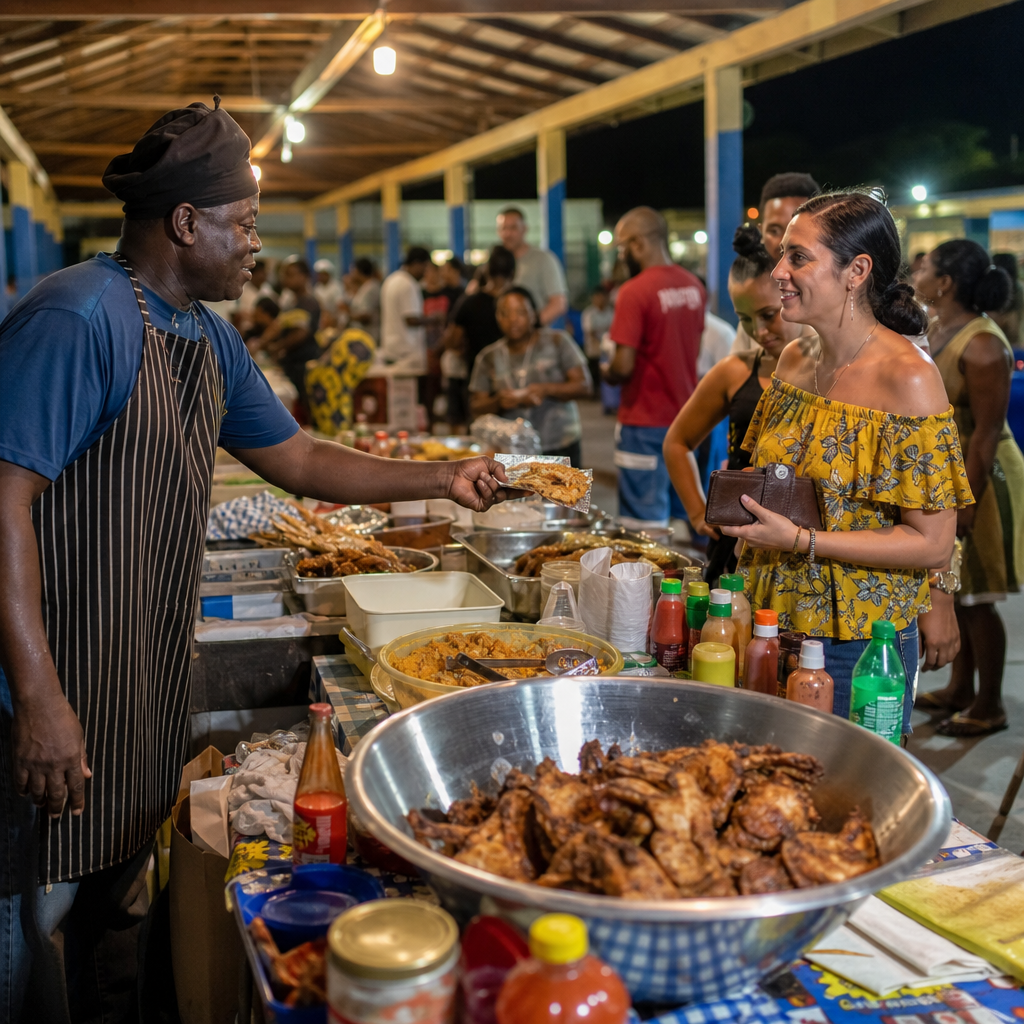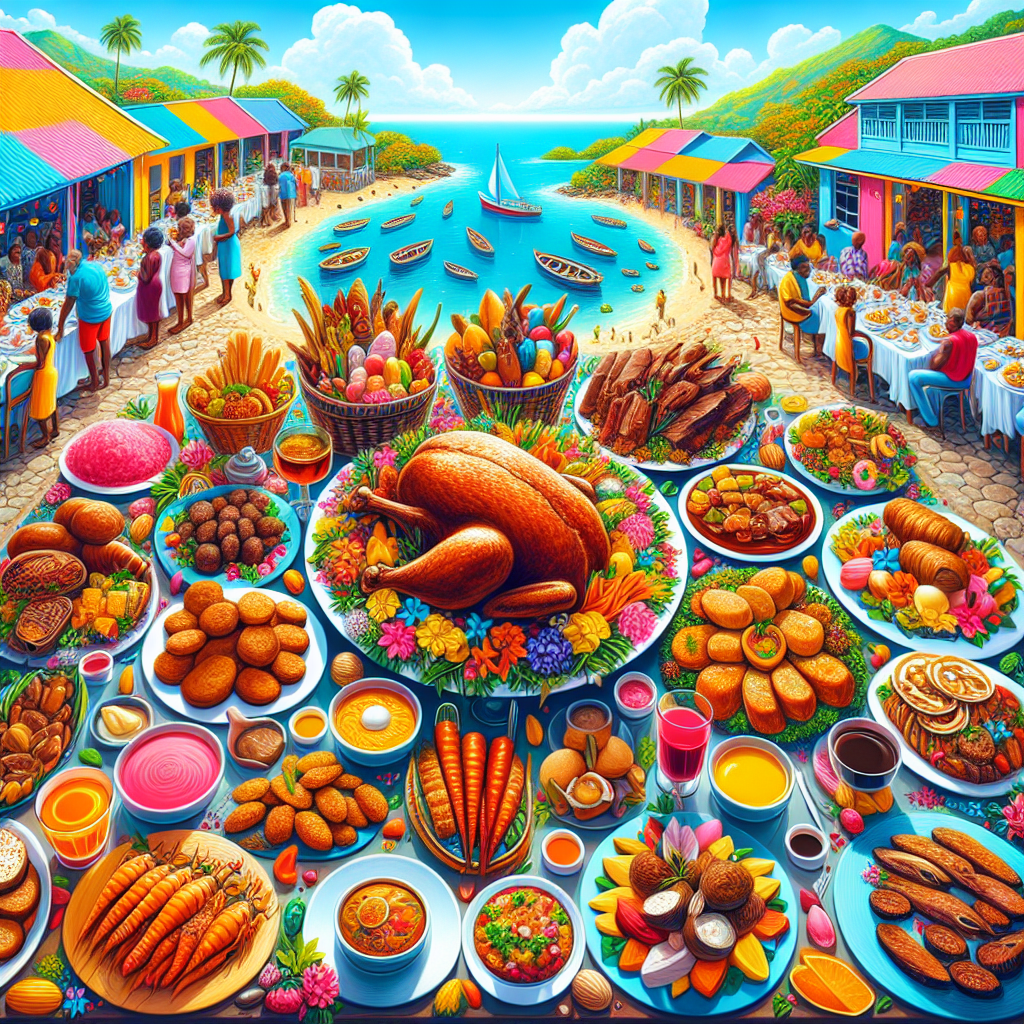
Easter in Saint Kitts and Nevis is not just a religious celebration, but also a time for families and friends to come together and enjoy traditional feasts. The local cuisine during this period reflects the rich cultural heritage and diverse culinary traditions of this Caribbean paradise. Whether you’re a seasoned traveler, a food enthusiast, or someone curious about the island’s Easter festivities, this guide will take you through the traditional dishes served during this special holiday and the best places to savor them.
Traditional Dishes of Easter in Saint Kitts
One of the most anticipated aspects of Easter in Saint Kitts is the food. The traditional dishes highlight the island’s rich past and diverse influences. A staple on Easter tables is the freshly caught fish, often served grilled or fried, paired with a generous helping of seasoned rice. The fish symbolizes new life and prosperity, making it a suitable centerpiece for Easter feasts.
Another must-try dish is the locally known “goat water,” a hearty stew made from goat meat, breadfruit, green figs, and dumplings. The spiced broth, simmered to perfection, bursts with flavors that speak of warmth and homeliness. Desserts also play a crucial role, with fruitcakes and hot cross buns becoming the highlight of the day, especially after the traditional Easter church services.
Vegetarian dishes are not left out either. Rice and peas, a Caribbean classic, are prepared with a twist during Easter, incorporating local spices and ingredients like coconut milk and pigeon peas. Another favorite is the callaloo soup, made from the nutrient-rich leaves of the callaloo plant, which often grows in the backyards of many homes. The soup is savory, nutritious, and deeply comforting.
Sourcing the Ingredients Locally
Saint Kitts’s vibrant markets are the best places to source fresh ingredients for these traditional Easter dishes. The Basseterre Public Market and the Charlestown Market on Nevis are bustling hubs where farmers, fishers, and vendors come together to sell their produce. From freshly caught fish, organic vegetables, to aromatic spices, these markets offer a glimpse into the day-to-day life of the locals and the island’s thriving agricultural scene.
Farmers markets are especially vibrant in the days leading up to Easter. You can find goat meat for your goat water stew, fresh callaloo leaves for the soup, and an array of fruits for baking those delightful fruitcakes. Chats with stall owners reveal traditional recipes and cooking tips passed down through generations.
Apart from markets, the locals also source ingredients from their backyards. Home gardens filled with herbs, vegetables, and fruits are common, reflecting the island’s agrarian culture. This tradition ensures that meals are always fresh, organic, and deeply rooted in the local way of life.
Sourcing local ingredients not only supports the island’s economy but also ensures that the traditional flavors and cooking methods are preserved. It’s this authenticity that makes Easter feasts in Saint Kitts so special and memorable.
Dining Spots and Restaurants
While many enjoy Easter feasts at home, local restaurants and dining spots also offer exquisite traditional Easter dishes. One of the most renowned places is “Fisherman’s Wharf” in Basseterre. Known for its fresh seafood, this waterfront restaurant serves a delightful Easter menu featuring grilled fish, rice and peas, and delicious desserts.
Another top spot is “Nisbet Plantation Beach Club” on Nevis. Set in a historical plantation setting, the restaurant offers a unique blend of tradition and luxury. Their Easter special includes goat water, callaloo soup, and a variety of other local dishes, all prepared with a gourmet touch.
For a more casual dining experience, “Sunshine’s Beach Bar & Grill” in Nevis is a popular choice. Famous for its relaxed vibe and beachside location, it’s the perfect place to enjoy a hearty Easter meal while taking in the stunning ocean views. Their menu during Easter features traditional favorites, with a modern twist.
These dining spots not only offer delicious food but also provide a unique insight into the island’s culture and hospitality. Dining out during Easter allows you to experience the local way of celebrating, surrounded by warm and friendly locals.

The Role of Culture and Tradition
Culture and tradition play a significant role in Easter celebrations in Saint Kitts. The culinary traditions are a testament to the island’s history, influenced by African, European, and indigenous Caribbean cultures. The process of preparing and sharing Easter meals is often a communal activity, bringing families and neighbors together.
Storytelling is a cherished tradition during Easter. Elders share tales of past celebrations, traditional recipes, and family histories, passing down the rich cultural heritage to younger generations. The preparation and feasting become not just about the food, but about preserving and celebrating the collective identity of the island’s people.
Music, dance, and church services also form integral parts of the Easter celebrations. Local music genres like calypso and reggae often accompany the feasts, while church services provide a solemn and reflective atmosphere before the joyous celebrations begin.
Tips for Travelers
Traveling to Saint Kitts for Easter offers a unique cultural experience. To make the most of your visit, consider booking your accommodation in advance, as this is a popular time for both locals and tourists. Staying in local guesthouses or boutique hotels can offer a more authentic experience compared to larger resorts.
Join local festivities, attend a church service, and don’t hesitate to engage with the locals. They are often eager to share their traditions and might even invite you to join their family feasts. Participating in local Easter egg hunts and parades can also add a fun element to your trip.
Also, consider taking a culinary tour. Some local tour operators offer specialized Easter culinary tours that include market visits, cooking classes, and dining experiences. Such tours provide a deeper understanding of the island’s culinary traditions and the story behind each dish.
Finally, be mindful of local customs and traditions. Easter is a significant holiday in Saint Kitts, and showing respect towards local practices will ensure a warm and welcoming experience.
Conclusion
Easter in Saint Kitts is a vibrant celebration marked by rich culinary traditions, cultural festivities, and communal gatherings. The traditional dishes served during this time reflect the island’s diverse cultural heritage and the importance of family and community.
Whether dining at home with locals, exploring bustling markets, or enjoying a meal at one of the island’s popular restaurants, the Easter feast in Saint Kitts is an unforgettable experience. It’s a time to connect with the island’s history, savor its unique flavors, and join in the joyful celebrations.
As you plan your trip, immerse yourself in the local culture, appreciate the culinary heritage, and enjoy the warm hospitality of Saint Kitts and Nevis. The island’s Easter celebrations offer a feast for the senses and memories that will last a lifetime.
Celebrate Easter in Saint Kitts and make it a culinary journey like no other.