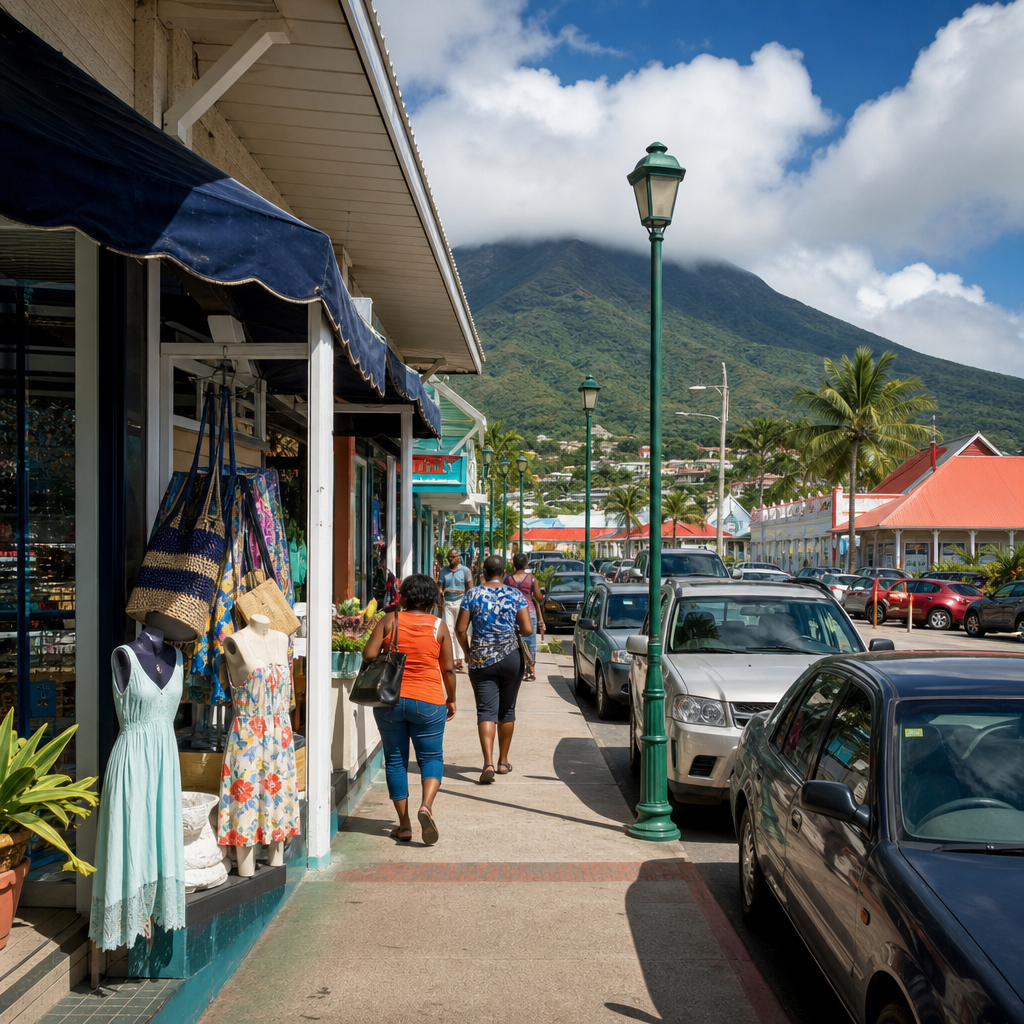
Nevis rewards travelers who look beyond polished resort menus and busy waterfront dining rooms. The island’s most memorable meals often come from roadside grills, family yards, converted rum shops, and small hillside kitchens where recipes are shaped by memory, seasonality, and the day’s catch. When people search for hidden culinary gems in Nevis, they usually want more than a restaurant list. They want to know where locals actually eat, what dishes define the island, how to recognize quality, when to go, and what to expect from places that may not advertise heavily online. That is what makes off-the-beaten-path eateries in Nevis worth understanding in depth.
Nevis, the smaller sister island to St. Kitts in the Federation of St. Kitts and Nevis, has a dining culture rooted in agriculture, fishing, and close community networks. “Hidden” does not necessarily mean secret. On Nevis, it usually means independent, lightly marketed, and easy to miss if you rely only on hotel recommendations or map rankings. “Off-the-beaten-path” may describe a beach bar down a rough lane, a lunch counter serving one daily special, or a weekend cookout that starts slowly and fills up once word spreads. These places matter because they preserve techniques and flavors that larger establishments sometimes soften for broad tourist appeal.
Having spent time eating across the island, from Charlestown to Gingerland and around the Pinney’s area, I have found that the best low-key food spots share a few traits: short menus, confident seasoning, patient cooking, and owners who can tell you exactly where the fish came from or which breadfruit was cut that morning. They are important not just for visitors seeking authenticity, but for understanding Nevisian identity. Food here reflects African, British, French, and broader Caribbean influences, yet it remains distinctly local through ingredients such as saltfish, goat water, green fig, coconut, tamarind, pigeon peas, and freshly landed lobster or snapper.
This hub article covers the miscellaneous side of local dining in Nevis: the kinds of hidden eateries you should look for, signature dishes worth ordering, practical etiquette, value expectations, and how these spots connect to the island’s food economy. If you are planning where to eat in Nevis and want the meals that residents discuss long after visitors leave, start with the smaller places that cook for regulars first and travelers second.
What Counts as a Hidden Culinary Gem in Nevis
A hidden culinary gem in Nevis is usually defined by local loyalty rather than glossy branding. It may have limited opening hours, handwritten specials, cash-only payment, or a location that feels incidental rather than strategic. Some operate near village crossroads, others close to beaches, and some from private homes adapted into informal dining spaces. These establishments survive because they do a handful of things extremely well: grilled seafood, slow-stewed meats, ground provisions, roti, or Friday-night barbecue. Their reputations spread through community recommendation, taxi drivers, guesthouse hosts, and repeat visitors who know when a cook is at their best.
Quality in these places is measured differently from resort dining. Instead of wine lists or elaborate plating, people judge freshness, portion balance, texture, and seasoning discipline. A grilled mahi-mahi plate should taste clean and recently caught, not heavily masked. Conch, when available, should be tender rather than rubbery. Rice and peas should be fragrant and separate, not dense. Macaroni pie should hold structure without becoming dry. In Nevis, consistency creates trust. Once a small eatery becomes known for a particular fish broth or curried goat, locals return for that specialty and expect it to taste the same each time.
Another defining feature is adaptability. Many off-the-beaten-path eateries build menus around supply. Fish changes with weather and landing conditions. Breadfruit, mango, soursop, tamarind, and pumpkin move with the season. This flexibility is not a weakness; it is often the best sign that a kitchen is working honestly with local ingredients. Visitors who understand that reality usually eat better than those demanding fixed menus identical to mainland restaurant standards.
Where to Find Them: Villages, Roadsides, Beaches, and Cookouts
The geography of Nevis shapes its food scene. Charlestown offers the highest concentration of visible food businesses, but many of the island’s most rewarding casual meals are found outside the main town center. Gingerland is especially important for traditional home-style cooking because it remains closely tied to farming communities. You will often find lunch spots there serving provisions, stews, soups, and baked goods with stronger local followings than many coastal venues. In practical terms, if you want authentic Nevis food, leave the hotel corridor and follow village rhythms.
Beach areas around Pinney’s are not only for polished sunset dining. Tucked between more prominent venues, there are often bars and grills that specialize in lobster when in season, jerk-style chicken, grilled fish, or simple rum punches paired with hearty plates. These places may look modest, but location works in their favor. Fresh catch moves quickly from boat to grill, and informal service lets cooks focus on timing rather than presentation. I have had some of the island’s best fish at places where the menu was little more than “what came in today.”
Roadside food is another category visitors should take seriously. On Nevis, roadside does not mean careless. It often means direct and efficient: a smoker, a stockpot, a cooler, and a loyal customer base. Weekend cookouts are particularly strong because families and neighborhood groups gather, increasing volume and ensuring turnover. If a roadside stand has several local cars parked nearby at lunch or early evening, that is usually a better indicator than online ratings. Ask what is selling fastest. The answer often reveals the kitchen’s strongest dish.
| Type of Eatery | What to Expect | Best Time to Visit | Typical Standout Dishes |
|---|---|---|---|
| Village lunch spot | Daily specials, home-style service, limited seating | Midday, especially weekdays | Stew chicken, saltfish, provisions, soups |
| Roadside grill | Fast turnover, smoky flavors, informal ordering | Late afternoon to evening, weekends | Barbecue chicken, pork, grilled fish, johnnycakes |
| Beach shack or bar | Fresh seafood, relaxed pace, seasonal menus | Lunch through sunset | Lobster, snapper, conch, plantains |
| Event cookout | Community atmosphere, louder setting, generous portions | Friday nights, holidays, special events | Goat water, curry goat, rice and peas |
Signature Dishes Worth Seeking Out
If you want to eat well at hidden eateries in Nevis, order the dishes that align with local strengths rather than generic international staples. Goat water, despite the name, is a rich, slow-cooked goat stew and one of the national dishes associated with the federation. In the right hands, it is deeply savory, aromatic with clove and thyme, and thickened just enough to coat the spoon. The best versions balance gaminess with spice and long cooking. It is not tourist theater; it is serious comfort food.
Fresh seafood is another essential category. Depending on season and catch, look for snapper, mahi-mahi, tuna, lobster, and conch. Simplicity matters. Many of Nevis’s best small kitchens season fish with citrus, green seasoning, pepper, and herbs, then grill or pan-fry it until the flesh stays moist. Overcomplicated sauces are uncommon in the strongest local spots because freshness does the work. Fish broth, when available, is worth ordering. A good one tastes clear but concentrated, with body from bones, herbs, and vegetables rather than excess salt.
Sides and starches deserve equal attention. Rice and peas, plantains, breadfruit, green fig, sweet potato, dasheen, and macaroni pie are not filler; they define the meal’s structure. Breadfruit especially shows the island’s agricultural roots and can appear roasted, fried, or boiled. Saltfish paired with ground provisions is a breakfast or lunch staple that tells you immediately whether a kitchen handles seasoning with confidence. For snacks, seek patty-style pastries, coconut bakes, tamarind treats, and local cakes sold at smaller counters or community events.
How to Choose Well Without a Long Online Review Trail
Many excellent eateries in Nevis have light digital footprints. Some maintain a social page irregularly, some rely on messaging apps, and others do little online promotion at all. That means standard review behavior is less useful here than in larger destinations. Instead, assess freshness cues, menu focus, and local traffic. A concise menu usually indicates operational discipline. If a small kitchen offers fish, chicken, goat, and one or two sides rather than twenty unrelated dishes, that is often a positive sign.
Timing also matters. Lunch can sell out, especially where one-pot dishes are involved. Arriving early gives you the best range and the strongest read on what was cooked intentionally for the day. Ask direct questions: What was prepared this morning? Which fish came in today? What sells out first? In my experience, cooks and servers in Nevis respond well to respectful curiosity. You will often get better guidance by inviting a recommendation than by requesting extensive substitutions.
Cleanliness should be judged practically but firmly. Informal settings can still demonstrate strong food handling through cold storage, protected ingredients, clean prep surfaces, and orderly service flow. Watch whether grilled items move quickly, whether hot foods are held properly, and whether seafood smells fresh rather than overly fishy. These are universal standards, not luxury expectations. If a place is busy with residents, portions look balanced, and the kitchen focuses on a few specialties, you are usually in capable hands.
Etiquette, Pricing, and What Visitors Should Know
Understanding how hidden eateries operate will make your experience smoother. Hours can be fluid, especially when weather, supply, or family obligations affect service. “Open” may mean the food is nearly ready rather than immediately available. Patience is part of the exchange, particularly when fish is being grilled to order. Calling ahead helps when possible, but flexibility remains essential. On small islands, logistics are real: boats arrive late, propane runs out, rain shifts customer flow, and one cook may be handling everything from prep to payment.
Pricing in informal Nevis eateries is often fair relative to portion size and ingredient cost, but seafood can fluctuate sharply with availability. Lobster and conch are especially affected by seasonality and fishing conditions. Do not assume a handwritten price reflects inconsistency; it often reflects honest market realities. Cash is still useful even when cards are accepted elsewhere. Smaller places may prefer Eastern Caribbean dollars, though U.S. dollars are commonly understood. Ask before ordering if pricing is not posted, particularly for market-price seafood.
Respectful behavior matters. Greet people when you enter, do not rush the order process, and avoid treating small establishments as photo sets before they are businesses. If music is playing and locals are talking, you are in a lived-in space, not a staged concept. Tips are appreciated, especially for attentive service, but customs vary by venue. Most importantly, order at least one dish that reflects the kitchen’s identity. That is how you experience Nevis rather than simply eating on Nevis.
Why These Eateries Matter to Nevis’s Food Culture
Off-the-beaten-path eateries do more than feed visitors. They sustain local supply chains, preserve recipes, and create economic circulation beyond the resort economy. A small grill buying fish from neighborhood fishers, breadfruit from a nearby grower, and herbs from a village garden keeps money moving inside the community. That matters on an island where tourism is influential but not evenly distributed. Every plate sold at a family-run eatery can support multiple livelihoods.
These places also protect culinary memory. Techniques such as slow stewing goat, making fish broth from scratch, seasoning with thyme and scallion rather than bottled shortcuts, or serving provisions in combinations older residents recognize are forms of cultural continuity. Visitors often describe these meals as more “authentic,” but the deeper point is that they remain connected to ordinary Nevisian life. They show how people actually cook and eat when not performing for an audience.
For travelers building a serious Nevis dining itinerary, these hidden gems should anchor the plan, not sit at the margins. Use this miscellaneous hub as a starting point for exploring village lunches, seafood shacks, barbecue nights, local breakfasts, and seasonal specialties across the island. The reward is not only better flavor. It is a clearer understanding of Nevis through its cooks, ingredients, and everyday tables. Seek out the smaller spots, ask what is fresh, order with trust, and let the island feed you the way locals know it best.
Frequently Asked Questions
Where do locals in Nevis actually go for the best hidden food experiences?
Locals in Nevis often gravitate toward places that feel informal, personal, and rooted in the rhythm of daily island life rather than highly polished dining rooms. Some of the most rewarding meals come from roadside barbecue setups, small family-run cookshops, village bakeries, converted rum shops, beach shacks, and hillside homes that serve food on specific days or only when ingredients are available. These are the kinds of places where the menu may be handwritten, where the cook might recommend whatever was caught that morning, and where regulars already know which dishes sell out first. In areas beyond the main resort corridors, travelers may find grilled lobster in season, stewed saltfish, curried goat, fried chicken with seasoned rice, fresh johnny cakes, and hearty local lunches served with ground provisions, plantains, or peas and rice.
The best approach is to ask taxi drivers, guesthouse hosts, shopkeepers, and beach staff where they personally eat on their day off. That question usually leads to better recommendations than asking for the “best restaurant” in the generic sense. In Nevis, hidden culinary gems tend to be places with loyal repeat customers, a short but confident menu, and food that reflects the day’s supply rather than a fixed concept designed for tourists. If a small spot is busy at lunchtime, if the grill smoke is drawing in neighbors, or if locals are willing to wait for a fresh batch of food, those are often excellent signs that you have found one of the island’s genuinely memorable dining experiences.
What local dishes should visitors try when exploring off-the-beaten-path eateries in Nevis?
Visitors looking for an authentic taste of Nevis should prioritize dishes that showcase the island’s fishing traditions, Afro-Caribbean culinary heritage, and practical use of fresh, seasonal ingredients. Fresh fish is an essential place to start, especially mahi-mahi, snapper, tuna, or wahoo when available. Depending on the cook and the setting, it may be grilled simply with local seasoning, steamed in a savory sauce, fried until crisp, or served with peppery sides and ground provisions. Conch, lobster when in season, and saltfish also appear on many local menus, especially in smaller establishments where seafood reflects what has recently been landed.
Beyond seafood, there are several comforting, deeply local favorites worth seeking out. Goat water, the island’s famous rich stew, is one of the most iconic dishes in Nevis and reflects generations of communal cooking and celebration. Curried goat, stewed chicken, oxtail, and pelau are also common and often especially good in family-run kitchens. Sides matter just as much as mains, so pay attention to provisions like yam, sweet potato, green fig, breadfruit, and plantain, as well as rice and peas, macaroni pie, coleslaw, and fresh salads. For breakfast or a quick snack, look for johnny cakes, coconut bakes, patties, and local breads. Travelers who want to understand Nevis through food should not focus only on seafood platters but also on these everyday dishes that reveal how island families cook, gather, and preserve culinary memory.
How can travelers tell if a small, lesser-known eatery in Nevis is genuinely good?
One of the clearest indicators of quality in a hidden Nevis eatery is local trust. If residents are eating there consistently, chatting comfortably with the owners, or stopping by for takeaway meals, that usually says far more than glossy marketing ever could. A good small spot often has a limited menu because the kitchen is focusing on a few dishes it can prepare well. In many cases, the best places do not try to offer everything. Instead, they specialize in a small number of grilled meats, seafood plates, stews, or lunch specials made from ingredients that are fresh and readily available that day.
There are also practical signs to look for. Fresh food tends to have clear flavor, proper texture, and balanced seasoning rather than relying on heavy sauces to hide age or inconsistency. Seafood should smell clean and briny, not overly fishy. Fried foods should be crisp rather than greasy, and grilled dishes should carry real char and smoke rather than tasting flat. It is also worth noticing turnover. Places that sell out, rotate dishes, or have busy lunch periods are often serving food that is made in active batches rather than left sitting too long. Friendly but straightforward service can be another positive sign; many small eateries in Nevis are not built around formal hospitality systems, but they are built around pride, reputation, and repeat community business. If the cook speaks confidently about what is freshest today, that is usually a strong sign that quality matters there.
Is it better to plan hidden food stops in advance, or discover them spontaneously while exploring Nevis?
A mix of planning and spontaneity works best in Nevis. Some hidden eateries keep irregular hours, open only on certain days, or close once the day’s food is gone, so having a few recommendations in advance can save time and disappointment. This is especially helpful if you are staying outside the main villages, relying on taxis, or hoping to try a particular specialty such as goat water, grilled lobster in season, or a well-known weekend barbecue. Calling ahead when possible is smart, particularly for smaller operations that may not keep conventional restaurant hours or may prepare limited quantities based on demand.
At the same time, some of the island’s best culinary discoveries happen unexpectedly. A roadside grill with smoke rising in the late afternoon, a village gathering around a cookshop at lunch, or a tiny bakery with a line out the door can lead to meals that never appear in guidebooks. Nevis rewards travelers who remain flexible and curious. If you hear the same place mentioned more than once by unrelated locals, pay attention. If someone tells you to come back on Friday for a fish fry or on Sunday for a special lunch plate, it is often worth adjusting your plans. Hidden food culture in Nevis is less about checking off famous names and more about being present enough to notice where community appetite is gathering in real time.
What should visitors know about etiquette, timing, and expectations when eating at hidden culinary spots in Nevis?
Travelers should approach hidden eateries in Nevis with patience, respect, and a willingness to adapt to the pace of the place. Many small kitchens are owner-operated, family-run, or built around fresh cooking done in batches, so service may be slower than at a resort restaurant, especially if food is prepared to order. That is not usually a sign of disorganization; it is often a sign that your meal is being cooked properly rather than assembled for speed. It helps to arrive with realistic expectations, especially during peak lunch hours, on weekends, or when a place is known for one signature dish that can sell out early.
Cash is often useful, and in some places it may be essential, so carrying small bills is a practical choice. Asking what is fresh or what the house recommends is usually appreciated, and being open to the answer often leads to the best meal. Courtesy matters. Greet people warmly, be patient if the menu is informal or verbal, and understand that some spots prioritize regulars and community rhythm over polished efficiency. If you have dietary restrictions, ask clearly but politely, since very small kitchens may have limited flexibility. Most importantly, treat these establishments as living parts of Nevisian community life rather than hidden attractions to consume. The most memorable experiences often come when visitors slow down, engage respectfully, and allow the island’s food culture to reveal itself on its own terms.