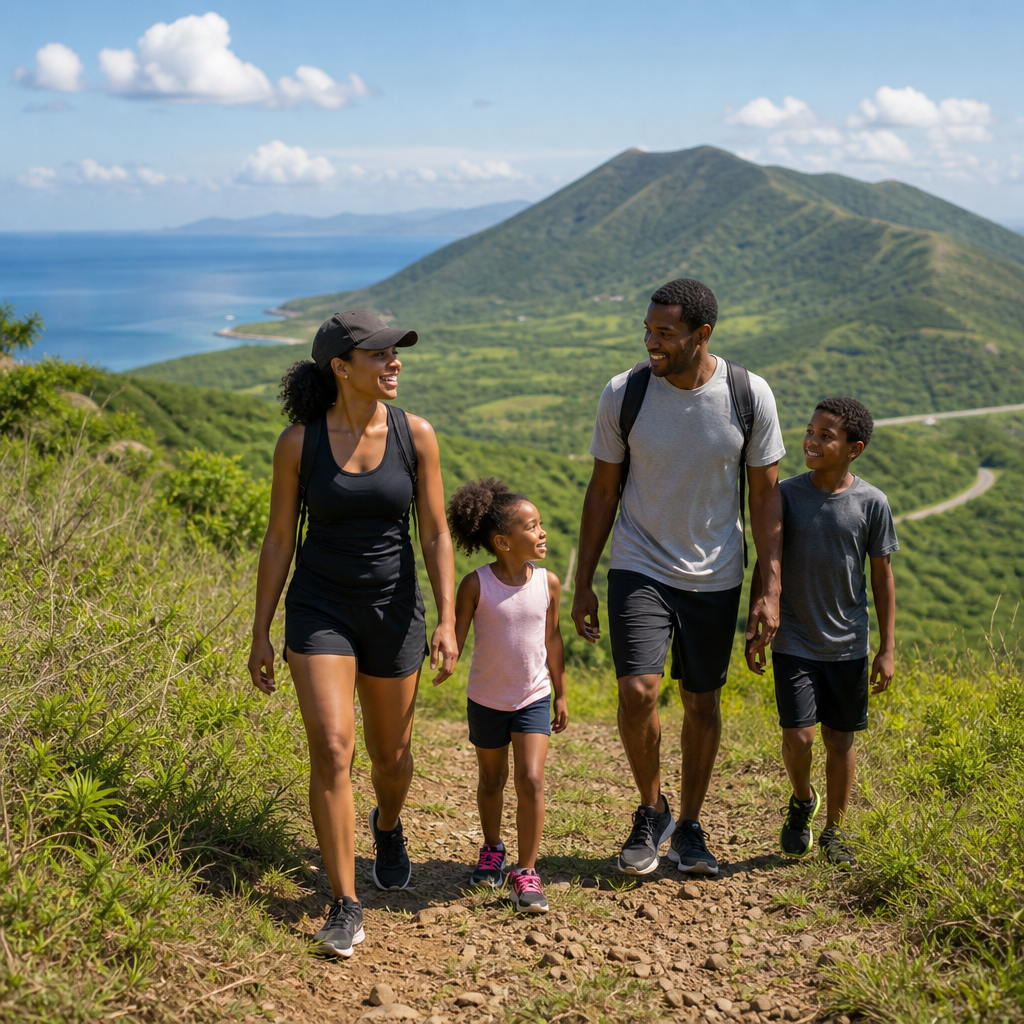
Nevis rewards travelers who look past its postcard beaches and headline attractions. This compact Caribbean island, part of the Federation of Saint Kitts and Nevis, is only about thirty-six square miles, yet it contains a remarkable range of hidden places: neglected estate trails, little-known swimming coves, village food stalls, volcanic slopes, and cultural landmarks that rarely make standard itineraries. When I plan adventures on Nevis, I treat “off-the-beaten-path” as more than a slogan. It means choosing experiences that reveal the island’s ecology, history, and daily life rather than only its resort frontage. For travelers exploring adventure and activities in depth, this miscellaneous guide serves as a practical hub, bringing together the lesser-known corners that create a fuller, more memorable trip.
Understanding Nevis starts with geography and scale. The island is dominated by Nevis Peak, a dormant volcano rising to roughly 3,232 feet, and everything radiates outward from that green center. Moist cloud forest clings to upper elevations, former sugar estates dot the lower slopes, and ring roads connect small communities including Charlestown, Gingerland, Jessups, and Newcastle. Because distances are short, visitors often assume they have “seen” the island in a day. In practice, Nevis reveals itself slowly. A side road may lead to a ruined mill, a coastal path may open to a turtle-frequented beach, and a conversation with a local guide may uncover a farm visit, heritage site, or seasonal event not listed in standard brochures.
This matters for two reasons. First, hidden treasures distribute tourism more responsibly. Instead of concentrating all activity in a few resort zones, travelers support independent guides, family-run eateries, taxi drivers, heritage custodians, and craftspeople across the island. Second, less-publicized experiences often provide the strongest sense of place. You remember the scent of wet mountain fern on a back trail, the sound of tree frogs at dusk near a spring, or a lunch stop in a village rum shop more vividly than another generic poolside afternoon. Nevis is especially suited to this style of travel because it remains comparatively quiet, walkable in parts, and culturally intact. The best explorations combine natural sites, historic context, and local interaction.
To get real value from a miscellaneous adventure hub, think in categories. Some hidden treasures are natural: secluded beaches, coastal lookouts, volcanic paths, and wildlife-rich wetlands. Others are historical: plantation ruins, churches, cemeteries, and interpretive stops tied to the island’s sugar economy and colonial era. A third group is experiential: food routes, artisan encounters, village festivals, horseback excursions, mountain biking backroads, and self-driven loops that reward curiosity. The sections below organize those possibilities into practical themes, so you can decide where to hike, where to snorkel, what to ask a guide, when to visit, and how to move beyond the obvious while respecting the island and the people who live there.
Quiet Coastal Finds Beyond the Main Beach Circuit
Most visitors know Pinney’s Beach, and it deserves its reputation, but Nevis has smaller coastal spots that feel far more personal. Oualie Bay, on the northwest side, is one of the most useful starting points for low-key exploration. The water is usually calmer than Atlantic-facing stretches, and the bay has historically served as a launch point for watersports, boat trips, and short coastal outings. Early in the morning, the light over St. Kitts is excellent, and the shore often feels more like a working seaside community than a resort strip. If you want paddleboarding, beginner kayaking, or a relaxed swim without the busier beach club scene, Oualie is a reliable choice.
Further exploration leads to lesser-frequented pockets along the coast where rock formations, sea grape shade, and narrow sand bands replace broad commercial beachfront. Lovers Beach, near the airport area, is often cited for its beauty and isolation. Conditions there can change quickly, and surf may be rough, so it is better for walking, photography, and solitude than for casual swimming on every day. The reward is the sense of raw coastline: drift lines, seabirds, Atlantic wind, and almost no built-up infrastructure. On a clear day, it delivers the kind of undeveloped Caribbean scenery many islands have largely lost.
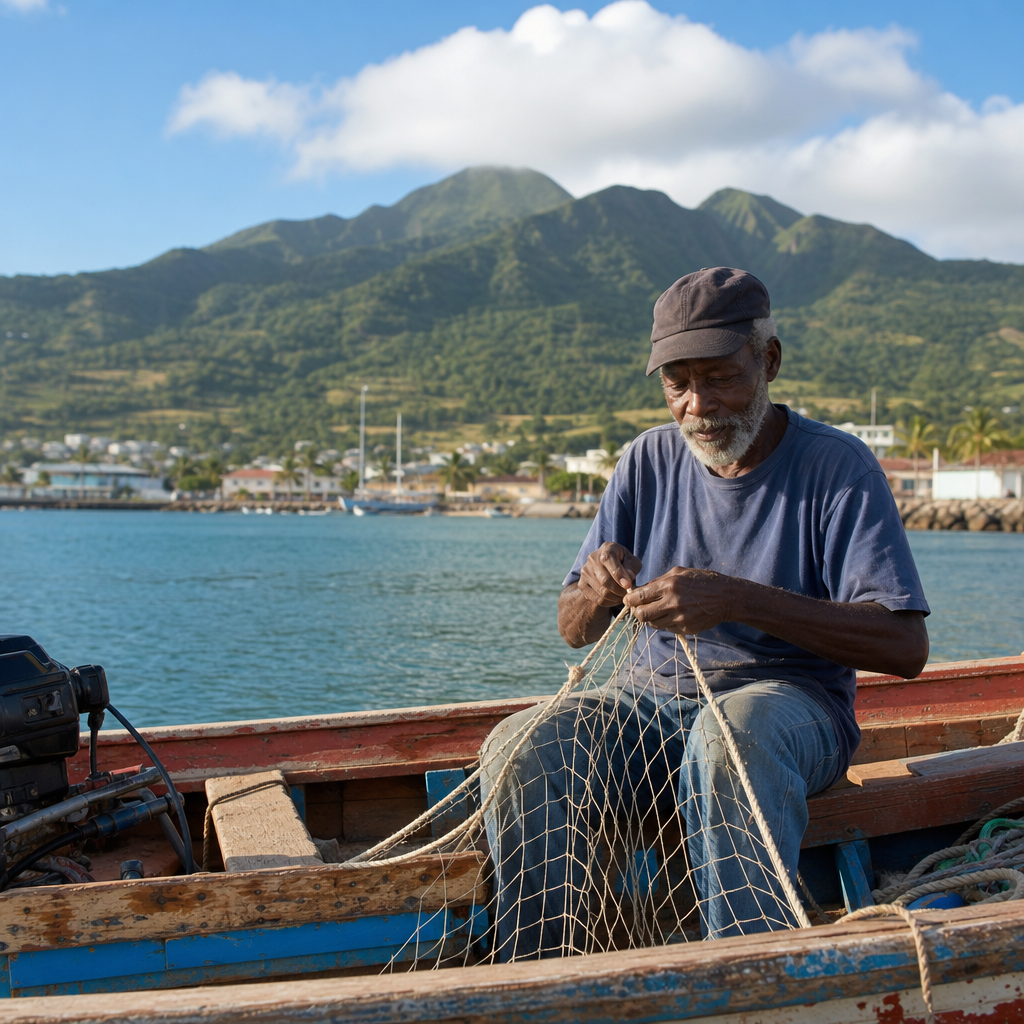
Cades Bay and Herbert’s Beach are also worth attention if you want a more local rhythm. These areas are less polished and more atmospheric, with fishing activity, village proximity, and views that shift dramatically with weather. In my experience, these are the places where visitors start understanding Nevis as a living island rather than a resort destination. Bring water, reef-safe sun protection, and realistic expectations. Hidden beaches are rewarding partly because they are not heavily serviced.
Volcanic Trails, Estate Paths, and Interior Adventures
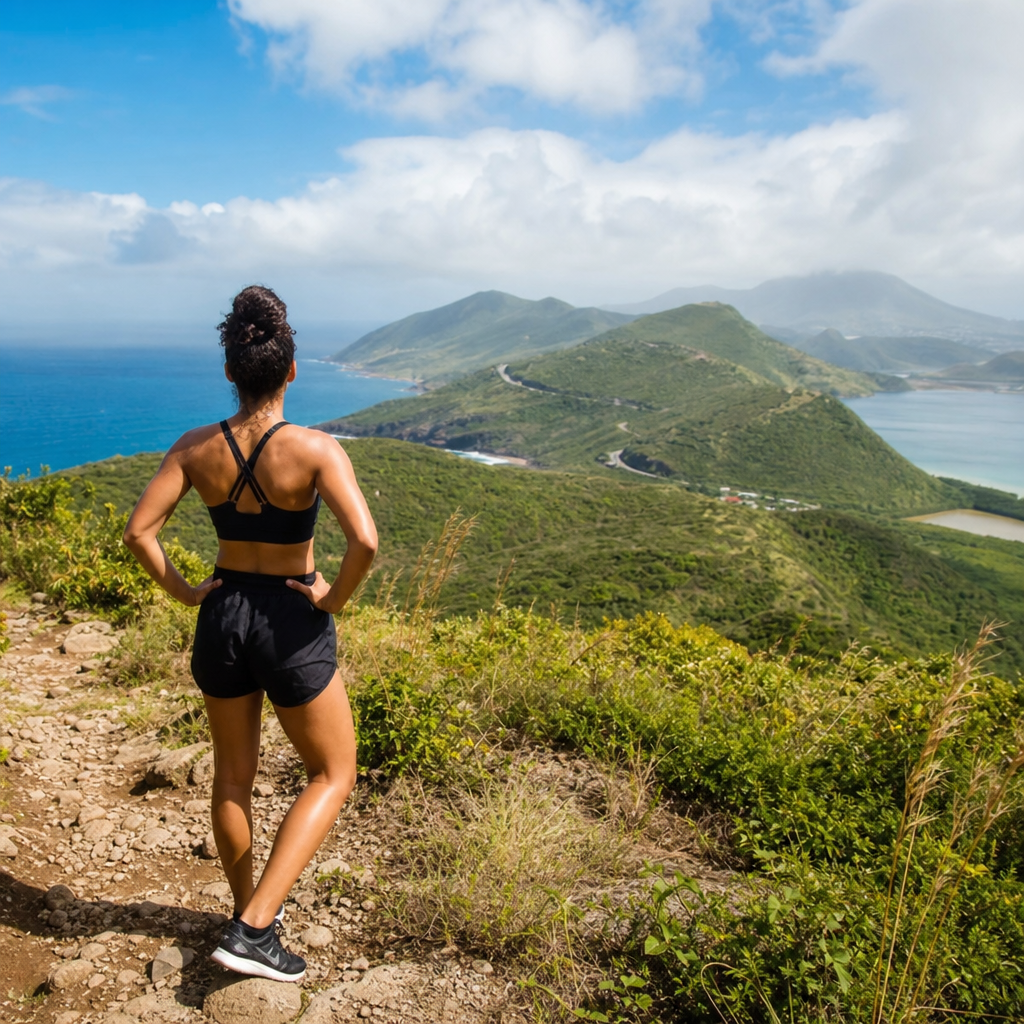
The island’s interior is where Nevis becomes truly adventurous. Nevis Peak is the headline hike, but it is not a casual walk. The climb is steep, muddy, root-laced, and often slick because the upper mountain sits in persistent moisture. Most hikers should go with a certified local guide. Trails can be confusing, cloud cover can reduce visibility, and sections require using fixed ropes. The payoff is substantial: giant tree ferns, moss-covered trunks, mountain crabs, and a cloud-forest environment far removed from the coast. Strong footwear and an early start are essential.
Not every inland route needs to be a summit attempt. Old estate roads and ginger-growing districts around Gingerland provide excellent lower-elevation exploration with less technical demand. These backroads pass stone walls, fruit trees, abandoned works, and occasional viewpoints toward the sea. For travelers interested in hiking without committing to a strenuous summit, these routes show how agriculture and history shaped the island. After rain, they can still be muddy, so the same advice applies: wear shoes with grip and carry more water than you think you need.
Mountain biking and trail running are growing possibilities on these quieter roads, especially for travelers who prefer covering more ground. A practical rule on Nevis is to ask locally about current conditions the day before you go. Fallen branches, washouts, and overgrowth can alter a route fast. Hotel concierges, taxi drivers, and specialist guides often know more than static online maps.
Historic Ruins and Heritage Sites That Tell the Real Story
Nevis’s hidden treasures are not only scenic. The island’s historic landscape is unusually dense, and many compelling places are easy to miss if you focus solely on major landmarks. Plantation ruins appear across the island because sugar defined Nevis for centuries. Stone windmills, boiling houses, aqueduct remnants, and estate yards reveal the infrastructure behind plantation wealth and the brutal labor system that sustained it. Visiting these sites responsibly means seeing both the architecture and the human history, including enslavement, emancipation, and later economic transition.
The New River Estate is one of the strongest examples because it preserves substantial remains of a sugar plantation complex, including a windmill and processing structures. Walking through it, you can read the landscape clearly: where cane arrived, where it was milled, and how industrial organization structured plantation life. Other smaller ruins scattered inland are less interpreted but equally evocative. They reward curious travelers willing to stop safely, look closely, and ask questions of local historians or guides.
Charlestown adds another layer. While the town is known for Alexander Hamilton connections and the Museum of Nevis History, its quieter appeal lies in side streets, churches, and civic buildings that show the island’s long continuity. Small cemeteries and older structures may seem modest, yet together they explain settlement patterns, migration, faith communities, and resilience after hurricanes and earthquakes. Hidden heritage on Nevis is rarely monumental. Its value comes from accumulation and context.
Food Trails, Village Stops, and Everyday Culture
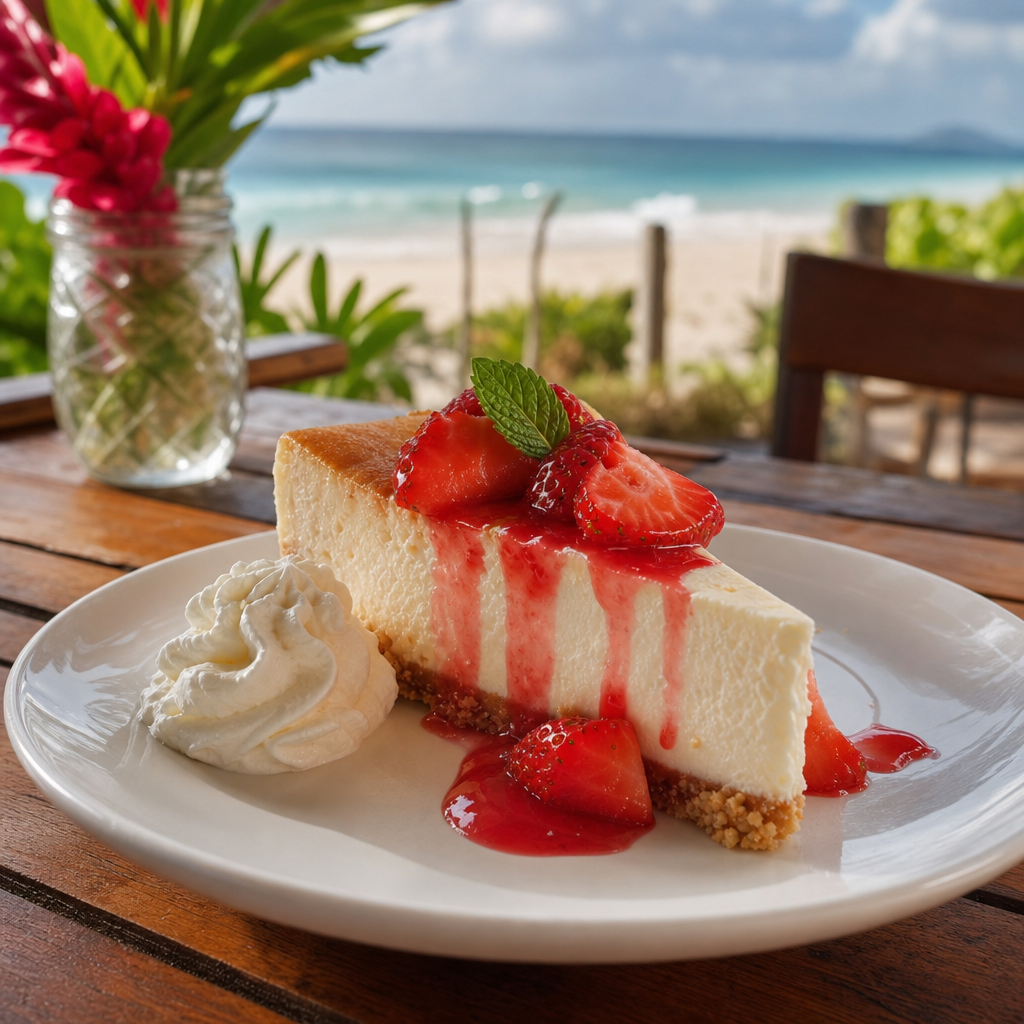
Some of the best off-the-beaten-path explorations on Nevis happen at the table. A miscellaneous activity hub would be incomplete without the island’s informal food culture, because local eating is one of the fastest ways to move beyond tourist routines. Roadside grills, village cookshops, bakery counters, and rum shops reveal more about Nevisian life than many scheduled excursions. Goat water, the national dish of St. Kitts and Nevis, is a must-try when prepared traditionally: a deeply seasoned stew, usually served at gatherings and community events. Fresh conch, saltfish, johnnycakes, coconut dumplings, and tamarind-based flavors also appear in local menus.
Weekend movement matters. On Fridays and Saturdays, certain bars and beach venues become social hubs, but smaller inland spots can be more interesting if you want conversation and local cadence. Ask where people go for lunch after church, where fish comes in fresh, or which bakery sells out first. Those questions reliably lead to better experiences than asking only for “the best restaurant.” On Nevis, quality is often hidden in plain sight.
Farm visits and garden-based experiences are another underused angle. Nevis supports small-scale agriculture, including fruit, vegetables, herbs, and livestock. Depending on who is hosting, visitors may learn about breadfruit, mango varieties, sorrel, medicinal bush teas, or traditional preparation methods. These are not always formal attractions, but when arranged through trusted local contacts they can become the most grounded and educational parts of a trip.
Wildlife Watching, Marine Encounters, and Seasonal Surprises
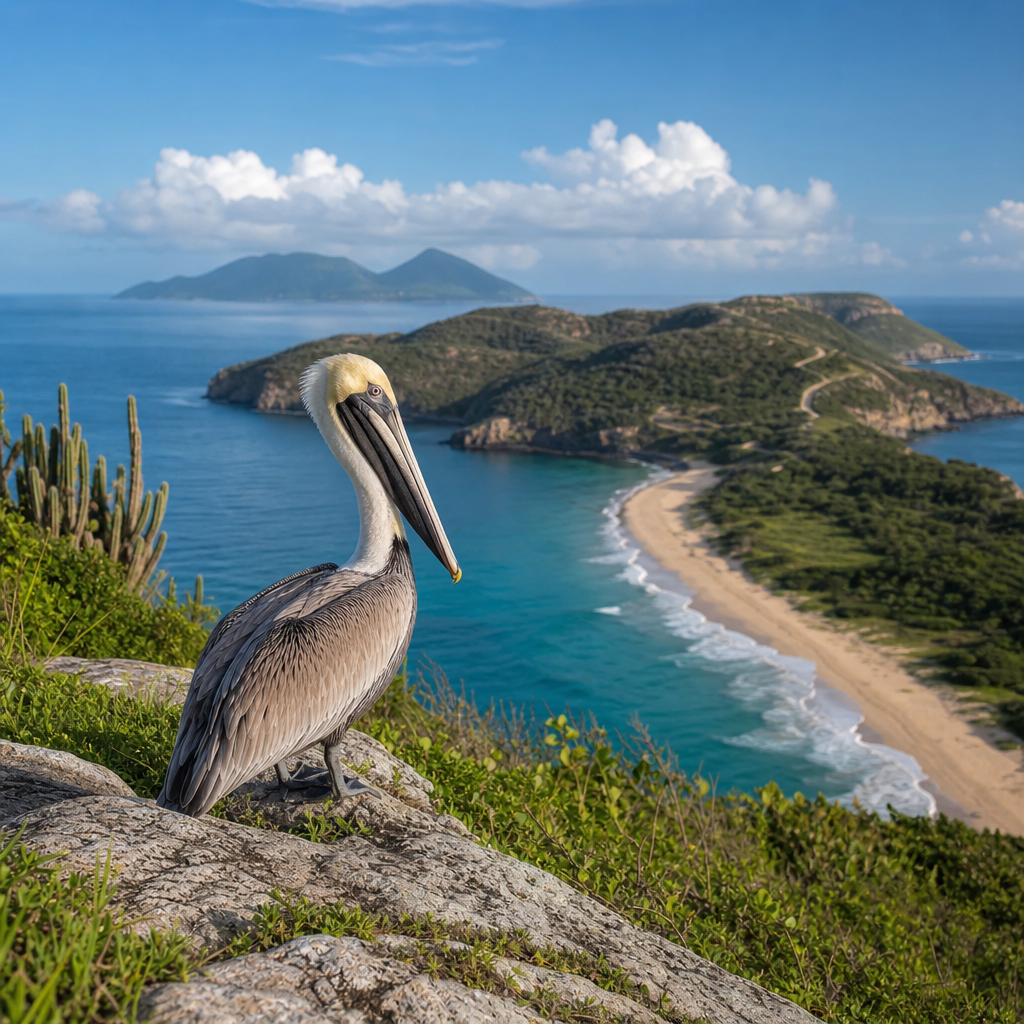
Nevis is quieter than many Caribbean islands, which benefits wildlife observation. Birders should pay attention to ponds, coastal edges, and higher-elevation vegetation zones where species composition changes with habitat. Herons, egrets, frigatebirds, brown pelicans, and migratory shorebirds are commonly discussed, while forested areas can produce hummingbirds and other smaller species that reward patience. Early morning is best, especially before traffic and heat build.
Marine life adds another layer of discovery. Snorkeling around calm bays can reveal reef fish, sea urchins, juvenile coral structures, and, in healthier patches, fan corals and sponges. Visibility depends heavily on weather and runoff. After rough seas, a site that looked promising online may be mediocre in person. This is another reason local operators matter. They know which coves are clear, sheltered, and worth the effort on a given day.
| Hidden experience | Best area | Ideal timing | What to know |
|---|---|---|---|
| Quiet beach walk | Lovers Beach | Early morning | Beautiful but not always safe for swimming |
| Gentle paddling | Oualie Bay | Calm mornings | Usually good for beginner-friendly watersports |
| Summit hiking | Nevis Peak | Dryer weather windows | Guide strongly recommended; trail is steep and muddy |
| Heritage exploration | New River Estate | Late afternoon | Bring water and read the site in historical context |
| Bird and wetland viewing | Coastal ponds | Sunrise | Binoculars improve the experience significantly |
Seasonality matters more than many travelers expect. Sea turtle nesting and hatchling activity can occur on some beaches at certain times of year, and if you are lucky enough to encounter this through a responsible guide or conservation-minded operator, keep distance and avoid lights. During wetter periods, inland landscapes become greener and more dramatic, but trails are harder. Dry months can improve access while making waterfalls or streambeds less active. There is no single perfect season; there are simply different versions of the island.
How to Explore Responsibly and Build a Better Itinerary
Off-the-beaten-path travel works best on Nevis when it is intentional rather than random. Start with transportation. Renting a vehicle gives flexibility, but roads can be narrow, signage inconsistent, and side routes uneven. If you are uncomfortable driving on the left or handling rougher lanes, hiring a local driver for a half day is often better value than wasting time backtracking. Good drivers also function as informal interpreters of the landscape, pointing out estate names, village history, fruit trees, and lookout points you would otherwise pass without notice.
Next, balance your itinerary. Pair one demanding activity with one restorative one. For example, hike Nevis Peak on one day, then spend the next morning at a quieter bay and the afternoon in Charlestown or at a heritage site. That pacing lets you absorb the island instead of merely checking places off a list. It also reduces the common mistake of underestimating heat, humidity, and travel time between inland and coastal experiences.
Finally, respect access, privacy, and environmental limits. Not every road is public, not every ruin is stabilized, and not every beach should be promoted as a secret swimming spot. Ask before entering private property, avoid removing shells or artifacts, and use local expertise when conditions are uncertain. The main benefit of exploring Nevis’s hidden treasures is not bragging rights. It is a richer understanding of the island’s natural beauty, layered history, and contemporary community life. Use this hub as your starting point, then go one step further: book a local guide, leave time for detours, and let Nevis reveal the places most visitors never reach.
Frequently Asked Questions
What kinds of hidden places can travelers realistically discover on Nevis beyond the usual beaches and resort areas?
Nevis may be small, but that is exactly what makes its lesser-known places so rewarding to explore. Once you move beyond the island’s best-known shoreline views and polished hotel zones, you start finding a very different side of the destination: old estate roads lined with tropical vegetation, quiet village lanes where daily life unfolds at an unhurried pace, rocky swimming spots that are rarely crowded, and interior landscapes shaped by the island’s volcanic origins. These are not “secret” attractions in the gimmicky sense. They are simply places many visitors miss because they stay close to the standard circuit.
Some of the most memorable off-the-beaten-path experiences on Nevis include walking through former plantation areas where stone ruins, overgrown paths, and fruit trees hint at layered colonial and agricultural history; visiting small local eateries and roadside food stalls in villages rather than relying only on hotel restaurants; and seeking out scenic coastal stretches where the atmosphere feels quiet, local, and undisturbed. Travelers who enjoy nature can also focus on the slopes and foothills of Nevis Peak, where the scenery shifts quickly from open coastal views to dense green forest, with birdlife, cooler air, and dramatic terrain. Others may be drawn to cultural landmarks that receive less publicity but offer a stronger sense of the island’s identity, community memory, and rhythm of life. In short, Nevis rewards curiosity. The hidden treasures here are not only physical places, but also local stories, flavors, and everyday encounters that reveal the island’s character far more deeply than a checklist of famous sights ever could.
How should I plan an off-the-beaten-path day on Nevis without missing the island’s cultural and natural highlights?
The best approach is to think in layers rather than in a rigid sightseeing checklist. Because Nevis covers only about thirty-six square miles, you can combine several different experiences in a single day without feeling rushed, provided you start early and leave room for spontaneity. A strong plan usually includes one nature-based outing, one cultural or historical stop, and one food experience rooted in local life. That structure helps you see the island as a whole rather than as a series of disconnected attractions.
For example, you might begin the morning with a walk or drive through inland roads near old estates or on the lower slopes of Nevis Peak, when temperatures are cooler and visibility is often best. Midday can be reserved for a village lunch at a modest local spot, where the meal becomes part of the experience rather than simply a break between destinations. In the afternoon, you could visit a lesser-known beach cove, a heritage site, or a community area where the pace of life is slower and more representative of everyday Nevis than the main visitor hubs. If you have access to a car, this style of exploration is especially easy, but even travelers relying on taxis can build a flexible itinerary by speaking clearly with a knowledgeable local driver who understands that you want depth, not just the standard scenic loop.
It also helps to plan with practical realities in mind. Some small eateries operate on local rhythms rather than resort timetables. Some roads may be narrow, uneven, or lightly marked. Some hidden spots are best enjoyed when seas are calm or weather is clear. Rather than overfilling your day, choose a handful of meaningful stops and allow time for unplanned discoveries, whether that is a roadside fruit stand, a local conversation, or an unexpected viewpoint. On Nevis, the most successful off-the-beaten-path days are not the busiest ones. They are the ones that leave enough space to notice what the island is quietly offering.
Is it easy to explore Nevis independently, or do hidden trails, coves, and inland areas require a guide?
Independent exploration is absolutely possible on Nevis, especially because the island is compact and distances are short. Many travelers are surprised by how manageable it is to navigate from coast to interior in a relatively short amount of time. If your goal is to discover village areas, coastal viewpoints, heritage stops, and local food spots, you can often do that confidently with a rental car, a good map, offline navigation, and a willingness to slow down. However, “easy” depends on the kind of hidden place you want to reach.
For casual off-the-main-road exploration, independence works well. You can drive secondary roads, stop in small communities, and visit less-publicized landmarks at your own pace. This is often the best way to experience Nevis, because it lets you follow your curiosity and spend time in places that resonate with you. That said, inland hikes, older estate paths, and more remote natural areas are a different matter. Trails can be poorly marked, conditions can change with rainfall, and some routes pass through dense vegetation or uneven terrain. In these cases, a local guide is not just convenient but valuable. Guides provide orientation, safety, historical context, and access to details you would likely miss on your own, from medicinal plants and old property boundaries to oral histories tied to the landscape.
A guide is also worthwhile if your interest extends beyond scenery. On Nevis, a place often becomes much richer when someone explains its agricultural past, its family connections, or its role within village life. If you want to understand the island rather than simply photograph it, local knowledge matters. A sensible strategy is to mix both styles: explore easier areas independently, then book a guide for more demanding hikes or culturally significant sites where interpretation adds depth. That balance gives you freedom while still respecting the complexity of the island’s terrain and history.
What should travelers know about safety, etiquette, and preparation when visiting lesser-known parts of Nevis?
Exploring hidden places on Nevis is generally rewarding and straightforward, but it is best done with the same awareness and respect you would bring to any destination where local communities and natural environments are central to the experience. Start with preparation. Wear sturdy footwear if you plan to walk estate tracks, volcanic foothills, or rocky coastal areas. Bring water, sun protection, insect repellent, and a charged phone, and do not assume every stop will have facilities nearby. If you are driving, be prepared for narrow roads, occasional rough patches, and signage that may be limited outside the main visitor routes.
From a safety perspective, common sense goes a long way. Avoid isolated areas after dark unless you are with someone who knows the location well. Check sea conditions before entering little-known coves or swimming spots, as currents and rocky entries can make seemingly calm places less simple than they appear. If you are hiking in the interior, especially toward steeper or forested sections near Nevis Peak, let someone know your plan and consider going with a guide. Weather can shift quickly in elevated areas, and trails may become slippery after rain.
Etiquette matters just as much as logistics. Many of the island’s most interesting off-the-beaten-path places are close to homes, villages, agricultural land, or sites with deep historical meaning. Ask before entering areas that appear private, be polite when parking or stopping near communities, and support local businesses when you can. A small purchase at a village stall, a respectful conversation, or a willingness to follow local advice goes a long way. Also remember that not every meaningful place is designed for tourism. Some locations are valued precisely because they remain quiet and lightly trafficked. Travelers should tread carefully, leave no litter, avoid loud behavior, and resist the urge to publicize fragile spots in ways that could damage them. On an island like Nevis, being a good guest is part of the adventure.
What are the best ways to experience the authentic culture of Nevis while exploring off the beaten path?
The most authentic cultural experiences on Nevis usually come from participation, observation, and conversation rather than from formal attractions alone. While museums, historic estates, and well-known landmarks certainly have their place, the island’s living culture is often most visible in its villages, local food traditions, community gathering spots, and everyday routines. If you want a deeper connection, spend time where Nevisians actually live, eat, work, and socialize instead of focusing only on places built around visitor expectations.
Food is one of the strongest entry points. Small cookshops, roadside grills, and village stalls can reveal more about Nevis than a highly curated dining room ever could. Traditional dishes, seasonal ingredients, and the way meals are prepared and served all speak to the island’s history and social fabric. Beyond dining, cultural understanding grows when you explore with attention: notice churchyards, cricket grounds, old estate remnants, roadside produce stands, local architecture, and public spaces where people gather. These details tell the story of how the island developed and how community life continues today.
It is also worth seeking out the historical dimensions of places that may at first seem quiet or ordinary. A neglected trail may follow an old estate route. A village may carry layers of family history, labor history, and post-emancipation change. A seemingly modest landmark may connect to broader Caribbean narratives of colonization, resistance, agriculture, migration, and identity. This is why local conversation is so important. Ask thoughtful questions, listen more than you speak, and be genuinely interested rather than performatively “discovering” somewhere. Nevis tends to open up to travelers who approach it with patience and respect. The authentic culture of the island is not hidden because it is inaccessible. It is hidden in plain