Fitness trends in Saint Kitts in 2025 reflect a small island adapting global wellness ideas to local climate, culture, tourism, and community needs. In practical terms, the market is moving beyond traditional gym memberships toward flexible, experience-driven fitness that blends outdoor training, digital coaching, preventive health, and social connection. For residents, students, hotel guests, and returning nationals, fitness is no longer limited to lifting weights indoors. It now includes beach boot camps, recovery services, wearable tracking, hybrid classes, active aging programs, and nutrition support designed around Caribbean lifestyles.
When people ask what is changing in Saint Kitts fitness, the short answer is this: convenience, personalization, and community are driving demand. “Fitness trends” means the exercise formats, coaching models, facilities, technologies, and wellness services gaining visible traction with consumers and operators. In Saint Kitts, those trends matter because the island has unique conditions that shape behavior. Heat and humidity influence training times. Tourism creates demand for short-term wellness experiences. Smaller population size means word-of-mouth is powerful. Limited land and infrastructure make multi-use spaces more valuable than oversized facilities. At the same time, rising awareness of noncommunicable diseases, stress management, and healthy aging is pushing fitness into the broader health and wellness conversation.
I have seen this shift firsthand across Caribbean markets: the businesses growing fastest are not always the largest gyms, but the operators that solve real-life problems. They offer early morning sessions before the sun intensifies, package workouts with recovery and nutrition advice, and use messaging apps to keep clients accountable between sessions. In Saint Kitts, that approach fits especially well. People want exercise that works around jobs, family commitments, cruise schedules, university calendars, and transport realities. As a result, 2025 is shaping up as a year of practical innovation rather than flashy reinvention.
This hub article maps the major fitness trends in Saint Kitts for 2025 and explains why each one matters. It is designed as a comprehensive starting point within the Health and Wellness category, covering the miscellaneous developments connecting gyms, trainers, hotels, outdoor operators, health professionals, and consumers. If you want a clear picture of what is new, what is growing, and what deserves attention, the sections below provide the most useful overview.
Outdoor fitness is becoming the island’s default growth category
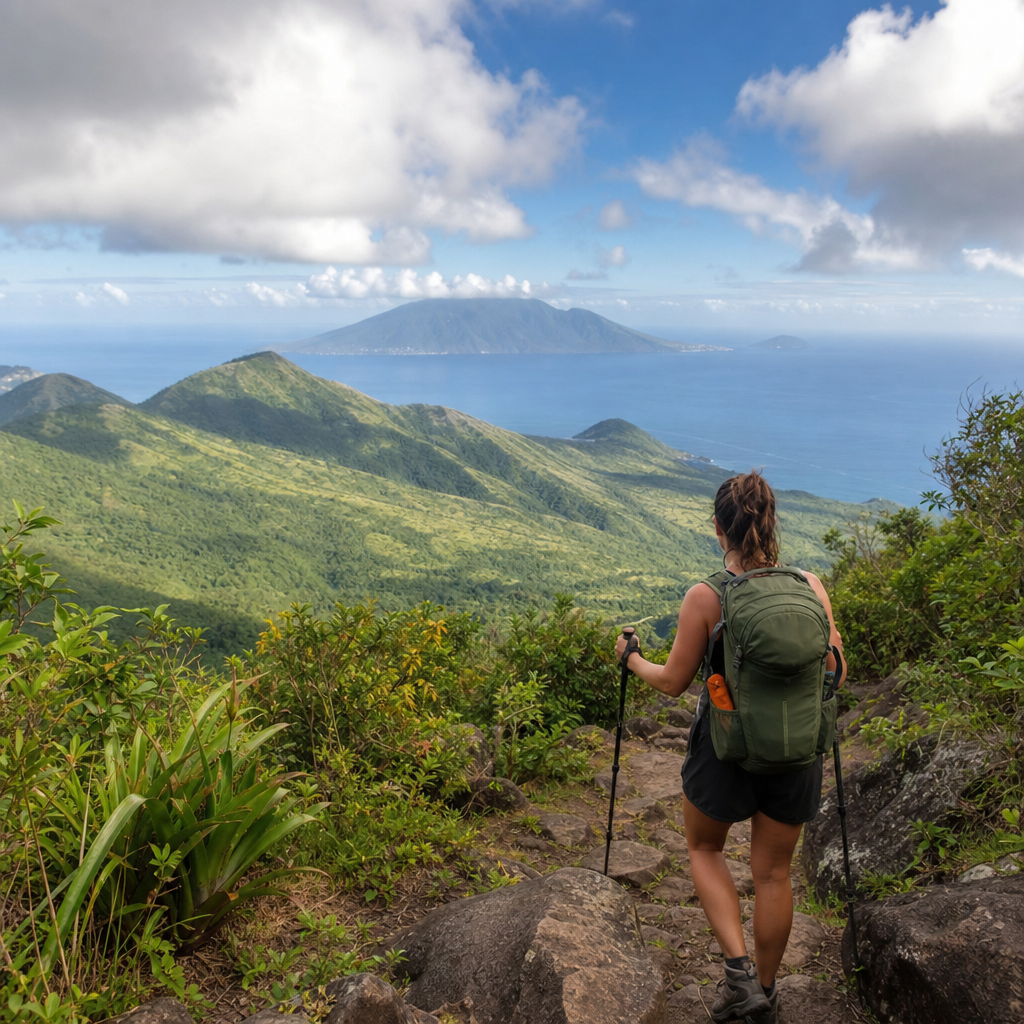
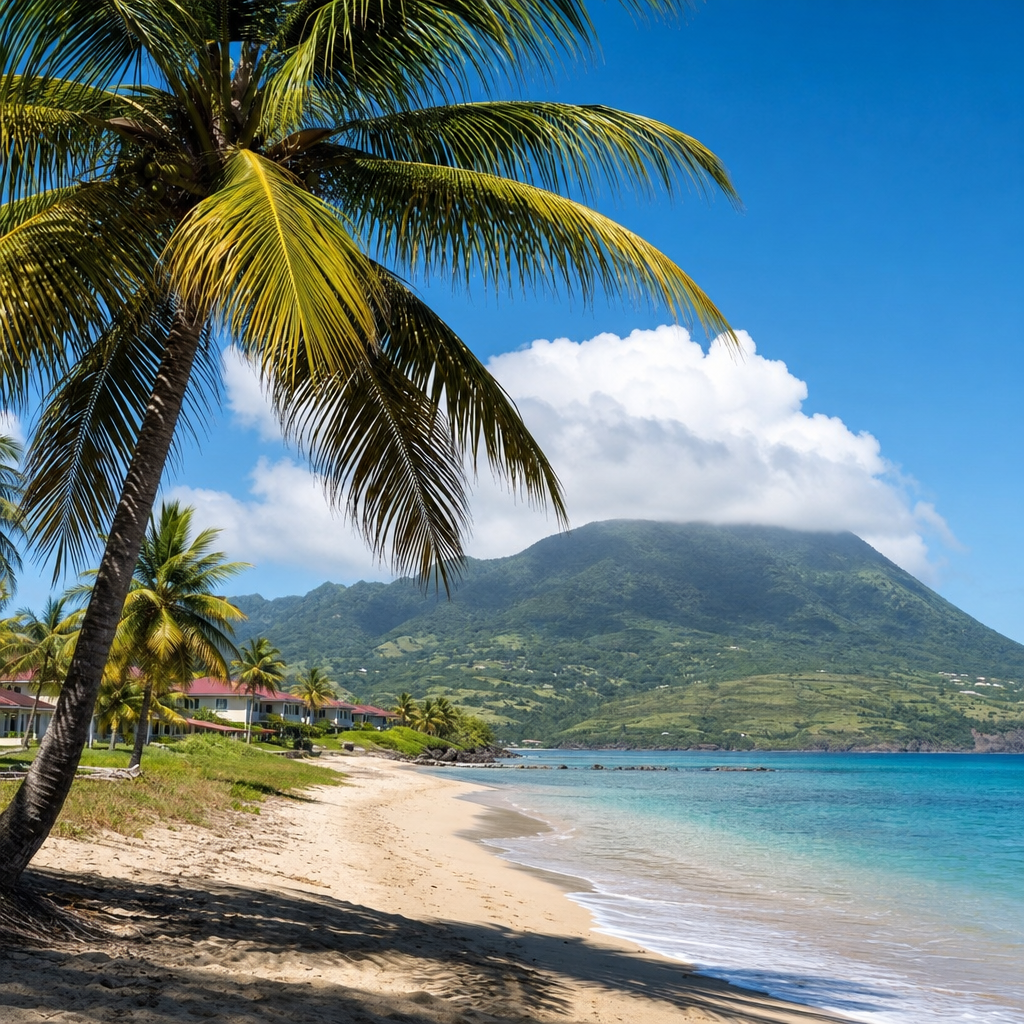
Outdoor fitness is one of the clearest 2025 trends in Saint Kitts because it aligns with geography, weather patterns, and customer preference for scenic, social exercise. Instead of treating outdoor sessions as occasional add-ons, many trainers now structure their weekly schedules around them. Popular formats include sunrise beach circuits, hill sprints, walking clubs, waterfront yoga, hotel lawn mobility sessions, and small-group strength training in shaded open-air spaces. On an island where views are part of the value proposition, the setting itself has become a competitive advantage.
The appeal is straightforward. Outdoor training reduces reliance on expensive indoor square footage, gives clients a more enjoyable experience, and attracts beginners who may feel intimidated by conventional gyms. In Saint Kitts, early morning and late afternoon sessions are especially popular because they avoid peak heat. This timing pattern is not incidental; it is operationally important. Trainers that understand hydration, heat acclimation, and workload management are better positioned to retain clients safely. The most credible coaches are not simply moving workouts outside. They are modifying rest intervals, intensity, and exercise selection based on temperature, humidity, and participant fitness level.
Outdoor fitness also suits the visitor economy. Short-stay travelers often want a one-off session that feels local and memorable. A hotel gym may meet a basic need, but a guided beach workout or wellness hike offers a stronger experience. That creates crossover opportunities between fitness businesses and hospitality providers. In 2025, expect more partnerships between trainers and villas, boutique properties, and tourism operators that want to add wellness experiences without building full-scale fitness facilities.
Hybrid coaching is replacing the old membership-only model
Another major fitness trend in Saint Kitts is the rise of hybrid coaching, where in-person training is combined with digital support. This model works particularly well in small markets because it extends the trainer-client relationship beyond physical sessions. A client might meet a coach twice per week in Basseterre, then receive workout plans, check-ins, meal guidance, and progress tracking through WhatsApp, Trainerize, MyFitnessPal, Google Sheets, or wearable integrations. For busy professionals and students, this creates structure without requiring daily gym attendance.
From an operator perspective, hybrid coaching improves retention because accountability continues between sessions. It also allows trainers to serve diaspora clients, seasonal residents, or travelers who train on island for part of the year and remotely afterward. I have watched this model outperform simple class packs because it solves a recurring problem: people do not fail from lack of information; they fail from inconsistency. Digital follow-up closes that gap.
Hybrid systems are not frictionless. They require clear onboarding, realistic response times, basic data privacy discipline, and program design that can adapt to limited equipment at home or in hotel rooms. Coaches who promise full personalization but rely on generic PDF plans usually lose trust quickly. The trainers standing out in 2025 are the ones using simple but reliable workflows: baseline assessment, realistic goal setting, weekly check-ins, and measurable benchmarks such as bodyweight changes, step counts, strength gains, or adherence rates.
Recovery services are moving from luxury to necessity
Recovery is no longer treated as an elite add-on in Saint Kitts fitness. In 2025, stretching sessions, mobility classes, massage therapy, sports therapy, assisted recovery, and sleep-focused coaching are becoming mainstream complements to training. This change reflects a more mature understanding of fitness. Results do not come only from hard sessions. They come from a sustainable balance of stress, rest, hydration, and tissue recovery. Clients who ignored this are now more aware of overuse injuries, lower back pain, tight hips, and burnout.
Part of this trend is educational. Social media and wearable devices have made terms like resting heart rate, sleep quality, and recovery score more familiar. Part of it is demographic. Saint Kitts has growing demand from adults who want to stay active without training like competitive athletes. They are interested in joint-friendly strength work, postural improvement, and reduced pain. That makes recovery services commercially relevant across age groups, not just among sports enthusiasts.
Businesses are responding by bundling services. A trainer may partner with a massage therapist. A gym may add guided mobility blocks before strength classes. A resort may package yoga, stretching, and low-impact conditioning as a wellness stay. The key lesson is that recovery supports adherence. People keep exercising when they feel better, not just when they are told to work harder.
Wearables and data-informed coaching are influencing client decisions
Fitness technology in Saint Kitts is not defined by massive smart gyms. It is defined by practical data use. Smartwatches, heart-rate monitors, and app-based logging systems are influencing how people choose trainers and evaluate progress. Devices from Apple, Garmin, Fitbit, Samsung, and Polar are common enough that clients increasingly expect coaches to understand basic metrics. In 2025, the winning approach is not data overload. It is translating data into clear action.
A coach who can explain why a client’s weekly step count matters, why sleep debt affects performance, or why heart-rate recovery can reflect improved cardiovascular fitness adds immediate value. This is especially helpful for beginners who feel that results are invisible. Metrics create evidence of change before dramatic body composition shifts appear. For example, a client may not lose significant weight in four weeks, but may improve average daily steps from 4,000 to 8,500, lower resting heart rate, and complete circuits with shorter recovery periods. Those are real outcomes.
| Trend | Why it is growing in Saint Kitts | Who benefits most | Typical local application |
|---|---|---|---|
| Outdoor group training | Lower facility cost, scenic appeal, strong social energy | Beginners, tourists, small-group clients | Sunrise beach circuits and park sessions |
| Hybrid coaching | Flexible scheduling and ongoing accountability | Professionals, students, diaspora clients | In-person sessions plus app or WhatsApp follow-up |
| Recovery services | Injury prevention and sustainable training | Active adults, older clients, frequent exercisers | Mobility classes, massage, stretching sessions |
| Wearable-led tracking | Better visibility into progress and habits | Goal-oriented clients and remote coaching users | Step goals, heart-rate zones, sleep monitoring |
There are limits, and serious professionals acknowledge them. Consumer devices can estimate rather than perfectly measure calorie burn, sleep stages, or strain. Data should guide coaching, not replace judgment. Still, in a market where clients want proof, data-informed fitness is becoming a significant trust signal.
Strength training is broadening beyond bodybuilding culture
Strength training in Saint Kitts is expanding beyond the old image of heavy lifting for appearance alone. In 2025, more women, older adults, and general wellness clients are embracing resistance training for bone density, metabolic health, posture, balance, and long-term function. This mirrors broader international guidance. Organizations such as the World Health Organization and the American College of Sports Medicine consistently support muscle-strengthening activity as part of healthy living, not a niche pursuit.
On the ground, this means programming is changing. More coaches are using dumbbells, kettlebells, resistance bands, bodyweight progressions, and machine-based options to build accessible strength plans. The emphasis is less on max lifts and more on movement quality, progressive overload, and consistency. That matters in Saint Kitts because many clients are not trying to become competitive athletes. They want to carry groceries more easily, climb hills without fatigue, reduce knee discomfort, or age with independence.
This broader framing also helps with inclusion. When strength is presented as a health tool rather than a subculture, participation rises. Gyms and trainers that communicate those benefits clearly are likely to see stronger demand in 2025.
Wellness tourism and short-format fitness experiences are expanding
Saint Kitts is well positioned for wellness tourism, and fitness is becoming part of that offer. Travelers increasingly look for active experiences that fit into short stays: a morning yoga class, guided run, restorative stretch, circuit session, or wellness weekend itinerary. These are not replacements for destination spas or resort amenities; they are complementary products that make a trip feel healthier and more intentional.
For local businesses, the opportunity lies in packaging. Visitors need easy booking, clear session descriptions, transport guidance, and beginner-friendly options. They also value authenticity. A generic class in a hotel conference room is less compelling than a well-run outdoor session with local coaching and thoughtful attention to climate, hydration, and pace. The best operators understand that tourists want confidence and simplicity more than extreme intensity.
This trend benefits residents too. Visitor demand can support better equipment, more class variety, and stronger collaborations across hospitality and wellness. When done well, tourism broadens the local fitness ecosystem rather than distorting it.
Preventive health, active aging, and corporate wellness are gaining ground
Perhaps the most important fitness trend in Saint Kitts in 2025 is the shift from aesthetic goals alone toward preventive health. More clients are seeking exercise to manage blood pressure, improve blood sugar control, reduce stress, support mental health, and maintain mobility with age. This reflects real public health concerns across the Caribbean, where noncommunicable diseases remain a major issue. Fitness providers that understand this context can serve a broader and more meaningful role.
Active aging programs are a notable part of the shift. Low-impact strength training, balance work, chair-assisted movement, mobility sessions, and supervised walking groups can make exercise approachable for older adults. These formats are not lesser versions of fitness. They are targeted interventions that support independence and lower fall risk. Likewise, corporate wellness is becoming more practical. Employers do not always need full on-site gyms. They can support staff through step challenges, lunchtime mobility sessions, discounted training packages, health screenings, and stress-management workshops.
The providers likely to lead this next phase are those who can communicate safely with healthcare professionals, understand contraindications, and refer out when needed. Fitness is not medicine, but it is a powerful part of prevention when delivered responsibly.
The big takeaway is that fitness trends in Saint Kitts in 2025 are not random fads. They reflect an island market becoming more adaptive, health-focused, and experience-led. Outdoor training is thriving because it matches local conditions. Hybrid coaching is growing because people need flexibility and accountability. Recovery services, wearable data, and broader strength training appeal are all signs of a more informed client base. Wellness tourism, active aging, and preventive health programs show that fitness is moving closer to mainstream wellbeing rather than sitting on the edge of it.
For readers using this page as a Health and Wellness hub, the main benefit is clarity. If you are choosing a trainer, opening a facility, planning hotel amenities, or simply deciding how to improve your routine, these trends show where value is really being created. Look for providers who understand the island context, communicate clearly, use evidence-based methods, and build services around consistency instead of hype. That is what separates sustainable fitness businesses from short-lived promotions.
Use this article as your starting point for exploring the wider miscellaneous fitness landscape in Saint Kitts. Review your current routine, identify which trend fits your goals, and take one concrete step this week, whether that means joining an outdoor class, trying a hybrid coaching plan, or adding recovery work to your schedule. The market is evolving in a practical direction, and that creates better options for everyone ready to move.
Frequently Asked Questions
1. What are the biggest fitness trends shaping Saint Kitts in 2025?
The biggest fitness trends in Saint Kitts in 2025 center on flexibility, outdoor activity, wellness integration, and community-based experiences. Rather than relying only on traditional gym memberships, many people are choosing fitness options that fit the island’s climate, scenery, and social lifestyle. Beach workouts, walking and running groups, outdoor boot camps, sunrise yoga, and small-group functional training sessions are becoming increasingly popular because they make exercise feel more engaging and accessible.
Another major trend is the rise of hybrid fitness. Residents and visitors alike are combining in-person training with digital coaching, fitness apps, and virtual accountability programs. This is especially useful in a smaller market where people may want expert guidance without being tied to one location or schedule. Trainers are also placing more emphasis on sustainable wellness rather than quick results, which means programs now often include mobility work, recovery, nutrition coaching, stress management, and long-term habit building.
Preventive health is also playing a larger role. More people are connecting exercise to blood pressure management, weight control, mental well-being, energy levels, and healthy aging. In Saint Kitts, this shift is especially meaningful because fitness is increasingly seen not just as a lifestyle choice, but as part of a broader health strategy for residents, students, professionals, and returning nationals. Overall, the 2025 landscape is more experience-driven, more social, and more personalized than in previous years.
2. Why is outdoor fitness becoming so popular in Saint Kitts?
Outdoor fitness is gaining momentum in Saint Kitts because it aligns naturally with island life. The local environment offers beaches, open spaces, scenic hills, and coastal areas that make exercise more enjoyable than being confined indoors. For many people, working out outside feels less intimidating and more motivating, especially when compared with a traditional gym setting. Whether it is a beach circuit session, a community walk, stair training, or yoga with ocean views, outdoor fitness turns exercise into an experience rather than a chore.
The climate also plays a major role, although it requires smart planning. Early morning and late afternoon sessions are especially common because they allow people to avoid the most intense heat while still taking advantage of fresh air and natural surroundings. Trainers and fitness groups are adapting their schedules accordingly, and many programs now incorporate hydration, shade breaks, mobility warm-ups, and heat-conscious pacing. This practical approach makes outdoor training safer and more sustainable throughout the year.
There is also a strong social element behind the trend. Outdoor workouts often attract mixed groups of residents, visitors, students, and coworkers, creating a more welcoming entry point for people who might not join a conventional gym. That community dynamic matters in a place like Saint Kitts, where word-of-mouth, connection, and shared experiences strongly influence lifestyle habits. In 2025, outdoor fitness is not just popular because it looks appealing on social media; it is growing because it suits the island’s culture, supports consistency, and makes movement feel more inclusive.
3. How are technology and digital coaching changing the fitness industry in Saint Kitts?
Technology is reshaping the fitness industry in Saint Kitts by making coaching more flexible, personalized, and accessible. In 2025, many people are no longer depending solely on face-to-face sessions at one facility. Instead, they are using a mix of messaging apps, workout platforms, wearable devices, on-demand classes, and virtual check-ins to stay accountable. This hybrid model works particularly well in Saint Kitts because it serves a diverse audience, including busy professionals, university students, hotel guests, frequent travelers, and members of the diaspora returning home for short periods.
Digital coaching allows trainers to support clients beyond the workout itself. A coach can now deliver customized training plans, track progress, provide nutrition guidance, review exercise videos, and maintain motivation remotely. This creates continuity even when schedules change or travel interrupts in-person sessions. For a small-island market, that kind of adaptability is valuable. It expands access to expertise and lets local fitness professionals serve clients in more efficient and scalable ways.
Technology is also influencing expectations. Clients increasingly want measurable progress, convenience, and communication. They appreciate workout programs that are tailored to their goals, fitness level, and available equipment, whether they are training at home, in a hotel gym, outdoors, or in a studio. At the same time, the most successful fitness businesses in Saint Kitts are not replacing human connection with technology. Instead, they are using digital tools to strengthen relationships, improve consistency, and deliver a more modern client experience. In 2025, tech is not the trend by itself; smart, practical use of tech is what is driving real change.
4. What types of fitness experiences are most appealing to residents and tourists in Saint Kitts?
In 2025, the most appealing fitness experiences in Saint Kitts are those that combine health, enjoyment, convenience, and a sense of place. For residents, popular options include small-group training, outdoor boot camps, dance-based fitness, yoga, walking clubs, strength and conditioning sessions, and wellness programs that feel social rather than overly formal. Many people want workouts that are structured enough to deliver results but flexible enough to fit family life, work schedules, and changing energy levels. Programs that create accountability and community tend to perform especially well.
For tourists and hotel guests, the appeal often lies in fitness experiences that feel uniquely connected to the island. Beach yoga, guided morning runs, resort wellness classes, bodyweight circuits with sea views, and fitness sessions that can be done without a long-term commitment are all attractive. Visitors often want to stay active while still enjoying a relaxed Caribbean experience, so convenience and atmosphere matter just as much as exercise quality. The best offerings are typically simple to join, beginner-friendly, and designed to fit short stays.
Returning nationals and long-stay visitors often look for something in between. They may want a more consistent routine than short-term tourists, but they still value variety and flexibility. This is why experience-driven fitness is expanding so quickly across Saint Kitts. People are responding well to programs that feel less transactional and more lifestyle-oriented. In practical terms, that means the winning formula is no longer just equipment and facilities; it is atmosphere, personalization, accessibility, and a clear understanding of what different groups actually want from fitness on the island.
5. Is fitness in Saint Kitts becoming more focused on overall wellness and preventive health?
Yes, fitness in Saint Kitts is increasingly tied to overall wellness and preventive health, and that is one of the most important shifts happening in 2025. More people now view exercise as part of a wider strategy for protecting long-term health rather than simply improving appearance. That includes using fitness to support heart health, blood sugar control, mobility, weight management, mental resilience, better sleep, and healthy aging. This broader perspective is encouraging individuals to adopt routines they can realistically maintain instead of chasing short-term intensity.
As a result, training programs are becoming more balanced. Strength training remains important, but it is being paired more often with stretching, mobility work, low-impact conditioning, recovery practices, and practical nutrition advice. There is also growing awareness that stress, inactivity, and inconsistent habits can affect health outcomes just as much as a lack of formal exercise. In response, fitness professionals are offering a more complete service, helping clients build routines that are realistic within the demands of island life, work, school, and family responsibilities.
This wellness-first approach is especially relevant in Saint Kitts because it fits the needs of a diverse population. Young adults may be focused on performance and confidence, while older adults may prioritize movement quality, independence, and chronic disease prevention. Visitors may want active recovery and stress relief, while residents may be looking for structured long-term support. In every case, the direction is clear: fitness is becoming less about isolated workouts and more about building a healthier lifestyle. That shift is likely to continue well beyond 2025 because it reflects both global wellness thinking and local practical realities.