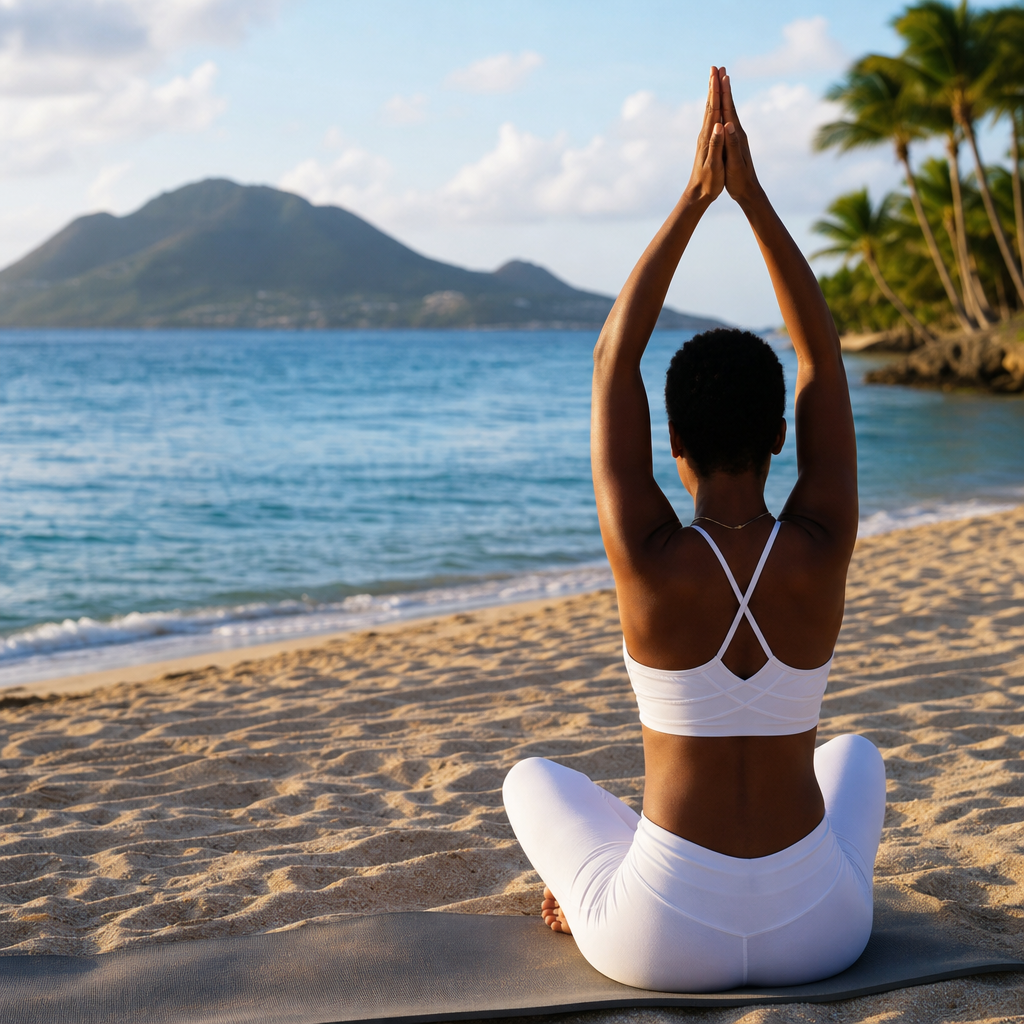
Nevis’ beach yoga sessions blend steady movement, controlled breath, and the sensory rhythm of the Caribbean shoreline into one of the island’s most compelling wellness experiences. On a small volcanic island known for quiet beaches, warm trade winds, and a slower pace than many neighboring destinations, beach yoga is more than a vacation activity. It is a practical way to improve mobility, lower stress, and reconnect attention with the body while surrounded by sea air and open sky. For travelers exploring Health and Wellness content, this Miscellaneous hub matters because it connects physical practice, mindfulness, nature exposure, recovery, and local culture in a single, accessible format.
When people ask what beach yoga on Nevis actually means, the answer is straightforward: guided or self-led yoga practiced on or near the sand, usually at sunrise or sunset, with modifications for heat, wind, and uneven ground. The core elements remain familiar—posture, breathing, balance, and rest—but the environment changes the experience. Sand challenges stabilizing muscles, ocean sounds support concentration, and the horizon naturally encourages a wider, calmer field of attention. In my own experience working around resort wellness programming and outdoor classes, participants consistently report that beach sessions feel less intimidating than studio yoga because the setting reduces pressure and invites a more personal pace.
This article serves as a hub for the wider Miscellaneous wellness subtopic by explaining the benefits of Nevis beach yoga, the best session formats, what beginners should expect, how climate and terrain affect practice, what gear works, and how yoga connects with other island wellness activities such as walking, spa recovery, hydration planning, and mindful travel. Whether a reader wants a restorative sunrise flow, a stronger vinyasa class, or a simple breathing session beside the water, the goal is the same: unite mind, body, and sea in a way that is realistic, safe, and deeply restorative.
Why Nevis Is an Ideal Setting for Beach Yoga
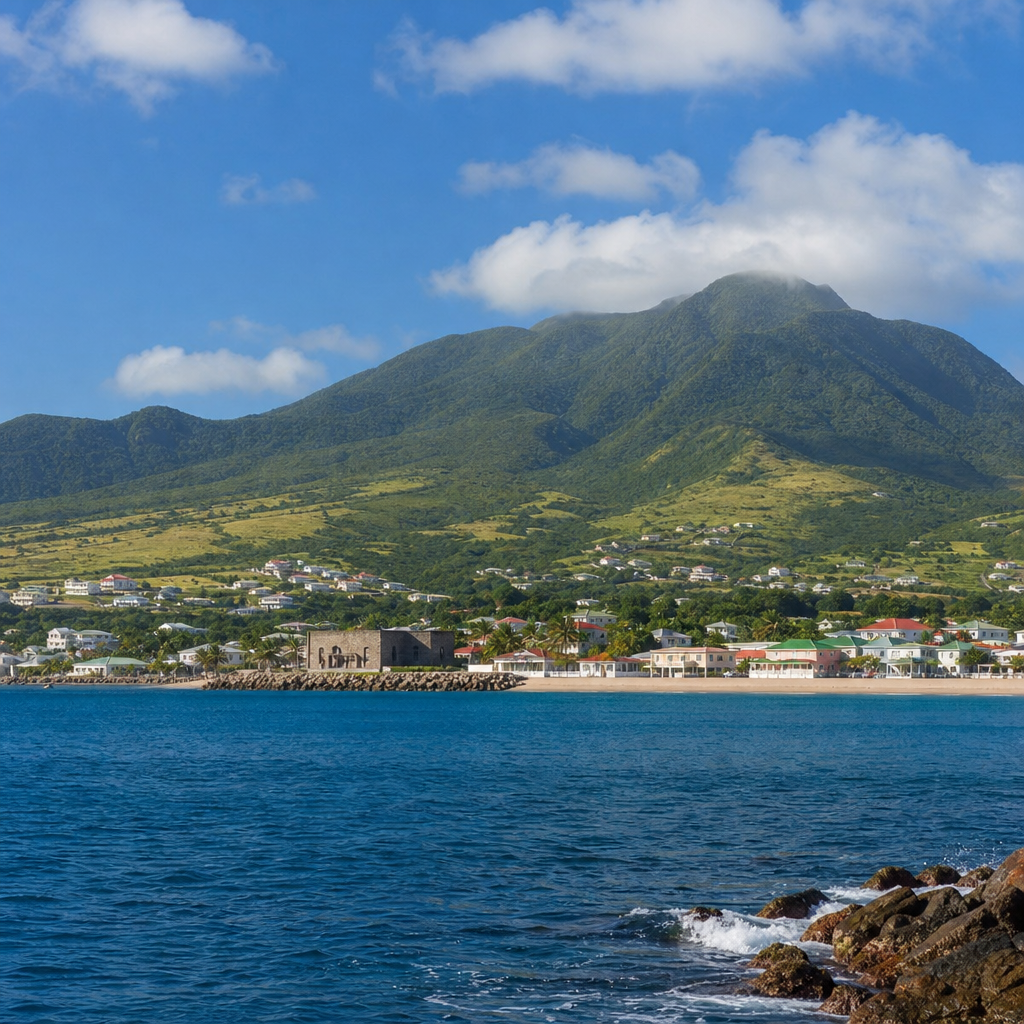
Nevis stands out because it offers a rare combination of natural calm, manageable scale, and consistent tropical conditions. Unlike busier beach destinations where noise, crowding, and aggressive schedules undermine the point of a mindfulness practice, Nevis supports quiet attention. Pinney’s Beach is the best-known stretch, but smaller coastal areas and resort fronts also provide enough space for classes without feeling congested. The island’s visual simplicity matters. A clean horizon, low ambient noise, and fewer urban interruptions reduce cognitive load, which makes it easier for practitioners to settle into breathing patterns and body awareness.
Climate is another advantage, though it requires sensible planning. Early mornings usually bring milder temperatures, softer light, and calmer winds. That is why many instructors schedule sessions close to sunrise. Evening classes can also work well, especially for travelers using yoga to release stiffness after hiking, swimming, or long flights. The marine environment adds measurable practical effects. Sea breezes improve perceived comfort, and natural light helps regulate circadian rhythm, especially for visitors arriving from different time zones. These factors do not replace good instruction, but they make adherence easier, and consistency is what drives most wellness benefits.
Nevis also complements yoga with a broader wellness context. A session can sit naturally beside a beach walk, fresh local meals, a spa treatment, or a visit to the hot springs area. That combination turns a single class into a full recovery day rather than an isolated workout. For a hub article, that integration is important because beach yoga often becomes the entry point to healthier habits during travel.
Physical Benefits: Balance, Mobility, Strength, and Recovery
Beach yoga on Nevis offers meaningful physical benefits precisely because the environment is less predictable than a flat studio floor. Sand creates instability, which forces the body to recruit smaller stabilizing muscles around the ankles, feet, hips, and core. Even simple poses such as Mountain, Chair, or Warrior II become more demanding when the ground shifts slightly under pressure. For many adults, especially desk-bound travelers with reduced foot strength and tight hips, that challenge is useful. It improves proprioception, the body’s ability to sense position and movement, which supports better balance in everyday life.
Mobility work often improves outdoors because participants are less fixated on performance. Instructors on Nevis typically favor flows that open the calves, hamstrings, hip flexors, thoracic spine, and shoulders—areas commonly tightened by flights, driving, and long periods of sitting. Sun Salutations can warm the body efficiently, while low lunges, spinal rotations, and supported forward folds help restore range of motion. Gentle backbends are especially effective near the end of a class because the body is warm and the visual openness of the seascape encourages chest expansion and easier breathing.
Recovery is another major benefit. Not every beach session is athletic; many are intentionally restorative. Slower classes using seated stretches, diaphragmatic breathing, and longer holds can reduce muscular tension after paddleboarding, tennis, or hiking Nevis Peak trails. I have seen visitors arrive stiff from travel and leave with easier gait mechanics after one intelligently paced 45-minute session. The key is appropriate sequencing, not intensity. When class design respects heat, hydration needs, and the energy level of the group, beach yoga becomes a practical recovery tool rather than just a scenic activity.
Mental and Emotional Benefits of Practicing by the Sea
The strongest reason many people return to beach yoga is mental relief. Ocean environments naturally support attentional reset. The combination of repeating waves, moving air, expansive views, and sunlight gives the mind fewer sharp interruptions than indoor spaces dominated by screens and noise. During guided sessions, this makes breathing exercises more effective because participants can anchor awareness to external cues—the sound of surf on the exhale, the feel of wind across the skin, or the visual line where sea meets sky.
Breathwork is central here. Instructors often use slow nasal breathing, counted inhales and exhales, or simple box breathing before movement begins. These methods can downshift stress response by encouraging parasympathetic activation. While yoga is not a substitute for mental health treatment, it is a credible support tool for stress management, emotional regulation, and sleep quality. Travelers who feel overstimulated, over-scheduled, or disconnected from their routines often find that a beach session helps them regain a sense of internal order quickly.
There is also an emotional effect unique to practicing in a place like Nevis: perspective. The scale of the sea and the mountain backdrop can make personal stressors feel less consuming without minimizing them. That shift is subtle but powerful. Instead of chasing productivity, participants practice presence. For many, that is the real value of wellness travel.
What to Expect From a Typical Nevis Beach Yoga Session
Most Nevis beach yoga sessions last between 45 and 75 minutes and are structured around climate and group ability. A strong instructor starts with orientation: where to place mats, how to stand on sand, what intensity level to expect, and when to pause for water. Warm-up usually includes ankle rolls, shoulder mobility, cat-cow variations, and standing breath-linked movement. From there, the class may branch into a gentle flow, a strength-focused standing series, or a restorative sequence with longer holds.
Because sand changes alignment, good instruction matters. Teachers often cue a wider stance, a softer knee bend, and more deliberate foot pressure than they would indoors. Balancing poses may be shortened or modified, and kneeling postures sometimes require folded towels for comfort. Savasana, the final resting posture, is where the beach setting truly distinguishes itself. The ambient soundscape does part of the work a studio playlist tries to do, but more effectively.
| Session type | Best time | Typical focus | Who it suits |
|---|---|---|---|
| Sunrise gentle flow | 6:00–7:30 a.m. | Mobility, breath, light activation | Beginners, recovery days, older adults |
| Vinyasa beach flow | 7:00–8:30 a.m. | Strength, stamina, coordination | Regular practitioners, active travelers |
| Sunset restorative | 5:00–6:30 p.m. | Downregulation, stretching, relaxation | Couples, stressed travelers, spa guests |
| Private therapeutic session | Flexible | Injury-aware modifications, targeted mobility | Individuals with specific needs |
Private sessions are increasingly popular because they allow personalization around injuries, prenatal needs, athletic recovery, or complete beginner confidence. Group classes, however, often provide a stronger sense of shared calm and are usually more cost-effective.
Practical Tips: Gear, Safety, Weather, and Etiquette
Successful beach yoga depends on preparation. The best mat for sand is not always the thickest one; heavy mats collect heat and become awkward when wet. Many experienced instructors prefer a standard grip mat topped with a microfiber towel, or a large beach blanket for restorative sessions. Sunscreen should be reef-conscious and applied early enough to absorb before practice. A brimmed hat works for pre-class waiting time, but most people remove it once movement starts. Hydration is non-negotiable in the Caribbean. Drink before class, bring water, and replace electrolytes after longer or hotter sessions.
Weather awareness matters as much as flexibility. Midday heat can turn a pleasant class into a dehydrating one quickly, especially for visitors not acclimatized to humidity. Morning sessions are safest for most participants. Wind can also affect balance and comfort, so instructors may choose lower postures on gustier days. If rain passes through, rescheduling is often wiser than pushing through slippery conditions. Lightning risk near open beaches should always end a session immediately.
Etiquette is simple but important. Arrive early, silence phones, avoid placing bags where they block movement lines, and respect the instructor’s setup. On public beaches, classes share space with walkers and swimmers, so courtesy matters both ways. If someone is new to yoga, the correct approach is to modify without embarrassment. Beach yoga is not a performance. On Nevis, the best classes keep that spirit intact.
How Beach Yoga Connects to the Wider Wellness Experience on Nevis
As a Miscellaneous hub within Health and Wellness, beach yoga should be understood as a connector, not a standalone niche. It links naturally to several related topics readers often explore next. Nutrition is one. A light pre-class snack—fruit, yogurt, or toast—works better than a heavy breakfast in humid conditions, while post-class meals rich in protein, fluids, and minerals support recovery. Sleep is another. Sunrise yoga can help reset body clocks after travel, while sunset restorative classes may improve pre-sleep relaxation.
Beach yoga also pairs well with low-impact movement such as coastal walking, swimming, and guided mindfulness sessions. For active visitors, it can complement more intense pursuits by reducing stiffness and improving range of motion. For less active travelers, it offers an approachable entry point into regular movement without the intimidation of a gym. Resorts and boutique hotels on Nevis increasingly recognize this and package yoga alongside spa services, massage, and wellness retreats.
The local setting adds cultural value as well. Wellness on Nevis is not only about imported routines; it is about adjusting pace, spending time outdoors, and using the island’s natural assets wisely. That is why beach yoga belongs at the center of this hub. It leads readers toward broader themes: stress reduction, mindful travel, sustainable recreation, and practical self-care that continues after the trip ends.
Nevis’ beach yoga sessions show that effective wellness does not have to be complicated. A mat, skilled guidance, safe timing, and the steady presence of the sea can improve balance, mobility, breathing, stress levels, and overall sense of well-being in one session. The island’s quieter atmosphere makes these benefits easier to access because attention is less fragmented and the environment supports calm rather than competing with it. For beginners, beach yoga on Nevis is approachable. For experienced practitioners, it adds challenge, sensory depth, and a stronger connection to breath and place.
The biggest takeaway is that beach yoga works best when treated as part of a complete wellness rhythm. Choose cooler hours, hydrate properly, respect the climate, and match the class style to your energy level. If you are building a healthier trip, combine yoga with walking, restorative meals, good sleep habits, and recovery time. If you are building a healthier life, use the Nevis experience as proof that simple routines done consistently can change how the body feels and how the mind responds to pressure.
Use this hub as your starting point for the broader Miscellaneous wellness category, then explore related topics such as mindful travel, recovery practices, beach fitness, hydration, and sleep support. If Nevis is on your itinerary, book a sunrise or sunset session and experience firsthand how mind, body, and sea can move together.
Frequently Asked Questions
What makes beach yoga in Nevis different from a typical studio class?
Beach yoga in Nevis offers a very different experience from practicing in an enclosed studio because the setting becomes part of the session itself. Instead of fluorescent lighting, mirrors, and climate control, you are moving with natural light, warm trade winds, soft sand, and the steady sound of the Caribbean Sea. That combination can make the practice feel more grounding and less performative. Many travelers find it easier to focus on breath and body awareness when they are looking at open water rather than a wall. The slower rhythm of Nevis also shapes the class atmosphere. The island is known for its quiet beaches and relaxed pace, so sessions often feel intentionally unhurried, with time to settle in, breathe deeply, and move with control rather than rushing through poses.
There is also a practical difference in how the body responds outdoors. The sand adds an element of instability that can gently challenge balance and engage stabilizing muscles, while the sea air and open space encourage fuller breathing. Instructors typically adapt sequences to match the beach environment, emphasizing mobility, posture, controlled transitions, and mindful breathwork. As a result, beach yoga in Nevis is not just yoga relocated to the shore; it is a wellness experience shaped by the island’s volcanic landscape, warm climate, and calming sensory environment. For many visitors, that blend of movement, breath, and shoreline rhythm is exactly what makes it memorable.
Is beach yoga in Nevis suitable for beginners, or do you need prior experience?
Beach yoga in Nevis is generally very accessible for beginners, and prior experience is usually not required. Most sessions are designed with a broad range of participants in mind, including travelers who may be trying yoga for the first time. Instructors commonly offer modifications for different ability levels, so a beginner can work at a comfortable pace while a more experienced participant can choose a deeper variation. The emphasis in many beach classes is less about advanced poses and more about steady movement, good alignment, breathing techniques, and the restorative effect of practicing in a peaceful outdoor setting. That makes it an excellent entry point for people who want the benefits of yoga without the pressure of a highly technical studio environment.
That said, beginners should expect the beach surface to feel different from a flat indoor floor. Sand can make balance poses more challenging, but it can also encourage a softer, less rigid approach to practice. A good instructor will take that into account and guide students through simple, manageable sequences that prioritize safety and awareness. If you are new to yoga, it helps to communicate that before class starts so the teacher can suggest helpful adjustments. In Nevis, the welcoming and relaxed nature of beach sessions often makes first-timers feel at ease quickly. The goal is usually not perfection; it is learning to connect movement and breath while enjoying the restorative atmosphere of the shoreline.
What are the main health and wellness benefits of joining a beach yoga session in Nevis?
The benefits of beach yoga in Nevis are both physical and mental, which is a major reason these sessions appeal to wellness-focused travelers. On the physical side, yoga can improve mobility, joint range of motion, posture, muscular endurance, and overall body awareness. A well-structured beach session often includes stretching, controlled standing work, core engagement, and breath-led transitions that help release stiffness from travel and long periods of sitting. Because the beach surface is less rigid than a studio floor, it can also encourage subtle activation in the feet, ankles, and stabilizing muscles. For visitors arriving after flights or busy schedules, this kind of movement can be an effective way to reset the body.
Mentally, the setting in Nevis strengthens yoga’s stress-reducing effects. The repetitive sound of waves, fresh sea air, and open horizon naturally support a calmer nervous system response. Breathwork practiced near the water can help slow the pace of thought, reduce tension, and improve attention. Many participants describe feeling more present after class because the sensory experience makes it easier to step away from screens, schedules, and mental clutter. Over time, regular yoga practice may also support better sleep, improved recovery, and a greater sense of emotional balance. In Nevis, those benefits are amplified by the island’s quiet atmosphere, making beach yoga not just a leisure activity but a practical tool for relaxation, physical restoration, and mindful reconnection.
What should you bring and wear for a beach yoga session in Nevis?
For a beach yoga session in Nevis, the best approach is to keep things simple, comfortable, and suited to a warm coastal climate. Lightweight, breathable clothing works best, such as moisture-wicking tops, shorts, or flexible leggings that allow full movement. Since the Caribbean sun can become strong quickly, many people prefer early morning sessions when temperatures are milder and the beach is quieter. A yoga mat can be useful, but on sand it is often helpful to bring a larger towel as well, either to place under the mat or to use on its own depending on the class style and beach conditions. Water is essential, especially in a tropical setting where heat and humidity can increase fluid loss faster than expected.
It is also smart to think about sun and comfort accessories. Reef-safe sunscreen, sunglasses, and a hat can be useful before and after class, though hats are usually removed during practice. Some participants like to bring a small bag for personal items and an extra towel if they plan to swim afterward. Footwear is typically minimal; many sessions are done barefoot, which helps with stability and connection to the ground. If you are attending a sunrise class, a light layer may feel comfortable at first but usually becomes unnecessary once movement begins. The key is to arrive prepared but not overloaded. Beach yoga in Nevis is meant to feel easy and restorative, so bringing only what supports comfort, hydration, and freedom of movement is usually best.
When is the best time to take a beach yoga class in Nevis, and what can you expect from the overall experience?
The best time for beach yoga in Nevis is often early morning, especially around sunrise, when the air is cooler, the light is soft, and the beaches feel especially calm. Morning sessions can set the tone for the rest of the day by helping you wake up gradually, loosen the body, and establish a more centered mindset before sightseeing, swimming, or other island activities. Late afternoon can also be a beautiful time to practice, with warm light and a quieter energy as the day winds down. The ideal timing depends on your preferences, but most people find that avoiding the strongest midday sun makes the experience more comfortable and sustainable.
As for what to expect, beach yoga in Nevis is usually less about intensity and more about mindful immersion. A typical session may begin with gentle grounding, followed by breathwork, flowing movement, balance work, and stretches that leave the body feeling open rather than overworked. Instructors often encourage participants to notice the sound of waves, the sensation of the breeze, and the rhythm of breathing as part of the practice rather than as background. That sensory integration is a defining part of the experience. On an island known for quiet beauty and a slower pace, beach yoga often becomes more than a class on a vacation itinerary. It can feel like a meaningful pause—an opportunity to restore energy, reduce stress, and experience Nevis in a way that is fully embodied, attentive, and deeply connected to the sea.