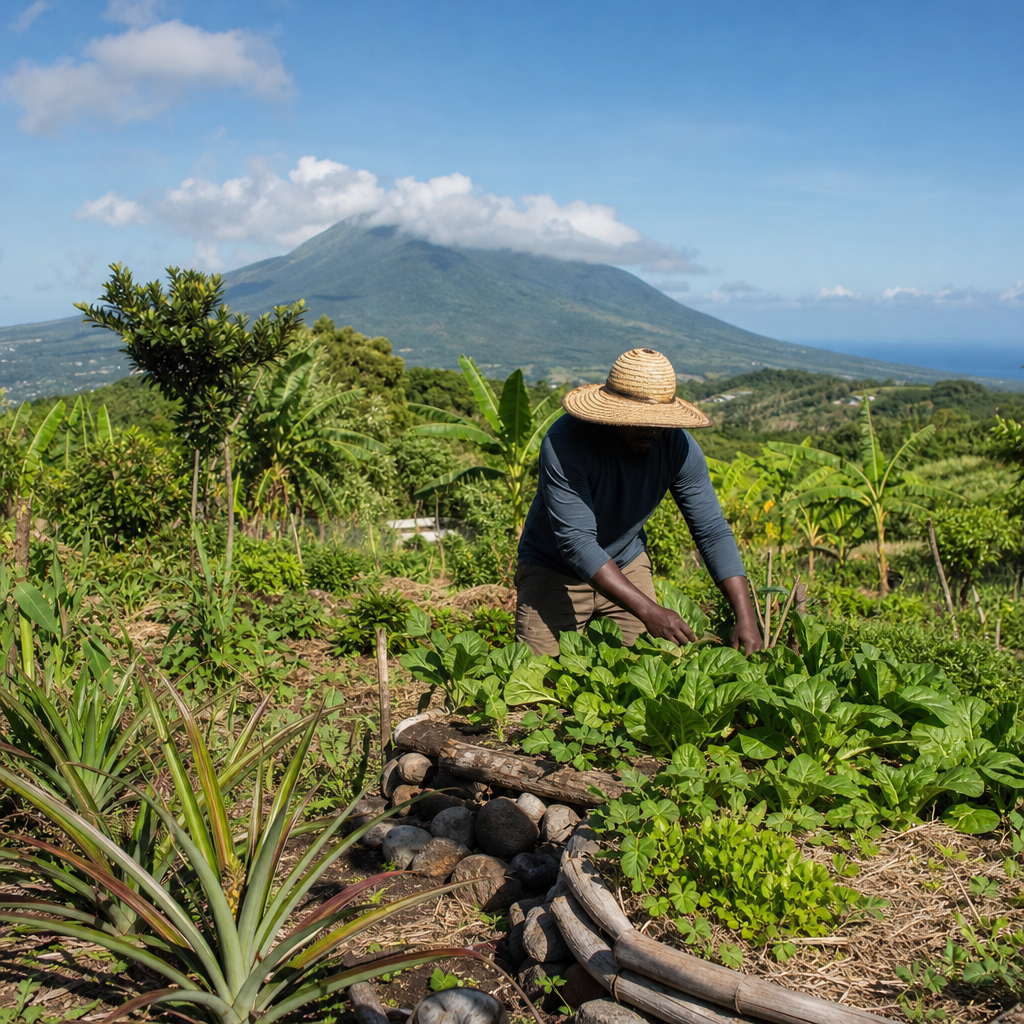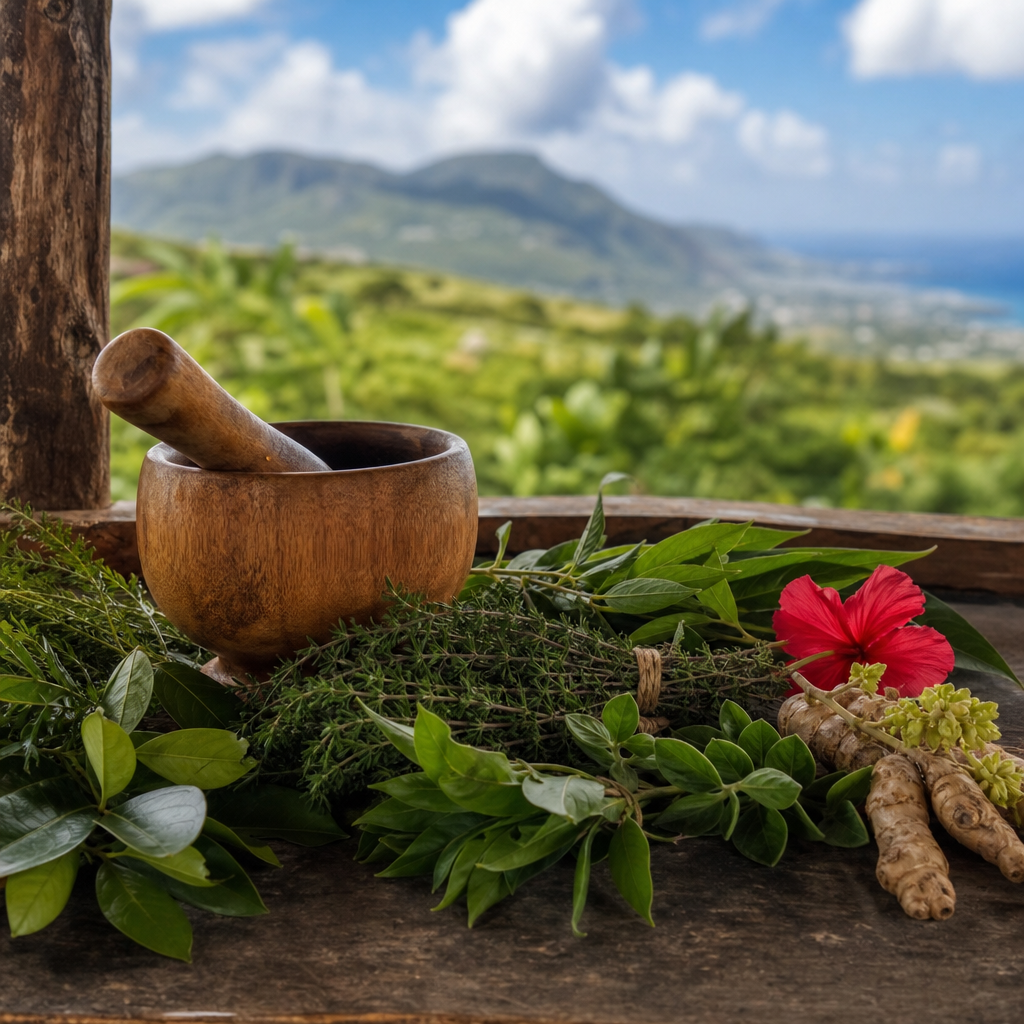
Herbal wellness in Nevis is more than a trend; it is a living system of knowledge built from Caribbean biodiversity, African and Indigenous plant traditions, kitchen medicine, and practical community care. When people ask what Nevis medicinal plants are used for, they usually mean the leaves, roots, bark, seeds, and flowers grown in home gardens, hillsides, and village yards that support digestion, colds, skin health, stress relief, and everyday recovery. In this context, herbal wellness means using botanicals as teas, baths, poultices, oils, tonics, and culinary remedies to maintain health or ease minor complaints. Medicinal plants are not magic cures, and they are not automatically safe because they are natural. The value lies in correct identification, appropriate preparation, dose awareness, and respect for both traditional knowledge and modern clinical limits.
I have worked with Caribbean wellness content and local remedy research long enough to see the same pattern repeatedly: the most useful herb guides are the ones that explain exactly what a plant is, how people actually use it, where caution is needed, and why the practice still matters. That matters in Nevis because herbal medicine sits at the intersection of culture, access, and prevention. Many households still rely on bush tea for a cold, lemongrass after a heavy meal, aloe for skin irritation, or ginger for nausea. Visitors are often curious about these remedies, but residents know the deeper story: plants are part of intergenerational memory, self-reliance, and daily wellness routines. A hub article on Nevis’ medicinal plants should therefore connect traditional uses, preparation methods, safety principles, and the broader role of herbs in the island’s health and wellness landscape.
Why medicinal plants remain central to wellness in Nevis
Medicinal plants remain relevant in Nevis because they are accessible, familiar, and embedded in daily life. Unlike highly specialized wellness systems that require expensive products, many Caribbean remedies begin in the garden. Soursop leaves may be brewed into tea, turmeric may be grated into a warming drink, and cerasee may be used as a bitter tonic. These habits persist not because people reject conventional medicine, but because herbs often serve a different role: they support ordinary discomforts, convalescence, hydration, digestion, and relaxation. In small-island settings, that distinction matters. Practical wellness often starts with what families can grow, store, and prepare safely at home.
Nevis also benefits from a tropical climate that supports a wide range of useful species. Some plants are endemic to the wider Caribbean environment, while others arrived through colonial trade, migration, and agricultural exchange. The result is a layered pharmacopeia. African diaspora traditions contributed bush medicine practices; European settlers brought familiar garden herbs; South and East Asian influence introduced or reinforced uses for ginger, turmeric, and other botanicals. Today, the local herbal landscape includes both native and naturalized plants, often known by common names that vary from one island to another. That is why careful plant identification is essential. One common name can refer to different species across the Caribbean, and safety depends on knowing which plant is actually being used.
There is also a strong preventive dimension. In many households, herbs are not reserved for illness. They are part of routine care: mint or lemongrass after meals, moringa as a nutrient-dense green, castor oil for specific traditional applications, and leaf baths for soothing tired muscles. This places Nevis herbal wellness within a broader public health reality. Supportive practices such as hydration, rest, nutrient intake, and stress reduction often do more for everyday wellbeing than dramatic cure claims. The most credible herbal traditions understand that. They use plants as part of a lifestyle, not as a substitute for every form of medical evaluation.
Common Nevis medicinal plants and their traditional uses
The most recognized medicinal plants in Nevis combine availability with versatility. Aloe vera is one of the clearest examples. The gel inside the leaf is widely used for minor burns, sun exposure, dry skin, and scalp care. In practice, aloe is valued because it cools, hydrates, and forms a soothing layer on irritated skin. Ginger is another staple. Fresh ginger tea is commonly used for nausea, mild cold symptoms, and digestive discomfort, and its warming effect makes it a reliable household remedy. Lemongrass, often prepared as a fragrant tea, is used for relaxation, light digestive support, and comfort during colds. Its popularity comes from being gentle, pleasant tasting, and easy to grow.
Cerasee, known elsewhere as bitter melon vine, has a long history in Caribbean bush medicine. Traditionally, it is taken as a bitter tea, often associated with cleansing and skin support. Because it is intensely bitter, it is also the kind of herb that demonstrates an important local principle: stronger is not always better. People who grew up with cerasee usually understand that preparation and frequency matter. Soursop leaf tea is another well-known remedy, often discussed for calming and rest. Public discussion around soursop sometimes becomes exaggerated, especially online, but in real household use it is more commonly treated as a mild traditional tea rather than a miracle treatment.
Other plants commonly associated with herbal wellness include turmeric, mint, moringa, guava leaf, and noni. Turmeric is valued for its culinary and anti-inflammatory reputation, often used in teas, broths, and tonics with black pepper or ginger. Mint supports digestion and freshness, especially after rich meals. Moringa is appreciated more as a nutritive plant than a quick remedy, since the leaves contain vitamins, minerals, and phytochemicals that fit well into soups, powders, or teas. Guava leaf tea is often used traditionally for digestive upset, while noni occupies a more polarizing place, with some users valuing it as a tonic despite its strong taste and the need for moderation.
| Plant | Typical local preparation | Traditional use | Key caution |
|---|---|---|---|
| Aloe vera | Fresh gel, topical application | Minor burns, dry skin, irritation | Do not apply to deep or infected wounds without medical advice |
| Ginger | Tea, grated infusion, broth | Nausea, colds, digestion | Use caution with blood-thinning medication |
| Lemongrass | Leaf tea | Relaxation, digestion, mild cold support | May not suit everyone in concentrated amounts |
| Cerasee | Bitter tea from vine or leaves | Traditional cleansing, skin-related support | Avoid excess use; safety depends on dose and user |
| Guava leaf | Leaf tea | Digestive upset, mouth rinse | Not a replacement for care if symptoms persist |
| Turmeric | Tea, food, tonic | General inflammation support, recovery | Can interact with some medications |
How Nevis herbs are prepared in everyday practice
Preparation determines both effect and safety. In Nevis, the most common herbal format is bush tea, usually made by steeping fresh or dried leaves in hot water. This is suitable for softer plant parts such as lemongrass, mint, guava leaves, and soursop leaves. Harder materials like bark, woody stems, and dense roots may require decoction, meaning simmering the plant material for longer to extract its compounds. Fresh poultices are used externally for localized discomfort, while oils may be infused for massage or scalp applications. Aloe is a special case because it is most often used directly from the leaf as a topical gel rather than boiled.
From experience, the biggest quality issue is inconsistency. One person’s “cup of tea” may be another person’s highly concentrated brew. Traditional knowledge often works because elders know the plant, the quantity, the timing, and the person taking it. Written herb guides need to make that tacit knowledge visible. Start with modest amounts, use clean water, wash plant material thoroughly, and avoid mixing many herbs at once unless you understand the rationale. If a tea is intended for hydration and comfort, it should not be brewed at medicinal extremes. If it is intended as a stronger preparation, that decision should be deliberate and informed.
Freshness also matters. Tropical plants can spoil quickly after harvest, and microbial contamination is an overlooked risk when herbs are gathered casually. Tools and containers should be clean, and leaves should not be collected from roadsides exposed to vehicle pollution, pesticides, or animal waste. Storage is equally important. Dried herbs should be kept in airtight containers away from heat, humidity, and direct sunlight. Proper preparation is what turns folk knowledge into responsible practice. Without it, even a generally safe herb can become ineffective or unsuitable.
Benefits, limitations, and safety considerations
The benefits of medicinal plants in Nevis are real, but they are specific. Herbs can support comfort, hydration, mild symptom relief, and daily wellness routines. Ginger may help settle the stomach. Aloe may soothe superficial skin irritation. Peppermint or local mint may ease digestive heaviness. Warm herbal teas can encourage rest and fluid intake during a cold. These are practical benefits, not abstract claims. They fit the strongest evidence base for many traditional remedies: supportive care for minor, self-limiting conditions and general wellbeing.
The limitations are equally important. Herbal medicine does not replace evaluation for chest pain, high fever, breathing difficulty, severe dehydration, persistent vomiting, uncontrolled blood sugar, or signs of infection. Pregnancy, breastfeeding, chronic kidney or liver disease, and prescription medication use all change the risk profile of herbs. This is especially true for botanicals with known effects on blood pressure, blood sugar, clotting, or sedation. The U.S. National Center for Complementary and Integrative Health, the World Health Organization, and standard pharmacognosy references all reinforce the same point: natural products can be pharmacologically active, which means they can also cause side effects and interactions.
Another practical safety issue is misidentification. In Caribbean herbal culture, common names travel faster than botanical names. Two islands may use the same common name for different species, or one species may have several names. Anyone creating a home herbal routine should learn the botanical name, plant part used, and contraindications. If there is uncertainty, do not use the plant internally. Good herbal wellness in Nevis depends on respect for tradition and respect for evidence. The two are not enemies; they work best together.
The cultural and economic value of herbal wellness in Nevis
Medicinal plants also matter because they support cultural continuity and local enterprise. Herbal knowledge is often transmitted through grandmothers, market vendors, gardeners, and community healers who learned by observation and repeated use. That kind of lived knowledge has value, especially when documented carefully and paired with current safety standards. As interest in wellness tourism grows across the Caribbean, Nevis has an opportunity to present herbal traditions in a credible way through garden tours, tea tastings, spa treatments based on local botanicals, educational workshops, and farm-to-wellness experiences.
There is economic potential here, but it depends on integrity. A successful herbal wellness sector cannot be built on exaggerated cure claims. It should be built on traceable sourcing, correct labeling, sustainable harvesting, and transparent education. Small producers can create high-quality teas, dried herb blends, bath products, infused oils, and topical preparations if they follow good manufacturing principles and understand basic regulatory expectations. Botanical tourism also works best when visitors are taught the difference between traditional use and clinically proven treatment. That distinction builds trust instead of weakening it.
For a miscellaneous hub under Health and Wellness, this matters because medicinal plants connect to many adjacent topics: nutrition, spa culture, preventive health, agriculture, sustainable tourism, natural skincare, and cultural heritage. A reader interested in Nevis herbal wellness may next want guides on bush tea traditions, aloe vera skin care, ginger remedies, medicinal gardens, wellness retreats, or safety rules for home herbal use. This hub should point toward those deeper pages while remaining complete enough to answer the core question on its own.
How to build a responsible herbal routine in Nevis
The best herbal routine is simple, local, and conservative. Choose one or two well-known plants with clear traditional uses, such as ginger for occasional nausea or lemongrass for an evening tea. Learn the botanical name, preparation method, and cautions. Use herbs for support, not for postponing necessary care. If you have a chronic condition or take medication, ask a qualified clinician or pharmacist about interactions. Keep notes on what you used, how much, and how you responded. That practice sounds basic, but it is what separates informed self-care from guesswork.
For households and visitors in Nevis, the most practical starting point is a small medicinal garden with culinary overlap. Aloe, mint, lemongrass, ginger, turmeric, and moringa are useful because they are familiar, multi-purpose, and easier to identify than obscure wild plants. Grow them in clean soil, avoid unnecessary chemicals, and harvest with restraint. If buying prepared products, look for ingredient transparency, labeled plant names, and reasonable health claims. A trustworthy herbal product explains what it is for and what it is not for.
Herbal wellness in Nevis offers a grounded model of health: use plants wisely, value inherited knowledge, respect modern safety standards, and focus on everyday wellbeing. The island’s medicinal plants remain relevant because they are practical, culturally meaningful, and closely tied to real routines that people still use. Explore the wider Health and Wellness hub, then choose one Nevis herb to learn properly, grow carefully, and use responsibly.
Frequently Asked Questions
What does herbal wellness in Nevis actually mean?
In Nevis, herbal wellness refers to a practical, community-based approach to health that draws on local medicinal plants, family knowledge, and everyday preventive care. It is not simply about drinking herbal tea because it is fashionable. It is a living tradition shaped by the island’s biodiversity, African and Indigenous plant knowledge, kitchen medicine, and the habits of people who have long relied on what grows around them. In many homes, wellness begins with familiar plants gathered from backyard gardens, village yards, roadsides, and hillside plots, then prepared as teas, baths, washes, poultices, steam remedies, or tonics.
People usually turn to Nevis medicinal plants for common needs such as easing digestion, calming a cough, supporting recovery from colds, soothing skin irritation, relieving stress, and helping the body rest and restore itself. Leaves, bark, roots, flowers, and seeds may each be used differently depending on the plant and the purpose. A leaf tea might be taken for mild digestive upset, while a bark or root preparation may be reserved for more traditional tonic use. Just as important, herbal wellness in Nevis is often connected to observation and experience: families know which herbs feel warming, cooling, calming, cleansing, or strengthening, and they use them with intention.
This tradition also reflects a broader idea of health. Herbal care is often part of a routine that includes rest, hydration, light food, sweating out a cold, bathing, and paying attention to the body before a small problem becomes a larger one. In that sense, herbal wellness in Nevis is both medicinal and cultural. It is a system of knowledge passed between generations and adapted over time, rooted in the idea that everyday plants can play a meaningful role in supporting everyday well-being.
What are Nevis medicinal plants commonly used for?
Nevis medicinal plants are most commonly used for everyday health concerns rather than highly specialized treatment. Many herbs are prepared to support digestion, especially after heavy meals, bloating, stomach discomfort, or sluggishness. Others are used during colds and seasonal illness to encourage sweating, loosen mucus, soothe the throat, and provide warmth and comfort. It is also common to use local herbs for skin support, whether as washes, baths, or topical preparations for rashes, minor irritations, insect bites, and surface-level inflammation.
Another major area of use is stress relief and relaxation. In community herbal practice, some plants are valued because they help the body settle down, reduce nervous tension, or support better sleep. These are often taken as evening teas or added to baths. There are also herbs used in recovery traditions after fatigue, physical strain, or general weakness, sometimes as strengthening tonics or restorative preparations. In this way, medicinal plants are not only used to respond to symptoms but also to help people regain balance after illness, overwork, or emotional stress.
Importantly, use depends on context. The same plant may be used one way for a tea, another way for a wash, and another way in combination with other herbs. Knowledge of preparation matters because the strength, timing, and intended effect can change depending on whether the plant is steeped gently, boiled longer, crushed fresh, or mixed with other ingredients. That is why Nevis herbal practice is best understood not as a random collection of remedies but as a thoughtful tradition of matching local plants to common wellness needs.
How are medicinal plants in Nevis typically prepared and used?
Preparation methods in Nevis are usually simple, practical, and shaped by tradition. The most familiar method is tea, made either by steeping softer plant parts such as leaves and flowers or by simmering tougher materials such as bark, roots, or seeds. A light infusion may be used for gentle daily support, while a stronger decoction may be made for more robust traditional uses. People may drink these preparations warm for comfort, especially when addressing colds, congestion, or stomach unease.
Beyond teas, medicinal plants are commonly used in baths, steam treatments, compresses, and topical applications. Herbal baths are often associated with soothing the skin, relaxing the body, or helping someone feel refreshed after illness or stress. Steam preparations may be used when congestion is present, allowing aromatic plant compounds to be inhaled. Fresh leaves may be crushed and applied externally in simple traditional ways, or herbs may be boiled and the cooled liquid used as a wash for the skin. In households where kitchen medicine remains strong, preparation is often guided by what is available fresh and what the family has learned works best.
Combination remedies are also part of the tradition. Several plants may be blended to create a more balanced effect, such as combining herbs known for warming, cleansing, calming, or soothing properties. This reflects an understanding that health complaints are often layered. A person with a cold may need support for the throat, sinuses, appetite, and sleep all at once. Even with traditional confidence, however, careful use matters. Correct plant identification, the right part of the plant, reasonable amounts, and awareness of who is taking the remedy are all essential to safe and effective herbal use.
Why is traditional herbal knowledge so important to Nevisian culture and community care?
Traditional herbal knowledge is important in Nevis because it represents continuity, resilience, and local self-reliance. Long before modern wellness language became popular, people on the island were caring for themselves and one another with plants that could be grown, gathered, and prepared close to home. This knowledge reflects generations of lived experience, including African and Indigenous healing traditions, practical experimentation, and adaptation to the Caribbean environment. It survives because it is useful, familiar, and deeply connected to everyday life.
At the community level, herbal knowledge has often been shared through parents, grandparents, neighbors, farmers, and respected elders rather than through formal institutions alone. That makes it more than a set of remedies; it is part of how memory and identity are preserved. Knowing which herb to use for a cold, a bellyache, a rash, or sleeplessness can be a sign of belonging to a place and understanding its landscape. Home gardens are especially important because they serve as small living pharmacies where food plants and medicinal plants often grow side by side.
This tradition also supports a broader ethic of care. Herbal wellness in Nevis is often grounded in attentiveness: noticing early symptoms, offering comfort, preparing something warm, helping someone rest, and using what is accessible. Even in a modern setting, that cultural framework remains valuable. It encourages respect for local plants, respect for elders’ knowledge, and an understanding that wellness is not only clinical but also relational, environmental, and rooted in community practice.
Are there any safety considerations when using herbal remedies from Nevis medicinal plants?
Yes, safety is essential, even when a remedy is traditional and widely respected. Natural does not automatically mean harmless. The first concern is correct identification. Many plants can look similar, and using the wrong species can lead to unwanted or even dangerous effects. It also matters which part of the plant is used. Leaves, roots, bark, flowers, and seeds can differ greatly in strength and suitability, and some parts may be appropriate while others are not. Preparation strength matters too, since a mild tea and a concentrated decoction can affect the body very differently.
People should also be cautious about dosage, frequency, and who is taking the remedy. Children, pregnant or breastfeeding women, older adults, and people with chronic conditions may need extra care. Herbal remedies can also interact with prescription medications or may not be appropriate for people with certain medical histories. A plant traditionally taken for digestion, stress, or cold relief may still need to be avoided in specific situations. For that reason, responsible herbal use means combining traditional knowledge with common sense and, when needed, guidance from a qualified healthcare professional.
Another important safety point is knowing when herbal care is appropriate and when it is not enough. Many Nevis medicinal plants are well suited to supporting everyday wellness and mild, short-term complaints, but persistent symptoms, severe pain, high fever, breathing difficulty, signs of infection, or worsening illness require medical attention. Herbal wellness works best as part of a thoughtful approach to health, not as a substitute for urgent care. Respect for the plants includes respecting their limits, using them carefully, and recognizing when broader medical support is needed.