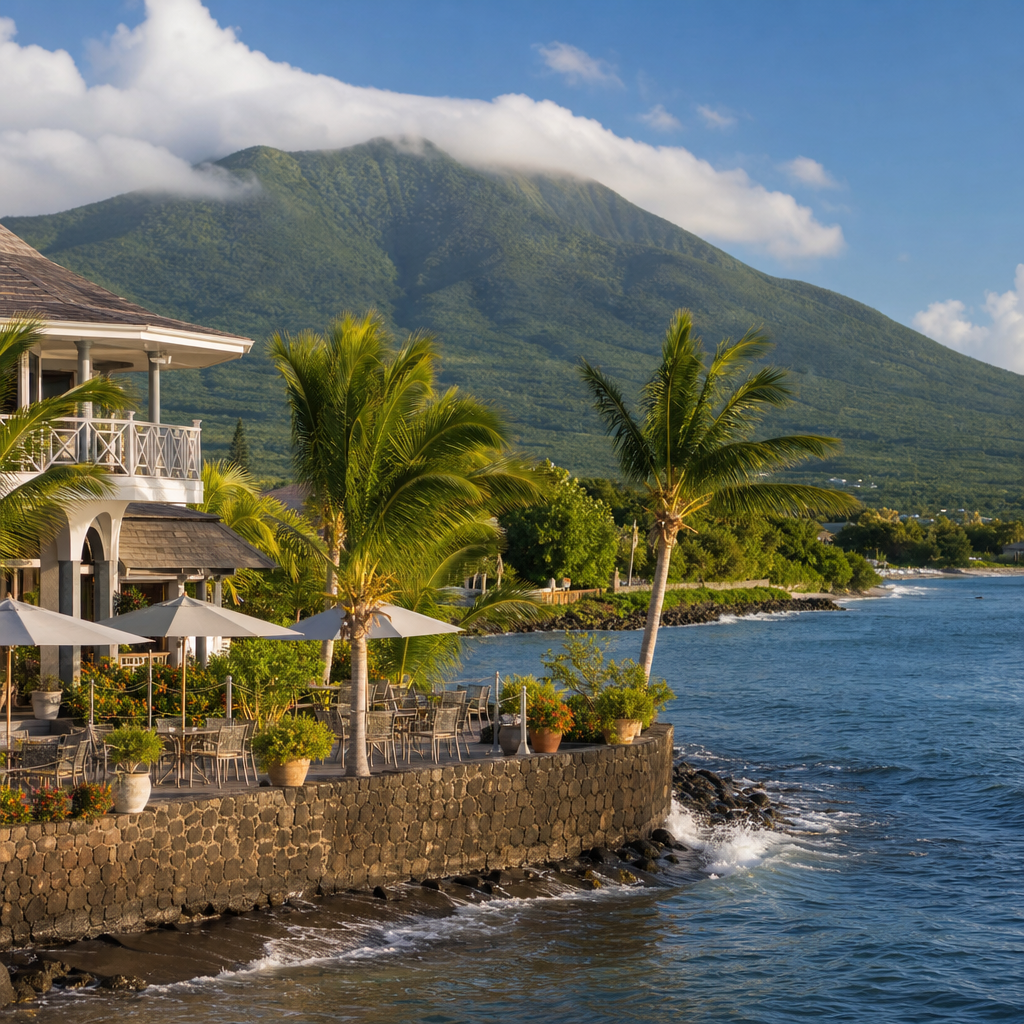
Nevis’ tropical fruit picking is one of the island’s most rewarding low-impact activities, combining agriculture, history, ecology, and food culture in a way that few standard excursions can match. On a small Caribbean island better known for volcanic scenery, quiet beaches, and heritage estates, fruit picking offers something more intimate: direct access to the landscapes that shape daily life. Visitors do not simply observe plantations or walk through botanical gardens. They move through working orchards, family plots, and mixed-use tropical gardens where mango, breadfruit, coconut, guava, soursop, tamarind, papaya, and sugar apple grow in the same warm air.
In practical terms, tropical fruit picking in Nevis means joining a guided farm visit, estate tour, garden experience, or seasonal orchard outing where guests learn how fruit is grown, harvested, ripened, and used in local cooking. The exact experience varies by property and season. Some visits center on tasting fruit straight from the tree. Others include cooking demonstrations, juice making, or walks through former plantation lands now planted with diverse crops. Because Nevis is compact, fertile, and shaped by both volcanic soils and maritime climate, it supports an impressive range of fruit within short driving distance.
This matters for travelers looking beyond passive sightseeing. Fruit picking is accessible to families, couples, cruise visitors, wellness travelers, and repeat guests who have already seen the headline attractions. It also matters because it connects tourism to local knowledge. In my experience designing island activity guides, the experiences people remember most are rarely the most expensive; they are the ones that reveal how a place actually lives. Picking a ripe mango under a humid morning sky, learning why breadfruit was introduced to the Caribbean, or tasting tamarind pulp while hearing how families preserve surplus harvest creates a stronger memory than another generic tour.
As a hub within the broader Adventure and Activities category, this guide covers the full miscellaneous side of Nevis fruit picking: what to expect, which fruits are commonly encountered, when to go, who it suits, how to prepare, and how it links to food, sustainability, and local culture. If you are asking whether fruit picking in Nevis is worth your time, the direct answer is yes. It is one of the island’s most distinctive hands-on activities, especially for travelers who value authenticity, seasonal variety, and a slower, smarter way to explore.
What Tropical Fruit Picking in Nevis Actually Includes
Fruit picking on Nevis is not usually a large commercial operation where visitors fill industrial baskets for export. More often, it is a small-scale, guided, educational experience tied to guesthouses, private gardens, restored estates, community farms, or independent guides with access to cultivated land. That distinction matters. The goal is not volume; it is understanding. A good outing explains which trees are in season, how to identify ripe fruit, why some fruits are picked mature but not fully ripe, and how weather patterns affect flavor and texture.
Most experiences begin with a walk through mixed tropical vegetation rather than neatly regimented rows. Nevis agriculture often blends ornamental plants, herbs, tree crops, and household food production. A guide may point out young mango trees beside mature coconut palms, or papaya growing close to banana stands and pigeon pea. This polycultural layout reflects practical island growing conditions and local habit, not a theme-park version of farming. Visitors often taste fruit in stages: just-picked samples, chilled prepared portions, and items transformed into jam, juice, chutney, or dessert.
The educational value is higher than many travelers expect. You learn the difference between fibrous and low-fiber mango varieties, why breadfruit is commonly roasted rather than eaten raw, how guava is used in preserves, and why soursop is prized for beverages and frozen treats. On some properties, guides also discuss pruning, grafting, pest pressure, rainfall timing, and hurricane resilience. That makes the activity appealing not only to casual tourists but also to gardeners, chefs, nutrition-focused travelers, and anyone interested in Caribbean foodways.
Common Fruits You May Pick or Taste
The exact harvest depends on season, rainfall, elevation, and the specific farm or garden, but several fruits appear repeatedly in Nevis experiences. Mango is the standout for many visitors because its flavor, when tree-ripened in the Caribbean, is dramatically different from the refrigerated fruit commonly sold in supermarkets abroad. Guava, sugar apple, papaya, tamarind, and coconut are also common, while breadfruit often appears as a harvested staple used in cooking demonstrations rather than a pick-and-eat fruit.
| Fruit | Typical Experience | What Visitors Learn | Common Local Use |
|---|---|---|---|
| Mango | Picking ripe or nearly ripe fruit by hand or pole | Variety differences, ripening stages, sap handling | Fresh eating, juice, chutney |
| Papaya | Harvesting mature fruit and tasting prepared slices | Color change, seed cavity, culinary ripeness | Breakfast fruit, smoothies, salads |
| Guava | Sampling fresh fruit and preserves | Aroma cues, seed content, processing value | Jam, jelly, juice |
| Tamarind | Opening pods and tasting pulp | Sweet-sour balance, preservation methods | Drinks, sauces, candy |
| Coconut | Watching or assisting with collection and opening | Young versus mature nuts, water and flesh differences | Coconut water, grated coconut, desserts |
| Breadfruit | Farm viewing with cooking demonstration | Harvest timing, starch development, roasting methods | Roasted side dish, chips, mash |
One reason this activity works so well in Nevis is that even familiar fruits feel new when they are encountered in their growing context. I have seen travelers who thought they disliked papaya change their mind after tasting a fully ripe local fruit with lime. The same happens with guava, often misunderstood by visitors who know it only as a processed flavor. Context changes perception, and fruit picking provides that context immediately.
Seasonality, Weather, and the Best Time to Go
Travelers often ask when fruit picking is best in Nevis. The most accurate answer is that there is no single perfect month, because tropical fruit seasons overlap and shift. Rainfall patterns, heat, and storm activity influence timing. Mango usually attracts the most interest and is often strongest in the late spring through summer period, while other fruits appear across wider windows. A reputable host will frame the experience around what is genuinely available instead of promising every fruit year-round.
Morning is usually the best time for the activity. Temperatures are lower, fruit can be in better condition, and farm work is easier before the afternoon heat builds. From a practical standpoint, mornings also reduce dehydration risk and improve walking comfort, especially for families with children or older travelers. If the outing includes tasting, guides can often use the freshest harvest from that same morning.
Weather affects more than comfort. Heavy rain can make orchard paths slippery, increase mosquito activity, and reduce access to some plots. Wind can knock down fruit early, which may change what is available to pick versus what is available to sample. During hurricane season, schedules may shift quickly. That is not a flaw in the experience; it is part of engaging with real agriculture on a small island. The best operators communicate clearly about conditions and adapt the route rather than overpromising.
Why Fruit Picking Is a Standout Adventure and Activity
Within the broader set of Nevis activities, fruit picking occupies an unusual space. It is gentler than hiking Nevis Peak, more participatory than a scenic drive, and more rooted in daily life than a standard beach day. That makes it an ideal miscellaneous hub topic because it intersects with food tours, cultural experiences, family outings, wellness travel, photography walks, and educational tourism without fitting neatly into only one bucket.
For families, fruit picking works because children can engage through touch, color, taste, and movement. For couples, it offers a slower, more personal alternative to scheduled resort entertainment. For solo travelers, it creates easy conversation and local interaction. For cruise or short-stay visitors, it delivers a high-density experience in a short time: scenery, learning, tasting, and cultural context in one outing. Unlike some adventure products that require specialized fitness or equipment, fruit picking is broadly accessible when routes are planned properly.
It is also a strong bad-weather backup for travelers who want an activity that can sometimes be modified rather than canceled outright. If the orchard ground is too wet, some hosts can pivot toward covered tastings, kitchen demonstrations, or garden walks focused on already harvested produce. That flexibility is useful on an island where weather can change fast. In itinerary planning, I consistently rate fruit-centered farm visits highly because they offer substance without demanding a full day or high physical exertion.
Cultural and Historical Context Behind the Orchards
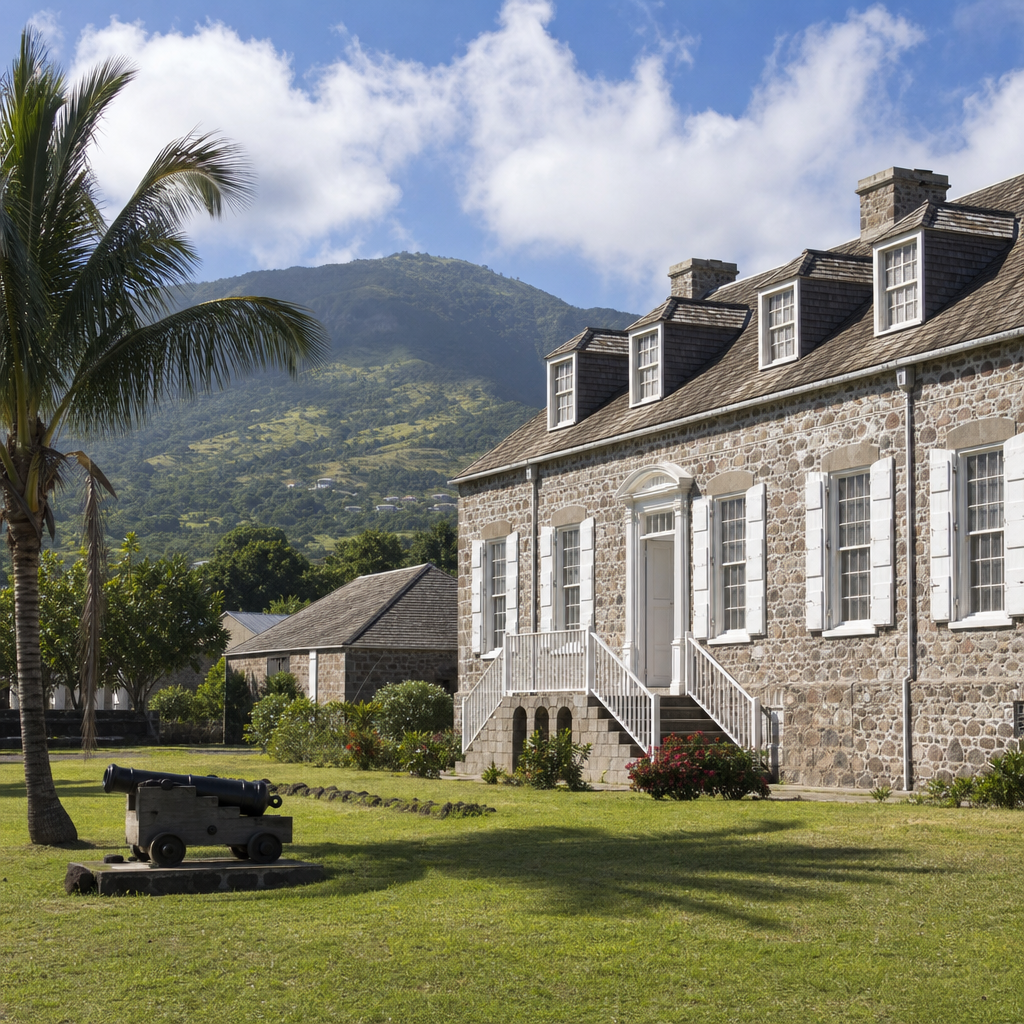
To understand why fruit picking in Nevis feels distinctive, it helps to place it within the island’s history. Nevis was shaped by plantation agriculture, colonial trade, enslaved labor, post-emancipation adaptation, and the long evolution from monocrop export systems toward more diversified land use. While sugar dominated the historic economy, household provision grounds, estate gardens, and village food production always mattered. Many fruit trees seen today reflect layers of migration, trade, and practical survival.
Breadfruit, for example, carries a history linked to colonial botanical transfer in the Caribbean. Mango varieties reflect both imported lineages and local adaptation. Tamarind, coconut, banana, and papaya are embedded in everyday island cooking and informal trade. On restored estates and private properties, fruit picking often sits beside storytelling about how land use changed over generations. Visitors begin to see that these trees are not decorative extras. They are part of a lived landscape shaped by economics, weather, family practice, and culinary memory.
This cultural depth is what elevates the activity from simple agritourism to meaningful place-based travel. A guide explaining how guava became jelly, how surplus mangoes are shared, or how breadfruit supports low-cost meals is giving you more than flavor notes. They are showing how food systems operate on an island scale. For travelers who want to understand Nevis beyond postcards, that perspective is invaluable.
How to Plan a Great Fruit Picking Excursion
The best fruit picking experiences are booked with specificity. Ask what fruits are currently in season, how much walking is involved, whether transportation is included, and whether the visit is on a working farm, private garden, or heritage estate. Clarify whether picking is hands-on or mostly observational. Some properties allow extensive harvesting; others limit picking to selected trees to protect yield and safety. Knowing this in advance prevents mismatched expectations.
Dress for field conditions, not resort aesthetics. Closed-toe shoes with grip are better than sandals. Lightweight long sleeves can help with sun and insects. Bring water, a hat, reef-safe sunscreen if your day continues outdoors, and a small bag if purchases are allowed. If you have food allergies, mention them before tasting begins, especially where preserves, baked goods, or juices are served. This seems basic, but it matters on small tours where hosts prepare items personally and may not have formal labeling.
It is also wise to ask about biosecurity and etiquette. Good hosts explain when not to touch unripe fruit, how to avoid damaging branches, and why some fruit must remain for market sales or household use. Responsible participation supports the farm rather than turning it into a novelty stop. When visitors approach the experience with curiosity and restraint, the quality rises for everyone involved.
Food, Sustainability, and Local Economic Value
Fruit picking supports more than visitor enjoyment. When done well, it channels tourism spending toward growers, guides, cooks, drivers, and small hospitality businesses while highlighting local food production. On islands, imported food can dominate the tourism economy, so any activity that re-centers local crops has practical value. A visitor who tastes fresh soursop on a farm is more likely to order local juice later, buy jam at a market, or ask restaurants about island-grown ingredients.
There is also a sustainability argument. Diverse tropical gardens can support soil stability, shade, pollinators, and more resilient household food systems than single-crop land use. Agritourism, even at modest scale, can make that diversity economically visible. It gives landowners another reason to maintain trees, preserve varieties, and invest in visitor-friendly access. That does not solve every agricultural challenge; labor costs, storm damage, water management, and market volatility remain real constraints. But fruit-based visitor experiences can help broaden income sources in a way that aligns with local identity.
For travelers, the benefit is simple: your activity budget can reinforce the kind of island economy you likely came to experience. Instead of only consuming imported resort products, you participate in a local chain of knowledge, cultivation, preparation, and sale. That is a more grounded form of tourism, and on Nevis it feels especially natural.
Nevis’ tropical fruit picking stands out because it turns a simple outing into a layered island experience. You taste exceptional produce, but you also learn how climate, history, land use, and local cooking fit together. Few miscellaneous activities deliver that much value with such broad appeal. It works for families, food lovers, repeat Caribbean travelers, and anyone who wants a meaningful alternative to standard sightseeing.
The key takeaway is that this is not just about harvesting fruit. It is about seeing Nevis through its edible landscape. Mangoes, guavas, coconuts, papayas, tamarind, breadfruit, and other crops become entry points into culture and community. Seasonality matters, the best tours are honest about availability, and the strongest experiences are guided by people who know the land firsthand. When you choose a well-run excursion, you get freshness, context, and connection in one activity.
If you are building a Nevis itinerary under Adventure and Activities, keep tropical fruit picking near the top of your list and use it as a hub for related experiences such as farm dining, market visits, heritage estate tours, and local cooking sessions. Start by checking seasonal availability with a local operator, then book a morning visit and come prepared to ask questions, taste widely, and slow down. That is how this uniquely Nevis activity rewards you most.
Frequently Asked Questions
What makes tropical fruit picking in Nevis different from a typical island tour?
Tropical fruit picking in Nevis stands out because it is not just a sightseeing activity—it is a hands-on way to understand the island’s land, history, and food traditions at the same time. Many Caribbean excursions focus on beaches, scenic drives, or heritage landmarks viewed from a distance. Fruit picking is much more immersive. Visitors step into orchards, small farms, garden plots, and working landscapes where crops are actively grown and harvested. That direct contact changes the experience completely. Instead of only hearing about Nevisian agriculture, you see how fruit trees are cultivated, how seasons affect what is available, and how local knowledge shapes harvesting methods.
It is also a low-impact activity that moves at a natural pace. Rather than rushing from stop to stop, guests typically spend time observing trees, identifying ripe fruit, learning how to pick without damaging branches, and tasting produce at its freshest point. On an island known for volcanic terrain, historic estates, and quieter forms of tourism, fruit picking fits especially well because it connects visitors with the everyday landscapes that support local life. It often brings together agriculture, ecology, and culinary culture in one outing, making it feel more personal and memorable than a standard tour bus experience.
What kinds of fruits can visitors expect to pick in Nevis?
The exact selection depends on the season, rainfall, and the specific property you visit, but Nevis is known for a wide variety of tropical fruits that reflect the island’s warm climate and fertile volcanic soils. Visitors may encounter mangoes, sugar apples, soursop, guavas, papayas, coconuts, tamarind, starfruit, bananas, breadfruit, and citrus such as limes or oranges. Some locations may also feature less familiar regional fruits, which makes the experience especially rewarding for travelers interested in Caribbean food culture. A knowledgeable host can usually explain when each fruit is at peak ripeness, what visual signs indicate quality, and how the fruit is traditionally eaten or prepared on the island.
One of the most enjoyable parts of the experience is that picking often comes with interpretation. You are not simply handed fruit; you learn how to recognize maturity by color, scent, firmness, and position on the tree. You may also hear how certain fruits are used in juices, desserts, jams, sauces, or savory dishes in Nevisian households. That context matters because it transforms fruit picking from a novelty into a meaningful introduction to local agriculture and cuisine. Even if you have seen these fruits in markets elsewhere, tasting them straight from the source in Nevis offers a fresher, more vivid understanding of their flavor and significance.
Is fruit picking in Nevis suitable for families, older travelers, and visitors looking for low-impact activities?
Yes, in most cases fruit picking is one of the more accessible and low-impact activities available in Nevis. It is especially appealing to families, couples, older travelers, and anyone who wants an experience that feels active without being strenuous. The pace is generally relaxed, and the emphasis is on walking, observing, tasting, and learning rather than covering long distances or tackling difficult terrain. Many fruit-growing areas are relatively manageable, though conditions can vary depending on whether the setting is a small farm, a hillside orchard, a heritage estate garden, or a mixed agricultural property.
That said, it is still wise to ask about the route in advance. Some sites may include uneven ground, grassy paths, mud after rain, or exposure to heat and sun. Comfortable walking shoes, breathable clothing, sunscreen, insect repellent, and water are usually recommended. Families with children often find the activity particularly engaging because it is tactile and educational at once. Older travelers frequently appreciate the slower rhythm and the opportunity for conversation with guides or growers. If mobility is a concern, it is best to confirm whether the location offers easy access, shaded rest areas, or shorter walking options. With the right planning, fruit picking can be one of the island’s most enjoyable and inclusive nature-based outings.
How does fruit picking help visitors understand Nevis’ history and local culture?
Fruit picking reveals a side of Nevis that many visitors miss. The island’s landscapes are not only scenic; they are shaped by generations of cultivation, adaptation, and local knowledge. Spending time in working agricultural spaces helps visitors see how food production fits into Nevisian life beyond resorts and beaches. Fruit trees are often part of household gardens, village spaces, estate lands, and mixed-use farms, so the experience can open a window into how people have long relied on the land for nourishment, trade, and seasonal rhythms. In that sense, fruit picking connects directly to the island’s agricultural heritage and to the broader Caribbean tradition of growing food close to home.
It also creates opportunities for storytelling. Hosts may explain how certain fruits were introduced, how families preserve harvests, which crops are associated with particular times of year, and how recipes have been passed down over generations. On an island with a strong sense of place and history, these details matter. They show that food is not separate from culture—it is one of its clearest expressions. Visitors often leave with a deeper appreciation for Nevis as a lived-in landscape rather than just a vacation setting. That shift in perspective is one of the main reasons fruit picking can feel so distinctive and valuable.
What should visitors know before booking a tropical fruit picking experience in Nevis?
Before booking, it is important to understand that fruit picking is seasonal and experience quality depends heavily on local conditions. Not every fruit is available year-round, and weather patterns can influence both abundance and timing. A reputable operator or host should be clear about what is realistically in season during your visit and whether the outing focuses mainly on harvesting, tasting, farm interpretation, or a broader cultural experience. Asking these questions ahead of time helps set expectations and ensures you choose the kind of tour that best matches your interests.
You should also confirm practical details such as walking difficulty, duration, group size, transportation, and whether fruit tasting or refreshments are included. Some experiences are highly intimate and educational, while others may be structured more as casual farm visits. It is helpful to wear clothing suitable for warm, humid conditions and to bring a bag only if the host allows picked fruit to be taken away. In many cases, the real value lies not in how much fruit you collect but in what you learn while moving through the landscape with someone who knows it well. When approached with curiosity and flexibility, tropical fruit picking in Nevis can become one of the most authentic and rewarding activities on the island.